La Luna Market & Taqueria
La Luna Market & Taqueria sits on Rutherford Road in the heart of Napa Valley wine country, operating at the casual end of a dining scene otherwise dominated by tasting menus and estate restaurants. As a market-taqueria hybrid, it represents the kind of everyday eating that sustains a farming and vineyard community, grounded in proximity to serious agricultural land and a long tradition of Mexican culinary influence in California's Central Coast and North Bay regions.
Pearl is the En Primeur Club membership app — saves, bookings, and concierge access live there. Same editors, same standards.
- Address
- 1153 Rutherford Rd, Rutherford, CA 94573
- Phone
- +1 707 963 3211
- Website
- lalunamarket.com
- Directions
- Get directions
 Saves & bookings on Pearl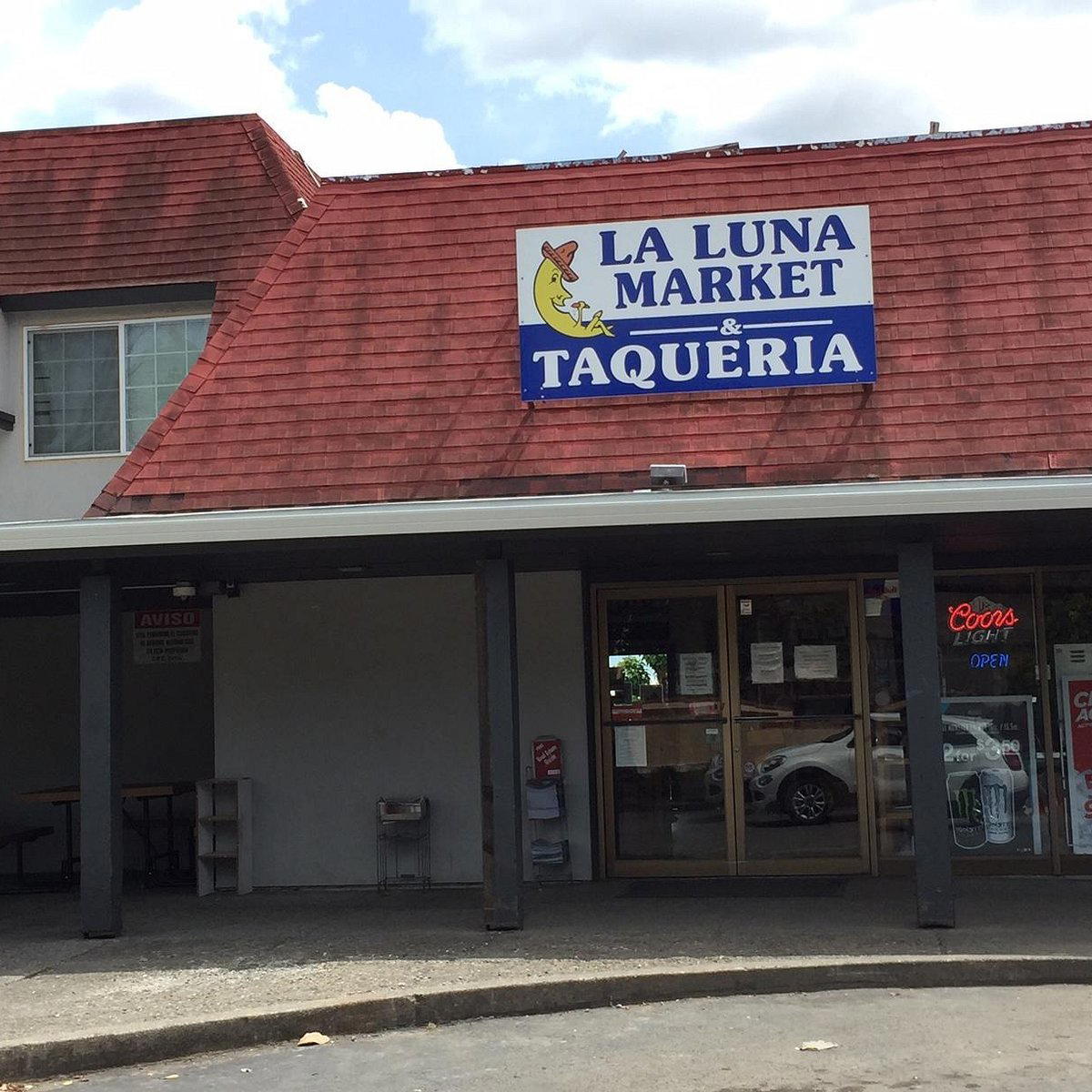
Rutherford's Other Food Culture
Napa Valley's dining reputation is built almost entirely on the formal end of the spectrum. The French Laundry in Napa sets a ceiling that shapes how most visitors understand the region's food, and estate restaurants at wineries like those in Rutherford tend to compete within that same refined register. But the valley also has a parallel food culture, one shaped by the workers, farmers, and vineyard crews who actually grow the grapes and harvest the produce that fills those tasting menus. La Luna Market & Taqueria on Rutherford Road belongs to that tradition, and it serves a casual, walk-in-friendly Mexican taqueria experience in Rutherford.
Rutherford itself sits mid-valley, between Oakville to the south and St. Helena to the north, on a stretch of Highway 29 corridor that most visitors pass through en route to a reservation somewhere more formal. The agricultural density here is significant: Rutherford's benchland soils are among the more closely farmed in Napa, and the surrounding land produces fruit that ends up in bottles priced well above what most of the world drinks. La Luna operates in that geography without orbiting around it, it is a neighborhood market and taqueria, not a wine-country concept restaurant.
The Sourcing Logic Behind Market-Taqueria Formats
In California's agricultural regions, the market-taqueria format has a specific logic that doesn't translate neatly to urban contexts. When a small market operates alongside a taqueria counter in a place like Rutherford, it is often drawing on the same regional supply chains that feed the valley's larger kitchens, produce grown nearby, proteins sourced through distributors that serve the wider North Bay, and prepared foods that reflect the Mexican and Central American culinary traditions that have shaped California agriculture for generations.
This matters because the sourcing proximity in Napa Valley is unusually tight. The same benchland that produces Cabernet grapes also supports vegetable cultivation, and the farming communities around Rutherford Road have sustained food traditions that predate the valley's transformation into a luxury wine destination. Restaurants operating at the formal tier, places like Single Thread Farm in Healdsburg or Lazy Bear in San Francisco, make sourcing proximity a centerpiece of their editorial identity. At a market-taqueria, that same proximity is structural rather than announced: the food is close to its ingredients not as a concept but as a consequence of where the operation sits.
Across California, this format has produced particularly ingredient-honest cooking in the state. Compare it to what happens at operations like Blue Hill at Stone Barns in Tarrytown or Oyster Oyster in Washington, D.C., where farm-to-table sourcing is constructed into a formal tasting format and priced accordingly. The taqueria model compresses that distance between field and plate without the intermediary of a tasting menu infrastructure.
Where La Luna Sits in Rutherford's Dining Picture
Rutherford's formal dining options are sparse by design, the town exists primarily as a wine destination, and most visitor spending routes through tasting rooms rather than restaurants. Matisse 167 operates at the other end of the local register, representing the kind of estate-adjacent dining that positions itself alongside the valley's wine identity. La Luna occupies a different tier entirely, one that serves a local population rather than a visitor economy.
That positioning is not a limitation, it's a function. In wine country, the restaurants that survive without depending on tourist traffic tend to have a more durable relationship with the local food supply. They are not building seasonal menus around what impresses a visiting critic; they are cooking what the community around them has eaten for decades. For visitors accustomed to the level of formality at places like Addison in San Diego or Le Bernardin in New York City, a stop at La Luna represents a deliberate gear change, and one that often produces a more accurate picture of where a place actually lives.
The broader pattern holds across American wine regions. In Healdsburg, in Paso Robles, in the Willamette Valley, the everyday eating that surrounds high-end wine culture is frequently Mexican or Central American in character, a reflection of the workforce demographics that shape these agricultural zones. Places like Emeril's in New Orleans or The Inn at Little Washington operate in food cultures with entirely different historical foundations; the taqueria tradition in California's wine country is its own distinct culinary lineage, and La Luna sits inside it.
Planning a Visit
La Luna Market & Taqueria is located at 1153 Rutherford Road, directly accessible from the main Rutherford corridor and within easy reach of most mid-valley winery visits. For those spending time in the valley, this kind of stop works well at lunch, when taqueria counters in California's agricultural towns tend to operate at full output. The market component means it functions as both a meal stop and a provisions point.
For those building a wider California dining itinerary, the contrast between a stop like La Luna and the formal register represented by Providence in Los Angeles, Smyth in Chicago, ITAMAE in Miami, Frasca Food & Wine in Boulder, The Wolf's Tailor in Denver, or Atomix in New York City is part of what makes a trip to wine country legible as more than a series of tasting menus. The taqueria format is not a lesser version of the same impulse, it is a different food system entirely, and in Napa Valley it carries its own form of authority. For a European reference point on sourcing-led cooking with deep regional roots, Atelier Moessmer Norbert Niederkofler in Brunico represents how seriously that argument can be made in a formal register.
Fast Comparison
Comparable venues nearby, for context on price, style, and recognition.
| Venue | Cuisine | Price | Notes |
|---|---|---|---|
| La Luna Market & TaqueriaThis venue — the venue you are viewing | Authentic Mexican Taqueria | $ | Not listed |
| Tacos Garcia | Authentic Mexican Street Tacos | $ | Yountville |
| Taqueria San Jose | Authentic Mexican Taqueria | $ | Mission |
| Gordo Taqueria | Classic Mexican Taqueria | $ | Solano Avenue |
| Mitla Cafe | Traditional Mexican Taqueria | $$ | San Bernardino |
Continue exploring
More in Rutherford
Restaurants in Rutherford
Browse all →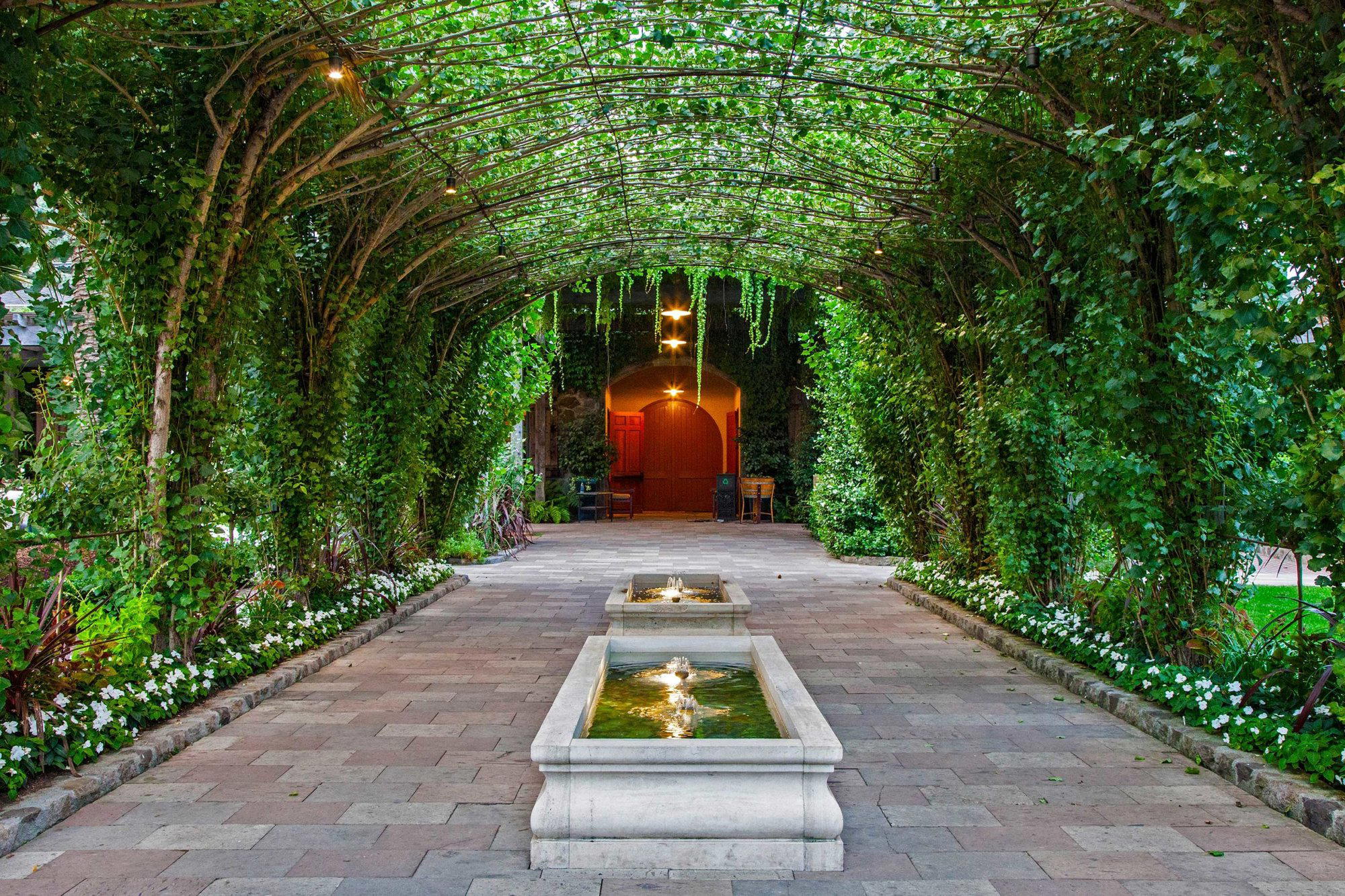
Bars in Rutherford
Browse all →
Hotels in Rutherford
Browse all →


At a Glance
- Rustic
- Cozy
- Casual Hangout
- Vineyard
Current opening hours
- Monday
- 7 AM–7 PM
- Tuesday
- 7 AM–7 PM
- Wednesday
- 7 AM–7 PM
- Thursday
- 7 AM–7 PM
- Friday
- 7 AM–7 PM
- Saturday
- 8 AM–5 PM
- Sunday
- 8 AM–4 PM
Hours can change for holidays and private events. Last verified .
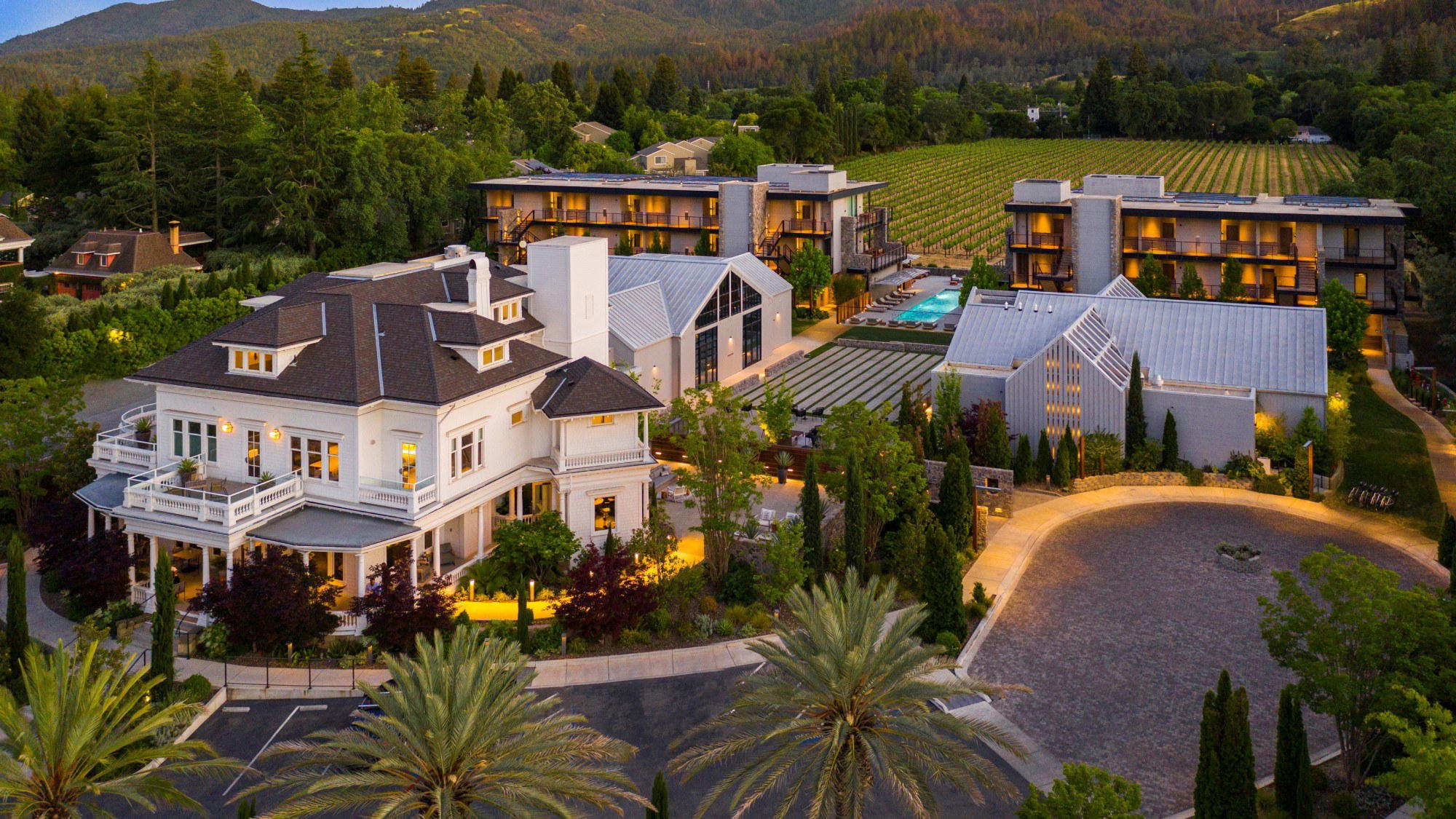
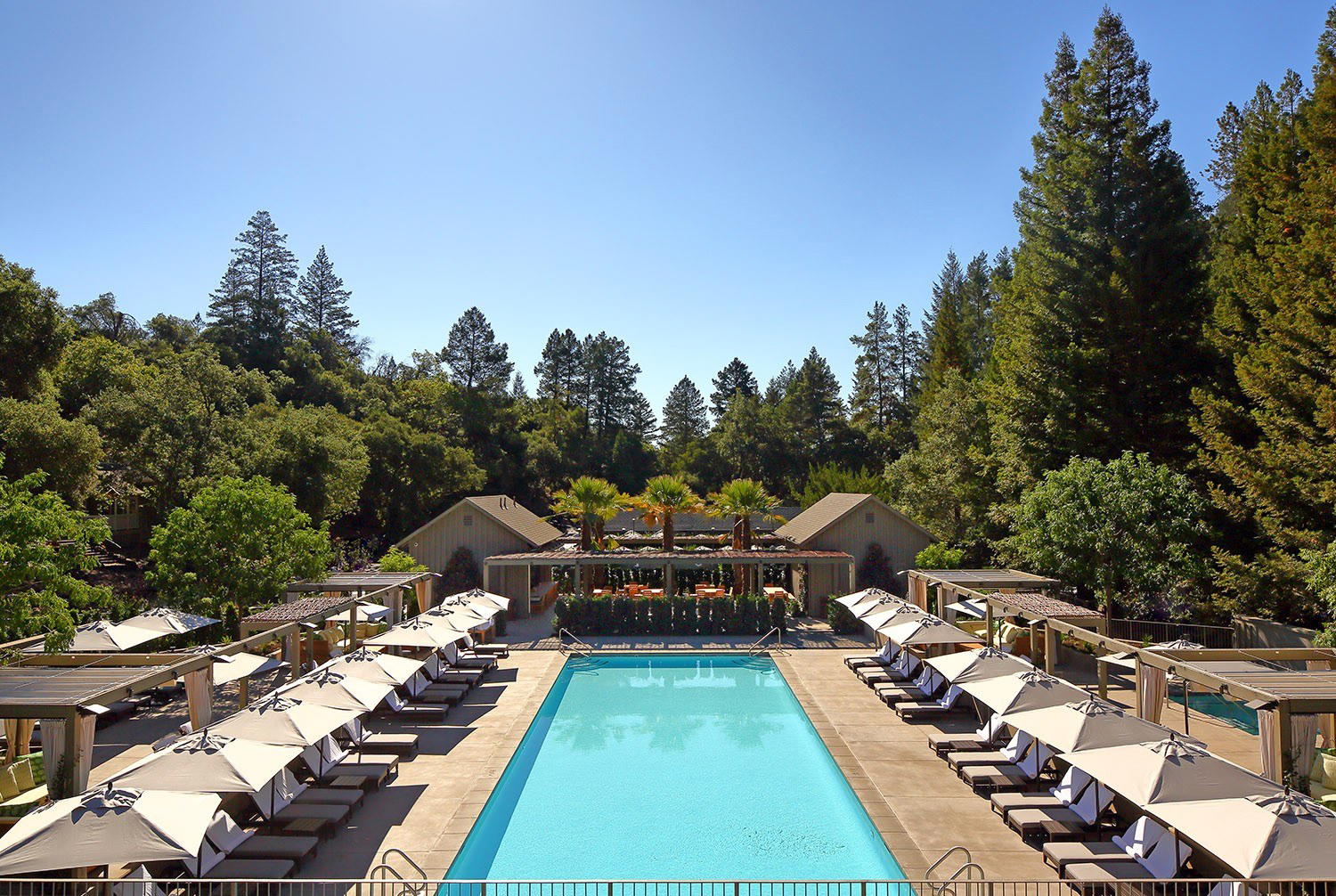
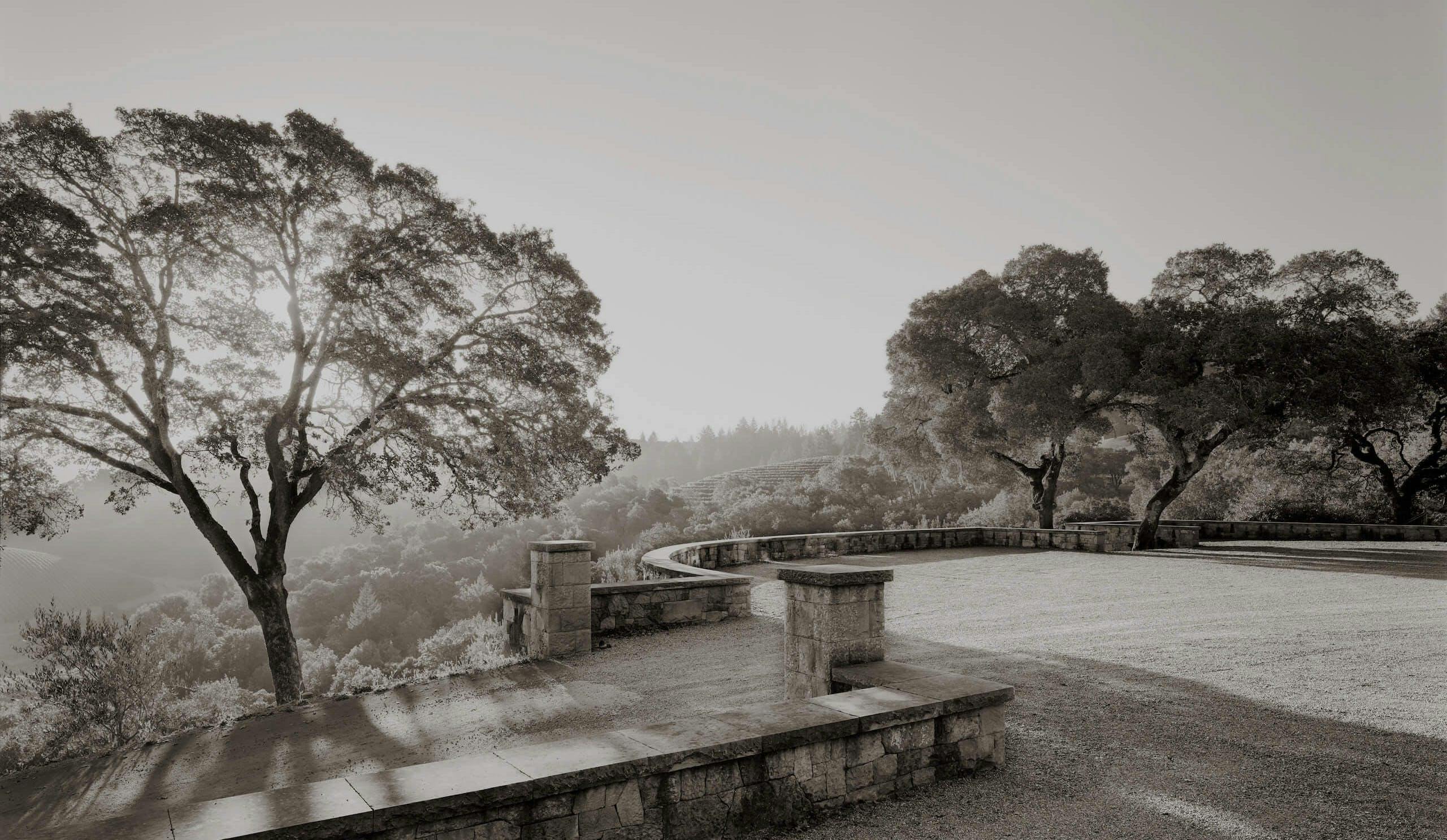
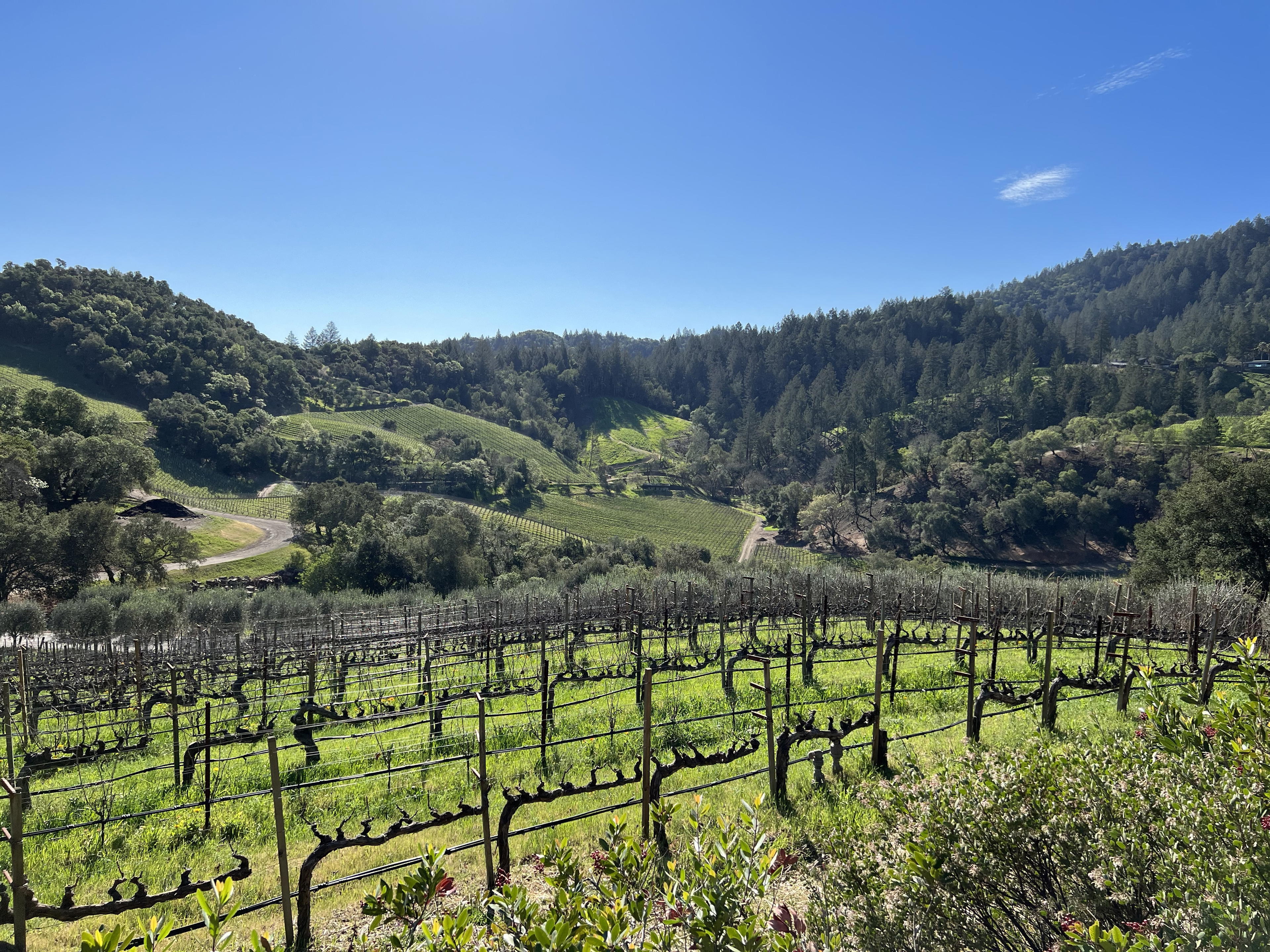
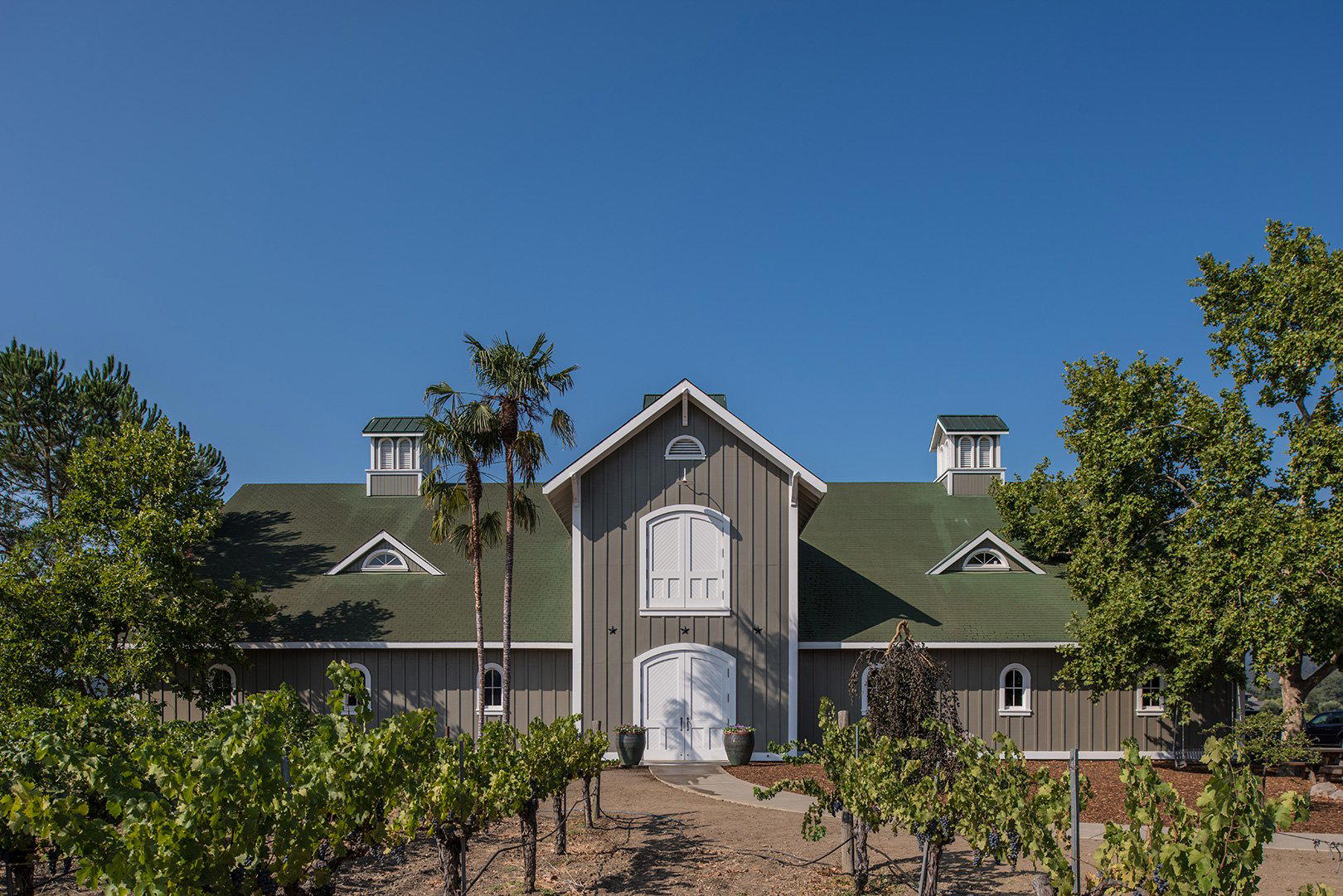
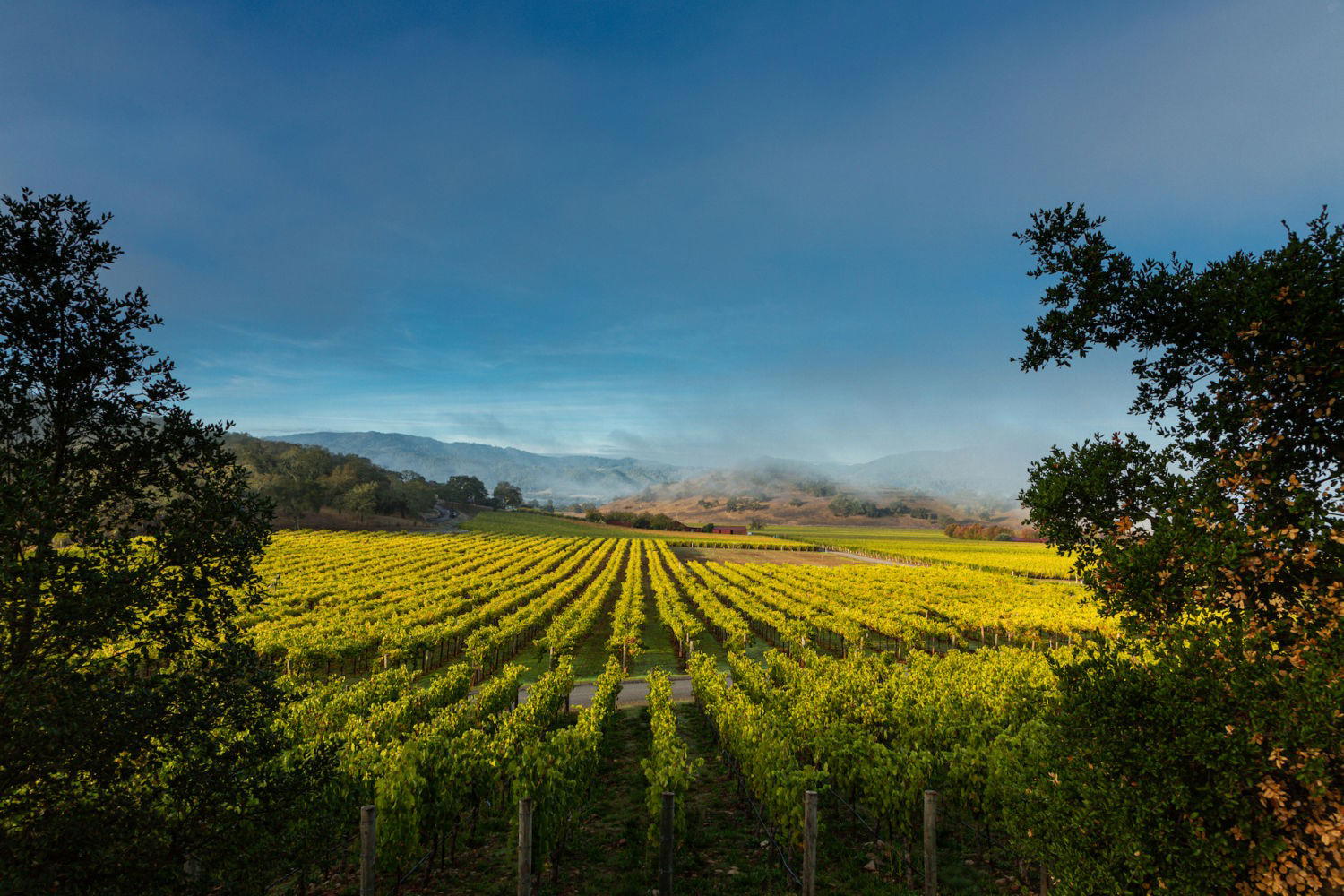
Casual market atmosphere with picnic tables outside overlooking vineyards.