Matisse 167
Matisse 167 occupies a distinct position in Rutherford, New Jersey's dining scene, bringing a considered approach to ingredient sourcing that places it alongside destination-worthy tables in the broader American Northeast corridor. Located at 167 Park Ave, the restaurant draws comparisons to farm-forward peers operating at the upper tier of regional dining. For those exploring our full Rutherford restaurants guide, it represents a serious entry point into the area's evolving food culture.
Pearl is the En Primeur Club membership app — saves, bookings, and concierge access live there. Same editors, same standards.
- Address
- 167 Park Ave, Rutherford, NJ 07070
- Phone
- +12019352995
- Website
- matisse167.com
- Directions
- Get directions
 Saves & bookings on Pearl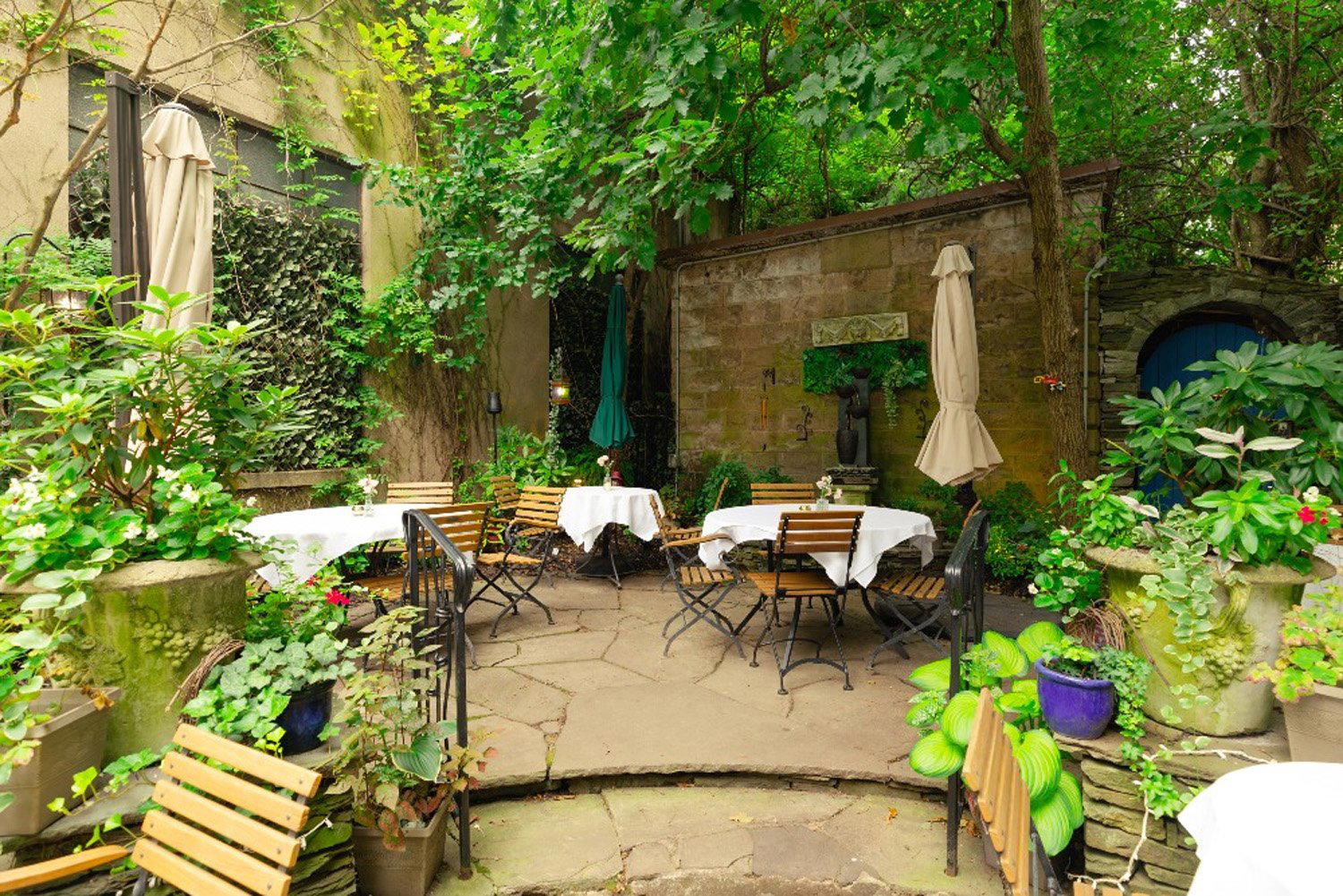
Where the Ingredients Begin the Conversation
The shift toward provenance-led dining in American restaurants did not happen overnight, and it did not happen uniformly. In cities like New York, Chicago, and San Francisco, ingredient sourcing became a defining marker of serious kitchens well before it filtered into smaller suburban markets. Rutherford, New Jersey sits close enough to the New York metropolitan corridor to feel the pressure of that influence, and Matisse 167, at 167 Park Ave, operates in a dining environment shaped by guests who move regularly between suburban tables and the city's more demanding rooms. That context matters: diners familiar with the sourcing standards at places like Blue Hill at Stone Barns in Tarrytown or Le Bernardin in New York City carry expectations that regional restaurants increasingly have to answer.
The broader movement these rooms belong to treats the supply chain as editorial content: what the kitchen chooses to source, from where, and at what seasonal moment becomes as legible as the cooking technique itself. Farms, fisheries, and small-scale producers are named not as decoration but as evidence of a culinary position. That framework now extends well beyond the major metropolitan centers, reaching tables in markets like Rutherford.
The Room and What It Signals
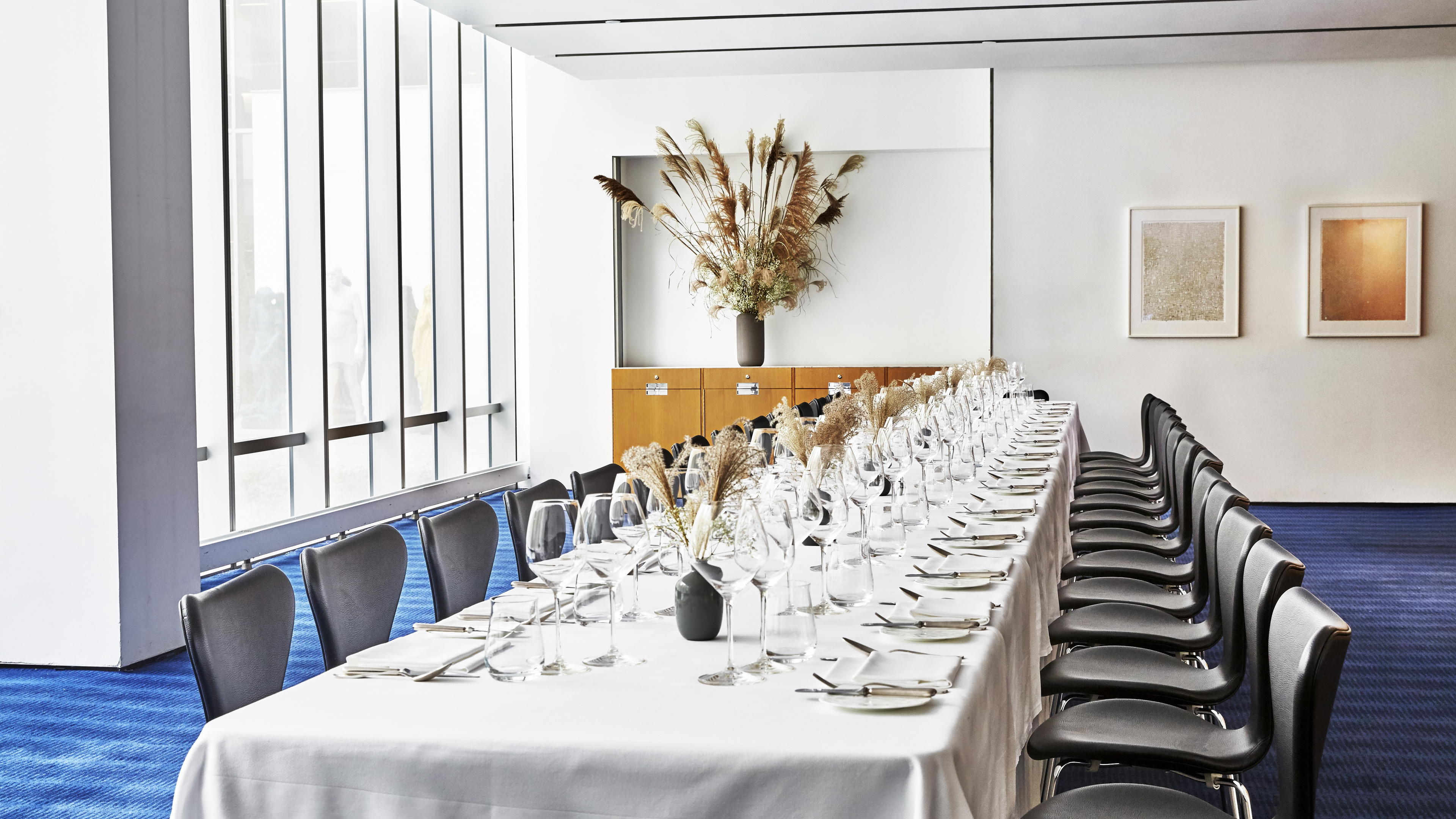
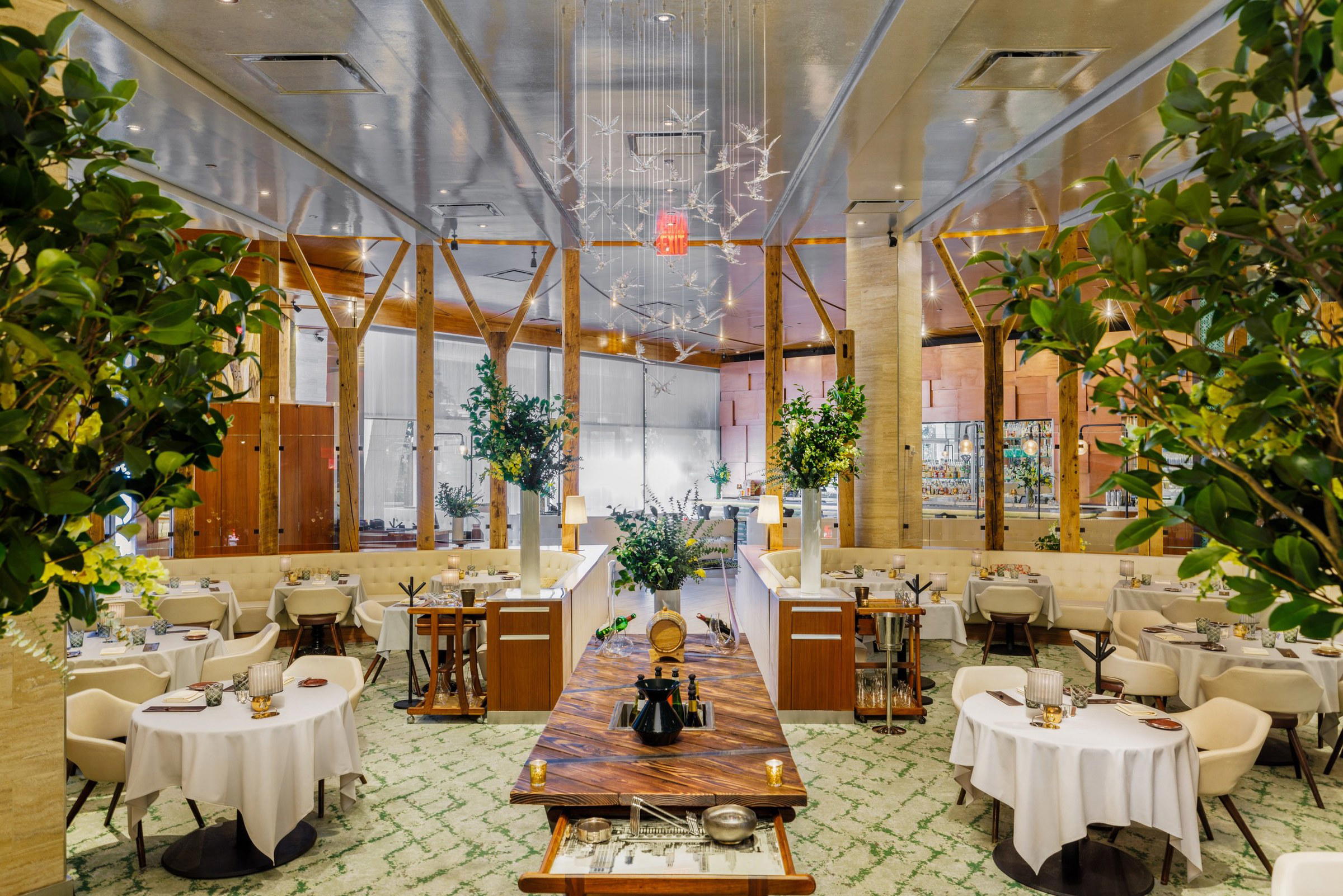
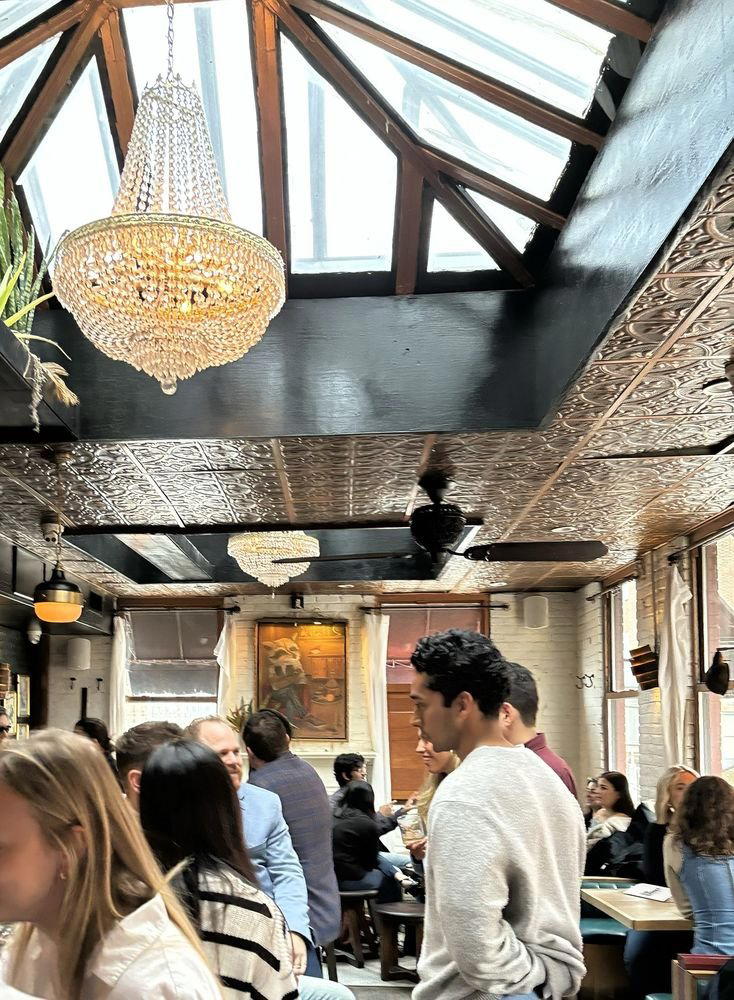
Exposed brickwork, considered lighting, and the absence of unnecessary decoration have become a common grammar for kitchens that want the food to do the signaling. Matisse 167's positioning on Park Ave places it within a neighborhood fabric that is walkable and locally anchored, a setting that tends to reward restaurants oriented toward regular, returning guests rather than destination-driven one-time visits.
That dynamic shapes the sourcing calculus differently than it does for, say, a tasting-menu destination like The French Laundry in Napa or Single Thread Farm in Healdsburg, where the provenance story is built into a fixed, multi-course format designed for occasional ceremonial dining. A neighborhood-anchored room has to make the sourcing argument work across a broader range of visit occasions, which is a harder editorial problem to solve in the kitchen.
Sourcing as a Regional Argument
The Northeast United States has the infrastructure to support serious ingredient sourcing at the regional level. The Hudson Valley, in particular, has produced a dense network of small farms, artisan dairies, and specialty growers that supply particularly demanding kitchens in New York and its surrounding markets. For a restaurant in Rutherford, that supply chain is geographically proximate in a way it simply is not for counterparts in Denver or Atlanta, even as those cities develop their own regional sourcing identities. Compare the position here with farm-forward rooms like Brutø in Denver or Bacchanalia in Atlanta, both of which have built sourcing programs that work against the geographic grain of their respective regions.
Proximity to supply does not automatically translate into sourcing discipline, but it lowers the friction enough that kitchens with genuine commitment to provenance can act on it without the logistical overhead that constrains restaurants in more isolated markets. The question for any room operating in this corridor is whether the sourcing story is structural, built into how the menu is written and how it changes, or decorative, added as language without corresponding kitchen practice.
That distinction is visible in how menus age. Rooms with structural sourcing programs change with the season in ways that feel consequential rather than cosmetic. A restaurant near Rutherford that draws from regional producers will show the difference between a June and a November menu in the vegetables, the proteins, and the preparation logic, not just in the descriptive copy. That seasonal fidelity is the clearest signal a kitchen can send about where its sourcing commitments actually sit. Guests who have eaten at Causa in Washington, D.C. or Frasca Food and Wine in Boulder understand that this kind of menu discipline is a choice, not a default.
The Competitive Frame
Rutherford's dining scene occupies a specific middle position in the New Jersey-New York continuum: suburban enough to serve a local residential base, close enough to Manhattan to attract guests with metropolitan dining expectations. That dual audience creates a natural competitive pressure. Restaurants in this position tend to differentiate either on price accessibility relative to city peers or on a culinary point of view that justifies the deliberate choice to dine outside the city. The strongest rooms in comparable markets, such as those profiled in our full Rutherford restaurants guide, tend to build their identity around one or the other rather than splitting the difference.
For sourcing-led kitchens, the culinary point of view argument is the stronger play. A diner who has made the trip from Manhattan or who lives in Rutherford and wants something beyond the city's density of options is more likely to return for a kitchen with a clear ingredient philosophy than for generic competence. That is the logic that underpins the sourcing investments at places like Emeril's in New Orleans, Providence in Los Angeles, or Addison in San Diego: each operates in a market where the competitive set is dense enough that a defined point of view is not optional.
For context on the broader American sourcing conversation at the highest tier, rooms like Alinea in Chicago, Lazy Bear in San Francisco, Atomix in New York City, and The Inn at Little Washington in Washington have each built ingredient sourcing into the structural logic of their formats, whether through direct farm relationships, fixed tasting formats tied to harvest cycles, or named-producer menus. These are the reference points against which serious regional rooms are increasingly measured, even when operating at a different price tier and scale.
Also worth noting for visitors to the area: La Luna Market and Taqueria represents a different but equally committed approach to ingredient integrity within Rutherford's local dining options, and for globally minded diners, the sourcing discipline on display at 8 1/2 Otto e Mezzo Bombana in Hong Kong offers a useful international reference point for what ingredient-led cooking can look like at the highest formal tier.
Planning Your Visit
Matisse 167 is located at 167 Park Ave, Rutherford, NJ 07070.
A Quick Peer Check
Comparable venues nearby, for context on price, style, and recognition.
| Venue | Cuisine | Price | Notes |
|---|---|---|---|
| Matisse 167This venue — the venue you are viewing | Modern Fine Dining Prix-Fixe | $$$$ | Not listed |
| La Fusta | Argentine Steakhouse | $$$ | North Bergen |
| Dino & Harry's Steakhouse | Classic American Steakhouse | $$$$ | uptown Hoboken |
| Capons Chophouse | Modern American Steakhouse | $$$$ | The Shops at Riverside |
| Carro Cafe NJ | Modern Latin Fusion | $$$$ | Union City |
| Liberty Prime Steakhouse | Premium Steakhouse | $$$$ | Downtown Jersey City |
Continue exploring
More in Rutherford
Restaurants in Rutherford
Browse all →
Bars in Rutherford
Browse all →
Hotels in Rutherford
Browse all →





At a Glance
- Elegant
- Sophisticated
- Date Night
- Special Occasion
- Standalone
Current opening hours
- Monday
- Closed
- Tuesday
- Closed
- Wednesday
- 5–10 PM
- Thursday
- 5–10 PM
- Friday
- 5–10 PM
- Saturday
- 5–10 PM
- Sunday
- 5–10 PM
Hours can change for holidays and private events. Last verified .
Artistic atmosphere with moderate noise levels.