La Luna
Located on Racine Avenue in Chicago's Lower West Side, La Luna occupies a stretch of the city where neighborhood dining has long operated outside the downtown spotlight. The address places it in Pilsen, a district whose restaurant identity has shifted considerably over the past decade, making La Luna part of a broader story about where serious Chicago dining is finding new ground.
Pearl is the En Primeur Club membership app — saves, bookings, and concierge access live there. Same editors, same standards.
- Address
- 1726 S Racine Ave, Chicago, IL 60608
- Phone
- +13122488957
- Website
- lalunachicago.com
- Directions
- Get directions
 Saves & bookings on Pearl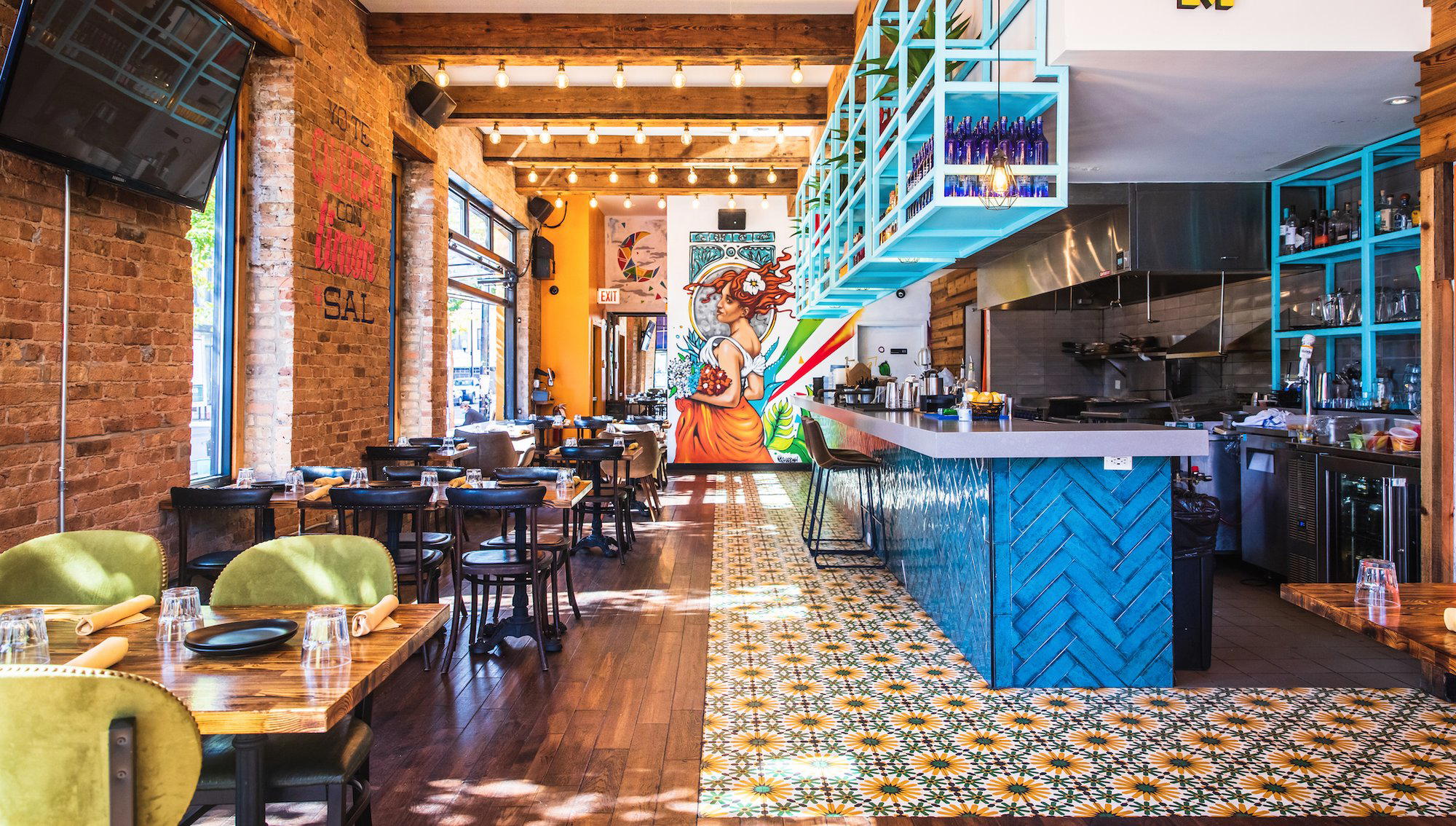
A Neighborhood in Transition, A Restaurant in Motion
Pilsen has spent the better part of a decade pulling Chicago's dining conversation southward. What was once a largely residential corridor anchored by Mexican bakeries, taquerias, and family-run fondas has accumulated a more layered identity, one where long-standing neighborhood institutions share blocks with newer projects that carry higher culinary ambitions. La Luna is a Modern Mexican restaurant at 1726 S Racine Ave, Chicago. Its address in the Lower West Side places it in a district that has become a useful case study in how Chicago's dining geography evolves: not through a single wave of openings, but through gradual accumulation and reinvention.
That evolutionary pattern is the context worth understanding before you book. Chicago's premium dining scene has historically concentrated in the River North and West Loop corridors, where venues like Alinea, Smyth, and Oriole defined what serious tasting-menu dining looked like in the city. The southward and westward movement of culinary ambition is a newer development, and Pilsen is one of its more compelling chapters. La Luna participates in that story by existing where it does, on a street that rewards the diner willing to move past the well-worn reservation circuits.
What the Address Tells You About the Dining Tradition
Racine Avenue in Pilsen has a specific culinary lineage. The corridor connects deeply to Chicago's Mexican-American community, a dining tradition that spans multiple generations and has produced some of the city's most technically grounded and culturally specific food. That context matters because it shapes what a restaurant in this location is working alongside and, in some cases, working through. The evolution visible in Pilsen's restaurant scene is not a displacement story so much as a layering one: newer formats and higher price points have entered a market that still prizes authenticity and value in ways that West Loop diners may not weigh as heavily.
This is the tension that makes the address interesting. Across the United States, compelling dining neighborhoods tend to be the ones where a single culinary tradition has enough depth to anchor an entire district, while newer arrivals respond to that anchor rather than ignore it. In New York, neighborhoods like Flushing and Jackson Heights operate on a similar principle. Chicago's Pilsen functions comparably, and any restaurant operating here is, whether deliberately or not, positioned relative to that foundation. Compare this dynamic to what Kasama has demonstrated in Noble Square: a Filipino-inflected fine-dining project that succeeded in part by working within a neighborhood context rather than against it.
The Reinvention Question in Chicago Dining
The editorial angle that makes La Luna worth tracking is one of evolution. Restaurants that survive and matter in Chicago's mid-tier and independent category tend to be the ones that pivot thoughtfully rather than hold rigidly to an opening-week identity. The city's dining market is competitive in ways that differ from coastal peers: Chicago diners are price-aware, neighborhood-loyal, and skeptical of formats that feel imported rather than grown locally. A venue on Racine Avenue that has stayed relevant across a changing neighborhood has likely done so by reading those pressures accurately.
Nationally, the restaurants that have navigated similar reinvention cycles most successfully tend to share a few characteristics: menus that respond to seasonal and sourcing realities rather than fixed signatures, a relationship with the surrounding community that predates any particular wave of interest, and a format that scales down gracefully when necessary. You can see that discipline at work in different contexts, from Lazy Bear in San Francisco's Mission District to Blue Hill at Stone Barns outside New York, both of which have maintained identity across significant format and market shifts. The principle holds across price points: reinvention that works is usually reinvention that deepens a restaurant's relationship with its place rather than distances it.
Pilsen in the Wider Chicago Context
For visitors building a Chicago itinerary, Pilsen functions as a counterweight to the downtown dining circuit. The neighborhood is accessible from the Loop via the Pink Line, which stops at 18th Street approximately five minutes' walk from the Racine Avenue corridor. That accessibility is relevant because it lowers the logistical barrier that has historically kept visitors within the River North and West Loop radius. The opening of ambitious projects in this part of the city, across multiple cuisine categories, has made the case for cross-neighborhood itineraries in Chicago more compelling than it was even five years ago.
For national context on what independent restaurant ambition looks like outside major coastal markets, it is useful to reference how projects like Bacchanalia in Atlanta and The Inn at Little Washington have held identity across decades of market change: both operate in cities where the dining economy is more diffuse than New York or Los Angeles, and both have succeeded by becoming central to their local dining culture rather than orbiting national trends.
Planning Your Visit
The restaurant's position in Pilsen shapes the practical calculus of a visit. Reservations are recommended.
| Venue | Neighborhood | Format | Price Tier | Booking Lead Time |
|---|---|---|---|---|
| The restaurant | Pilsen (Lower West Side) | Neighborhood dining | Not confirmed | Likely low to moderate |
| Alinea | Lincoln Park | Progressive tasting menu | $$$$ | Weeks to months |
| Smyth | West Loop | Contemporary tasting menu | $$$$ | Weeks to months |
| Kasama | Noble Square | Filipino fine dining | $$$$ | Weeks |
| Next Restaurant | West Loop | American, themed menus | $$$$ | Weeks to months |
Cuisine-First Comparison
Comparable venues nearby, for context on price, style, and recognition.
| Venue | Cuisine | Price | Notes |
|---|---|---|---|
| La LunaThis venue — the venue you are viewing | Modern Mexican | $$ | Not listed |
| Barcocina West Town | Modern Mexican | $$ | West Town |
| Moe's Cantina Wrigleyville | Northern Mexican Wood-Fired | $$ | Wrigleyville |
| Casa Tequila Chicago | Authentic Mexican Grill | $$ | Wicker Park |
| Estrella Negra | Modern Mexican Gourmet Street Food | $$ | Bucktown |
| Senoritas Cantina On Dearborn | Authentic Mexican Cantina | $$ | Printers Row |
At a Glance
- Trendy
- Lively
- Date Night
- Group Dining
- Brunch
- Casual Hangout
- Live Music
- Open Kitchen
- Craft Cocktails
Current opening hours
- Monday
- Closed
- Tuesday
- 5–11 PM
- Wednesday
- 5–11 PM
- Thursday
- 5–11 PM
- Friday
- 4 PM–12 AM
- Saturday
- 12 PM–1 AM
- Sunday
- 12–8 PM
Hours can change for holidays and private events. Last verified .
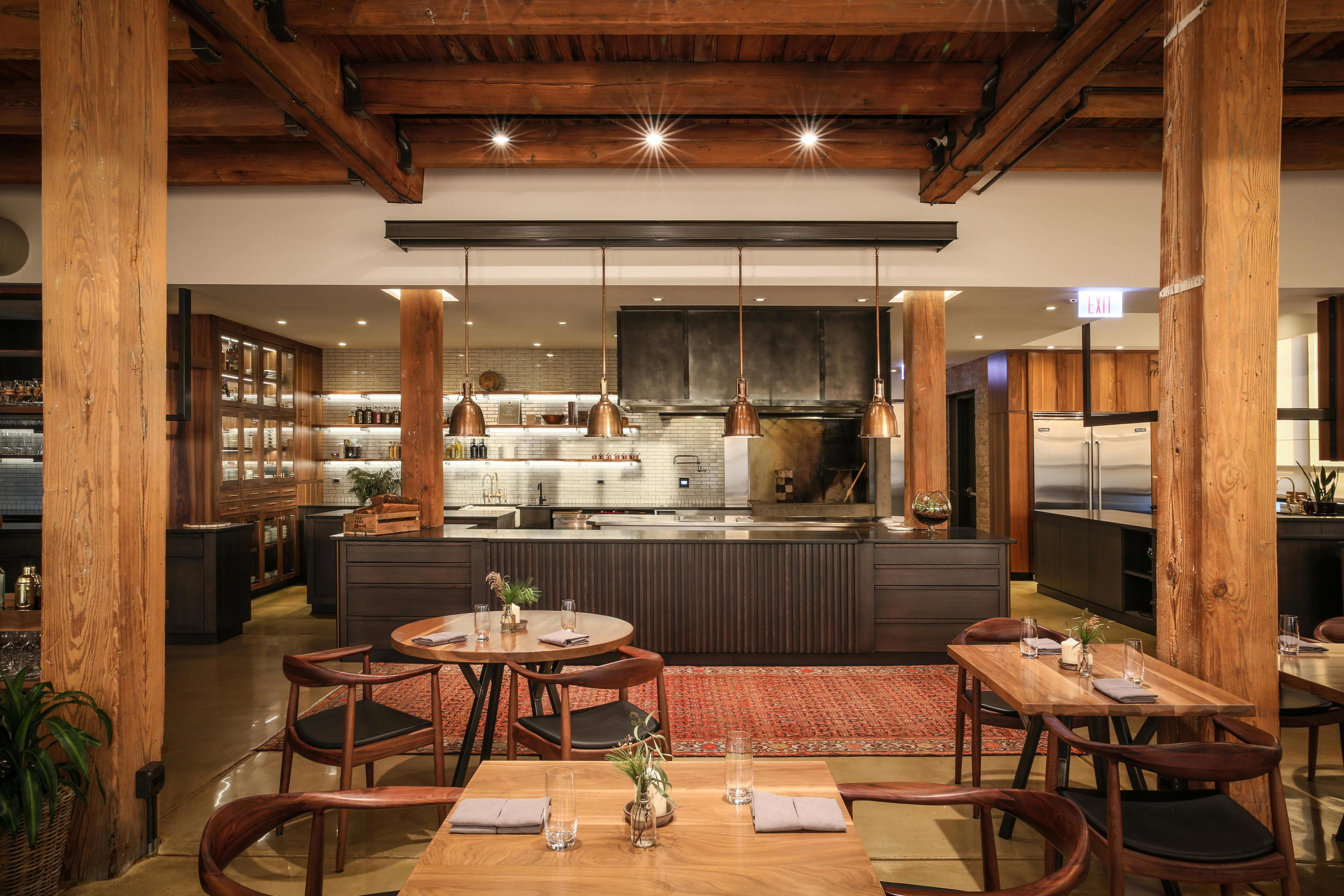
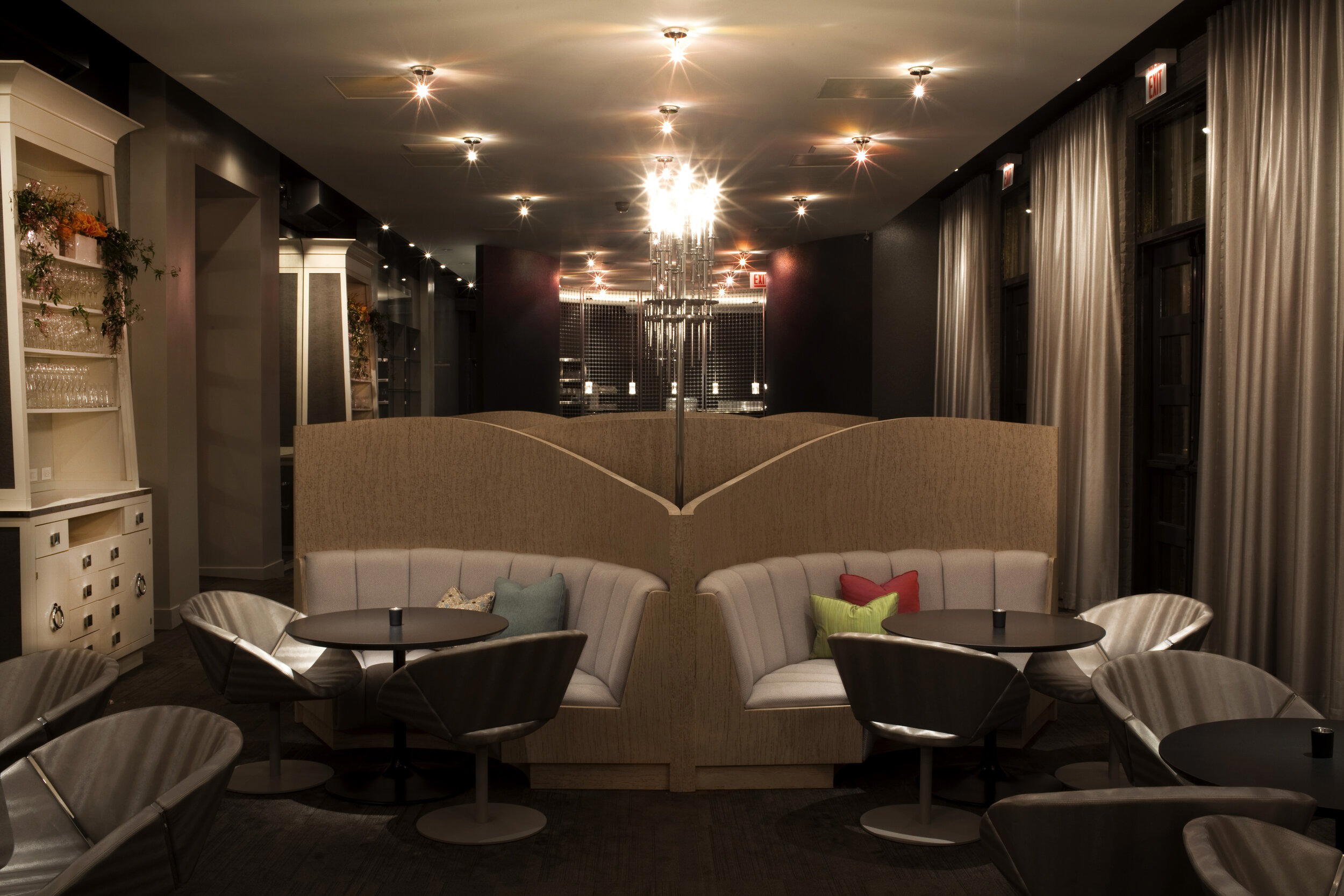
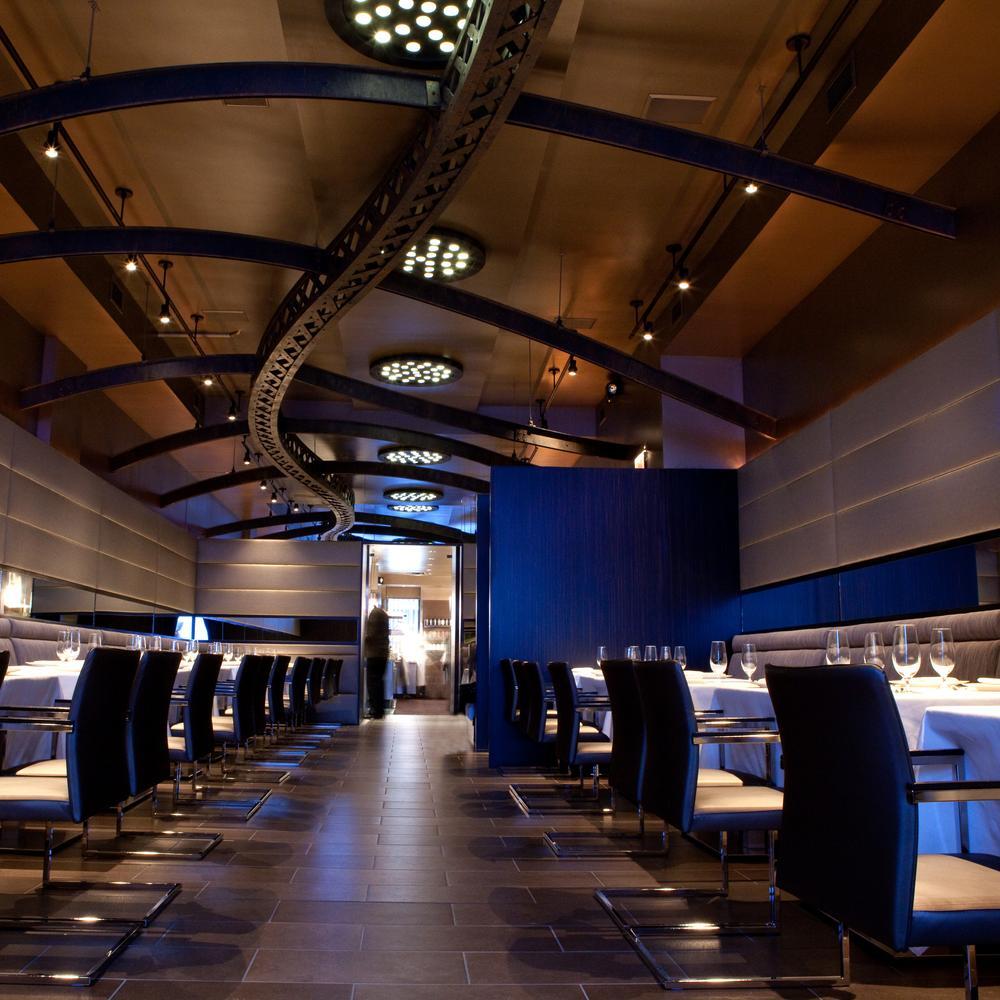
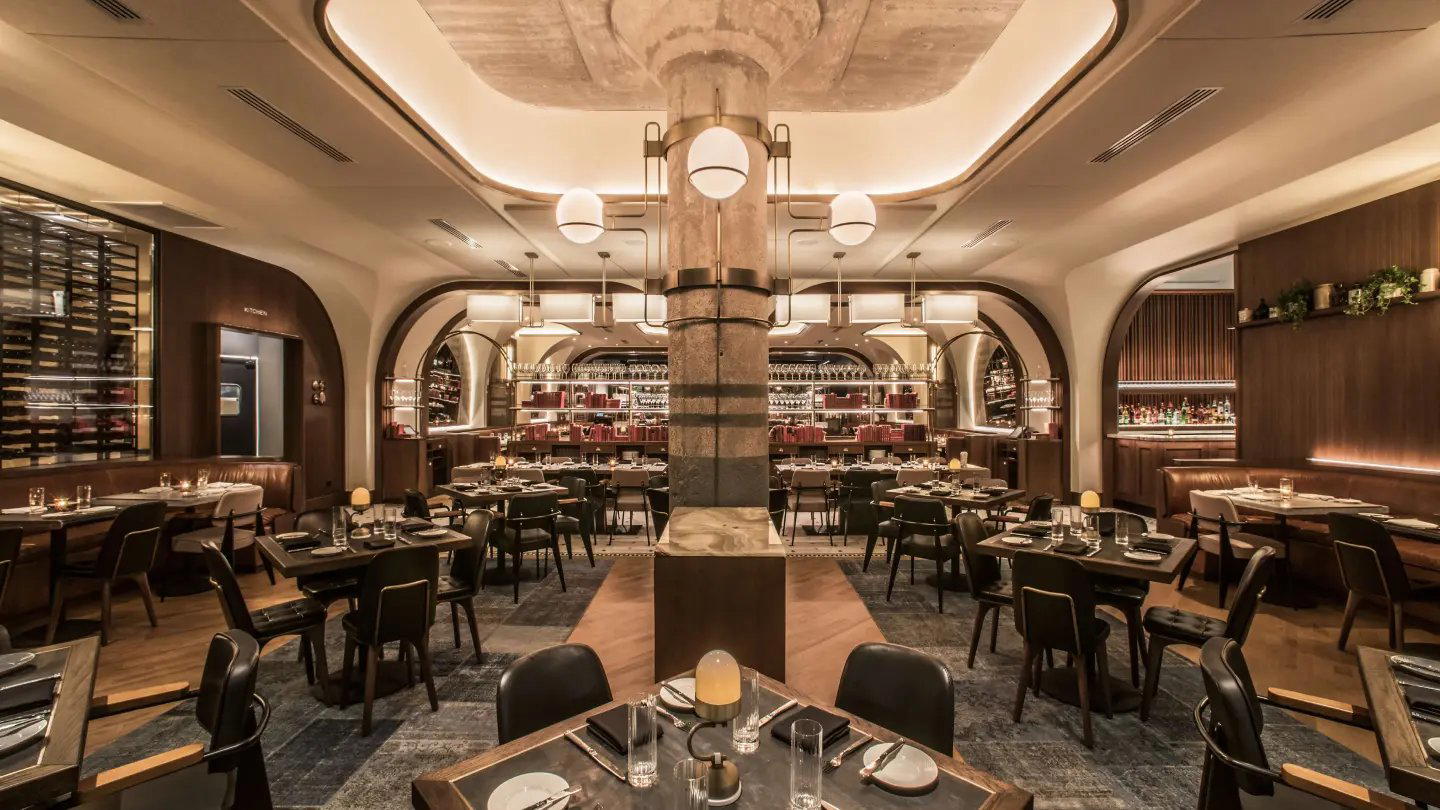
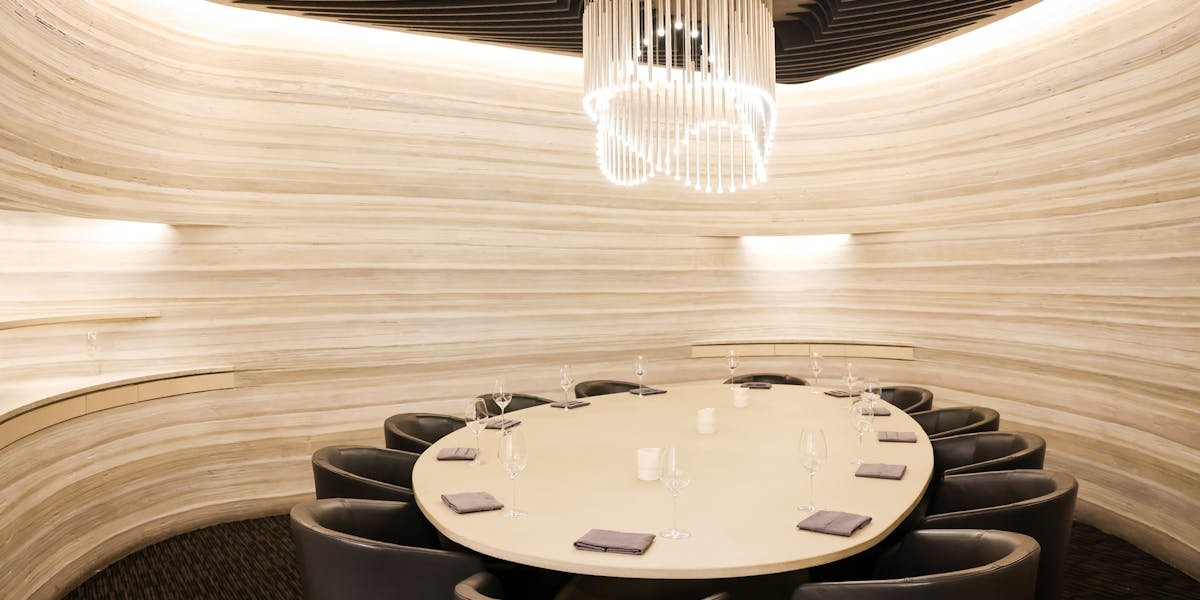
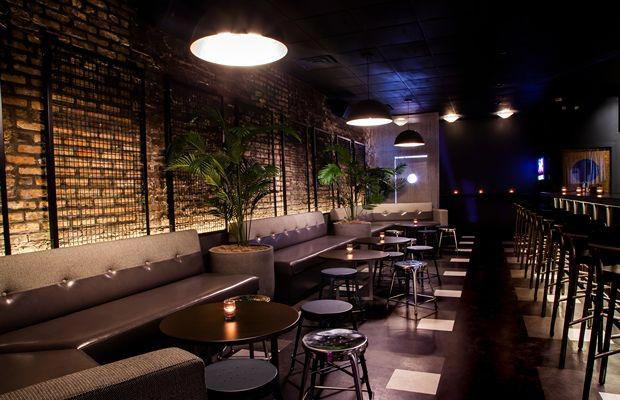
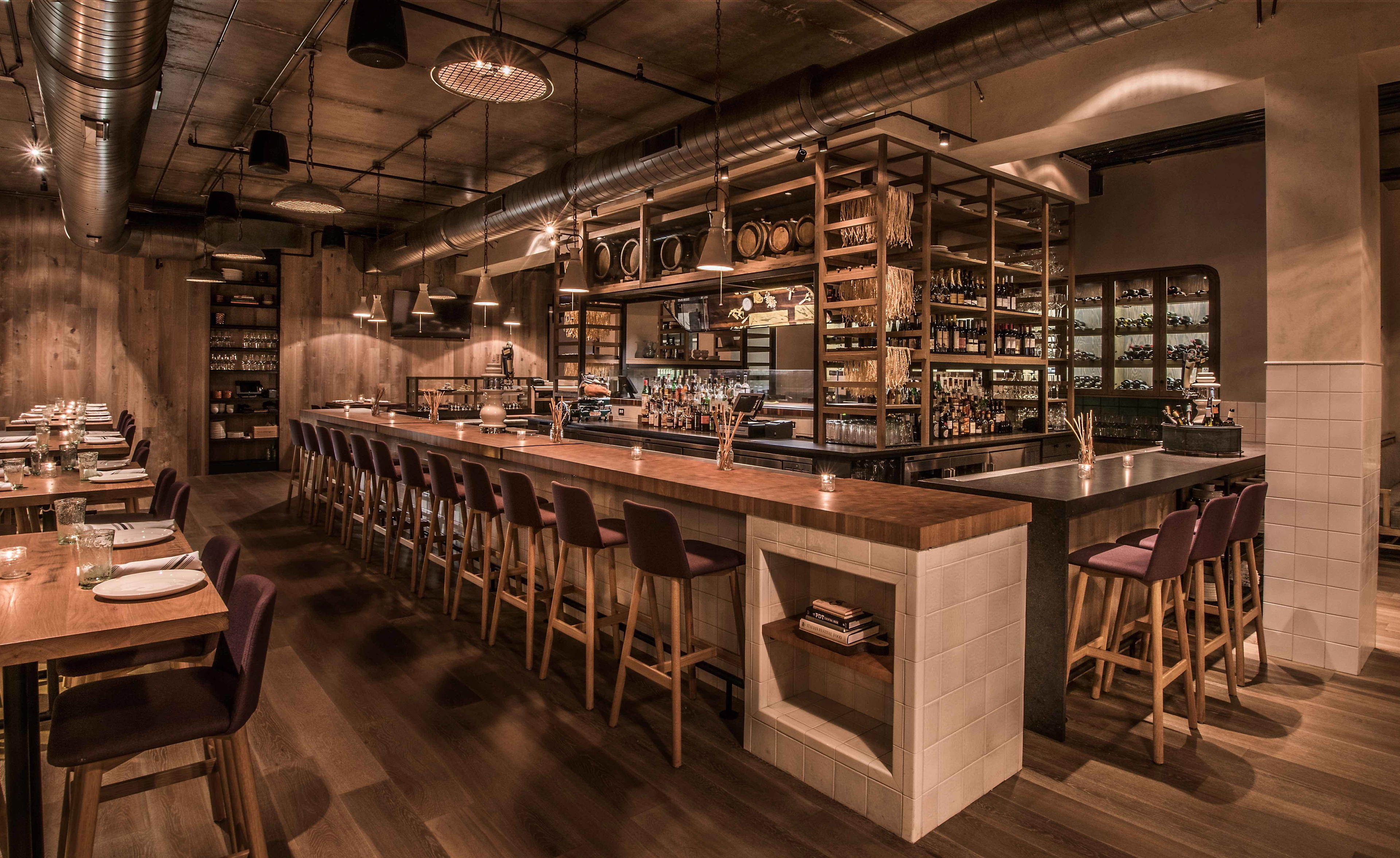
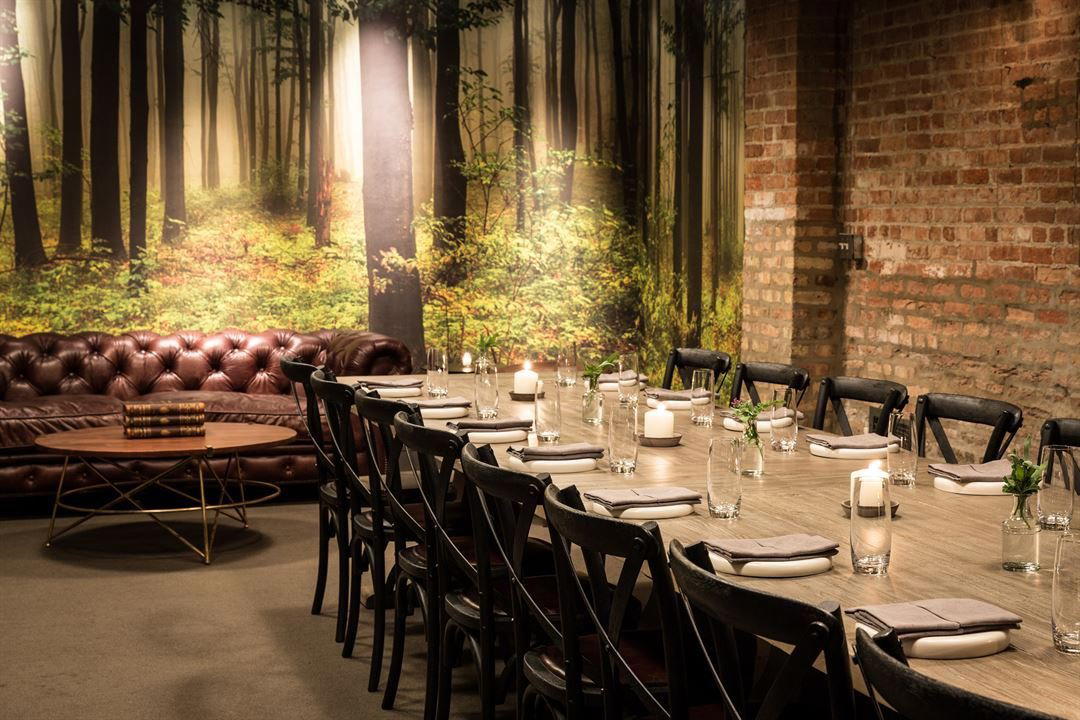
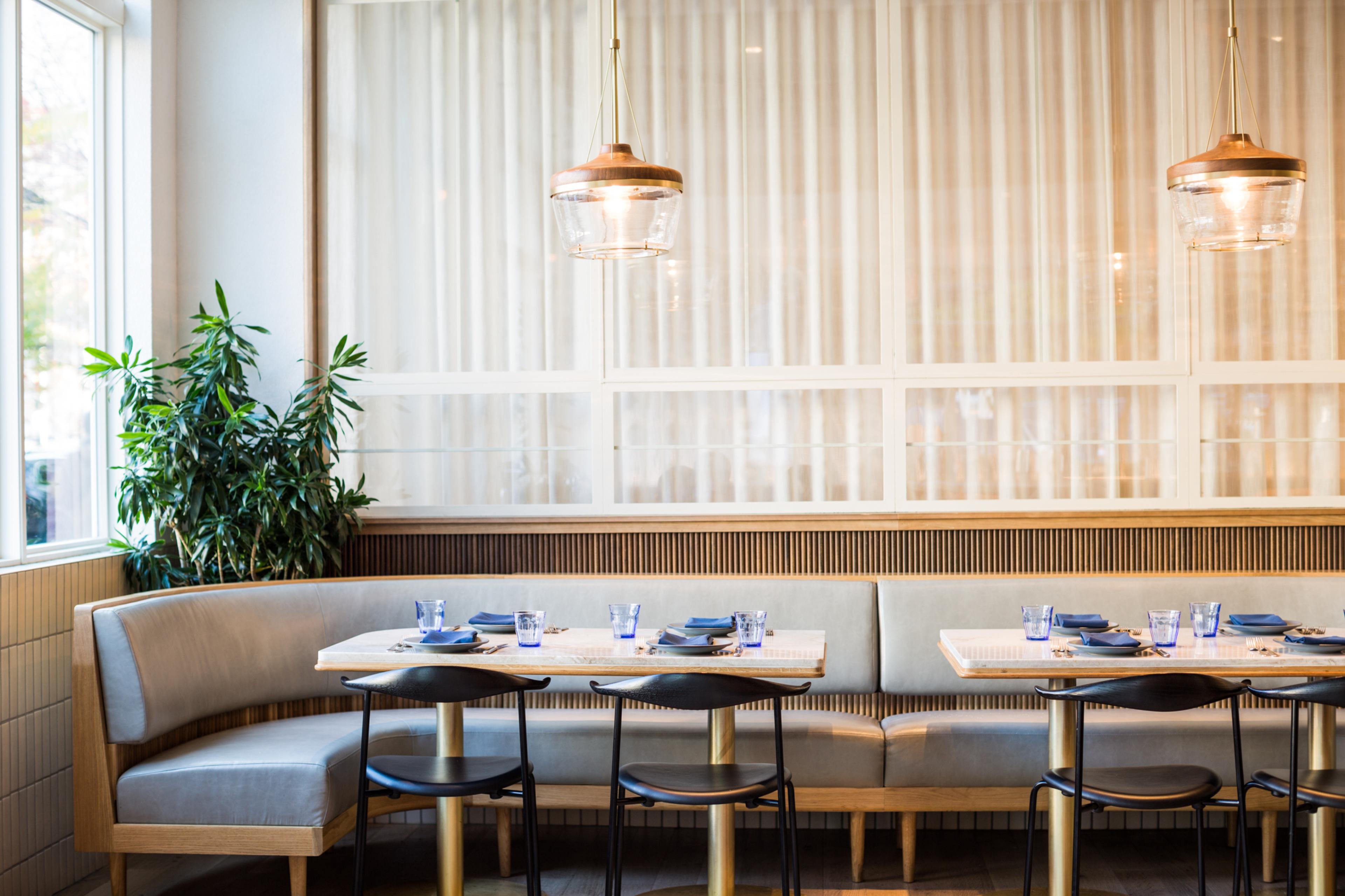
Creative, artsy atmosphere with lively, colorful modern twists homage to Pilsen’s diverse artistic vibe.