La Luge

The kitchen draws on Aosta Valley tradition, with seasonal ingredients and an owner-curated wine cellar. At the €€ price point, it occupies the mid-tier of the resort's dining scene with more culinary rigour than most mountain trattorie.
Pearl is the En Primeur Club membership app — saves, bookings, and concierge access live there. Same editors, same standards.
- Address
- Varvoies, 11028 Valtournenche AO, Italy
- Phone
- +39 0166 948758
- Website
- luge.it
- Directions
- Get directions
 Saves & bookings on Pearl
Where the Aosta Valley Table Begins
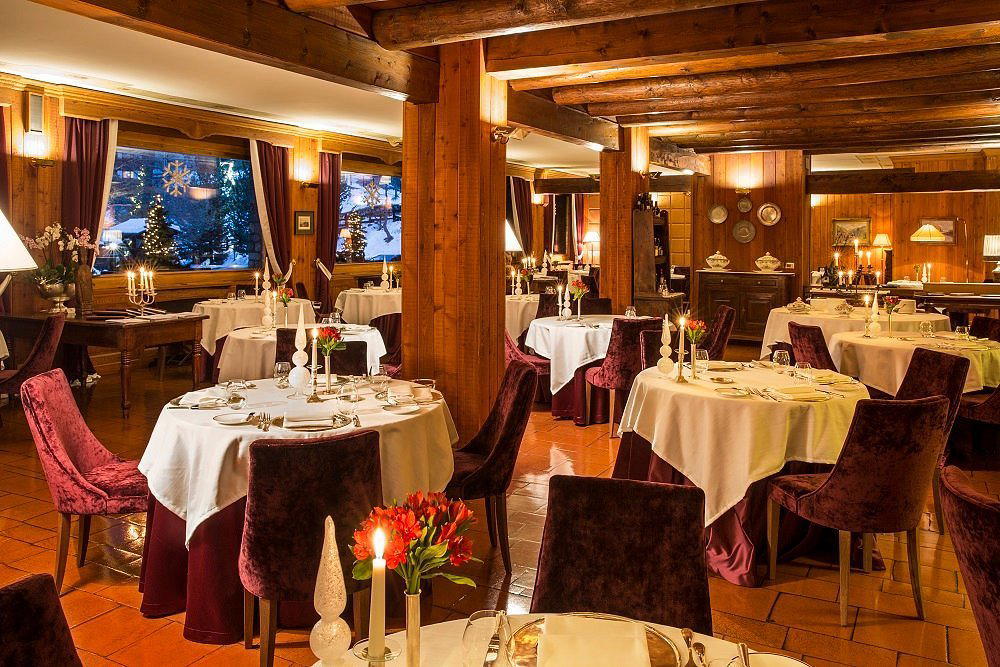
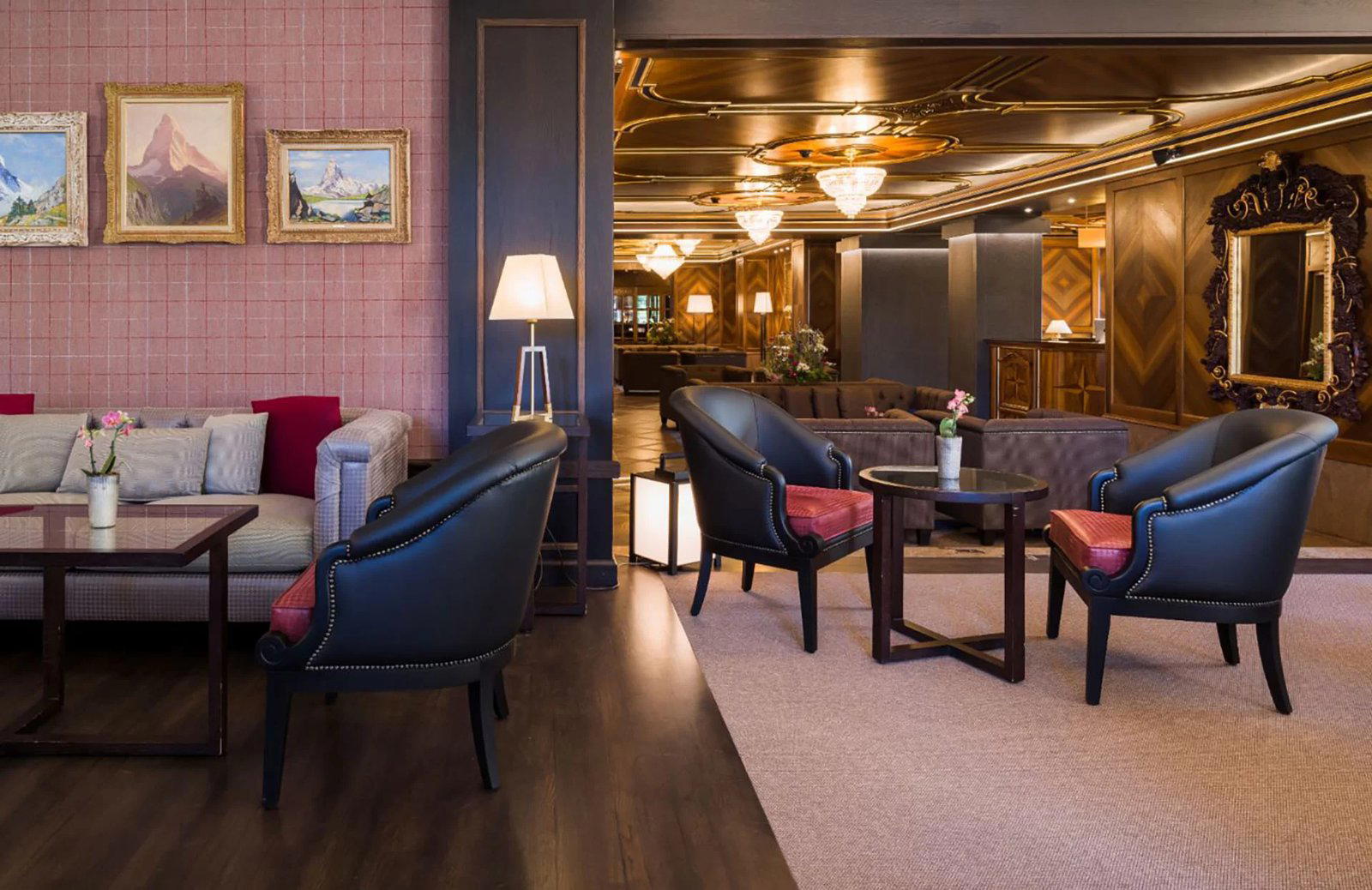
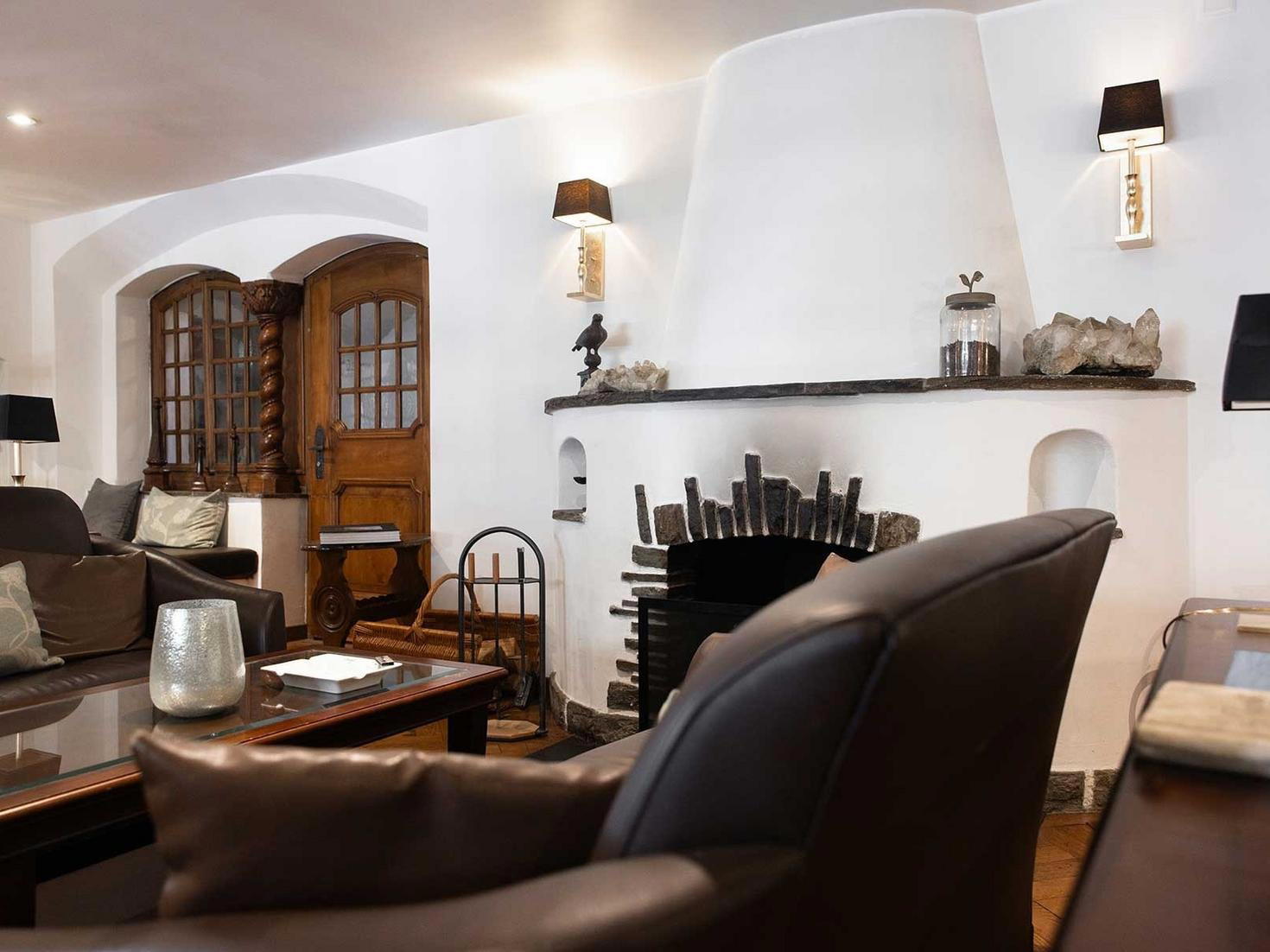
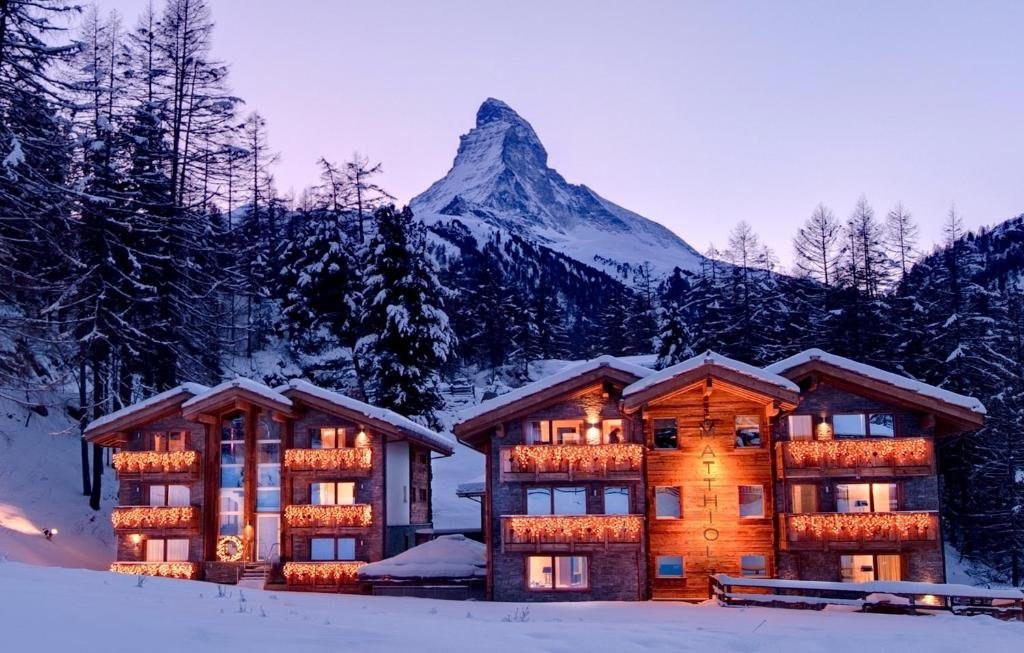
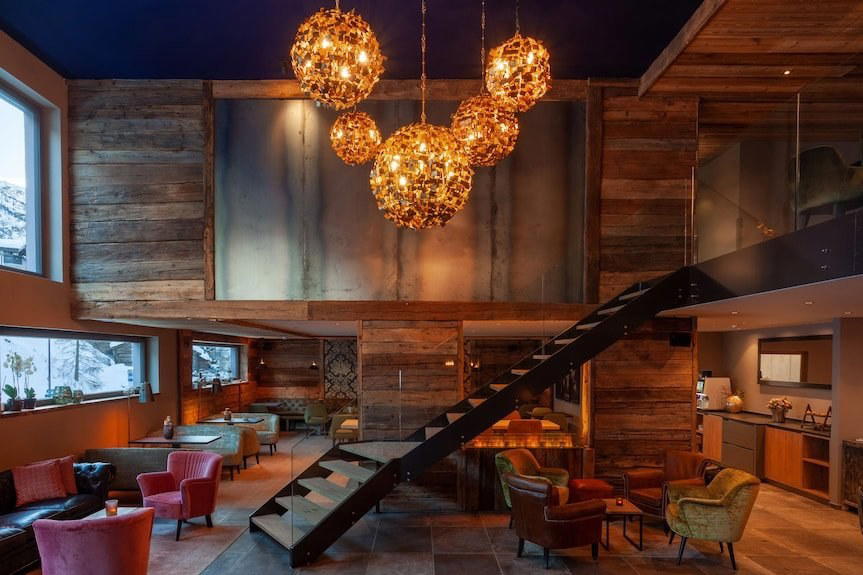
The road from Valtournenche up toward Breuil-Cervinia passes through a particular kind of alpine quietness: broad pasture, stone buildings, the occasional wooden barn that has survived three or four centuries of hard winters. La Luge sits within that corridor, less than four kilometres from the resort centre, inside a farmhouse with a restaurant at its core. The fireplace is lit through winter. The mountain-style interior is what the phrase usually promises but rarely delivers: warm materials, considered without being costumed. What keeps the place honest is the food, which reads as a direct account of what the Aosta Valley has always grown, raised, and preserved.
Aosta Valley Cuisine and What It Actually Means
The Aosta Valley is Italy's smallest region, wedged between the French border and the Gran Paradiso massif, and its cooking reflects centuries of isolation as much as mountain abundance. This is not the rustic-by-design aesthetic that many alpine restaurants perform for tourist seasons. The regional pantry is specific: fontina, the valley's semi-soft DOP cheese that melts into everything from fonduta to polenta; lard d'Arnad, a cured fatback with its own protected designation; mocetta, air-dried chamois or beef rubbed with alpine herbs; carne salada, thinly sliced cured meat; chestnut flour; rye bread. The protein tradition leans heavily on what could be preserved through winter rather than what could be farmed year-round, which gives the cuisine a depth and specificity that separates it from generically alpine cooking.
Restaurants elsewhere in the region, such as Vecchio Ristoro in Aosta and Bar à Fromage in Cogne, work within this same tradition, each finding a distinct register from casual fromagerie to more structured dining. La Luge occupies a position defined by simplicity and quality of sourcing rather than technical elaboration, which is the appropriate expression of a farmhouse setting at the €€ price point.
Seasonality is not a marketing commitment here; it is a constraint imposed by the valley itself. Produce windows in a high-altitude alpine environment are shorter and more specific than in lowland Italian cooking. A kitchen that pays careful attention to seasonality, as the Michelin recognition notes, is making a practical as much as a philosophical choice.
The Michelin Plate in Context
La Luge has held the Michelin Plate in both 2024 and 2025. The Plate sits below the star tier in the Guide's hierarchy but signals something meaningful: the inspectors found cooking worth noting, ingredients that met their sourcing standards, and a kitchen operating with some consistency. In a resort context like Breuil-Cervinia, where many dining rooms price against the captive mountain audience rather than competing on kitchen quality, a Michelin Plate at the €€ price band represents a different set of priorities.
To understand the contrast, consider that Italy's starred mountain cooking in this tier of ambition peaks at places like Atelier Moessmer Norbert Niederkofler in Brunico, a three-star house operating a cook-the-mountain philosophy at the €€€€ level. The distance between that register and La Luge is significant, but the underlying logic, sourcing from the alpine environment with rigour, runs through both. Across Italy more broadly, the country's three-star tier, represented by houses such as Dal Pescatore in Runate, Enoteca Pinchiorri in Florence, Enrico Bartolini in Milan, Le Calandre in Rubano, Osteria Francescana in Modena, Piazza Duomo in Alba, Quattro Passi in Marina del Cantone, and Reale in Castel di Sangro, operates at a different altitude of ambition and price. The restaurant is not in that conversation, nor is it trying to be. Its comparable set is the seasonal alpine restaurant that takes its regional identity seriously enough to earn external recognition at a moderate price.
6 across 501 reviews adds a different kind of signal. That volume of responses from actual diners, covering multiple seasons, suggests both a consistent kitchen and a dining room that manages expectations correctly, an underrated quality in mountain resorts where rooms fill regardless of food quality.
The Wine Cellar as an Editorial Statement
The owner's direct oversight of the wine cellar is worth taking at face value rather than as formula. In the Aosta Valley, the local wine story is small but specific: Valle d'Aosta DOC covers a string of tiny appellations along the valley floor, producing Petite Arvine, Fumin, Cornalin, and Priè Blanc at elevations that push the limits of viticulture in Italy. A well-stocked cellar in this context probably means at minimum a curated selection of these regional wines alongside broader Italian and French references, given the valley's geographic and historical connections to both traditions.
Owner-curated cellars in small mountain hotels tend toward one of two outcomes: local loyalty that doubles as a genuine discovery for guests unfamiliar with the region's wines, or generic resort buying that fills a list without building one. The Michelin recognition, combined with the hospitality format described, suggests the former is more likely here, though verifying the specifics of what is poured would require a visit.
Where La Luge Sits in Breuil-Cervinia's Dining Scene
Breuil-Cervinia's dining room offer covers a range from slope-side pizza to more considered Italian cooking. Within the resort, Wood represents the creative end of the spectrum, and La Chandelle anchors the Italian Alpine tradition with a different register of formality. The restaurant's position outside the resort centre changes the calculus slightly: arriving here requires intention rather than proximity. That self-selection tends to produce a more focused dining room, guests who came for the food rather than defaulting to the nearest table after skiing.
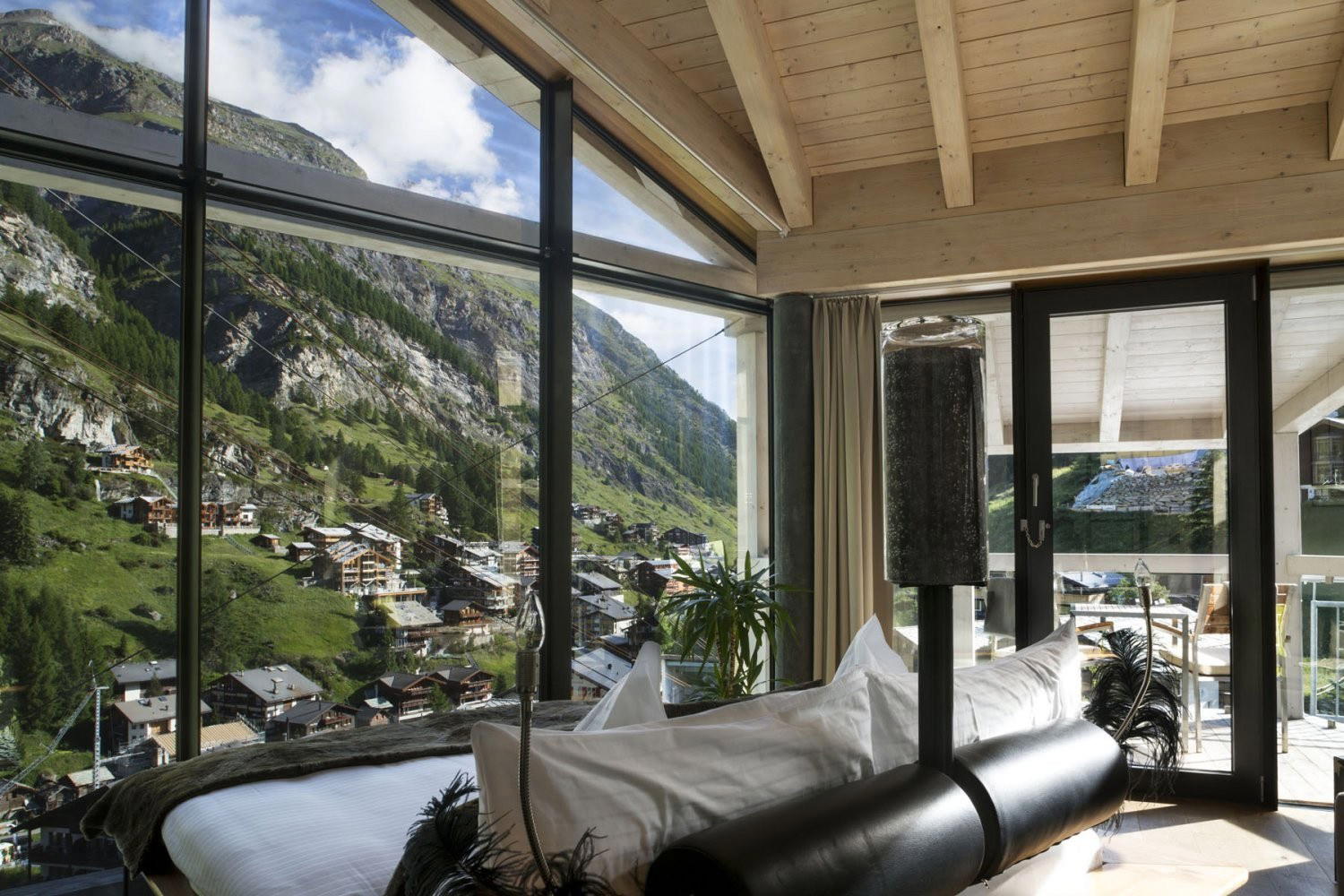
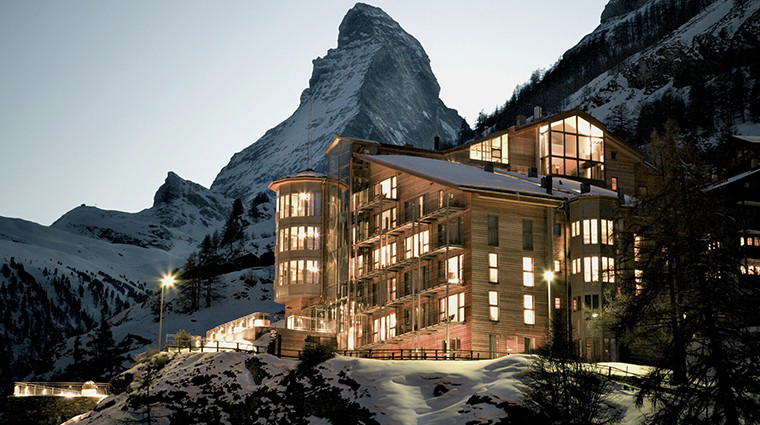
The panoramic setting along the Varvoies road adds a quality that the resort's more central restaurants cannot easily replicate. High-altitude views across the valley, from a farmhouse with a lit fireplace in winter, frame a meal differently than a resort hotel dining room with the same ingredients. The physical environment is part of what the €€ price is buying.
For a full picture of dining in the resort, see our full Breuil-Cervinia restaurants guide. Those building a longer stay around the area can also reference our Breuil-Cervinia hotels guide, our bars guide, our wineries guide, and our experiences guide.
Planning a Visit
The restaurant is located at Varvoies, 11028 Valtournenche AO, on the approach road to Breuil-Cervinia. The drive from the resort centre covers less than four kilometres, making a car the practical choice, though a taxi from the resort is direct. The €€ price positioning means a full dinner for two with wine should remain well within the range of a mid-priced alpine evening out. Booking in advance is advisable during peak ski season, when the combination of the hotel's intimate scale and the Michelin recognition tends to fill tables quickly.
What Dish Is La Luge Famous For?
The restaurant's kitchen is defined by its Aosta Valley cuisine focus rather than a single signature dish. The Michelin Plate recognition points to the regional tradition at its core: seasonal ingredients, careful sourcing, and a pantry built around valley staples. Fontina-based preparations, cured meats from local producers, and dishes that shift with the alpine growing season are the anchors of this style of cooking. The kitchen points toward the valley's preserved and fermented traditions as the through-line of what appears on the plate. For a fuller picture of how Aosta Valley cuisine is expressed across the region, the linked guides provide additional reference points.
Booking and Cost Snapshot
Comparable venues nearby, for context on price, style, and recognition.
| Venue | Cuisine | Price | Awards | Notes |
|---|---|---|---|---|
| La LugeThis venue — the venue you are viewing | Breuil-Cervinia, Aosta Valley Italian | $$$ | Michelin Plate | Not listed |
| Bistrot Hermitage | Not listed | $$$ | Not listed | /, Alpine Italian bistro with international influences |
| La Chandelle | Not listed | $$$$ | Michelin Plate | Breuil-Cervinia, Modern Aosta Valley & Piedmont Fine Dining |
| Wood | Not listed | $$$$ | Michelin 1 Star | Breuil-Cervinia, Swedish-Italian Fusion Fine Dining |
| Piccolo Lord | Vanchiglia, Modern Piedmontese | $$$ | Michelin Plate | Not listed |
| Gardenia | Caluso, Modern Piedmontese Fine Dining | $$$ | Michelin Plate | Not listed |
Recognition history
Dated appearances from independent guides and award organizations, with the underlying list record or original source where available.
Michelin Plate
Michelin
Michelin Plate
Michelin
Michelin Plate
Michelin
Continue exploring
More in Breuil-Cervinia
Restaurants in Breuil-Cervinia
Browse all →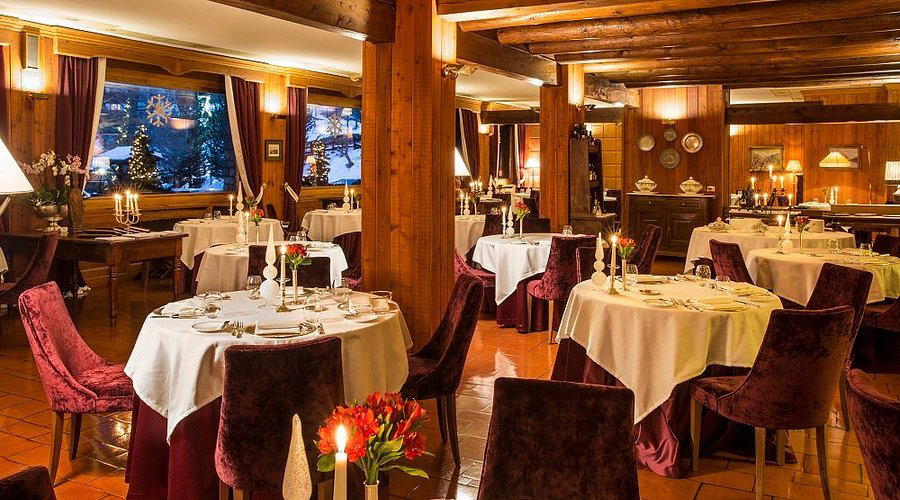
Bars in Breuil-Cervinia
Browse all →
Hotels in Breuil-Cervinia
Browse all →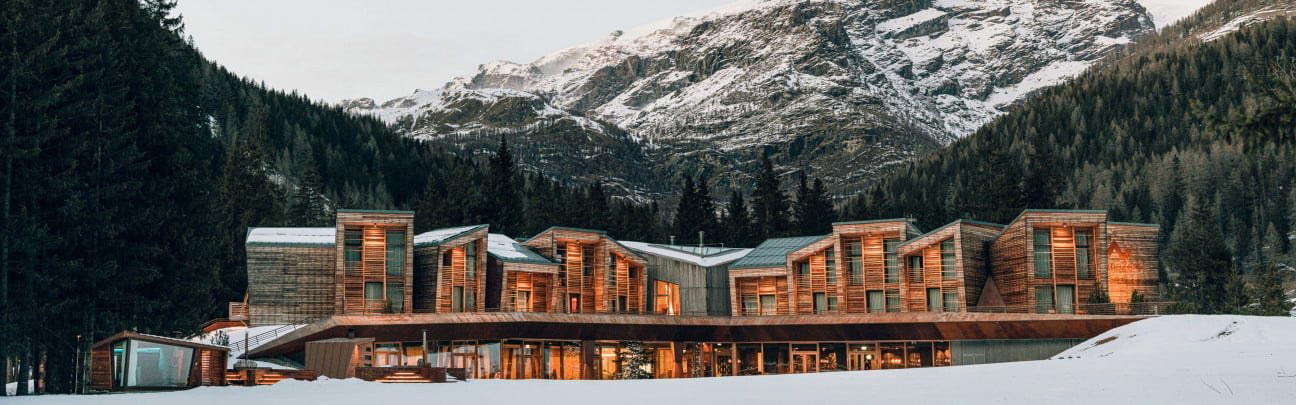

At a Glance
- Rustic
- Cozy
- Intimate
- Scenic
- Date Night
- Family
- Special Occasion
- Historic Building
- Extensive Wine List
- Mountain
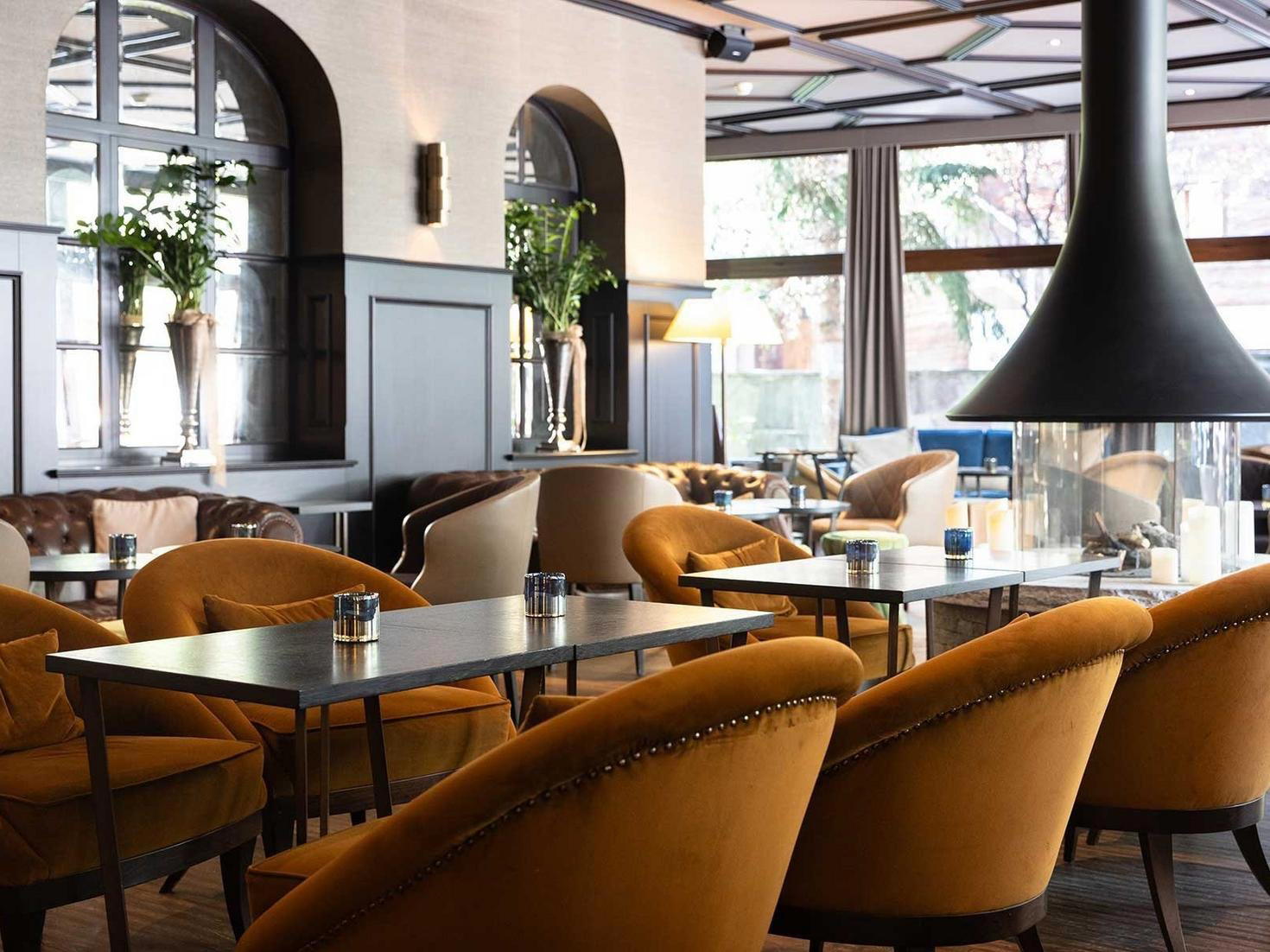
Warm and elegant atmosphere with rustic wood decor, always-lit winter fireplace, soft candlelight, and panoramic mountain views.