Bazarette occupies a prominent address on Avenue des Canadiens-de-Montréal, placing it inside Montreal's downtown dining corridor where ambition and accessibility have long competed for the same tables. The restaurant sits in a city that has made ingredient provenance a defining editorial concern for its serious kitchens, and Bazarette reads as part of that broader movement. Exact format and pricing details are best confirmed directly with the venue.
Pearl is the En Primeur Club membership app — saves, bookings, and concierge access live there. Same editors, same standards.
- Address
- 1909 Av. des Canadiens-de-Montréal, Montréal, QC H3G 5G0, Canada
- Phone
- +15149892800
- Website
- centrebell.ca
- Directions
- Get directions
 Saves & bookings on Pearl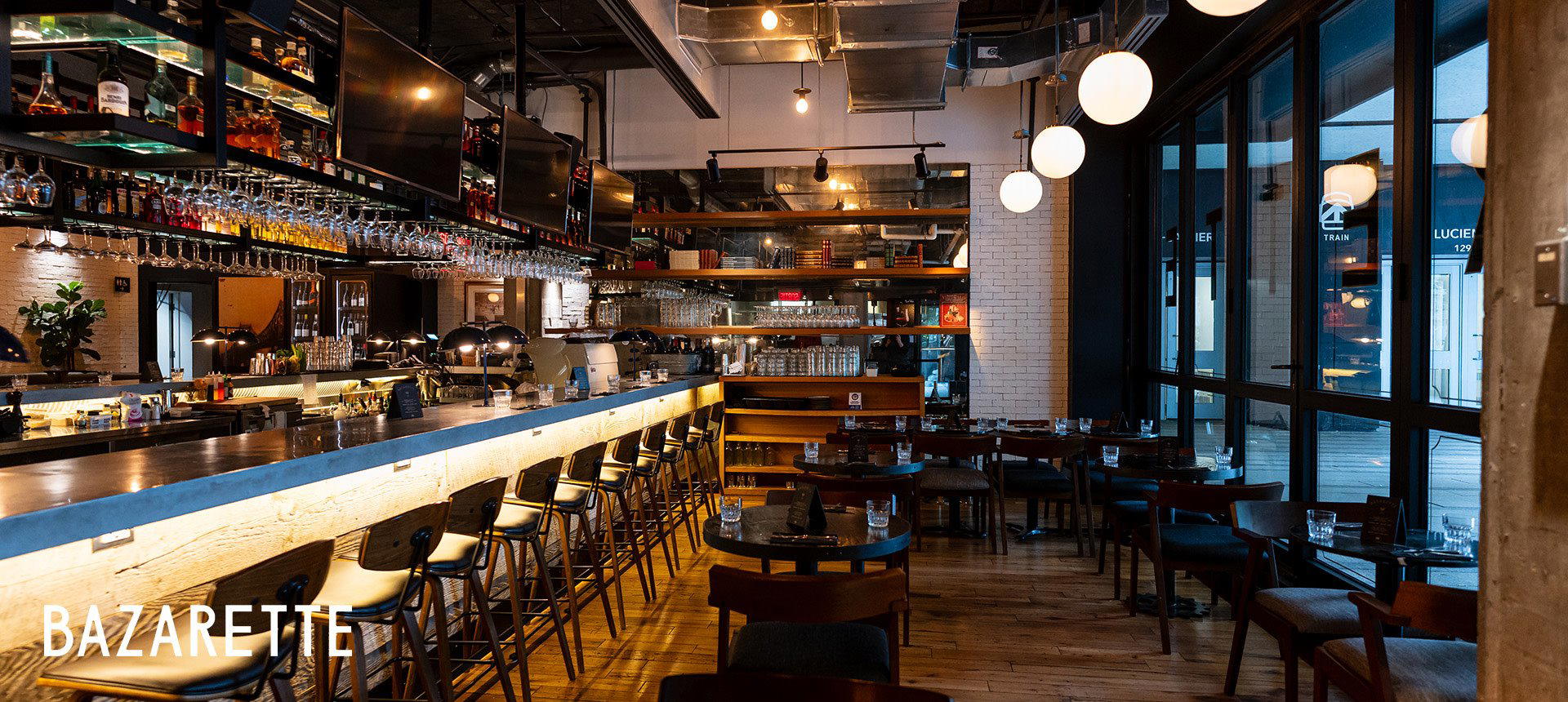
Where Montreal's Sourcing Conversation Lands Downtown
The address tells part of the story before you step inside. Avenue des Canadiens-de-Montréal runs through the Bell Centre precinct, a stretch of downtown Montreal that has historically served arena crowds and hotel guests rather than the kind of diner who tracks provenance and asks where the duck was raised. That division has been narrowing across Canadian cities for several years, and restaurants like Bazarette represent the pressure point where neighbourhood demand and serious culinary intent start to overlap. The question that matters here is whether the kitchen's relationship with its ingredients holds up under the scrutiny that Montreal's more established dining rooms — addresses further along the sourcing conversation — have already earned.
Montreal has spent the better part of two decades building a food culture where Quebec's agricultural identity and its restaurant scene are treated as inseparable. That argument has been made most forcefully at the upper tier: Jérôme Ferrer - Europea and Mastard both position ingredient sourcing as a structural commitment rather than a menu footnote. Sabayon operates in a similar register. Bazarette enters this context at a downtown address where the audience is broader and the standards are set by neighbours who have already answered the sourcing question with concrete supplier relationships and seasonal menu architectures.
The Provenance Argument in Montreal Kitchens
What makes Montreal's ingredient conversation distinct from comparable cities is geography as much as philosophy. Quebec's cold-climate agriculture produces specific seasonal windows: fiddleheads in May, wild mushrooms through autumn, ice cider and dairy products that have real appellation weight. Kitchens that take this seriously are building menus around a calendar rather than a shopping list, and that discipline shows in the dining room through dish sequencing and the specificity of what servers can explain about where something came from.
The regional comparison is instructive. Tanière³ in Quebec City has made hyper-local northern Quebec sourcing its entire identity, working with ingredients at the edge of what Quebec's terroir produces. Further west, Restaurant Pearl Morissette in Lincoln has built a nationally discussed program around Niagara's agricultural output. Alo in Toronto operates a French-influenced tasting format that uses Canadian produce as its raw material rather than its marketing. These restaurants collectively define what rigorous sourcing looks like at the fine dining level across Canada, and they set the comparison point against which any serious Montreal kitchen is measured.
Bazarette's position on Avenue des Canadiens-de-Montréal places it physically and commercially in a different tier from those destination addresses, but the sourcing question applies at every price point. Diners in this part of downtown are not necessarily looking for a tasting menu built around a single supplier relationship. They are, however, increasingly willing to ask whether the proteins are local and whether the vegetables have a name attached to them beyond their genus. That shift in baseline expectation is what makes Bazarette's positioning worth examining.
Montreal's Downtown Dining Shift
The Bell Centre precinct has historically been shorthand for pre-game convenience: large tables, reliable execution, speed of service timed to curtain calls. That reputation has softened as the neighbourhood's residential density has grown and as the broader Montreal dining scene has pushed culinary ambition further from its traditional plateau neighbourhood strongholds. 3 Pierres 1 Feu and Abu el Zulof both represent the kind of neighbourhood-specific identity that Montreal restaurants have built in less central locations. Downtown has been slower to develop that specificity, which is part of why a restaurant that takes sourcing seriously at this address carries a different kind of significance than the same kitchen would in the Plateau or Mile End.
Across Canada, the restaurants that have made the deepest sourcing arguments tend to operate at a remove from city centres: Eigensinn Farm in Singhampton is the extreme version of this, where the farm and the restaurant are literally the same operation. Fogo Island Inn Dining Room in Joe Batt's Arm uses geographic isolation as a sourcing constraint that becomes a culinary identity. Narval in Rimouski operates in a smaller market where the St. Lawrence fishery is the defining ingredient context. Urban downtown restaurants work with a different set of constraints: supplier access is broad, but the discipline to choose carefully rather than conveniently is what separates the kitchens worth following from those that use provenance language without the purchasing decisions to back it up.
West Coast comparisons sharpen the point. AnnaLena in Vancouver and Cafe Brio in Victoria both occupy urban neighbourhood positions where sourcing is a demonstrated operational commitment rather than a menu header. The Pine in Creemore works from a small-town position where local supply relationships are structural. The common thread across these addresses is that ingredient sourcing functions as a constraint that produces editorial identity, not as a story added after the menu is written.
How Bazarette Fits the Current Montreal Picture
Montreal's current dining tier runs from neighbourhood bistros and affordable ethnic kitchens at one end through to the $$$$ French and modern tasting-menu addresses that attract national and international attention. The middle of that range, roughly the $$$ bracket that places like Mastard occupy, is where sourcing-conscious cooking has found its most commercially sustainable expression in the city. It is the price point where a kitchen can afford quality ingredients without requiring the tasting-menu commitment that many downtown diners are unwilling to make on a weeknight.
The broader dining picture in Montreal rewards specificity. Restaurants that can answer the sourcing question at every table, that can explain why their menu changes in October and again in March, and that can point to a supplier relationship with enough depth to affect what they cook, those are the addresses that have built lasting reputations in a city with sharp critical attention and a dining public that tracks these things. For a fuller map of where those restaurants sit, the EP Club Montreal guide covers the current field with that context in mind. For international comparison points on ingredient-led cooking at the fine dining level, Le Bernardin in New York City and Lazy Bear in San Francisco both represent the kind of sourcing discipline that sets the standard against which serious kitchens elsewhere are measured. Also worth noting: Busters Barbeque in Kenora shows that regional ingredient identity doesn't require a fine dining format to carry weight.
Know Before You Go
Know Before You Go
- Address: 1909 Av. des Canadiens-de-Montréal, Montréal, QC H3G 5G0
- Neighbourhood: Bell Centre precinct, downtown Montreal
- Price range: Not publicly listed; budget in line with the downtown Montreal mid-to-upper tier as a planning assumption
- Getting there: Lucien-L'Allier metro station (Orange Line) is the nearest transit stop for the Bell Centre address
Cuisine Lens
A quick snapshot of similar venues for side-by-side context.
| Venue | Cuisine | Price | Awards |
|---|---|---|---|
| BazaretteThis venue — the venue you are viewing | Not listed | Not listed | Not listed |
| L’Express | French Bistro | $$ | Not listed |
| Schwartz’s | Delicatessen | $ | Not listed |
| Toqué | French | $$$$ | Not listed |
| Jérôme Ferrer - Europea | Modern Cuisine | $$$$ | Michelin 1 Star |
| Mastard | Modern Cuisine | $$$ | Michelin 1 Star |
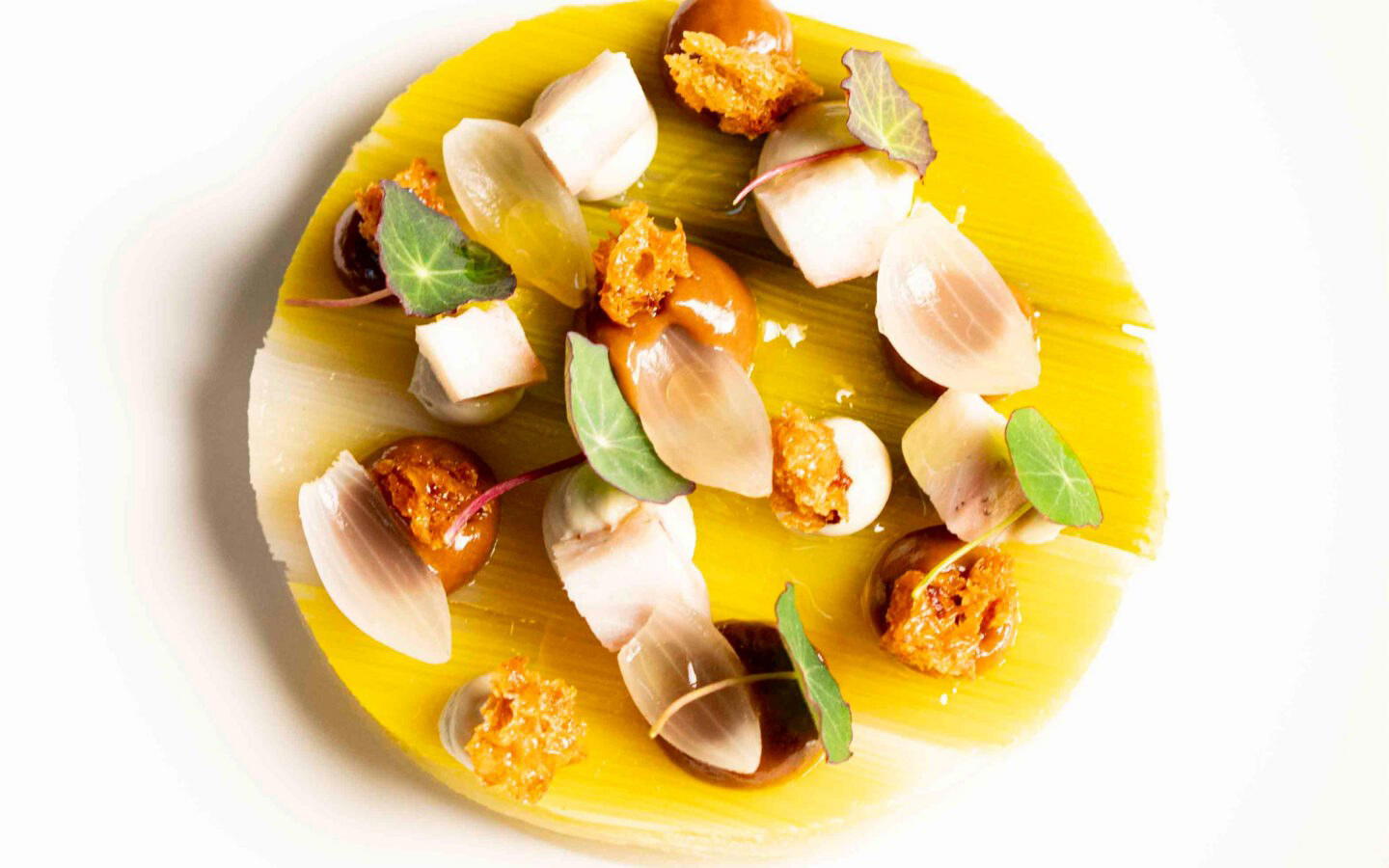
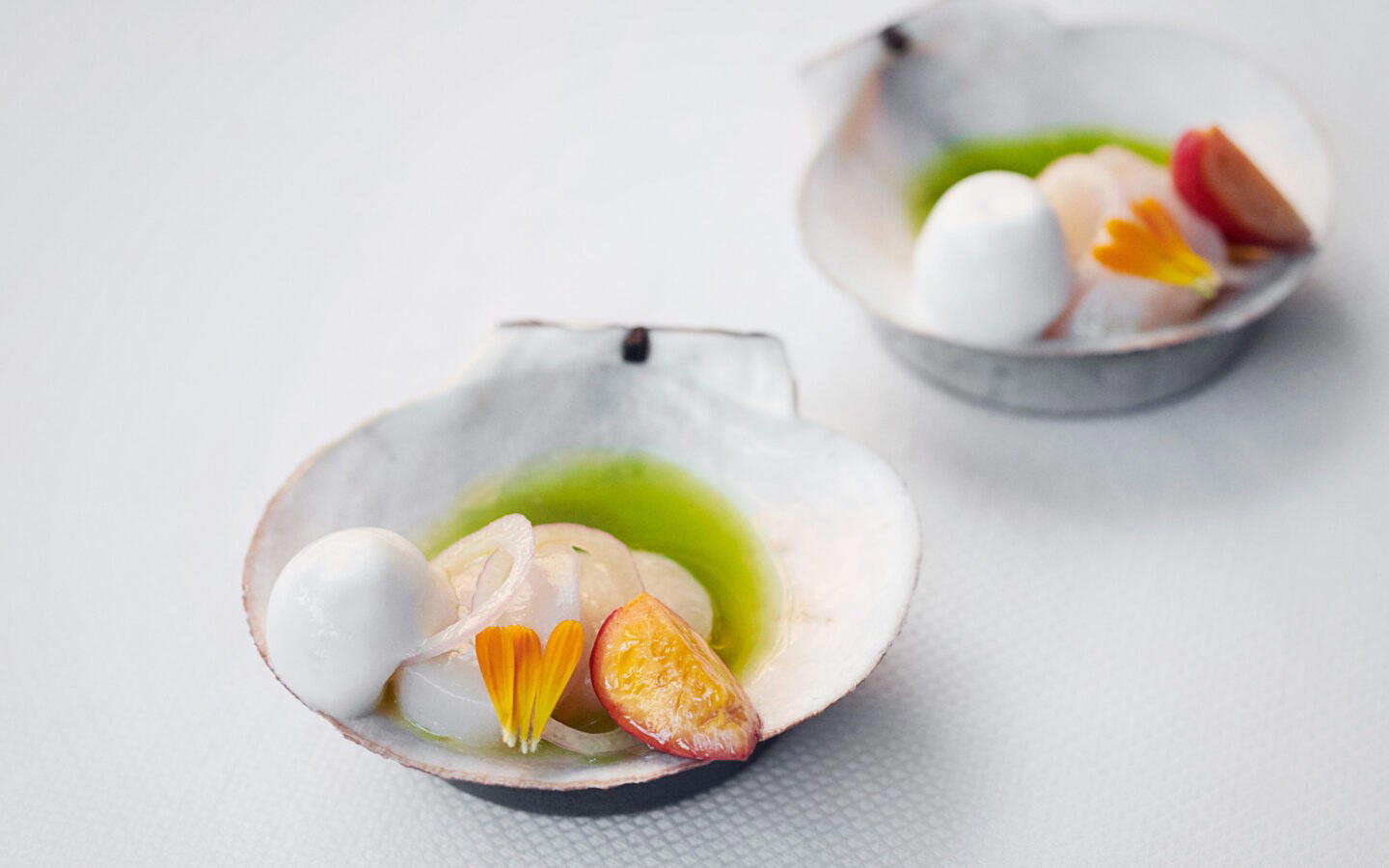
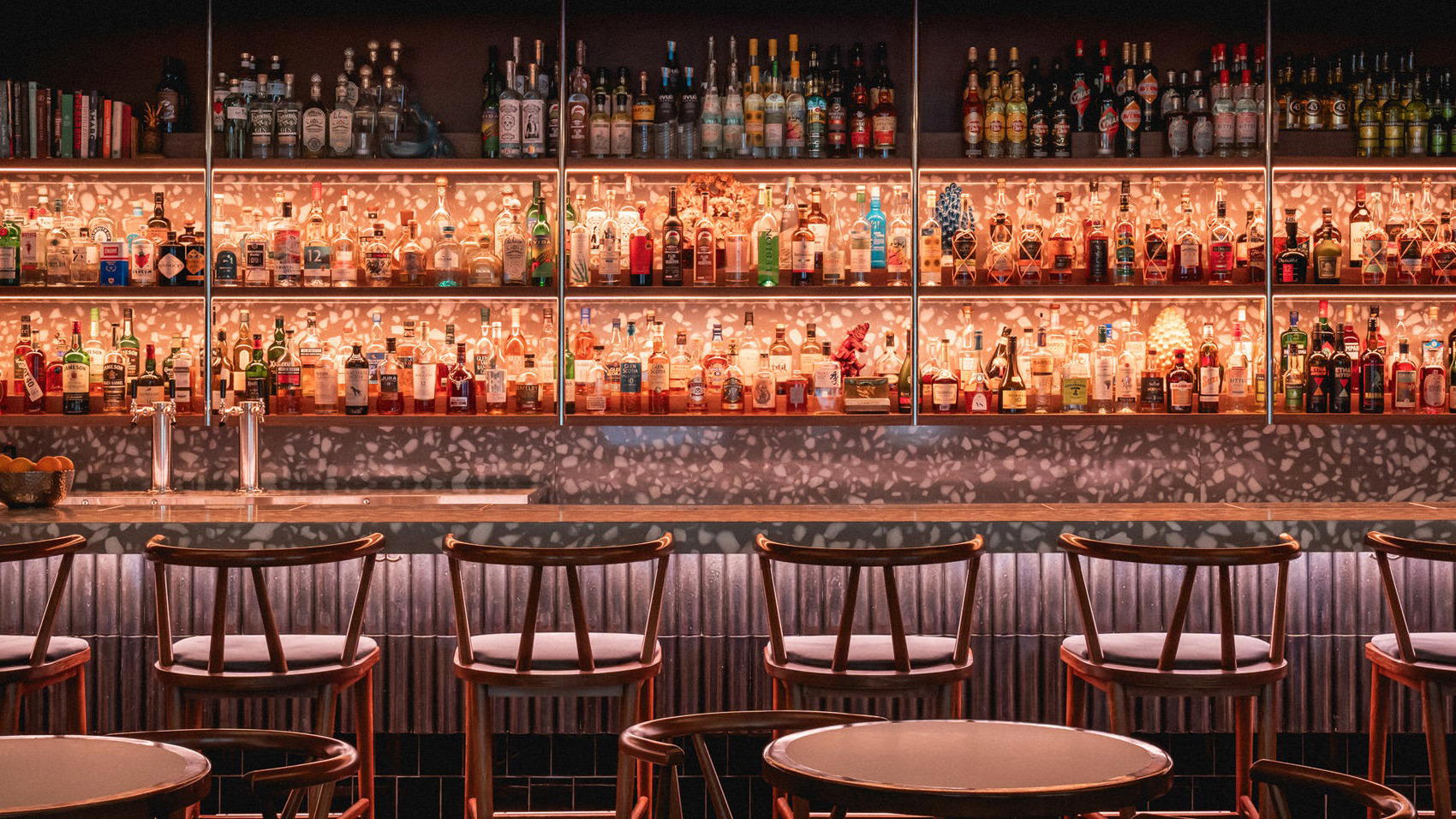
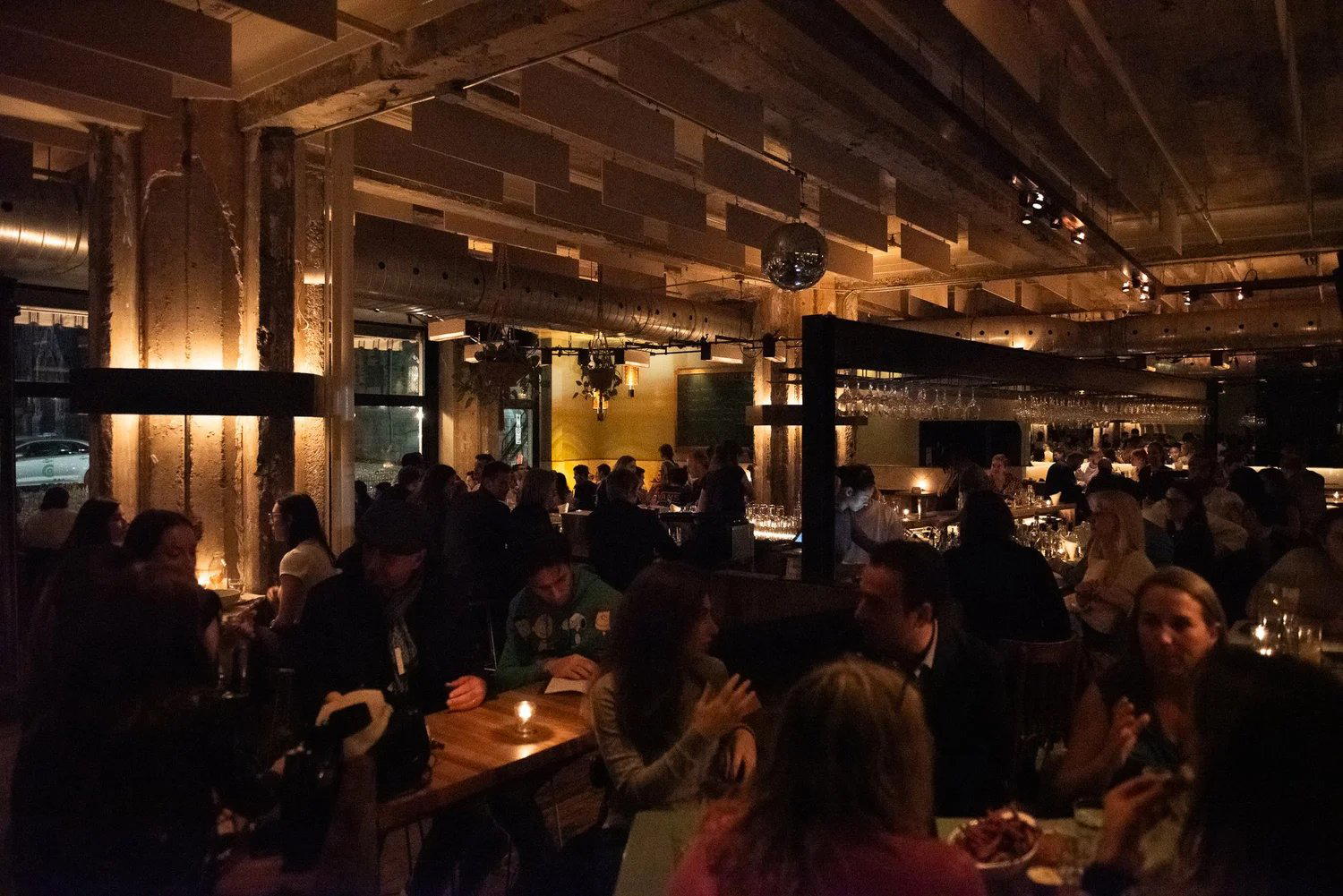
At a Glance
- Lively
- Trendy
- Energetic
- Group Dining
- Casual Hangout
- After Work
- Open Kitchen
- Extensive Wine List
- Craft Cocktails
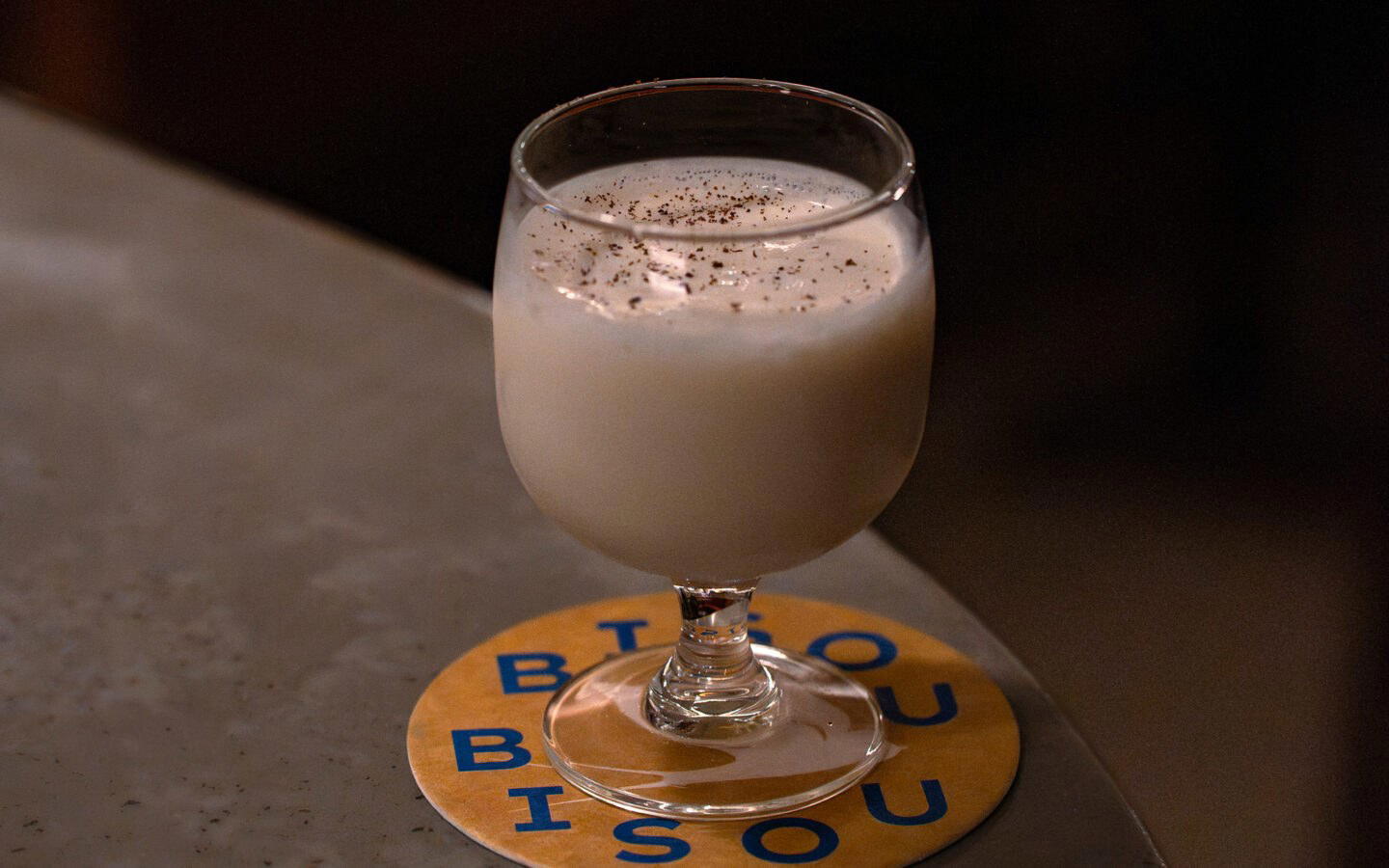
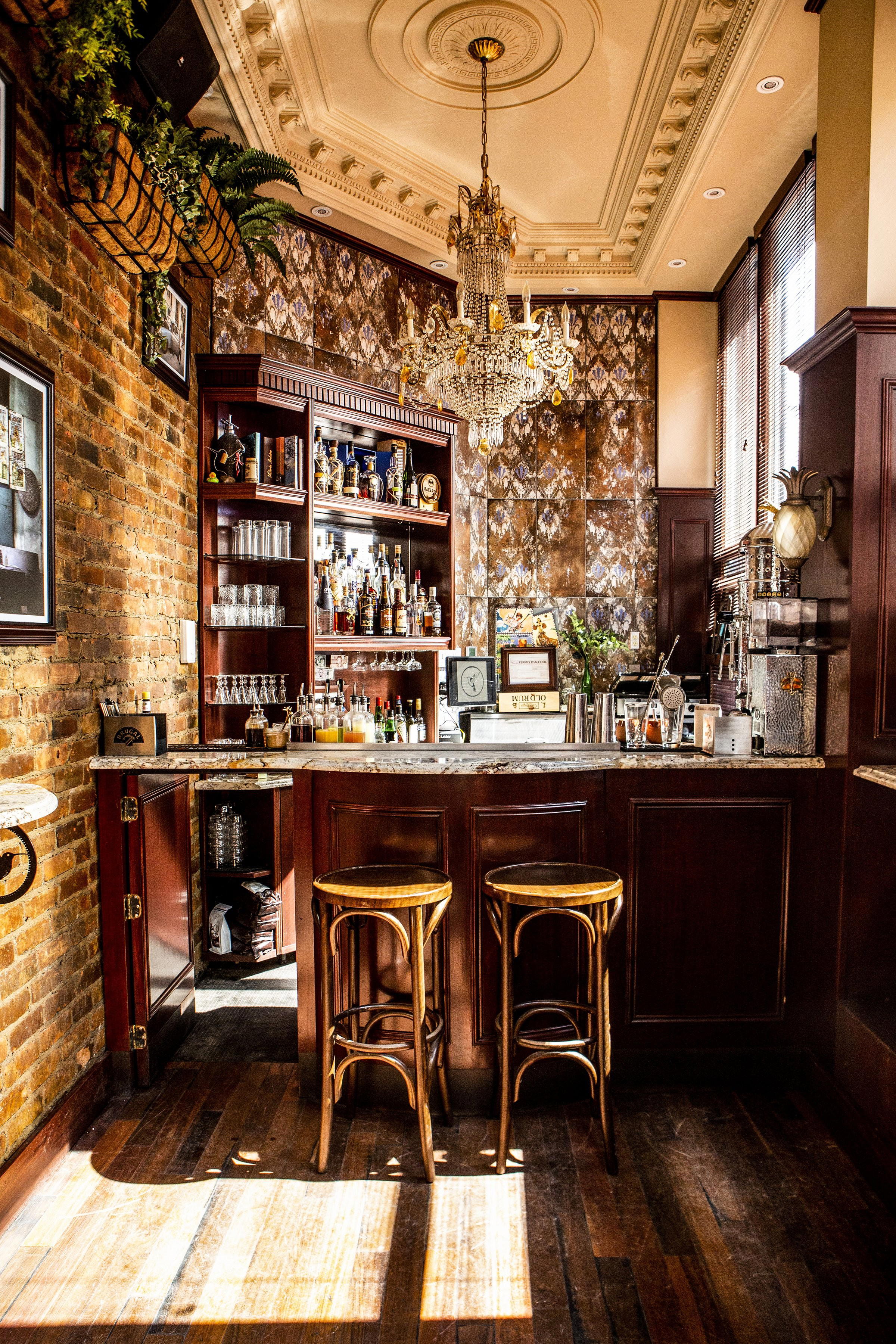
Lively and effervescent atmosphere that rises in decibels on event nights, blending cafe vibes by day with lively wine bar energy in the evening.
Know Before You Go
- Getting there
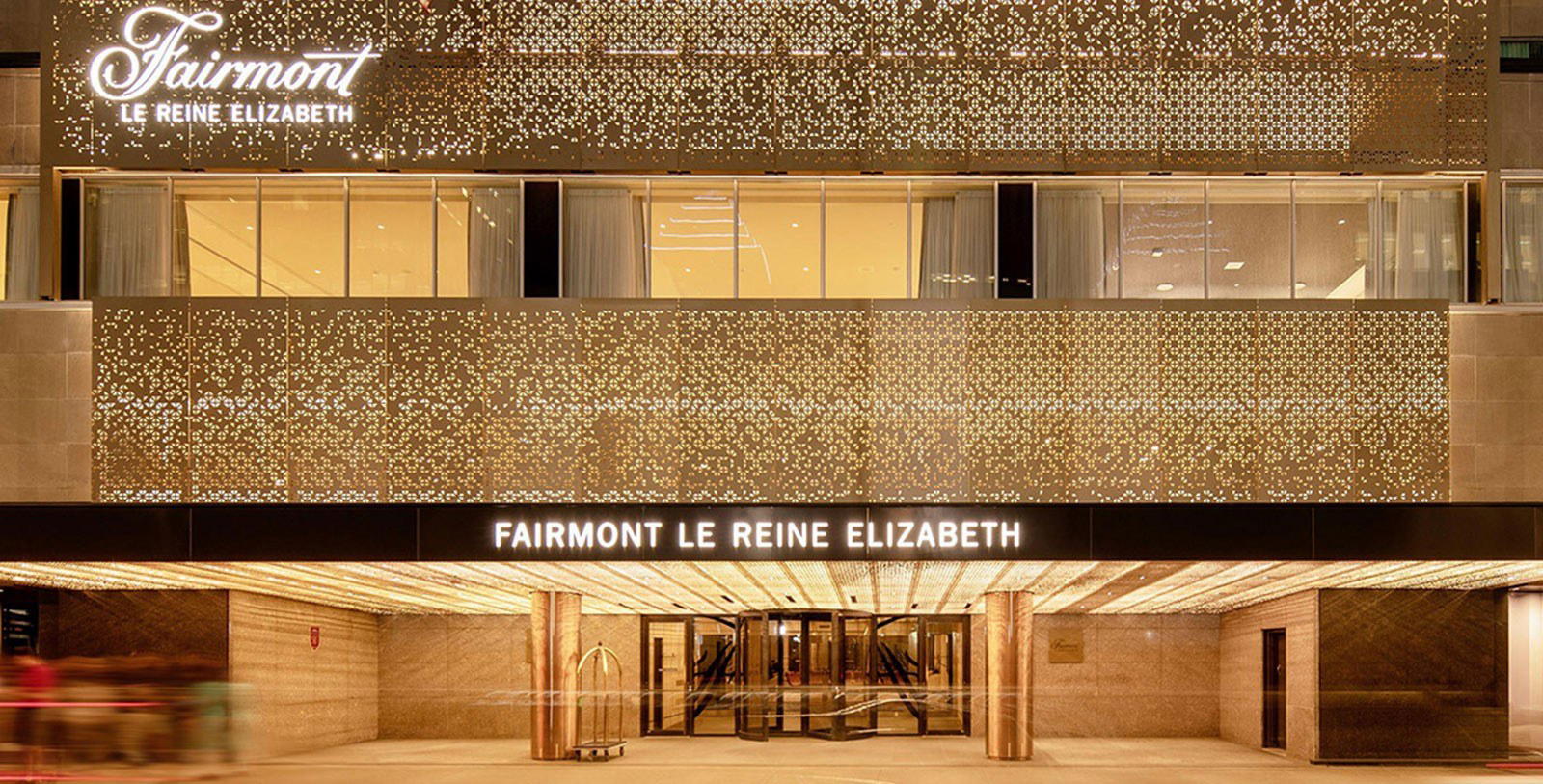
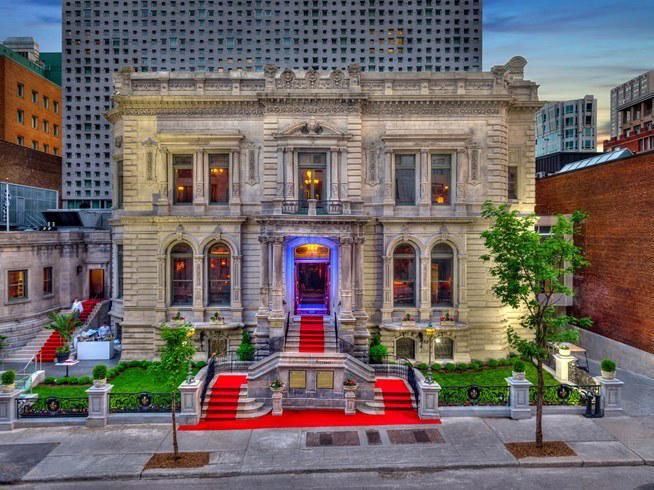
- 1909 Av. des Canadiens-de-Montréal, Montréal, QC H3G 5G0, Canada