La Grande Boucherie Chicago

Wine Spectator Award of Excellence
Our verdict
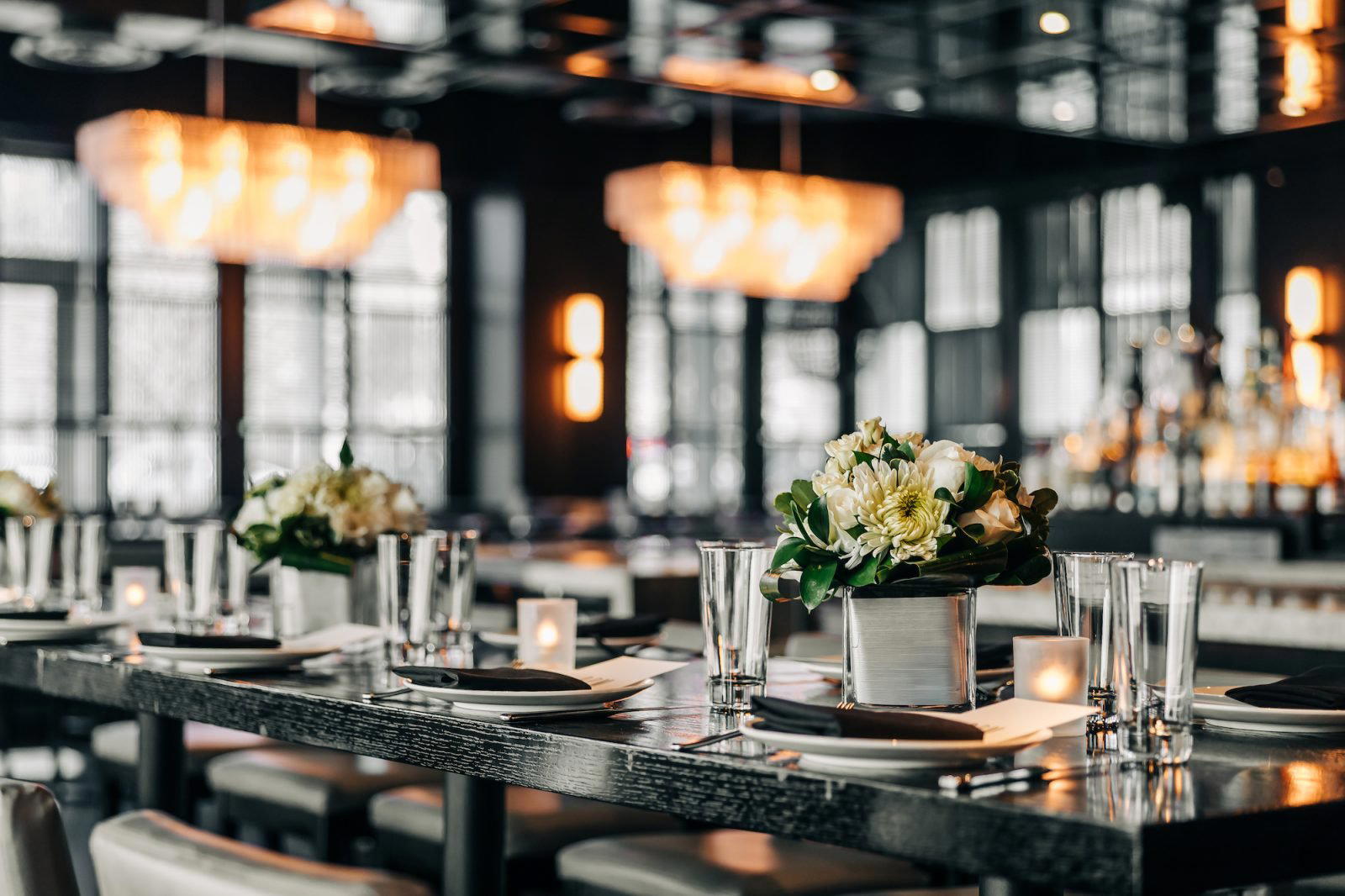
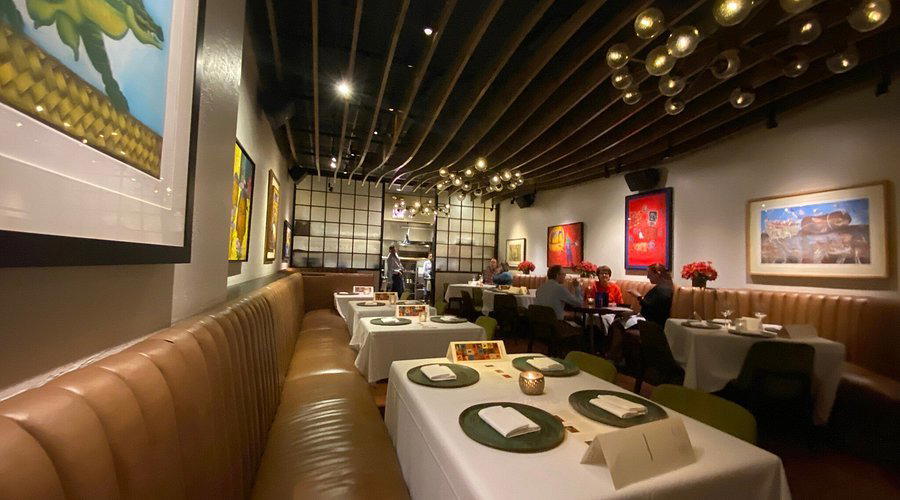
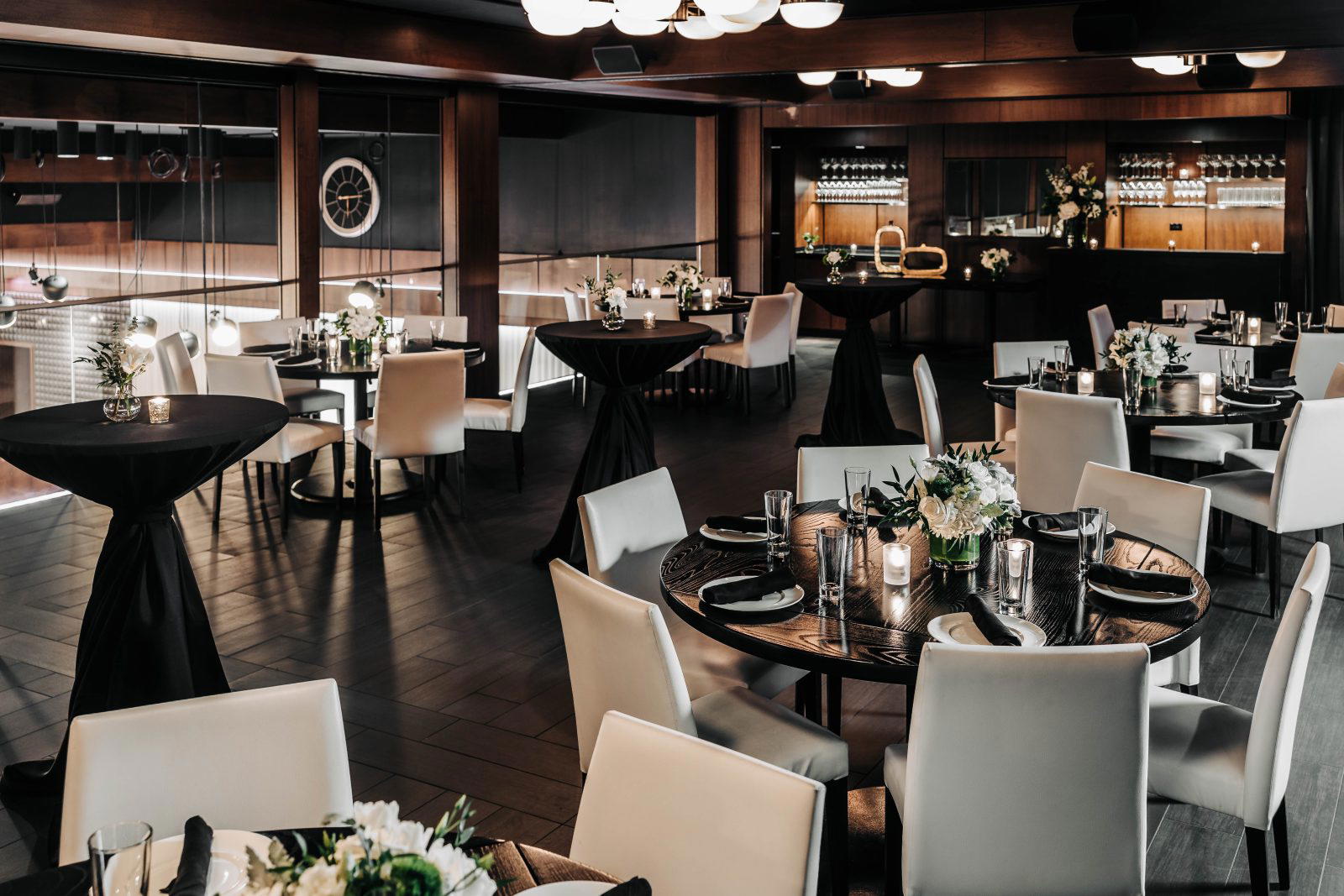
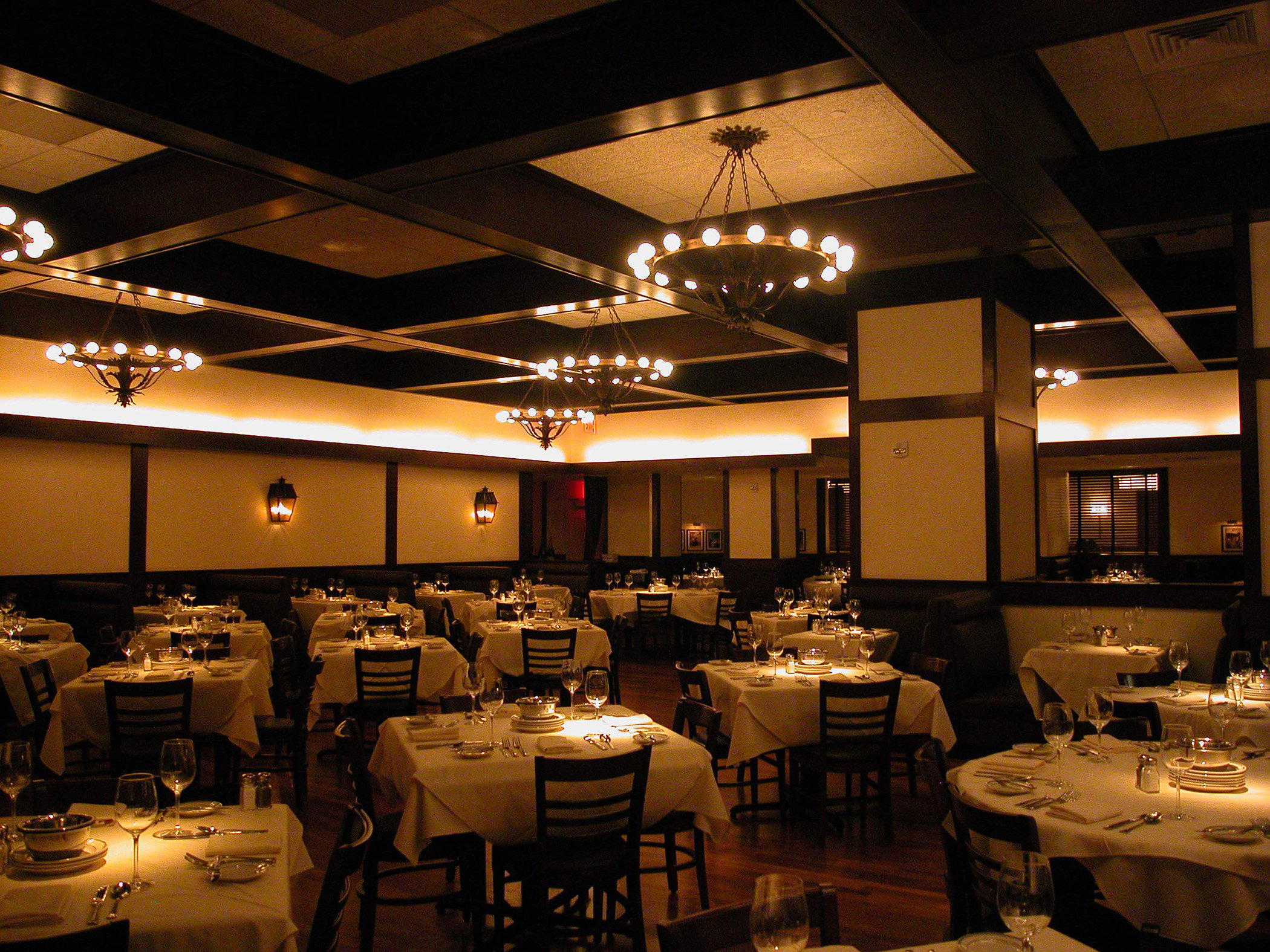
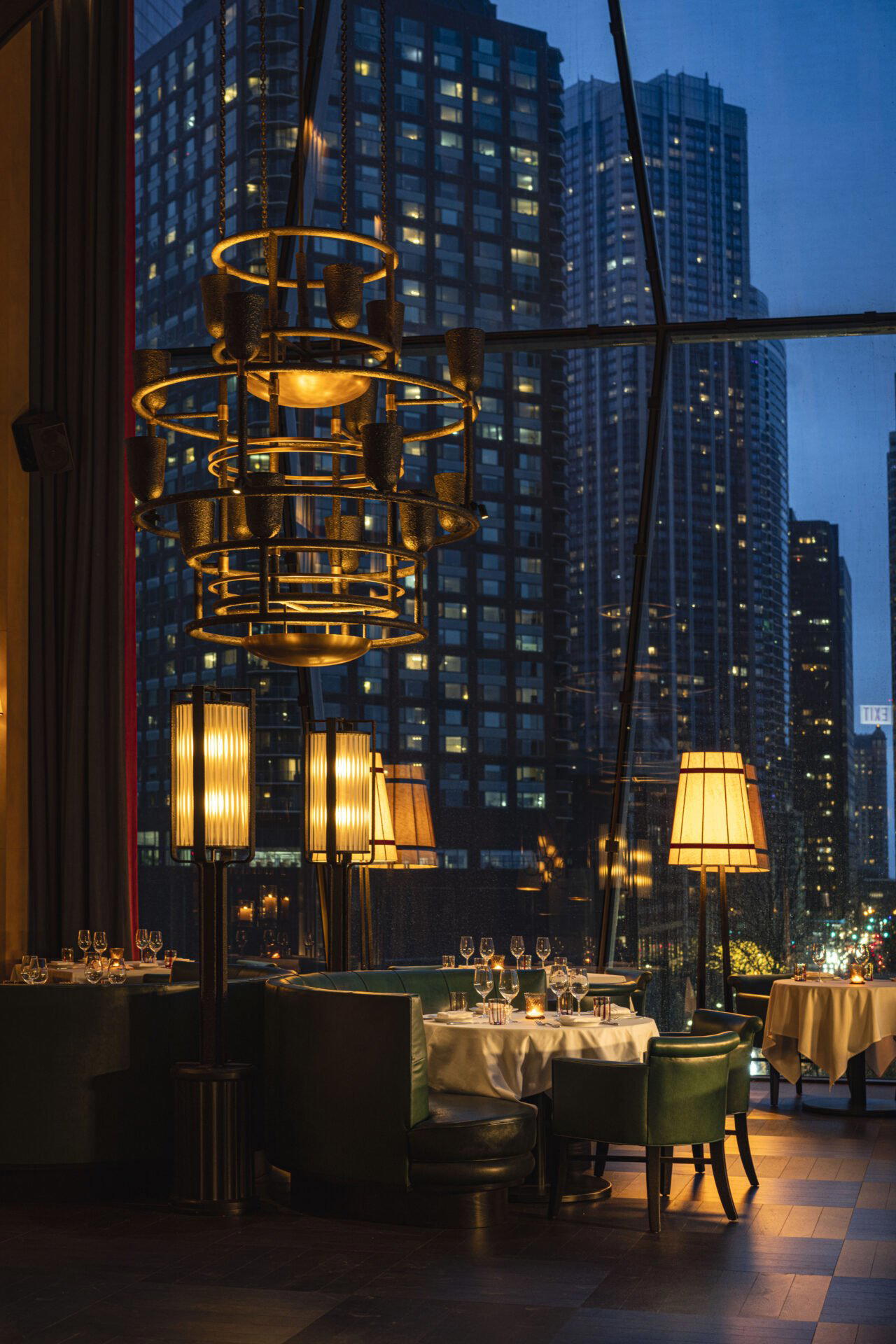
La Grande Boucherie Chicago occupies 431 N Dearborn St in River North, bringing the French brasserie format to one of the city's most restaurant-dense corridors. The concept belongs to a broader American wave of classical European dining rooms reimagined at scale, positioned alongside Chicago's more progressive tasting-menu houses as a different kind of ambition.

Pearl is the En Primeur Club membership app, where members save venues, book tables and use the concierge.
The menu
What to order
- Boeuf Bourguignon
- Coquilles Saint-Jacques
- Filet Mignon Au Poivre
The Brasserie Format in a City Built for It
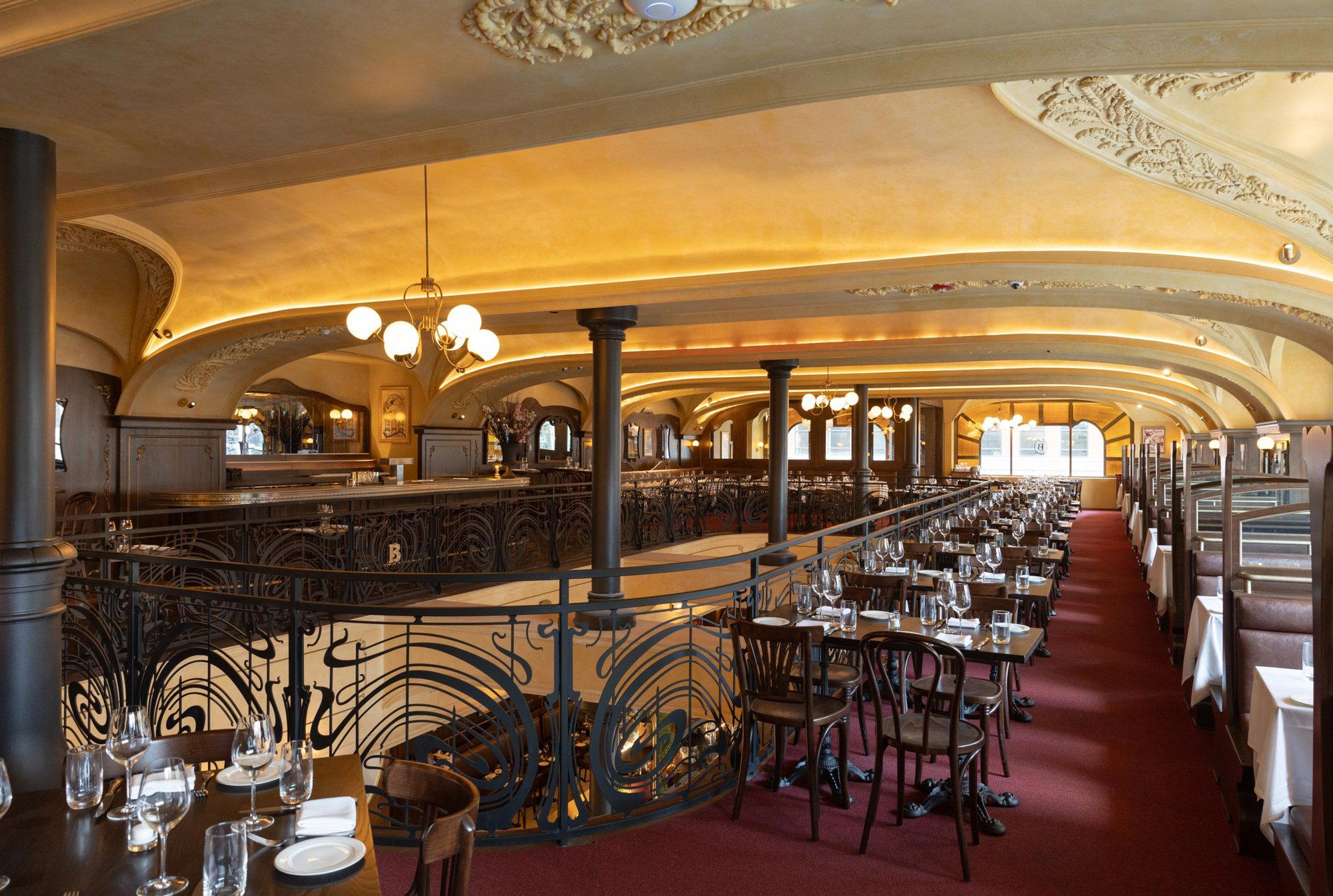
Chicago has always had an appetite for the grand European dining room. The city's architectural scale, its tradition of civic spectacle, and its density of expense-account hospitality have made it unusually receptive to the kind of restaurant that treats the dining room itself as a statement. La Grande Boucherie, at 431 N Dearborn St in River North, arrives in that tradition: a French brasserie format translated for an American city that has long sustained large, theatrical rooms alongside the more restrained tasting-menu circuit represented by venues like Alinea, Smyth, and Oriole.
River North, the neighbourhood that absorbs much of Chicago's dining traffic from the Magnificent Mile and the central business district, has historically leaned toward volume and visibility rather than the quiet precision of, say, the West Loop's more chef-driven rooms. La Grande Boucherie slots into that geography deliberately.
French Technique as the Organizing Principle
The brasserie as a category has a specific culinary grammar. It is not a bistro, which implies intimacy and restraint, nor a fine dining room, which implies ceremony and progression. The brasserie is a room where classical French technique operates at scale: stocks and reductions built over time, proteins handled with the precision that training in the French tradition demands, sauces that require hours of reduction rather than minutes of assembly. In American cities, the format has been both diluted and, in some cases, genuinely sustained. The question a room like this poses is whether the technique underpins the spectacle or merely decorates it.
That intersection of imported method and local context is where the most interesting American interpretations of French classical dining have emerged. At Le Bernardin in New York City, the French framework is applied with almost absolute discipline to American seafood. At The French Laundry in Napa, Thomas Keller's reworking of French classical structure around California's agricultural calendar produced something neither French nor straightforwardly American. The more interesting brasserie-format venues in American cities operate in this space: using the French template as an organizing structure while drawing on the local produce and dining culture that surrounds them.
Chicago's position in the American Midwest gives any kitchen here access to an ingredient base that European-trained cooks have long found compelling: the agricultural output of Illinois and neighbouring states, the Great Lakes fish supply, the beef and pork traditions of the region.
Where This Sits in the Chicago Dining Conversation
Chicago's most-discussed restaurants in recent years have clustered around two poles. The first is the progressive tasting-menu circuit, where Alinea's technical ambition and Smyth's produce-led contemporary approach represent the city's claim to international fine dining relevance. The second is a growing confidence in cuisine forms that aren't coded as fine dining at all: Kasama's Filipino tasting menu, for instance, operates at the $$$$ price tier while being deeply rooted in a tradition outside the European canon.
La Grande Boucherie sits in a different register from either pole. The French brasserie format is neither cutting-edge nor casual; it represents a kind of authoritative classicism that has its own loyal audience. In New York, the model has sustained venues for decades. In cities with less density, it can feel imported and slightly disconnected from local character. Chicago has the scale and the appetite to sustain the format, but the rooms that have done it well here have generally been the ones that connect the European format to the city's actual food culture, rather than simply replicating a Parisian template.
For comparative context across the broader American dining scene, the tension between French classical form and local ingredient logic is visible at venues as different as Blue Hill at Stone Barns in Tarrytown, where the farm-to-table ethos rewrites the European fine dining framework entirely, and Bacchanalia in Atlanta, where French technique has been applied to Southern American produce for decades. Single Thread Farm in Healdsburg and Providence in Los Angeles represent further variations on how imported method adapts to American geography. La Grande Boucherie in Chicago enters a city where that conversation has been active and sophisticated for years.
See our full Chicago restaurants guide for a broader map of the city's dining tiers, from the River North corridor to the West Loop's more chef-driven concentration.
Know Before You Go
| Detail | Info |
|---|---|
| Address | 431 N Dearborn St, Chicago, IL 60654 |
| Neighbourhood | River North |
| Concept | French brasserie format |
| Booking | Reservations recommended for River North dining rooms of this type; walk-in availability varies by day and time |
| Getting There | Accessible from the Grand (Red Line) and Chicago (Brown/Purple) CTA stops; River North has limited street parking; rideshare is the practical default |
Frequently asked questions
Where exactly is La Grande Boucherie Chicago?
La Grande Boucherie Chicago is located at 431 N Dearborn St, Chicago, IL 60654, Chicago.
How does La Grande Boucherie Chicago compare to other French restaurants in the city?
Chicago's French dining conversation has historically centred on fine-dining tasting menus and smaller bistro formats. La Grande Boucherie occupies a different register: the grand brasserie, a category defined by architectural scale, all-day-style breadth of menu, and a format closer to Paris's Le Grand Véfour or Bofinger than to an intimate River North tasting room. For Chicago diners, that positions it as a rare example of the European civic-dining-room tradition in a city whose scale has always suited it.
What should I order at La Grande Boucherie Chicago?
La Grande Boucherie operates within the brasserie culinary grammar, which centres on classical French preparations: whole roasted meats, plateau de fruits de mer, and brasserie staples like steak frites and onion soup. The format at 431 N Dearborn leans into the full-table, shareable-centrepiece tradition rather than a tasting-menu progression. Check the current menu directly with the venue, as brasserie programs at this scale typically rotate by season.
Do they take walk-ins at La Grande Boucherie Chicago?
Grand brasseries at this scale in Chicago, operating across large dining rooms rather than intimate counters, generally hold a portion of tables for walk-in guests, particularly at the bar or early-evening slots. That said, River North sees consistent dining traffic, so weekend evenings will narrow those odds considerably. Contacting La Grande Boucherie directly at 431 N Dearborn St is the most reliable way to confirm current walk-in availability.
Cost Snapshot
Comparable venues nearby, for context on price, style, and recognition.
| Venue | Cuisine | Price | Awards | Notes |
|---|---|---|---|---|
| La Grande Boucherie ChicagoThis venue (the venue you are viewing) | Traditional French Brasserie & Steakhouse | $50–100 | Wine Spectator Award of Excellence | Not listed |
| The Wellsley | French Bistro | Not listed | Not listed | River North, French Bistro |
| Mon Ami Gabi | Classic French Bistro | $50–100 | OpenTable Top 100 Restaurants | Lincoln Park, Classic French Bistro |
| La Serre | Coastal French-Mediterranean | $30–50 | Wine Spectator Award of Excellence | West Loop, Coastal French-Mediterranean |
| Naia | Pan-Mediterranean Riverfront | Not listed | Not listed | Loop, Pan-Mediterranean Riverfront |
| Blackbird | Contemporary American Fine Dining | Not listed | James Beard Award Outstanding Chef | West Loop, Contemporary American |
Recognition history
Dated appearances from independent guides and award organizations, with the underlying list record or original source where available.
Wine Spectator Award of Excellence
Wine Spectator