In the village of Bédoin, at the foot of Mont Ventoux, La Gousse d'Ail occupies a modest address on Rue du marché au raisins that belies its place in the Provençal dining conversation. The name, The Garlic Clove, signals exactly where the kitchen's loyalties lie: with the raw materials of the Vaucluse, not with elaborate concealment of them. For visitors making the approach to Ventoux, it reads as a reason to arrive hungry.
Pearl is the En Primeur Club membership app — saves, bookings, and concierge access live there. Same editors, same standards.
- Address
- 39 Rue du marché au raisins, 84410 Bédoin, France
- Phone
- +33490128202
- Website
- lagoussedail-bedoin.fr
- Directions
- Get directions
 Saves & bookings on Pearl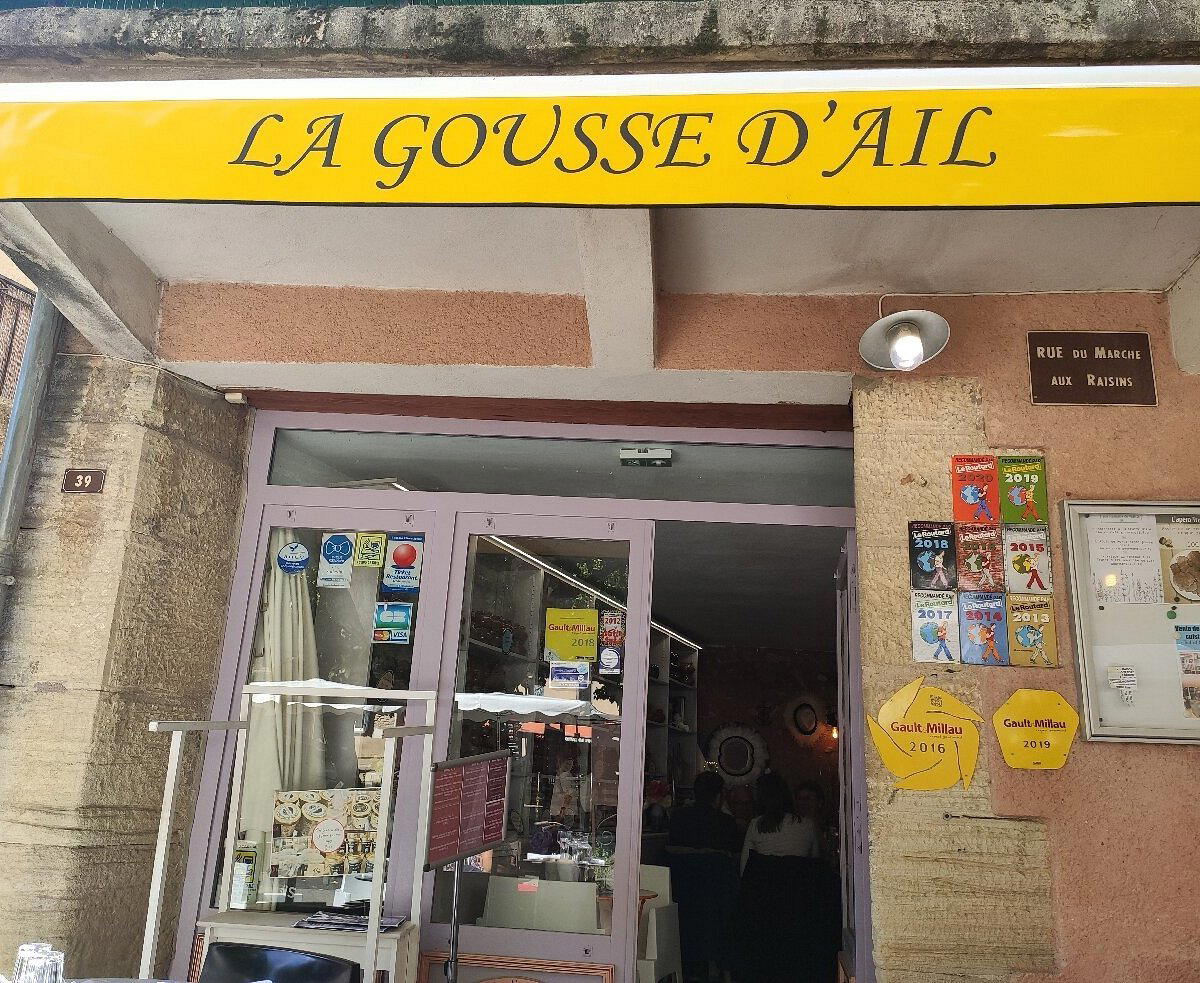
At the Foot of Ventoux, Where Ingredients Do the Talking
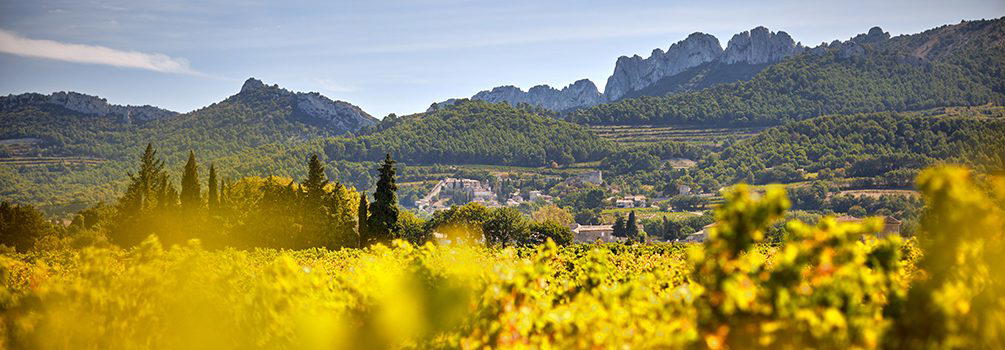
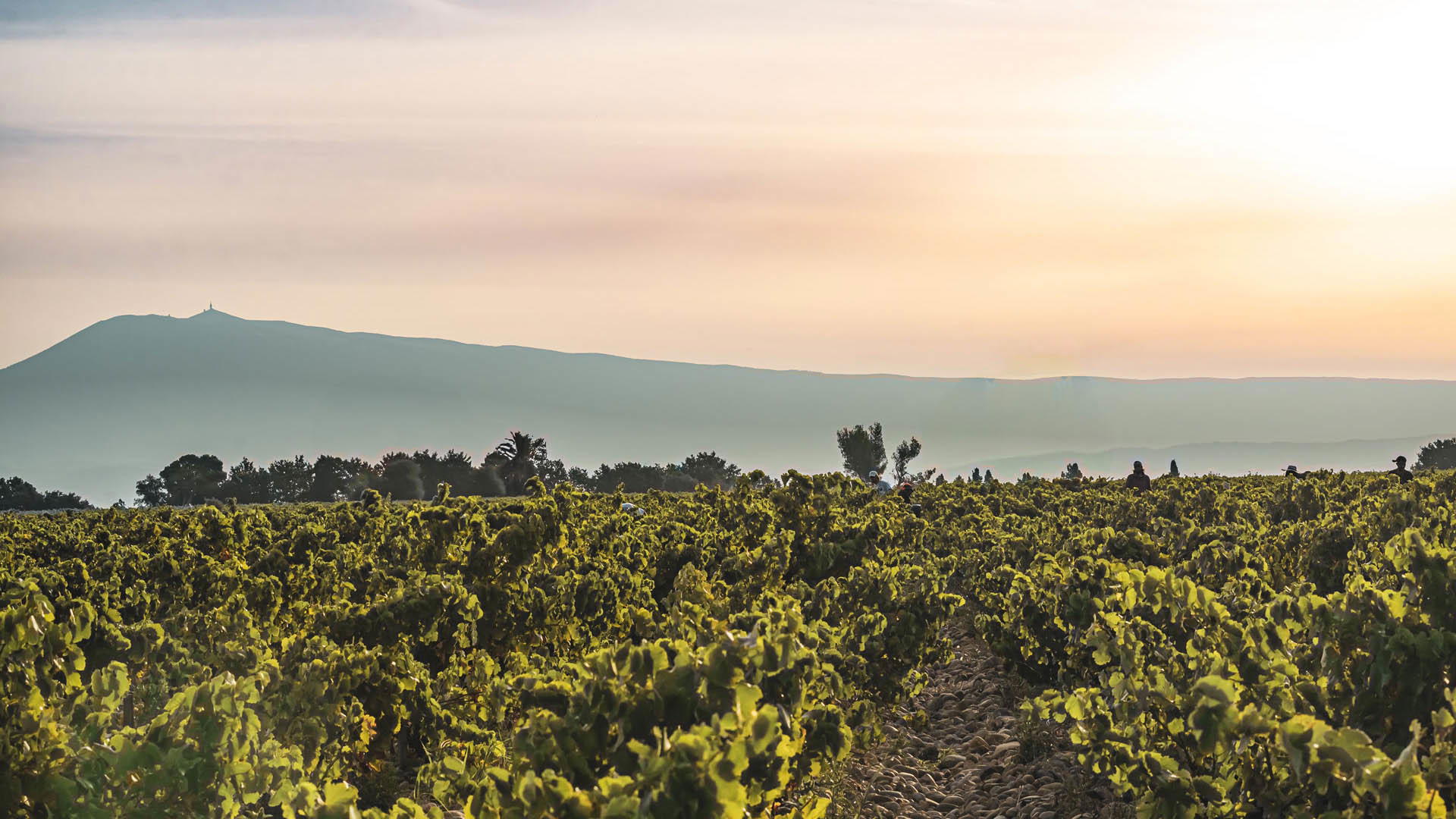
Bédoin sits at roughly 300 metres on the southwestern flank of Mont Ventoux, a village of stone houses and plane-shaded squares that serves primarily as the staging point for cyclists and hikers preparing to ascend one of Provence's most demanding routes. The restaurant culture here is shaped by that geography: visitors arrive with an appetite earned through exertion, and the farms, market gardens, and olive groves of the Vaucluse are immediately, visibly present in the surrounding countryside. La Gousse d'Ail, on Rue du marché au raisins, the old grape-market street, sits inside that context. The name, translating directly as The Garlic Clove, is a statement of intent rather than a gimmick: in the Provençal kitchen, garlic is foundational, the base note under aioli, daube, tapenade, and rouille, the ingredient that connects a dish to its place of origin rather than to an abstract culinary style.
The Provençal Sourcing Logic
The southern French kitchen has always operated on proximity. The Vaucluse produces some of France's most concentrated market-garden output: truffles from around Apt and the Tricastin, strawberries from Carpentras, cherries from the Luberon foothills, asparagus from the Comtat plain, and the courgettes, aubergines, and tomatoes that define ratatouille in its original unhurried form. That sourcing density means a restaurant in Bédoin can draw from a radius of forty kilometres and access ingredients that kitchens in Lyon or Paris spend considerably more effort and cost to source. This is the material advantage that smaller Provençal addresses hold over their higher-profile peers.
Compare that to the position of a restaurant like Alléno Paris au Pavillon Ledoyen in Paris, where creative cuisine at the four-rosette tier requires substantial logistical infrastructure to maintain ingredient provenance. Or Mirazur in Menton, which resolves the sourcing question partly by growing on-site. A village restaurant in the Vaucluse solves it differently: the market comes to the village, or the village walks to the market. That Tuesday and Saturday market rhythm, common across Provençal towns of Bédoin's scale, shapes what appears on the plate with more immediacy than any declared philosophy.
The Scene on the Ground in Bédoin
Rue du marché au raisins is self-explanatory as an address: this was where the grape trade happened before Bédoin's viticulture contracted and the vineyards of the Ventoux appellation shifted toward larger cooperative structures. The physical fabric of the street, stone, narrow, with the particular stillness of a village that empties in winter, gives arriving at a restaurant here a different quality than arriving at a destination address in a larger town. The approach is on foot or by car through the old centre, past the church and the fountain, in the manner of a village errand rather than a reservation-anchored occasion. That informality is part of the proposition in this category of Provençal dining, where the room and the menu are not performing for a visitor's expectations of what southern France should look like but simply occupying the space available.
For the touring visitor, Bédoin positions naturally as part of a wider circuit. L'Oustau de Baumanière in Les Baux and Auberge du Vieux Puits in Fontjoncouse represent the upper register of Provençal and Languedocian cooking, with Michelin recognition that places them in a different competitive tier. AM par Alexandre Mazzia in Marseille anchors the regional avant-garde. La Gousse d'Ail operates on a different frequency: village-scale, ingredient-led, outside the award circuit that defines those addresses. That is a structural position, not a criticism.
What Garlic Signals in This Kitchen
The choice to name a restaurant after garlic in Provence is worth pausing on. Garlic in southern French cooking carries meaning well beyond flavour. It indexes a set of techniques, slow-cooked in oil until softened to cream, raw and aggressive in aioli, roasted whole to sweetness alongside lamb, that trace directly to the agricultural identity of the region. It is also a marker of register: Provençal restaurants that lean into garlic, olive oil, and the raw vocabulary of the garrigue (thyme, rosemary, savory) are making a different argument than those that filter regional ingredients through metropolitan technique. The restaurant's name places it in the former category. That category has its own logic and its own audience: visitors to the Ventoux area who want to eat in the place they are actually in, rather than a polished representation of it.
This is a distinct proposition from the high-altitude Alpine cooking at Flocons de Sel in Megève, where terrain shapes the menu in a different register, or the rigorous classical framework of Auberge de l'Ill in Illhaeusern. Even Bras in Laguiole, which built its reputation on terroir-as-doctrine, operates with a formalised language that village dining in Provence deliberately sidesteps.
Practical Notes for Planning a Visit
Bédoin is most accessible by car, sitting approximately fifteen kilometres northeast of Carpentras and around forty kilometres east of Avignon, both of which have rail connections. Arriving outside peak summer, in May or October, tends to mean shorter waits, cooler temperatures, and a more local dining room. Those planning a wider Provençal loop might cross-reference addresses like La Colombe, also in Bédoin, to build a fuller picture of what the village offers across different meal occasions.
Comparable Venues
Comparable venues nearby, for context on price, style, and recognition.
| Venue | Cuisine | Price | Awards | Notes |
|---|---|---|---|---|
| La Gousse d'AilThis venue — the venue you are viewing | Provençal Traditional | $$ | Not listed | Not listed |
| La Colombe | Modern Provençal Fine Dining | $$$ | Michelin Plate | Hameau Sainte Colombe |
| Le Signal 2108 | Bistronomic French with Regional Specialties | $$ | Not listed | Signal Mountain |
| Mona Lisa | Traditional French Bistro | $$ | Not listed | centre-ville |
| Le Tunnel | Traditional French Bistro | $$ | Not listed | Grande-Rue |
| L'épicerie | Traditional French Bistro | $$ | Not listed | centre historique |
Continue exploring
More in Bedoin
Restaurants in Bedoin
Browse all →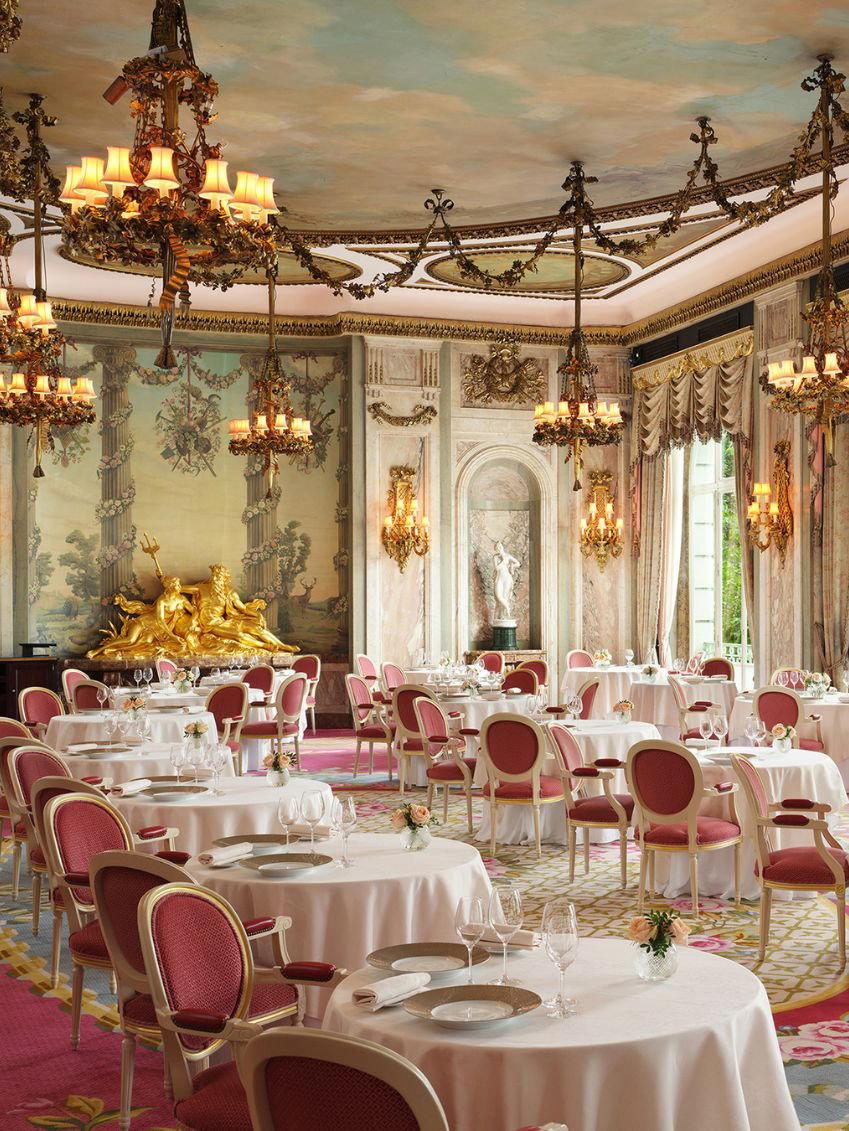
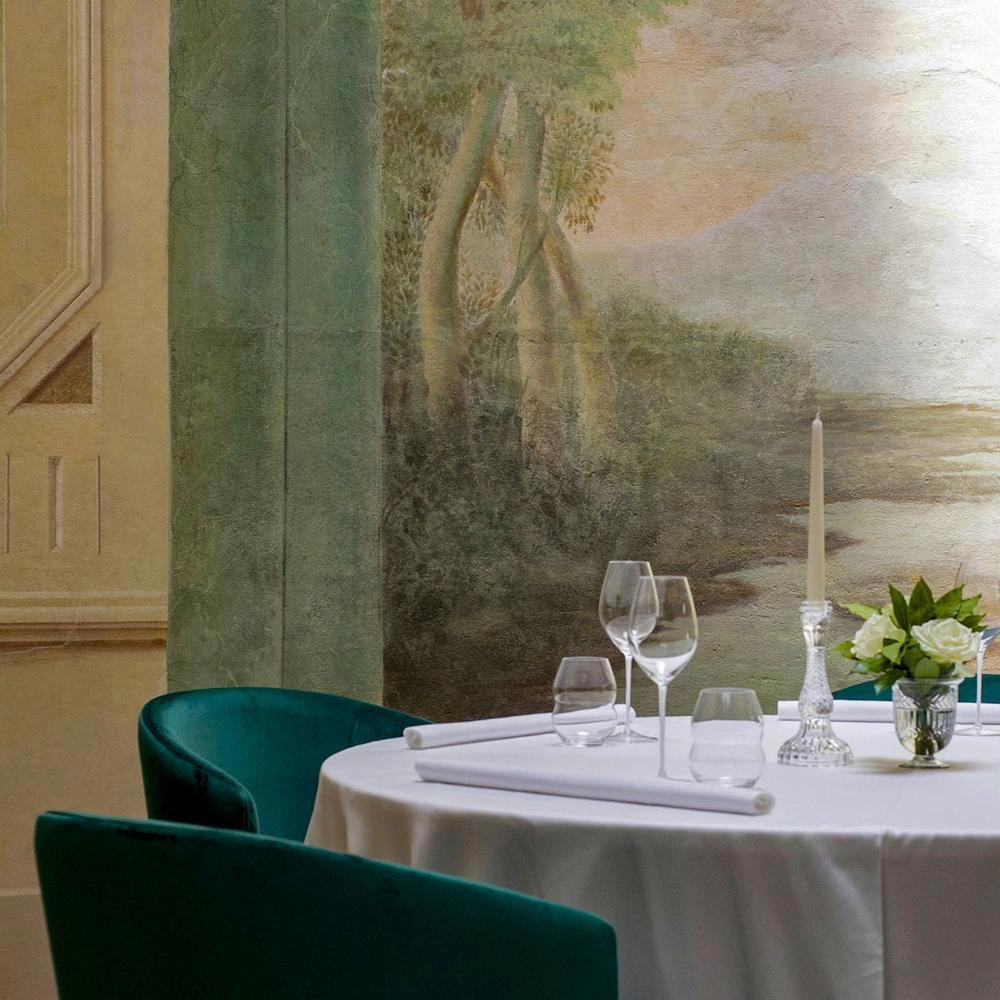
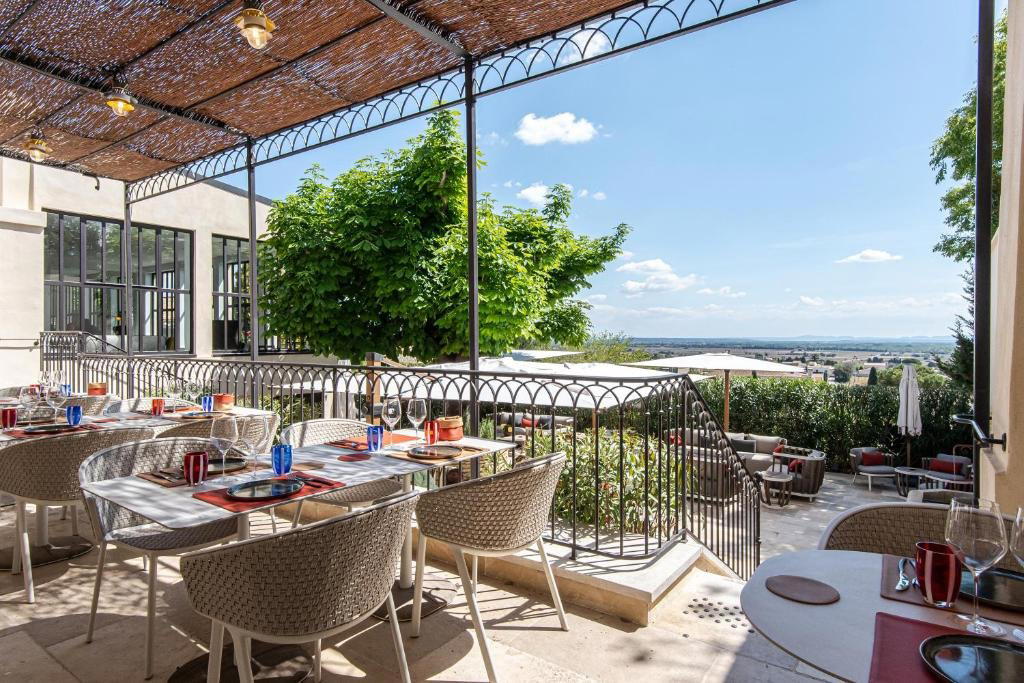

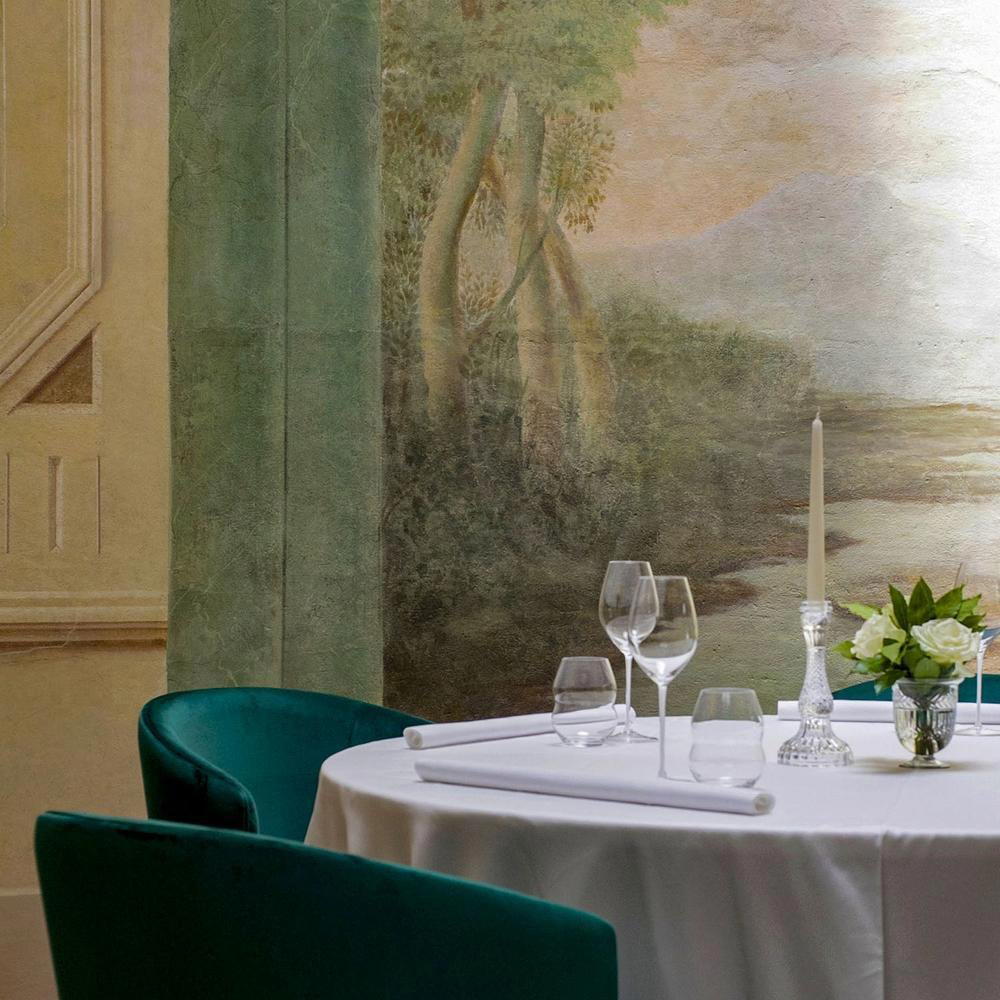
Bars in Bedoin
Browse all →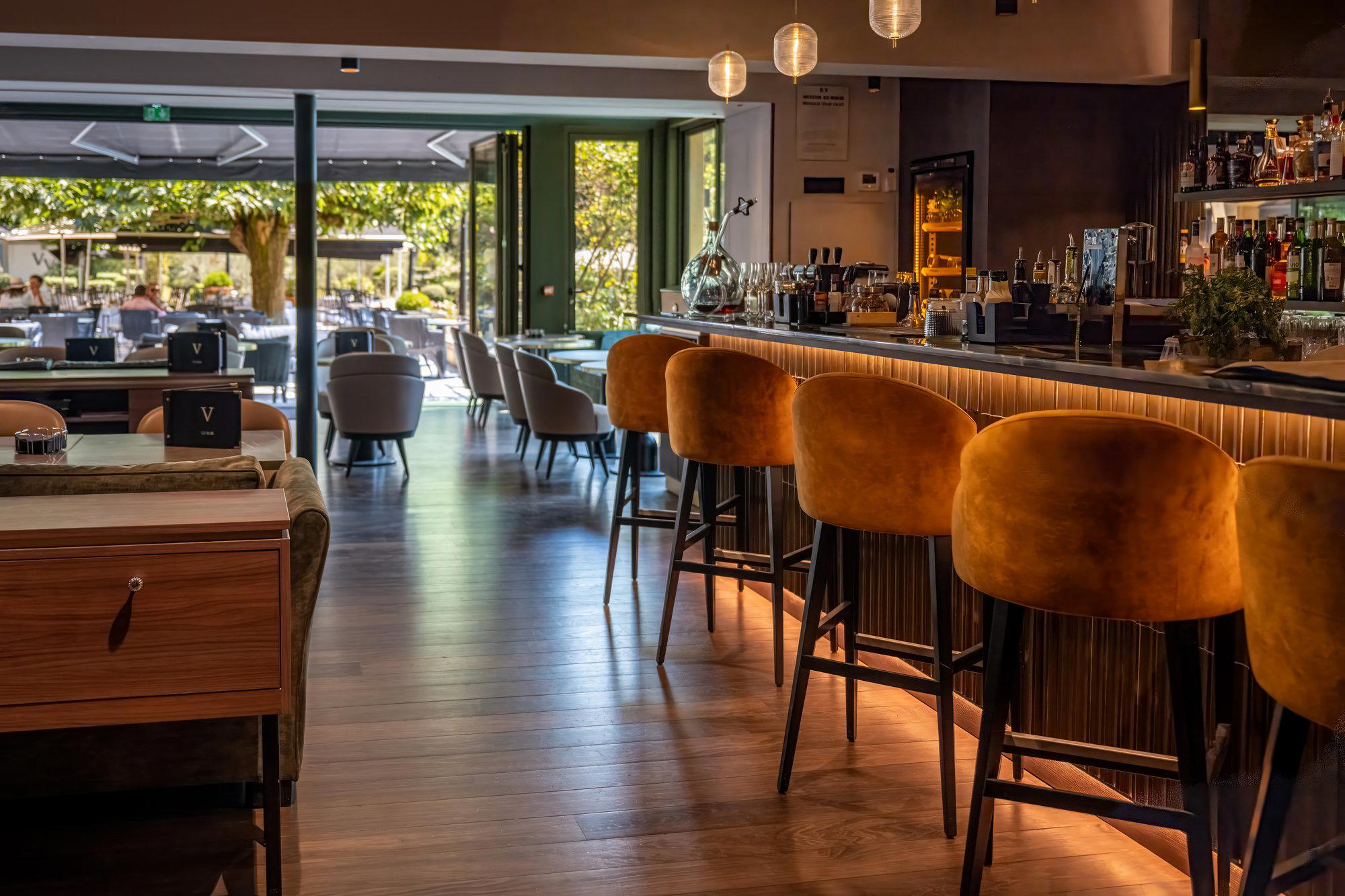
Hotels in Bedoin
Browse all →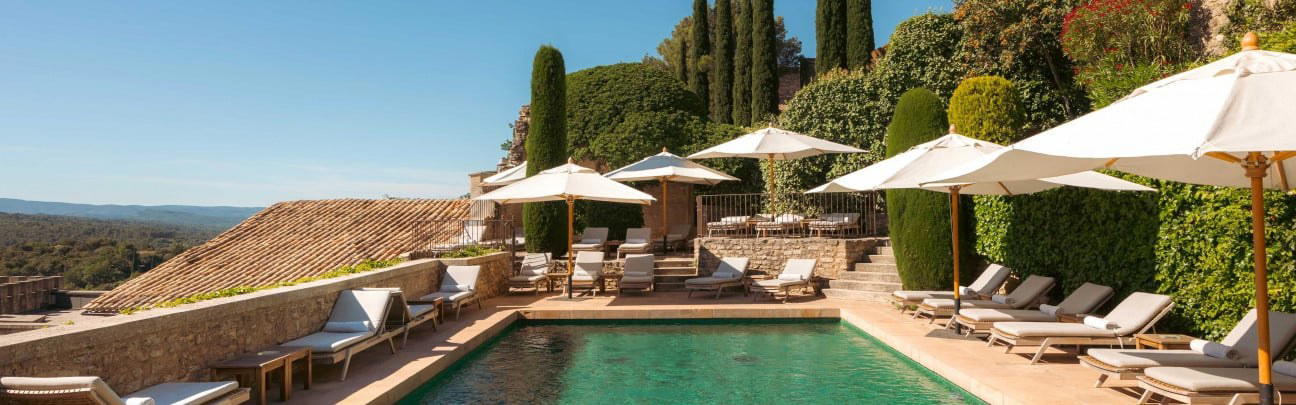
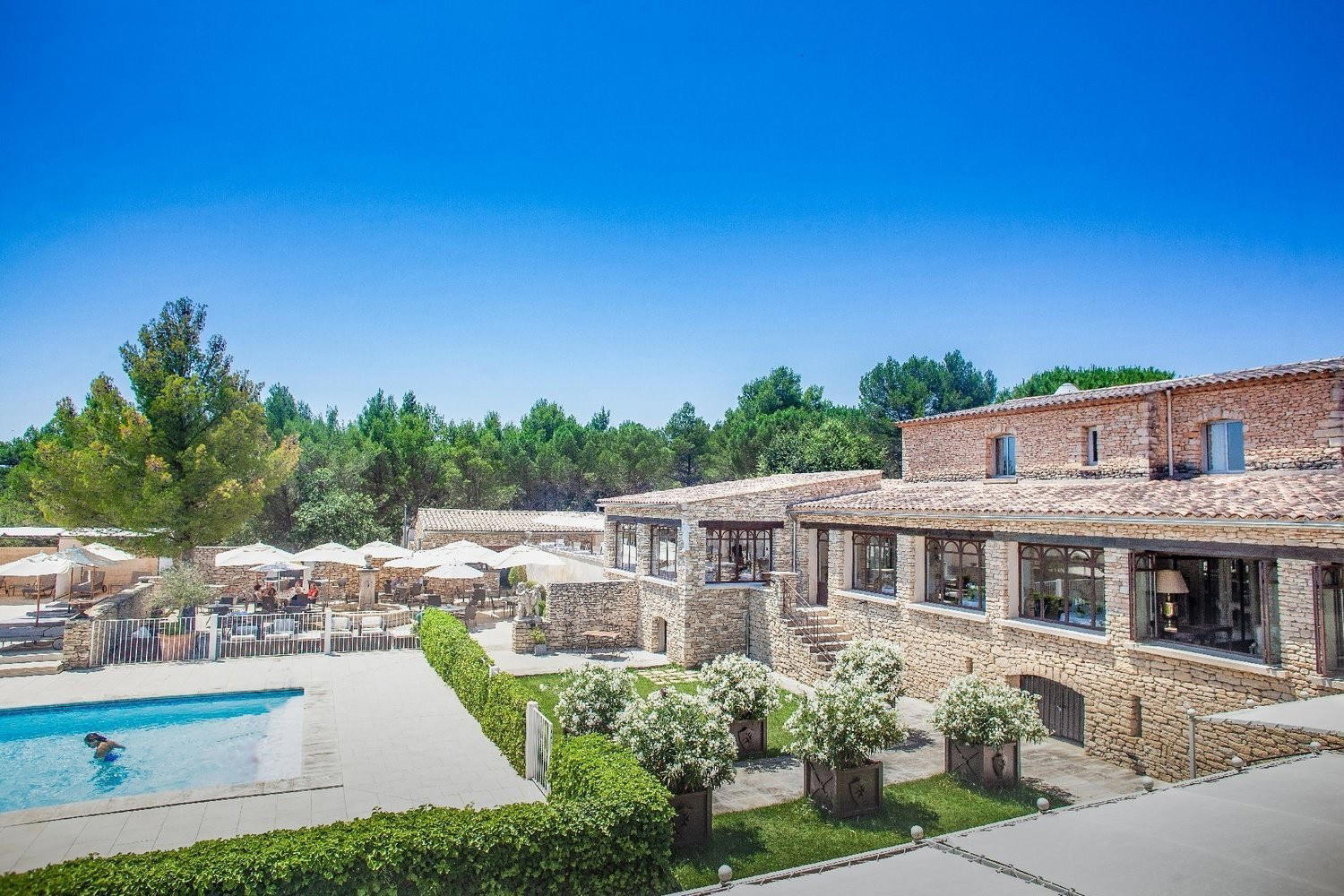
At a Glance
- Cozy
- Intimate
- Rustic
- Date Night
- Special Occasion
- Terrace
- Extensive Wine List
- Local Sourcing
Current opening hours
- Monday
- 12–1:30 PM
- Tuesday
- 12–1:30 PM, 7–9 PM
- Wednesday
- Closed
- Thursday
- 12–1:30 PM, 7–9 PM
- Friday
- 12–1:30 PM, 7–9 PM
- Saturday
- 12–1:30 PM, 7–9 PM
- Sunday
- 12–1:30 PM
Hours can change for holidays and private events. Last verified .
Chaleureuse et intime salle à manger avec une atmosphère calme et conviviale.