La Pulpería De Victoria occupies a historically charged address in Madrid's Centro district, where Castilian tavern tradition meets the kind of casual precision that the city's mid-tier dining scene does better than almost anywhere in Spain. Positioned below the high-tectonic experimentation of DiverXO or Coque, it represents a different but equally deliberate strand of Madrid eating: rooted, product-led, and neighbourhood-anchored.
Pearl is the En Primeur Club membership app — saves, bookings, and concierge access live there. Same editors, same standards.
- Address
- C. de la Victoria, 2, Centro, 28012 Madrid, Spain
- Phone
- +34910804929
- Website
- pulperiadevictoria.es
- Directions
- Get directions
 Saves & bookings on Pearl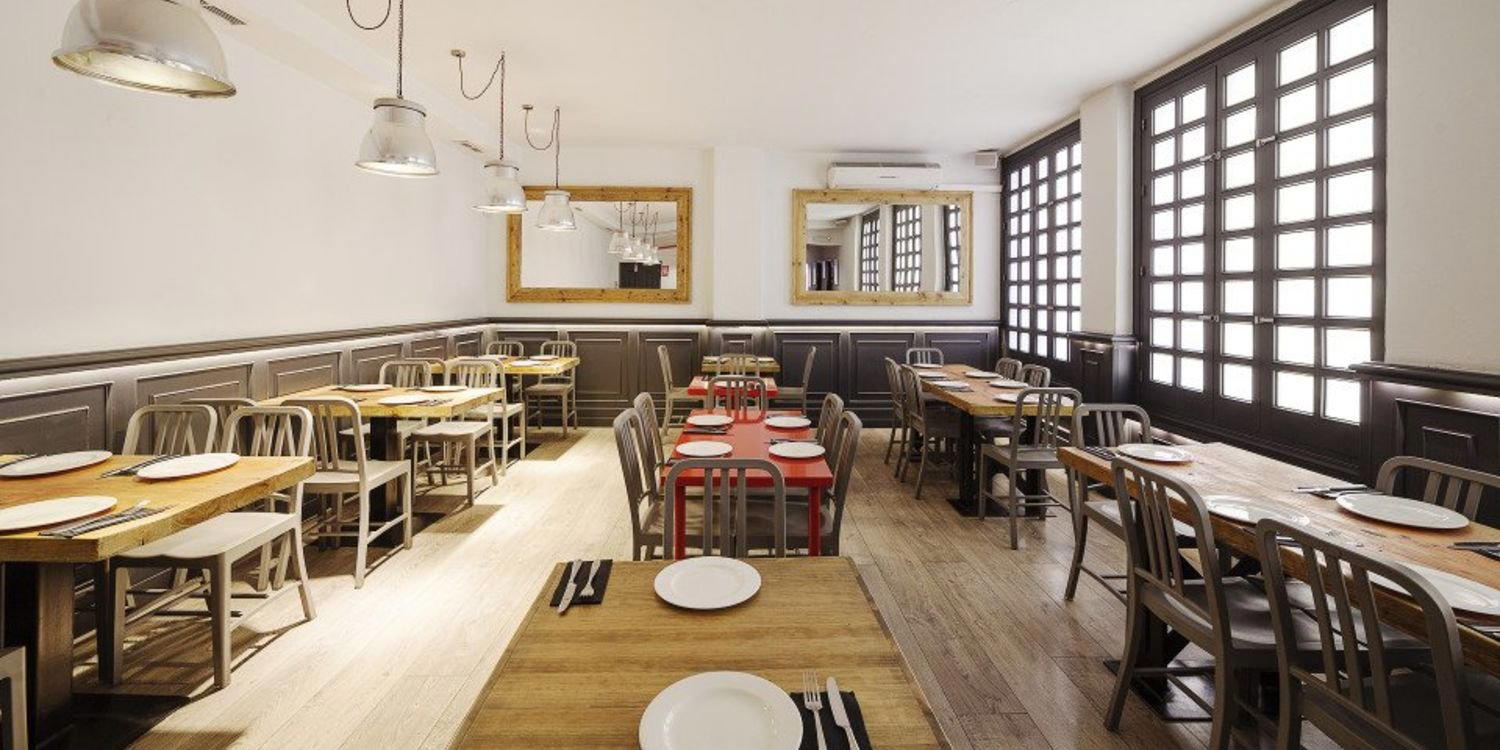
A Street That Earns Its Reputation
Calle de la Victoria sits in the dense grid of streets between Puerta del Sol and Huertas, a zone that has functioned as Madrid's tavern corridor for centuries. The pulpería format, which Spanish food culture inherited from Galicia, is one of the oldest and most specific in the Iberian culinary vocabulary: a house defined by octopus, usually served on wooden boards with olive oil, smoked paprika, and coarse salt, embedded in a broader menu of market-driven Galician and Castilian staples. That format has proved more durable than many modernist experiments because its logic is entirely product-led. There is nowhere to hide when the ingredient is this central.
La Pulpería De Victoria operates in this tradition on one of central Madrid's more storied restaurant streets. The address at number 2 places it at the junction between the old literary quarter and the commercial core, where foot traffic from nearby theatres and the Cortes has sustained tavern culture since at least the 18th century. Arriving along the narrow street, the visual grammar is immediately legible to anyone familiar with the format: tiled interiors, wine lists weighted toward Galician whites, and a room whose atmosphere is generated by density and noise rather than designed quiet.
The Pulpería Tradition in a Madrid Context
Understanding what a pulpería does requires some separation from the broader tapas idiom. While Madrid's taberna and tasca formats evolved around small plates of multiple origins, the Galician pulpería arrived in the capital as an export of the northwest's fishing economy. Galicia's coastal towns, where octopus is caught, dried, and prepared with a specificity that varies by village, sent their tavern format south along the same migration routes that brought Galician workers to the capital during the 20th century. The result is a hybrid form: Galician in its protein logic, Madrilenian in its pace and sociability.
That hybridity is worth taking seriously. Madrid's dining scene is often discussed through its high-end creative restaurants. DiverXO holds three Michelin stars for progressive Asian-inflected cooking; Coque operates at a comparable level with deep Spanish roots; Deessa, DSTAgE, and Paco Roncero each represent the €€€€ tier of modern Spanish creativity. But the capital's food culture is not reducible to its starred restaurants. The mid-market tavern tradition, of which the pulpería is a particularly focused expression, forms the everyday fabric of how Madrileños actually eat, and it is in that fabric that the city's food identity is most consistently visible.
What the Format Demands
The pulpería model places unusual demands on sourcing. Octopus quality is non-negotiable: the Galician preference for pulpo da pedra (rock octopus, as opposed to open-sea varieties) reflects genuine textural and flavour distinctions that experienced diners notice immediately. Preparation method is equally specific. The traditional approach involves boiling in copper pots, a technique that Galician cooks attribute with affecting texture, followed by resting and slicing to order. Olive oil, Pimentón de la Vera (smoked paprika, protected designation of origin), and the grade of salt used are the only variables left after that. There is a reason the format has not been substantially modernised: the room for improvement is narrow once the product is correct.
A pulpería menu beyond the octopus typically encompasses Galician empanadas, razor clams, percebes (goose barnacles, among the more expensive shellfish in Spain), and padron peppers, alongside heavier Castilian options for a mixed table. The wine logic follows the same regional origin: Albariño from Rías Baixas, Ribeiro whites, and Godello from Valdeorras form the natural pairing frame, with their high acidity and mineral salinity calibrated against the seafood's richness. This is not a wine list built for theatrical cellar depth; it is built for function.
Where It Sits in the Broader Spanish Picture
Positioning a Madrid pulpería against Spain's wider restaurant culture clarifies what the format is not trying to do. The country's most ambitious kitchens operate at significant remove from this register. El Celler de Can Roca in Girona, Martin Berasategui in Lasarte-Oria, and Mugaritz in Errenteria are laboratories of technique and concept. Arzak in San Sebastián and Azurmendi in Larrabetzu push Basque cooking through multiple conceptual frames. Aponiente in El Puerto de Santa María builds an entire aesthetic around marine ingredients, while Quique Dacosta in Dénia, Ricard Camarena in Valencia, Cocina Hermanos Torres in Barcelona, and Atrio in Cáceres each occupy distinct creative positions. Internationally, Le Bernardin in New York and Atomix define what seafood-centric and tasting-menu excellence looks like at the highest level of formal dining.
La Pulpería De Victoria is not competing with any of those references. Its comparable set is different: the cluster of Galician houses in Madrid that serve as anchors for the city's northwest-origin community and for visitors who want product-forward eating without a tasting-menu structure or a reservation months in advance. In that tier, the quality of sourcing and the fidelity to format are what separate good from routine.
The Essentials
Comparable venues nearby, for context on price, style, and recognition.
| Venue | Cuisine | Price | Notes |
|---|---|---|---|
| La Pulpería De VictoriaThis venue — the venue you are viewing | Sol, Galician Pulpería | $$ | Not listed |
| La Bobia | Not listed | $$ | Embajadores, Traditional Asturian Tapas & Cider |
| El Escaldon | La Latina, Traditional Canarian | $$ | Not listed |
| Café Central | Not listed | $$ | Barrio de las Letras, Spanish Tapas & Jazz |
| Ana la Santa | Not listed | $$ | Barrio de las Letras, Modern Spanish Tapas |
| La Tape | Arapiles, Spanish Tapas & Craft Beer | $$ | Not listed |
Continue exploring
More in Madrid
Restaurants in Madrid
Browse all →

Bars in Madrid
Browse all →

Hotels in Madrid
Browse all →





At a Glance
- Rustic
- Lively
- Industrial
- Casual Hangout
- Late Night
- Open Kitchen
Current opening hours
- Monday
- 12:30 PM–12:30 AM
- Tuesday
- 12:30 PM–12:30 AM
- Wednesday
- 12:30 PM–12:30 AM
- Thursday
- 12:30 PM–12:30 AM
- Friday
- 12:30 PM–1 AM
- Saturday
- 12:30 PM–1 AM
- Sunday
- 12:30 PM–12:30 AM
Hours can change for holidays and private events. Last verified .
Industrial-chic space with a lively, bustling atmosphere focused on seafood tapas.