
Michelin Plate
Our verdict
A Michelin Plate-recognised trattoria operating out of an 18th-century farmhouse in the Piacenza plain, La Fiaschetteria serves reinterpreted Emilian classics in a room lit by modern chandeliers and warmed by an open fireplace. Three guestrooms make it a practical base for exploring the Po Valley's food-producing heartland. Priced at €€, it represents the serious end of the region's rural dining tradition without the formality of a tasting-menu circuit.

Pearl is the En Primeur Club membership app, where members save venues, book tables and use the concierge.

The menu
What to order
- Goose leg batù
- Deer sirloin
- Foie gras terrine
A Farmhouse on the Piacenza Plain
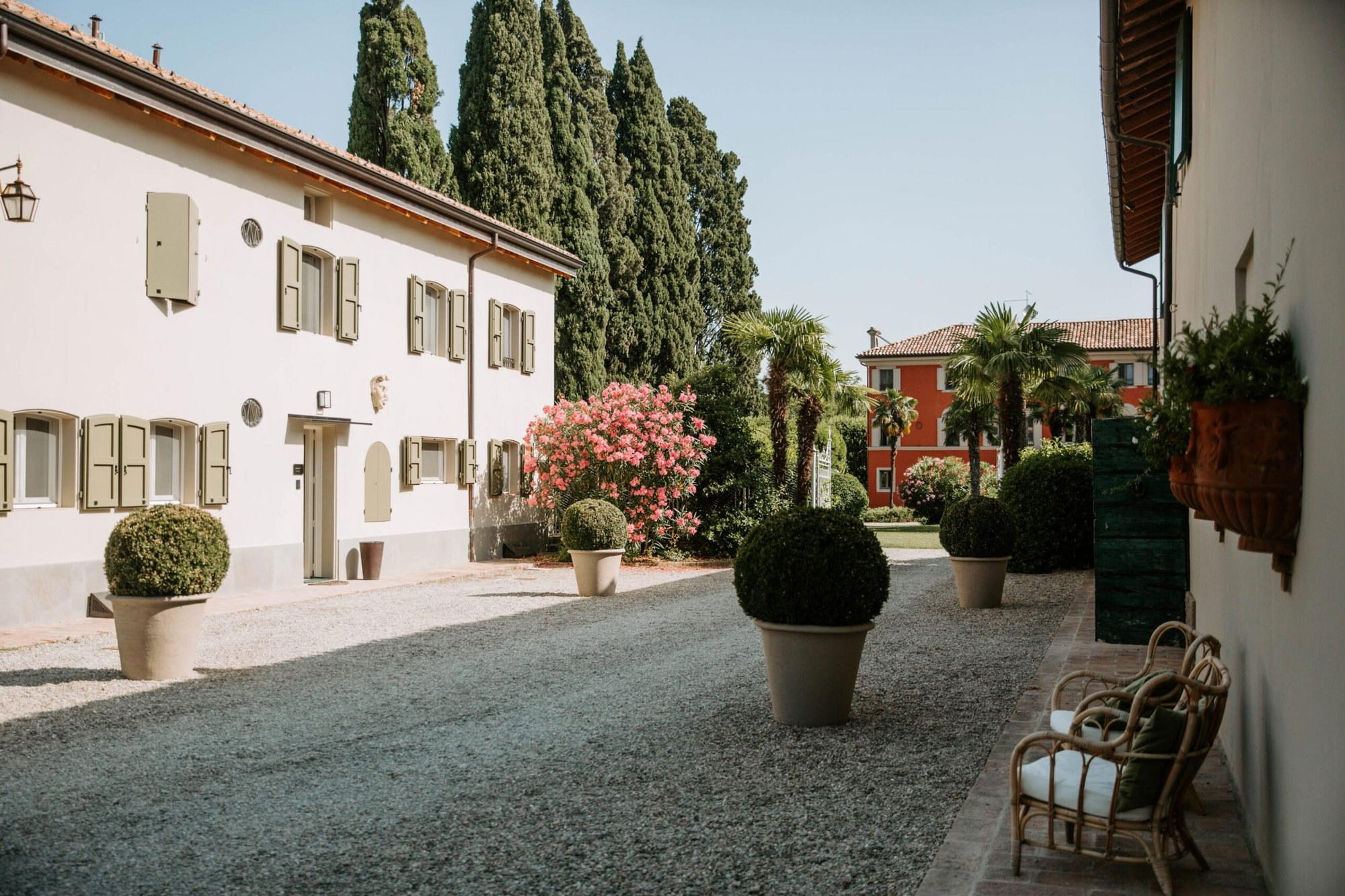
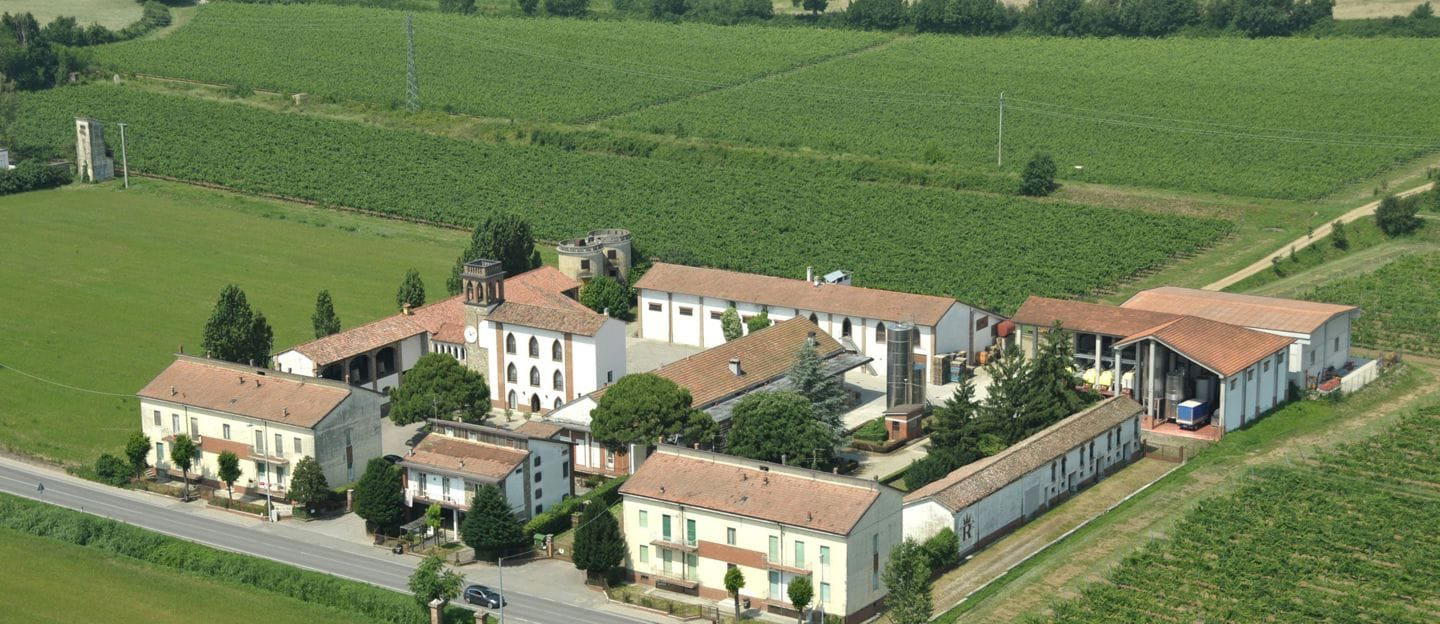
The agrarian flatlands of Piacenza province are not where most food travellers think to stop. The attention in Emilia-Romagna gravitates toward Parma and Modena, cities whose food identities have been codified into protected denominations and internationally marketed brand stories. Yet the plain stretching east from Piacenza toward the Po has its own, quieter claim on the regional kitchen, one rooted in the same larder of cured meats, hand-rolled pasta, and aged local cheeses, but served without the theatre that destination restaurants import to justify their price points. La Fiaschetteria, in the small comune of Besenzone, occupies an 18th-century farmhouse that positions the room as the argument before a dish has arrived. Stone and timber construction of that age carries a particular material honesty that newer builds cannot replicate: the walls have absorbed two-and-a-half centuries of the same agricultural cycle the kitchen still depends on.
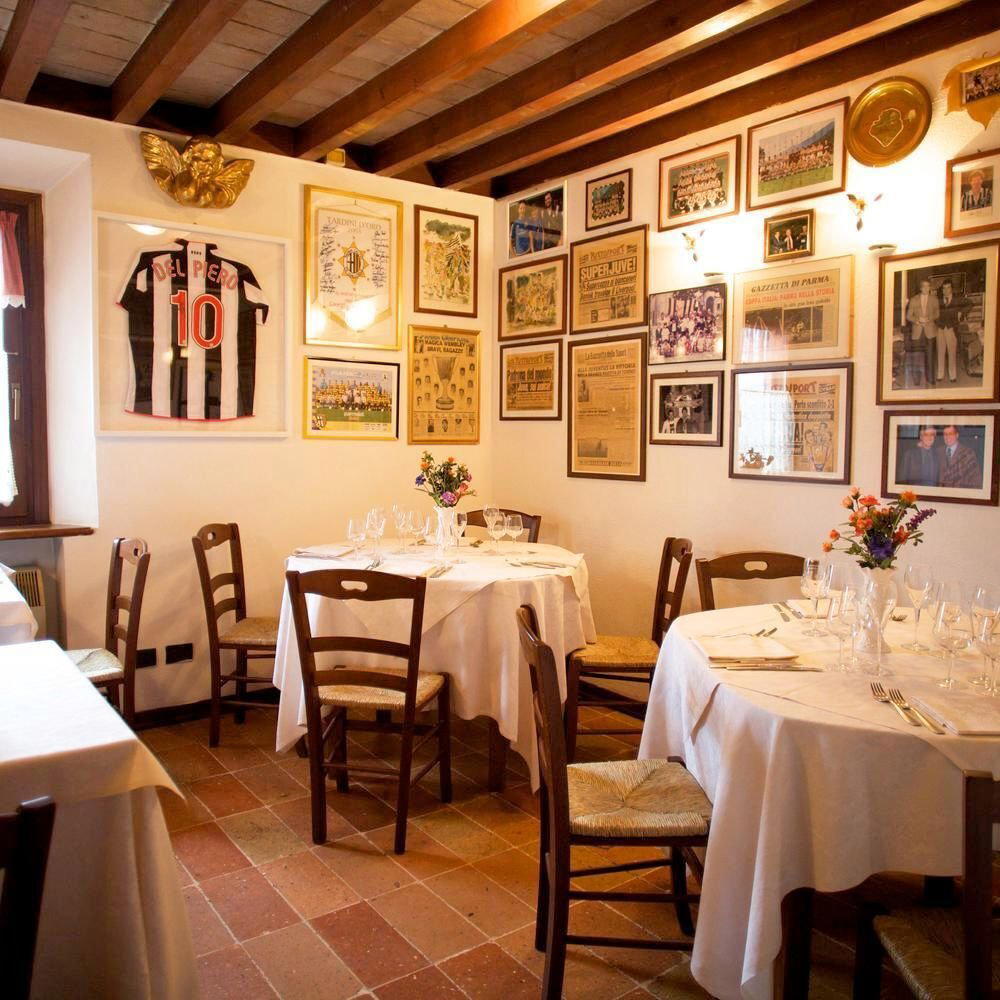
Inside, the room plays a considered counterpoint to its rural frame. Modern designer-style chandeliers replace any expectation of rusticity-as-costume, and a large fireplace anchors the space through the long Padano winters. The visual effect is not renovation for renovation's sake but a practical statement: this is a place that takes the food seriously enough to think about the room.
What Emilian Cooking Actually Means Here
The designation "Emilian classics, reinterpreted" carries more editorial weight than it might first suggest. Emilia-Romagna's cooking tradition is less a set of recipes than a discipline of ingredient sourcing, built over centuries in a landscape that produces some of Italy's most regulated and scrutinised food products. Parmigiano-Reggiano aged to specification, Prosciutto di Parma and Coppa Piacentina from the local hills, Lambrusco and Gutturnio from vineyards within provincial reach: the raw material infrastructure here is among the most institutionally supported in the country, which means a kitchen working within that tradition has both extraordinary access and very little excuse for cutting corners.
What "reinterpretation" signals in this context is not molecular technique or menu-board provocation. In the Piacenza plain, it more often means a willingness to apply contemporary cooking knowledge, proper heat management, seasoning discipline, composition awareness, to forms that an older generation would recognise. Tortelli with local fillings executed at a higher technical register than the average trattoria. Brasato built on stock that has had the hours it needs. The Michelin Plate recognition in 2025, which marks good cooking without awarding a star, is consistent with a kitchen producing above-average regional food that does not yet reach the interpretive or technical altitude of starred peers elsewhere in northern Italy. For context, the province's most ambitious restaurants occupy a different price bracket entirely, as do multi-starred operations like Dal Pescatore in Runate or Osteria Francescana in Modena.
The Ingredient Geography
Understanding why this restaurant works requires understanding its position within the Po Valley's food-production map. Piacenza province sits at the western edge of Emilia-Romagna, where the Apennine foothills meet the plain, and its agricultural output covers cured meats, dairy, and wine with Protected Designation of Origin or Protected Geographical Indication status. Coppa Piacentina, Pancetta Piacentina, and Salame Piacentina form a local triad of cured products recognised separately from the more famous Parma designations. A kitchen in Besenzone has a shorter supply chain to those products than almost any restaurant operating in a regional capital, and the farmhouse setting is itself a signal that the sourcing geography is not a marketing decision but a physical fact.
This proximity to primary production is what distinguishes rural Emilian dining from its urban versions. In Bologna or Parma, the same ingredients arrive via wholesale markets subject to the same price signals that affect every restaurant in Italy. In a comune like Besenzone, the relationship between what grows, what is cured, and what reaches the table can remain more direct, which is the condition that historically produced the Emilian kitchen's reputation in the first place. Diners travelling specifically to eat in this tradition, rather than sampling it as a footnote on a tour of a larger city, find a different version of the same food, less polished in its service architecture but often more direct in its ingredient expression. For a broader read on comparable experiences in the Emilian tradition, Arnaldo - Clinica Gastronomica in Rubiera and Osteria del Viandante in Rubiera operate in a related register, both with their own approaches to regional sourcing.
Three Rooms Above the Plain
The three guestrooms place La Fiaschetteria in a small category of Italian dining destinations that make geographical sense as overnight stays rather than meal stops. The rooms are described as combining elegance with typical regional decor, which, in an 18th-century Piacenza farmhouse, means materials and visual references that connect directly to the agricultural landscape visible from the windows. Guests staying overnight gain access to the plain at times when day-trippers are already on the motorway back to Milan or Bologna: early mornings in a Po Valley winter carry a particular atmospheric quality, and the ability to eat dinner, sleep in situ, and revisit the kitchen at breakfast is a different experience than driving two hours for lunch.
For travellers building a slower itinerary through northern Italy's rural food belt, the combination of a Michelin-recognised kitchen, genuine regional accommodation, and a price point at €€ makes La Fiaschetteria a practical and intellectually coherent stop. Booking ahead is advisable given the limited size of the operation and its distance from major transport links; Piacenza city is the nearest significant rail hub, with Besenzone accessible by car from there.
Where This Fits in the Regional Picture
Northern Italy's restaurant hierarchy is well-documented at its upper end. The three-Michelin-star tier in the north encompasses houses like Le Calandre in Rubano, Enrico Bartolini in Milan, Enoteca Pinchiorri in Florence, Piazza Duomo in Alba, Reale in Castel di Sangro, Uliassi in Senigallia, Casa Perbellini 12 Apostoli in Verona, Quattro Passi in Marina del Cantone, and Atelier Moessmer Norbert Niederkofler in Brunico. La Fiaschetteria does not compete in that space, nor does it try to.
The Michelin Plate, distinct from a star, represents a recognition that the cooking is good enough to note without reaching the level of recommendation that drives destination dining. For anyone already in the Piacenza province for other reasons, or deliberately tracing the Po Valley's food geography from its western edge eastward, that is a meaningful endorsement at a price point that stays accessible. For those planning a broader trip, our full Besenzone restaurants guide, hotels guide, bars guide, wineries guide, and experiences guide cover the full picture of what the area offers beyond this single address.
Frequently asked questions
What price level is La Fiaschetteria?
Pricing at La Fiaschetteria is listed as €€.
How It Stacks Up
| Venue | Cuisine | Price | Awards | Notes |
|---|---|---|---|---|
| La FiaschetteriaThis venue (the venue you are viewing) | Modern Emilian Italian | $50–100 | Michelin Plate | Not listed |
| Atelier Moessmer Norbert Niederkofler | Modern Alpine Fine Dining | $300–500 | 3 Michelin Stars · World's 50 Best #38 | Italian, Creative |
| Dal Pescatore | Classic Italian Fine Dining | $200–300 | 3 Michelin Stars · World's 50 Best #38 | Italian, Italian Contemporary |
| Enoteca Pinchiorri | Contemporary Italian Fine Dining | $200–300 | 3 Michelin Stars · World's 50 Best #32 | Italian - French, Italian Contemporary |
| Enrico Bartolini | Modern Italian Fine Dining | $300–500 | 3 Michelin Stars · World's 50 Best #85 | Creative |
| Osteria Francescana | Avant-Garde Italian Contemporary | $300–500 | 3 Michelin Stars · World's 50 Best #1 | Progressive Italian, Creative |
Recognition history
Dated appearances from independent guides and award organizations, with the underlying list record or original source where available.
Michelin Plate
Michelin
Full recognition history (3 entries)
Michelin Plate
Michelin
Michelin Plate
Michelin
Continue exploring
More in Besenzone
Restaurants in Besenzone
All restaurants in Besenzone →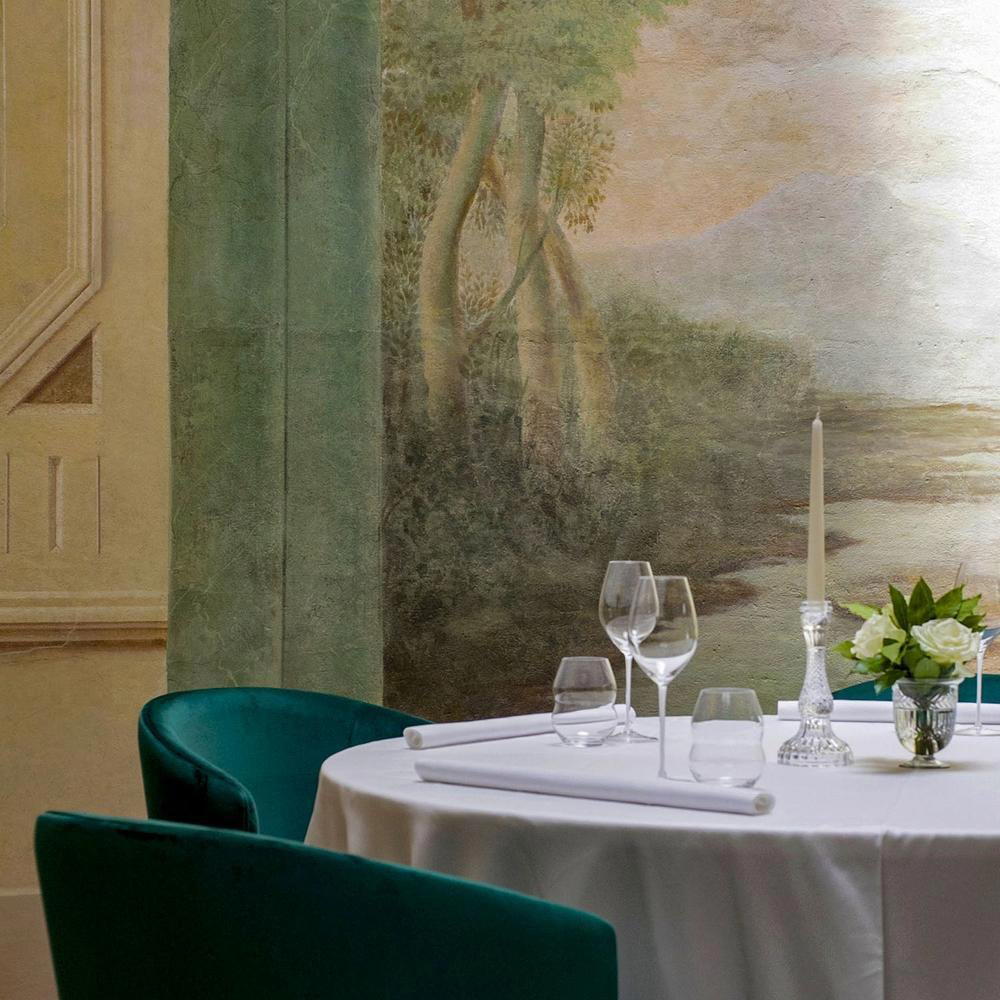
Hotels in Besenzone
Browse all →

Details
- Elegant
- Rustic
- Cozy
- Classic
- Date Night
- Special Occasion
- Family
- Historic Building
- Extensive Wine List
- Local Sourcing
- A La Carte
- Wine
- Vegetarian Friendly
- Gluten Free Options
Current opening hours
- Monday
- Closed
- Tuesday
- Closed
- Wednesday
- 8–10:30 PM
- Thursday
- 8–10:30 PM
- Friday
- 8–10:30 PM
- Saturday
- 12:30–2:30 PM, 8–10:30 PM
- Sunday
- 12:30–2:30 PM, 8–10:30 PM
Hours can change for holidays and private events. Hours as of .
Warm, welcoming, and elegant atmosphere in a renovated 18th-century farmhouse with modern lighting and traditional regional decor.