La Ferme Restaurant
La Ferme Restaurant on Brookville Road sits inside Chevy Chase's quieter residential dining corridor, a neighbourhood where French-inflected cooking has long coexisted with the suburban Maryland pace. The name signals a farm-to-table orientation that places sourcing at the centre of its kitchen logic, positioning it within a local dining scene that includes everything from Clyde's of Chevy Chase to the Japanese precision of Sushiko.
Pearl is the En Primeur Club membership app — saves, bookings, and concierge access live there. Same editors, same standards.
- Address
- 7101 Brookville Rd, Chevy Chase Section Five, MD 20815
- Phone
- +13019865255
- Website
- lafermerestaurant.com
- Directions
- Get directions
 Saves & bookings on Pearl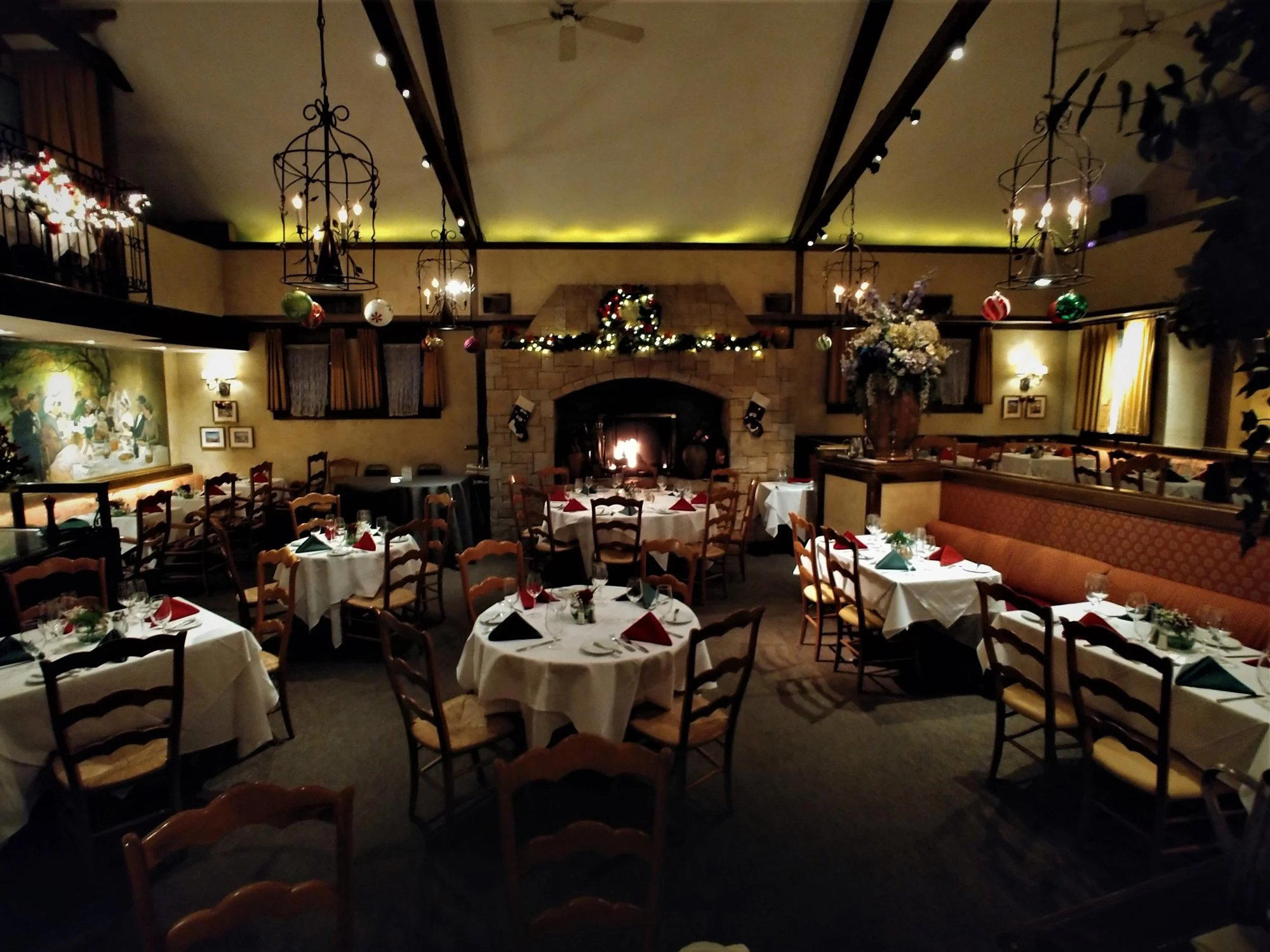
A Farmhouse Sensibility at the Maryland Border
Technically Maryland, it sits close enough to the District that its better restaurants draw from both sides of the border, yet the neighbourhood retains a residential cadence that keeps it off the radar of visitors who stay within the DC core. Brookville Road, where La Ferme Restaurant is located at 7101, runs through that quieter residential corridor rather than a high-traffic dining strip. That address alone signals something about the kind of cooking that works here: deliberate, rooted, not dependent on foot traffic or a marquee corner location.
The name, translated directly, means "the farm", a framing that aligns with a broader shift across American fine dining toward sourcing as philosophy rather than marketing footnote. Where restaurants in the 1990s and early 2000s treated provenance as an optional detail, kitchens operating under this logic now treat the supply chain as part of the menu's editorial argument. At the higher end of this category nationally, venues like Blue Hill at Stone Barns in Tarrytown and Single Thread Farm in Healdsburg have pushed farm-integration to its fullest expression. La Ferme operates within that same conceptual tradition, though at a neighbourhood scale rather than a destination resort format.
What the Name Tells You About the Kitchen Logic
French-inflected restaurant names in American suburbs carry a specific set of associations: a certain classicism in technique, a respect for seasonal rhythm, and an expectation that the menu will change with what the region produces rather than locking into a static format. That orientation puts La Ferme in a distinct conversation from its immediate Chevy Chase neighbours. Meiwah Restaurant draws from the Chinese-American canon; Joy by Seven Reasons works the Latin American register; Don Pollo operates in casual poultry-focused territory. La Ferme's framing suggests a different tier and a different intention: the kind of cooking where the sourcing decision happens before the recipe does.
The Mid-Atlantic region provides a credible agricultural base for that approach. The Chesapeake watershed brings seafood with genuine local identity, blue crab, rockfish, oysters from Virginia and Maryland tributaries, while the farm corridors of Pennsylvania and the Shenandoah Valley supply produce and protein to Washington-area kitchens year-round. A restaurant operating under a farm-sourcing framework in this geography has real material to work with, which distinguishes the Mid-Atlantic from regions where "local sourcing" becomes a strained claim against limited supply.
Placing La Ferme in the Regional French-American Tradition
French technique applied to American regional ingredients has a long and serious history in the kitchens around Washington. The Inn at Little Washington, Patrick O'Connell's Virginia institution, built its reputation over decades on exactly that synthesis, classical French structure, Virginia larder. That model has proven durable because it sidesteps the tension between imported European identity and American place-based cooking by making the sourcing the local argument and the technique the universal grammar.
At the national level, kitchens working this tradition range from the hyper-precise, The French Laundry in Napa, Le Bernardin in New York City, Alinea in Chicago, to the more produce-forward and ingredient-led, where the kitchen's job is restraint rather than transformation. The latter category is where a neighbourhood French restaurant with a farm identity fits most naturally: the sourcing does the heavy lifting, and the cooking's role is to clarify rather than complicate.
Restaurants that prioritize sourcing over spectacle tend to read differently from those built around a chef's technical signature. Providence in Los Angeles, Addison in San Diego, and Emeril's in New Orleans each carry a strong chef-led identity that anchors the menu to a named sensibility. Farm-first restaurants ask a different question: what does the season have, and how do we get out of its way? That philosophy requires a kitchen with genuine discipline, because the menu is only as good as what's arriving at the loading dock.
The Neighbourhood Context
Chevy Chase has a stable, prosperous dining base that rewards restaurants playing a long game. The demographic skews professional, well-travelled, and familiar enough with French cooking that a kitchen operating in this register doesn't need to explain itself. That's the kind of audience that notices when sourcing standards slip, and that expects the menu to shift with the season rather than photograph well year-round. Clyde's of Chevy Chase anchors the more casual, American bistro end of the local spectrum; La Ferme occupies a quieter, more considered position further up the formality register.
Globally, the farm-sourcing model has produced restaurants with enduring appeal. Lazy Bear in San Francisco built a tasting-menu format around communal dining and seasonal Northern California produce. Atomix in New York City integrates Korean agricultural tradition into a fine-dining structure with sourcing precision at its core. 8½ Otto e Mezzo Bombana in Hong Kong demonstrates that ingredient-driven Italian cooking travels across hemispheres when the supply relationships are maintained with the same rigour as the technique. These examples illustrate how broadly the sourcing-first argument now applies across cuisine traditions and geographies.
Planning Your Visit
La Ferme Restaurant is located at 7101 Brookville Road, Chevy Chase Section Five, MD 20815. The neighbourhood is quiet by Washington standards, which means street parking is generally available but the venue does not benefit from the transit access of DC's dining corridors.
A Quick Peer Check
Comparable venues nearby, for context on price, style, and recognition.
| Venue | Cuisine | Price | Notes |
|---|---|---|---|
| La Ferme RestaurantThis venue — the venue you are viewing | Classic French Bistro | $$$ | Not listed |
| Clyde's of Chevy Chase | Classic American Steakhouse & Seafood | $$$ | Chevy Chase |
| Meiwah Restaurant | Chinese with Sushi | $$ | Chevy Chase |
| Tavira | Portuguese & Mediterranean Seafood | $$$ | Chevy Chase |
| Sushiko | Modern Japanese Omakase | $$$$ | Chevy Chase |
| Joy by Seven Reasons | Modern Latin American Fusion | $$$$ | Chevy Chase |
Continue exploring
More in Chevy Chase
Restaurants in Chevy Chase
Browse all →
Bars in Chevy Chase
Browse all →
Hotels in Chevy Chase
Browse all →
At a Glance
- Romantic
- Cozy
- Elegant
- Rustic
- Classic
- Intimate
- Date Night
- Special Occasion
- Family
- Group Dining
- Brunch
- Live Music
- Private Dining
- Extensive Wine List
Current opening hours
- Monday
- Closed
- Tuesday
- 11:30 AM–8:30 PM
- Wednesday
- 11:30 AM–8:30 PM
- Thursday
- 11:30 AM–8:30 PM
- Friday
- 11:30 AM–8:30 PM
- Saturday
- 11:30 AM–8:30 PM
- Sunday
- 11:30 AM–8:30 PM
Hours can change for holidays and private events. Last verified .
Warm country French ambiance with subdued lighting, huge fireplace, high vaulted wood rafters, and quiet conversational atmosphere conducive to intimate dining.