La Dolce Vita sits on Rathausplatz in the centre of St Pölten, bringing an Italian register to a city where the dining scene has expanded considerably in recent years. The address places it within easy reach of the city's cultural and civic core, making it a practical choice for an evening meal before or after the Festspielhaus. For a fuller picture of eating in the region, see our St Pölten restaurants guide.
 Discover on Pearl
Pearl is the En Primeur Club membership app — saves, bookings, and concierge access live there. Same editors, same standards.
- Address
- Rathauspl. 5, 3100 St. Pölten, Austria
- Phone
- +43274220233
- Website
- zanettigroup.at
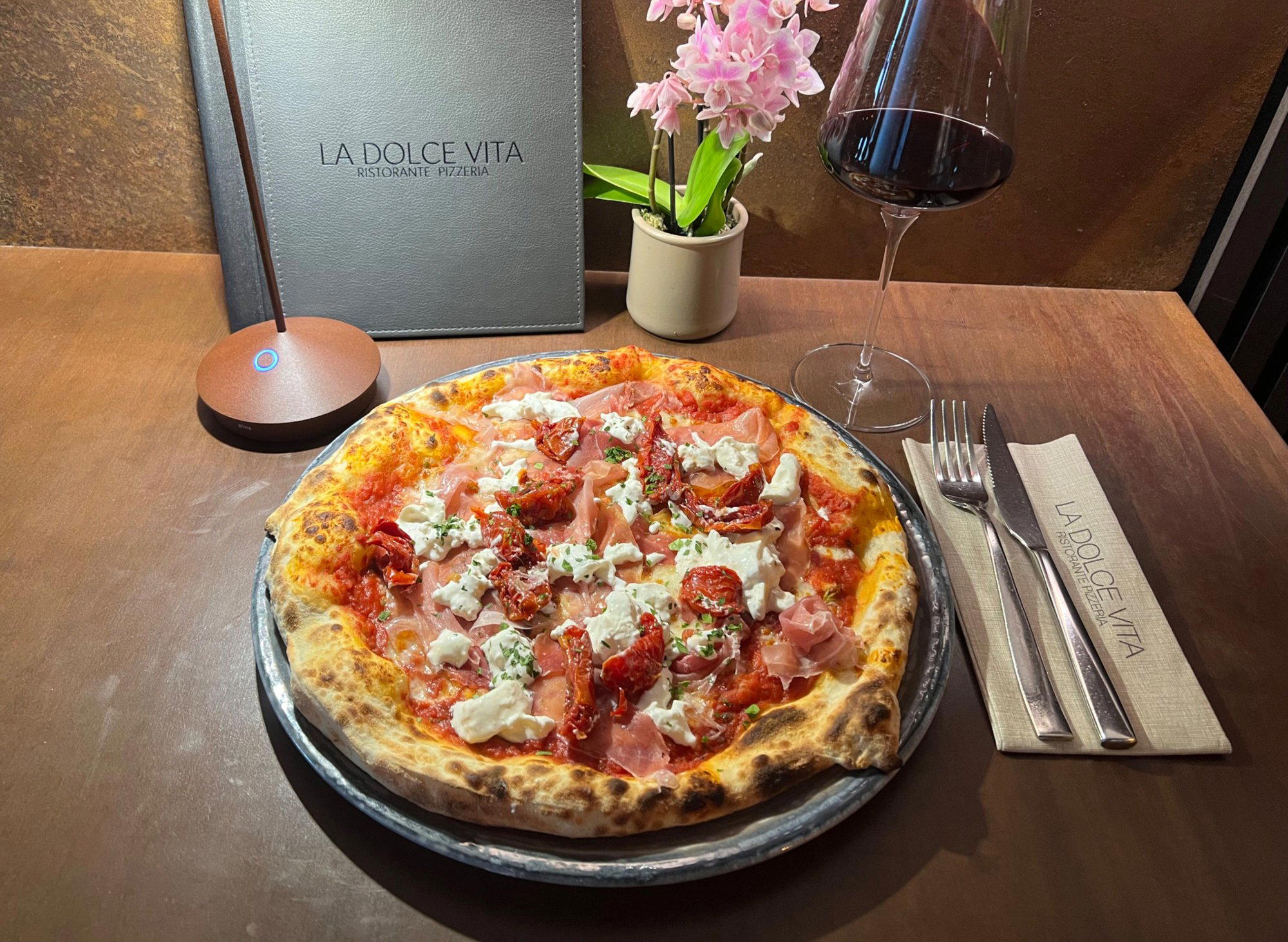
Italian Dining on St Pölten's Central Square
St Pölten's Rathausplatz does not typically draw comparison with Vienna's Innere Stadt or Salzburg's Altstadt, but the square has its own civic weight: the town hall, the surrounding Baroque facades, and the steady foot traffic of a working regional capital rather than a tourist circuit. Restaurants that position themselves on this square are pitching at a broad local audience, business lunchers, pre-theatre diners heading to the nearby Festspielhaus, and residents who want something more considered than a Würstelstand or a chain. La Dolce Vita, at Rathauspl. 5, occupies that middle ground in a city where the gap between casual and formally ambitious dining has been narrowing over the past decade.
The Italian name signals an alignment with a dining register that has performed consistently well in mid-sized Central European cities. Austrian diners have long had a fluent relationship with Italian cooking, partly through proximity to the border and partly through the deep penetration of Italian trattoria culture into Austrian town centres from Graz to Linz. In St Pölten, that appetite is real. An Italian-leaning address on the main civic square is not an eccentric outlier; it is a calculated position in a market where the competition includes AELIUM and Roter Hahn, both of which take different approaches to the city's growing appetite for considered dining.
Where Ingredient Sourcing Shapes the Italian Conversation
The broader question for any Italian restaurant operating outside Italy is how it resolves the sourcing tension at the centre of Italian cuisine. Authenticity in Italian cooking is inseparable from provenance: San Marzano tomatoes from the volcanic plains south of Naples, Parmigiano-Reggiano aged to specification in Emilia, olive oil pressed from specific Sicilian or Ligurian cultivars. These are not marketing claims but legally protected designations that carry real flavour consequences. A kitchen that sources correctly can deliver a plate of pasta with a depth that a kitchen working from generic ingredients cannot replicate, regardless of technique.
Austria's position within the EU single market simplifies the logistics of sourcing Italian-designated products, and the country's own agricultural output, particularly from Lower Austria's wine and vegetable growing regions, gives Italian-leaning kitchens in cities like St Pölten access to credible local produce that can sit alongside imported Italian staples. The Mostviertel and Weinviertel regions, both within reasonable supply distance of the city, produce ingredients that translate well into Mediterranean preparation frameworks. Whether a kitchen chooses to foreground that local-meets-Italian angle or to import strictly from Italy is a positioning decision that shapes the entire character of the menu. The leading Austrian takes on Italian cuisine, as seen in how venues like Landhaus Bacher in Mautern an der Donau handle regional produce with classical European discipline, demonstrate that the two approaches need not be mutually exclusive.
At the level of Austria's most decorated kitchens, the sourcing conversation has become increasingly specific. Steirereck im Stadtpark in Vienna has built a significant part of its reputation on hyper-local Austrian ingredients, while Döllerer in Golling an der Salzach has formalised an Alpine sourcing identity that extends from the kitchen garden to the cheese trolley. Further west, Kräuterreich by Vitus Winkler in Sankt Veit im Pongau has made herb sourcing a defining structural element of the menu. These are not trends borrowed from Scandinavian fine dining but an Austrian articulation of the same instinct that drives Italian cucina povera: the idea that what grows nearby, treated with respect, is the foundation of serious cooking. For comparison, internationally acclaimed addresses like Le Bernardin in New York City and Atomix in New York City have each built singular reputations on the rigorous application of exactly this sourcing discipline to their respective culinary traditions.
St Pölten's Dining Position in the Austrian Regional Picture
St Pölten sits in Lower Austria, a federal state that punches above its name recognition in food terms. The region contains some of Austria's most serious dining addresses, from Taubenkobel in Schützen am Gebirge to the Danube-facing rooms of Landhaus Bacher. The city itself is the state capital but receives considerably less international dining attention than Vienna, Salzburg, or the Tyrolean resort circuit, where addresses like Griggeler Stuba in Lech, Gourmetrestaurant Tannenhof in Sankt Anton am Arlberg, and Stüva in Ischgl attract destination visitors with significant disposable income. St Pölten's restaurant scene serves a more local, less seasonal audience, and the restaurants that succeed here tend to build on repeat custom rather than tourism peaks.
That dynamic rewards consistent quality over spectacle. It also rewards positioning clarity: diners returning weekly or monthly to the same square want to know what a restaurant is, not what it aspires to be. An Italian address on Rathausplatz with a clear identity in its sourcing and preparation has a more durable commercial position than one chasing the seasonal reinvention cycle. For those mapping the wider Austrian dining circuit, Ikarus in Salzburg, Obauer in Werfen, Ois in Neufelden, Restaurant 141 by Joachim Jaud in Mieming, and Schwarzer Adler in Hall in Tirol each represent a distinct regional approach to the same underlying question of what Austrian fine dining means in the twenty-first century.
Planning Your Visit
La Dolce Vita is at Rathauspl. 5 in central St Pölten, on the main civic square and within walking distance of the Festspielhaus and the city's main rail connections. St Pölten Hauptbahnhof is served frequently from Vienna Westbahnhof, with journey times of around 40 minutes, making this a viable dinner destination for visitors based in the capital. For a broader orientation to the city's dining options, our full St Pölten restaurants guide covers the range of addresses currently active in the centre.
At-a-Glance Comparison
Comparable venues nearby, for context on price, style, and recognition.
| Venue | Cuisine | Price | Awards | Notes |
|---|---|---|---|---|
| La Dolce VitaThis venue — the venue you are viewing | Upscale Italian Ristorante Pizzeria | $$$ | , | |
| AELIUM | Contemporary Fusion Fine Dining | $$$$ | , | St. Pölten |
| Roter Hahn | Modern Austrian Regional | $$ | , | outskirts |
| 8o8 restaurant | Modern Italian with International Influences | $$$ | , | Josefstadt |
| Cucina Fontana | Italian Trattoria | $$$ | , | Oberwaltersdorf |
| Firenze Enoteca | Traditional Tuscan Italian | $$$ | , | Innere Stadt |
Continue exploring
More in St Polten
Restaurants in St Polten
Browse all →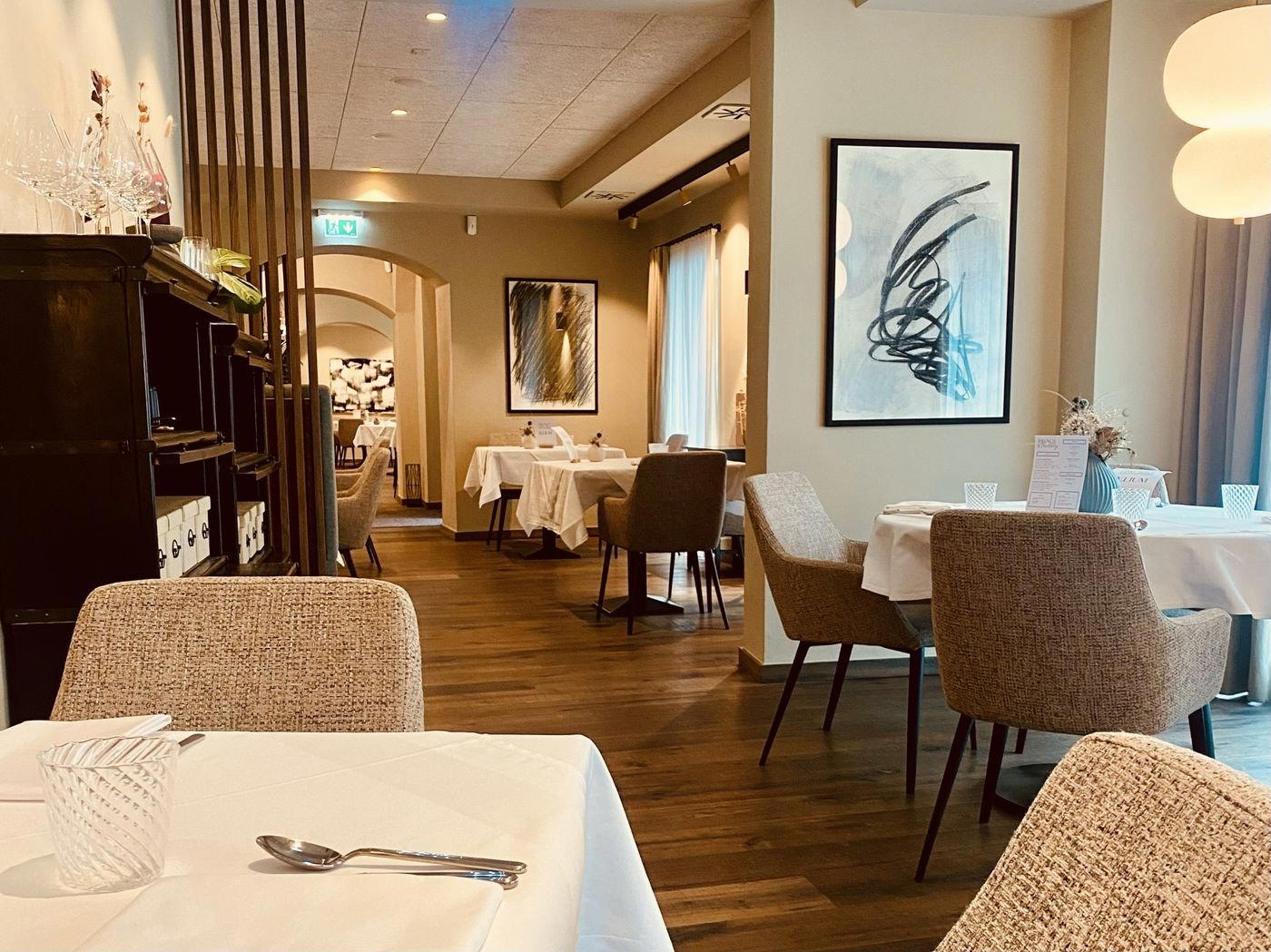
Hotels in St Polten
Browse all →
At a Glance
- Elegant
- Classic
- Intimate
- Date Night
- Business Dinner
- Late Night
- Open Kitchen
- Extensive Wine List
- Street Scene
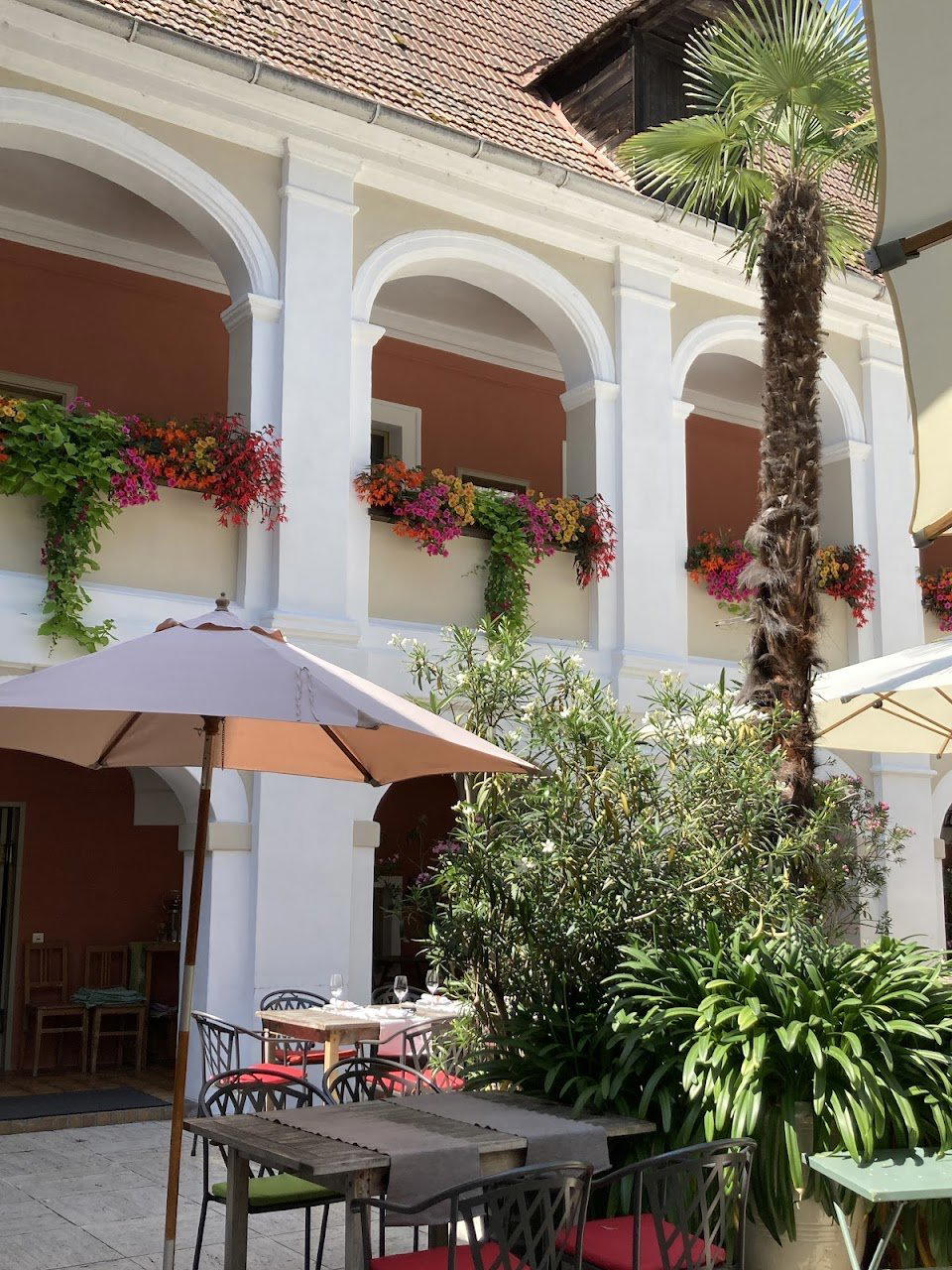
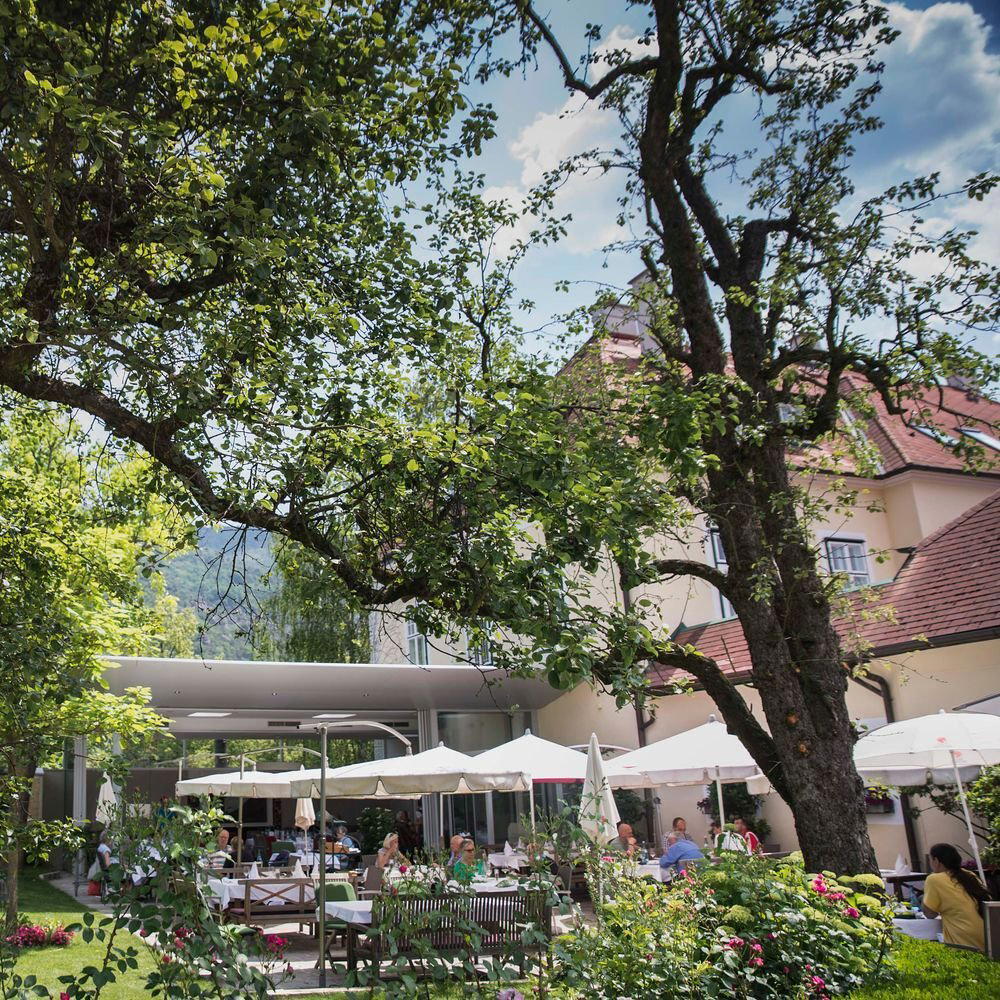
Beautiful interior with 2 indoor areas and winter garden, offering a reflection of Italian joie de vivre.