Apego, balcón del sur
Our verdict
Apego, balcón del sur occupies a quiet corner of Las Águilas in Álvaro Obregón, one of Mexico City's residential districts sitting well outside the usual circuit of Polanco and Roma Norte. The name itself, apego meaning attachment or fondness, signals a register distinct from the capital's high-profile tasting-menu establishments. For diners willing to cross the city, it represents the southward drift of serious dining in a metropolis that has been redistributing its culinary ambition for several years.

Pearl is the En Primeur Club membership app, where members save venues, book tables and use the concierge.

The menu
What to order
- Tacos Gobernador
- Chamorro Cantinero
- Huevos Rotos con Jamón
South of the Usual Circuit
Mexico City's dining geography has always been lopsided. For decades, the serious-money addresses concentrated in Polanco, with Roma Norte and Condesa absorbing the creative overflow. The south, Álvaro Obregón, Las Águilas, the broader sprawl below Insurgentes Sur, read as residential territory, useful for taquerías and family fondas but not for the kind of table that attracts international attention. That separation has been dissolving, slowly and without fanfare, as chefs and operators seek rent structures and neighbourhoods that permit a different relationship with their guests. Apego, balcón del sur, at Gutiérrez Zamora 33 in Las Águilas, is part of that southward redistribution.
The name carries its own argument. Apego, attachment, closeness, a rooted fondness, sets an expectation that differs sharply from the ambition-forward vocabulary of Pujol or Quintonil, both of which have spent years calibrating their global positioning. A balcón del sur, a southern balcony, implies an outward-facing vantage point from a place people actually live. These are editorial choices embedded in a restaurant's identity before a single dish is served, and they matter when understanding where Apego sits relative to the capital's broader dining canon.
The Southward Drift of Mexico City's Serious Dining
What has happened in Mexico City's southern residential districts over the past several years mirrors a pattern visible in other dense, expensive capitals: as central neighbourhoods price out independent operators, the more considered restaurants begin appearing in areas where the surrounding population is local rather than tourist-heavy. The dynamic is different from colonisation by trend. It is, instead, a quiet correction in which the audience and the operator are more aligned in proximity and expectation.
This pattern is not unique to Mexico City. Across Mexico, serious kitchens have been surfacing in locations that require deliberate travel: Animalón in Valle de Guadalupe draws diners into wine country, Levadura de Olla in Oaxaca anchors itself in local tradition rather than destination tourism, and KOLI Cocina de Origen in Monterrey operates outside the coastal circuits entirely. Apego belongs to this broader tendency: restaurants that ask the diner to come to them, rather than positioning themselves where the foot traffic already flows.
Within Mexico City specifically, the comparison point is not the four-figure tasting menus of Polanco. A more instructive peer is Sud 777, which established that southern Mexico City could sustain a serious creative kitchen, and which demonstrated that the Pedregal and surrounding areas carry their own dining constituency. Apego follows that logic further into residential territory, in a district, Las Águilas, that sits well away from the tourist map.
What the Name Promises
Restaurants that evolve in place tend to carry evidence of their earlier versions in the physical space, the menu vocabulary, or the relationship with regular guests. A venue operating under the framing of apego, closeness, attachment, is signalling that regularity and familiarity are structural values, not incidental. In a city where Rosetta has built an entire hospitality philosophy around the idea of the neighbourhood restaurant as cultural anchor, and where Em has positioned itself as a place for serious Mexican cooking without the weight of ceremony, the register Apego appears to occupy is legible: considered but not performative, local in orientation without being parochial.
The balcón framing suggests a physical vantage: an refined or outward-facing position, a space from which something is observed or offered. Whether that is literal, a terrace, an upper floor, a room with an open view, or conceptual, it shapes how the space is meant to feel. Southern Mexico City, with its tree-lined residential streets and lower ambient noise than the central districts, provides a setting in which that kind of atmosphere is achievable without competing against the density of Roma or Condesa.
Evolution and Where It Points
The editorial angle for understanding Apego is evolution, specifically the evolution of Mexico City dining away from a single gravitational centre. The capital's restaurant scene in the early 2010s was defined almost entirely by a handful of Polanco addresses and the emerging Roma cluster. By the mid-decade, Condesa, Juárez, and Santa María la Ribera had absorbed serious operators. The current phase is more diffuse: quality has been distributing itself across the city's residential fabric, and southern addresses are no longer outliers in that distribution.
Mexico's broader dining geography has followed a similar arc. Alcalde in Guadalajara demonstrated that the country's second city could sustain destination-level cooking; Pangea in San Pedro Garza García did the same for the Monterrey metropolitan area; Le Chique in Puerto Morelos and HA' in Playa del Carmen shifted the peninsula's dining conversation away from resort formats. Arca in Tulum and Lunario in El Porvenir have extended that conversation further. Apego reads within that national tendency: an address that requires the diner to think about where they are going and why, rather than defaulting to established circuits.
For comparison outside Mexico, the phenomenon has clear parallels: in San Francisco, Lazy Bear established a communal-table format in a neighbourhood well outside traditional fine-dining geography; in New York, Le Bernardin represents the opposite pole, a decade-stable institution in a central location, which is precisely the kind of address Apego does not aspire to be. The contrast is useful: some restaurants seek permanence through prestige anchoring; others seek it through neighbourhood belonging.
See our full Mexico City restaurants guide for a broader map of where the capital's dining scene is currently concentrating and where it is heading. Olivea Farm to Table in Ensenada offers a useful comparison point for how farm-proximity shapes a restaurant's identity at a remove from the capital.
Planning a Visit
Las Águilas sits in Álvaro Obregón, a delegación that requires crossing the city from most visitor accommodation. From Roma Norte, the drive runs south along Insurgentes through San Ángel toward the residential streets west of Pedregal, allow 30 to 45 minutes in typical Mexico City traffic, longer during evening rush hours. The neighbourhood itself is residential and low-density, which means arriving by taxi or rideshare is more practical than relying on metro connections. The address at Gutiérrez Zamora 33 is a fixed street address in Las Águilas; confirming current opening hours and booking arrangements before travelling is advisable, as the venue's contact details are not published in major aggregators. Given the neighbourhood's residential character, the experience is oriented toward deliberate visits rather than passing trade.
Frequently asked questions
What do people recommend at Apego, balcón del sur?
Published menu details for Apego are not widely circulated, which is consistent with the restaurant's positioning in a residential district oriented toward regulars rather than high-volume traffic. The venue's name and framing suggest a register closer to Em than to the tasting-menu format of Pujol, considered cooking without the ceremony.
Can I walk in to Apego, balcón del sur?
Las Águilas is a residential district in Álvaro Obregón, not a high-footfall area, so walk-in availability may be higher than at comparable addresses in Roma or Polanco. That said, Mexico City's more considered neighbourhood restaurants, even outside the central districts, increasingly operate with reservations or limited seatings, particularly on weekend evenings. Confirming availability in advance is the more reliable approach, especially given the travel distance from most visitor bases in the capital.
What makes Apego, balcón del sur worth seeking out?
The case for making the journey south rests on what the venue represents within Mexico City's evolving dining geography: a serious address operating outside the tourist circuit, in a neighbourhood defined by residents rather than visitors. For diners who have already worked through the Polanco-Roma-Condesa circuit, Apego offers a different argument for what a Mexico City restaurant can be.
Is Apego, balcón del sur representative of southern Mexico City's emerging dining scene?
It is one of the clearer examples. The area south of San Ángel has historically been underrepresented in Mexico City dining coverage, with critical attention concentrating in Polanco and the central colonias. Apego's presence in Las Águilas, Álvaro Obregón, sits within a broader pattern in which residential southern districts are beginning to sustain restaurants that reward deliberate visits, a shift also visible in the trajectory of Sud 777 and in the southward expansion of the city's independent dining constituency more generally.
What It’s Closest To
Comparable venues nearby, for context on price, style, and recognition.
| Venue | Cuisine | Price | Notes |
|---|---|---|---|
| Apego, balcón del surThis venue (the venue you are viewing) | Casual Mexican with terrace | $20–30 | Not listed |
| La Imperial - Carso | Traditional Mexican Cantina | $20–30 | Ampl Granada |
| Isabel La Católica 30 | Traditional Mexican Regional | $50–100 | Centro |
| La Imperial - Virreyes | Traditional Mexican Cantina | Not listed | Molino Del Rey |
| Palominos | Sonoran Steakhouse | $30–50 | Del Valle Norte |
| La Capital | Modern Mexican | Not listed | Hipodromo |
Continue exploring
More in Mexico City
Restaurants in Mexico City
All restaurants in Mexico City →
Bars in Mexico City
All bars in Mexico City →

Details
- Cozy
- Trendy
- Lively
- Family
- Casual Hangout
- Date Night
- Brunch
- Terrace
- Live Music
- Craft Cocktails
- Street Scene
- A La Carte
Current opening hours
- Monday
- 8 AM–6 PM
- Tuesday
- 8 AM–1 AM
- Wednesday
- 8 AM–1 AM
- Thursday
- 8 AM–1 AM
- Friday
- 8 AM–1 AM
- Saturday
- 8 AM–1 AM
- Sunday
- 8 AM–6 PM
Hours can change for holidays and private events. Hours as of .
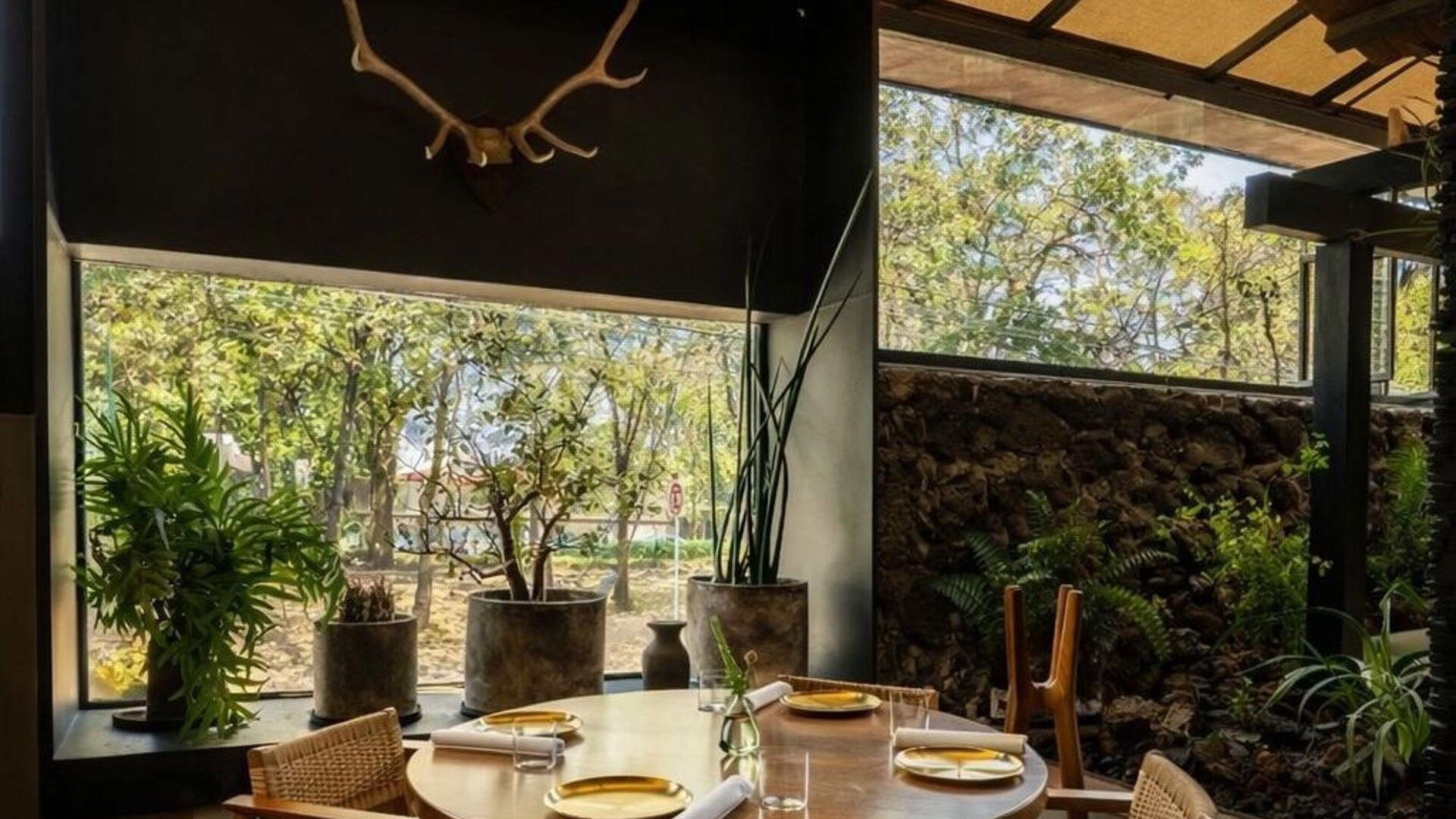
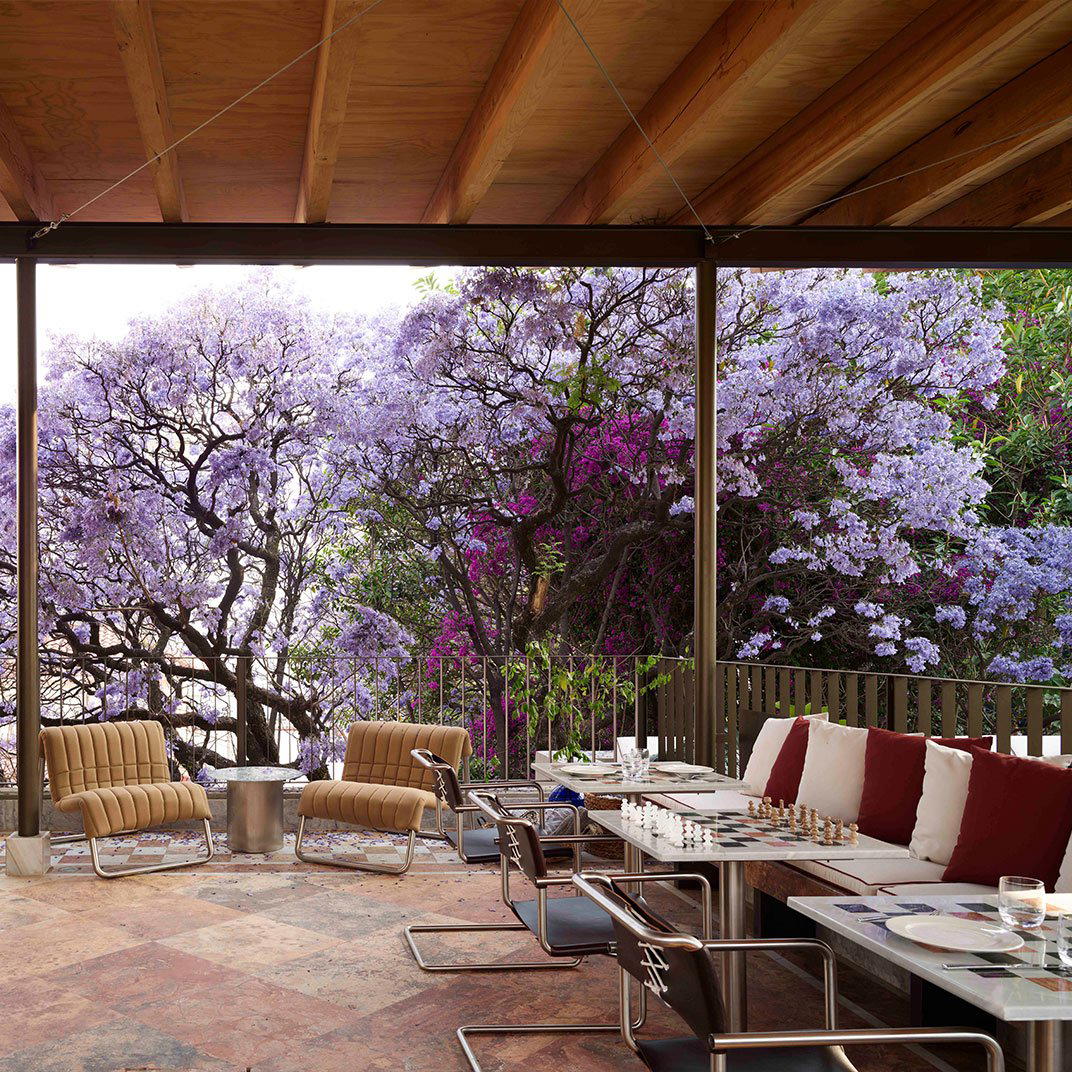
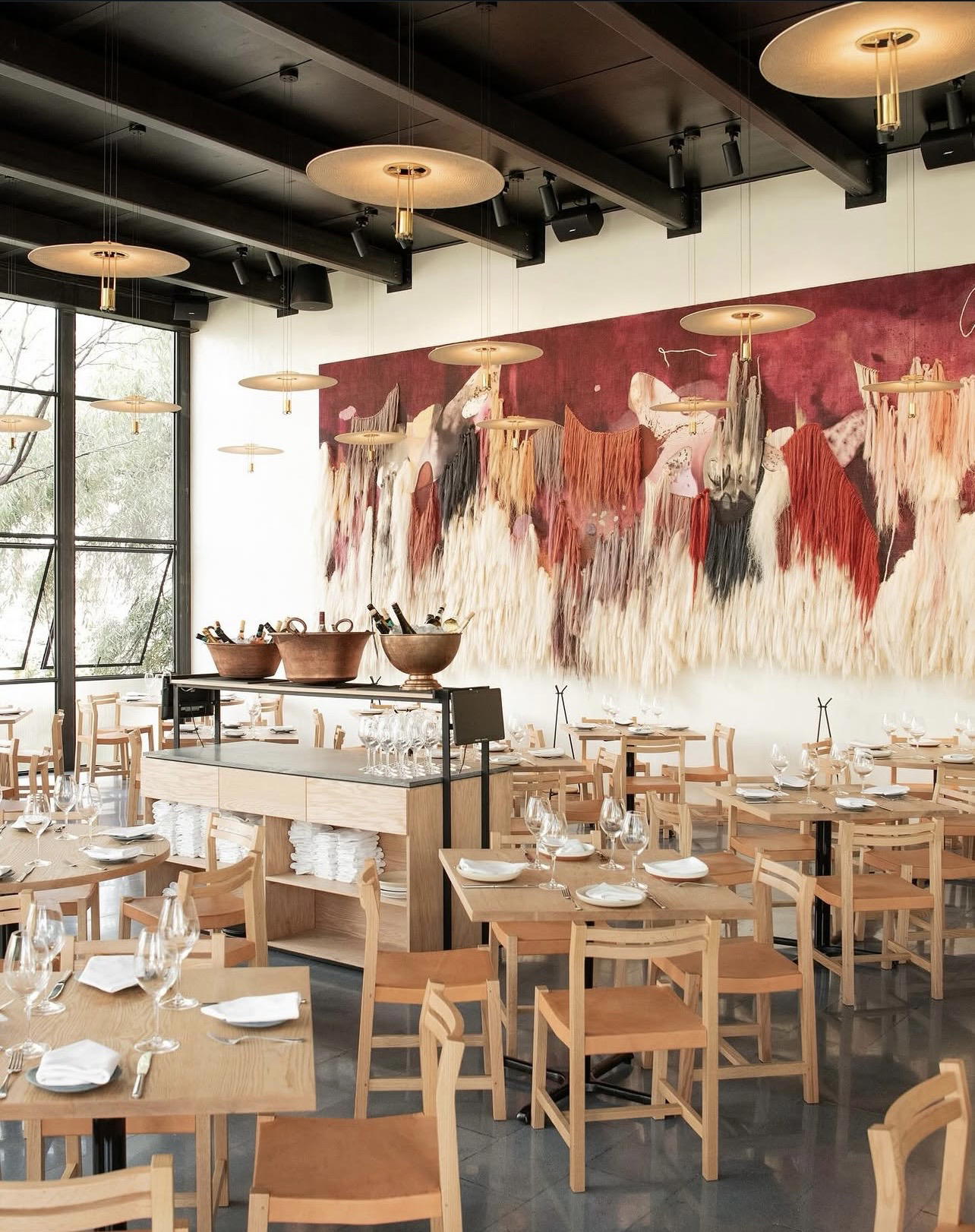
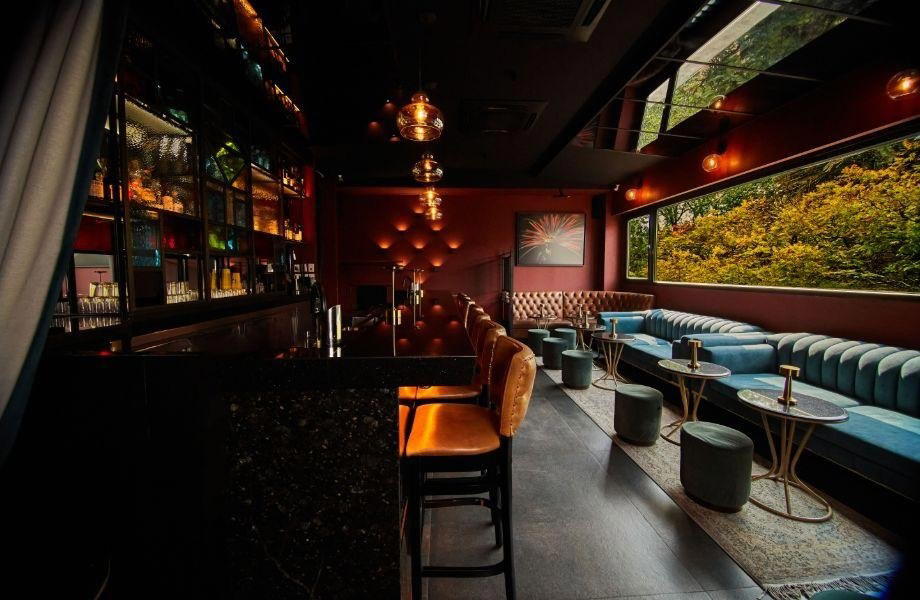
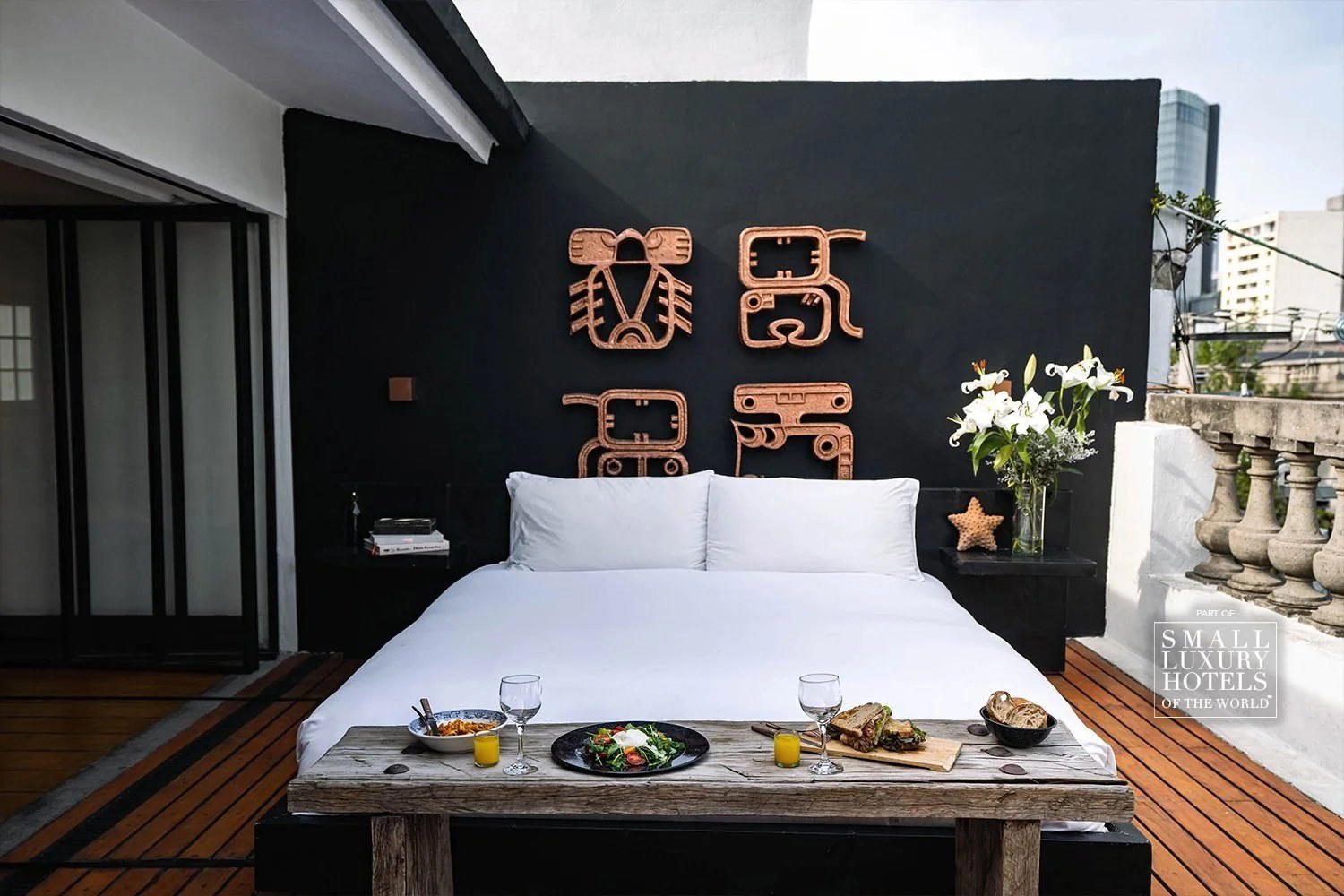
Cozy and contemporary terrace space with a welcoming, casual atmosphere ideal for any time of day.