
Black Pearl 1 Diamond
Our verdict
La Chansonniére sits on Gongti West Road in Beijing's Sanlitun district, holding a 2025 Black Pearl 1 Diamond award — the Chinese dining guide's recognition of consistent quality at a defined tier. The address places it inside one of the capital's most concentrated pockets of international dining, where French-inflected and cross-cultural concepts compete for a well-travelled, cost-indifferent clientele.

Pearl is the En Primeur Club membership app — saves, bookings, and concierge access live there. Same editors, same standards.
The menu
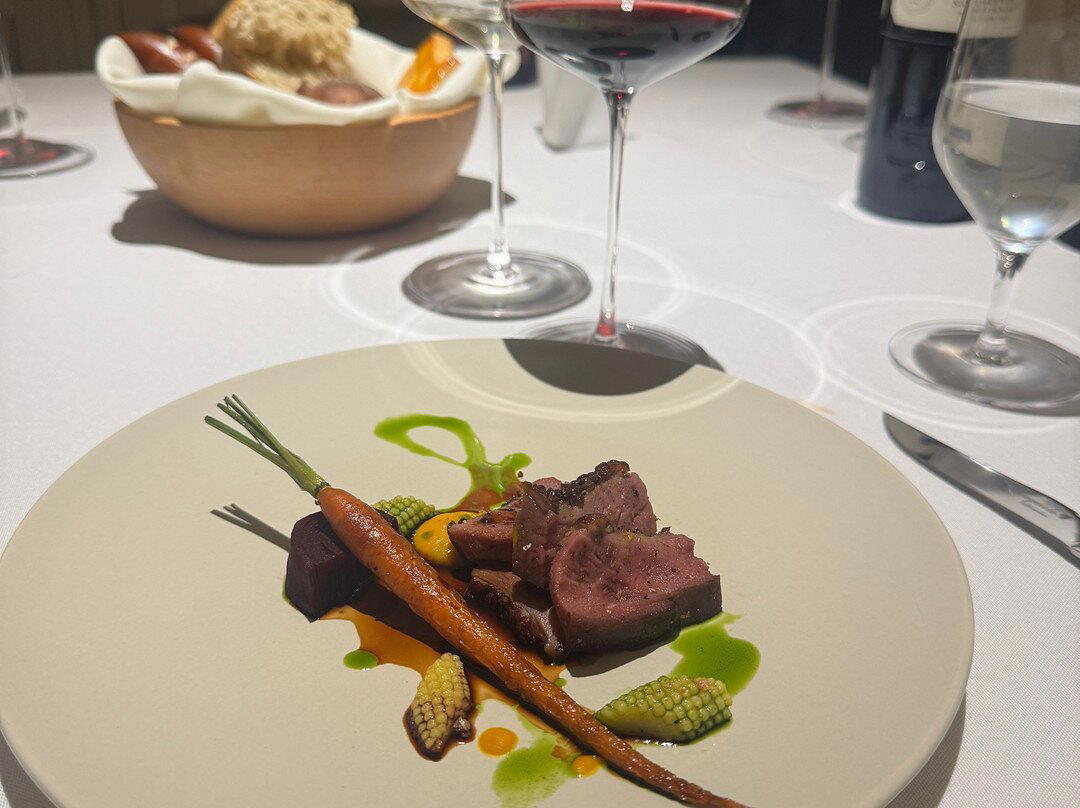
What to order
- Burrata Cheese Macaroni
- Lobster Soup with Scallops
- Dry-aged Australian M9 Filet Mignon
Sanlitun After Dark: What the Address Tells You
Gongti West Road does not announce itself quietly. The stretch running through Sanlitun's western edge carries the particular energy of a district that has been Beijing's international dining and nightlife corridor for the better part of two decades. Embassies, flagship hotels, and a dense cluster of restaurants drawing both expatriate and affluent domestic clientele define the immediate neighbourhood. Arriving at number 7, the surroundings already signal what kind of evening is being proposed: polished, international in register, and priced accordingly.
That context matters when reading La Chansonniére. French-named restaurants in this part of Beijing occupy a specific cultural position, one shaped less by nostalgia for Paris and more by a local appetite for European formats that emphasise restraint, precision, and a considered room. Sanlitun hosts several such concepts, and they compete not so much against each other as against the broader tier of ¥¥¥ and ¥¥¥¥ international dining the city now sustains across multiple districts.
The Black Pearl Tier and What It Signals
La Chansonniére holds a 2025 Black Pearl 1 Diamond award. For readers unfamiliar with the guide, Black Pearl is the Chinese dining recognition system published by Meituan, structured in parallel to Michelin's language of stars. One Diamond corresponds broadly to a restaurant of consistent quality and a defined identity — not the rarefied two- or three-diamond tier occupied by venues like Xin Rong Ji on Xinyuan South Road or Chao Shang Chao in Chaoyang, but a meaningful marker of a restaurant that Beijing's guide infrastructure has decided is worth tracking.
At this tier, the peer conversation in Beijing becomes interesting. The city's one-diamond and one-star set includes concepts as different as Lamdre, the vegetarian table holding a Michelin star alongside its Black Pearl recognition, and Jingji, which earns two Michelin stars for its Beijing cuisine. French-accented or European-leaning restaurants in this bracket tend to attract attention less for regional specificity and more for the quality of their room, the coherence of their service register, and the consistency of a menu that does not chase seasonal novelty for its own sake.
Internationally, the one-diamond designation places La Chansonniére in a cohort of award-tracked restaurants across Greater China that have built reputations without reaching the highest tier. Compare the position to how Ru Yuan in Hangzhou or Dai Yuet Heen in Nanjing sit within their respective city guides: recognised, positioned, and operating with the confidence that external validation brings, but without the full weight of a three-star apparatus behind them.
A Room Shaped for Attention
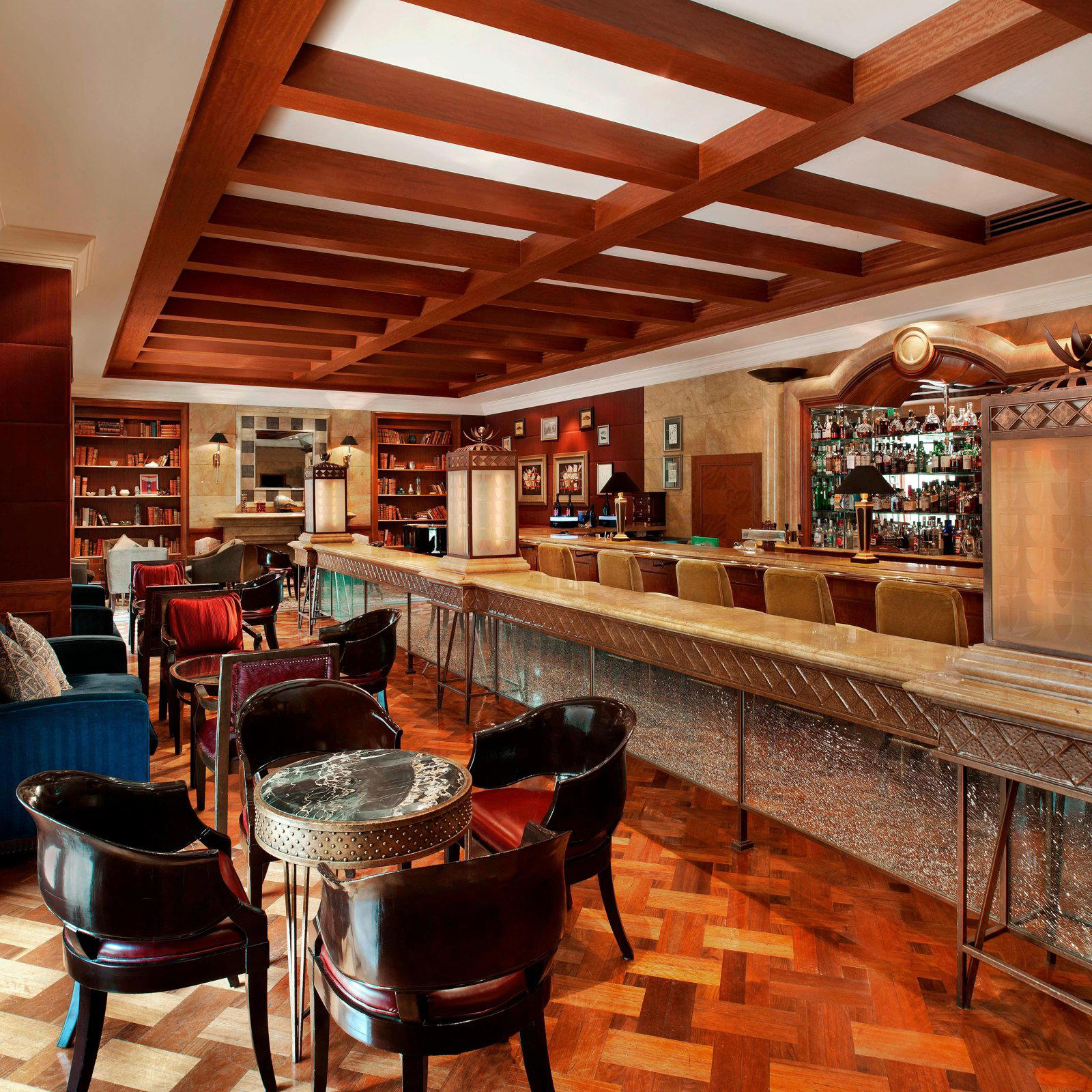
The name itself is worth pausing on. A chansonniére is a French cabaret singer, specifically one associated with the intimate, smoke-edged performance culture of mid-century Paris. The reference is atmospheric rather than programmatic, but it does a great deal of work in shaping expectations before a guest crosses the threshold. The sensory register being proposed is one of low light, deliberate sound, and a room that feels constructed around the idea of the evening as event.
Sanlitun's dining rooms tend toward one of two formats: the open, glass-fronted space that performs transparency and energy, or the interior-focused room that insulates diners from the street outside and creates a self-contained world. A French-cabaret reference tilts strongly toward the second model. The name signals candles over track lighting, fabric over concrete, a sound profile that allows conversation rather than competing with it.
Within Beijing's broader dining scene, this matters. The capital has moved steadily toward experiential dining formats in its upper tiers, with King's Joy representing the vegetarian-contemplative end of that spectrum and Jing — a French Contemporary one-star, occupying the European-fine-dining pole. La Chansonniére sits somewhere in the space between spectacle and austerity, proposing an atmosphere that draws on European romantic tradition without abandoning the warmth that the chansonniére reference implies.
Beijing's French Dining Moment, and What Comes After
French cuisine in Beijing has had a complicated arc. The early 2000s saw grand hotel dining rooms define the city's upper tier; the following decade watched those rooms lose ground to Japanese omakase formats and inventive Chinese regional cooking. The current period is more pluralist. A French-named restaurant with Black Pearl recognition in 2025 is not trading on the prestige of the format alone, it has to justify its position against a competitive set that now includes three-Michelin-starred Taizhou cooking and Chao Zhou tables drawing serious critical attention.
The international comparison is instructive. Restaurants like Le Bernardin in New York City or Atomix have built their positions through decades of critical consistency and a clear identity within a defined cuisine category. In Asia, Chef Tam's Seasons in Macau and 102 House in Shanghai show how European-inflected formats can earn and sustain recognition when the execution holds across multiple guide cycles. La Chansonniére's 2025 Black Pearl award suggests it is building toward that kind of sustained identity rather than representing a single strong year.
For visitors planning a Beijing dining itinerary, the practical implication is that La Chansonniére sits at a tier where the room, service, and menu together constitute the offer. It is not the place for the kind of three-star ceremonialism available at Xin Rong Ji or the singular regional focus of a Chao Zhou table. It is, instead, a restaurant where the atmospheric proposition, intimate, European in register, evening-oriented, carries as much weight as the plate.
For broader planning across the capital, our full Beijing restaurants guide maps the city's dining tiers in detail. If the evening extends to drinks before or after, our Beijing bars guide covers Sanlitun's cocktail options. Travellers building a full itinerary will find our Beijing hotels guide, wineries guide, and experiences guide useful reference points. And if regional Chinese cuisine is part of the plan, Xin Rong Ji in Chengdu and Imperial Treasure Fine Chinese Cuisine in Guangzhou show how the same guide tier plays out in other cities.
How does La Chansonniére compare to other Black Pearl-recognised restaurants in Beijing?
Beijing's Black Pearl roster spans a wide range of formats and price points, from the ¥¥¥¥ Taizhou cooking of Xin Rong Ji on Xinyuan South Road to the vegetarian table at Lamdre. La Chansonniére's French-named identity places it in the European-register niche within that cohort, making it a different evening from the regional Chinese specialists that hold the majority of the guide's leading placements. For diners building a multi-night Beijing programme, it functions as the atmospheric counterpoint to the precision-focused Chinese fine dining the city does at the highest tier.
Frequently asked questions
What kind of recognition has La Chansonniére received?
La Chansonniére has received recognition including: Black Pearl 1 Diamond (2025).
Where is La Chansonniére in Beijing?
La Chansonniére is located at 7 Gongti W Rd, 三里屯 Chaoyang, Beijing, China, 100020, Beijing.
What should I order at La Chansonniére?
The 2025 Black Pearl 1 Diamond recognition suggests the kitchen operates at a level where the set or chef-directed menu is the logical choice — defer to what the kitchen is running rather than ordering à la carte selectively. Call ahead or check directly with the restaurant for current offerings.
Do I need a reservation for La Chansonniére?
Yes. A Black Pearl 1 Diamond-recognised address on Gongti West Road in Sanlitun — one of Beijing's most active dining corridors — is not a walk-in proposition on weekends or holidays. Book in advance, and if travelling from outside Beijing, confirm your reservation the day before arrival.
What's the standout thing about La Chansonniére?
The 2025 Black Pearl 1 Diamond award is the clearest marker: it places La Chansonniére within Beijing's tracked award-dining tier at a moment when that recognition carries real weight in a city with a rapidly maturing restaurant culture. The name itself — referencing the French cabaret tradition — signals a room built around atmosphere as much as plate.
Can La Chansonniére accommodate dietary restrictions?
check the venue's official channels before visiting, particularly if restrictions are strict — Black Pearl-level kitchens in Beijing vary considerably in how far they will adapt a set menu.
How does La Chansonniére fit into Beijing's French dining scene?
French cuisine in Beijing has shifted decisively away from grand hotel dining rooms toward independently operated restaurants with a defined point of view. La Chansonniére's 2025 Black Pearl 1 Diamond award puts it among the city's credentialed French addresses, sitting on Gongti West Road in Sanlitun — a district that now houses some of Beijing's most closely watched restaurant openings. For context, the Black Pearl guide is the primary Chinese benchmark for this tier, assessed independently of the Michelin guide which currently does not cover Beijing.
City Peers
Comparable venues nearby, for context on price, style, and recognition.
| Venue | Cuisine | Price | Awards | Notes |
|---|---|---|---|---|
| La ChansonniéreThis venue — the venue you are viewing | Contemporary French Fine Dining | $150–200 | Black Pearl 1 Diamond | Not listed |
| Azur by Mauro Colagreco | French Riviera Fine Dining | $200–300 | Not listed | Zizhuyuan |
| Sushi Ryu | Modern Japanese Omakase | Not listed | Black Pearl 1 Diamond | Dongshenglu |
| Rive Gauche | Modern French Bistronomy | $50–100 | Michelin Plate | Dongcheng |
| JINGJI Aristocrat Cuisine by Rong | Royal Chinese Fine Dining | Not listed | Black Pearl 3 Diamond | Chaoyang District |
| Made In China (长安壹号) | Traditional Northern Chinese with Peking Duck | $50–100 | Not listed | Wangfujing |
Recognition history
Dated appearances from independent guides and award organizations, with the underlying list record or original source where available.
Black Pearl 1 Diamond
Black Pearl
Full recognition history (2 entries)
Black Pearl 1 Diamond
Black Pearl
Continue exploring
More in Beijing
Restaurants in Beijing
All restaurants in Beijing →
Bars in Beijing
All bars in Beijing →

La Chansonniére
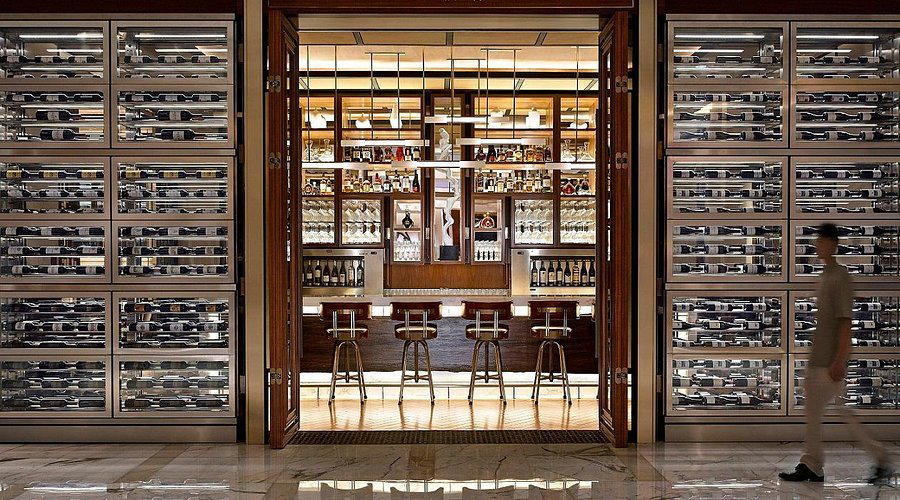
The wine
- Wine program
- Curated wine list
- Extensive wine list
Details
- Elegant
- Romantic
- Intimate
- Sophisticated
- Minimalist
- Date Night
- Special Occasion
- Private Dining
- Extensive Wine List
- Local Sourcing
- Tasting Menu
- Set Menu
Current opening hours
- Monday
- 10 AM–11 PM
- Tuesday
- 10 AM–11 PM
- Wednesday
- 10 AM–11 PM
- Thursday
- 10 AM–11 PM
- Friday
- 10 AM–11 PM
- Saturday
- 8 AM–11 PM
- Sunday
- 8 AM–11 PM
Hours can change for holidays and private events. Last verified .
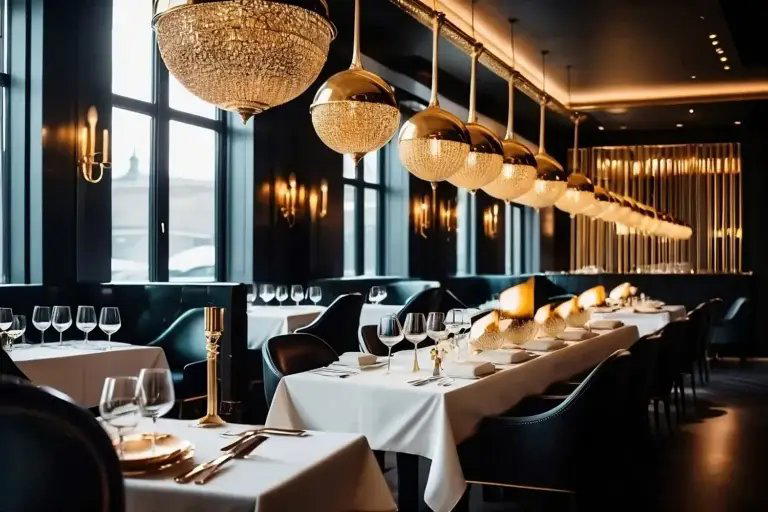
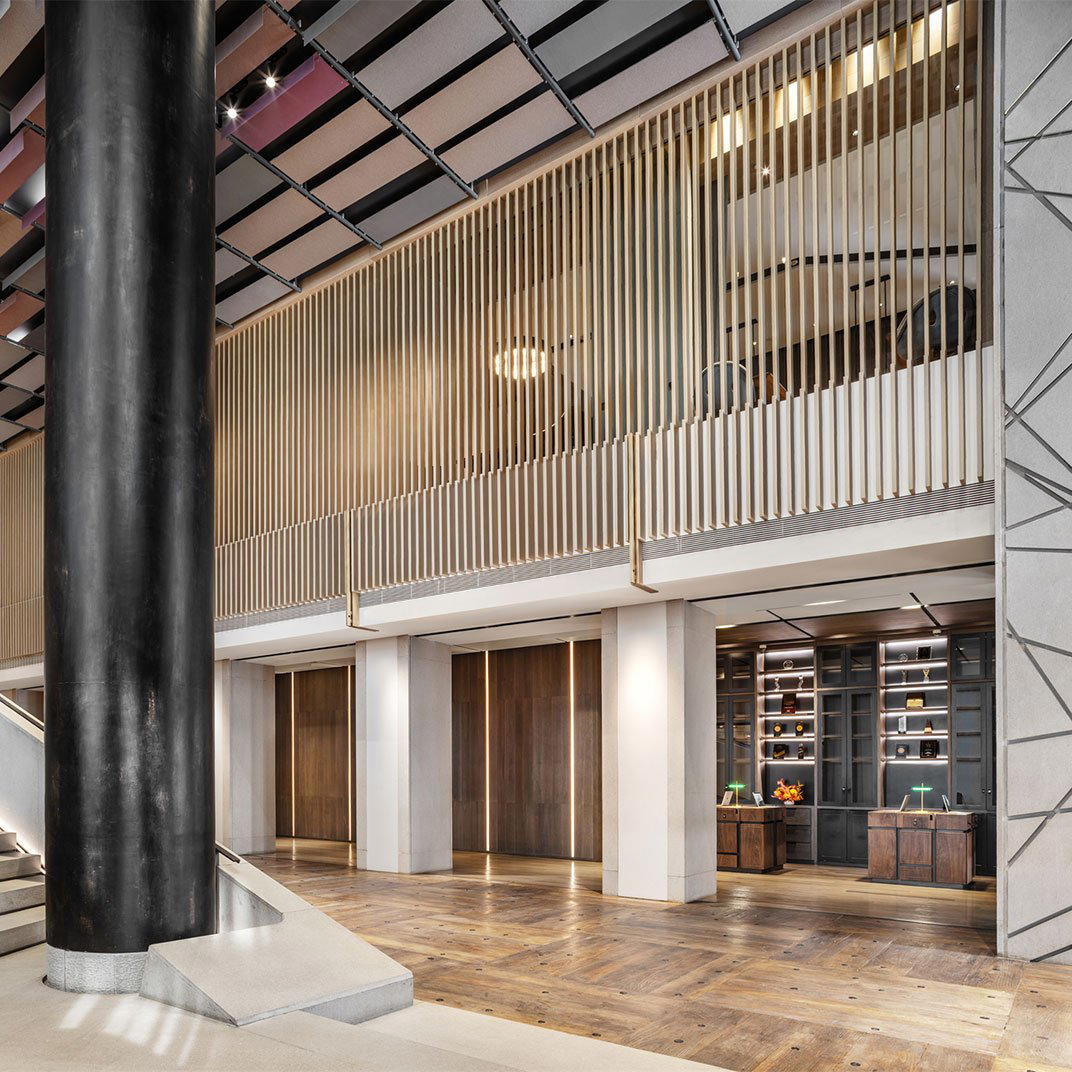
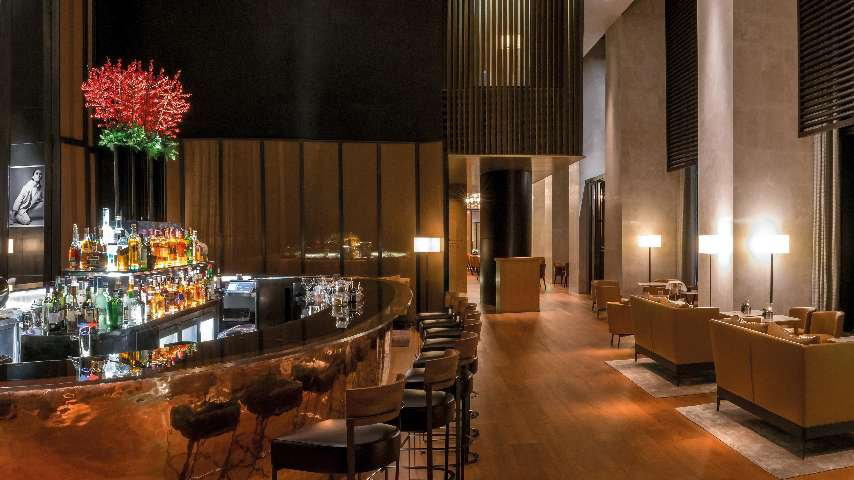
Sleek and romantic with warm whites, neutrals, restrained lighting, and wave-like forms creating an intimate atmosphere.