
Macarfi 7.2 Food Rating · Opinionated About Dining Casual in Europe
Our verdict
It operates in the tradition of the Madrid taberna, where standing at the bar with a vermouth and a plate of house-made pintxos is as legitimate as sitting down for a full meal. Chef Paco Roncero is attached to the venue.

Pearl is the En Primeur Club membership app, where members save venues, book tables and use the concierge.

The menu
What to order
- Clams in Manzanilla Sherry
- Creamy Rice with Octopus and Squid
- Croquetas de Carabinero
- Green Asparagus with Honey-Balsamic Vinegar
- Grilled Turbot
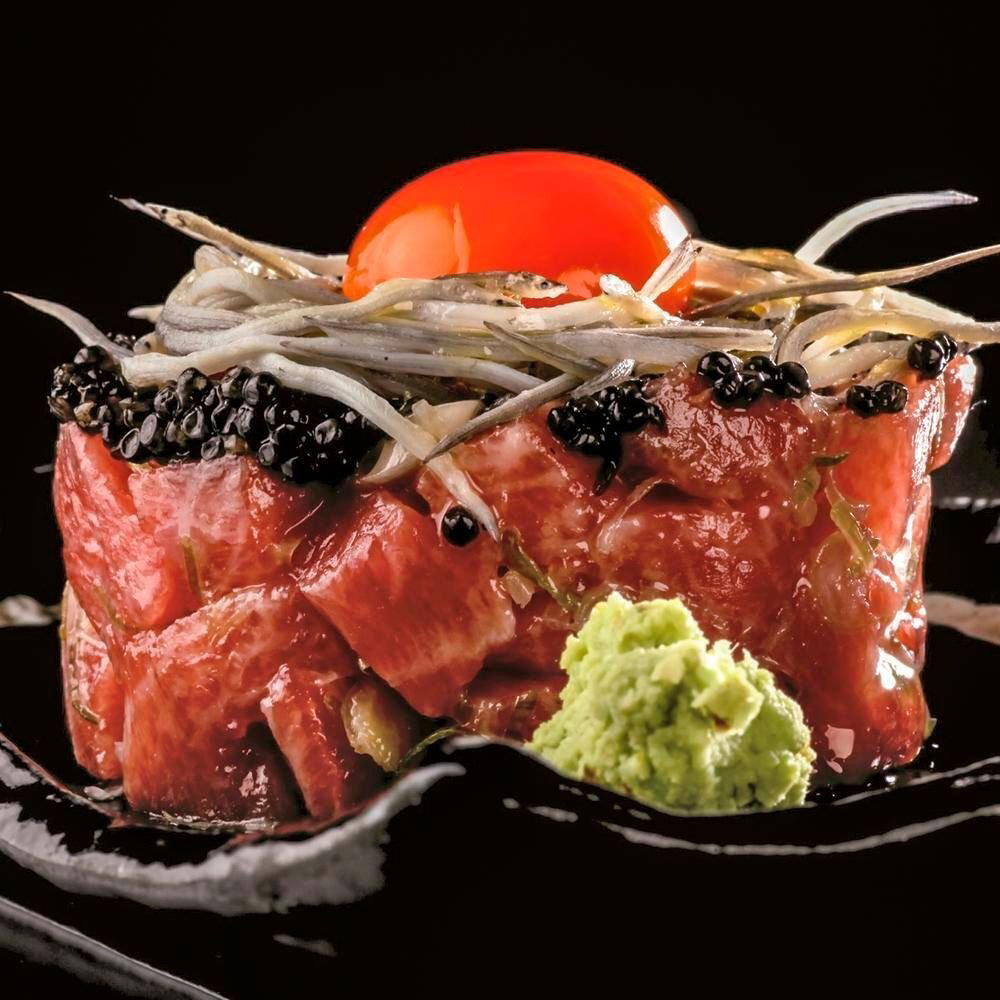
- Layered Tuna and Red Pepper Salad
Retiro's Counter Culture
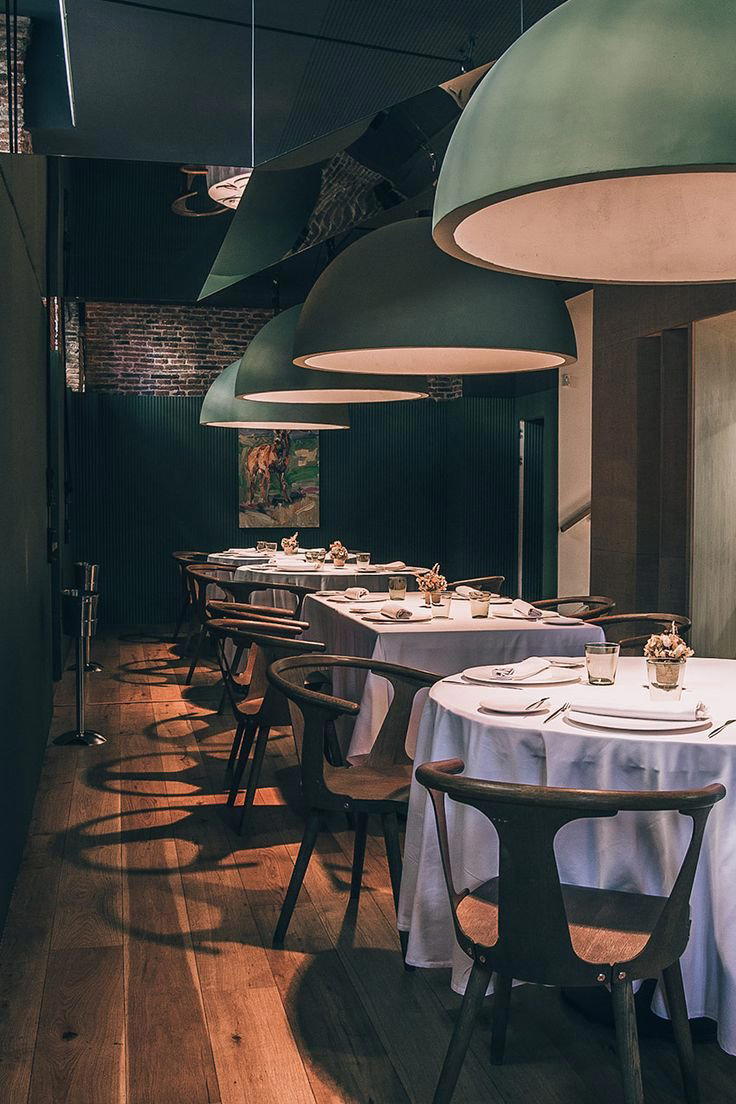
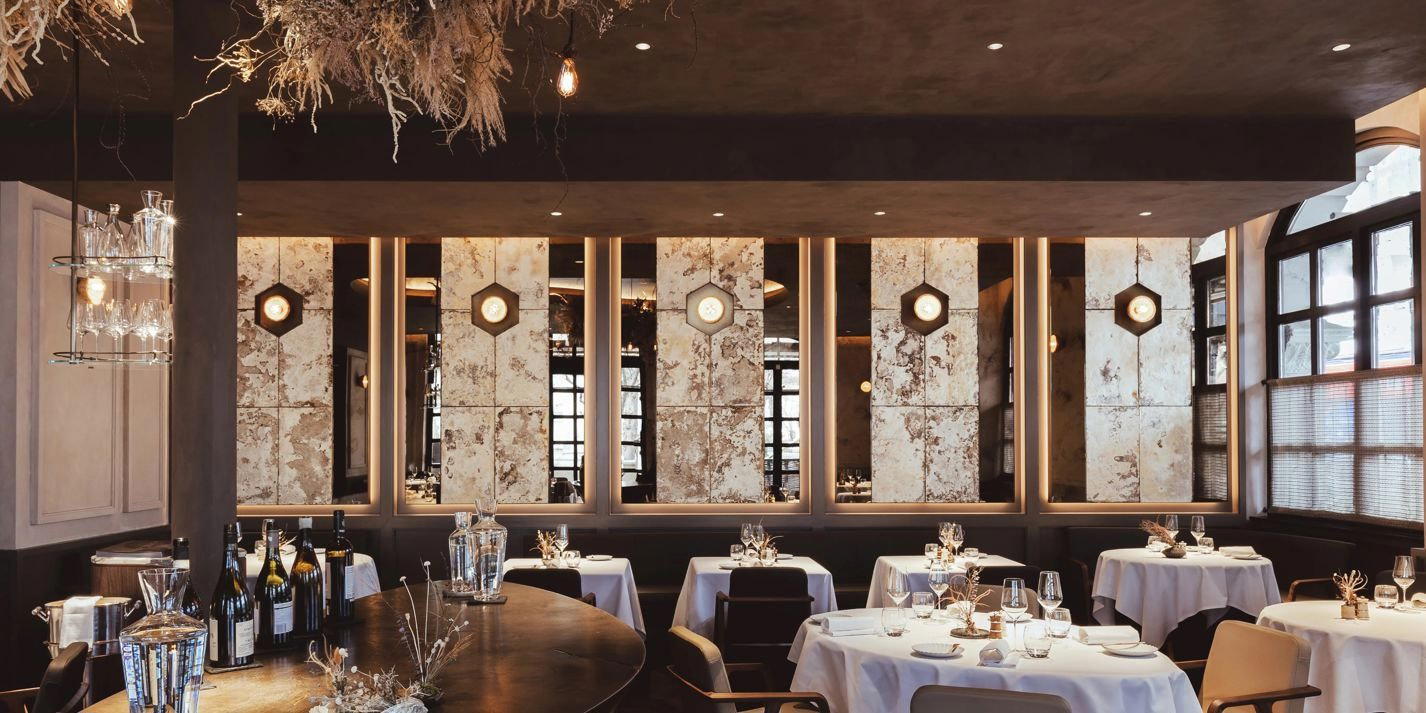
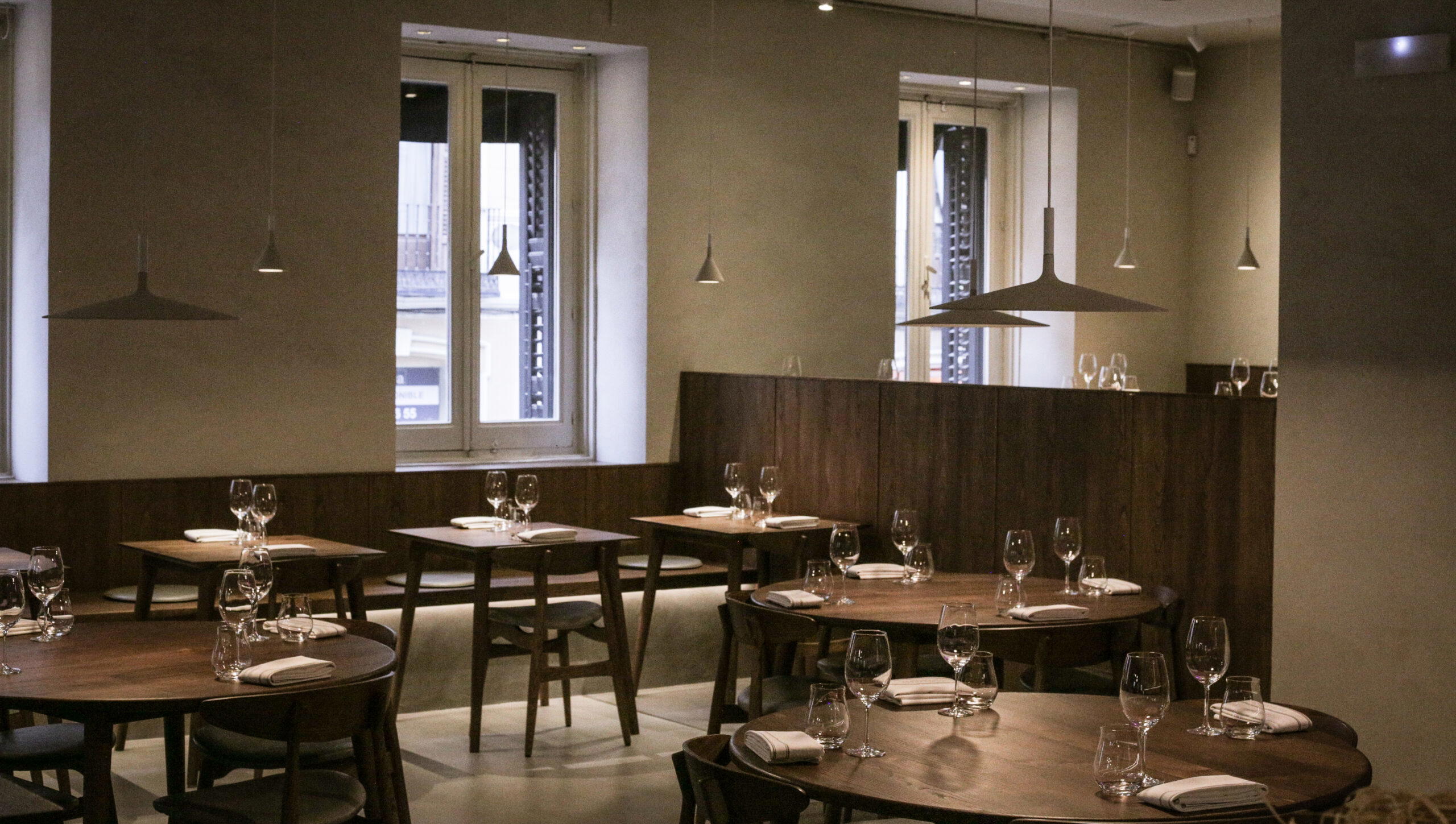
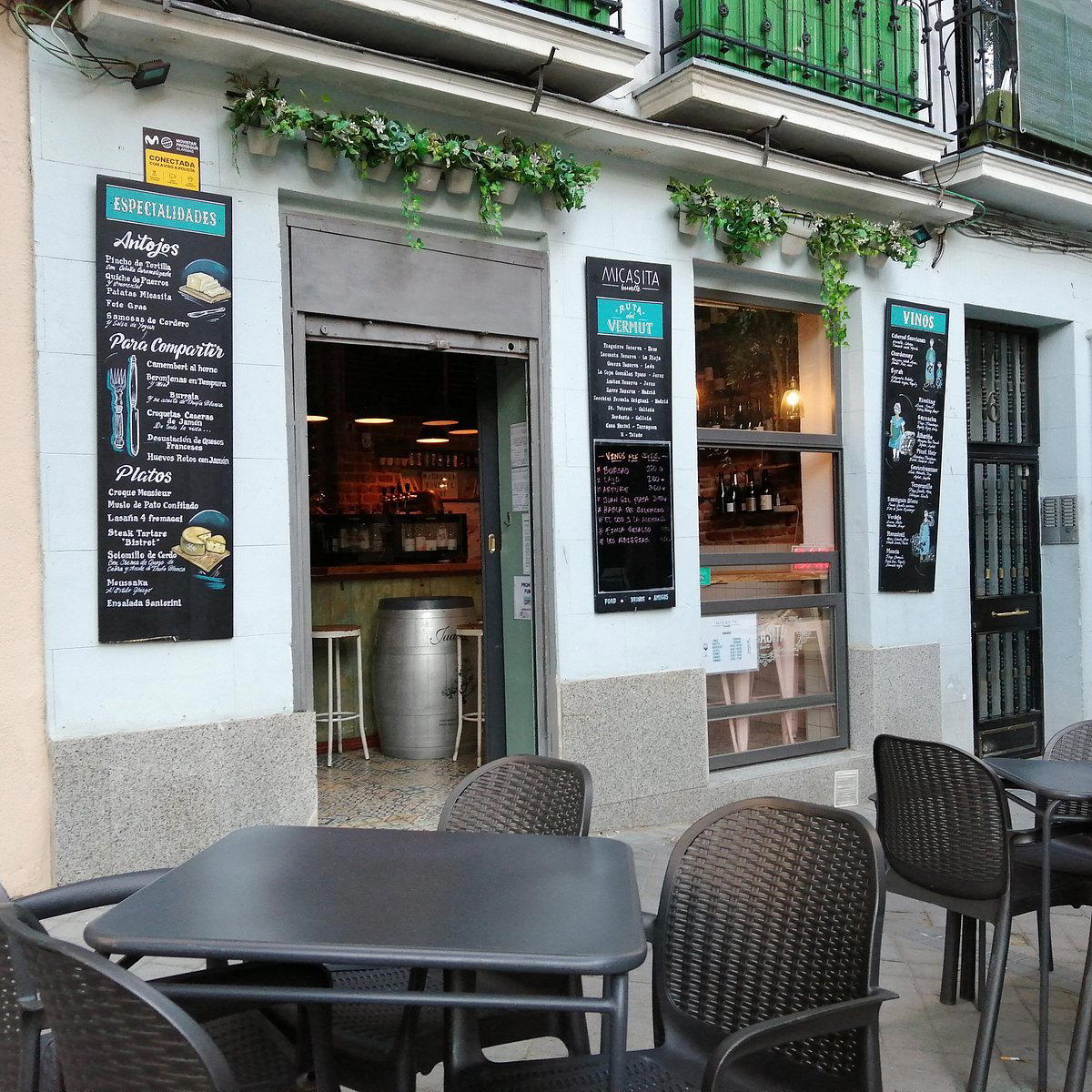
On Calle del Dr. Castelo, a few minutes' walk from the eastern edge of the Retiro park, the rhythm of eating follows a logic older than any tasting menu. The bar fills first. Glasses of house vermouth appear before menus do. Plates arrive in the order the kitchen decides, not the diner. This is how Madrid's traditional tabernas have always worked, and La Castela belongs to that lineage without apology.
The neighbourhood frames the experience. Retiro sits between the gallery corridor of the Paseo del Prado and the residential calm of the Salamanca district, drawing a mixed crowd of locals who have been eating here for years and visitors who stumble in from the nearby museums. Neither group is wrong. The room absorbs both without adjusting its pace.
The Market Hall Tradition on a Madrid Bar Counter
Madrid's eating culture has always been tethered to its markets. The Mercado de la Paz in Salamanca and the Mercado de San Fernando in Lavapiés set the template: ingredient quality first, ceremony second. The leading tabernas in the city operate as an extension of that logic. What comes in from the market that morning shapes what ends up on the counter that afternoon. There are no lengthy supply chains dressed up as concepts. The croqueta you eat at the bar exists because the jamón was good this week.
This approach contrasts sharply with the formal end of Madrid's dining scene. At the €€€€ tier, venues like Desencaja and El Fogón de Trifón operate with a different set of expectations: set menus, longer booking windows, and a choreographed progression from kitchen to table. La Castela operates in a different register entirely, where the quality signal comes from ingredient sourcing and repetition of craft rather than from theatrical presentation. The 2025 Opinionated About Dining Casual recognition in Europe places it firmly in that category of technically serious but structurally informal eating.
That OAD Casual designation carries weight because of what it excludes. OAD's casual tier is not a consolation bracket for venues that couldn't make a fine dining list. It is a specific recognition of places that execute unpretentious cooking at a level most restaurants cannot match. It reflects a kitchen and front-of-house operation that performs reliably across thousands of covers.
Paco Roncero and the Question of Context
Chef Paco Roncero's name is associated with La Castela, and that association requires some framing. At the formal end of his work, Roncero holds two Michelin stars at the restaurant bearing his name, where the cooking operates in a creative, avant-garde register. La Castela occupies a completely different position in the city's dining ecosystem: it is a traditional Spanish venue where the value lies in precision applied to classic forms rather than in creative reinvention.
This split-register approach is not unusual among Madrid's serious operators. The city's dining scene has long accommodated chefs who treat the traditional taberna format as a distinct discipline rather than a stepping stone.
Where La Castela Sits in the Retiro Eating Scene
Retiro and the streets adjacent to it have a specific character. This is not the tourist-facing tapas concentration of La Latina, nor the self-conscious natural wine bars of Malasaña. The eating here is residential in register: places that have survived because the people who live nearby keep coming back, not because a single positive review sent a wave of first-time visitors. That dynamic produces a different kind of reliability.
For comparison, the historic end of Madrid's eating culture is anchored by institutions like Botín Restaurante, which holds its place through longevity and tourist draw, or Casa Revuelta in the centro histórico, where the bacalao fritters have defined the format for decades. La Castela operates with similar neighbourhood loyalty but without the historic-monument framing. It is a working taberna in a working residential district, and that is precisely its value.
Elsewhere in the city, Cuenllas occupies a comparable position in Chamberí, with serious charcuterie and wine credentials. The common thread between these venues is a refusal to perform informality as a concept. The informality is structural: it comes from the counter, the standing drinkers, the shared tables, and the absence of a tasting menu logic.
Spain's Casual Dining Tradition in a European Frame
The OAD Casual recognition places La Castela in a European conversation about what serious casual eating looks like. Across Spain, that conversation includes venues operating at very different scales and in very different formats. At the apex of Spanish dining, places like El Celler de Can Roca in Girona, Arzak in San Sebastián, and Azurmendi in Larrabetzu define a different pole entirely, as do Martin Berasategui in Lasarte-Oria, Cocina Hermanos Torres in Barcelona, and Aponiente in El Puerto de Santa María. Spanish culinary ambition has also travelled: ZURRIOLA in Tokyo and Arco by Paco Pérez in Gdańsk show how Spanish technique exports across formats and geographies.
La Castela's position is not in competition with any of those. It represents the other half of why Spanish dining culture has earned the reputation it has: the same rigour applied to the bar snack, the daily special, and the glass of wine poured without fanfare. That rigour, maintained across more than 6,000 documented visitor experiences, is the argument for the venue.
Know Before You Go
- Address: Calle del Dr. Castelo, 22, Retiro, 28009 Madrid, Spain
- Neighbourhood: Retiro, close to the eastern edge of Parque del Retiro and within walking distance of the Prado and Reina Sofía museums
- Recognition:
- Chef: Paco Roncero (also holds two Michelin stars at his eponymous restaurant)
- Format: Traditional Spanish taberna with bar counter and table service
- Price: Price range not confirmed in; the OAD Casual designation and taberna format suggest mid-range spending
- Further reading: Browse our full Madrid restaurants guide, our full Madrid hotels guide, our full Madrid bars guide, our full Madrid wineries guide, and our full Madrid experiences guide
Frequently asked questions
Is La Castela a family-friendly restaurant?
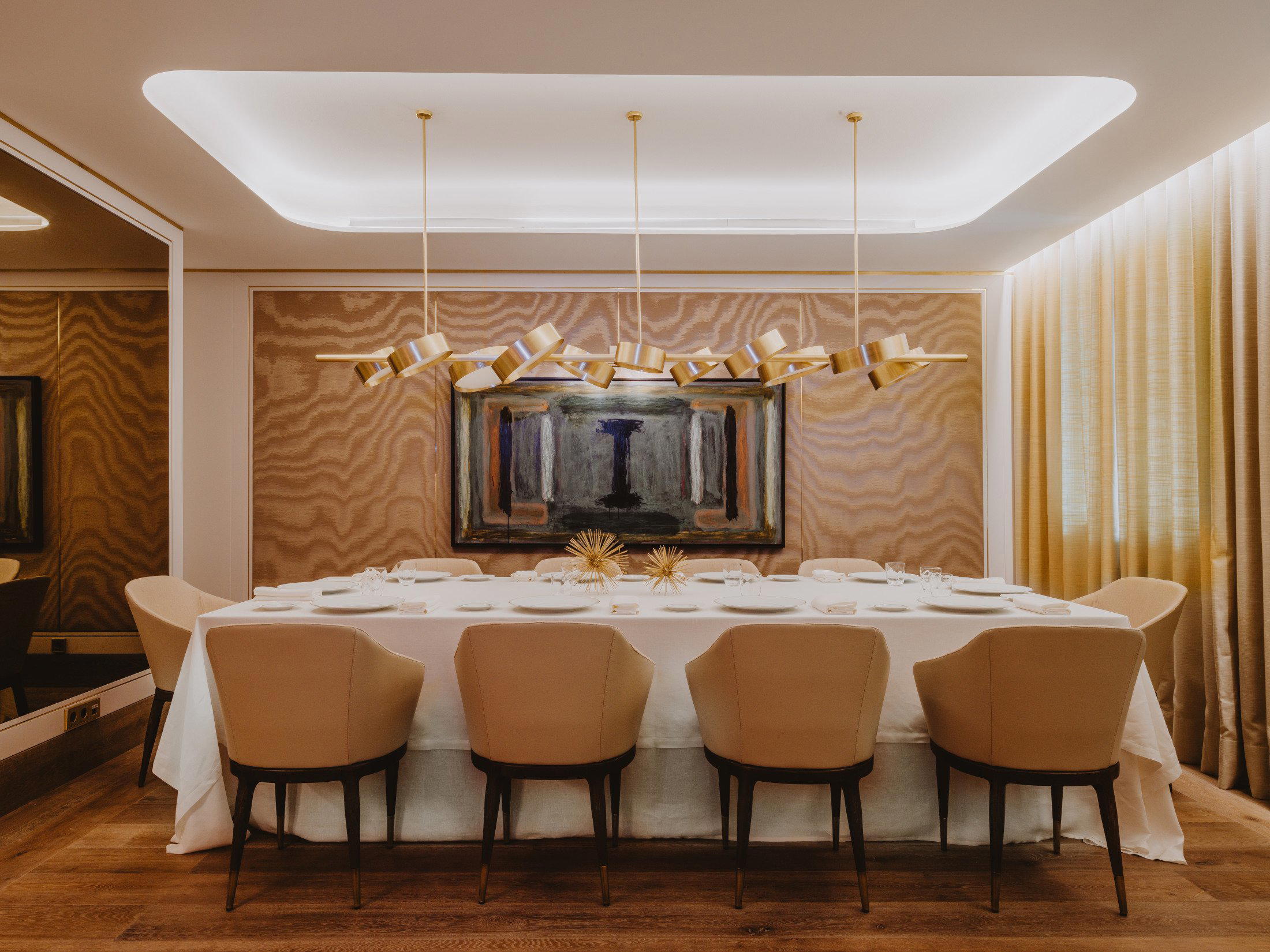
The taberna format is structurally open: no dress code, no fixed pace, and no expectation of a multi-course commitment. Located on Calle del Dr. Castelo in Retiro, the neighbourhood itself is residential and relaxed, which extends to the dining room. Groups eating at different speeds or with varying appetites fit naturally into the counter and table dynamic.
Is La Castela formal or casual?
La Castela holds a 2025 OAD Casual designation, Opinionated About Dining's specific category for serious informal eating in Europe. That recognition places it alongside venues where the cooking is considered but the format is not ceremonial. Chef Paco Roncero's association with two-Michelin-star work elsewhere does not translate to a formal register here; the taberna context is the point.
Does La Castela have a Michelin star or similar recognition?
La Castela has received recognition including: Opinionated About Dining Casual in Europe (2025).
What's the must-try dish at La Castela?
What the OAD Casual 2025 recognition does signal is that the cooking here is taken seriously by peers across Europe, so ordering from whatever is listed on the day is a reasonable strategy rather than chasing a single fixed dish.
What style of cooking does La Castela do?
What's La Castela's location?
La Castela is located at Calle del Dr. Castelo, 22, Retiro, 28009 Madrid, Spain, Madrid.
Who's behind the kitchen at La Castela?
The chef associated with La Castela is Paco Roncero.
Cost Snapshot
Comparable venues nearby, for context on price, style, and recognition.
| Venue | Cuisine | Price | Awards | Notes |
|---|---|---|---|---|
| La CastelaThis venue (the venue you are viewing) | Traditional Spanish Tapas & Seafood | $30–50 | Macarfi 7.2 Food Rating · Opinionated About Dining Casual in Europe | Not listed |
| Hermanos Vinaigre | Traditional Spanish Tapas & Vermouth Bar | $20–30 | Macarfi 7.3 Food Rating | Ibiza, Traditional Spanish Tapas & Vermouth Bar |
| Il Tavolo Verde | Organic Spanish Cafe | Not listed | Not listed | Recoletos, Organic Spanish Cafe |
| Restaurante Taiga Madrid | Traditional Spanish | $20–30 | Not listed | El Viso, Traditional Spanish |
| Paellitas Tradición | Traditional Spanish Paella | $20–30 | Not listed | Almagro, Traditional Spanish Paella |
| El 5 de Tirso | Modern Madrid Tapas | $20–30 | Not listed | Lavapies, Modern Madrid Tapas |
Recognition history
Dated appearances from independent guides and award organizations, with the underlying list record or original source where available.
Macarfi 7.2 Food Rating
Macarfi
Opinionated About Dining Casual in Europe
Opinionated About Dining