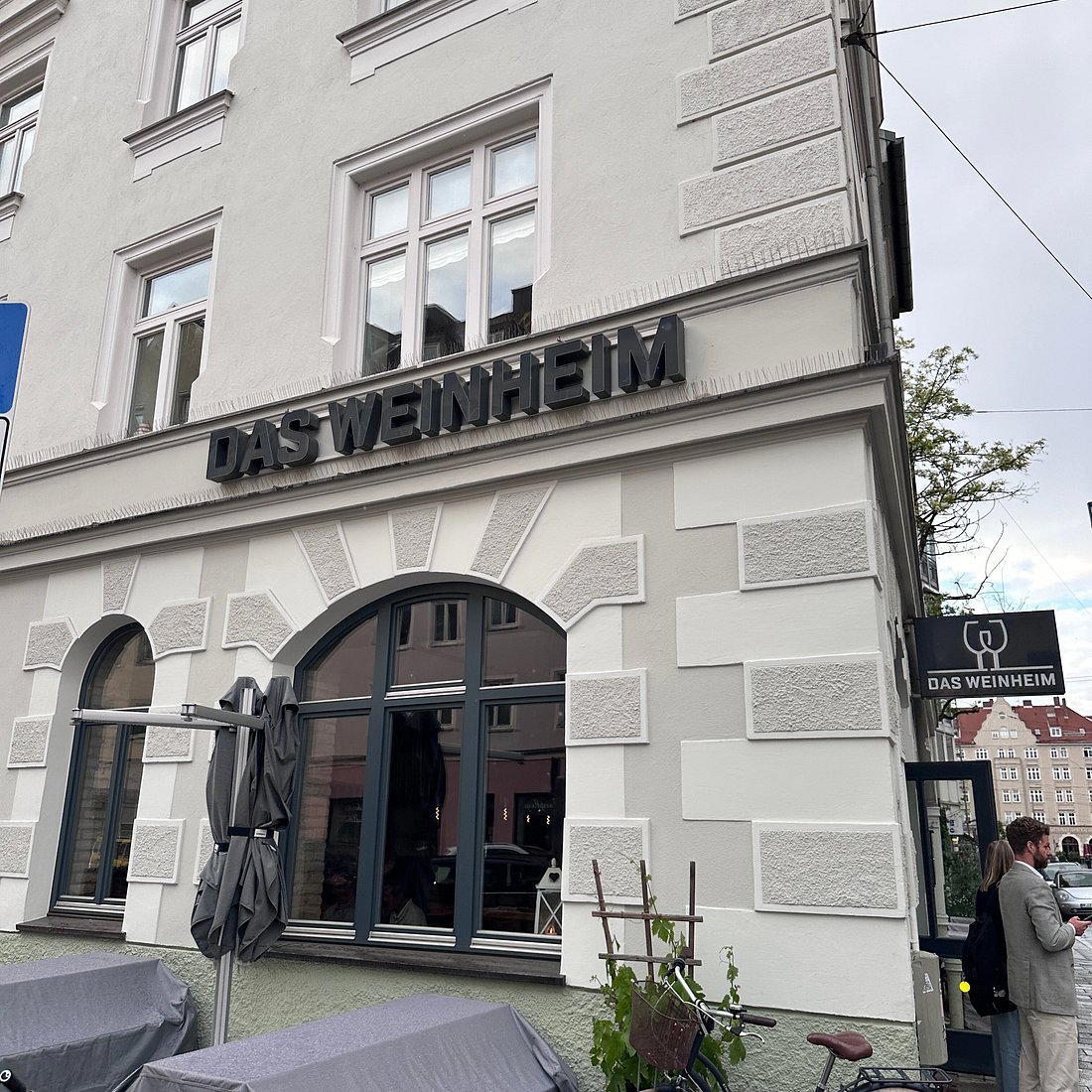
La Casina occupies a quieter corner of Munich's Schwabing-Freimann district, where the city's Italian dining tradition runs deeper than its tourist-facing trattorias suggest. Positioned at Frohschammerstraße 14, the restaurant sits within a neighbourhood that rewards deliberate discovery over convenience, placing it in a different register from Munich's Michelin-saturated city centre cluster that includes addresses like Tantris and Atelier.
Pearl is the En Primeur Club membership app — saves, bookings, and concierge access live there. Same editors, same standards.
- Address
- Frohschammerstraße 14, 80807 München, Germany
- Phone
- +4949893598320
- Website
- lacasina.de
- Directions
- Get directions
 Saves & bookings on Pearl
Where Schwabing's Italian Dining Tradition Meets a Quieter Register
Munich's Italian restaurant scene has always occupied a peculiar position in the city's dining hierarchy. Unlike the Franco-Japanese precision of Tohru in der Schreiberei or the tightly choreographed tasting formats at Atelier, Italian cooking in Munich tends to operate on a different axis entirely: neighbourhood loyalty, generational consistency, and a resistance to the kind of menu reinvention that drives award cycles. La Casina, at Frohschammerstraße 14 in the Schwabing-Freimann district, belongs to that tradition. Approaching along a residential stretch that feels deliberately removed from the city's dining-district circuits, the address signals something about the restaurant's orientation before you reach the door.
Schwabing itself carries a particular cultural weight in Munich. Long associated with artists, intellectuals, and a certain Bohemian self-seriousness, the neighbourhood has resisted the full homogenisation that swept through Maxvorstadt and the Altstadt. Italian restaurants here have historically been embedded in the fabric of local life rather than positioned as destinations for out-of-district visitors, and La Casina fits that pattern. The location on Frohschammerstraße places it away from the main Leopoldstraße corridor, in the quieter residential grid that defines northern Schwabing's character.
How the Category Has Shifted Around It
The evolution of Italian dining in German cities over the past two decades illustrates a broader tension between authenticity and ambition. At one end, addresses like Aqua in Wolfsburg have absorbed Italian technique into multi-starred precision formats that bear little resemblance to regional Italian cooking. At the other, neighbourhood-anchored restaurants have continued operating on the assumption that consistency and local trust matter more than critical visibility. La Casina occupies territory in that second camp, in a city where the fine dining conversation is dominated by restaurants such as JAN and Alois - Dallmayr Fine Dining.
That positioning carries its own logic. The restaurants that have survived in Munich's residential neighbourhoods without pivoting into the award-seeking tier have generally done so by building repeat custom rather than destination traffic. The trade-off is reduced critical visibility; the advantage is insulation from the volatility that affects trend-driven venues. Across Germany, this pattern is visible in cities where the critical spotlight concentrates on a handful of addresses, from Restaurant Haerlin in Hamburg to Vendôme in Bergisch Gladbach, while a broader stratum of neighbourhood restaurants operates largely outside that frame.
The Italian Restaurant in the German City: A Specific Dynamic
Italian cooking holds a particular position in German urban dining that differs from its role in, say, London or New York. In cities like Munich, Italian restaurants have historically served as the default for mid-occasion dining, occupying the space between German traditional cooking and the more formal French-inflected fine dining tier represented in Munich by Tantris. That middle register has contracted over the past decade as casual dining formats multiplied and the premium tier expanded, leaving a thinner band of neighbourhood Italians operating in something of a contested space.
The restaurant's address in Schwabing positions it within the cohort of restaurants that predate this contraction and have continued operating through it. Whether through menu adjustments, pricing recalibration, or simply the accumulated loyalty of a local customer base, the restaurants that persist in this category tend to do so through adaptation that is incremental rather than dramatic. The contrast with more visible reinventions, such as the format shifts at destination restaurants like Schwarzwaldstube in Baiersbronn or the dessert-led concept at CODA Dessert Dining in Berlin, is instructive. Those pivots were high-visibility and deliberate; the evolution of a neighbourhood Italian is slower, less legible, and often only apparent in retrospect.
Placing La Casina in Munich's Broader Restaurant Map
Munich's restaurant geography has become increasingly centralised around a handful of high-profile districts and hotel dining rooms. The concentration of Michelin-recognised addresses in the city centre and Maxvorstadt has reinforced a mental map for visitors that leaves Schwabing-Freimann largely off the itinerary. For context, the Acquarello in Munich, one of the city's most decorated Italian addresses, operates in a different tier entirely, with formal credentials that pull a different type of diner. The restaurant's position in the residential north of the city represents a different proposition, one oriented toward proximity and regularity rather than occasion dining.
For anyone building a fuller picture of Munich's dining character, this stratum matters. The Michelin tier, represented locally by addresses covered in our full Munich restaurants guide, tells one part of the story. The neighbourhood layer tells another, and it is often more representative of how the city actually eats. Comparisons with similarly positioned restaurants elsewhere in Germany, from Bagatelle in Trier to Schanz in Piesport or ES:SENZ in Grassau, underscore how different the neighbourhood-anchored model is from the destination-dining model, even within the same country.
Planning a Visit
Frohschammerstraße 14 is accessible by U-Bahn via the Scheidplatz or Nordfriedhof stations, both within reasonable walking distance in the northern Schwabing grid. The neighbourhood is primarily residential, which means street parking is more available than in the city centre but the surrounding area offers limited alternative dining or pre-dinner bar options within immediate walking distance. For the broader Munich dining context, the guide provides a mapped overview of the city's restaurant scene from neighbourhood Italians through to addresses operating at the level of Victor's Fine Dining by Christian Bau and Waldhotel Sonnora further afield. For international reference points in the Italian-adjacent fine dining space, Le Bernardin in New York City and Atomix in New York City represent the premium end of how cuisine-specific formats have evolved in other markets.
A Tight Comparison
Comparable venues nearby, for context on price, style, and recognition.
| Venue | Cuisine | Price | Notes |
|---|---|---|---|
| La CasinaThis venue — the venue you are viewing | Milbertshofen, Authentic Italian | $$ | Not listed |
| Emporio Italiano | Neuhausen, Authentic Italian Trattoria | $$ | Not listed |
| Trattoria Pizzeria La Valle | Not listed | $$ | Altstadt, Traditional Italian Trattoria & Wood-Fired Pizza |
| Mimmo e Co | Not listed | $$ | Theresienwiese, Authentic Neapolitan Pizza |
| Trattoria Seitz | Lehel, Classic Italian Trattoria | $$ | Not listed |
| Forza Napoli | Haidhausen, Authentic Neapolitan Pizza | $$ | Not listed |

At a Glance
- Cozy
- Classic
- Date Night
- Casual Hangout
- Terrace
- Garden
Current opening hours
- Monday
- 11:30 AM–10 PM
- Tuesday
- 11:30 AM–10 PM
- Wednesday
- 11:30 AM–10 PM
- Thursday
- 11:30 AM–10 PM
- Friday
- 11:30 AM–10 PM
- Saturday
- Closed
- Sunday
- 11:30 AM–10 PM
Hours can change for holidays and private events. Last verified .
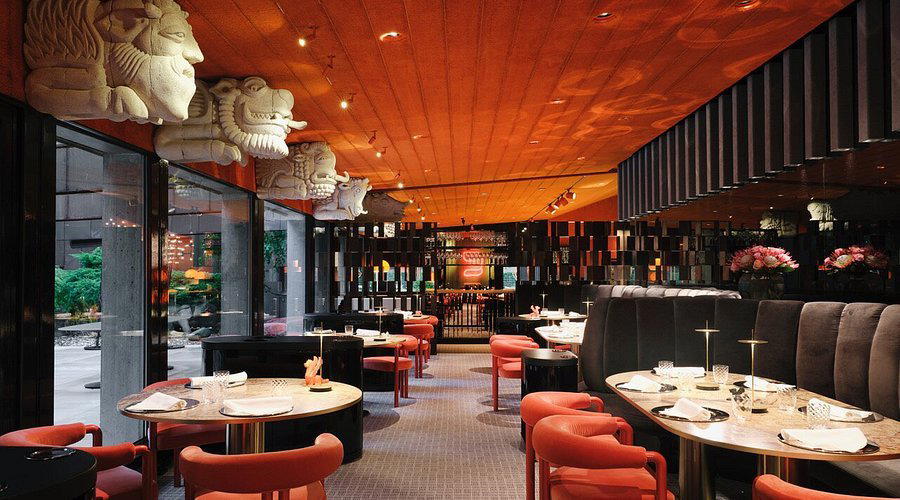
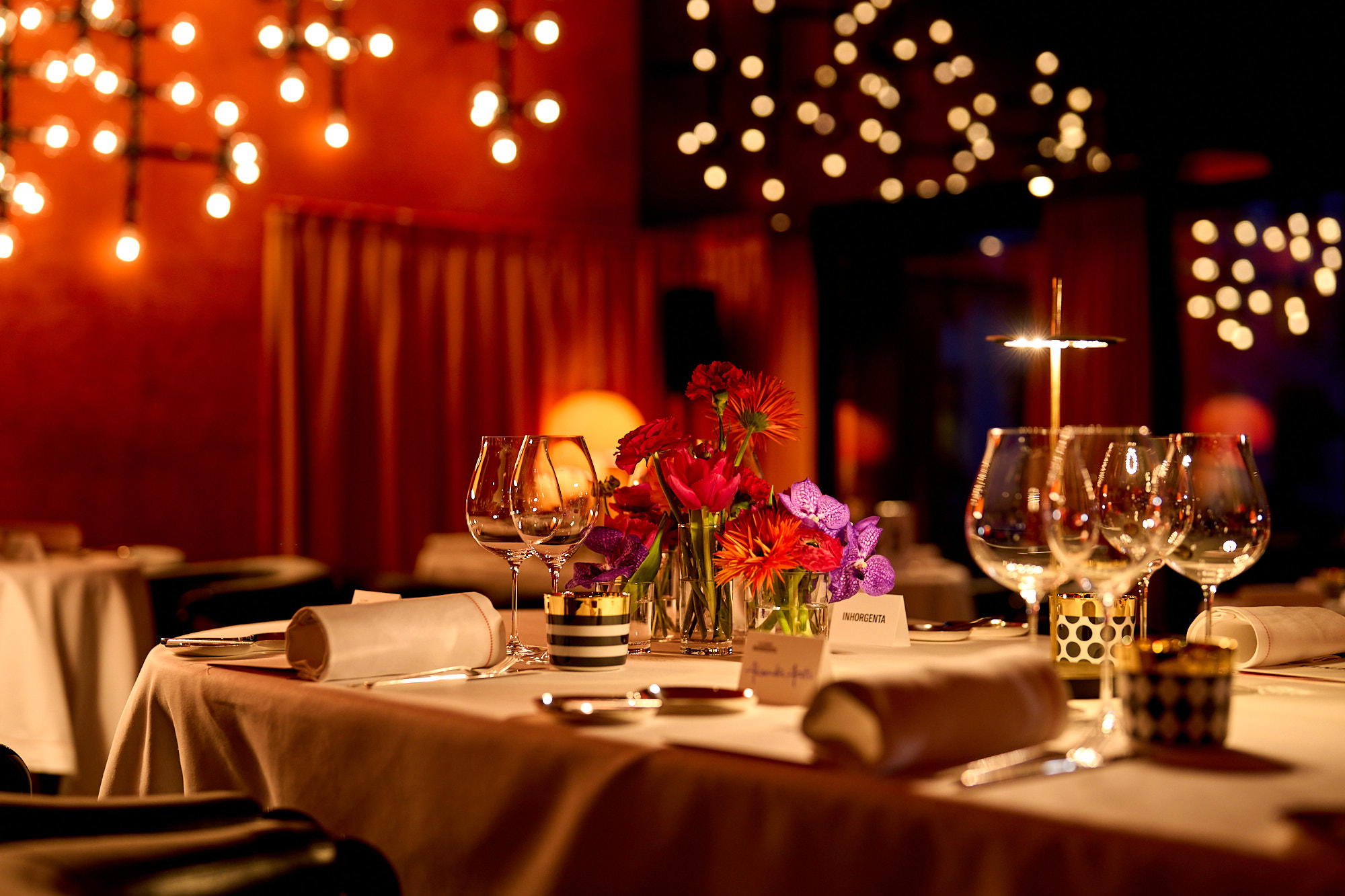
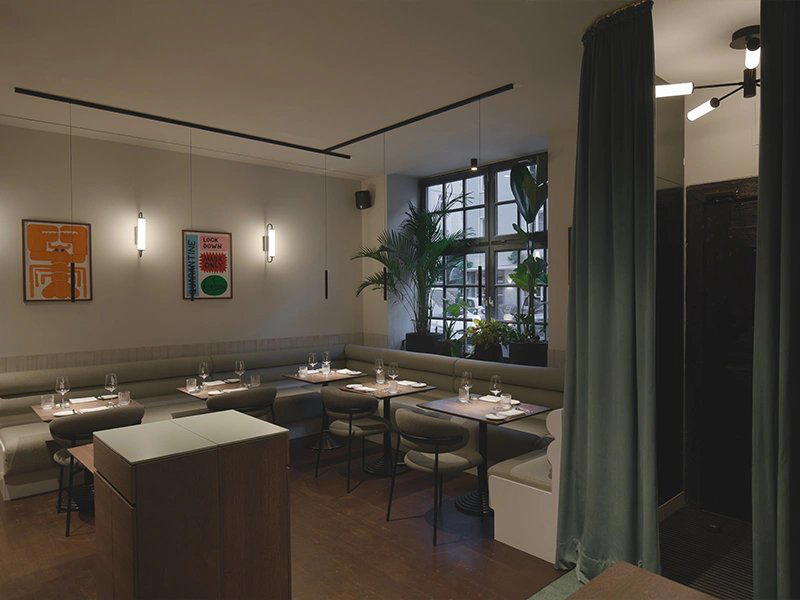
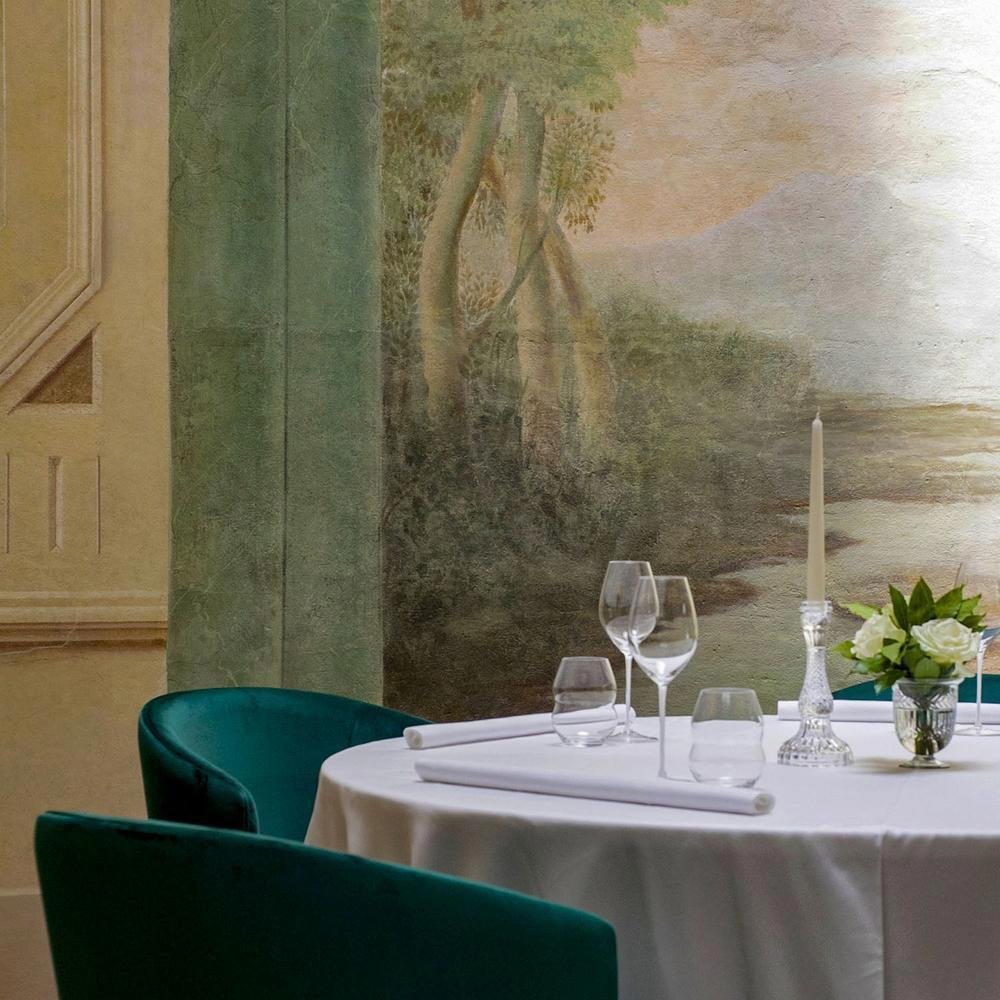
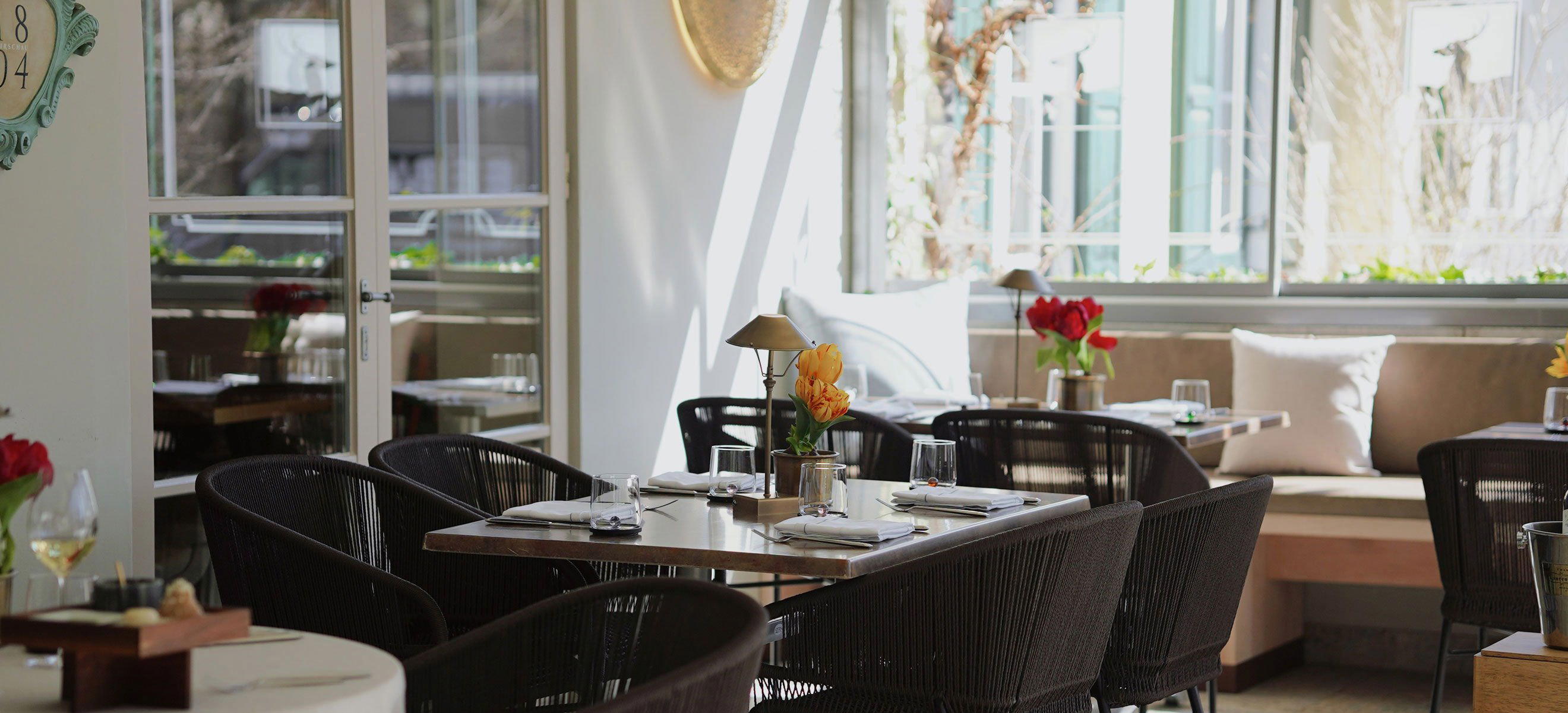
Stilvolle Einrichtung with understated, laid-back charm and cobbled patio.