La Cantina
On Victoria Avenue in Port of Spain, La Cantina occupies a corner of the city's mid-range dining scene where the Caribbean's layered culinary heritage becomes the main subject. The address places it within easy reach of the capital's central dining corridor, and the name signals a sensibility that sits somewhere between the island's Spanish colonial past and its present-day appetite for grounded, ingredient-forward cooking.
- Address
- 12 Victoria Ave, Port of Spain, Trinidad & Tobago
- Phone
- +1 868 627 4992
- Website
- lacantinapizzeria.com
- Directions
- Get directions
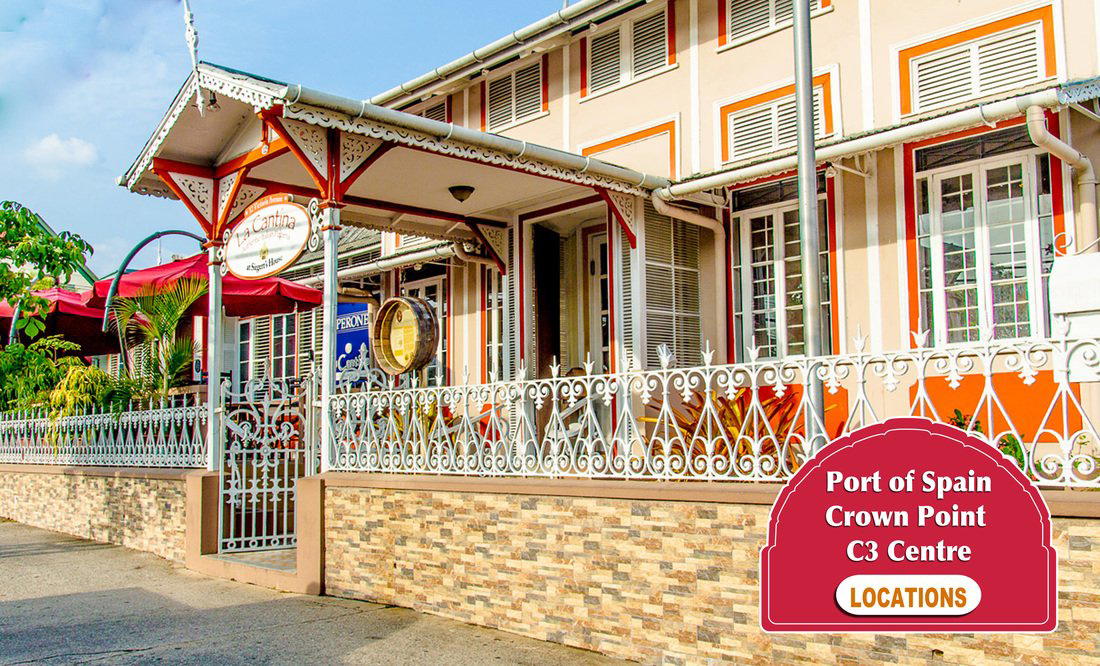
Victoria Avenue and the Grammar of Port of Spain Dining
Port of Spain does not organise its restaurants along a single boulevard or in one obvious quarter. The city's better tables scatter across residential streets, converted houses, and mid-rise commercial strips, and Victoria Avenue sits within that dispersed pattern. The address at number 12 places La Cantina in a part of the capital where working-lunch crowds and neighbourhood regulars tend to define the room's energy more reliably than tourist traffic. That geography matters for understanding what kind of restaurant this is and what kind of dining it is designed to support.
Trinidad's capital has developed a dining scene that reflects the island's demographic layering: East Indian, African, Spanish, French Creole, Chinese, and Syrian-Lebanese influences all leave traces across menus and cooking methods. The restaurants that hold sustained local relevance tend to be those that treat that inheritance as a working resource rather than a decorative backdrop. La Cantina, positioned on Victoria Avenue, sits in that tradition of neighbourhood anchors where the sourcing and preparation of ingredients carries more weight than formal dining ceremony.
Sourcing in a Caribbean Kitchen: Why Provenance Drives the Conversation
Trinidad occupies a specific position in the Caribbean food chain, and not only because of geography. The island sits close to the Venezuelan coast, which gives local markets access to produce corridors that smaller, more isolated Caribbean islands cannot reach. Combined with Trinidad's own agricultural output, including cocoa, dasheen, shadow beni, chadon beni, and a range of local citrus and peppers, the raw material available to a Port of Spain kitchen is more varied than in most of the region.
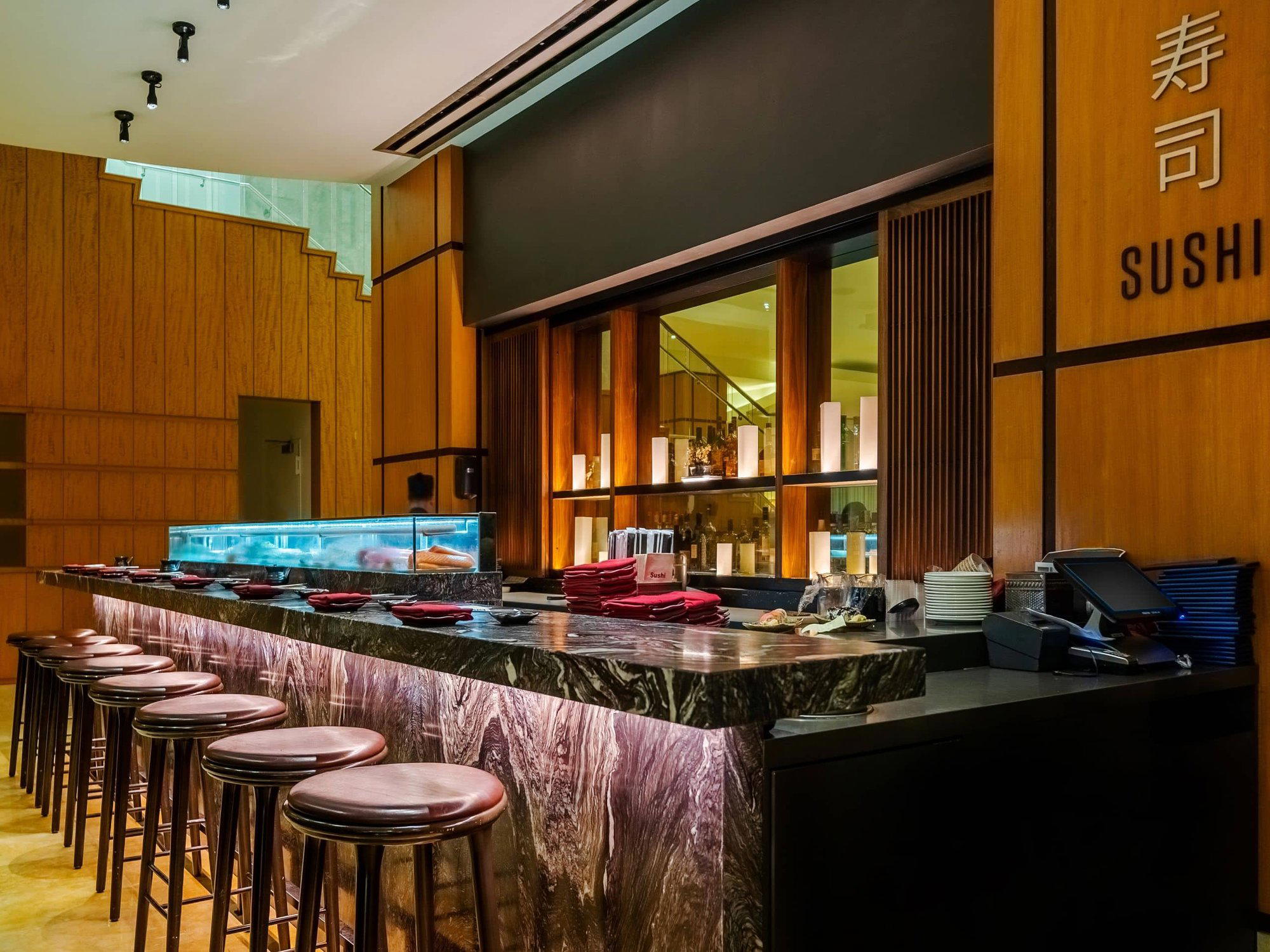
The name La Cantina carries Spanish-language resonance, which in Trinidad connects directly to the island's cocolos and its Spanish colonial period, as well as to the Venezuelan culinary culture that drifts across the Gulf of Paria in both ingredients and technique. In restaurants operating under that influence, the sourcing logic tends to prioritise fresh market produce and short supply lines over imported pantry staples. That approach contrasts with the higher-end tier of Port of Spain dining, represented by venues like the Hyatt Regency Sushi Bar, where imported product is a feature rather than a cost. La Cantina, by contrast, operates in a register where local availability shapes the menu more directly.
Across the Caribbean, the restaurants that have built durable reputations in cities like Port of Spain tend to be those where provenance is treated as an editorial position rather than a marketing claim. The globally recognised model for this approach, seen at venues like Atelier Moessmer Norbert Niederkofler in Brunico or Reale in Castel di Sangro, involves building menus almost entirely from what the immediate region produces. In Trinidad, that philosophy has a different texture: the "region" includes the Venezuelan coast, the Gulf fishing grounds, and the island's interior agricultural belt, all within the same sourcing radius.
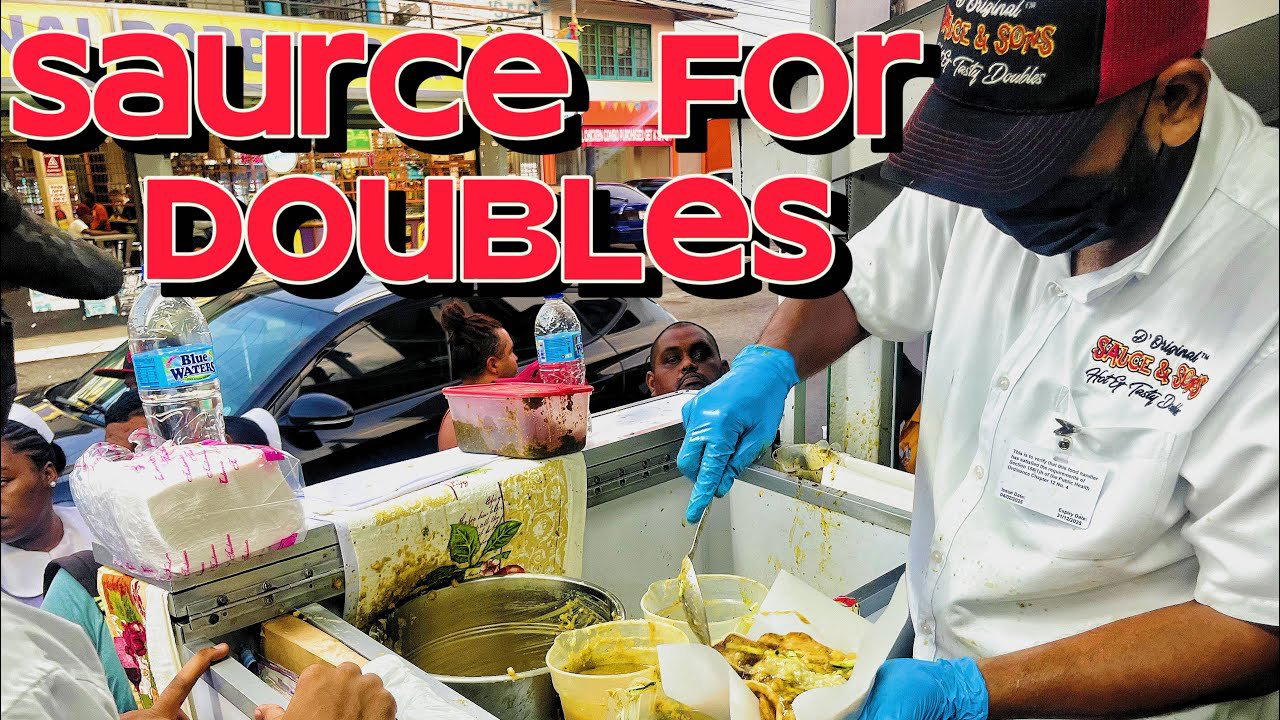
Port of Spain's restaurant categories have become easier to read in recent years. At the street-food tier, venues like Sauce Doubles, S&S Doubles, and Dass Doubles Factory hold a different kind of authority, one built on specific recipes, consistency, and generational loyalty rather than on setting or service. The group of casual sit-down restaurants that fills the middle tier, where La Cantina operates, tends to compete on familiarity, pricing, and the reliability of core dishes rather than on tasting-menu ambition.
Within that middle tier, the competitive set includes places like House of Chan and You And I, each of which has built a following around a specific cuisine type and consistent execution. The comparison to Yousef Gyros, Don's Roti Shop, and House of Chan as a combined reference point is instructive: Port of Spain's mid-tier is genuinely pluralistic, drawing from Middle Eastern, Indian, and Chinese traditions alongside local Creole cooking. La Cantina's positioning within that pluralism, and the culinary register it occupies, places it in conversation with that diversity rather than apart from it.
For readers who want a broader view of how the capital's restaurants organise by neighbourhood and cuisine type, our full Port of Spain restaurants guide maps those distinctions in more detail.
The Wider Trinidad Sourcing Network
Understanding La Cantina also means understanding the supply network that feeds Port of Spain's restaurants. Beyond the capital, producers in areas like Princes Town and Petit Valley supply ingredients that move into city kitchens through both formal and informal distribution channels. The doubles vendors in outlying areas, including Ali's Doubles in Princes Town and Don's Roti Shop in Petit Valley, are part of the same agricultural and spice sourcing ecosystem that feeds into city restaurants, even when the final product looks entirely different.
This network is what distinguishes Trinidad's food scene from many of its Caribbean neighbours. The island's size, population density, and agricultural diversity mean that a restaurant on Victoria Avenue can draw from multiple micro-regions without the import dependency that constrains kitchens in, say, Barbados or Antigua. That structural advantage is not unique to any single restaurant, but it shapes what is possible for all of them.
Placing La Cantina in the Global Ingredient-Sourcing Conversation
The emphasis on local sourcing as a driver of restaurant quality has become a defining preoccupation in fine dining globally. Restaurants like Dal Pescatore in Runate, Uliassi in Senigallia, and Quattro Passi in Marina del Cantone have each built their reputations on the specificity of their regional supply chains. In each case, the argument is that knowing where an ingredient comes from, and designing around what the land or sea produces, creates a more coherent and defensible cooking identity than menus assembled from global commodity markets.
La Cantina operates at a different scale and price point than any of those references, but the underlying logic is not different. In Port of Spain, restaurants that root themselves in what Trinidad actually grows, catches, and ferments tend to hold their relevance longer than those that chase international format trends. The cantina format, historically a community-facing eating house rather than a formal dining room, has always depended on that kind of local rootedness.
Planning Your Visit
La Cantina sits at 12 Victoria Avenue in Port of Spain, accessible from the capital's main arterial routes without significant detour. For visitors arriving from the Hyatt Regency corridor or the downtown financial district, the address is a short drive or an easy taxi ride. As is common with many mid-tier restaurants in Port of Spain, booking practices and operating hours are best confirmed directly before visiting, since the city's restaurant culture tends toward flexible, locally-adapted schedules rather than fixed online booking systems. The Victoria Avenue location makes La Cantina a practical option for both lunch and dinner visits during a Port of Spain stay, and the neighbourhood context means parking is generally available on the surrounding streets.
How It Stacks Up
| Venue | Cuisine |
|---|---|
| La CantinaThis venue — the venue you are viewing | This venue |
Continue exploring
More in Port Of Spain
At a Glance
- Cozy
- Lively
- Business Dinner
- Group Dining
- Family
- Casual Hangout
- Historic Building
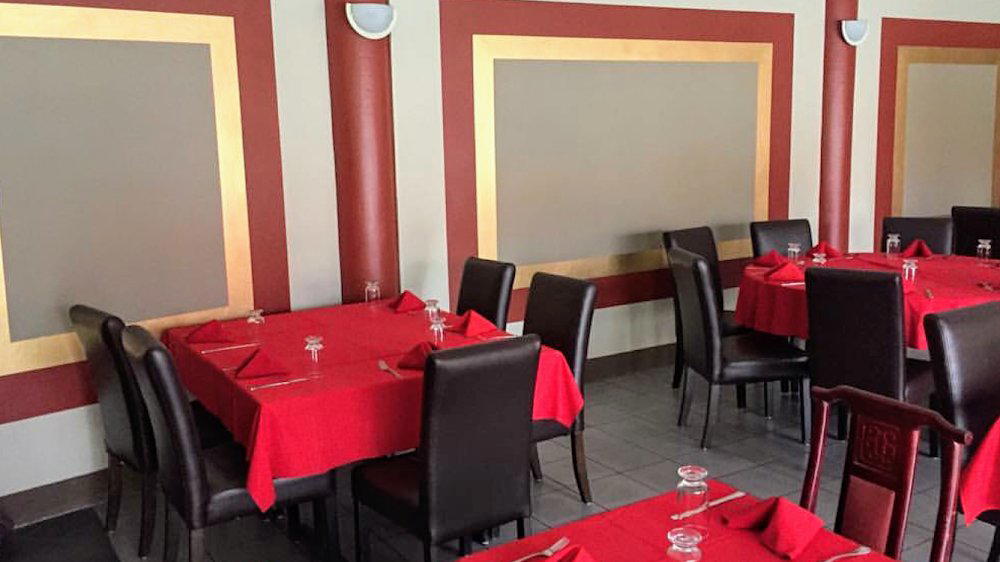
Casual elegant dining with a cozy, inviting, and relaxing atmosphere.
Know Before You Go
- Getting there
- 12 Victoria Ave, Port of Spain, Trinidad & Tobago