House Of Chan
House of Chan occupies a corner on Warner and Woodford Streets in Port of Spain, holding a place in Trinidad's layered street-food culture where Chinese-Caribbean cooking has quietly shaped the city's palate for decades. It sits within a dining scene that ranges from roti shops to hotel restaurants, representing the kind of neighbourhood institution that Port of Spain's food culture is built around.
Pearl is the En Primeur Club membership app — saves, bookings, and concierge access live there. Same editors, same standards.
- Address
- Corner of Warner &, Woodford St, Port of Spain, Trinidad & Tobago
- Phone
- +1 868-228-3481
- Website
- facebook.com
- Directions
- Get directions
 Saves & bookings on Pearl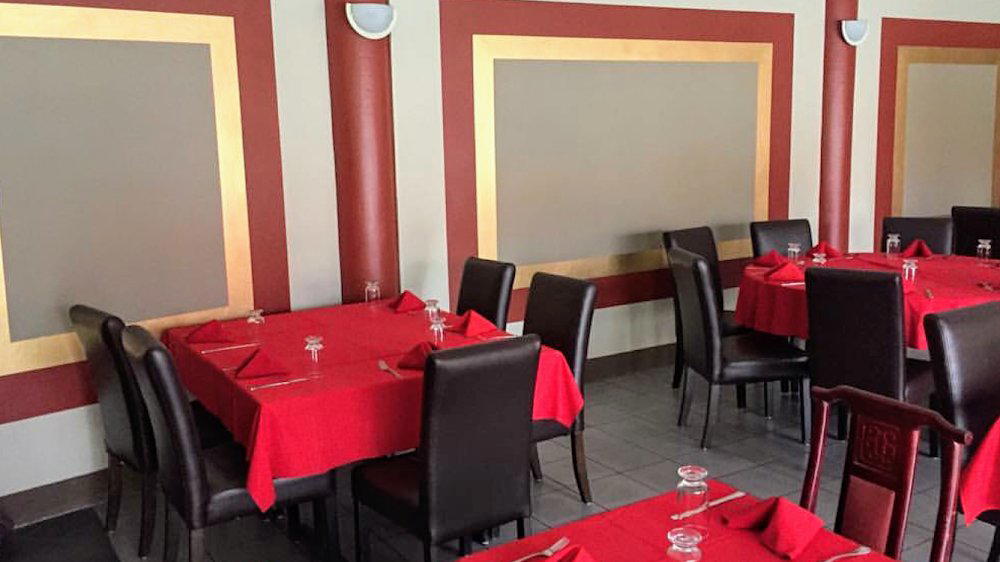
Where the Corner Tells the Story
Port of Spain's street corners have always done more culinary work than any single dining room. The intersection of Warner and Woodford Streets, where House of Chan occupies its plot, sits within a district where Chinese-Trinidadian cooking has been woven into everyday eating for generations. Long before the term 'fusion' entered food criticism, the Chinese diaspora in Trinidad had already been quietly hybridising Cantonese technique with local ingredients, heat levels, and rhythms — producing something that belongs entirely to this island and nowhere else. House of Chan is part of that lineage.
That history matters when you consider what arriving here feels like. Port of Spain's downtown and its adjacent streets operate at a pace and volume that most visitors need a moment to calibrate to. The city's food culture is loud, fast, and confident, and House of Chan fits that register. This is not a place you approach for ceremony. You approach it because the food coming out of its kitchen is connected to a specific tradition of Chinese-Caribbean cooking that has shaped what Trinidadians eat and expect from a meal.
Chinese-Caribbean Cooking and the Question of Sourcing
The ingredient story behind Chinese-Trinidadian cooking is more complex than it first appears. Trinidad's agricultural output, its spice trade history, and its proximity to Venezuelan produce all feed into what ends up on the plate at establishments like House of Chan. Scotch bonnet peppers, shadow beni (the local cilantro cousin with a sharper, more persistent flavour), and locally sourced proteins sit alongside the soy, ginger, and garlic fundamentals of Chinese technique. The result is a cuisine that can be read as Chinese in its methods but is Trinidadian in its sourcing and seasoning logic.
This matters because it places Chinese-Trinidadian food in a different category from the Chinese restaurant traditions you find in London or Toronto or San Francisco. In those cities, Chinese cooking is largely imported and often self-referential, building menus around dishes that signal origin. In Port of Spain, Chinese cooking has been localised over more than 150 years, producing a set of dishes that are now as native to this island as doubles or roti. Establishments like House of Chan operate in that register: the cooking is neither purely Chinese nor a novelty version of it. It is Trinidadian food that happens to have Chinese DNA.
For context on how this compares to the broader global fine-dining conversation, consider what the most technically ambitious restaurants in other cities are doing: operations like Le Bernardin in New York City, Alinea in Chicago, or Amber in Hong Kong have built international reputations on ingredient sourcing and precision. House of Chan operates at a completely different scale and register, but the principle that sourcing shapes identity holds across both ends of the spectrum. What comes off a Trinidad market stall versus what arrives from a regional farm is the invisible architecture of the food here.
Port of Spain's Dining Spread
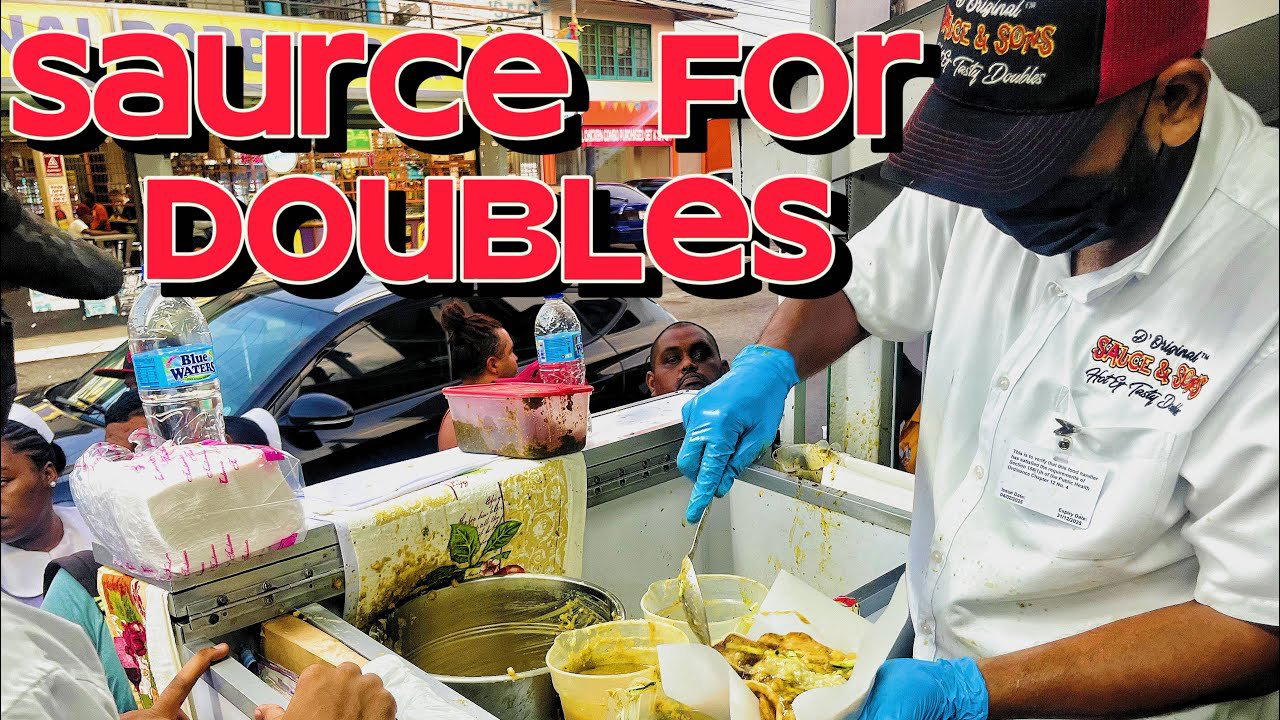
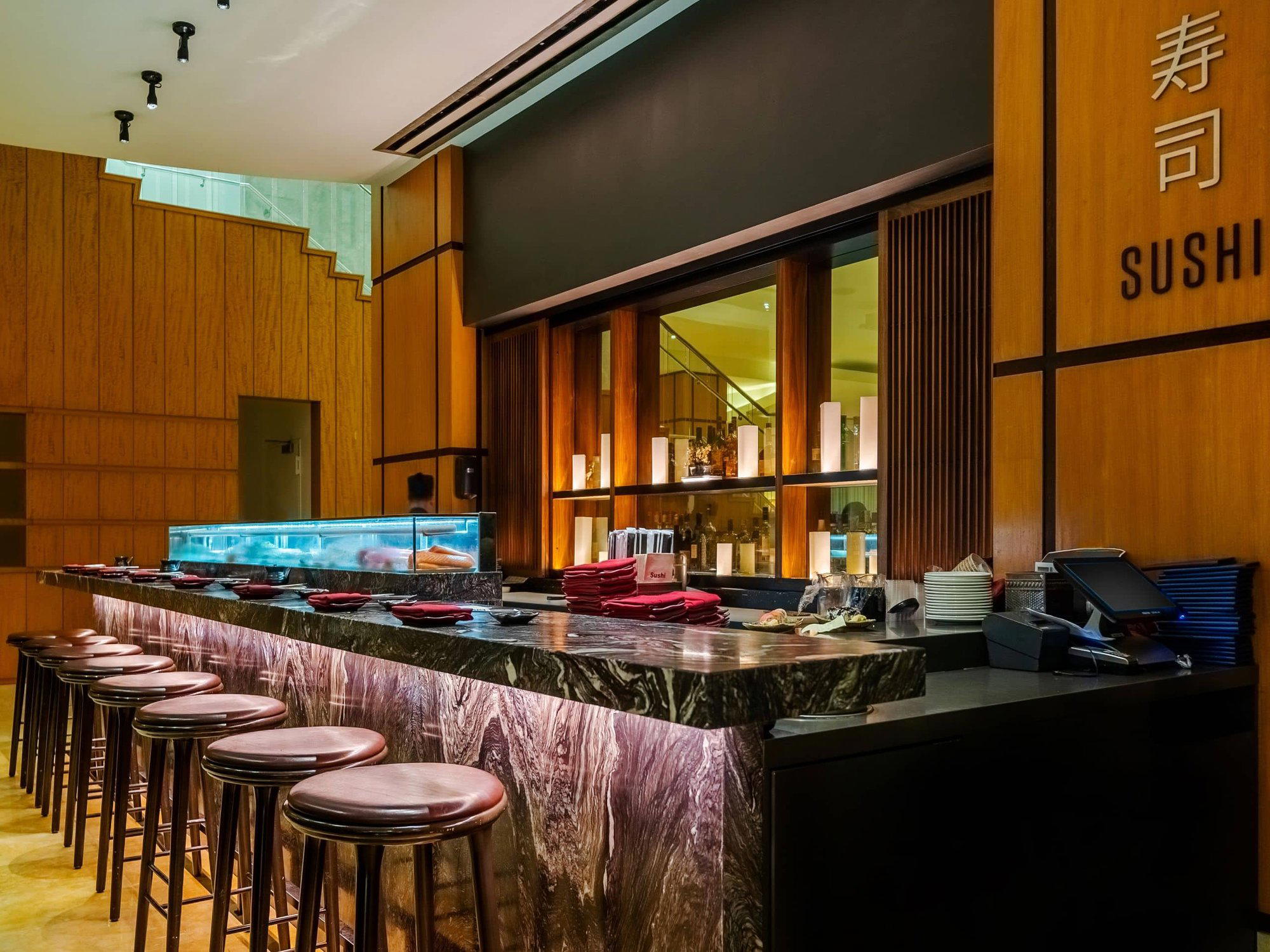
Understanding House of Chan means understanding where it sits within Port of Spain's broader eating options. The city's dining scene covers considerable range. At one end you have hotel dining like the Hyatt Regency Sushi Bar, which serves an international clientele within a controlled environment. At the other end, Port of Spain runs on street staples: the doubles vendors documented in our coverage of Sauce Doubles, S&S; Doubles, and Dass Doubles Factory represent a category of Trinidadian food culture that operates on volume, speed, and institutional muscle memory built over decades.
House of Chan occupies the middle register in this spread, alongside places like La Cantina and You And I. It is also part of a broader grouping of city-centre eating options referenced together in Yousef Gyros, Don's Roti Shop, and House of Chan, a cluster that reflects how Port of Spain actually functions as a food city: ethnically diverse, geographically concentrated in its leading eating, and largely indifferent to the kind of category distinctions that matter in cities with more formalised dining cultures.
If you want to trace how Chinese-Trinidadian food compares to other diaspora cooking traditions across the island, Don's Roti Shop in Petit Valley and Ali's Doubles in Princes Town offer useful data points on how Indian-Trinidadian cooking has shaped the same food culture from a different direction. Together, these establishments map the extraordinary ethnic complexity that makes Trinidadian food one of the Caribbean's most genuinely layered eating traditions.
For reference on how Port of Spain's dining scene fits into a wider editorial picture, see our full Port Of Spain restaurants guide.
Planning Your Visit
House of Chan is located at the corner of Warner and Woodford Streets in Port of Spain, placing it within easy reach of the city centre. As with many of Port of Spain's established neighbourhood restaurants, the practical intelligence for visiting comes from local knowledge rather than formal booking infrastructure. The restaurant does not appear in international reservation systems, and contact details are not listed in major travel databases, which means walk-in visits are the default approach. Arriving during off-peak lunch hours on weekdays tends to give you a clearer read on what the kitchen is producing without the pressure of peak-hour volume. Given the informal operating model, flexibility in timing is the most useful asset you can bring.
Continue exploring
More in Port Of Spain
At a Glance
- Elegant
- Cozy
- Family
- Group Dining
- Celebration
- Business Dinner
- Private Dining
- Craft Cocktails
Current opening hours
- Monday
- Closed
- Tuesday
- 11 AM–10 PM
- Wednesday
- 11 AM–10 PM
- Thursday
- 11 AM–10 PM
- Friday
- 11 AM–10 PM
- Saturday
- 11 AM–10 PM
- Sunday
- 11 AM–5 PM
Hours can change for holidays and private events. Last verified .
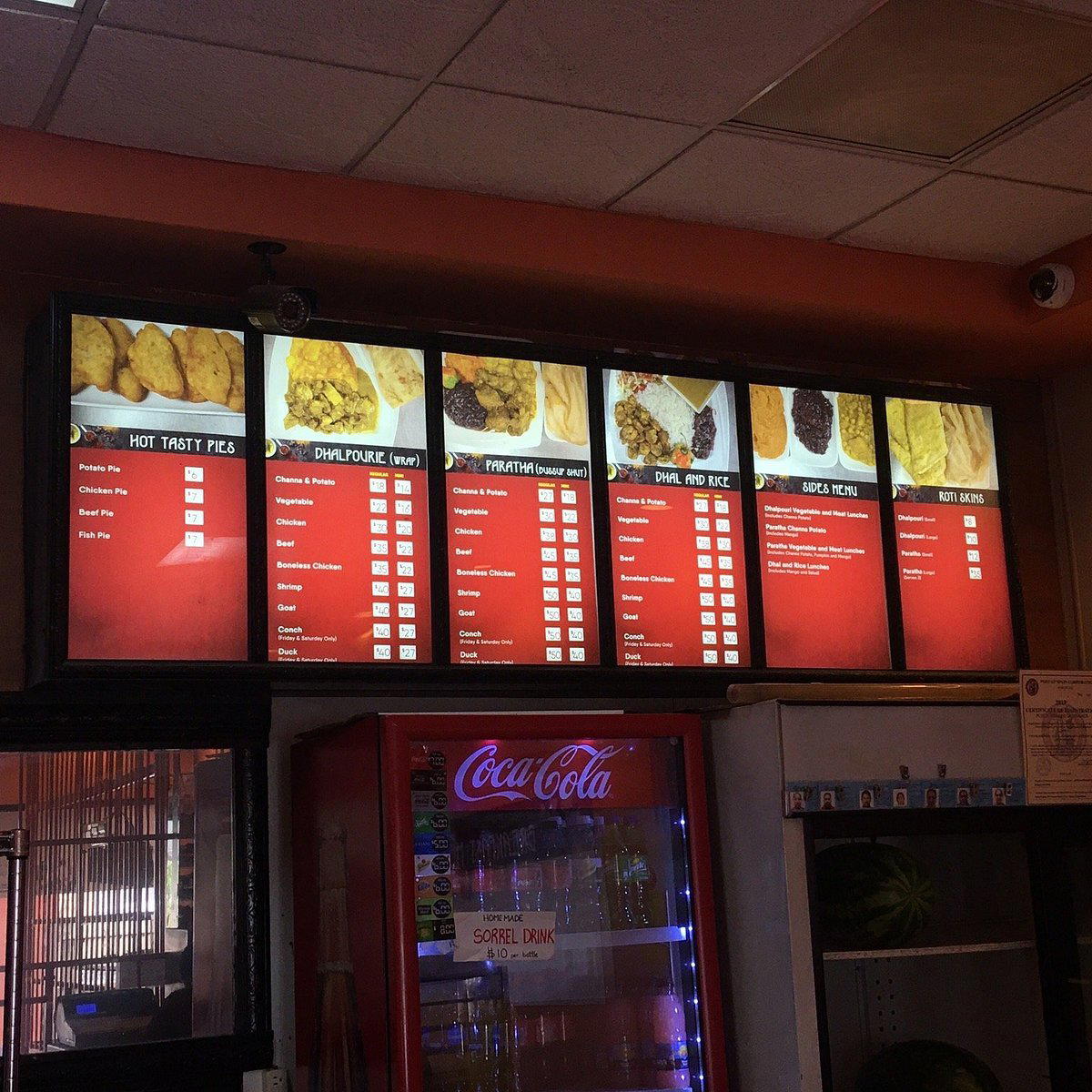
Clean, modern interior with lively and inviting decor, good atmosphere, and excellent air conditioning.
Know Before You Go
- Getting there
- Corner of Warner &, Woodford St, Port of Spain, Trinidad & Tobago