Ali's Doubles
Ali's Doubles serves Trinidadian Street Food - Doubles from counter service in Craignish Village, with doubles fitted to a quick breakfast stop.
Pearl is the En Primeur Club membership app — saves, bookings, and concierge access live there. Same editors, same standards.
- Address
- Craignish Village, Naparima Mayaro Rd, Princes Town, Trinidad & Tobago
- Phone
- +1 868 770 7772
- Directions
- Get directions
 Saves & bookings on Pearl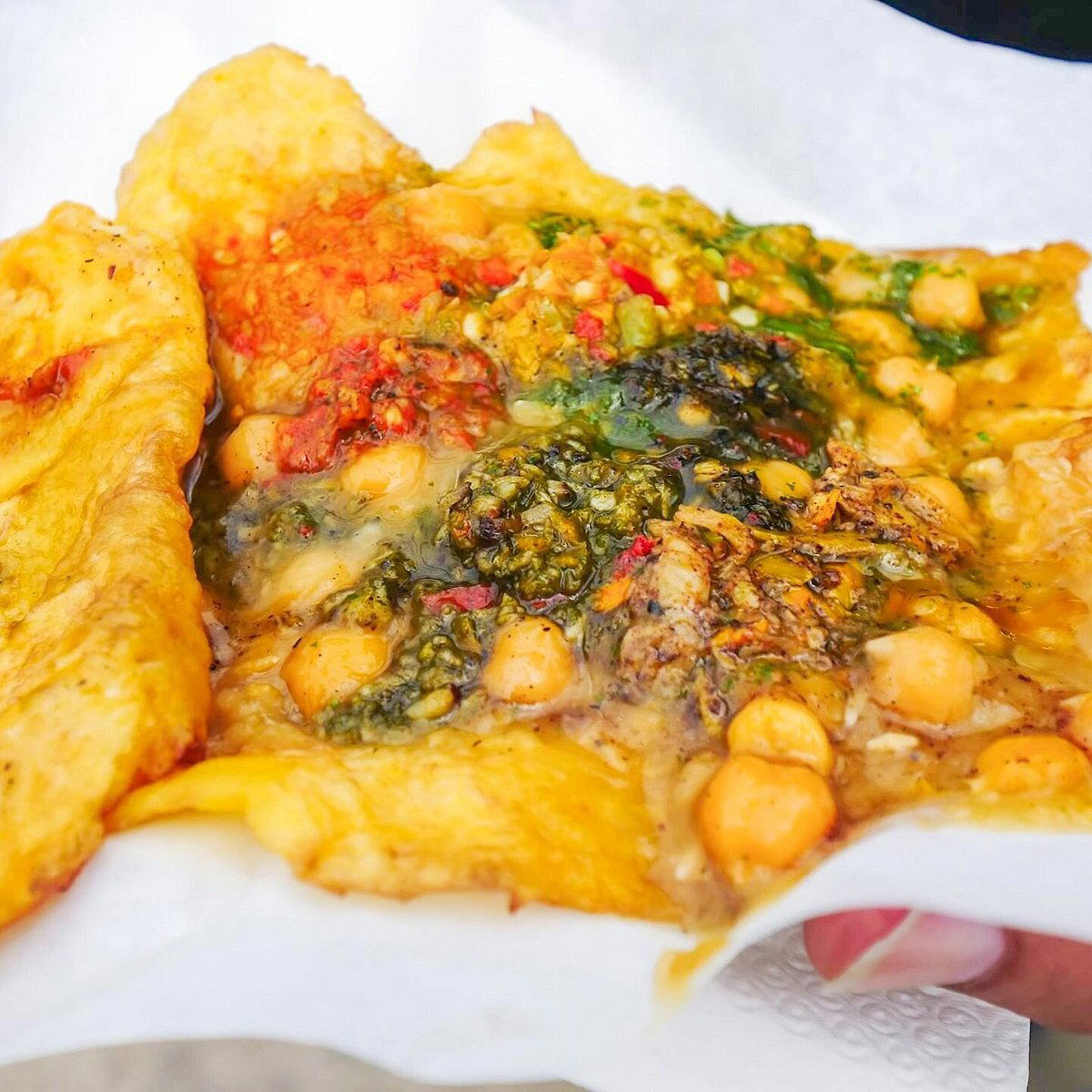
Where Princes Town Begins Its Morning
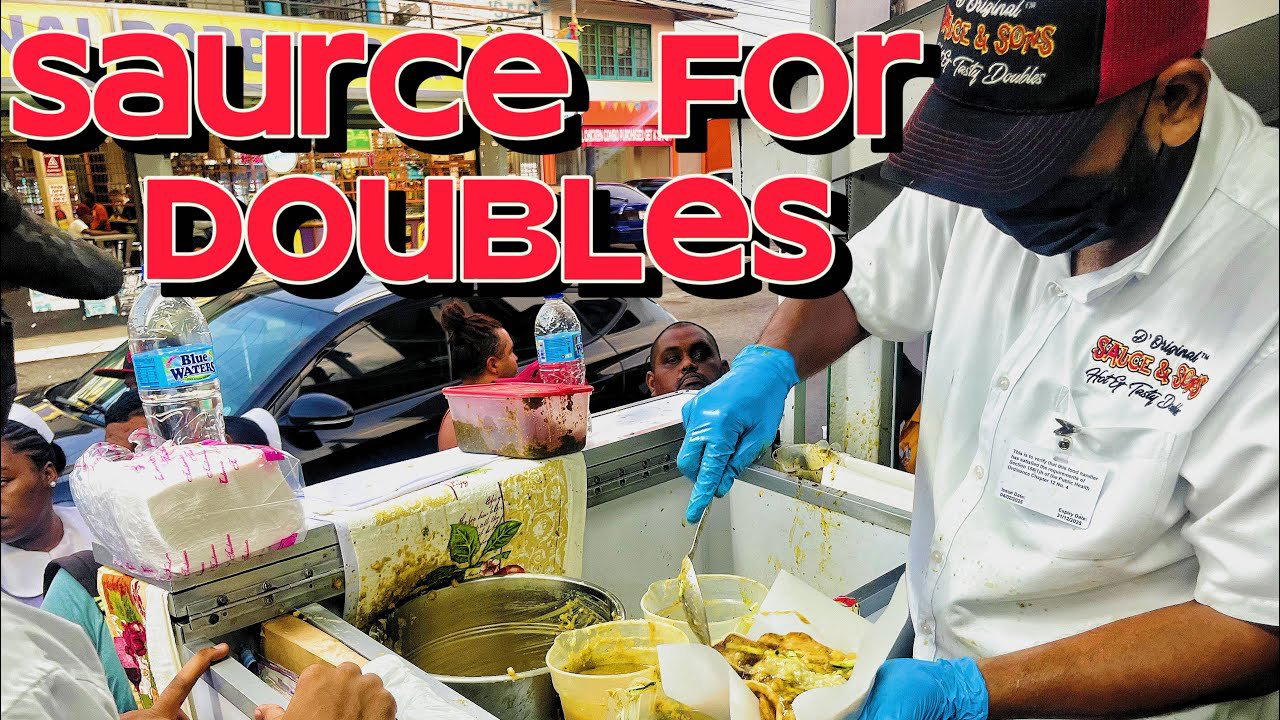
On Naparima Mayaro Road in Craignish Village, the air carries the smell of frying bara before you see any signage. Doubles vendors in Trinidad operate on a kind of ambient broadcast system: oil temperature, turmeric, and shadow cumin announce the stall well ahead of any queue. Ali's Doubles works within that tradition, drawing from a roadside format that has fed the southern belt of Trinidad for generations. Princes Town is not a tourist circuit stop. It is a working town in a working county, and the food culture here reflects that directness. What you eat at a spot like this is connected, without detour, to the agricultural rhythms of the surrounding Naparima plain, one of the most fertile stretches in the country.
The Ingredient Logic Behind Trinidad Doubles
Doubles is, at its structural core, a split street food built on bara — fried flatbread made from flour, yeast, and ground split peas — filled with curried channa (chickpeas) and dressed with a range of chutneys. The ingredient chain that makes it work in the south of Trinidad is shorter than most diners assume. Channa comes largely from local wholesale networks fed by regional importers, but the chutneys tell a more local story. Tamarind trees grow throughout South Trinidad; the pods are harvested and processed into the sour, dark paste that anchors the sweet-sour chutney that goes on every doubles worth eating. Shadow beni, the sawtooth herb that appears in almost every Trinidadian condiment, grows prolifically in the warm, wet south. Scotch bonnet peppers arrive from kitchen gardens and small farms that have supplied the roadside food economy here for decades. The pepper sauce at a well-regarded doubles stall is not a bottled product. It is made to a formula that the vendor controls, adjusted by season and by supply, tighter in the dry season when peppers come in smaller and hotter, looser and more aromatic when the rains push abundance through.
This sourcing pattern places southern Trinidad's street food in a different relationship with its ingredients than, say, the tasting menu format pursued by kitchens like Atelier Moessmer Norbert Niederkofler in Brunico or Reale in Castel di Sangro, where provenance is documented and narrated to the diner course by course. In the Trinidadian street food model, provenance is simply assumed. The vendor knows the tamarind was local because they made the chutney. The knowledge does not need to be performed.
The Doubles Format and Why It Travels Badly
Doubles has a narrow window of optimal eating. The bara softens as it absorbs curry liquid, and the interplay between the warm, yielding bread and the channa changes character within minutes. This is part of why Trinidadian diaspora communities from London to Toronto to New York treat a doubles stop in Trinidad as something that cannot be replicated at home, even by cooks who know the technique. The format belongs to the spot. It belongs to the temperature, the humidity, and the vendor's particular calibration of pepper-to-channa-to-bara ratio. Fine dining venues like Le Bernardin in New York City or HAJIME in Osaka invest considerable infrastructure in recreating precision at the table. Doubles vendors invest that same discipline in a transaction that takes under thirty seconds and costs a fraction of a US dollar. The precision is no less real for being invisible.
For visitors approaching from Port of Spain or San Fernando, the Naparima Mayaro Road corridor is accessible by maxi-taxi or private car. Craignish Village sits south and east of Princes Town's town centre. Doubles in Trinidad is almost always a morning-to-early-afternoon operation; vendors sell until they run out, and at a spot with a local following, running out is not a hypothetical. Arriving early is the operating principle, not a stylistic preference. There are no reservations. There is no website. The transaction is cash, immediate, and complete in itself.
Southern Trinidad's Street Food in Context
The street food culture of southern Trinidad differs in register from what you find on the competition-heavy vendor corridors of Port of Spain's east–west corridor or around the Curepe junction in the north. The south moves at a different pace and serves a population that is less transient and more anchored to the agricultural economy of the Naparima plain and the oilfield towns further toward Point Fortin. That rootedness shapes what the food tastes like. The pepper sauces tend hotter, the channa curries denser, and the bara slightly thicker in proportion. These are not documentary facts but observable tendencies that food writers covering the Trinidadian street food circuit have noted over years of comparison. Ali's Doubles sits within that southern style. It is not trying to bridge toward tourist expectation or to soften its register for the unfamiliar.
For anyone putting together a broader picture of serious eating in Trinidad, the context of the island's roti tradition is worth holding alongside doubles. Don's Roti Shop in Petit Valley represents the northern and western expression of Trinidad's Indian-derived flatbread tradition, while a spot like La Cantina in Port of Spain shows how the capital handles a different register of the island's eating culture. The south, by contrast, rewards a kind of food travel that is less about finding what has been curated and more about understanding what has simply persisted because it works. Our full Princes Town restaurants guide maps more of that terrain across the area.
The broader international comparison is useful for calibrating what kind of attention this format deserves. Kitchens like Uliassi in Senigallia, Piazza Duomo in Alba, or Waterside Inn in Bray operate in a tradition where the cooking is the explicit subject of the experience. At a doubles stall, the cooking is incidental to the function, and yet the technique and the ingredient calibration are no less considered. The channa has been soaking and simmering. The chutneys have been made in quantity that morning or the night before. The bara has been fried to a specific colour and texture. None of it is accidental, even when it looks it.
Planning Your Visit
Ali's Doubles is located at Craignish Village on Naparima Mayaro Road, Princes Town. No phone number or website is publicly listed, which is standard operating procedure for this tier of Trinidadian street food vendor. Cash is the expected payment method. The visit is leading structured as a morning stop, either on the way into or out of Princes Town, rather than a destination in isolation. Dress is entirely casual. No booking exists or is needed. For visitors constructing a longer eating day across South Trinidad, combinations with stops further along the Naparima Mayaro corridor toward Mayaro or back toward San Fernando are practical and well-worn routes for anyone serious about the region's food.
Continue exploring
More in Princes Town
At a Glance
- Lively
- Energetic
- Casual Hangout
Current opening hours
- Monday
- 6:30–11 AM
- Tuesday
- 6:30–11 AM
- Wednesday
- 6:30–11 AM
- Thursday
- 6:30–11 AM
- Friday
- 6:30–11 AM
- Saturday
- 6:30–11 AM
- Sunday
- 6:30–11 AM
Hours can change for holidays and private events. Last verified .
Lively atmosphere with friendly service typical of a bustling street food spot.
Know Before You Go
- Getting there
- Craignish Village, Naparima Mayaro Rd, Princes Town, Trinidad & Tobago