Yousef Gyros, Don’s Roti Shop, and House of Chan
Port of Spain's street-food culture compresses centuries of migration into a few square miles, and three names keep appearing in any serious conversation about that tradition: Yousef Gyros, Don's Roti Shop, and House of Chan. Each represents a distinct culinary lineage — Middle Eastern, South Asian, and Chinese — that has been absorbed into Trinidad's everyday eating habits so thoroughly that the distinction between 'foreign' and 'local' no longer applies.
Pearl is the En Primeur Club membership app — saves, bookings, and concierge access live there. Same editors, same standards.
- Address
- Port Of Spain, Trinidad And Tobago
 Saves & bookings on Pearl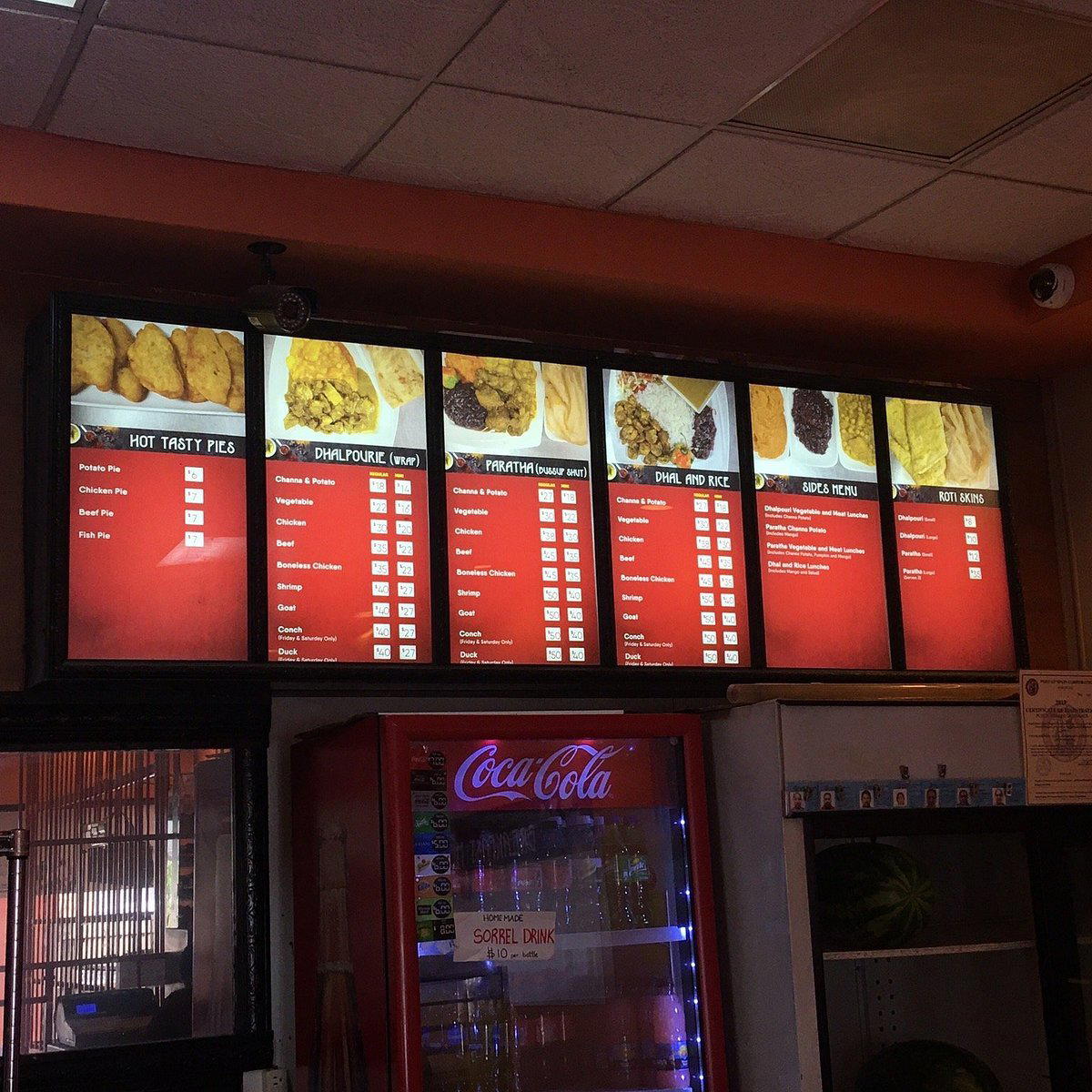
Three Menus, One City's Culinary Identity
Port of Spain does not have a unified street-food district in the way that Bangkok has Yaowarat or Singapore has its hawker centres. Instead, the city's most instructive eating is distributed across neighbourhoods, tucked into shopfronts and lunch counters that have been feeding the same communities for decades. Yousef Gyros, Don's Roti Shop, and House of Chan are three separate operations, but they function as a kind of informal triptych: read them together and you get a precise map of how Trinidad absorbed successive waves of migration — Arab, Indian, Chinese — and converted each into something that now reads as simply Trinidadian.
That process of absorption is what makes the city's food scene worth taking seriously beyond its obvious carnival-season appeal. The menus at these three spots are not fusion in the contemporary sense. There is no deliberate hybridisation, no chef attempting to stitch traditions together as a creative project. The convergence happened over generations, through repetition and neighbourhood demand, which is a different and more durable kind of integration. Visitors who arrive expecting a single defining dish, something that announces Trinidad the way jerk defines Jamaica or roti canai defines Kuala Lumpur, tend to leave more confused and better fed than they anticipated.
How the Menu Logic Works at Each Counter
The editorial angle worth pressing on here is not what each venue serves but how each menu is structured, because the architecture of those menus reveals something about the community each place was built to serve.
Yousef Gyros operates within the broader tradition of Arab-Trinidadian food that took root in Port of Spain through Lebanese and Syrian immigration beginning in the late nineteenth century. The gyro format, flatbread, rotisserie meat, condiments, functions as a recognisable anchor, but the surrounding menu typically reflects local adaptation: heat levels calibrated to a Trinidadian palate, accompaniments that reference the produce and sauces available in the local market. The menu is short by design. That brevity is a structural choice, not a limitation. Counters like this one succeed precisely because they resist the temptation to expand; the discipline of a short menu in a high-turnover environment is what keeps quality consistent.
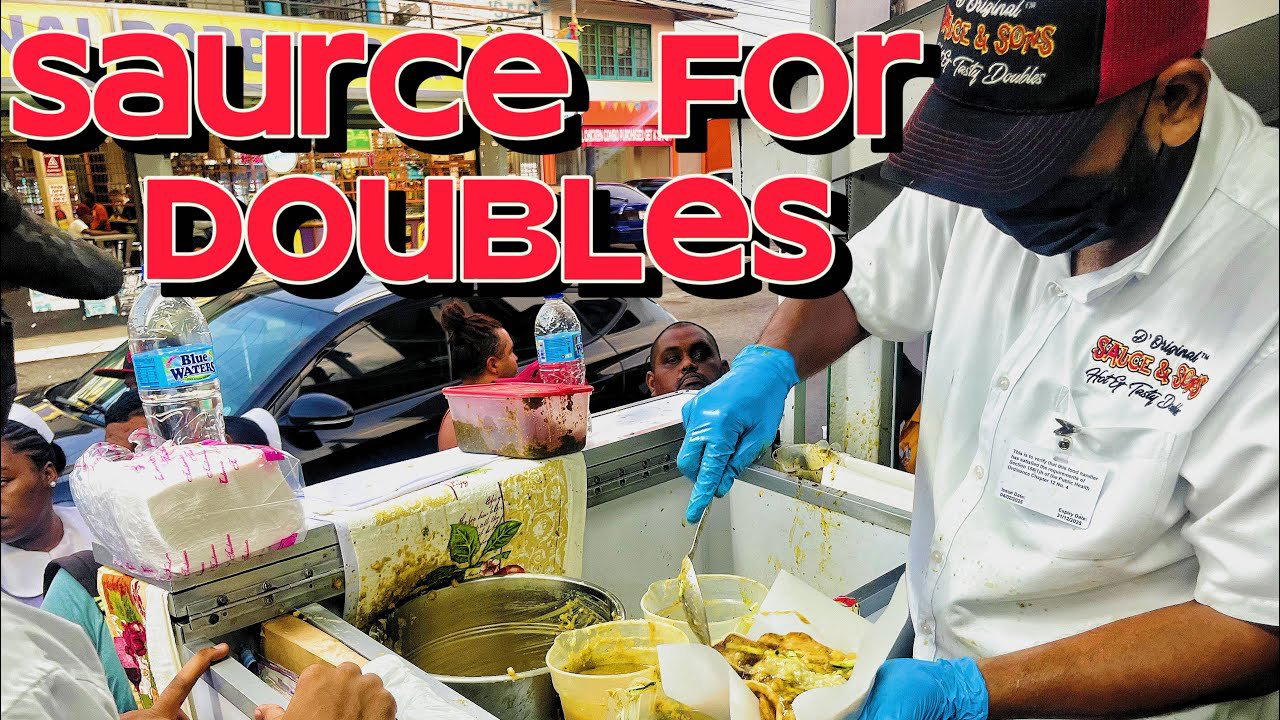
Don's Roti Shop belongs to a category that is arguably the most debated in Port of Spain's food culture: the roti shop. Roti arrived in Trinidad with indentured labourers from India in the nineteenth century, and the Trinidadian version, particularly the dhalpuri, filled with ground split peas, and the buss-up-shut, a flaky paratha-style bread torn and served alongside curried meats and vegetables, diverged significantly from its subcontinental origins over the following century. A roti shop's menu tells you almost everything about its positioning. A narrow menu focused on a small number of curry options signals a specialist operation with a loyal regular base. A wider menu with sides, drinks, and snacks signals a broader audience. Don's Roti Shop, like its counterpart Don's Roti Shop in Petit Valley, sits in the tradition of neighbourhood roti counters that have built their reputation through consistency rather than novelty. For context on how doubles, the other pillar of Trinidad's Indian-Trinidadian food canon, fit into this picture, the Sauce Doubles, S&S; Doubles, and Dass Doubles Factory cluster represents the competing format: smaller, cheaper, faster, and eaten standing up.
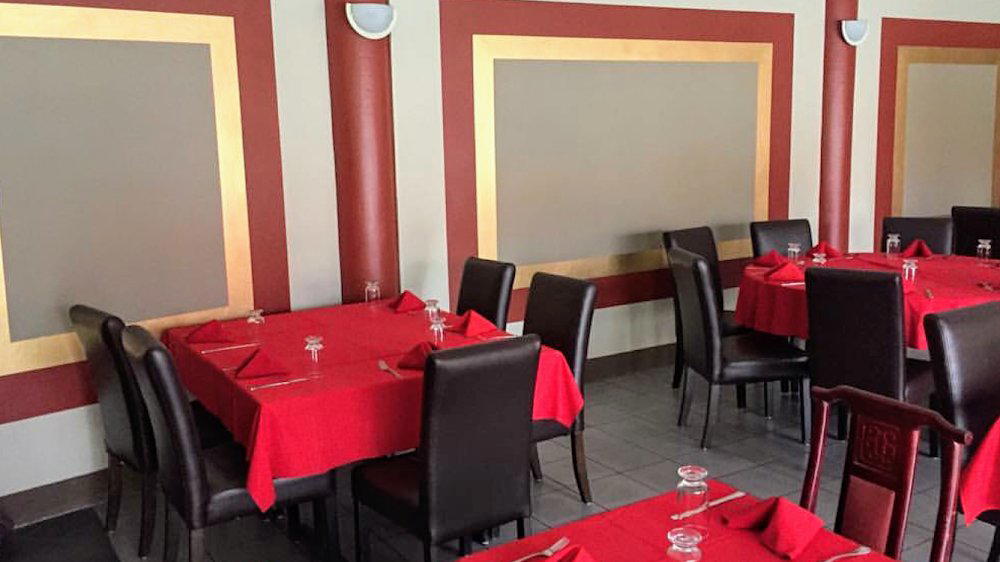
House of Chan operates in the Chinese-Trinidadian register, a cuisine that sits almost entirely outside the awareness of international visitors despite being woven into everyday Port of Spain eating. Chinese immigration to Trinidad began in the mid-nineteenth century, and the food that emerged from that community is now so integrated that many Trinidadians do not think of it as Chinese food at all. The menu at a venue like House of Chan reflects this: dishes that began in Cantonese or Hakka tradition have been rewritten over generations to incorporate local produce, local spicing, and local eating rhythms. Fried rice here is not a side dish at a Chinese restaurant; it is a Trinidadian staple that happens to have Chinese ancestry.
Where These Venues Sit in Port of Spain's Dining Spectrum
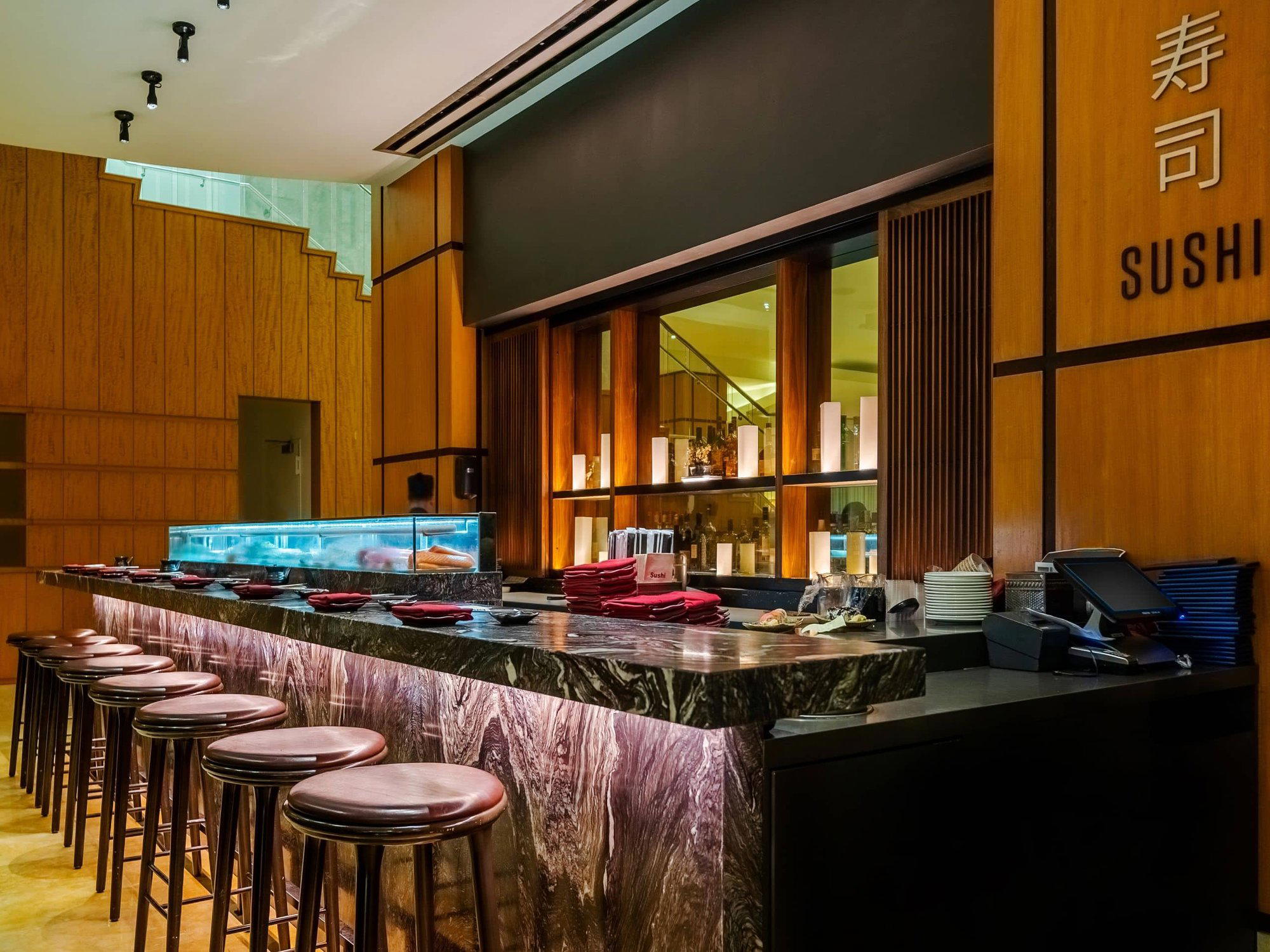
Port of Spain's restaurant scene has developed a more formal upper tier in recent years, with venues like Hyatt Regency Sushi Bar, La Cantina, and You And I occupying a different price bracket and a different occasion type. Yousef Gyros, Don's Roti Shop, and House of Chan operate at the other end of that spectrum: high-frequency, low-ceremony, built for the lunch crowd and the after-work stop rather than the special-occasion dinner. That positioning is not a limitation, it is what gives these venues their authority. The cooking at this level of the market has to be accurate every day because the customer base will notice immediately if it is not, and they have alternatives within walking distance.
For international visitors, this part of the market is often more instructive than the formal dining tier. The menus are smaller, the choices are fewer, and the pressure to perform is higher. Compare the precision required at a counter like this with the scale of ambition at restaurants such as Le Bernardin in New York City or Alinea in Chicago, and you are comparing two entirely different kinds of culinary discipline. Both require mastery; the mastery just presents differently.
Across Trinidad, similar dynamics play out in other towns. Ali's Doubles in Princes Town is one reference point for how the doubles tradition reads outside the capital. The our full Port Of Spain restaurants guide maps the broader picture, including how the formal and informal tiers relate to each other across different neighbourhoods.
Planning a Visit
All three venues operate in the daytime-focused rhythm typical of Port of Spain's lunch-counter culture, which means arriving early matters more than booking ahead. These are not reservation operations. The crowd at a roti shop or a gyros counter peaks between noon and two in the afternoon on weekdays, and popular items at all three can run out before the afternoon. For visitors arriving from outside Trinidad, the practical orientation is the same for all three: come hungry at lunch, expect a short wait during the peak hour, and do not expect a menu that changes seasonally. The stability of the menu is the point. It is how you know the place has been doing this long enough to have figured out what works.
Credentials Lens
| Venue | Awards |
|---|---|
| Yousef Gyros, Don’s Roti Shop, and House of ChanThis venue — the venue you are viewing | This venue |
Continue exploring
More in Port Of Spain
At a Glance
- Energetic
- Lively
- Casual
- Late Night
- Casual Hangout
- After Work
Casual street food atmosphere with high energy, popular with late-night crowds seeking quick, satisfying meals.