Sauce Doubles, S&S Doubles, and Dass Doubles Factory
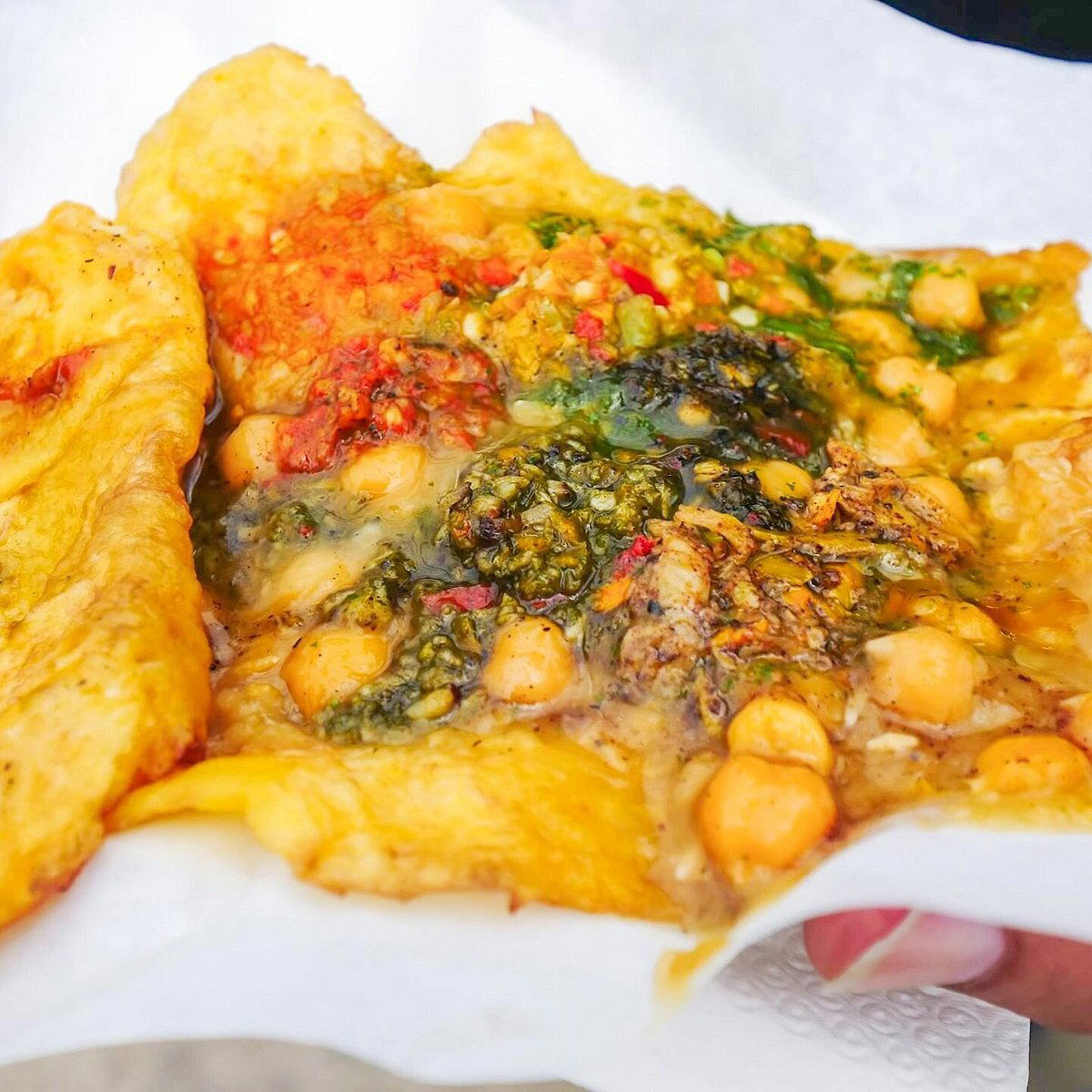
Port of Spain's doubles tradition is street food at its most democratic: a soft bara folded around curried channa, doused in pepper sauce and chadon beni chutney, eaten standing at a roadside cart before the city fully wakes. Sauce Doubles, S&S Doubles, and Dass Doubles Factory represent three distinct addresses in the city's competitive doubles circuit, each drawing regulars who argue fiercely about bara thickness and pepper ratio.
Pearl is the En Primeur Club membership app — saves, bookings, and concierge access live there. Same editors, same standards.
- Address
- Port Of Spain, Trinidad And Tobago
- Directions
- Get directions
 Saves & bookings on Pearl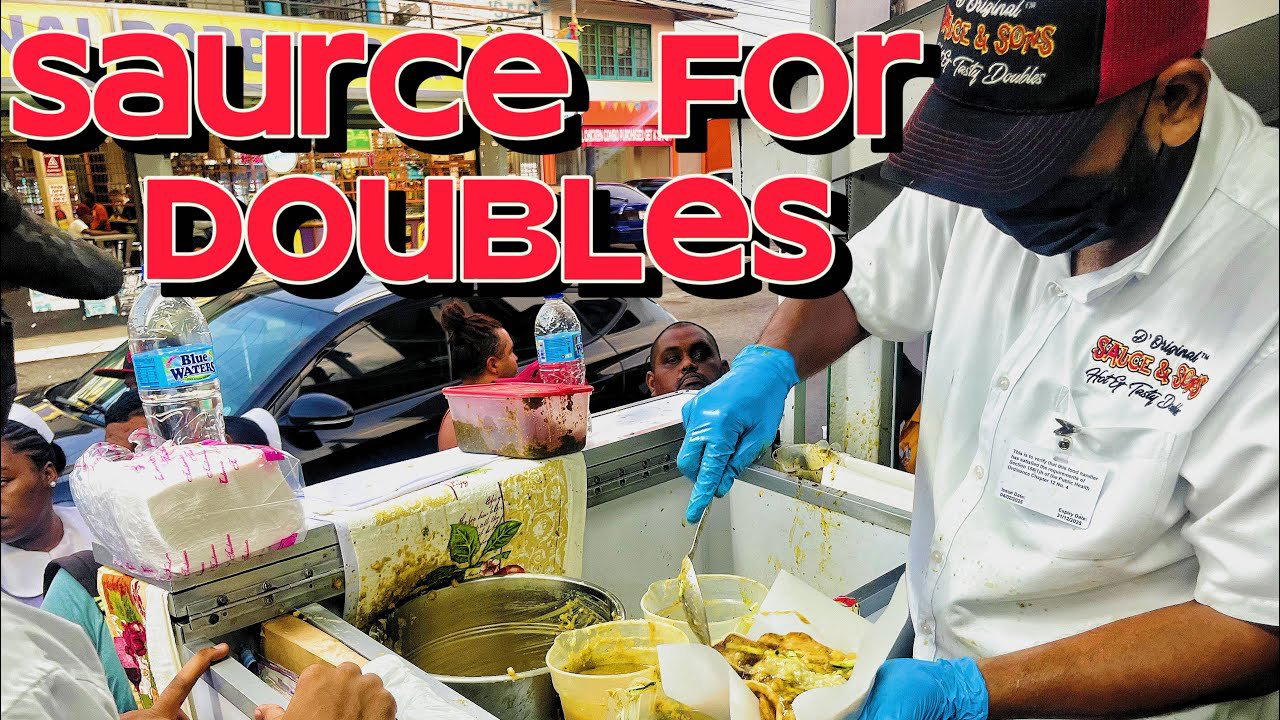
The Ritual Before the City Wakes
There is a particular choreography to ordering doubles in Port of Spain that no menu can teach. You approach the cart or counter, make eye contact, and the vendor already knows: slight pepper, heavy, or slight? Chadon beni? Shadow beni? The transaction takes roughly forty-five seconds and costs less than a cup of coffee anywhere in the formal dining world. What arrives is two soft fried baras cradling a heap of curried channa, dressed to your specification and wrapped in a square of wax paper that will be translucent before you finish eating. This is not a prelude to a meal. It is the meal, and in Trinidad, it is taken with the seriousness that other cultures reserve for sit-down service.
Sauce Doubles, S&S; Doubles, and Dass Doubles Factory belong to the Port of Spain doubles circuit, a loose network of vendors and small operations that together define one of the Caribbean's most coherent street food traditions. Where tasting-menu restaurants like Le Bernardin in New York City or Atomix in New York City structure the meal around sequence and pacing, the doubles format inverts that logic entirely: the ritual is compressed, communal, and almost always consumed standing.
What Doubles Actually Are
The dish has its roots in the Indo-Trinidadian community, developed in the mid-twentieth century as an affordable, portable alternative to roti. The bara, a small round of fried dough made with flour, yeast, and turmeric, is the structural element. The filling is curried channa, chickpeas cooked down in a blend of shadow beni, cumin, and curry leaf that varies from vendor to vendor. The dressing layer is where the real differentiation happens: cucumber chutney, tamarind sauce, coconut chutney, and pepper sauce ranging from mild to genuinely dangerous. Each vendor has a house ratio and a house pepper, and regulars in Port of Spain develop strong preferences that they maintain for years.
The competitive set in the city includes longstanding operations and newer entries, each trying to hold a position in a market where price differentiation is minimal and quality differentiation is everything. Port of Spain's broader dining scene spans sit-down establishments like House Of Chan and La Cantina at one end, and the doubles circuit at the other, with roti shops like Yousef Gyros, Don's Roti Shop, and House of Chan occupying a middle tier. The doubles vendors operate largely outside formal review culture, which means word of mouth and repeat custom are the only meaningful metrics.
Three Names in One Circuit
Grouping of Sauce Doubles, S&S; Doubles, and Dass Doubles Factory as a cluster reflects how Port of Spain residents actually experience the doubles scene: not as individual destinations to be evaluated in isolation, but as stops on a loose itinerary shaped by proximity, timing, and personal loyalty. Each has its own following and its own approach to the core formula.
Dass Doubles Factory operates in a register that leans toward scale, suggesting a volume-oriented model common among operations that supply both walk-up customers and wholesale orders. S&S; Doubles represents the kind of mid-tier neighborhood anchor that builds its reputation on consistency rather than novelty. Sauce Doubles, as the name implies, positions its pepper and chutney program as the differentiator. Across all three, the format is identical; the variables are bara weight, channa seasoning depth, and the heat curve of the house pepper sauce. For a comparative reference point further afield, Ali's Doubles in Princes Town represents the same tradition operating in a different part of Trinidad, where the regional inflection on spice levels differs noticeably from the Port of Spain norm.
The Etiquette of the Counter
Eating doubles well requires some situational literacy. The wax paper is functional, not decorative; fold it inward as you eat to contain the channa and sauce runoff. Do not attempt to eat doubles while walking unless you have practiced this. Order one to start, assess the pepper level, and request adjustments on the second. Vendors expect this. The morning window, typically before nine, is when the bara is freshest and the channa has had time to settle from its overnight cook. Queues at popular spots move fast, but they do form, and cutting in is not forgiven.
The question of accompaniments is settled: there are none. No sides, no drinks beyond what you bring or buy separately, no table. The entire transaction is designed for efficiency, and the social ritual around it, the greetings, the brief debates about pepper preference, the knowing nod from the vendor when they remember your order, is embedded in the efficiency rather than separate from it.
Where Doubles Fits in the City's Food Map
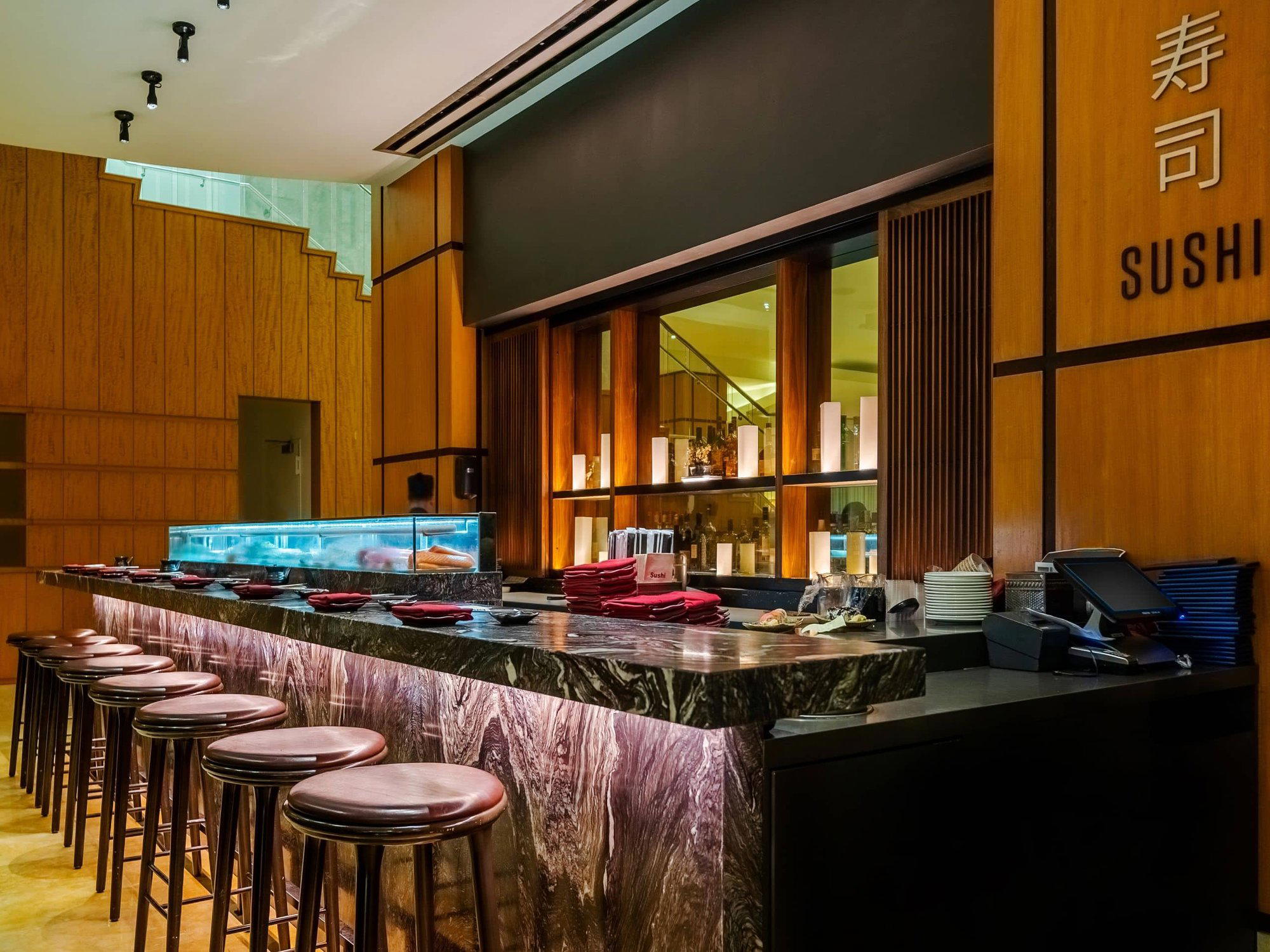
Port of Spain's dining range is wider than its size suggests. Hotel dining at venues like the Hyatt Regency Sushi Bar targets the business and tourist tier, while neighborhood restaurants like You And I serve a local clientele looking for sit-down Trinidadian and Creole cooking. The roti tradition, covered separately in our guide to Don's Roti Shop in Petit Valley, occupies adjacent territory but involves a slower format and a broader ingredient set. Doubles exists in its own category: the fastest, cheapest, and most culturally specific form of sustenance the city produces.
For visitors arriving from restaurant cultures where prestige correlates with price and seat count, the doubles circuit requires a recalibration. The standards here are different from those applied to tasting-menu operations like Alinea in Chicago or Alain Ducasse at Louis XV in Monte Carlo, but the craft involved in a well-made bara and a properly balanced channa is not casual. Trinidad's doubles vendors have spent decades refining a formula with almost no margin for error and no plate to hide behind.
Our full Port Of Spain restaurants guide covers the city's dining range in more depth, from street food to formal dining.
Planning Your Visit
Doubles operations in Port of Spain do not take bookings. You arrive, you queue if necessary, and you order. Morning is the canonical window, with most serious doubles vendors doing the bulk of their trade between six and ten. By mid-morning, the bara quality can decline as supply runs ahead of fresh batches. Dress is entirely casual; the counter is an outdoor or semi-outdoor environment. Payment is cash-only at most doubles stands, and the denomination required is small. If you are coming from outside the city, the doubles circuit is accessible from most Port of Spain neighborhoods on foot or by short taxi ride.
Style and Standing
| Venue | Cuisine |
|---|---|
| Sauce Doubles, S&S Doubles, and Dass Doubles FactoryThis venue — the venue you are viewing | This venue |
Continue exploring
More in Port Of Spain
At a Glance
- Lively
- Energetic
- Casual Hangout
- Late Night
Bustling street-food atmosphere with sizzling pans, lively stalls, and the hum of early morning crowds.