Don's Roti Shop
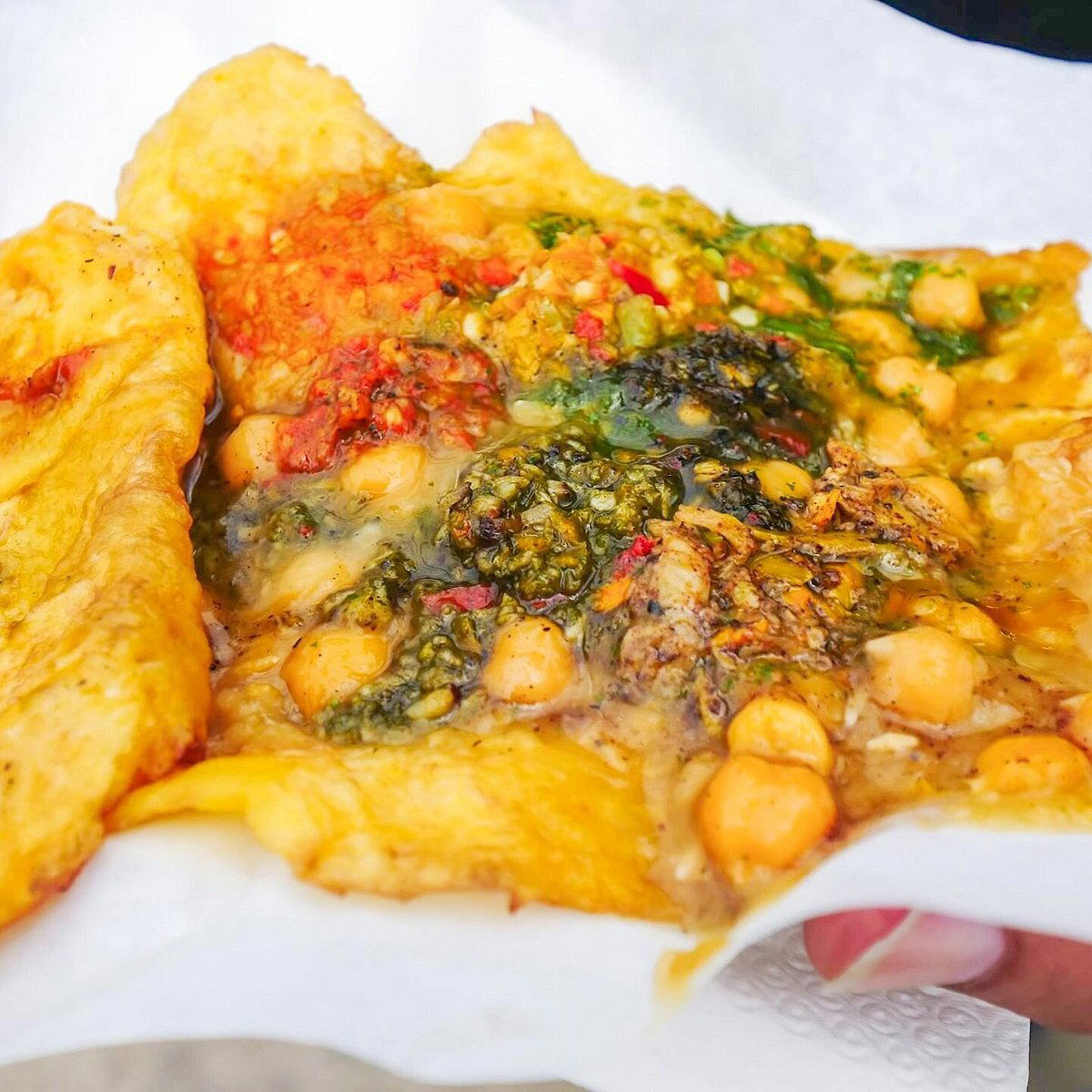
On Morne Coco Road in Petit Valley, Don's Roti Shop represents the kind of everyday institution that defines how Trinidad actually eats. Roti here is not a menu concept but a practice rooted in the island's Indo-Trinidadian culinary tradition, where dhal puri and buss-up-shut remain the standard against which all others are measured. For anyone mapping the serious street food of northwest Trinidad, this is a reference point worth understanding.
Pearl is the En Primeur Club membership app — saves, bookings, and concierge access live there. Same editors, same standards.
- Address
- Morne Coco Rd, Petit Valley, Trinidad & Tobago
- Phone
- +1 868-637-8310
- Directions
- Get directions
 Saves & bookings on Pearl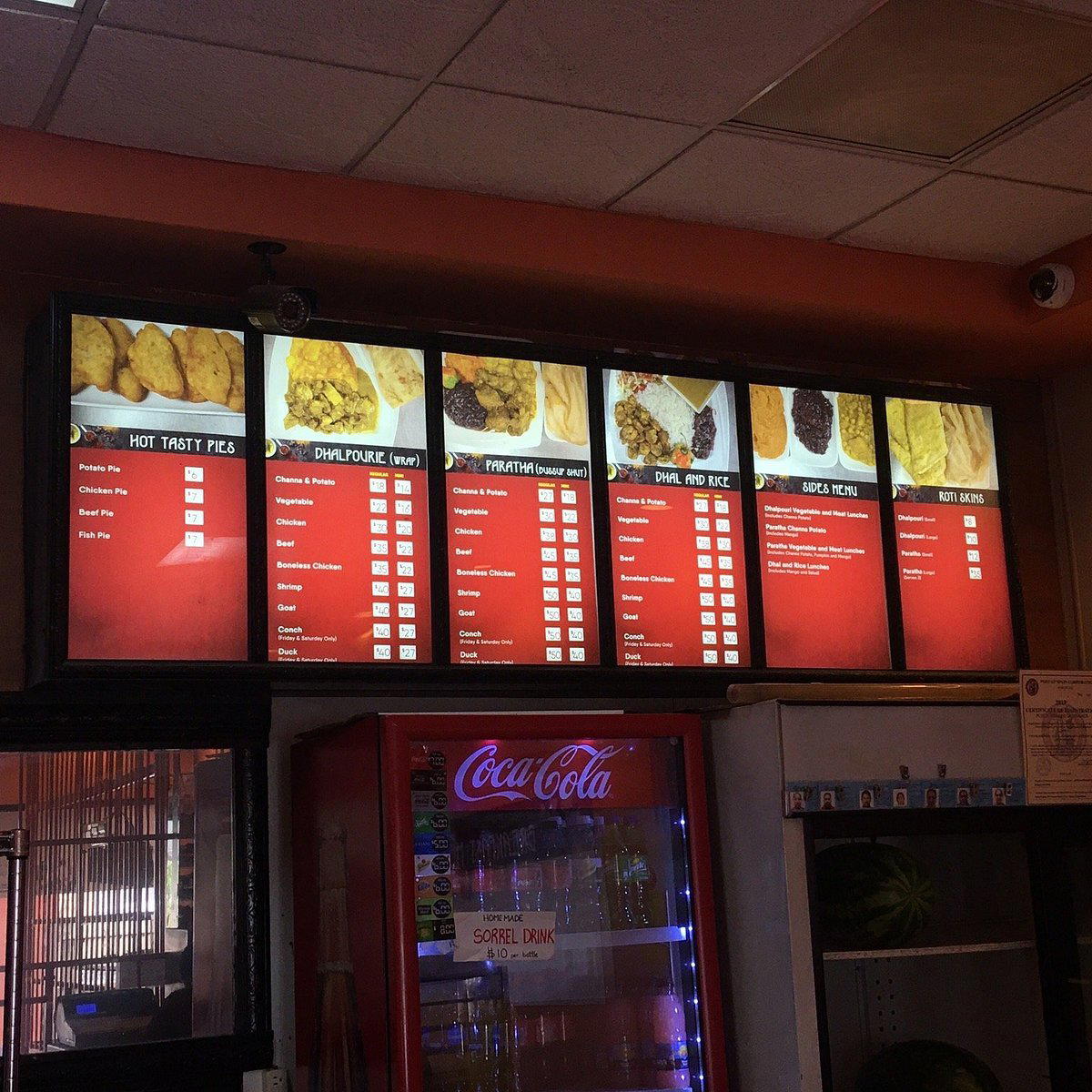
Morne Coco Road and the Grammar of Trinidadian Roti
Approach Morne Coco Road on any given morning and the signals are familiar to anyone who knows how Trinidad's leading roti shops operate: a functional space, minimal signage, and a queue that tells you more than any review could. Don's Roti Shop sits in Petit Valley, a residential district in the Diego Martin valley just west of Port of Spain, where the food culture runs on local loyalty rather than tourist traffic. The shop is the kind of place that earns its reputation block by block, meal by meal, over years of consistent execution.
Petit Valley is not a dining destination in the way that parts of Port of Spain have become. There are no tasting menus here, no wine programs, no dress codes. What the area has is a deeply practical food culture shaped by the communities that live in it, and roti shops occupy the centre of that culture in the same way that the corner bakery does in a French arrondissement. For visitors who have spent time at the polished end of Caribbean dining, Our full Petit Valley restaurants guide is worth reading before arrival, because the context changes what you notice.
The Sourcing Logic Behind Trinidadian Roti
Roti in Trinidad is inseparable from the agricultural and cultural inheritance of the island's Indo-Trinidadian population, whose ancestors brought flatbread traditions from the Indian subcontinent in the nineteenth century and adapted them to what the Caribbean landscape produced. The fillings at any serious roti shop reflect that adaptive logic: curried channa, aloo, pumpkin, goat, chicken, and duck are drawn from local farming and market supply chains that have operated for generations. The pepper sauces that accompany them, typically built on scotch bonnet or congo pepper, come from smallholders and home producers whose recipes are as location-specific as any terroir-driven ingredient in a Michelin-starred kitchen.
This sourcing structure means that roti quality in Trinidad is less about imported luxury and more about the freshness and calibration of what grows nearby. A well-made dhal puri relies on split peas ground and seasoned the day they are used. The curry that fills it draws on whole spices, often sourced from the same market vendors for years. At shops like Don's, which operate on volume and repeat custom rather than occasion dining, that supply relationship has to be consistent or the regulars disappear. The discipline that implied relationship demands is, in practical terms, a form of quality control that many higher-profile restaurants would recognise.
The contrast with the global fine dining circuit is instructive rather than competitive. At destinations like Atelier Moessmer Norbert Niederkofler in Brunico or Piazza Duomo in Alba, ingredient sourcing is foregrounded as editorial philosophy. At a Trinidadian roti shop, the same principle operates without the accompanying narrative: the food works or it does not, and the neighbourhood decides. Both approaches share a dependence on supply chains that are specific, relationship-based, and non-interchangeable.
Format, Tradition, and What You Are Actually Eating
Trinidadian roti splits into several distinct formats, and understanding the difference matters before you order. Dhal puri is the most technically demanding, made from two layers of dough with ground split peas folded between them before cooking on a tawa. It is soft, pliable, and carries curry without tearing. Buss-up-shut, named for the resemblance of its torn surface to a burst-up shirt, is a paratha-style flatbread beaten during cooking to create its layered, flaky texture. Sada roti is the plainer everyday format, served at breakfast with fried vegetables or choka. Each format has its advocates, and serious roti eaters in Trinidad hold firm opinions about which filling belongs with which bread.
The curry fillings themselves carry the same level of internal differentiation. Goat curry in Trinidad is slow-cooked with bone-in pieces, which is non-negotiable for anyone who grew up eating it that way. Chicken curry is faster, often lighter in body. Aloo (potato) and channa (chickpea) curries form the vegetarian core of the menu and are taken as seriously as the meat options. At shops operating in residential areas like Petit Valley, the menu reflects what the local population eats daily, which means the vegetarian options are not an afterthought but a central part of the offer.
The comparison with doubles, Trinidad's other great street food, is worth making. Ali's Doubles in Princes Town represents a different tradition: bara (fried dough) with curried channa, eaten standing up, priced for daily consumption. Roti shops occupy a slightly different occasion, often a sit-down or takeaway meal rather than a quick street snack, with a broader filling range and a more substantial eating format. Both are expressions of the same Indo-Trinidadian culinary inheritance, operating at different points on the day's timeline.
Petit Valley as Context
Diego Martin valley, of which Petit Valley forms part, has a food culture that runs parallel to Port of Spain without being subordinate to it. Locals do not cross the city for a roti when the neighbourhood shop is performing. That insularity is what maintains standards: there is no tourist buffer to absorb a bad day. At places like Don's, the customer base is the community, and the community has long memory.
For visitors arriving from Port of Spain, the drive along the Western Main Road and up into the valley is direct by Trinidadian standards, manageable by car or maxi taxi. Roti shops in this part of the island typically operate through the morning and into the afternoon, with the busiest window around breakfast and lunch. Arriving early gives the leading access to the full range of filling options before popular curries sell out, which is a common pattern at high-turnover neighbourhood shops across Trinidad.
The broader Trinidad dining picture, for those cross-referencing their itinerary, includes more formal options in Port of Spain. La Cantina in Port of Spain sits at a different register entirely, as does the range of internationally recognised restaurants accessible for those extending their trip to other cities. Fine dining references like Le Bernardin in New York City, Lazy Bear in San Francisco, Atomix in New York City, Jordnær in Gentofte, Uliassi in Senigallia, Waterside Inn in Bray, Reale in Castel di Sangro, Quattro Passi in Marina del Cantone, HAJIME in Osaka, Dal Pescatore in Runate, Quique Dacosta in Dénia, Le Calandre in Rubano, and Emeril's in New Orleans operate in a separate category and a separate conversation, but the underlying discipline of sourcing that drives them is not absent from the roti shop on Morne Coco Road. It is simply expressed without a PR team.
Planning Your Visit
Don's Roti Shop is located on Morne Coco Road in Petit Valley, Trinidad. Specific hours, pricing, and booking information are not published online, which is consistent with how neighbourhood roti shops across Trinidad operate: walk-in, cash-preferred, and oriented toward local regulars. Arriving in the morning window gives the broadest choice of fillings. The shop is accessible by car from Port of Spain in under thirty minutes depending on traffic on the Western Main Road, and by public transport via the Diego Martin maxi taxi route.
Continue exploring
More in Petit Valley

At a Glance
- Rustic
- Cozy
- Casual Hangout
- Family
- Standalone
- Mountain
Current opening hours
- Monday
- 9 AM–7:30 PM
- Tuesday
- 9 AM–7:30 PM
- Wednesday
- 9 AM–7:30 PM
- Thursday
- 9 AM–7:30 PM
- Friday
- 9 AM–7:30 PM
- Saturday
- 9 AM–7:30 PM
- Sunday
- Closed
Hours can change for holidays and private events. Last verified .
Casual, informal roadside eatery with a homely, unpretentious atmosphere amid far-reaching mountain valley views.
Know Before You Go
- Getting there
- Morne Coco Rd, Petit Valley, Trinidad & Tobago