Corso Italia sits within Genoa's layered dining scene, where Ligurian ingredient traditions shape the plate as much as any kitchen technique. The address places it in a city that has fed sailors, merchants, and traders for centuries, and that history still informs what arrives at the table. For visitors working through Genoa's restaurants, it earns a place in the conversation.
Pearl is the En Primeur Club membership app — saves, bookings, and concierge access live there. Same editors, same standards.
- Address
- Genoa, Metropolitan City of Genoa, Italy
- Directions
- Get directions
 Saves & bookings on Pearl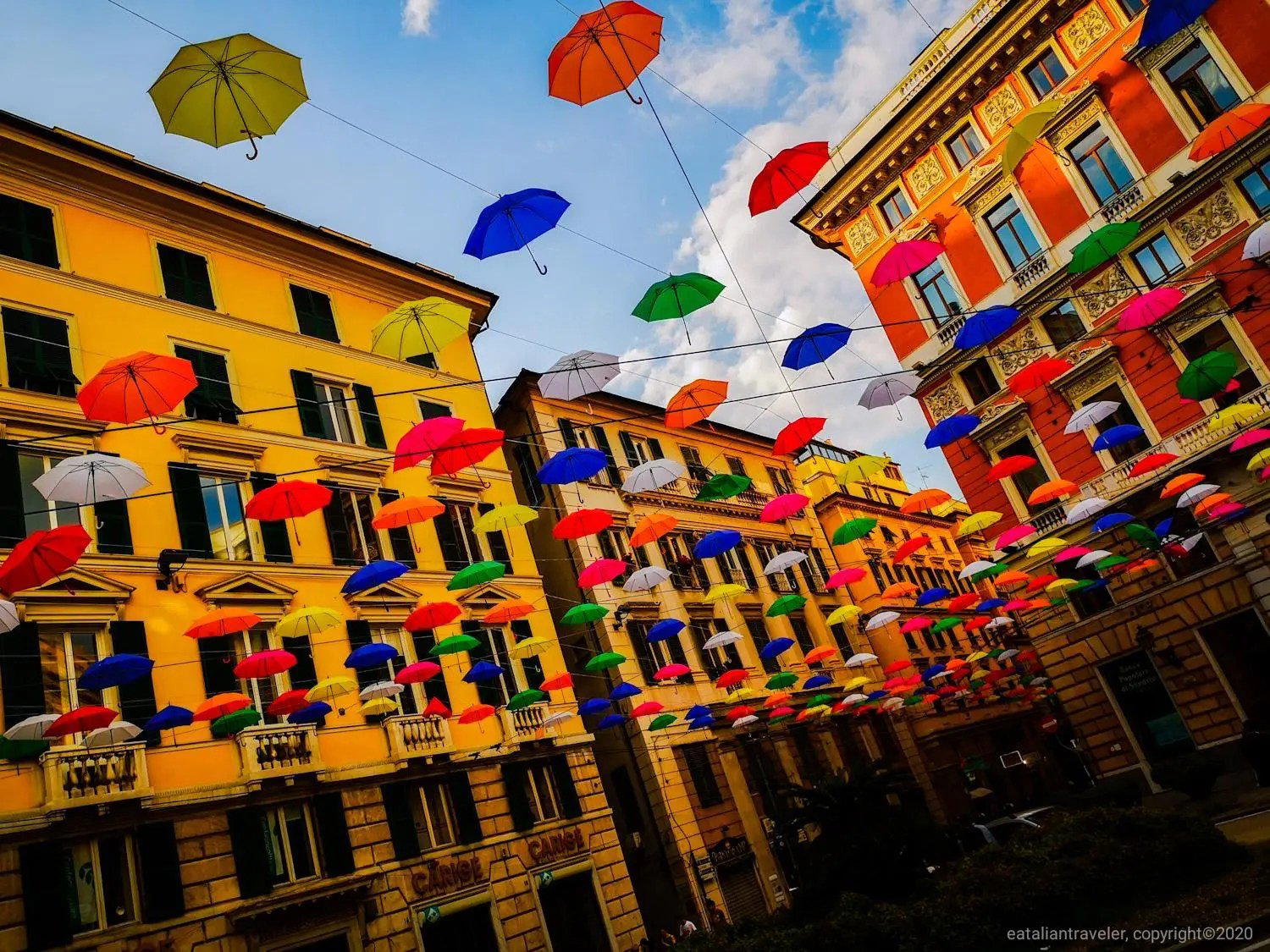
Where the Port City Sets the Table
Genoa approaches food differently from Italy's more photographed dining cities. There is no performance of abundance here, no theatrical tableside service inherited from French classicism. What defines the Ligurian table is restraint born from scarcity: a coastline that offers fish but little flat farmland, hillsides that yield herbs and olives rather than grain, and a trading history that brought spices and preserved ingredients into a kitchen culture already inclined toward economy. Corso Italia operates within that tradition, a Genoese address shaped by the same forces that have defined the city's cooking for generations.
The street itself runs along the Foce waterfront, the stretch of Genoa that faces the Ligurian Sea rather than the container port. This is the residential and commercial spine of a neighbourhood that sits between the old city's caruggi and the quieter eastern districts. Walking toward the water here, the smell of salt air and the sound of traffic give way to something calmer. The setting matters because in Genoa, context is inseparable from the food: you are always eating a city that was once one of the Mediterranean's great commercial powers, and that history is still visible in the ingredients that reach the kitchen.
Liguria's Sourcing Logic and Why It Shapes the Plate
The editorial angle that most honestly frames Genoese dining is not technique or format but sourcing. Ligurian cuisine draws from a narrow but precise geography. The sea provides fish that rarely travels far before service: anchovies from Monterosso, a protected designation under Italian law; trofie pasta made with flour from local mills and paired with basil grown in the greenhouses of Prà, which supplies a significant portion of Italy's certified Genovese basil. The hills behind the city add pine nuts and the specific variety of Taggiasca olives that produce the region's characteristic oil, lighter and less bitter than Tuscan alternatives.
This sourcing logic is not marketing language in Liguria. It is the structural grammar of the cuisine. A kitchen that ignores Prà basil in its pesto is making a different dish, not a cheaper version of the same one. A restaurant that sources anchovies from outside the Ligurian arc is working with a different ingredient in terms of fat content, cure time, and salinity. For the diner, this means that ingredient provenance in Genoa functions as a quality signal in a way that is more specific and verifiable than in many Italian cities. The question worth asking at any Genoese table is not how the chef trained but where the raw materials came from that morning.
Italy's most recognised dining addresses, from Osteria Francescana in Modena to Enoteca Pinchiorri in Florence, have built their reputations partly on articulating regional ingredient relationships at a high level of precision. Genoa's scene operates on that same principle but without the same international visibility, which keeps expectations calibrated differently. The comparison set for Corso Italia is local: Il Marin, which occupies the upper tier of Genoese seafood dining at €€€, and San Giorgio, which approaches Ligurian ingredients through a modern cuisine lens at the same price bracket. The Cook operates at €€€€ and represents the city's highest price point for modern Italian cooking.
The Genoese Mid-Market and What It Offers
Genoa's dining scene splits broadly into three tiers. At the leading, a small cluster of addresses with formal service and modern technique: The Cook and San Giorgio occupy that space. Below them, a more populated middle ground of trattorias and osterie where traditional Ligurian dishes are executed with varying degrees of seriousness. Below that, the street-level farinata and focaccia economy, which is genuinely worth understanding on its own terms but belongs to a different conversation. Corso Italia sits within this broader mid-market geography, where the consistency of sourcing and the fidelity to Ligurian technique matter more than format innovation.
Within that tier, the relevant comparisons include 20Tre, which applies a farm-to-table framing to Ligurian ingredients, and Al Giardino Degli Indoratori, which draws on the historic centro storico setting. The mid-market in Genoa rewards visitors who understand what they are ordering. A cappon magro, the elaborate Ligurian seafood and vegetable salad layered on a base of hardtack and dressed with a green herb sauce, is not a simple dish to execute and its quality varies sharply across the city. Similarly, the gap between a pesto made with certified Prà basil and one made with generic product is large enough that the sourcing question is worth raising before ordering.
Italy's coastal dining tradition, well represented at addresses like Uliassi in Senigallia and Quattro Passi in Marina del Cantone, consistently demonstrates that proximity to the source of a key ingredient is a structural advantage. Genoa's position at the centre of the Ligurian arc means that advantage exists here in a form that is difficult to replicate elsewhere in Italy. Il Marin has built its identity explicitly around this logic. The restaurant draws from the same geographic proposition.
Planning a Visit
Genoa is accessible by high-speed rail from Milan in approximately ninety minutes, making it a practical day trip or short stay for travellers already in northern Italy. The city's airport, Cristoforo Colombo, handles direct European connections, though it is small enough that rail remains the primary entry point for most visitors. The Foce neighbourhood where the restaurant is located sits east of the centro storico and is walkable from the main Genova Brignole station in under twenty minutes, or a short taxi ride from Genova Piazza Principe.
Spring and early autumn are the periods when Ligurian ingredients are at their most expressive. Basil peaks in summer, but the shoulder seasons bring better fish variety and milder conditions for eating along the waterfront.
At-a-Glance Comparison
Comparable venues nearby, for context on price, style, and recognition.
| Venue | Cuisine | Price | Notes |
|---|---|---|---|
| Corso ItaliaThis venue — the venue you are viewing | Ligurian Seafood | $$$ | Not listed |
| Caffè degli Specchi | Italian Ligurian Café | $$ | Centro Storico |
| Bigo Cafè Genova | Italian Pizza & Seafood | $$ | Sottoripa |
| La Buca di San Matteo | Traditional Ligurian Seafood | $$ | Sottoripa |
| Via Fieschi, 29 | Italian Apericena Cafe | $ | Foce |
| Sà Pesta | Traditional Ligurian Trattoria | $$ | historic center |
Continue exploring
More in Genoa
Restaurants in Genoa
Browse all →
Bars in Genoa
Browse all →
Hotels in Genoa
Browse all →

At a Glance
- Scenic
- Dinner
- Waterfront
- Waterfront
Coastal atmosphere with sea views, suitable for relaxed dining.