La Brunilda occupies a narrow address in Seville's Casco Antiguo, operating in the tradition of the tapas bar as a serious dining format rather than a pit stop. The kitchen works within Andalusian ingredients and technique, placing it in a mid-tier competitive set alongside bars that take the tapa as a considered plate. Booking ahead is advisable for evening service.
Pearl is the En Primeur Club membership app — saves, bookings, and concierge access live there. Same editors, same standards.
- Address
- C. Galera, 5, Casco Antiguo, 41002 Sevilla, Spain
- Phone
- +34954220481
- Website
- labrunildatapas.com
- Directions
- Get directions
 Saves & bookings on Pearl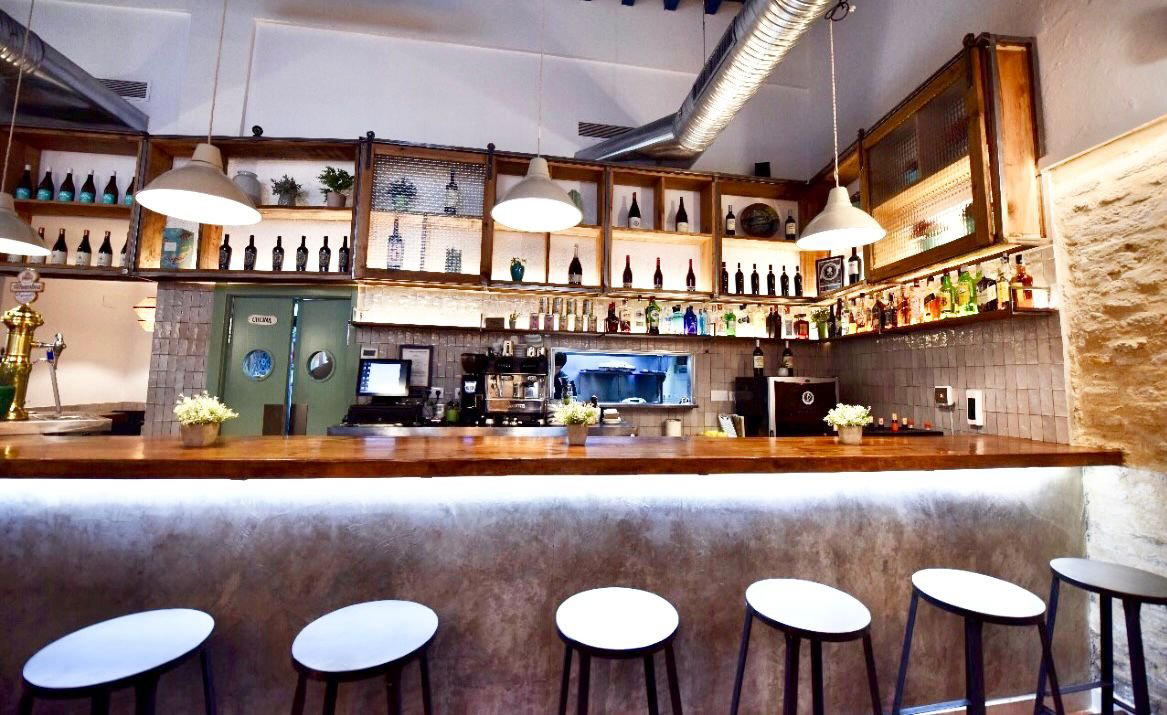
The Tapa as a Considered Format
Seville's relationship with the tapa is not decorative. In this city, the small plate is the primary dining register, not a preamble to something more substantial. The leading bars in the Casco Antiguo operate on a different logic than the raciones houses of Madrid or the pintxos counters of San Sebastián: the portion size is modest, the pace is social, and the kitchen's credibility is measured in discipline rather than ambition. La Brunilda is a restaurant in Seville's Casco Antiguo serving Modern Spanish Tapas at a price around $25 per person. La Brunilda, on Calle Galera in the old quarter, works within that tradition. The room is compact, the tables close together, and the approach fits the broader pattern of Sevillian bars that take the tapa seriously as a finished plate.
Those formats have their place elsewhere in the country: at Abantal, Seville's sole Michelin-starred address, which operates at the formal, creative end of the spectrum; or further afield at houses like El Celler de Can Roca in Girona, DiverXO in Madrid, or Mugaritz in Errenteria. La Brunilda does not operate in that register, and that is not a weakness. It belongs to the tradition of the neighbourhood bar that has refined its offer to the point where it competes on quality of execution rather than spectacle.
The Casco Antiguo Setting
Calle Galera sits within the dense street grid of Seville's historic centre, where the city's most-visited tapas addresses tend to cluster around the Arenal and Santa Cruz districts. The physical environment in this part of Seville is consistent: whitewashed walls, ceramic tile work, rooms that fill quickly after 8pm and hold a particular noise level that functions as part of the experience rather than against it. The restaurant fits within this architectural register. The bar itself anchors the room in the Andalusian tradition, where ordering directly from the counter and standing with a glass of fino are as valid as taking a table.
The evening crowd in bars like this reflects a cross-section that broader hospitality commentary often gets wrong. Sevillian tapas culture at the quality end draws locals and visitors in roughly equal proportion, but the locals set the pace and the expectations. A room that holds tourists exclusively tends to drift in quality; one that retains its neighbourhood regulars does not. The distinction is worth holding in mind when choosing between addresses in this part of the city.
Where La Brunilda Sits in Seville's Dining Map
Seville's mid-tier casual dining has developed a recognisable character over the past decade. One credible addresses in this tier sit between the purely traditional taberna format and the contemporary Andalusian idiom represented by places like Az-Zait and Balbuena y Huertas. The restaurant occupies the centre of that range: the cooking draws on regional produce and established Andalusian technique without framing itself as revisionist or avant-garde.
The comparison with Cañabota, which works at the higher end of the seafood-focused tier, is useful. Cañabota prices and presents itself as a destination; the restaurant operates more quietly, at a price point consistent with the broader tapas bar category. Almansa · Pasión & brasas represents a different axis entirely, built around the asador format, while the contemporary-Andalusian register at places like Sobretablas occupies a comparable casual price band. The restaurant's comparable set is bars where the product matters and the format remains unpretentious.
The tapas bar tradition that restaurant represents is a different system entirely, with different rules about pacing, pricing, and what counts as success.
The Cultural Roots of the Sevillian Tapa
The tapa in its Sevillian form carries a specific social logic that distinguishes it from small-plate culture in cities that have adopted the format as an aesthetic choice. In Seville, the convention developed as a function of climate and timing: eating small portions over extended evening hours, in rooms that allow circulation and conversation, is a response to a city that comes alive late and socialises loudly. The cultural weight of this format means that a bar operating seriously within it is not making a minimalist statement; it is participating in something genuinely embedded in how the city eats.
This is relevant to understanding what the restaurant is doing. The bar does not need a Michelin star or a tasting menu to justify its position. It operates in a format that Seville's own food culture treats as primary. The marker of quality here is consistency of produce, precision in the kitchen, and the ability to hold a room's attention with plates that are small in size but considered in execution. That is a harder standard than it appears, because in a city this saturated with tapas bars, the difference between a credible address and a forgettable one is visible within two or three plates.
For context on how the tapas format compares internationally, the gap between this kind of bar and destination restaurants in other cities, whether Le Bernardin in New York or Cocina Hermanos Torres in Barcelona or Atomix in New York, is not a gap in ambition but a difference in format logic. The tapa bar is not trying to be those things.
Planning Your Visit
The restaurant is located at Calle Galera 5, in the Casco Antiguo district of Seville. The address is walkable from the cathedral and the Arenal neighbourhood. Arriving before the evening rush, typically before 9pm on weekdays, improves the chance of securing a table without a wait. Given the bar's standing in the city's mid-tier quality bracket, it draws consistent foot traffic and tables do turn; however, a reservation through the venue is the more reliable approach, particularly at weekends.
Cost and Credentials
Comparable venues nearby, for context on price, style, and recognition.
| Venue | Cuisine | Price | Awards | Notes |
|---|---|---|---|---|
| La BrunildaThis venue — the venue you are viewing | Museo, Modern Spanish Tapas | $$ | Not listed | Not listed |
| El Rinconcillo | Santa Cruz, Traditional Andalusian Tapas | $$ | Not listed | Not listed |
| Ispal | San Bernardo, Modern Sevillian Tapas | $$$ | Not listed | Not listed |
| Mareantes Cervecería | Santa Cruz, Dining | Not listed | Not listed | Not listed |
| Restaurante El Pintón | Santa Cruz, Modern Mediterranean Tapas | $$ | Not listed | Not listed |
| DESACATO | Not listed | $$$ | Michelin Plate | Encarnación-Regina, Irreverent Andalusian-Basque Fusion |
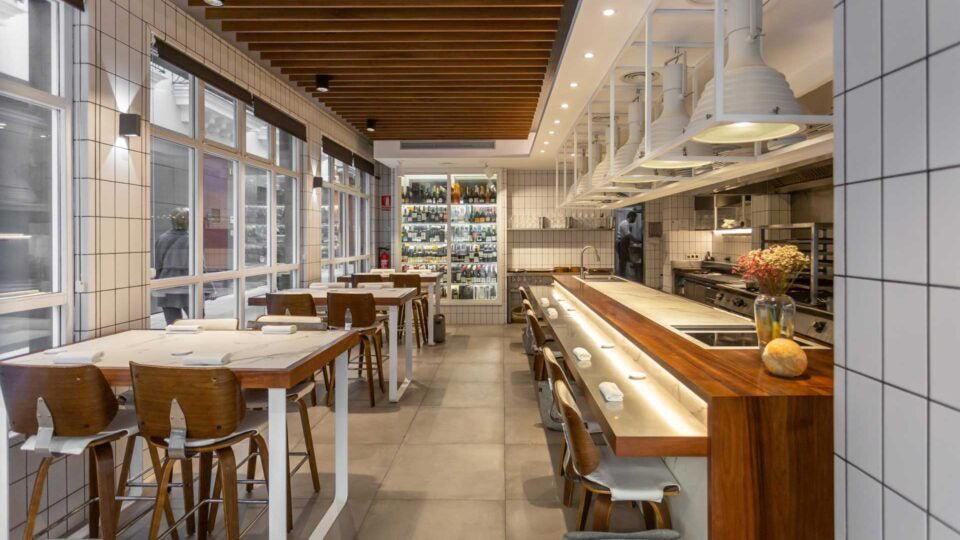
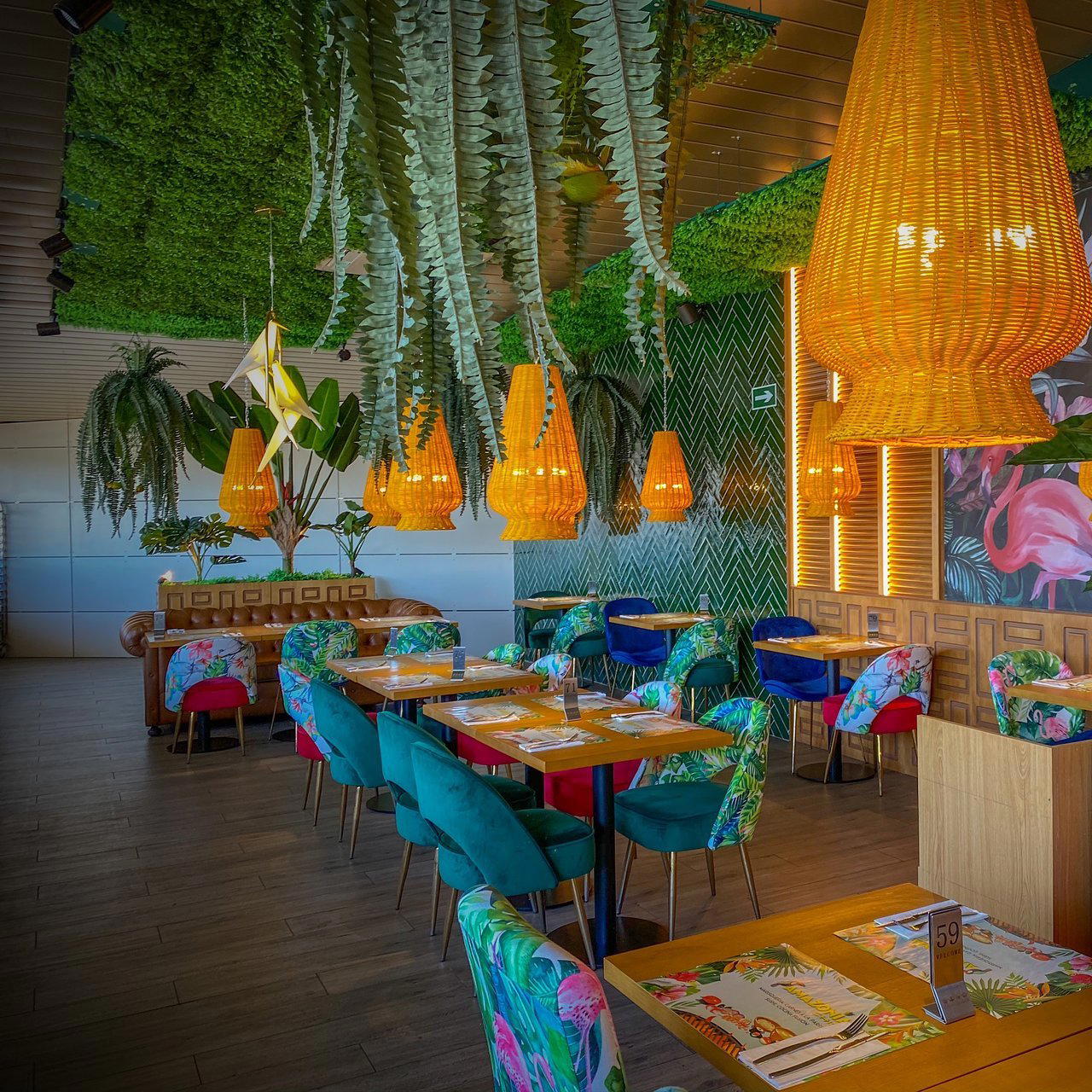
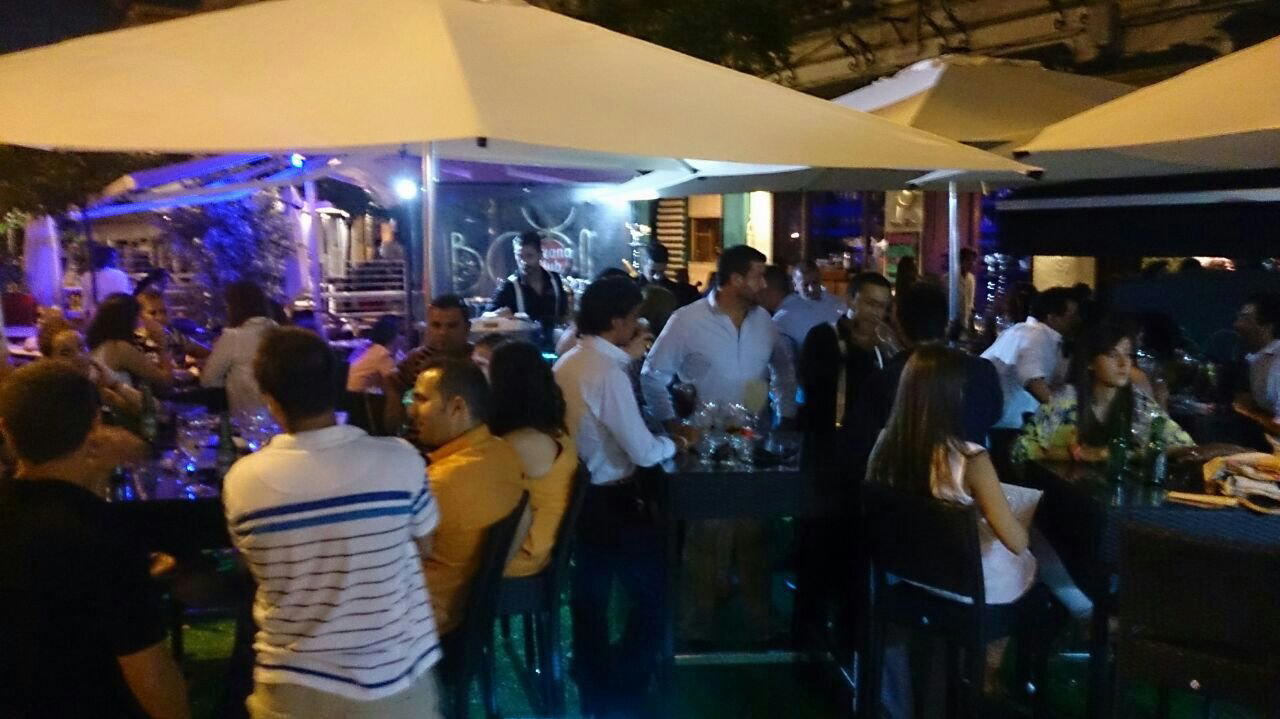
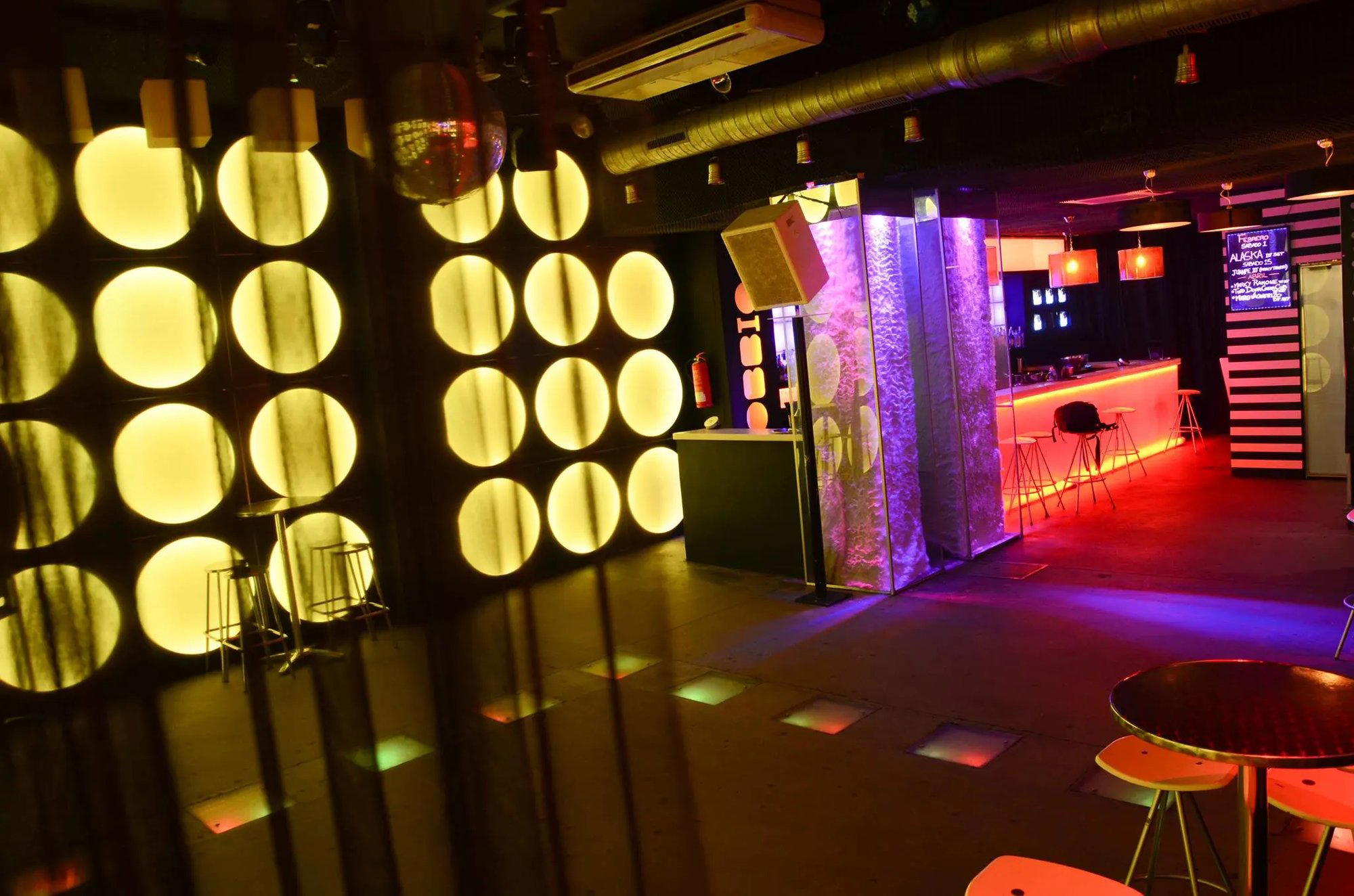
At a Glance
- Cozy
- Rustic
- Lively
- Casual Hangout
- Date Night
- Group Dining
- Open Kitchen
- Extensive Wine List
Current opening hours
- Monday
- 1:30–4:30 PM, 8:30–11:30 PM
- Tuesday
- 1:30–4:30 PM, 8:30–11:30 PM
- Wednesday
- 1:30–4:30 PM, 8:30–11:30 PM
- Thursday
- 1:30–4:30 PM, 8:30–11:30 PM
- Friday
- 1:30–4:30 PM, 8:30–11:30 PM
- Saturday
- 1:30–4:30 PM, 8:30–11:30 PM
- Sunday
- 1:30–4:30 PM, 8:30–11:30 PM
Hours can change for holidays and private events. Last verified .
Charming and cozy with a busy, buzzy atmosphere from simple tables, chalkboard menu, and attentive service.