

Michelin Plate · Guía Repsol 1 Sol
Our verdict
Inside a 19th-century mansion on the outskirts of Granada, chef Chechu González runs a single tasting menu built around the acidic traditions of a former vinegar-producing estate. Seasonal produce from the Granada region anchors every course, with escabeches and Mozarabic-inflected sauces providing the kitchen's most distinctive register. A Michelin Plate holder in both 2024 and 2025, it occupies the mid-range creative tier of Granada's dining scene.

Pearl is the En Primeur Club membership app, where members save venues, book tables and use the concierge.
The menu
What to order
- Quisquilla de Motril en escabeche de naranja
- Rape en salsa mozárabe
A Former Vinegar House, Still Tasting of the Past
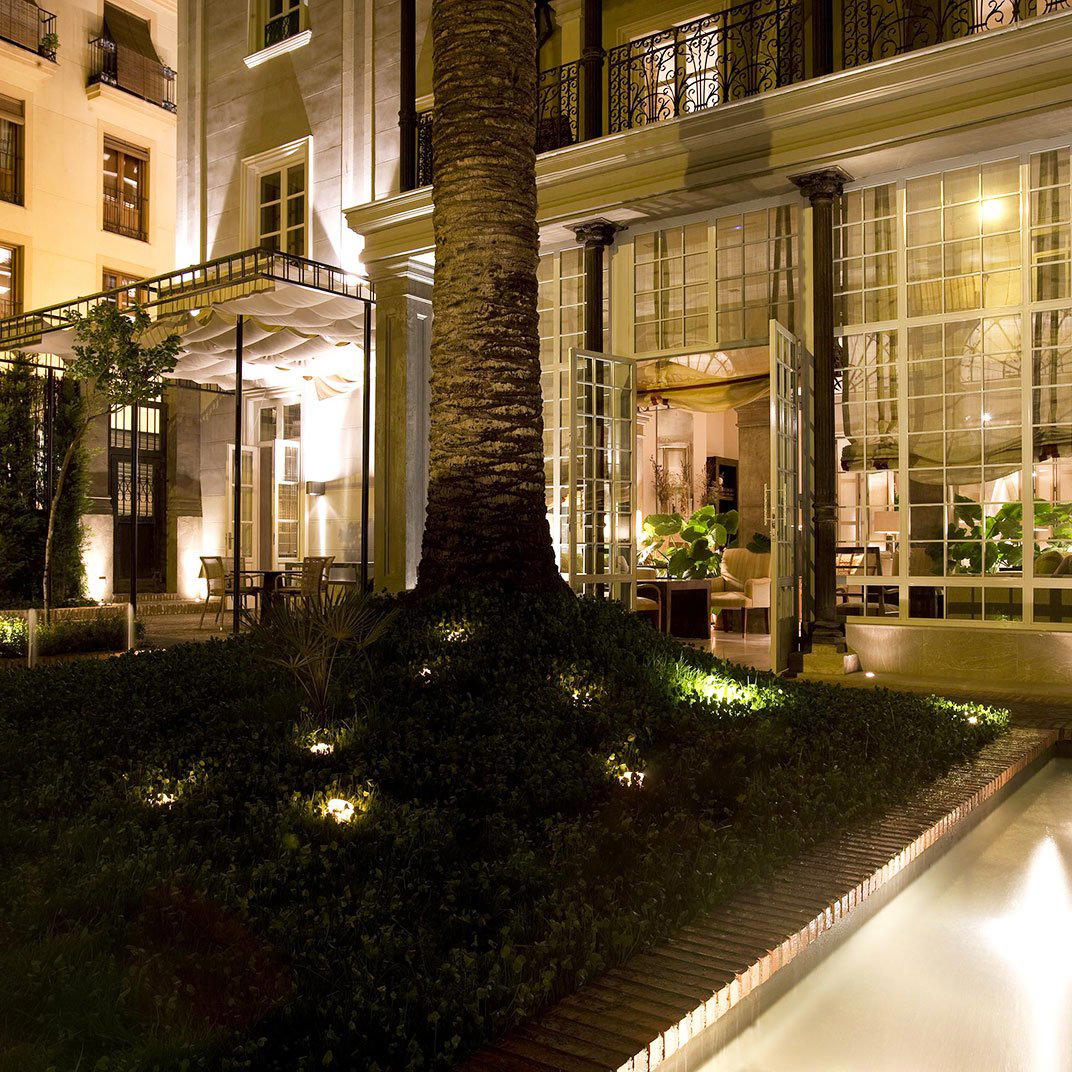
The building arrives before the menu does. Paseo de Ntra. Sra. de la O sits along one of Seville's quieter residential stretches, though the kitchen draws its identity firmly from Granada, where chef Chechu González sources the seasonal produce that structures each course. The 19th-century mansion carries its age without apology: its proportions belong to another era, and the contemporary interior treatment inside creates a deliberate friction between old fabric and present-tense cooking. That tension is, in fact, the point.
What keeps regulars returning to a place like this is rarely the novelty of any single dish. It is, more often, the coherence of a culinary argument sustained across a full tasting menu, the sense that every plate belongs to the same conversation. At María de la O, that conversation has a very specific subject: acidity, its history in this building, and what it can do to a piece of fish or a marinated shrimp when handled with precision. The estate's past as a vinegar-producing property is not decorative backstory; it is the structural logic of the menu.
What the Tasting Menu Actually Does
Granada's contemporary dining scene sits at an interesting pressure point between Andalusian tradition and the technical ambitions filtering down from Spain's northern creative centres. Venues like Arriaga and Atelier Casa de Comidas have staked positions in the contemporary Spanish register at a similar price tier, while places like Albidaya push the farm-to-table logic in a more ingredient-forward direction. María de la O's tasting menu sits in its own lane: the format is fixed, the philosophy is ingredient-led, but the technique through which produce arrives on the plate is more deliberate than casual.
The menu revolves exclusively around a tasting format, though the kitchen allows a two-course reduction on request, a flexibility that acknowledges different appetites without diluting the overall structure. The Michelin Guide has awarded the restaurant its Plate recognition in both 2024 and 2025, a signal that the cooking meets the inspectors' threshold for quality at every plate, even if it does not yet carry a star. Within Granada's tasting-menu bracket, that standing places María de la O among the addresses worth tracking.
The escabeches are the kitchen's most distinctive output. Escabeche as a technique, the acidic marinade with roots running through Moorish and medieval Iberian cooking, appears across Andalusia, but relatively few kitchens deploy it as their conceptual centre of gravity rather than as a supporting element. Here it is foregrounded deliberately. The Motril shrimp marinated in orange escabeche is the clearest expression: Motril, on Granada's Costa Tropical, produces shrimp with a sweetness that absorbs acidic treatment differently than Atlantic varieties. The orange escabeche applies citric brightness rather than vinegar's sharper edge, which reflects the kitchen's interest in contrast rather than uniformity of flavour.
Monkfish in Mozarabic sauce, built from orange, carrot and warm spices, points toward the same architectural logic from a different direction. Mozarabic cuisine, the cooking that developed among Christian communities living under Moorish rule in medieval Iberia, relied on the same sweet-acid-spice registers that define this kitchen. González is not making historical recreation dishes; he is using the region's culinary memory as a flavour grammar rather than a script.
The Regulars' Understanding
Restaurants with a single tasting menu format demand a particular relationship with their repeat visitors. There is no à la carte fallback, no habit of ordering the same starter and a different main. Returning to a tasting-menu kitchen means trusting its seasonal revision, that the menu you ate six months ago will have shifted enough to justify the same commitment of time and spend.
At the €€ price point, María de la O occupies an accessible tier relative to the broader tasting-menu category in Spain. Compared to the investment required at houses like El Celler de Can Roca in Girona or Quique Dacosta in Dénia, or the more theatrical registers of DiverXO in Madrid and Arzak in San Sebastián, this is serious cooking at a price that encourages regular visits rather than once-a-year occasions. That accessibility shapes the clientele: this is not primarily an occasion restaurant visited on anniversaries. It draws people who treat the tasting menu as a seasonal update, arriving to see how the kitchen has revised its argument as the Granada markets change.
Regulars factor this in.
Placing It in the Broader Granada Scene
Granada's dining culture is not monolithic. The tapas tradition remains dominant, Bar Los Diamantes and Bar FM represent the informal register that most visitors encounter first, but a smaller tier of creative restaurants has been building a more substantial case for the city as a serious dining destination. María de la O sits within that tier, alongside comparable-format venues that share the Michelin Plate bracket. For those also following traditional cuisine formats in other Spanish and European contexts, Auga in Gijón and Auberge Grand'Maison in Mûr-de-Bretagne offer instructive parallels, kitchens where regional ingredient identity shapes the cooking's character as much as any technical ambition.
The Andalusian seafood axis that runs from Aponiente in El Puerto de Santa María through the coastal towns of the Costa Tropical finds a Granada interior expression in González's approach to fish: the Motril shrimp and the monkfish both arrive from that coastline, treated with the spice and acid registers of the city's landlocked culinary history. It is a small but specific claim on Spanish regional cooking, and it is one the kitchen makes with enough consistency to justify the Michelin recognition it has received.
Planning Your Visit
Reservations are the practical priority. Book ahead rather than arriving speculatively. The two-course flexibility is worth raising at booking if appetite or time is a constraint. The €€ price range places it within comfortable reach for most visitors who have already budgeted for a quality dinner, without the advance planning required at Spain's most sought-after tasting-menu addresses. For a broader view of what Granada's dining and hospitality scene offers, see our full Granada restaurants guide, our Granada hotels guide, our Granada bars guide, our Granada wineries guide, and our Granada experiences guide. And for kitchens in Granada at the same price tier working with different format approaches, Azurmendi in Larrabetzu offers a useful benchmark for how Basque Country tasting-menu thinking compares to Andalusia's more ingredient-quiet approach.
Frequently asked questions
What does dinner at María de la O typically cost?
Pricing at María de la O is listed as €€.
Do I need a reservation for María de la O?
Yes. The tasting-menu-only format means the kitchen cooks to a fixed number of covers each service, leaving no room for walk-ins. With over 1,700 reviews accumulated, the restaurant draws consistent demand, so booking ahead is the practical baseline before any visit.
What's the signature at María de la O?
The escabeches. Chef Chechu González uses acidic sauces as the through-line of his cooking, a reference to the building's past as a vinegar-producing property. The Motril shrimp in orange escabeche distils that concept most directly: a dish where the architecture of the house and the logic of the menu converge.
Awards and Standing
| Venue | Cuisine | Price | Awards | Notes |
|---|---|---|---|---|
| María de la OThis venue (the venue you are viewing) | Modern Spanish Acidic Cuisine | $50–100 | Michelin Plate · Guía Repsol 1 Sol | Not listed |
| Atelier Casa de Comidas | Modern Andalusian Contemporary | $50–100 | Michelin Plate · Guía Repsol 1 Sol | Spanish, Contemporary |
| Bar FM | Premium Spanish Seafood & Fish | $50–100 | Michelin Plate · Macarfi 8.5 Food Rating | Seafood Small Plates |
| Bar Los Diamantes | Traditional Spanish Seafood Tapas | $10–20 | Not listed | Tapas Bar |
| Bodegas Castañeda | Traditional Spanish Tapas | $20–30 | Not listed | Tapas Bar |
| Cala | Modern Mediterranean Tasting Menu | $50–100 | Michelin Plate · Macarfi 7.9 Food Rating | Mexican, Modern Cuisine |
Recognition history
Dated appearances from independent guides and award organizations, with the underlying list record or original source where available.
Michelin Plate
Michelin
Guía Repsol 1 Sol
Guía Repsol
Full recognition history (4 entries)
Michelin Plate
Michelin
Michelin Plate
Michelin
Continue exploring
More in Granada
Restaurants in Granada
All restaurants in Granada →
Bars in Granada
All bars in Granada →


Details
- Elegant
- Sophisticated
- Intimate
- Classic
- Date Night
- Special Occasion
- Historic Building
- Extensive Wine List
- Sommelier Led
- Local Sourcing
- Tasting Menu
- Vegetarian Friendly
Current opening hours
- Monday
- 8–10:30 PM
- Tuesday
- 8–10:30 PM
- Wednesday
- 8–10:30 PM
- Thursday
- 8–10:30 PM
- Friday
- 1:30–3:30 PM, 8–10:30 PM
- Saturday
- 1:30–3:30 PM, 8–10:30 PM
- Sunday
- 1:30–3:30 PM, 8–10:30 PM
Hours can change for holidays and private events. Hours as of .
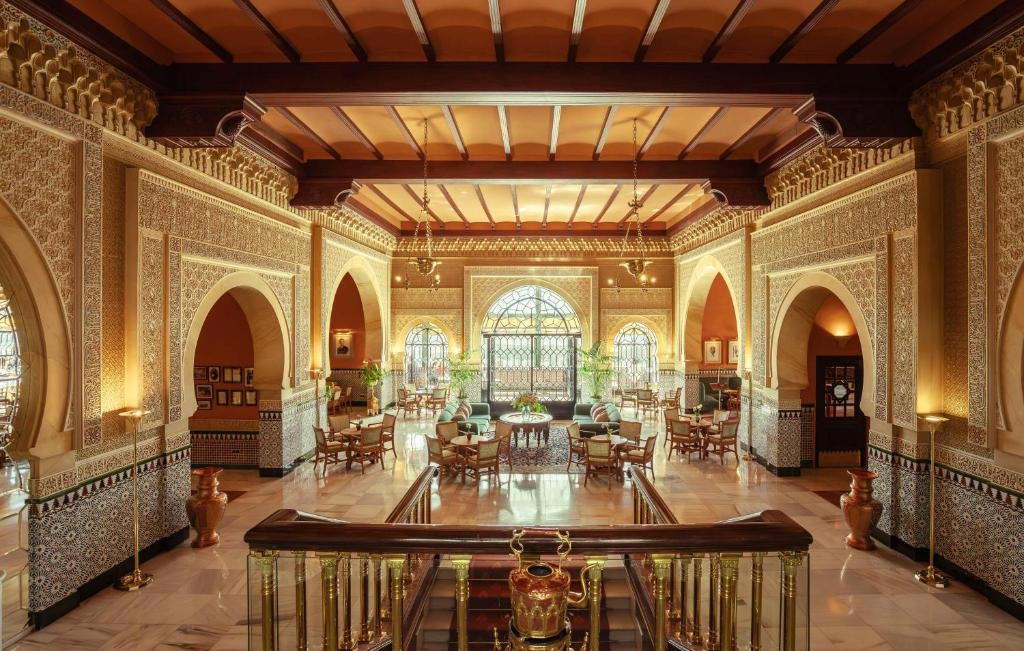
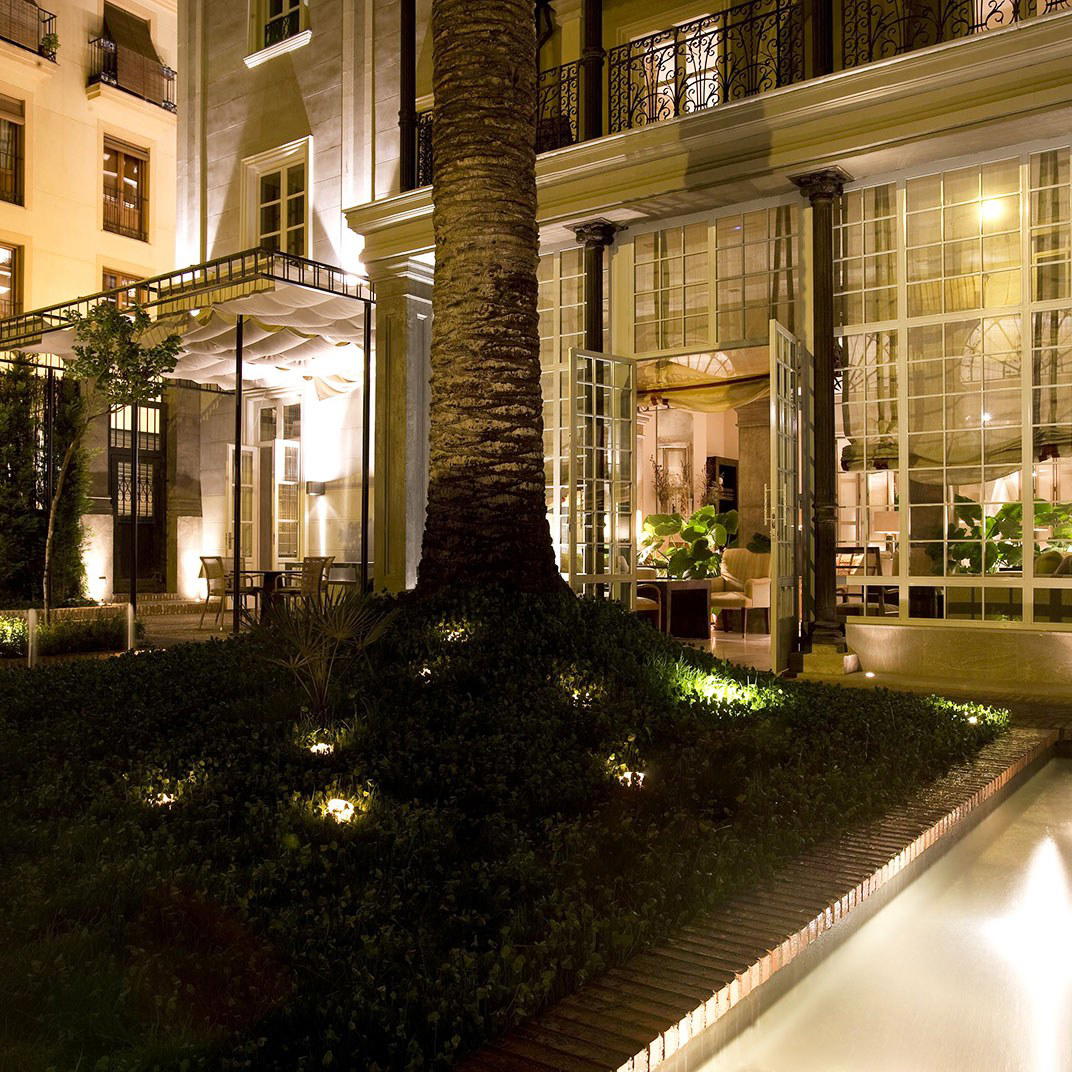
Contemporary and elegant atmosphere in a historic palacete with careful attention to ambientation, spacious dining rooms, and a welcoming, unhurried service.