
Michelin Plate
Our verdict
A Michelin Plate-recognised Belgian brasserie on Place Victor Horta in Saint-Gilles, La Brasserie de la Gare sits in the mid-range tier where classic Belgian dining customs hold firm. Two consecutive Michelin Plates (2024, 2025) signal consistent kitchen execution. For a neighbourhood meal anchored in tradition rather than novelty, it represents a considered choice in a city district with strong culinary competition.

Pearl is the En Primeur Club membership app, where members save venues, book tables and use the concierge.
The menu
What to order
- Duck a l'orange
- Feuilleté de poularde
- Merveilleux
A Square, a Station, a Ritual
Place Victor Horta has the particular geometry of Belgian civic squares that were built around transit: a point of arrival that becomes, over decades, a point of residence. The brasserie format that grew up alongside these squares follows its own geometry too, one shaped less by fashion than by the rhythms of the neighbourhood itself. Guests arrive, they are seated, a certain order of events unfolds. There is breadth on the menu, but also a familiarity in how that menu is meant to be used. At La Brasserie de la Gare, that structure is the point.
The Belgian brasserie as a format occupies a specific cultural register, distinct from the French model it partly resembles and distinct from the casual café-restaurant hybrid that crowds many Belgian town centres. It is a space designed for the full duration of a meal taken seriously: aperitif, starter, main, perhaps a cheese or dessert, coffee. No single course is rushed, none is skipped without social consequence. The pacing is embedded in the architecture of service itself.
Michelin Recognition in a Mid-Range Frame
In Belgium's recognition ecosystem, the Michelin Plate marks a kitchen that executes its format with consistency and care, without reaching for the tasting-menu complexity that draws stars. La Brasserie de la Gare has held that designation in both 2024 and 2025, which in a country with a rigorous inspection culture is a signal worth reading carefully. It does not place the kitchen in the same conversation as Hof van Cleve in Kruishoutem or Boury in Roeselare, both operating at three-star level with entirely different price points and booking windows. Nor does it compete with the technically ambitious cooking at Zilte in Antwerp or the coastal precision of Willem Hiele in Oudenburg.
What two consecutive Plates do signal is that the kitchen maintains a standard that survives re-inspection. For a neighbourhood brasserie priced in the accessible mid-range (€€), that sustained recognition is the relevant credential. The comparison class is not fine dining; it is the larger body of Belgian restaurants that aim for the same register but fall short of Michelin's threshold for recognition.
Within Saint-Gilles and the broader Berchem area, the price tier sits below the creative and modern French tables. Decan and Soixante both operate at €€€, positioning their menus at a higher spend and a different kind of occasion. La Brasserie de la Gare, at €€, occupies the tier where frequency is possible and where a Tuesday dinner is as plausible as a Saturday celebration.
The Mechanics of a Belgian Table
The dining ritual at a Belgian brasserie rewards those who understand its unspoken logic. Unlike the tasting-menu format, where the kitchen dictates sequence and guests follow, the brasserie places agency at the table. Choosing when to arrive, how long to linger between courses, whether to anchor the meal around a single substantial main or distribute appetite across multiple plates: these are decisions the format actively encourages. Service exists to support that process, not to choreograph it.
Belgian cuisine in this register tends toward clarity of ingredient and generational familiarity of form. Dishes here draw from a tradition that runs through the country's culinary identity: preparations built on stocks, braises, and seasonal produce that varies more by week than by month in a climate where the growing calendar is compressed. These two experiences of the same restaurant rarely produce the same rating.
For visitors comparing against Belgian cuisine elsewhere in Europe, Belga Queen in Brussels offers a grand-café version of the tradition at higher spend and spectacle, while Bar de Pla in Barcelona represents what Belgian bistro logic looks like transplanted into a Mediterranean context. The brasserie in its native habitat, at mid-market pricing, is a different instrument entirely.
Saint-Gilles and the Question of Neighbourhood
The address, Place Victor Horta in the 1060 postcode, places the restaurant in Saint-Gilles, a commune south of Brussels centre with a pronounced Art Nouveau heritage and a residential density that sustains neighbourhood restaurants at a level many Belgian suburbs cannot. Victor Horta himself shaped much of what the district looks like architecturally, and the square that bears his name sits within walking distance of the Horta Museum. The guest profile at a table here skews local, which is its own form of quality signal in a city where tourists cluster further north.
For those building a broader picture of Belgian dining across the country, the Bozar Restaurant in Brussels, Bartholomeus in Heist, and Castor in Beveren each represent different facets of what the country's kitchens are doing at various price points and ambitions. Cuchara in Lommel extends that picture into the northern provinces. La Brasserie de la Gare is not competing with those tables; it is serving a different function in the ecosystem, one that a city needs as much as it needs its starred addresses.
For those already in the area, the full range of options is covered in our full Berchem restaurants guide, alongside our full Berchem bars guide, our full Berchem hotels guide, our full Berchem wineries guide, and our full Berchem experiences guide. The farm-to-table format at eppo offers a different approach at the same price tier for those whose priorities run toward produce provenance over classical form.
Planning a Visit
La Brasserie de la Gare sits in the accessible mid-range, making it the kind of table where budget pressure does not alter the rhythm of the meal. At €€ pricing in a Michelin Plate-recognised kitchen, it represents reasonable value against comparable addresses in the Saint-Gilles area. Booking contact details are not available through this listing; the most reliable approach is to check directly via the restaurant or through platforms that cover Saint-Gilles dining. Given the consistently positive recognition and neighbourhood demand, securing a table in advance for weekend evenings is the prudent approach, though the mid-week lunch and dinner slots at this price point and format are typically less pressured than comparable starred addresses.
Frequently asked questions
What's the address for La Brasserie de la Gare?
La Brasserie de la Gare is located at Pl. Victor Horta 18, 1060 Saint-Gilles, Belgium, Berchem.
How far ahead should I plan for La Brasserie de la Gare?
At €€ pricing with a Michelin Plate rather than a star, La Brasserie de la Gare draws a Saint-Gilles neighbourhood crowd that books on shorter notice than starred addresses in central Brussels. Weekend evenings on Place Victor Horta fill faster than weekday lunches, so a few days ahead is a reasonable buffer for those visiting on a schedule. Walk-ins are more viable at the midday service.
Style and Standing
| Venue | Cuisine | Price | Awards | Notes |
|---|---|---|---|---|
| La Brasserie de la GareThis venue (the venue you are viewing) | Traditional Belgian Brasserie | $20–30 | Michelin Plate | Not listed |
| eppo | Modern European Bistro | Not listed | Michelin Bib Gourmand | Farm to table |
| Decan | Modern Franco-Belgian Fine Dining | $100–150 | Michelin Plate · Star Wine List | Modern French |
| Soixante | Modern Polish-Inspired Creative European | $50–100 | Michelin Plate | Creative |
Recognition history
Dated appearances from independent guides and award organizations, with the underlying list record or original source where available.
Michelin Plate
Michelin
Full recognition history (2 entries)
Michelin Plate
Michelin
Continue exploring
More in Berchem
Restaurants in Berchem
All restaurants in Berchem →
Bars in Berchem
Browse all →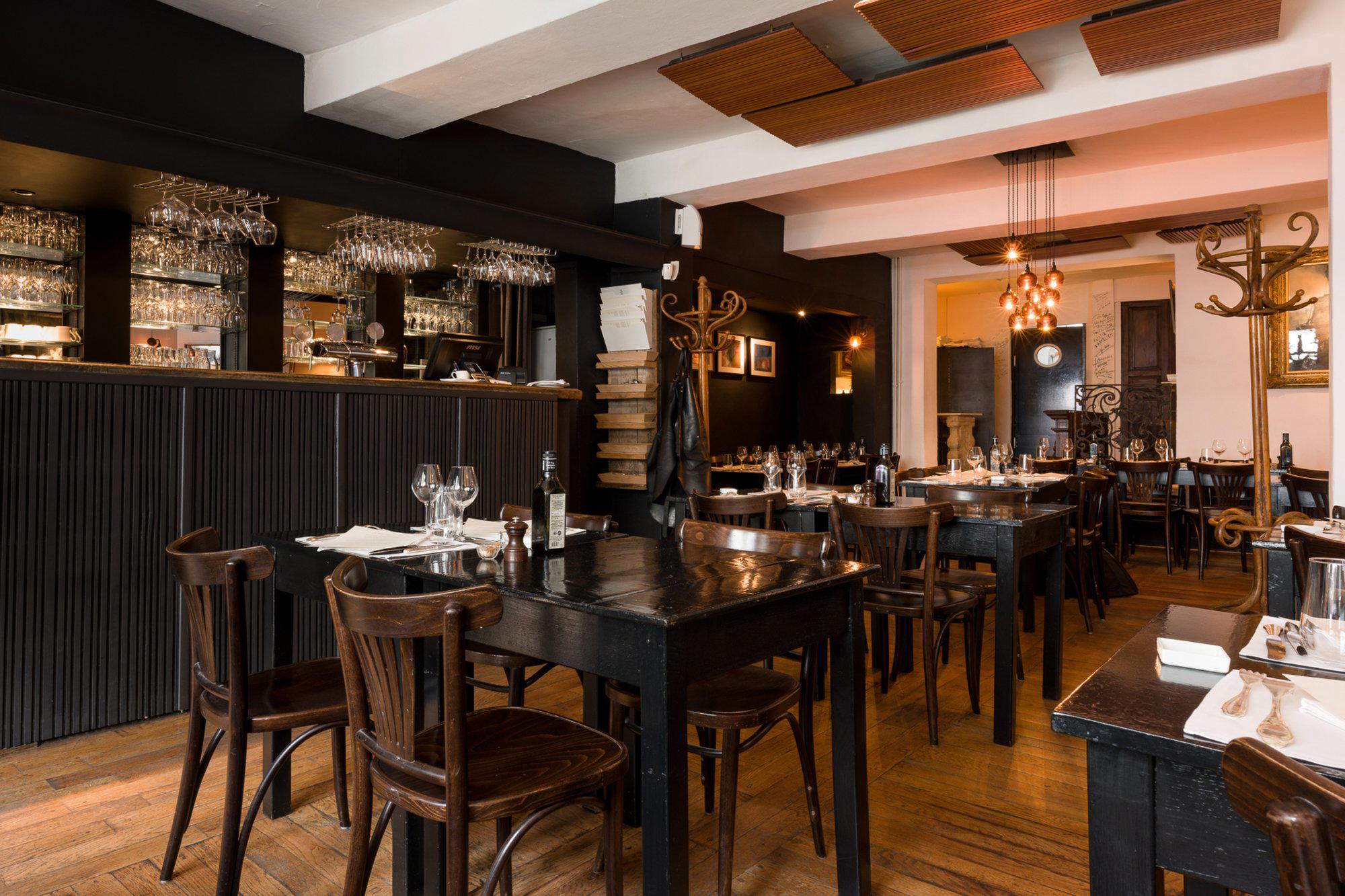
Hotels in Berchem
Browse all →
Wineries in Berchem
Browse all →
Details
- Classic
- Cozy
- Historic
- Business Dinner
- Group Dining
- Family
- Casual Hangout
- Historic Building
- Extensive Wine List
- A La Carte
Current opening hours
- Monday
- 8 AM–10 PM
- Tuesday
- 8 AM–10 PM
- Wednesday
- 8 AM–10 PM
- Thursday
- 8 AM–10 PM
- Friday
- 8 AM–10 PM
- Saturday
- 8 AM–10 PM
- Sunday
- 8 AM–10 PM
Hours can change for holidays and private events. Hours as of .
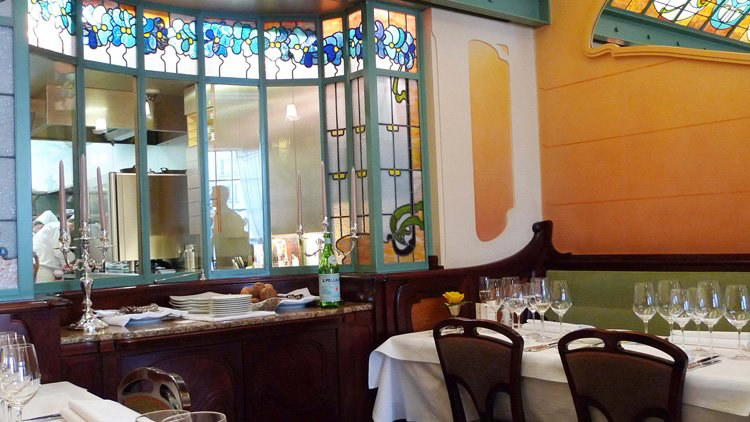
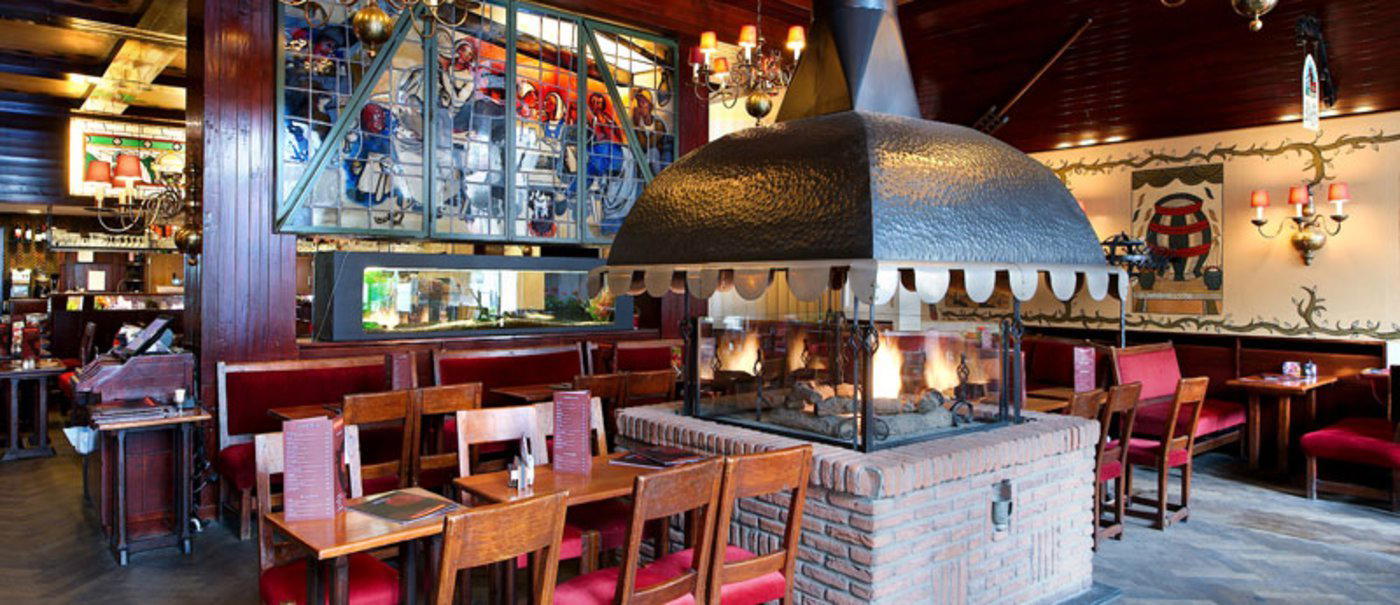
Cozy and charming with vintage decor reminiscent of an old station bistro, bustling and lively especially at peak times.