Jones sits in Paris’s 11th arrondissement, a part of the city where casual dining has long been shaped by wine bars, small rooms, and kitchens with fewer formal signals than the grand-restaurant circuit. Its appeal is less about ceremony than neighbourhood tempo: compact, direct, and better read against the city’s informal contemporary restaurants than against palace dining rooms.
Pearl is the En Primeur Club membership app — saves, bookings, and concierge access live there. Same editors, same standards.
- Address
- 43 Rue Godefroy Cavaignac, 75011 Paris, France
- Phone
- +33 9 80 75 32 08
- Website
- jonescaferestaurant.com
- Directions
- Get directions
 Saves & bookings on Pearl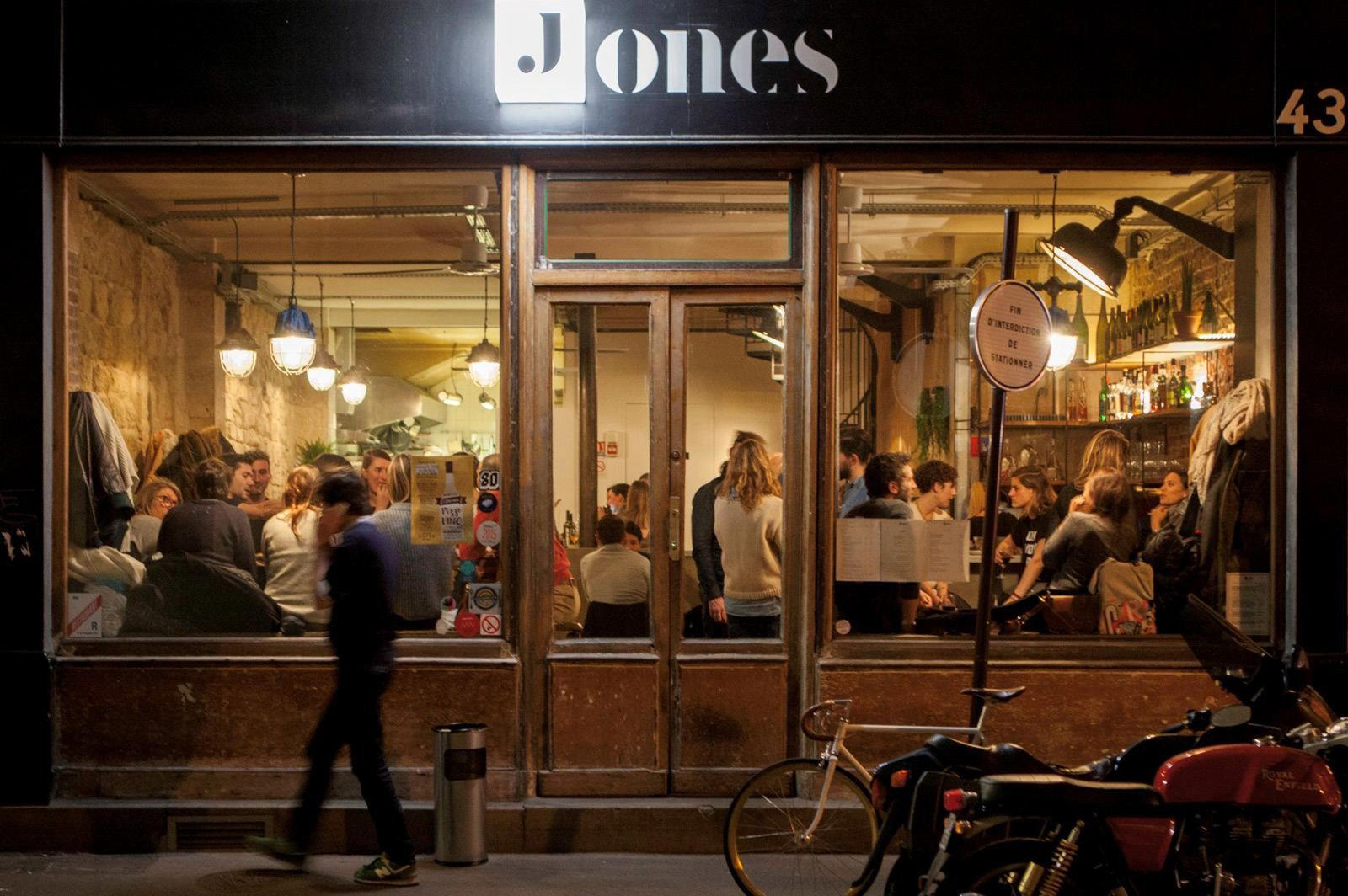
The approach to Jones belongs to Paris rather than the postcard city: a restaurant scale closer to local habit than destination ritual. Here, the room sets expectations before the menu. Grand Paris markers, heavy linen, choreographed service, visible hierarchy, are not the point. The cue is proximity: tables, bottles, plates moving through a compact space, and an evening where the city’s informal restaurant culture works without theatrical framing.
That Paris context matters. Over the past two decades, the city has made room for restaurants between classic bistro and tasting-menu formality. This shift has favoured younger drinking culture, shorter menus, flexible service language, and kitchens that do not need silver-service grammar to be taken seriously. Jones fits that conversation more naturally than the city’s old hierarchy of starred dining rooms and hotel restaurants.
Paris's informal dining language, read through the city
The useful comparison is not with palace restaurants or grand brasseries, but with smaller rooms where food, wine, and atmosphere carry equal weight. In Paris, that category has rules. A restaurant can feel casual without being careless; a menu can avoid ceremony while still demand focus; a wine program can shape the meal as much as the kitchen. Jones belongs to this register: the appeal is the format, the city, and the pressure it puts on expectation. Diners seeking a formal French occasion may read it too narrowly. Diners interested in how contemporary Paris eats will understand the point faster.
sharpen the frame. Le Grain de Riz, Aux Bons Crus, Jip, Chez Aline, and Bafang Dumpling all point to a Paris where value, speed, and informality are serious cultural signals, not lesser versions of fine dining. Chez Aline, with its focused identity, shows how a narrow format can gain a following in a city that respects craft at multiple levels. Jones sits in the same ecosystem of small-format urban dining, where the decision is less about ceremony than what kind of Paris evening the diner wants.
The absence of public award framing is useful rather than limiting. With no awards or recognition provided here, the restaurant has to be read through category and place. In Paris, that can be clearer. Awards often reward refinement, consistency, and ambition at a particular service level; neighbourhood restaurants operate through repeatability, mood, and fit with local appetite. Jones should be judged on that axis, not forced into a luxury template it is not trying to occupy.
What the format tells you before the menu does
Because no public chef narrative, cuisine label, or named signature dish defines the restaurant here, the critical reading should stay with structure rather than mythology. That is often the honest way to assess this corner of Paris dining. The room and Paris setting suggest a meal built for proximity rather than distance: social energy is part of the draw, and the restaurant keeps the evening moving rather than staging a long-form performance. It suits diners who enjoy compact restaurants and flexible expectations more than those seeking a mapped-out grand occasion.
The distinction matters for travellers. Paris can still encourage the false idea that serious dining requires visible formality. The city’s current restaurant culture is broader. A counter, small dining room, or short card can carry as much editorial interest as a long menu under chandeliers, if the format is coherent. Jones belongs to that less formal Paris, where strength is measured through fit: with the city, the room, and the way people actually eat midweek and late in the week.
There is also a practical reading in the restaurant’s public-facing footprint. With no phone number, website, price range, dress code, or booking method presented here, travellers should not build a tightly timed evening on assumptions. In a city where small restaurants can change service patterns, close for breaks, or use third-party booking channels, verify directly through current public listings before treating the meal as fixed. That is especially true in Paris, where independent restaurants often manage demand through narrower service windows than visitors expect.
How to place it in a Paris itinerary
Jones works well as part of a Paris evening rather than a standalone trophy meal. That is the editorial distinction. The city rewards diners who leave room for a bar before or after, accept less rigid pacing, and care more about contemporary Paris than formal dining credentials. For a city visit built around hierarchy, there are clearer choices. For one built around texture, how Parisians eat outside the postcard frame, this kind of restaurant is more revealing.
Use it as a counterweight to the formal side of the city. A stay anchored around hotel dining or classic rooms will read differently after an evening at Jones, where signals are smaller and energy more local. For comparison across Paris restaurant registers, look to other Paris dining rooms with more formal, classic, or destination-led positioning. The contrast is useful: Paris dining is not one ladder, but overlapping formats with different measures of success.
For wider planning, Our full Paris restaurants guide gives the clearest restaurant context, while Our full Paris hotels guide, Our full Paris bars guide, Our full Paris wineries guide, and Our full Paris experiences guide help map the rest of the trip. The same editorial lens applies beyond the capital: other dining rooms across France show how place changes the meaning of a meal. For a different international register, unnamed neighbourhood venues abroad underline the same point: format and neighbourhood often tell the reader more than adjectives ever could.
At a Glance
Nearby venues at a similar price tier for orientation.
| Venue | Cuisine | Price | Notes |
|---|---|---|---|
| JonesThis venue — the venue you are viewing | Not listed | $$$ | Not listed |
| Maison Blanche | Not listed | $$$ | 8th arrondissement, Modern French Fine Dining |
| La Ferrandaise | Not listed | $$$ | Saint-Germain-des-Prés, Traditional French Auvergne Bistro |
| Le Flamboire | Not listed | $$$ | 9th arrondissement, Traditional French Wood-Fired Grill |
| Le Petit Lutetia | Not listed | $$$ | 6th Arrondissement, Classic French Brasserie |
| Bistrot Des Tournelles | Le Marais, Classic French Bistro | $$$ | Not listed |
Continue exploring
More in Paris
Restaurants in Paris
Browse all →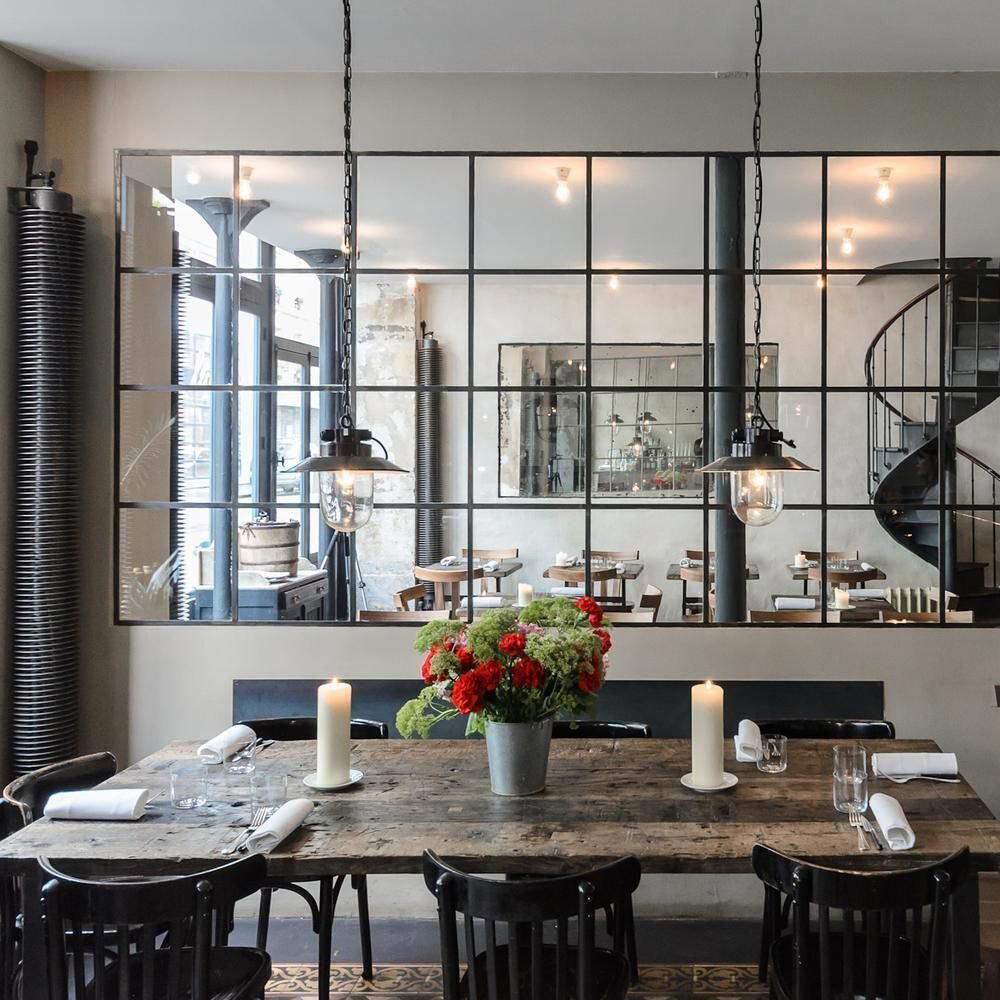
Bars in Paris
Browse all →
Hotels in Paris
Browse all →



At a Glance
- Cozy
- Rustic
- Trendy
- Date Night
- Casual Hangout
- Natural Wine
- Natural Wine
Current opening hours
- Monday
- Closed
- Tuesday
- Closed
- Wednesday
- Closed
- Thursday
- Closed
- Friday
- Closed
- Saturday
- Closed
- Sunday
- Closed
Hours can change for holidays and private events. Last verified .
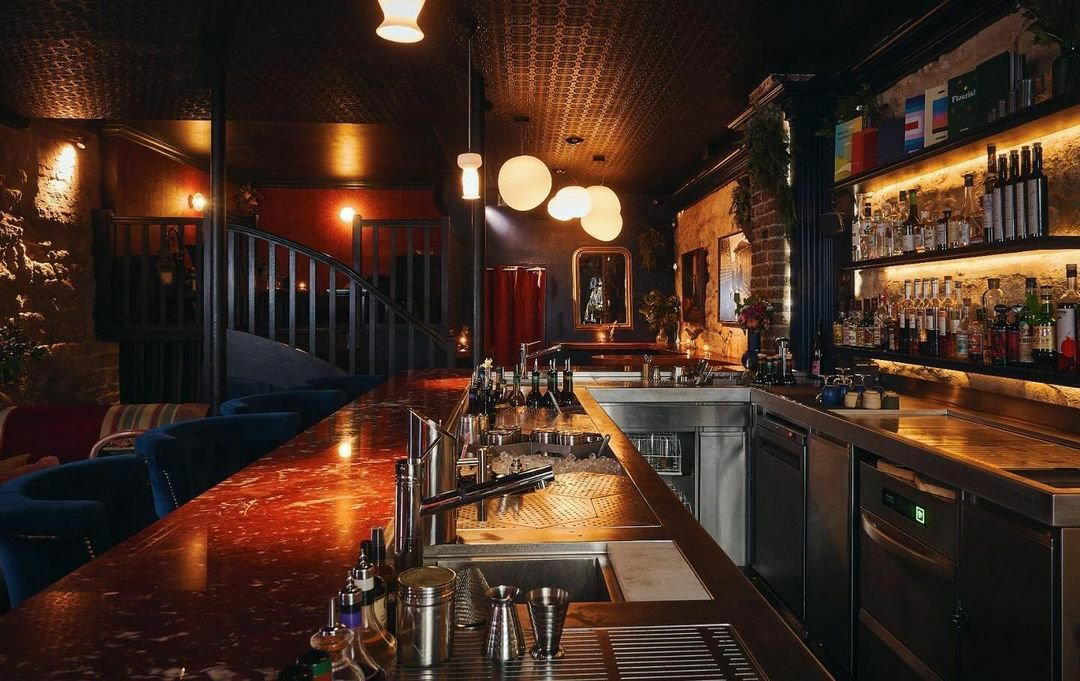
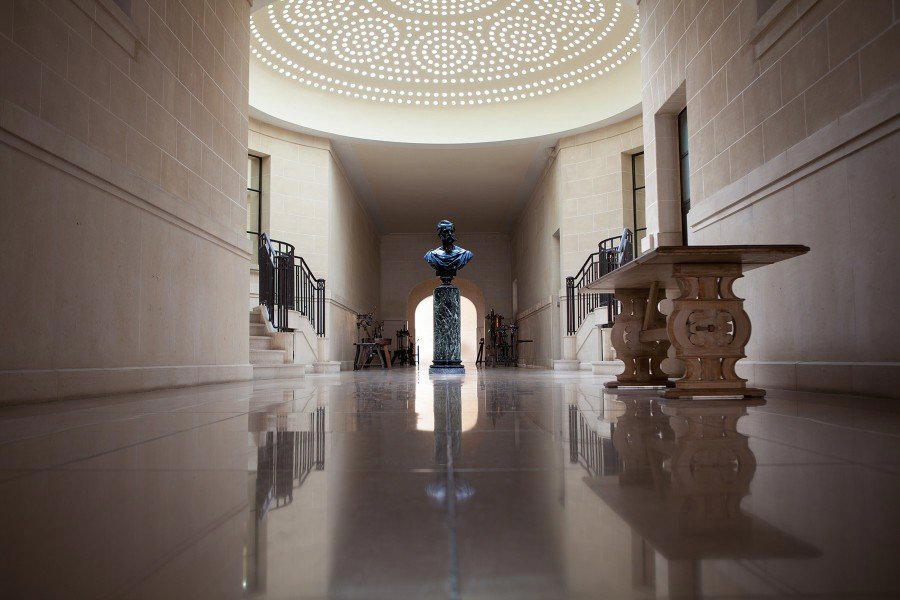
Cozy with exposed stone walls, unfinished walls, marble counters, and a relaxed, soft luminous atmosphere.