.png)
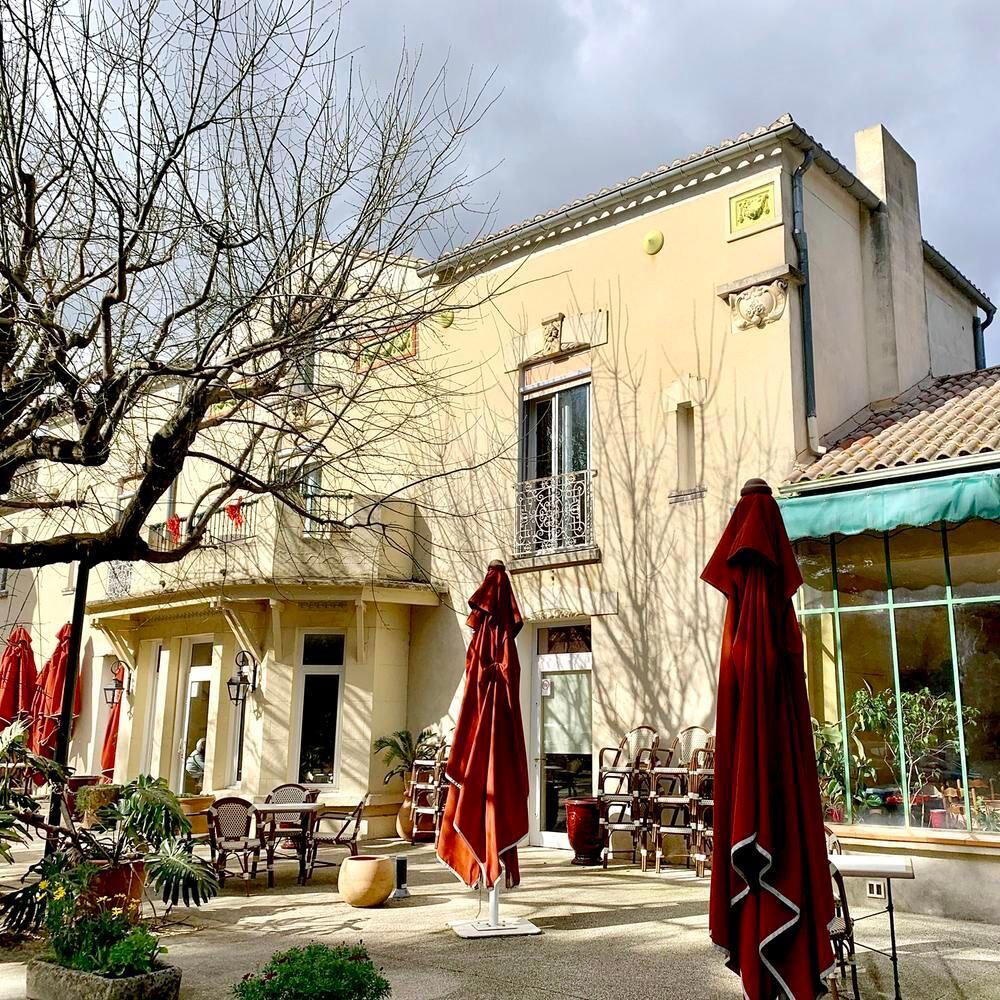
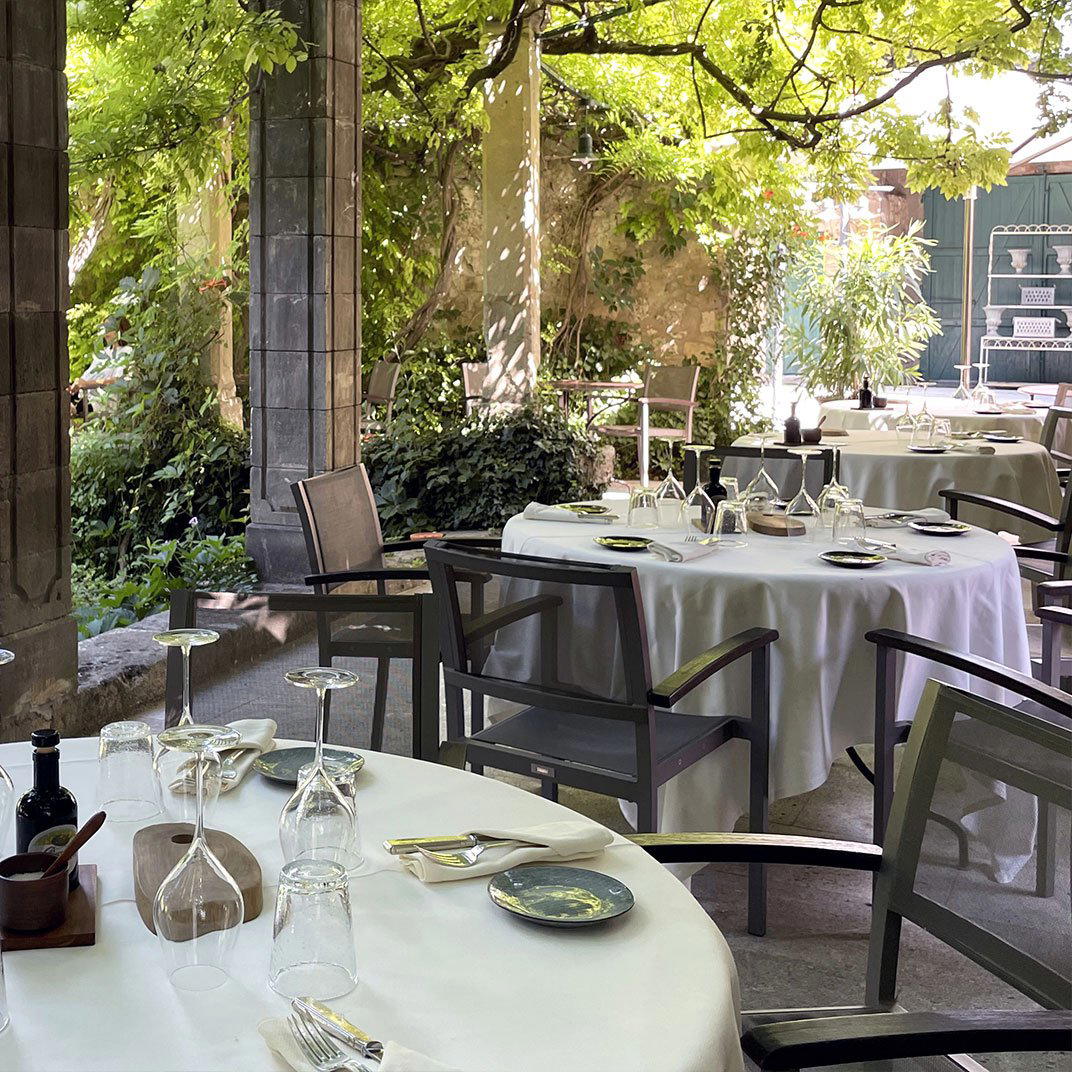
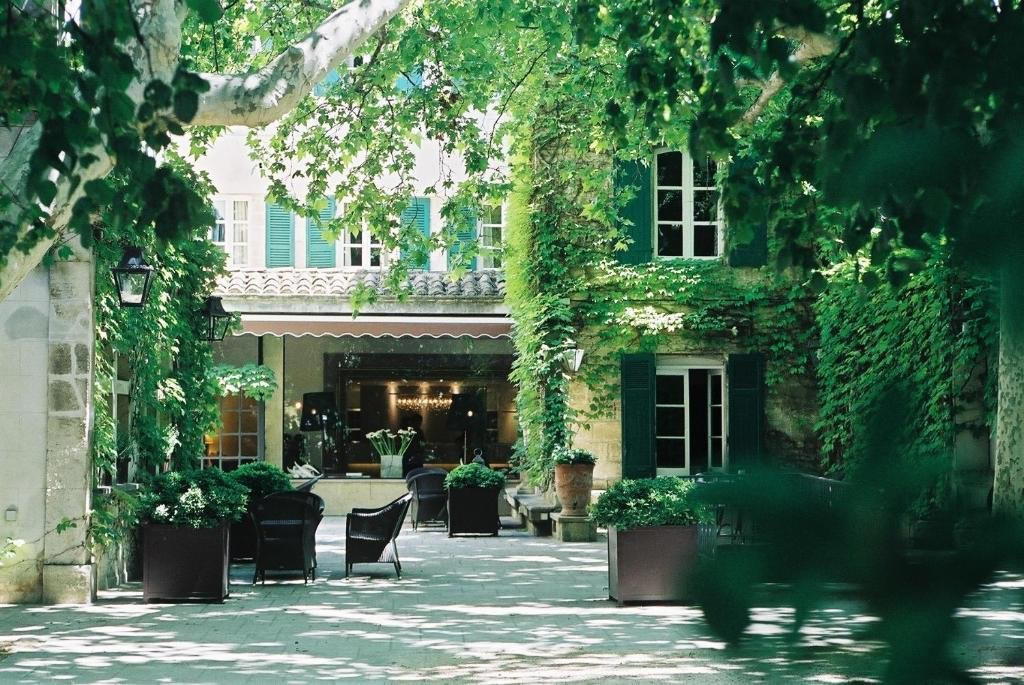
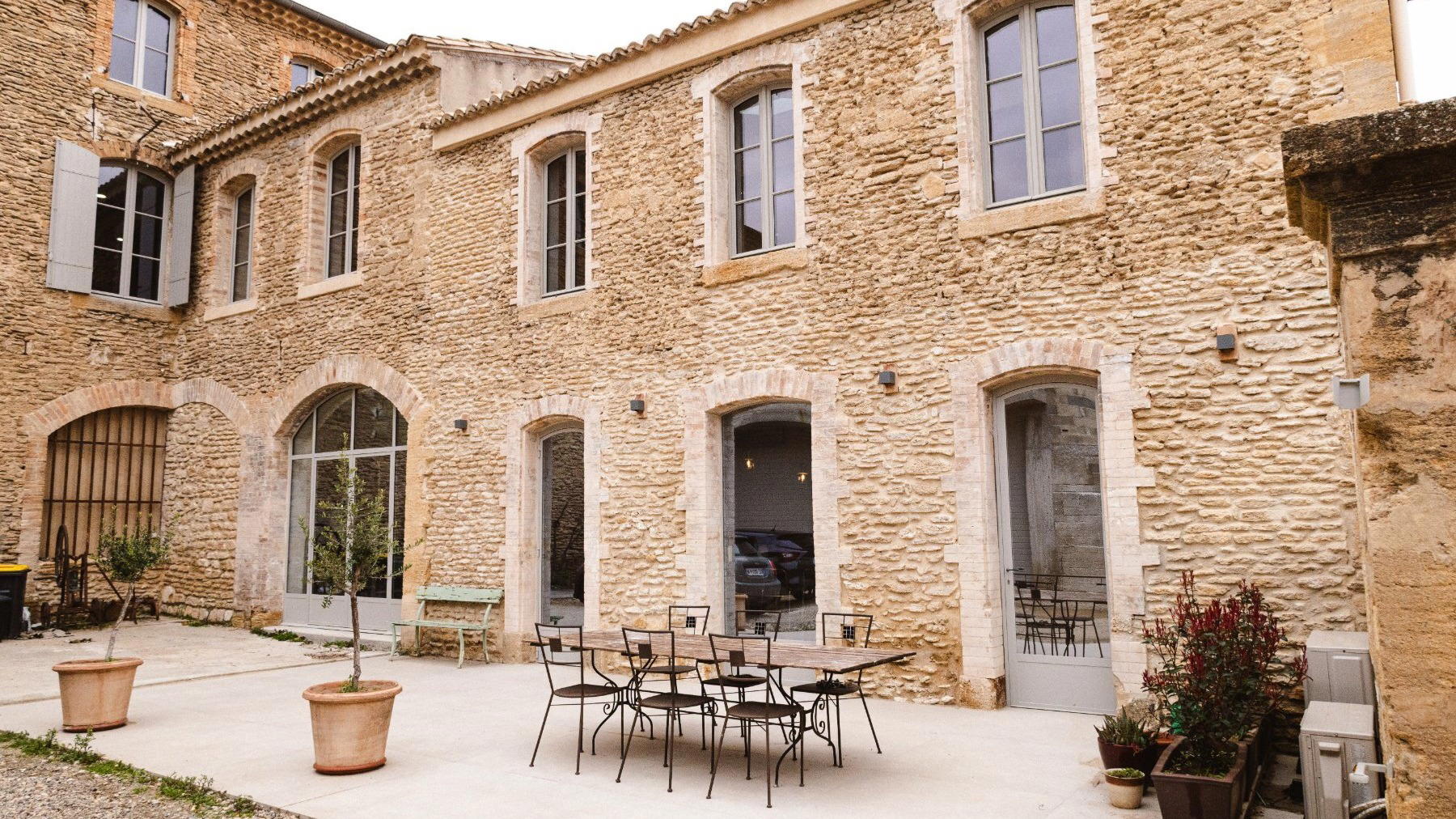
Bold French fare on a tree shaded terrace.
 Discover on Pearl
Pearl is the En Primeur Club membership app — saves, bookings, and concierge access live there. Same editors, same standards.
- Address
- 214 Av. du Pont Neuf, 84430 Mondragon, France
- Phone
- +33490408254
- Website
- beaugraviere.com
Where the Rhône Valley Sets the Table
The drive into Mondragon along the Avenue du Pont Neuf tells you something about what French regional cooking still does well. There is no urban noise here, no neighbourhood buzz to prime expectations. The Rhône corridor between Orange and Montélimar is agricultural in the most literal sense: lavender fields, olive groves, market gardens, and the river itself threading south toward the Camargue. La Beaugravière arrives in that context not as a destination imposed on the landscape but as something that grew from it. The building sits roadside with the understated confidence of a place that has never needed to announce itself loudly.
That understatement is part of what separates a certain tier of French provincial restaurant from the high-visibility three-star addresses in Paris or on the Côte d'Azur. Venues like Alléno Paris au Pavillon Ledoyen or Mirazur in Menton operate inside an international media apparatus that generates its own gravitational pull. La Beaugravière operates differently: its reputation is sustained by the region around it, by the produce that travels a short distance to the kitchen, and by a clientele that drives down from Lyon or across from Avignon specifically because they understand what the address represents.
Sourcing as the Central Argument
The southern Rhône corridor is one of the more productive agricultural zones in France. The Vaucluse and Drôme departments that bracket Mondragon supply a significant share of the country's stone fruit, asparagus, and market vegetables. Further up the valley, the Ardèche contributes chestnuts and lamb. To the south, the Camargue sends rice and game birds. What this geography creates, for a kitchen that chooses to work with it seriously, is a near-continuous cycle of produce at close range, with provenance that is traceable not by marketing language but by physical proximity.
This sourcing logic has shaped how serious provincial French restaurants in this corridor think about menus. The question is not what technique to apply to imported ingredients, but what the Vaucluse market has this week and how to build around it. That approach places La Beaugravière in a different competitive set from the grand Parisian addresses, and arguably closer in spirit to restaurants like Bras in Laguiole, where the surrounding terrain functions as a direct contributor to what arrives on the plate, or Auberge du Vieux Puits in Fontjoncouse, where remoteness and regional rootedness are themselves part of the proposition.
The black truffle connection is the fact most associated with La Beaugravière in French gastronomic circles. The Tricastin area, a short distance north, is among the most active truffle-producing zones in France, and the winter market at Richerenches is one of the country's major truffle trading points. A kitchen in Mondragon that takes that proximity seriously is not deploying truffle as a luxury signal layered onto neutral technique: it is working with an ingredient that arrives from its most local and direct source. That distinction matters to anyone who has eaten truffle in a context where it has traveled far and arrived as an expensive garnish rather than as the actual subject of the dish. It is a distinction that restaurants like Flocons de Sel in Megève or Troisgros in Ouches also understand, each in their own regional idiom.
The Wine Dimension
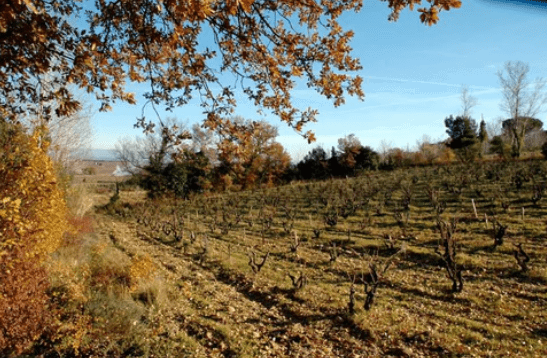
Mondragon sits at the southern edge of the Rhône appellation system. Châteauneuf-du-Pape is roughly fifteen kilometres south. Gigondas and Vacqueyras are accessible to the east. The northern Rhône appellations of Côte-Rôtie and Hermitage require a longer drive but remain part of the same regional conversation. A restaurant at this address that builds a serious cellar is working with immediate geographic advantage: the ability to stock the southern appellations at close proximity and to develop producer relationships that translate into allocation access unavailable to restaurants further from the source.
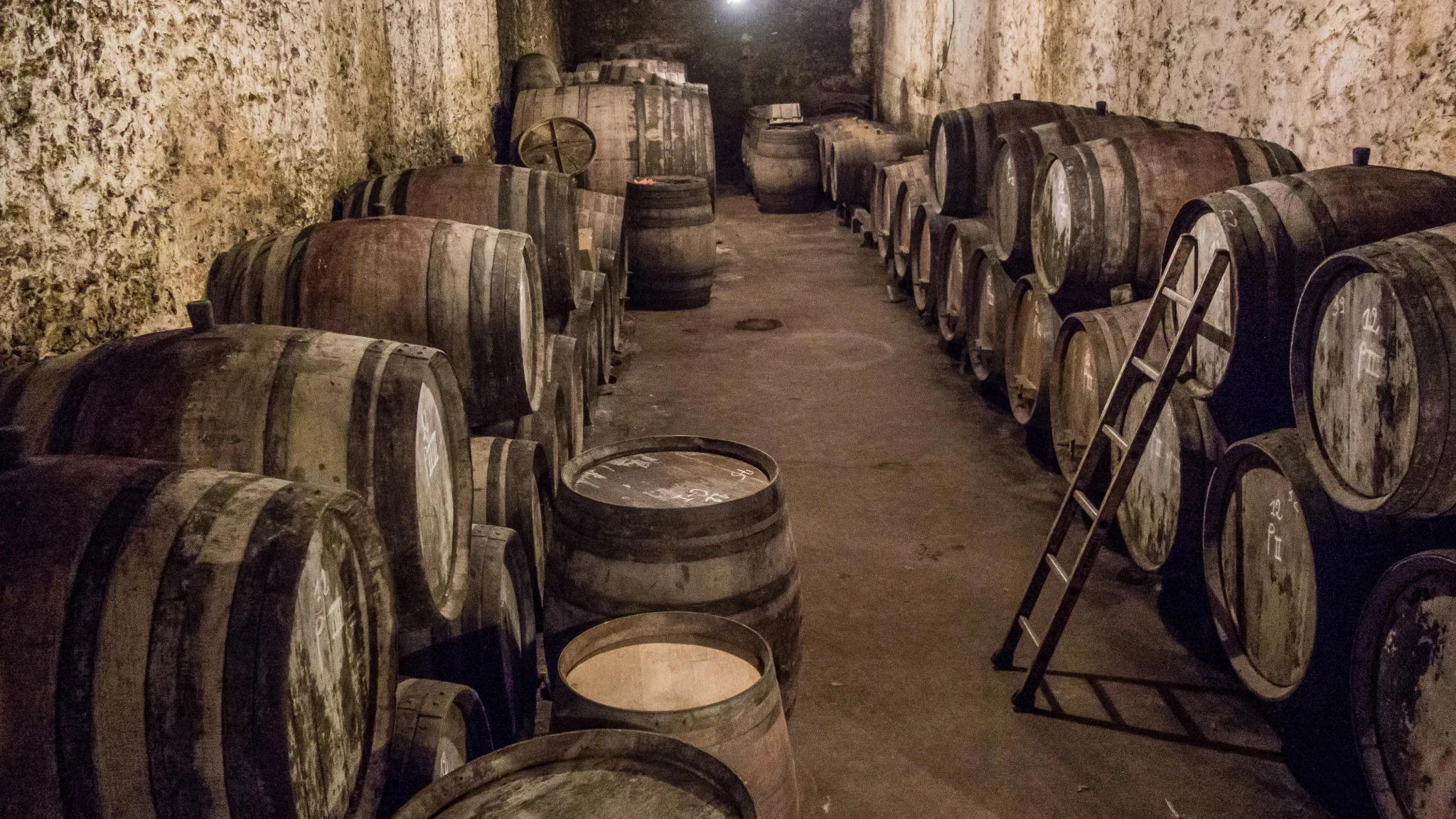
For a dining room at this level of ambition, the wine list is not supplementary. It is a parallel argument about place and sourcing, running alongside the kitchen's own. Diners who come for the truffle season in January and February are typically Rhône-literate, and the cellar needs to meet that expectation. Comparable French regional addresses, from Auberge de l'Ill in Illhaeusern with its Alsace cellar to Georges Blanc in Vonnas with its Burgundy depth, demonstrate how regional wine authority reinforces the overall identity of a serious provincial house. La Beaugravière's position in the southern Rhône gives it a natural version of that same structural advantage.
Placing It in the French Regional Picture
French haute cuisine divides, broadly, into two models. The first is the metropolitan or resort address: high visibility, international clientele, media-ready positioning. The second is the provincial house sustained by regional identity, loyal local clientele, and produce relationships built over time. Paul Bocuse in Collonges-au-Mont-d'Or, L'Oustau de Baumanière in Les Baux, and AM par Alexandre Mazzia in Marseille each occupy different points on that spectrum. La Beaugravière operates closest to the second model: a destination that earns its reputation through accumulated regional credibility rather than metropolitan positioning.
That also means it belongs to a specific planning logic. This is not a restaurant you walk past and decide to enter. It sits in Mondragon, a commune of a few thousand people along the N7, well outside the tourist circuits of Avignon or the Luberon. The reader who arrives here has made a deliberate decision to come to this specific address. For those planning a broader Provence or southern Rhône itinerary, it anchors naturally alongside a cellar visit in Châteauneuf or a market morning in Orange. Restaurants at similar remove from major centres, like Christopher Coutanceau in La Rochelle or La Marine on Noirmoutier, demonstrate that geographic distance from a capital is not a constraint on serious cooking: it is often precisely what makes it possible.
Planning a Visit
Mondragon is accessible by car from Avignon in under forty minutes, or from Orange in approximately twenty. A car is required for the final stage of the journey. Peak season for the truffle menu runs from late December through February, when the Tricastin harvest is at its height and the Richerenches market is in full operation. The shoulder seasons of spring and autumn align with the Vaucluse vegetable and herb cycles and offer a different reading of what the same kitchen can do with the same sourcing philosophy applied to lighter produce.
For readers comparing this address to other French regional heavyweights, the comparable set is not the Parisian palaces or the glamour addresses of the Riviera. It sits alongside places like Assiette Champenoise in Reims or Au Crocodile in Strasbourg: restaurants where the city or region is the reference point, and where the full argument only makes sense when you understand the geography around them.
Comparable Venues
Comparable venues nearby, for context on price, style, and recognition.
| Venue | Cuisine | Price | Awards | Notes |
|---|---|---|---|---|
| La BeaugravièreThis venue — the venue you are viewing | Traditional French Truffle & Mediterranean | $$$ | , | |
| La Beaugravière | Classic French Truffle Bistro | $$$ | Bib Gourmand | Mondragon |
| Mas de l'Echanson | Provençal French Bistro | $$$ | , | Chateaurenard |
| Le M | Modern French Fine Dining | $$$ | , | Mas Merlet |
| La Bastide du Grand Tilleul | Provencal French-Mediterranean | $$$ | , | Mérindol |
| La Régalido | Provençal French Bistro | $$$ | , | Fontvieille |
Continue exploring
More in Mondragon
Restaurants in Mondragon
Browse all →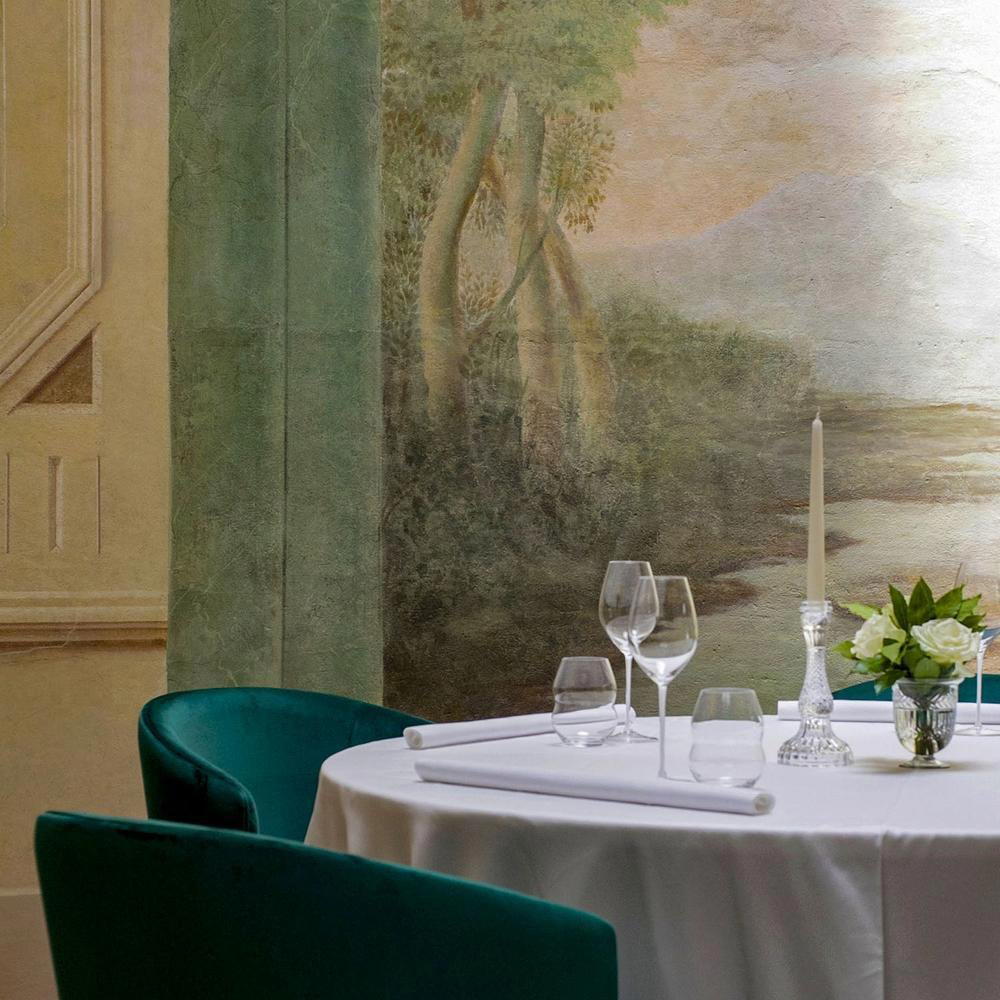
Hotels in Mondragon
Browse all →
At a Glance
- Classic
- Rustic
- Elegant
- Special Occasion
- Date Night
- Terrace
- Extensive Wine List
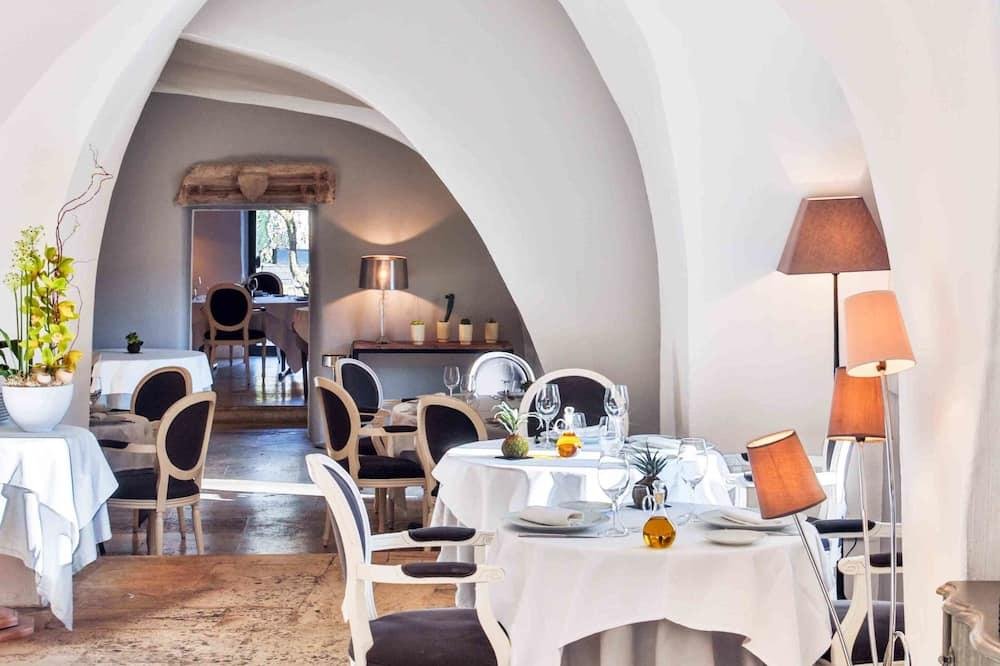
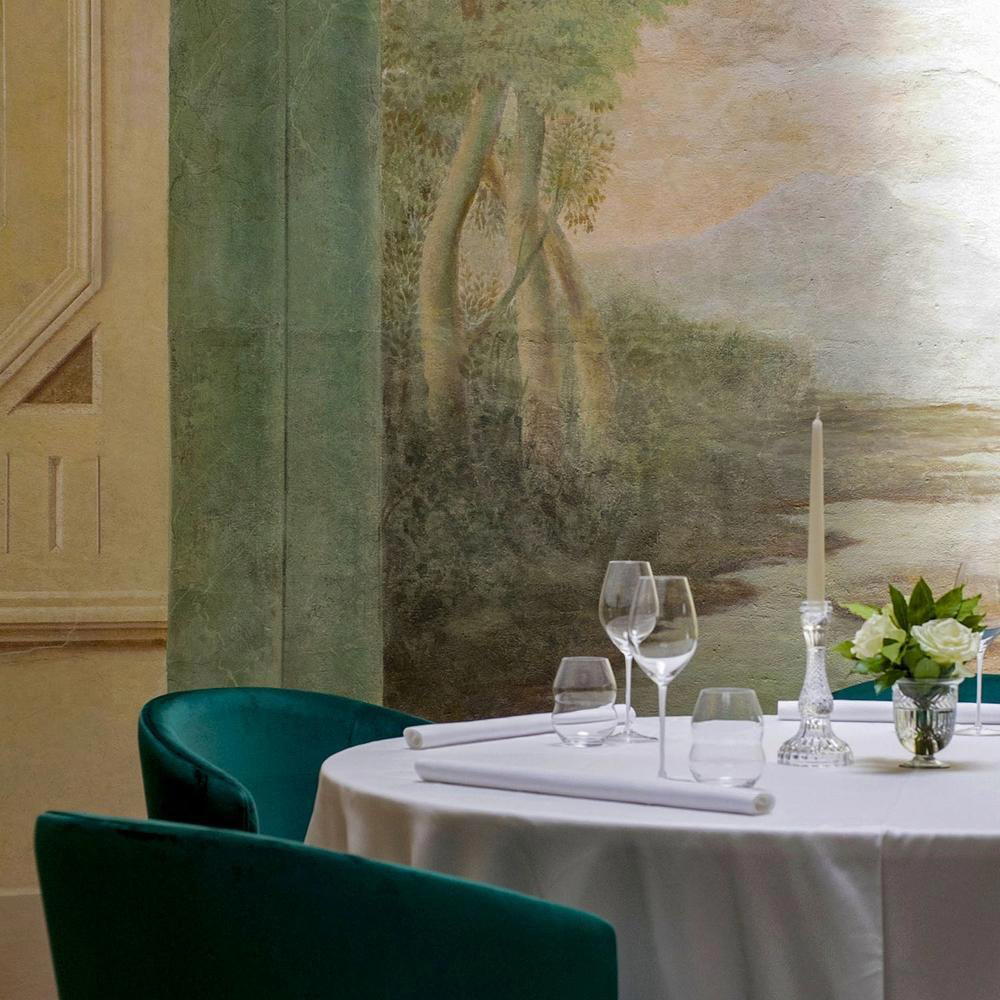
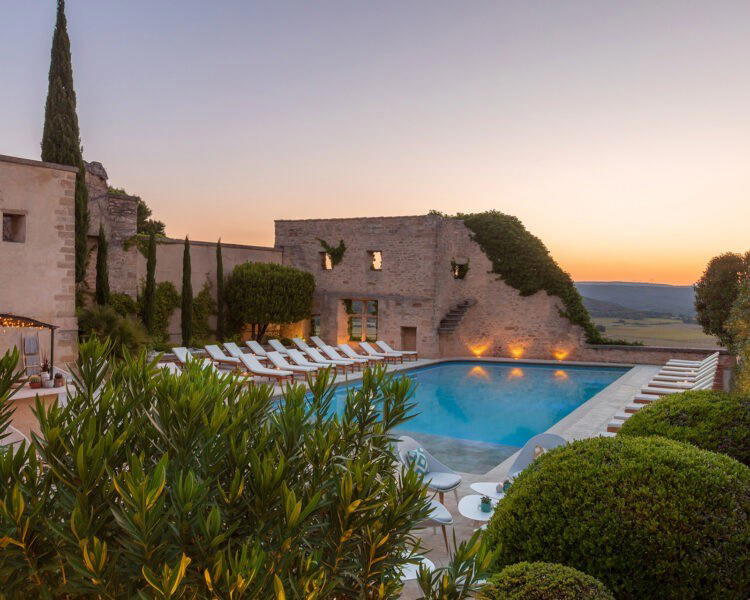
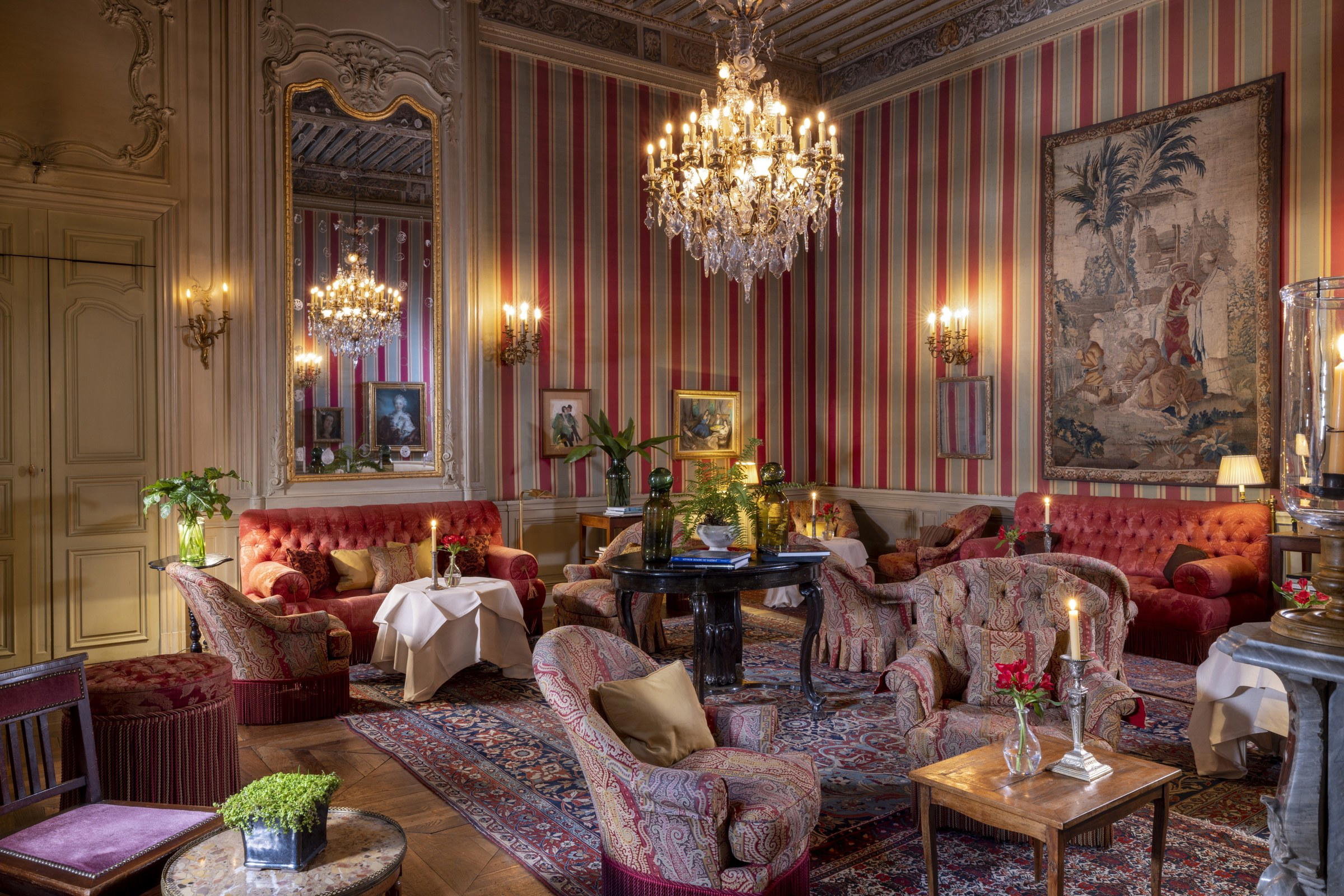
Peaceful terrace shaded by linden and maple trees, with a traditional Provençal dining room evoking rustic elegance.