Our verdict
La Bauhinia occupies the Paris on Avenue d'Iéna, positioning it within the 16th arrondissement's hotel dining tier alongside properties like the Four Seasons George V. The restaurant sits inside one of Paris's most architecturally distinguished palace hotels, where the formal dining ritual reflects the broader conventions of French grand-hotel cuisine. Advance booking is advisable for this address.

Pearl is the En Primeur Club membership app — saves, bookings, and concierge access live there. Same editors, same standards.
- Address
- Shangri-La Paris, 10 Av. d'Iéna, 75116 Paris, France
- Phone
- +33153671991
- Hours
- Mon–Fri ClosedSat 2–5 PMSun 12–5 PM
- Website
- labauhiniarestaurant.com
- Directions
- Get directions
- Booking
- Book on the venue's website

The menu
What to order
- Ceviche
- Profiteroles
- Platan du Jour
The Setting and What It Signals
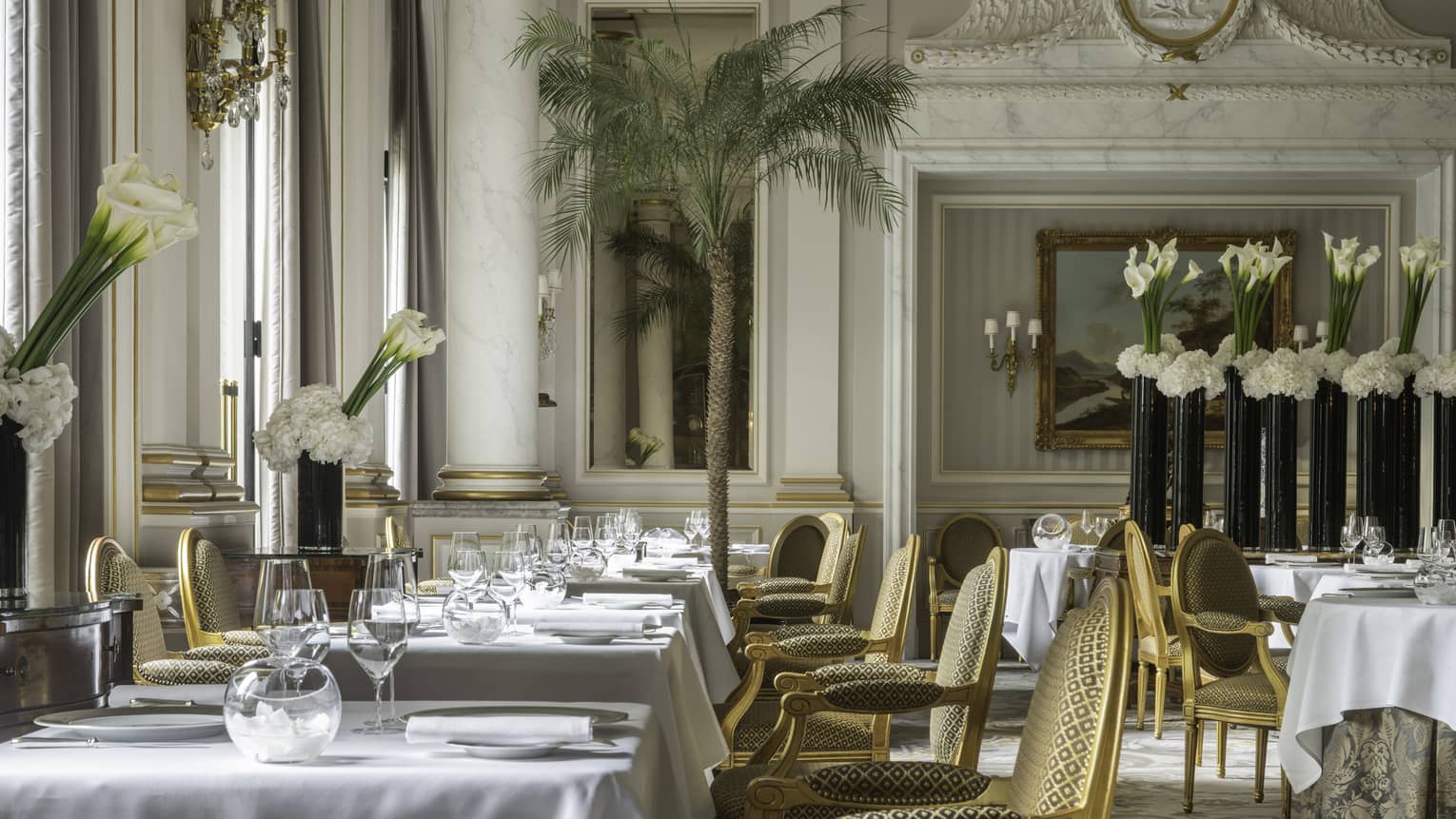
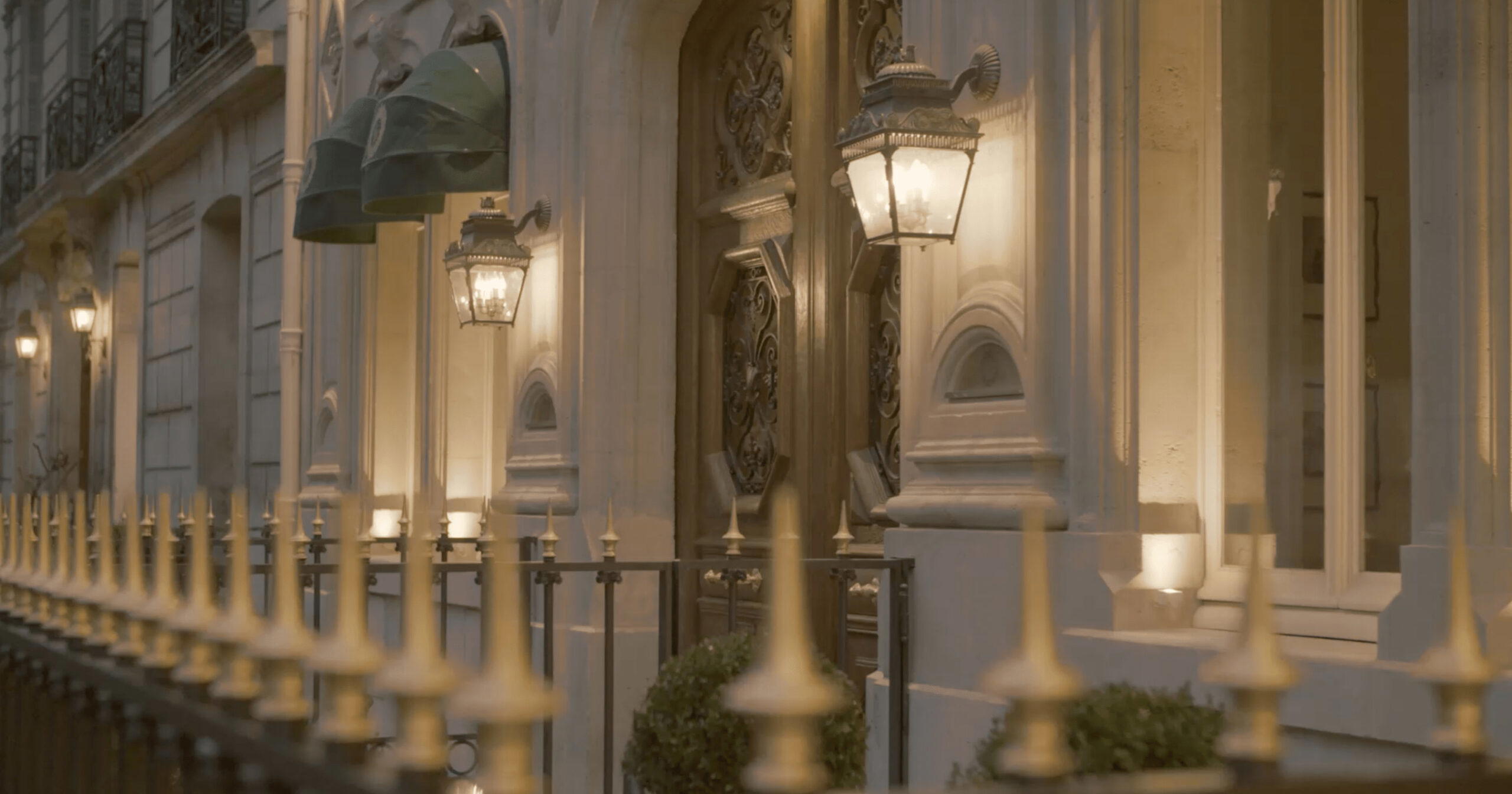
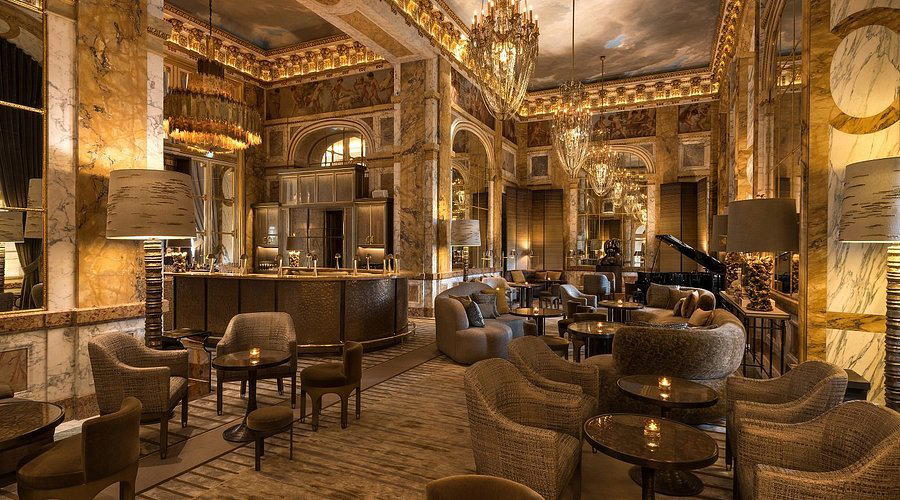
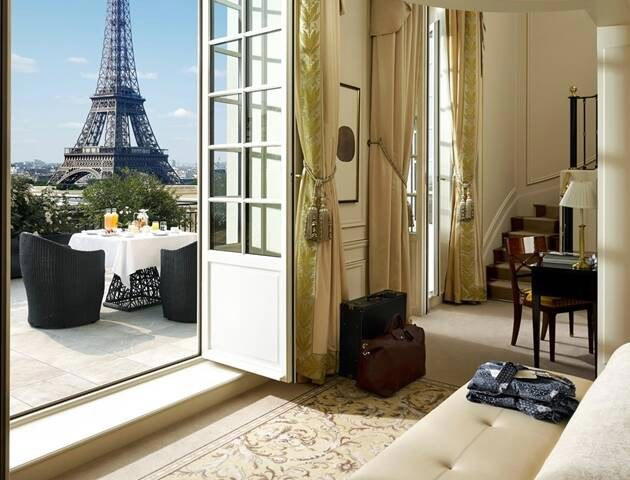
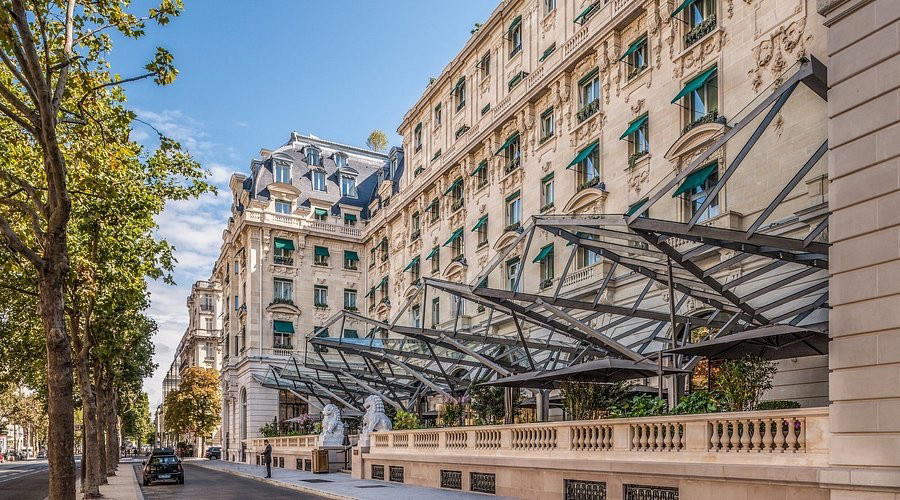
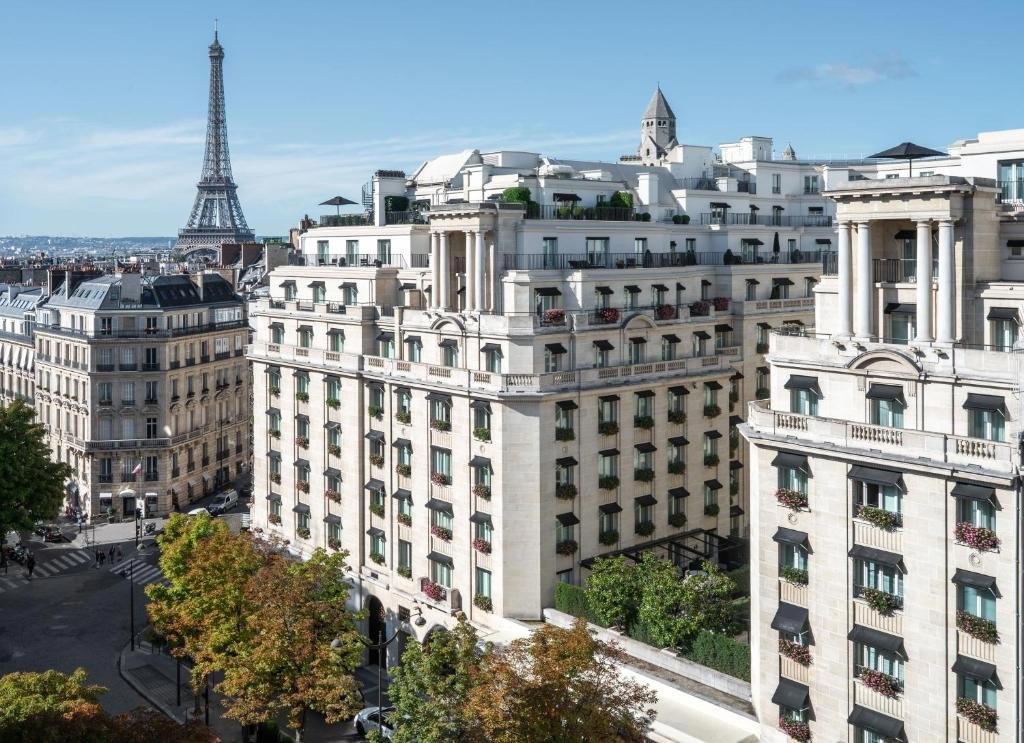
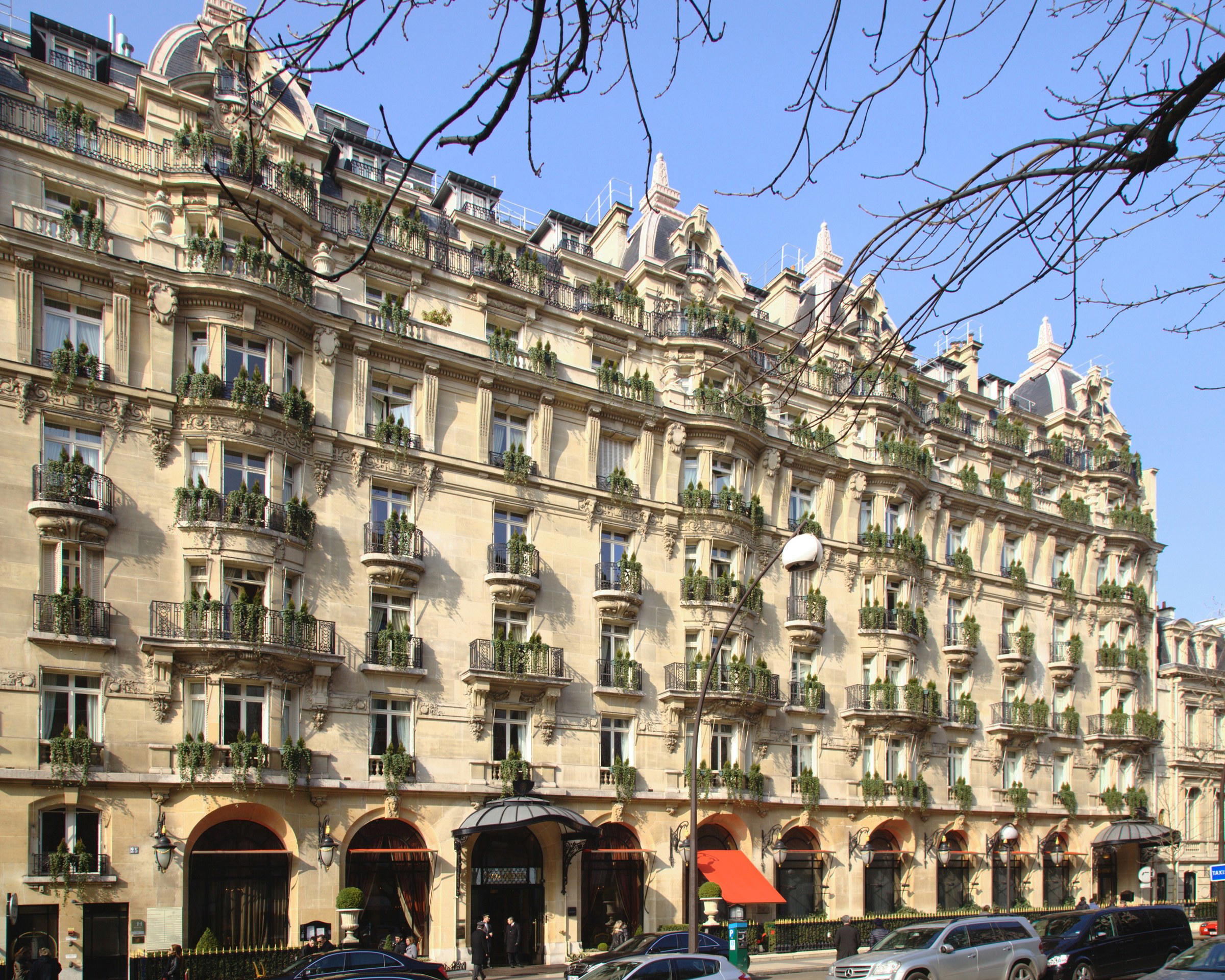
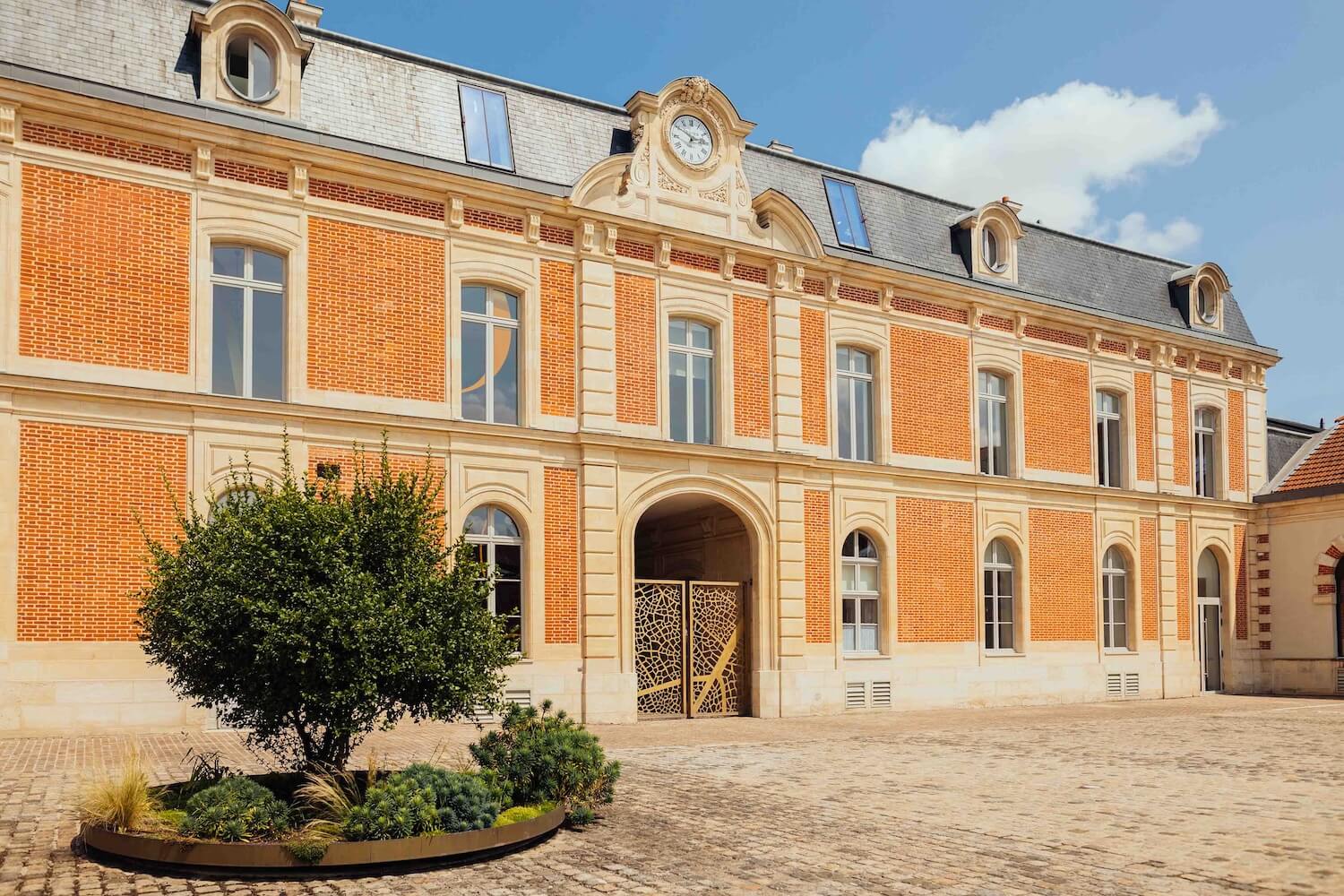
Avenue d'Iéna runs quietly between the Trocadéro and the Seine, and the Paris occupies one of its most significant addresses: the former private mansion of Prince Roland Bonaparte. The building's 19th-century bones, its stone facades and high-ceilinged interiors, still frame the experience before a single dish arrives. La Bauhinia, the hotel's main dining room, inherits that architectural register. Walking into a room shaped by Haussmann-era proportions and later layered with Asian decorative references sets expectations that are neither casual nor strictly traditional French. It is a space that announces a particular kind of meal.
Paris's palace hotels have long maintained dining rooms that operate as destinations in their own right, not merely conveniences for guests. Le Cinq at the Four Seasons George V holds three Michelin stars and anchors the 8th arrondissement's hotel dining scene. La Bauhinia's position in the 16th places it in a quieter, residential quarter, which shapes the rhythm of service and the composition of the room differently from the more tourist-facing 8th.
The Ritual of the Room
Grand-hotel dining in Paris follows conventions that have remained largely stable across decades. The meal unfolds at a deliberate pace; courses arrive with enough space between them to allow conversation rather than consumption to drive the experience. That pacing is not incidental — it is structural, built into the staffing ratios, the mise en place, and the choreography that palace hotels train their teams around. At this tier of address, the dining room is as much a stage for the ritual of the French meal as it is a delivery mechanism for food.
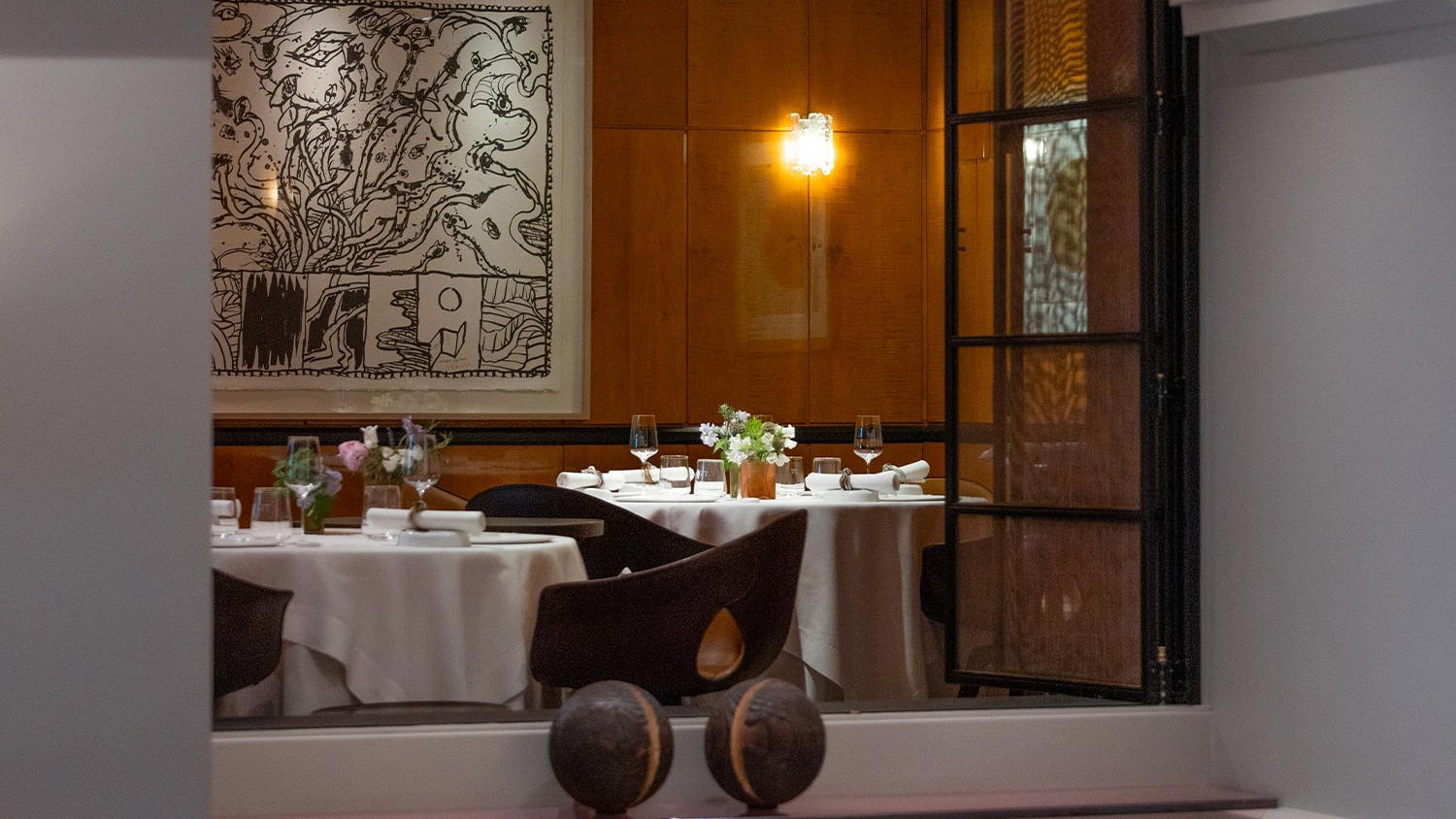
The brand operates in a space where Eastern hospitality codes layer over Western formal dining conventions. That tension, present in the hotel's decorative language and in the name La Bauhinia itself (the Hong Kong orchid tree, the city's emblem), produces a room that does not sit entirely within the classic French grand restaurant tradition. It belongs to a smaller, international-palace tier where the house style incorporates both French technique and Asian service sensibility. This positions it differently from purely French addresses like L'Ambroisie on the Place des Vosges, where the classical French ritual is the entirety of the proposition.
Where This Fits in Paris Fine Dining
Paris's fine dining scene has stratified considerably over the past decade. At the apex sit the multi-starred independents: Arpège and Alléno Paris au Pavillon Ledoyen represent the creative and the institutional poles of that tier. Below them, hotel dining rooms at palace properties occupy a distinct bracket, where the meal is formally structured but the experience is also shaped by the hotel's broader hospitality infrastructure: sommelier teams, multi-language service, and rooms designed to accommodate guests who may be dining at the end of an international day of travel.
Kei, in the 1st arrondissement, illustrates another variant of the cross-cultural fine dining model: French technique read through a Japanese sensibility, with Michelin recognition confirming the approach. La Bauhinia occupies a related but distinct space, where the cross-cultural signal comes from the hotel brand rather than from the chef's biographical lineage.
For context on what this category looks like at the regional level across France, addresses like Flocons de Sel in Megève, Mirazur in Menton, and Troisgros in Ouches define the French fine dining tradition at its most regionally grounded. The grand hotel dining model in Paris operates on different principles: it serves an international clientele, applies hotel-standard consistency, and trades regional rootedness for the kind of formal completeness that a palace address demands.
Historically documented points of reference — Auberge de l'Ill, Bras in Laguiole, and Paul Bocuse, show how French fine dining has evolved from the chef-as-institution model toward formats that include hotel-anchored, internationally inflected rooms. Auberge du Vieux Puits and Assiette Champenoise in Reims demonstrate how hotel-integrated fine dining can carry serious Michelin weight outside the capital. Within Paris itself, Au Crocodile and AM par Alexandre Mazzia represent the more chef-driven end of the French fine dining spectrum.
Internationally, comparisons to Le Bernardin in New York or Atomix underscore how fine dining at this level is now a global category with consistent formal conventions and varying local inflections, rather than a strictly national tradition.
Planning Your Visit
La Bauhinia is located at the Paris, 10 Avenue d'Iéna, in the 16th arrondissement. The address is a short walk from the Iéna Métro station (Line 9), placing it within reach of the Trocadéro and the Eiffel Tower. Given the hotel's palace classification and the formality of the dining room, advance reservations are advisable rather than optional. Palace hotel dining rooms at this level in Paris consistently run at capacity on evenings and weekends, and walk-in availability is limited. Dress expectations align with the address: the room's architecture and service register set the tone clearly. For the full context of Paris's current dining scene across price points and neighbourhoods, see our full Paris restaurants guide.
Frequently asked questions
What's La Bauhinia's location?
La Bauhinia is located at Shangri-La Paris, 10 Av. d'Iéna, 75116 Paris, France, Paris.
How does La Bauhinia compare to other Trocadéro-area restaurants in Paris?
The Trocadéro neighbourhood in Paris's 16th arrondissement has a relatively sparse restaurant scene compared to the Left Bank or the 8th, making La Bauhinia one of the few fine dining options within walking distance of the Iéna Métro stop and the Eiffel Tower sightlines. Most competition at this level requires crossing the river or heading toward the Triangle d'Or. For visitors staying on the Right Bank near the Seine, La Bauhinia at the Shangri-La Paris fills a gap that few nearby addresses cover.
What do people recommend at La Bauhinia?
Because La Bauhinia operates within the Shangri-La Paris at 10 Avenue d'Iéna, guests tend to highlight the room itself as part of the draw: a former Napoleonic-era palace with proportions that few hotel dining rooms in the city can match. The kitchen's output varies by season, and specific dish recommendations circulate more reliably through recent diner accounts than through fixed menus. Checking current guest reviews closer to your visit will give a more accurate read on what's performing well.
Do they take walk-ins at La Bauhinia?
Walk-in availability at hotel restaurants of this standing in Paris is inconsistent and tends to depend on the day of the week and season. La Bauhinia sits inside the Shangri-La Paris, a property that attracts a steady stream of hotel guests who take priority at the dining room. Contacting the Shangri-La Paris directly via the hotel's front desk is the most reliable way to gauge same-day availability.
What's La Bauhinia best at?
La Bauhinia's clearest strength is context: the Shangri-La Paris occupies a former residence of Prince Roland Bonaparte on Avenue d'Iéna, and the dining room carries that architectural weight. Among grand-hotel restaurants in the city, it competes on atmosphere and address as much as on the plate. For a meal that doubles as an experience of Paris's 16th arrondissement heritage, the setting does considerable work.
Is La Bauhinia allergy-friendly?
Allergy accommodation at hotel restaurants of this category in Paris is generally handled on request, and the Shangri-La Paris operates at a service level where kitchen communication is expected to be thorough. Disclosing dietary requirements at the time of reservation, directly through the Shangri-La Paris, is the appropriate approach.
Does La Bauhinia justify its prices?
That depends on what you're paying for. In Paris's fine dining tier, standalone starred restaurants like Arpège or Le Clarence charge comparable or higher prices while delivering a more chef-driven, conceptually focused experience. La Bauhinia's price point buys you a grand-hotel setting on Avenue d'Iéna, polished service infrastructure, and one of the more historically loaded dining rooms in the 16th. If the architecture and occasion matter to you, the value calculation shifts in its favour.
Price and Positioning
Comparable venues nearby, for context on price, style, and recognition.
| Venue | Cuisine | Price | Notes |
|---|---|---|---|
| La BauhiniaThis venue — the venue you are viewing | French-Asian Fine Dining | $100–150 | Not listed |
| L'Avenue | Modern French Brasserie | Not listed | Élysée, Modern French Brasserie |
| Camélia | Modern French Bistro with Asian Accents | $50–100 | Place Vendôme, Modern French Bistro with Asian Accents |
| Maxim’s | Classic French Fine Dining | $200–300 | Faubourg Saint-Honoré, Classic French Fine Dining |
| L'Aventure | Modern French with Japanese influences | $100–150 | 16th arrondissement, Modern French with Japanese influences |
| Café Lapérouse | Refined French Bistro | $50–100 | Place de la Concorde, Refined French Bistro |