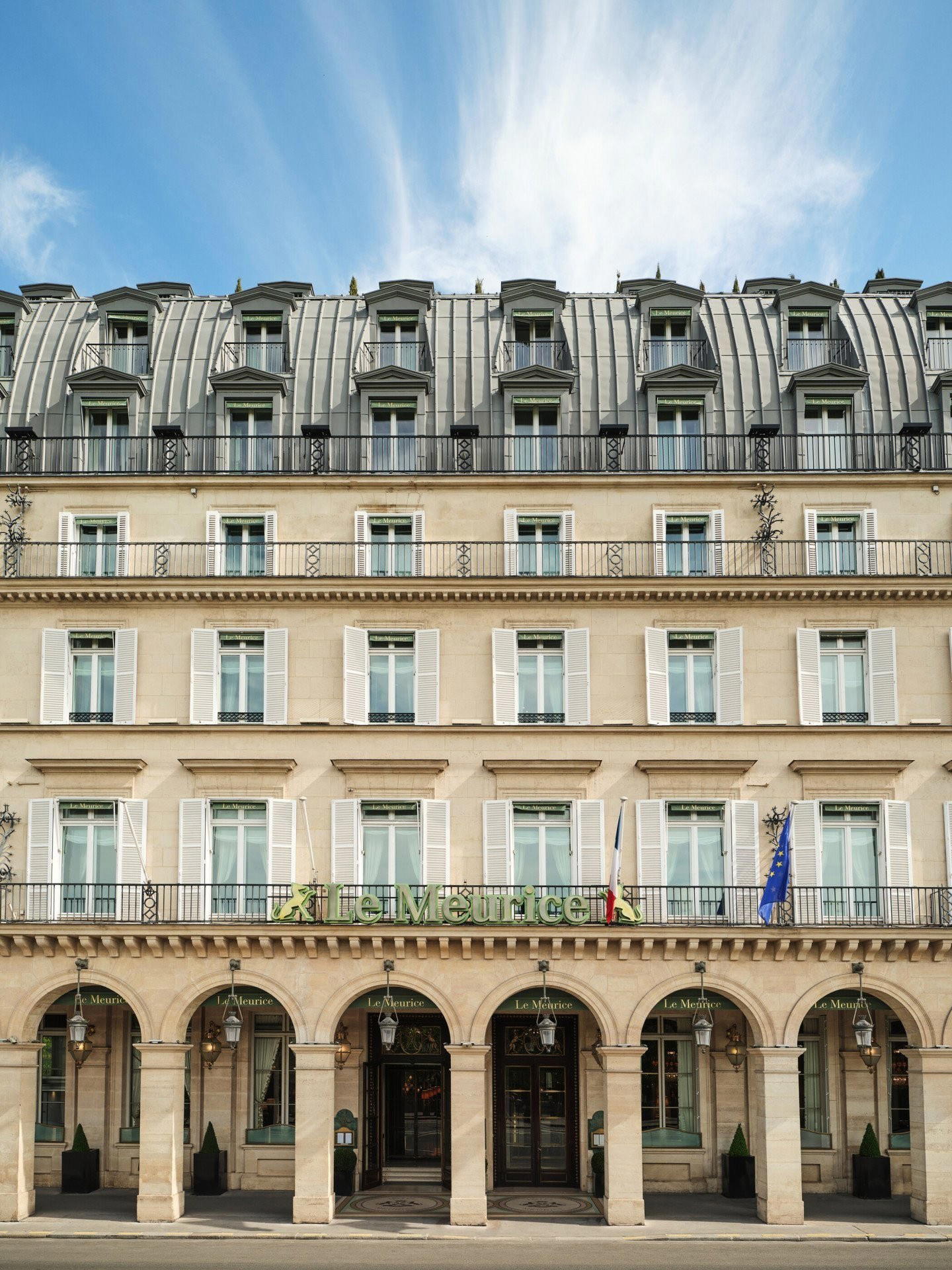
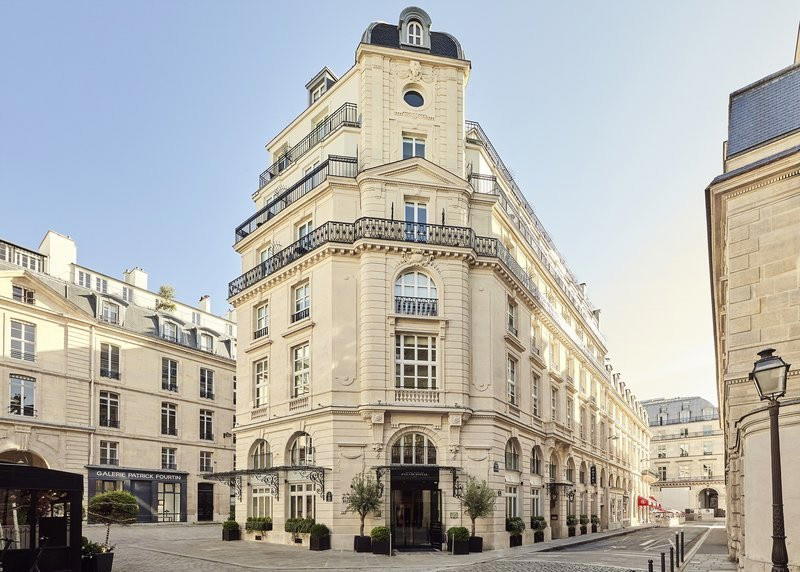
Camélia occupies 251 Rue Saint-Honoré in Paris's first arrondissement, placing it among the capital's most address-conscious dining destinations. The restaurant draws occasion diners to one of the Right Bank's most concentrated corridors of serious French cooking, where the standard for celebration meals is set by neighbours competing at the highest tier of European gastronomy.
Pearl is the En Primeur Club membership app — saves, bookings, and concierge access live there. Same editors, same standards.
- Address
- 251 Rue Saint-Honoré, 75001 Paris, France
- Phone
- +33170987400
- Website
- mandarinoriental.com
- Directions
- Get directions
 Saves & bookings on Pearl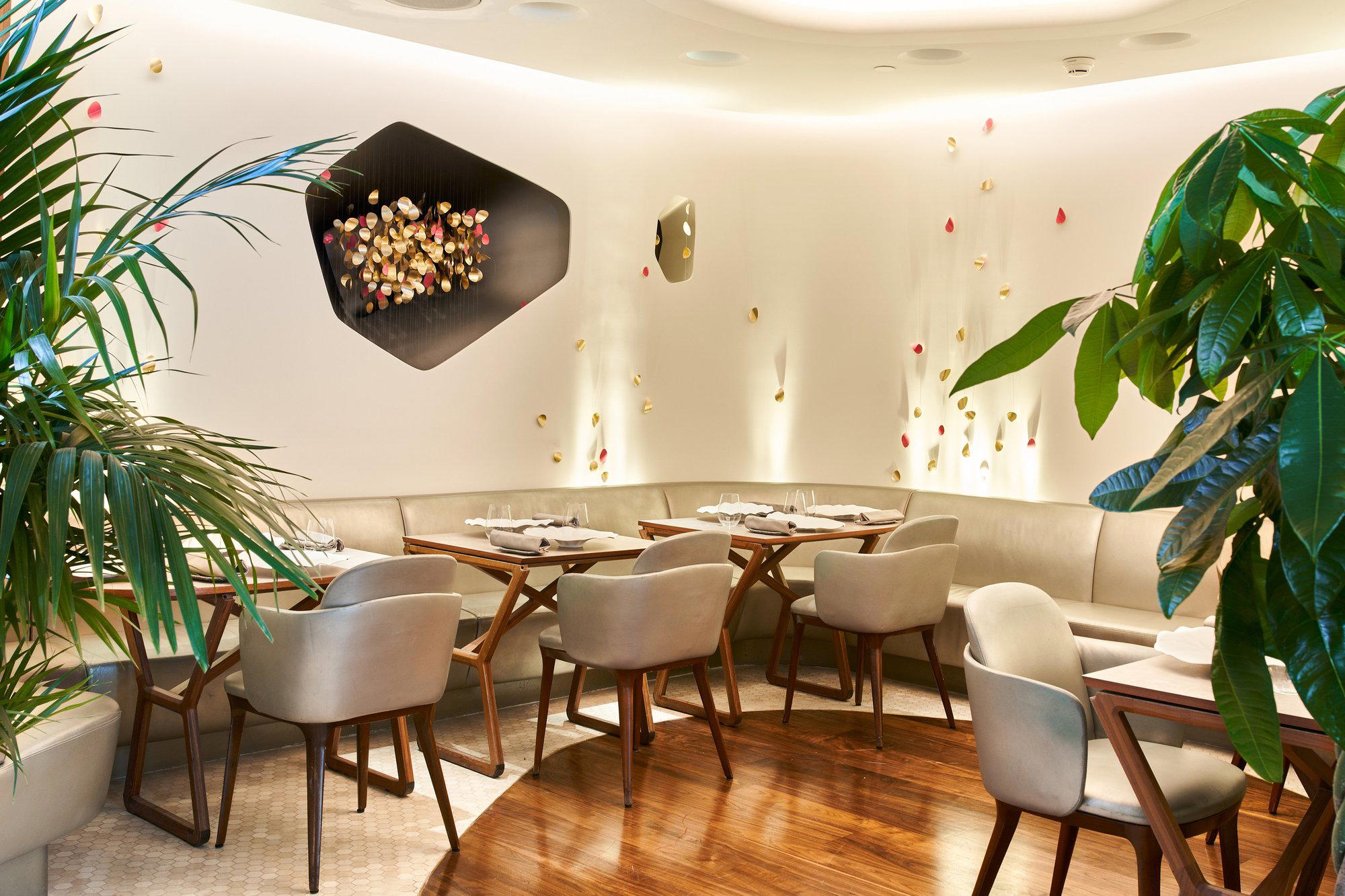
Setting the Scene on Rue Saint-Honoré
The first arrondissement has long carried a specific gravitational weight for Paris dining. Rue Saint-Honoré and its immediate environs form one of the Right Bank's most densely decorated corridors, where flagship luxury houses share postcodes with restaurants that operate at the upper tier of French gastronomy. Camélia is a restaurant at 251 Rue Saint-Honoré, 75001 Paris, serving modern French bistro cuisine with Asian accents.
Occasion dining in Paris has a particular grammar. The city's great celebration restaurants tend to cluster in the first, eighth, and sixth arrondissements, each neighbourhood carrying a different register of formality and expectation. The first, home to L'Ambroisie on the Place des Vosges at its eastern edge and serious hotel dining at its western end, draws diners who want their milestone meals framed by architecture and address as much as by plate and glass. Camélia operates in that context.
The Occasion Dining Register
When Parisians and informed visitors think about where to mark a significant meal, the decision tree is rarely simple. At the summit of the market, addresses like Le Cinq at the Four Seasons Hôtel George V on Avenue George V and Alléno Paris au Pavillon Ledoyen offer the full apparatus of grand occasion: elaborate room, deep wine list, formal service. Kei, on Rue Coq Héron just a few streets from Camélia, offers a Franco-Japanese interpretation of the same category. Arpège on the Left Bank pulls diners who want their celebrations structured around vegetable-forward cooking at three-star level.
Camélia's address on Rue Saint-Honoré places it squarely in that conversation, within walking distance of the Tuileries, the Palais Royal arcades, and the concentration of jewellers and couturiers that give this stretch of Paris its particular density of considered luxury. The physical approach to a restaurant matters more for occasion dining than for casual meals, and few Paris streets offer the same compressed visual argument for a special evening.
France's Broader Occasion Dining Geography
To understand what Paris addresses like Camélia's compete against, it helps to map the broader French occasion dining tradition. Outside the capital, celebration restaurants have historically been destination events in themselves: Troisgros in Ouches, Paul Bocuse in Collonges-au-Mont-d'Or, Bras in Laguiole, Auberge de l'Ill in Illhaeusern, Les Prés d'Eugénie in Eugénie-les-Bains, and Georges Blanc in Vonnas have each built their reputations as journeys worth taking in their own right. The same logic applies to Flocons de Sel in Megève, Mirazur in Menton, La Table du Castellet, and Auberge du Vieux Puits in Fontjoncouse.
Paris-based occasion dining operates differently. Here, the restaurant does not need to be the journey, the city is already the occasion. What Rue Saint-Honoré addresses offer is concentration: a great meal within a larger evening that might encompass a walk through the Tuileries, a stop at the Palais Royal, or a longer arc through one of the world's most architecturally legible cities. That context shapes what diners expect and what a restaurant at this address must deliver.
What the Address Signals
Restaurant addresses in Paris's first arrondissement carry indexical weight. A table at this postcode implies a certain formality of expectation, from the room's presentation to the choreography of service to the depth of the wine program. The corridor between the Louvre and the Place Vendôme has historically attracted rooms that understand occasion dining as a complete composition, not simply a sequence of courses. At this address, the implicit contract with the diner is that the full apparatus of a serious French meal will be in place.
For international visitors, Rue Saint-Honoré is also among the more navigable parts of central Paris: well-served by the Tuileries and Concorde metro stations, within a short distance of major Right Bank hotels, and familiar enough in layout that first-time visitors can approach it without difficulty. The logistical ease matters for occasion dining, where the mechanics of getting to and from the table should not complicate the evening.
Comparable occasion dining at the summit of the Paris market requires advance planning regardless of address. Tables at L'Ambroisie on Place des Vosges book weeks to months ahead, and the same pressure applies across the city's upper tier. For any significant celebration meal in Paris, reservation lead time is the first practical consideration, and the Rue Saint-Honoré corridor is no exception to that pattern.
Reading Camélia in the Paris Context
Paris has produced particularly internationally exported models of fine dining, a lineage that runs through Le Bernardin in New York (founded by brothers from Burgundy) and informs the structure of ambitious French-trained restaurants from San Francisco's Lazy Bear to the broader global conversation about what a serious tasting menu should feel like. The first arrondissement sits at the source of that tradition, and restaurants at this address carry the weight of that history whether they position themselves within it or against it.
Camélia at 251 Rue Saint-Honoré inherits that address value. For the occasion diner making a first visit to Paris's upper tier, or the returning visitor who knows the neighbourhood well, the restaurant's location in this corridor places it in a peer conversation with some of the capital's most considered rooms.
Planning Your Visit
Rue Saint-Honoré runs through one of central Paris's most walkable and well-connected stretches. The Tuileries metro station (lines 1 and 7) and Concorde (lines 1, 8, and 12) both serve the immediate area, and several major Right Bank hotels are within a ten-minute walk. For occasion diners arriving from outside Paris, the address is accessible from the Eurostar terminus at Gare du Nord in under thirty minutes by metro.
Reservations are recommended, especially for weekend evenings and peak seasonal periods. The city's upper dining tier operates with limited capacity, and the first arrondissement is among the more sought-after addresses.
Price Lens
Comparable venues nearby, for context on price, style, and recognition.
| Venue | Cuisine | Price | Notes |
|---|---|---|---|
| CaméliaThis venue — the venue you are viewing | Not listed | $$$$ | Not listed |
| L'Aventure | Not listed | $$$$ | 16th arrondissement, Modern French with Japanese influences |
| Restaurant Cuisine l'E7 | Gaillon, Modern French Bistro | $$$$ | Not listed |
| Sphère | Not listed | $$$$ | 8ème arrondissement, Modern French Gastronomy with Japanese Influences |
| Restaurant Monsieur Lancaster | Not listed | $$$$ | 8th Arr., Modern French Regional Fine Dining |
| Atelier Carnem | Quartier Latin, French Steakhouse | $$$$ | Not listed |
Continue exploring
More in Paris
Restaurants in Paris
Browse all →
Bars in Paris
Browse all →
Hotels in Paris
Browse all →



At a Glance
- Elegant
- Sophisticated
- Modern
- Romantic
- Date Night
- Business Dinner
- Brunch
- Special Occasion
- Hotel Restaurant
- Garden
- Terrace
- Private Dining
- Extensive Wine List
- Local Sourcing
- Garden
Current opening hours
- Monday
- 7 AM–10:30 PM
- Tuesday
- 7 AM–10:30 PM
- Wednesday
- 7 AM–10:30 PM
- Thursday
- 7 AM–10:30 PM
- Friday
- 7 AM–10:30 PM
- Saturday
- 7 AM–10:30 PM
- Sunday
- 7 AM–10:30 PM
Hours can change for holidays and private events. Last verified .
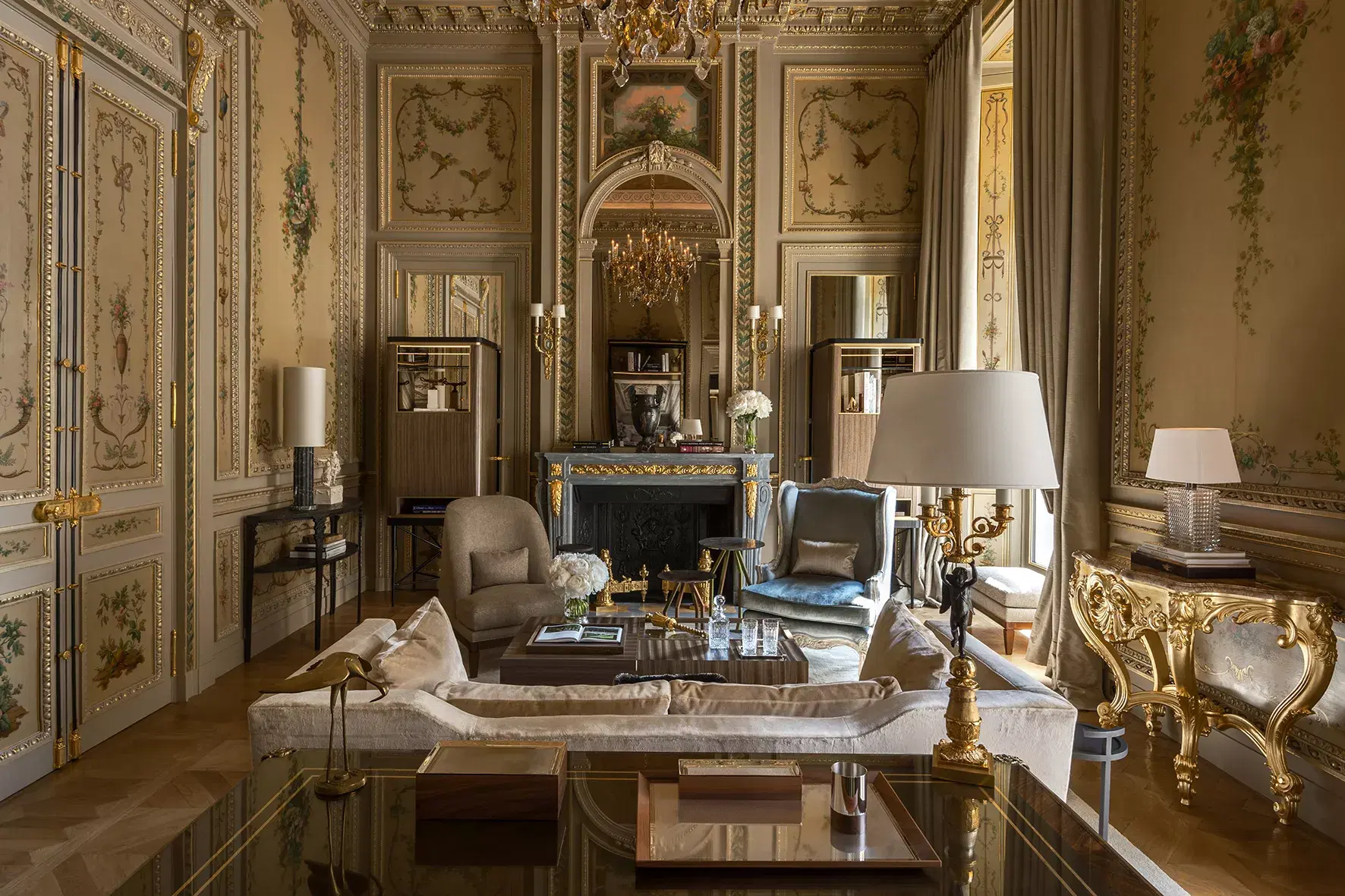
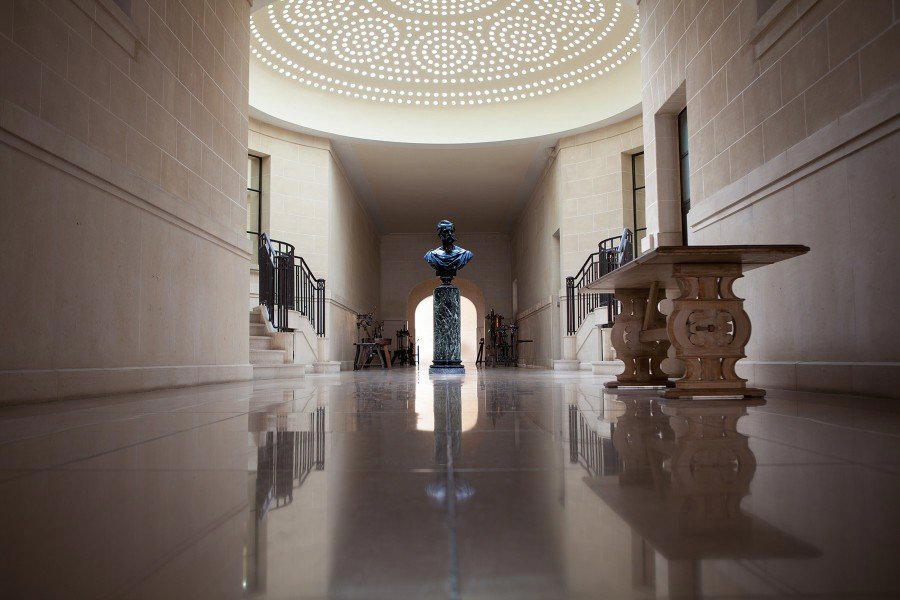
Light-filled and contemporary with a relaxed yet refined atmosphere, featuring beautiful design, wood flooring transitioning to the indoor garden, and tableware by French artisans.