
La Baita occupies a quiet address on Kloosterstraat in Pelt, a Limburg municipality that sits well outside Belgium's main fine-dining circuits. The name signals Alpine or Italian roots, placing it in a distinct register from the Modern Flemish kitchens that define the region's higher-end dining. For those willing to travel to the Kempen, it represents a deliberate counterpoint to urban restaurant density.
Pearl is the En Primeur Club membership app — saves, bookings, and concierge access live there. Same editors, same standards.
- Address
- Kloosterstraat 23, 3910 Pelt, Belgium
- Phone
- +32467016202
- Website
- ristorantelabaita.be
- Directions
- Get directions
 Saves & bookings on Pearl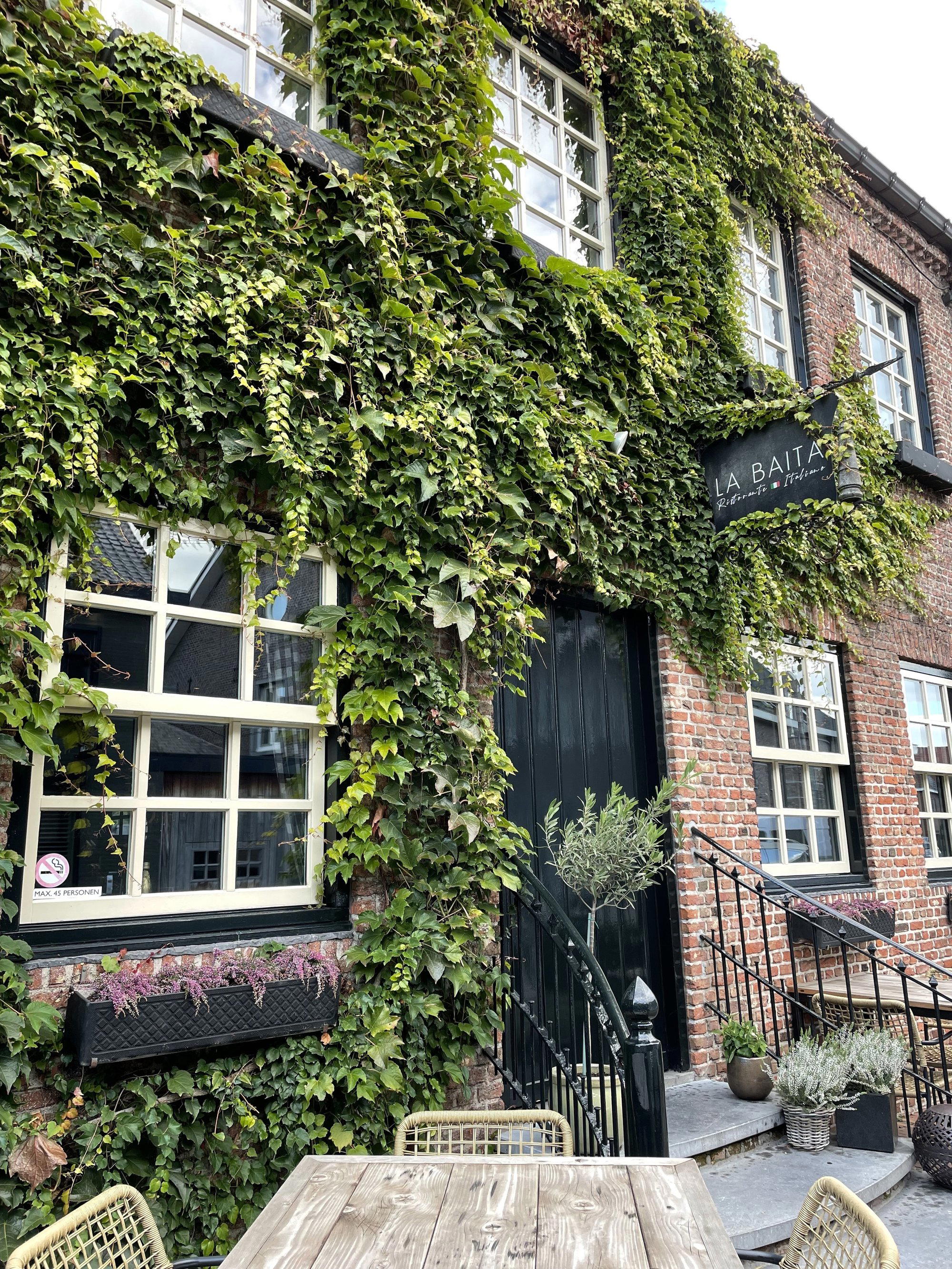
Dining at the Edge of the Kempen
La Baita is a restaurant in Pelt, Belgium, at Kloosterstraat 23, where Modern Italian Fusion dining is priced at about $120 per person. The addresses that draw international attention, from Zilte in Antwerp to Boury in Roeselare and Hof van Cleve in Kruishoutem, cluster where infrastructure and visitor density make the economics of serious cooking easier to sustain. Pelt, a merged municipality in the province of Limburg, sits outside that gravity field. The Kempen heathland that surrounds it is flat, open, and agricultural in character, a setting where restaurants must rely on local loyalty and word-of-mouth rather than tourist footfall. La Baita, at Kloosterstraat 23, occupies exactly that position.
The name itself carries a signal. Baita is an Italian and Alpine term for a mountain refuge or rustic chalet, a word that conjures timber interiors, hearth warmth, and the kind of cooking that draws directly from a specific place and season. The framing matters: it places La Baita at a conceptual remove from the French-inflected precision kitchens that define Belgium's Michelin tier, and closer to the more grounded, ingredient-led tradition that has quietly shaped rural European cooking for decades.
What the Kempen Produces
The editorial angle that illuminates a restaurant like La Baita most clearly is ingredient sourcing, because in a low-density region like the Kempen, the relationship between kitchen and land is often closer than it is in cities. The Belgian interior, particularly Limburg and the areas bordering the Dutch province of North Brabant, produces asparagus, game, freshwater fish, and small-farm dairy that rarely reach the supply chains feeding Antwerp or Brussels restaurants. A kitchen rooted in Kloosterstraat has access to that material in ways that urban addresses do not, and the logic of a name like La Baita is that it should be exploiting exactly that proximity.
Across Belgium's broader dining scene, the tension between French-classical training and hyperlocal sourcing has been the defining argument for two decades. Places like L'air du Temps in Liernu and Willem Hiele in Oudenburg have made regional specificity the core of their identity, treating the surrounding land as a primary collaborator rather than a supplier. Bartholomeus in Heist does the same with the North Sea. The question for any serious rural kitchen is whether it commits to that discipline or defaults to a generic European menu that could exist anywhere. The Alpine framing of the restaurant suggests an intent to commit to place, but
Pelt in Context
Pelt was formed in 2019 through the merger of Neerpelt and Overpelt, two small Limburg towns separated by the Dommel river. The combined municipality has a population of roughly 25,000 and functions primarily as a residential and light-industrial area, with the Belgian-Dutch border less than ten kilometres to the north. It is not a dining destination in the way that Ghent or Bruges draw visitors specifically for restaurants, which means that the handful of serious addresses in the area, including L'Anima and Petite Source, operate for a community that eats out with genuine regularity rather than tourists seeking a single impressive meal.
That context shapes what a restaurant like La Baita can and should be. The pressure to perform for a one-time visitor is lower; the pressure to deliver consistency for a returning local audience is higher. This is the dynamic that produces kitchens with genuine seasonal rhythm, where the menu in March bears almost no resemblance to August because the sourcing calendar, not a marketing calendar, sets the terms. For the visiting diner, that can mean arriving at a version of the kitchen that feels particularly alive or particularly spare, depending on the season.
Comparable rural ambition elsewhere in the country can be found at La Table de Maxime in Our and d'Eugénie à Emilie in Baudour, both of which operate in similarly low-density settings with serious cooking credentials.
Planning a Visit
Kloosterstraat 23 in Pelt is accessible by car from Hasselt in approximately 30 minutes and from Antwerp in under an hour. Public transport to this part of Limburg is limited, and a car remains the practical requirement for most visitors. Reservations are essential, and the restaurant is open Wednesday and Thursday from 7 PM to 12 AM, and Friday and Saturday from 6:30 PM to 12 AM. Seasonal timing matters: the Kempen's agricultural calendar concentrates its leading produce in late spring and autumn, and a kitchen serious about its sourcing will reflect that on the plate.
Restaurants operating at this level in rural Belgium tend toward set menus rather than à la carte, which simplifies the decision but makes the timing of your visit more consequential. Arriving at the right point in the seasonal cycle, when local asparagus or game is at its peak, is the kind of intelligence that separates a memorable visit from a merely competent one. The same logic applies to addresses like La Durée in Izegem and Castor in Beveren, where the kitchen's relationship to its supply chain is part of the editorial argument for visiting at all. At De Jonkman in Sint-Kruis, that seasonal discipline has shaped a kitchen identity over years, a trajectory that rural restaurants elsewhere in Belgium are quietly following.
Comparable Spots, Quickly
Comparable venues nearby, for context on price, style, and recognition.
| Venue | Cuisine | Price | Notes |
|---|---|---|---|
| La BaitaThis venue — the venue you are viewing | Modern Italian Fusion | $$$$ | Not listed |
| L'Anima | Traditional Italian | $$$ | Sint-Huibrechts-Lille |
| Petite Source | French Fine Dining | $$$ | Pelt |
| Gavius | Modern Italian Fine Dining | $$$ | Ans |
| Ristorante Da Gianni | Authentic Italian | $$$ | Ham |
| Osteria Luca | Authentic Southern Italian Trattoria | $$$ | Leut |
Recognition history
Dated appearances from independent guides and award organizations, with the underlying list record or original source where available.
Michelin Plate
Michelin
Michelin Plate
Michelin
Continue exploring
More in Pelt
Restaurants in Pelt
Browse all →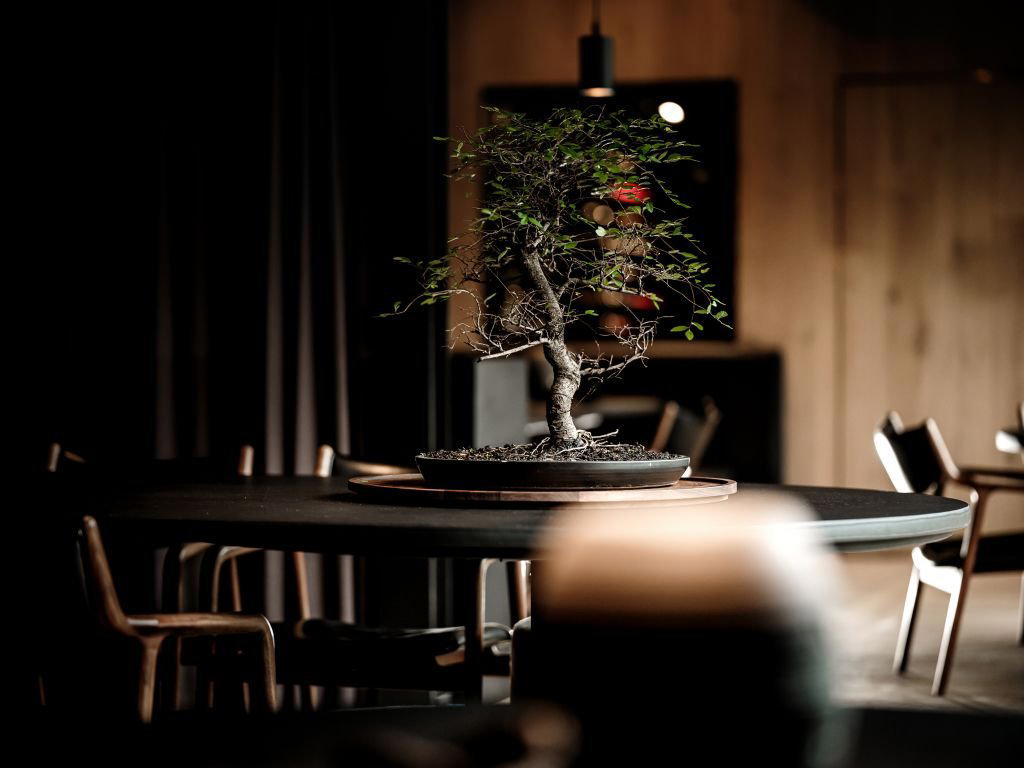
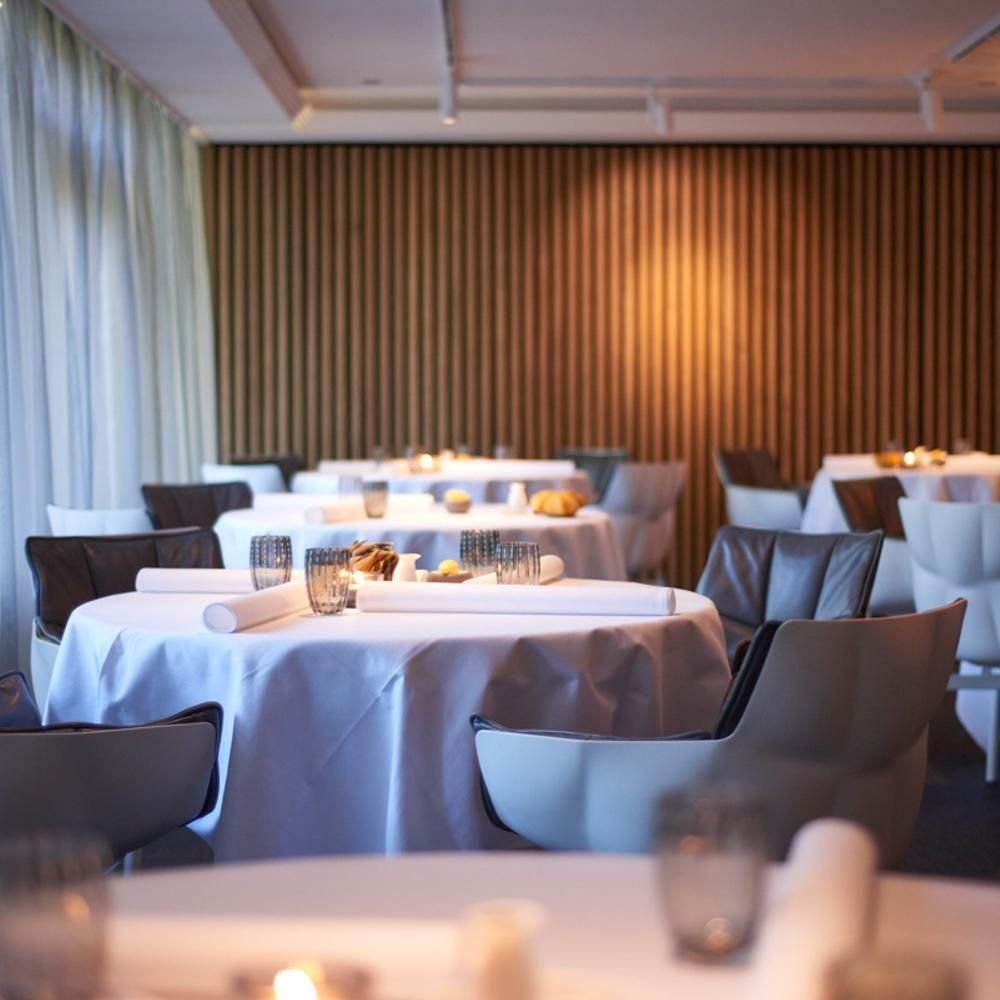
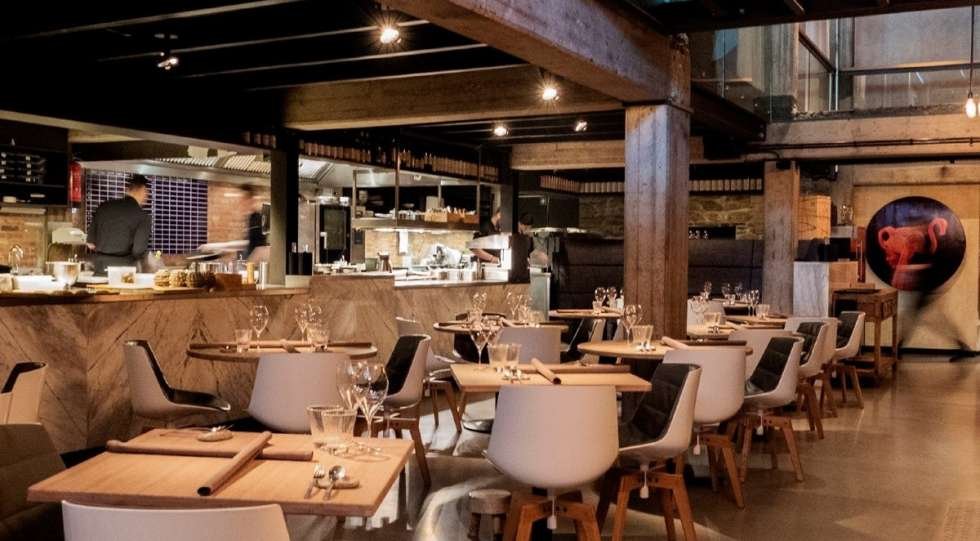
Bars in Pelt
Browse all →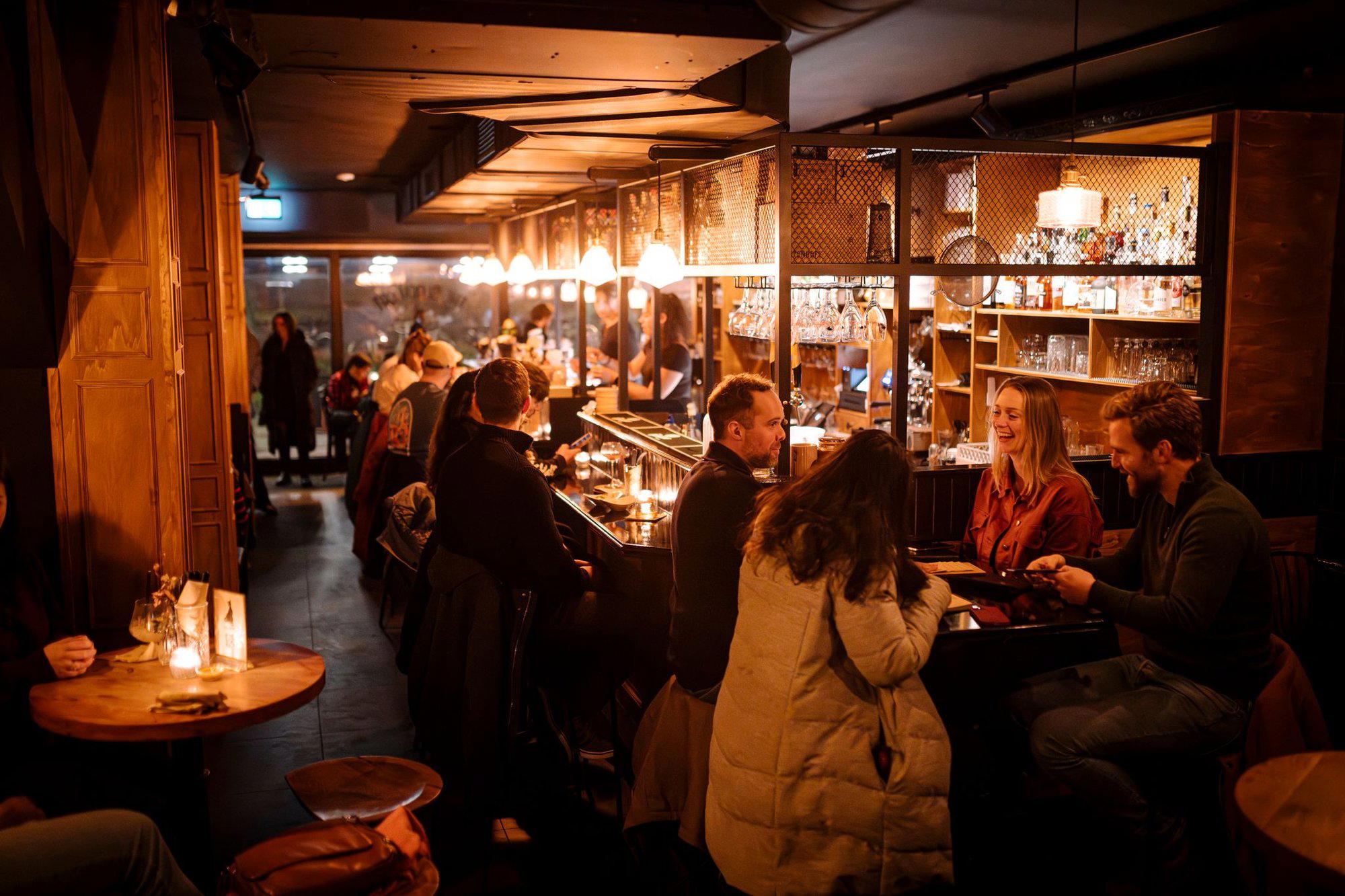
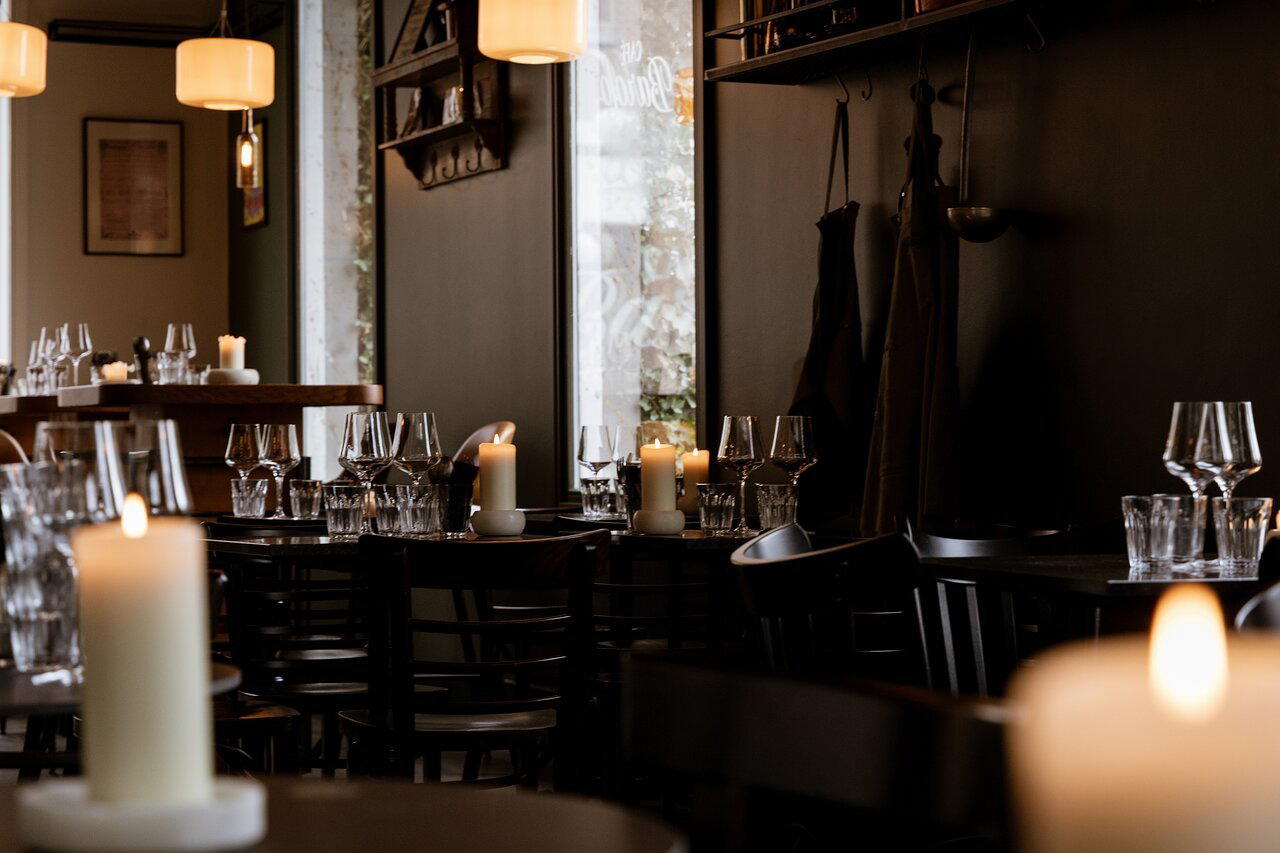
Hotels in Pelt
Browse all →

At a Glance
- Cozy
- Elegant
- Intimate
- Trendy
- Date Night
- Special Occasion
- Celebration
- Open Kitchen
- Standalone
- Sommelier Led
- Local Sourcing
Current opening hours
- Monday
- Closed
- Tuesday
- Closed
- Wednesday
- 7 PM–12 AM
- Thursday
- 7 PM–12 AM
- Friday
- 6:30 PM–12 AM
- Saturday
- 6:30 PM–12 AM
- Sunday
- Closed
Hours can change for holidays and private events. Last verified .
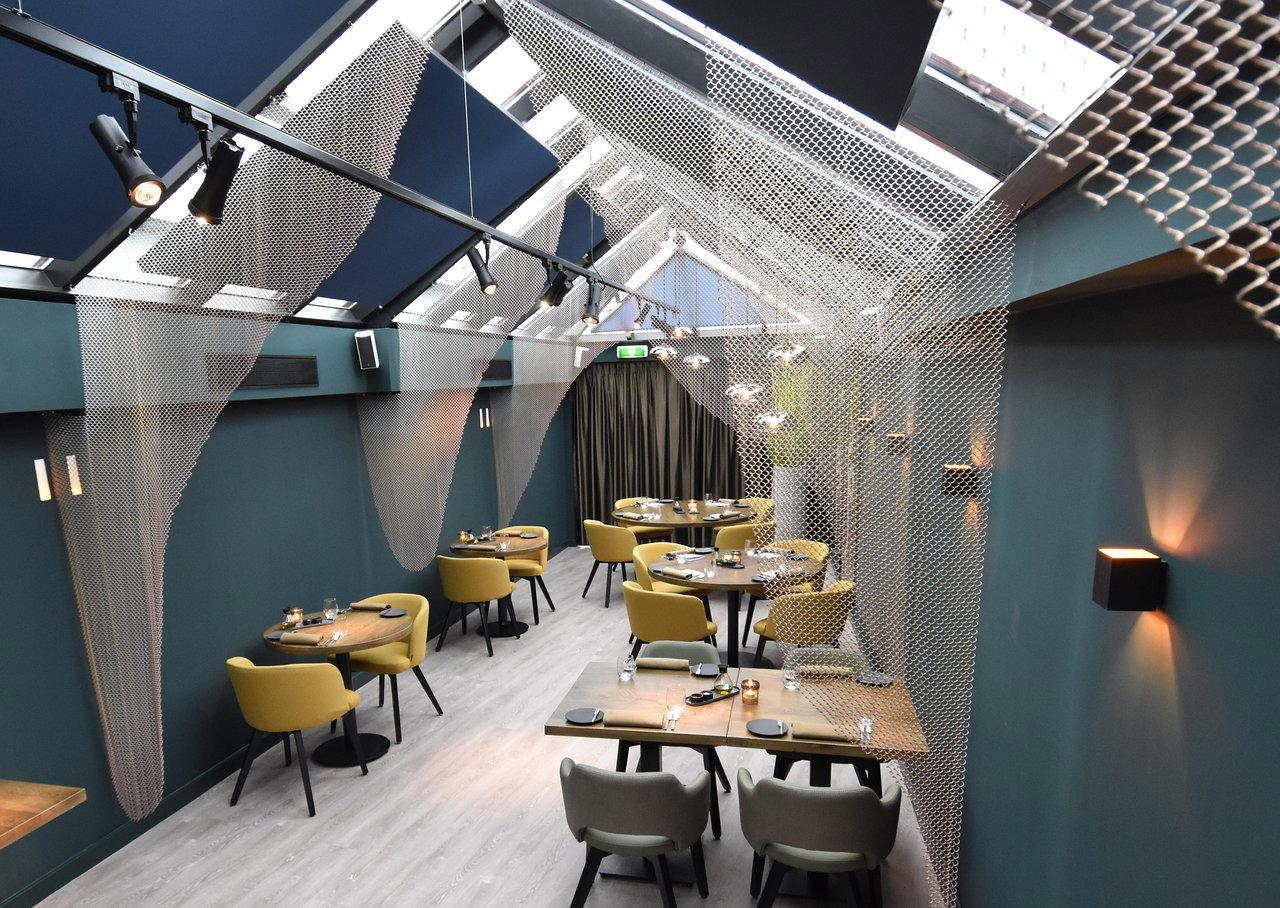
Cozy and casual yet refined, with soft understated elegance and a warm, welcoming atmosphere where guests feel at home despite the culinary sophistication.
Know Before You Go
- Getting there
- Kloosterstraat 23, 3910 Pelt, Belgium