Osteria Luca

An Italian osteria on Sint-Pietersstraat in Maasmechelen, Osteria Luca occupies the kind of neighbourhood-anchored position that Italian dining culture has always favoured: close to daily life, built on regulars. Within a Flemish town that draws visitors from the wider Limburg province and neighbouring Netherlands, it represents a distinct culinary register against the area's other dining options.
Pearl is the En Primeur Club membership app — saves, bookings, and concierge access live there. Same editors, same standards.
- Address
- Sint-Pietersstraat 46, 3630 Maasmechelen, Belgium
- Phone
- +3289246219
- Website
- osterialuca.be
- Directions
- Get directions
 Saves & bookings on Pearl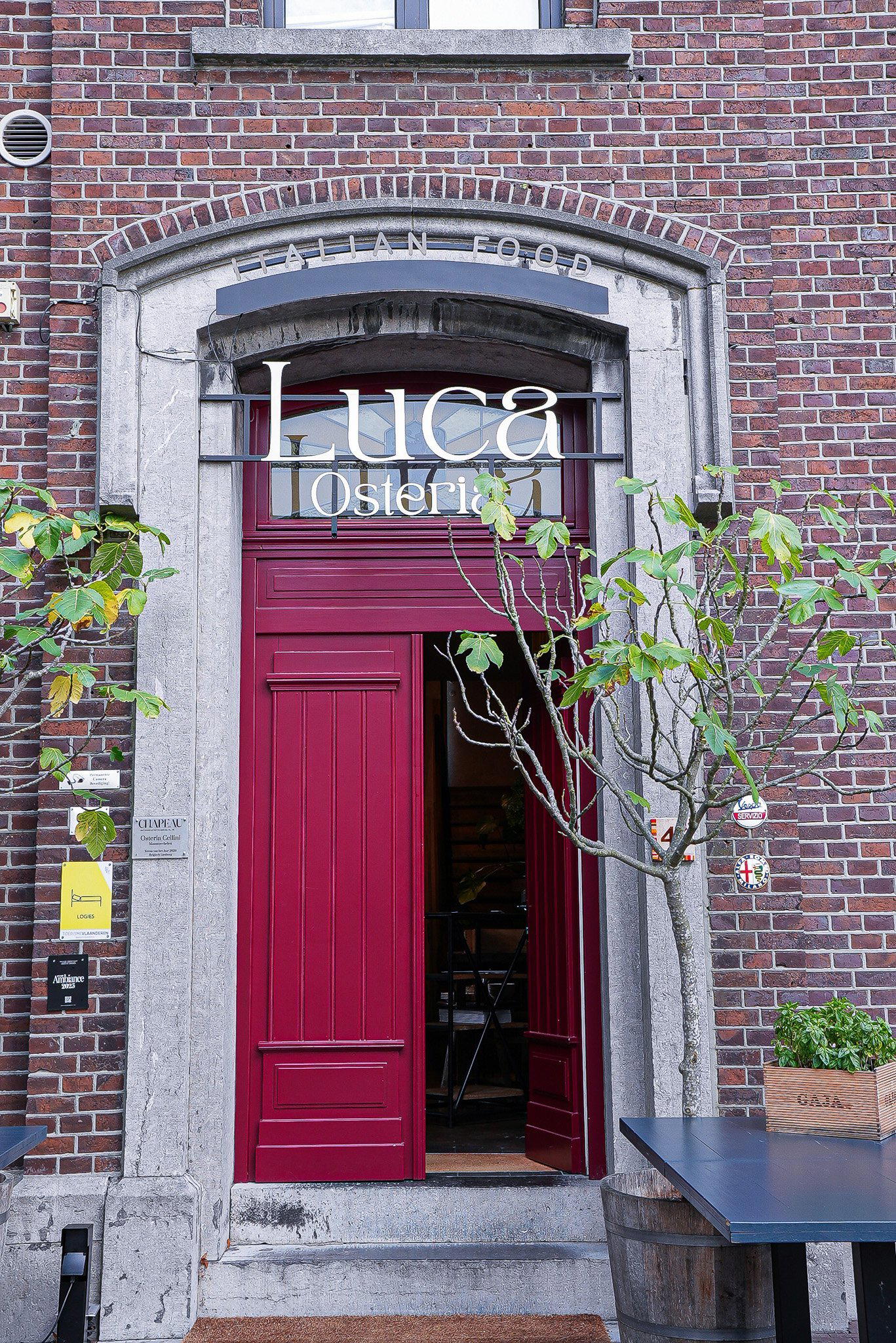
Italian Dining in a Flemish Town: What Osteria Luca Represents
The osteria as a format has always been about proximity to the community it serves. Unlike the ristorante, which positions itself toward occasion dining, or the trattoria, which leans on family legacy and volume, the osteria sits closer to the everyday: a place where wine is poured without ceremony and the kitchen follows the rhythm of what is seasonal and local. That model, transplanted into a Flemish provincial town, reads differently than it would in Milan or Bologna, and that difference is worth understanding before you walk through the door.
Maasmechelen is a municipality in the Belgian province of Limburg, pressed against the Dutch border and shaped by a history of coal mining and subsequent industrial transition. It is not a dining destination in the way that Antwerp or Ghent are. There is no cluster of starred rooms here, no neighbourhood of wine bars and natural wine shops pulling weekend visitors from Brussels. What Maasmechelen has, instead, is a resident population that eats out with regularity and a handful of restaurants — among them Barbacoa, Da Lidia, Leonardo, De Heerlyckheyt, and B-art Chocolates — that serve a local audience rather than a touring one. Osteria Luca, on Sint-Pietersstraat 46, fits that context. It is a neighbourhood restaurant in the most functional sense of the term.
The Cultural Logic of the Osteria Format
Italy's osteria tradition is older than its restaurant culture. The word originally referred to a roadside hostelry where travellers could drink the local wine and eat what the house offered, without a menu and without pretension. Over centuries, it evolved into something more settled: a room with tables, a kitchen with a short list of dishes, and a relationship between host and guest that assumed repetition. You came back. The host knew your preferences. The menu changed with what was available.
That cultural logic explains why the osteria format has exported so successfully across Europe. It asks less of the diner than a formal restaurant, and it rewards loyalty in a way that occasion-dining rooms cannot. In Belgian cities with significant Italian communities, Liège, Charleroi, Genk, the Italian restaurant has been a fixture since the postwar migration waves that brought workers to the coal and steel regions. Limburg, where Maasmechelen sits, was one of those regions. The Italian presence in this part of Belgium is not recent or cosmopolitan; it is generational, rooted in the mining industry, and it has shaped the local food culture in ways that persist in the number of Italian-named restaurants still operating across the province.
That context matters when thinking about what an osteria in Maasmechelen means. It is not importing a foreign concept; it is drawing on a culinary tradition that has been locally embedded for decades. For a wider picture of how Italian dining sits within Belgium's broader fine dining scene, the contrast is sharpest when you compare it against rooms like Zilte in Antwerp or Hof van Cleve in Kruishoutem, where the frame of reference is contemporary European fine dining rather than regional Italian tradition.
Placing Osteria Luca in Its Competitive Set
Within Maasmechelen itself, the dining options divide roughly between casual-to-mid-range neighbourhood restaurants and a smaller number of more considered rooms. Osteria Luca's address on Sint-Pietersstraat places it in the residential and small-commercial fabric of the town rather than in any dining or retail cluster. That positioning is consistent with the osteria model: the restaurant comes to the neighbourhood, not the other way around.
Across Belgium, the restaurants that attract national and international attention tend to cluster around specific axes: the Brussels fine dining circuit (see Bozar Restaurant), the West Flemish coastal and inland rooms (Bartholomeus in Heist, Boury in Roeselare, Willem Hiele in Oudenburg), and a scattering of destination addresses elsewhere (L'air du temps in Liernu, De Jonkman in Sint-Kruis, Castor in Beveren, d'Eugénie à Emilie in Baudour). Maasmechelen does not feature in that conversation. Osteria Luca is not competing at that level, and the osteria format does not invite that comparison.
For diners travelling from outside the region with an interest in Italian cooking at a higher reference point, the comparison might reach internationally toward places like Le Bernardin in New York City or Atomix in New York City, but only to illustrate how different the categories are. The osteria operates in a register that prioritises accessibility and repetition over singular event dining.
Planning a Visit
Osteria Luca is located at Sint-Pietersstraat 46, 3630 Maasmechelen. Current contact details, hours, and booking arrangements are not confirmed in available records, so it is advisable to verify operating hours and reservation availability directly before visiting. For anyone compiling a broader picture of what the town offers, the full Maasmechelen restaurants guide covers the range of options across price points and formats.
Maasmechelen is accessible by road from both Hasselt and Maastricht, and the town is familiar to cross-border visitors from the Netherlands who use the Maasmechelen Village outlet centre as a draw. That visitor pattern means the town sees more transient traffic than its size alone would suggest, which in turn supports a broader range of dining options than a purely residential municipality of its scale would typically sustain.
How Osteria Luca Maasmechelen compares with similar nearby venues.
| Venue | Cuisine | Price |
|---|---|---|
| Osteria Cellini | Italian | €€ |
Recognition history
Dated appearances from independent guides and award organizations, with the underlying list record or original source where available.
Michelin Plate
Michelin
Michelin Plate
Michelin
Continue exploring
More in Maasmechelen
Restaurants in Maasmechelen
Browse all →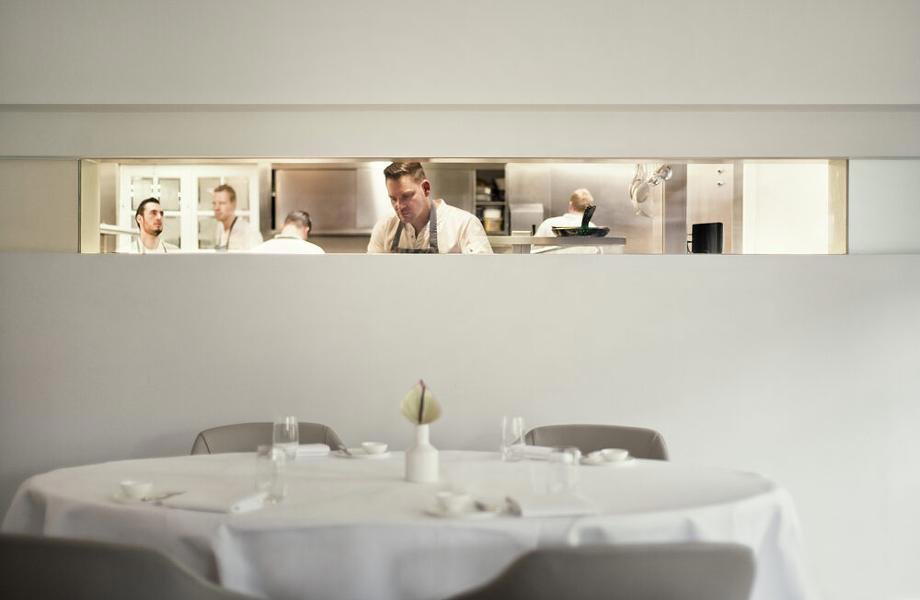
Bars in Maasmechelen
Browse all →
Hotels in Maasmechelen
Browse all →
Wineries in Maasmechelen
Browse all →
At a Glance
- Cozy
- Elegant
- Romantic
- Intimate
- Date Night
- Special Occasion
- Group Dining
- Open Kitchen
- Standalone
- Local Sourcing
Current opening hours
- Monday
- Closed
- Tuesday
- Closed
- Wednesday
- 12–10 PM
- Thursday
- 12–10 PM
- Friday
- 12–10 PM
- Saturday
- 12–10 PM
- Sunday
- Closed
Hours can change for holidays and private events. Last verified .
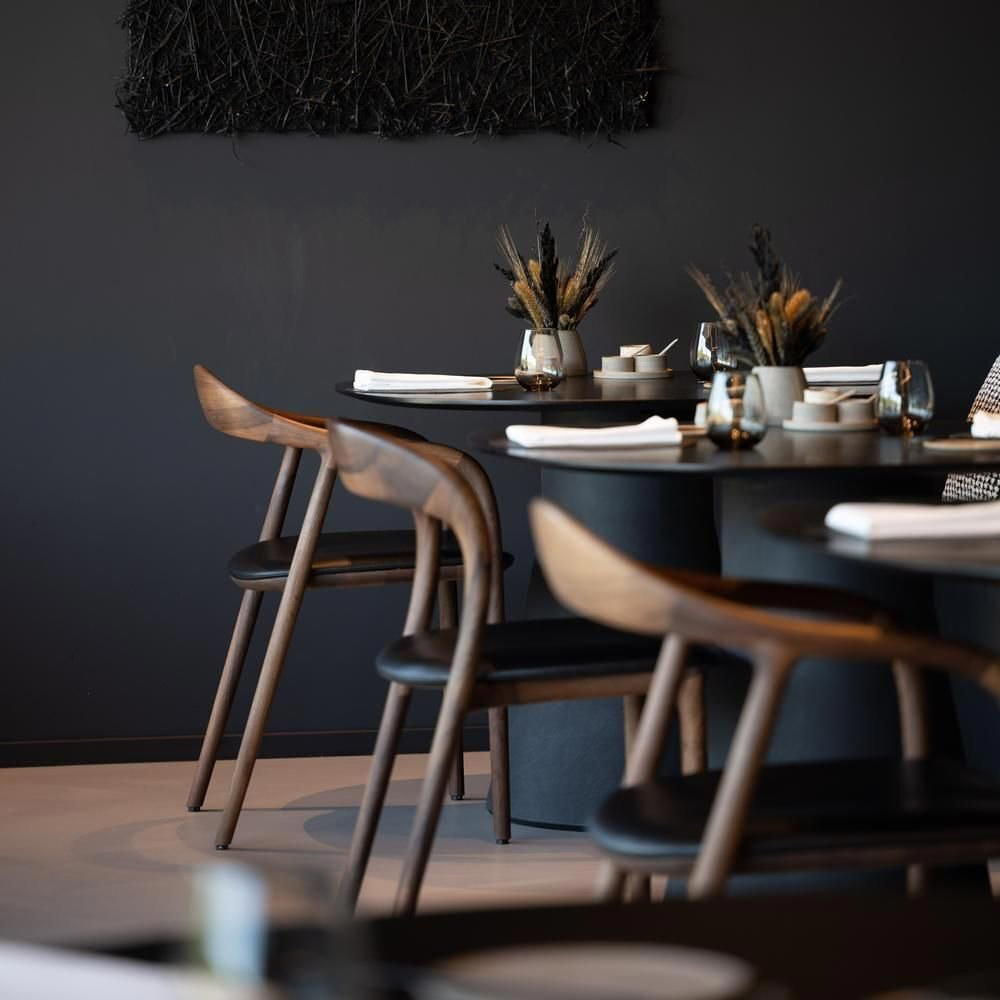
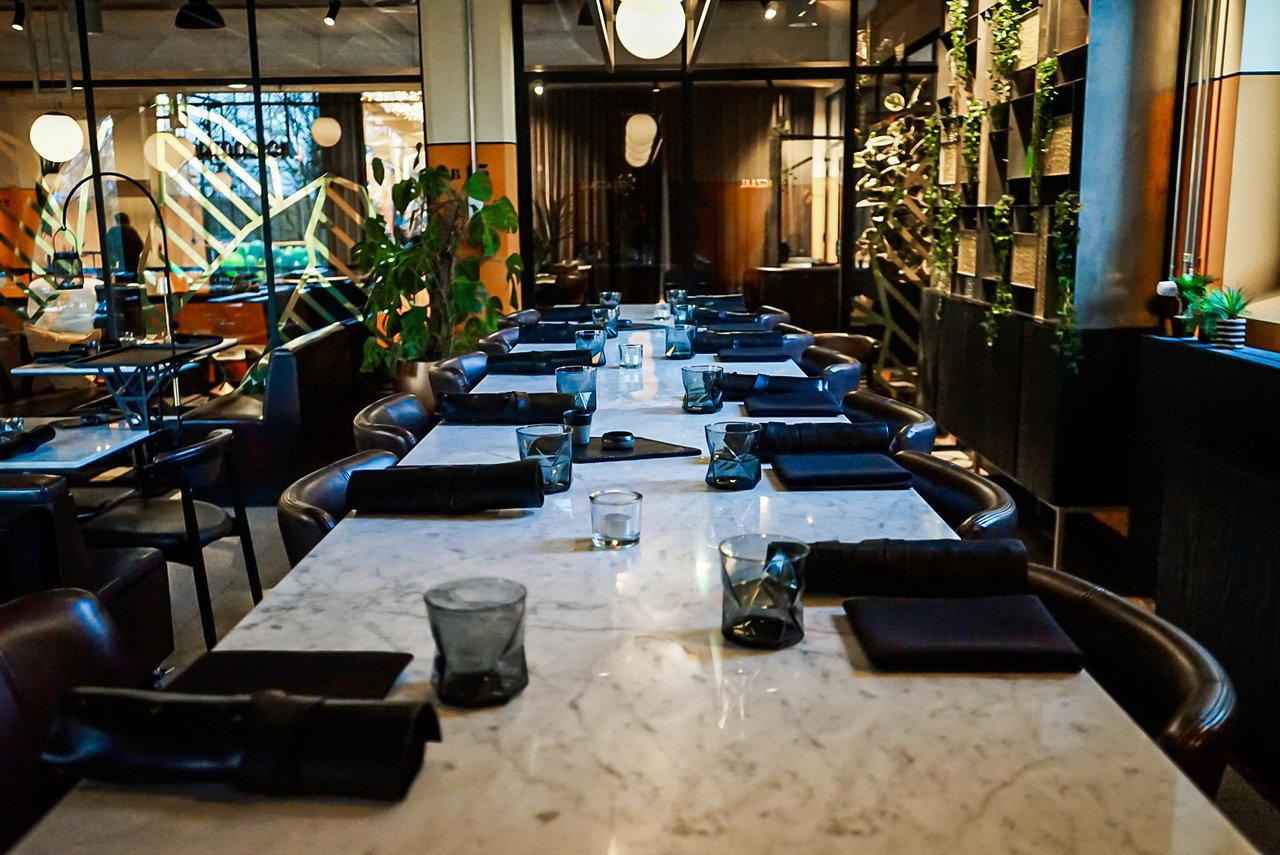
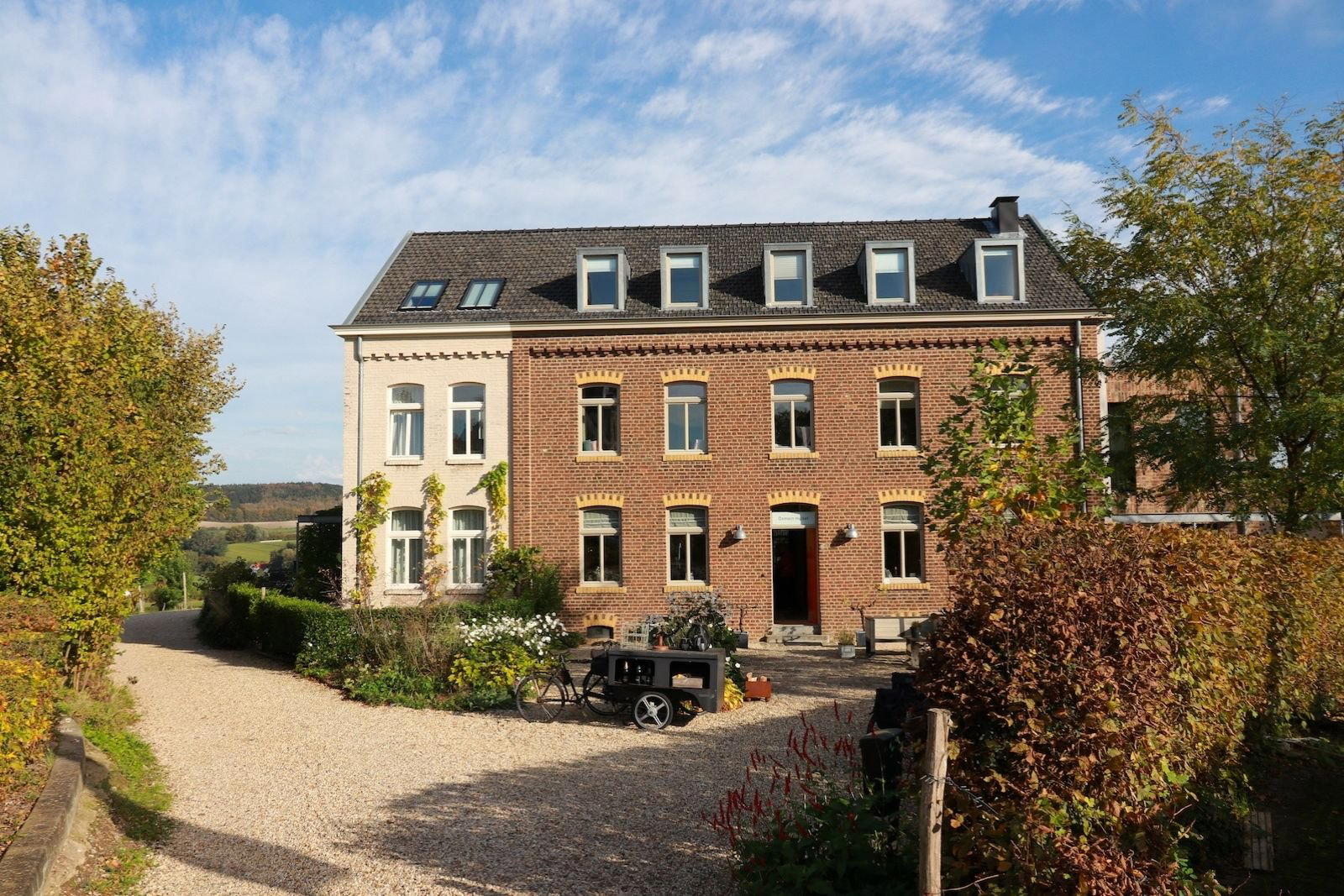
Warm and welcoming with a cozy front dining area and a brighter, flower-adorned space near the kitchen; convivial atmosphere with attentive, cheerful service.
Know Before You Go
- Getting there
- Sint-Pietersstraat 46, 3630 Maasmechelen, Belgium