
Tabelog 100 #49
Our verdict
L'EPICURIEN brings Tokyo’s French-leaning cake culture into Kichijoji’s weekend rhythm: compact, sweets-focused, and recognized in Tabelog 100 - Sweets - TOKYO across multiple years. The format is better read as a patisserie-cafe stop than a full restaurant meal, with a low spend bracket and a takeout-only seat listing shaping the decision.

Pearl is the En Primeur Club membership app, where members save venues, book tables and use the concierge.
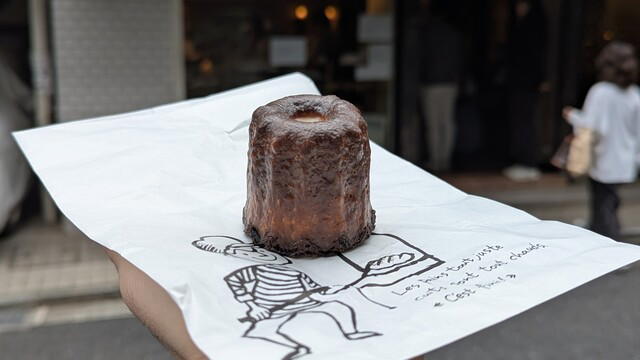
Approaching Tokyo through its smaller specialist-food rhythms, the dining mood shifts quickly: large retail counters give way to independent cafes, families on the move, and small shops where a short queue can feel normal rather than theatrical. In that setting, L'EPICURIEN belongs to a Tokyo sweets culture that treats cake not as an afterthought to lunch, but as its own reason to cross town. Read it through menu architecture: cake and cafe, narrow in scope, low in spend, and built around a public rhythm where selection and timing matter.
A cake-and-cafe format in a city built for grazing
Tokyo’s prestige dining districts often frame dessert through formal lounges, full-service restaurants, or department-store counters. Other parts of the city work differently. Their appeal is cumulative: coffee, casual meals, sweets, shopping streets, and afternoon foot traffic folded into one outing. A cake specialist here competes less with formal dessert courses than with the city’s grazing culture, where a sweets stop can anchor the day as firmly as a casual meal.
The category signal is precise: cake and cafe, not a multi-course dessert counter or a pastry boutique attached to a restaurant group. That narrower frame gives the menu a clear editorial role. It asks readers to think in terms of selection, takeaway planning, and afternoon pacing rather than dining-room ceremony. In Tokyo, where cake culture ranges from classic craft to seasonal retail counters to department-store gifting, this format sits in the independent specialist tier. Recognition by Tabelog Hyakumeiten in 2023 gives it a documented place inside that tier, not a vague reputation.
The spend band matters too. At JPY 1,000 to JPY 1,999, the value proposition is not luxury performance. It is precision within a small purchase: the kind of Tokyo sweets stop where the question is whether the cakes justify a dedicated detour, not whether the room can carry a long sitting. Compared with Tokyo peers in the supplied set, the positioning is clear. woodberry's Honten and Amane sit in adjacent sweets-and-snack territory, chai break overlaps through a cafe lens, and pizzeria GG Kichijouji occupies a broader casual-meal lane. L'EPICURIEN is narrower than those options, which is exactly the point.
What the menu structure says about the experience
A tight cake-and-cafe identity changes how to order, even when individual items are not named. Tokyo’s serious cake specialists reward attentive choice because the experience is shaped by display-case availability rather than a printed sequence. This is a planning decision as much as a taste decision. Do not expect the pacing of a restaurant meal or the guidance of a long counter format; the mode is closer to selecting from a finished repertoire, then folding the purchase into a Tokyo afternoon.
That separates it from higher-commitment dining such as Sushi to Shuko Tomikawa, where format implies a different use of time, appetite, and planning. It also separates it from casual savoury stops elsewhere in Tokyo, where the meal structure is self-evident. With cake and cafe, the order is smaller but the judgment sharper: balance, finishing, freshness, and range matter more than atmosphere alone. Tabelog’s 3.75 score and 2023 Hyakumeiten recognition suggest a shop judged by repeat public use rather than spectacle.
The retail character reinforces that reading. In Tokyo, a compact sweets address does not need to behave like a full restaurant to matter; it often concentrates the transaction around the product itself. The better comparison is specialist retail food culture, where the purchase leaves the shop and the city becomes part of the experience. Tokyo suits that mode, with enough movement and cafe culture to make a sweets purchase feel integrated into the day rather than stranded outside it.
How to place it within a Tokyo food day
The strongest use case is not a standalone cross-city pilgrimage with an empty itinerary around it. It is a calibrated Tokyo stop: arrive with flexibility, treat selection as finite, and be mindful if a line forms. Cash, timing, and queue etiquette may all matter in a small specialist setting, but the core point is simpler: this is a cake-and-cafe address best approached with patience rather than a full-restaurant script.
For travellers building a broader Tokyo food map, this specialist address should sit beside, not replace, the city’s meal anchors. A day might pair sweets with a separate dinner plan elsewhere; it should not be forced into the role of a full restaurant. For context across the city, compare it with other Tokyo dining rooms and the wider directory in Our full Tokyo restaurants guide. The broader travel frame also helps: Our full Tokyo hotels guide, Our full Tokyo bars guide, Our full Tokyo wineries guide, and Our full Tokyo experiences guide show how a small sweets stop fits into a larger itinerary rather than carrying the whole day.
Outside Tokyo, Japan’s specialist-food map splinters by city and category. Readers comparing formats can look generically at other regional restaurants, cafes, and specialist counters rather than treating them as direct substitutes. International Japanese dining underlines a different point: Japanese food culture travels well, but Tokyo’s cake-and-cafe scene remains bound to local pacing, small-format retail habits, and the discipline of limited selection.
The editorial verdict is simple: L'EPICURIEN is for travellers who understand that Tokyo’s sweets culture rewards specificity. The appeal is not breadth, ceremony, or a long menu. It is a compact cake-and-cafe format with documented Tabelog Hyakumeiten recognition in 2023, a Tokyo setting suited to afternoon movement, and enough logistical sensitivity to make timing matter. Treat it as a focused sweets stop, and the decision becomes clear.
Price and Positioning
Comparable venues at the same tier.
| Venue | Cuisine | Price | Awards | Notes |
|---|---|---|---|---|
| L'EPICURIENThis venue (the venue you are viewing) | Japanese Patisserie & Cake Shop | $10–20 | Tabelog 100 #49 | Not listed |
| Komugi to Kobo Hamada Ya Sangenjaya honten | Japanese neighborhood bakery | $1–10 | Tabelog 100 #61 | Setagaya, Japanese neighborhood bakery |
| Katane Bakery | Shibuya, Neighborhood bakery & café | $1–10 | Tabelog 100 #80 | Not listed |
| Shiroichi Shibuya ten | Raw milk soft serve & ice cream shop | $1–10 | Tabelog 100 #34 | Shibuya, Raw milk soft serve & ice cream shop |
| Sansar Shinjuku ten | Nepalese & Indian Home-Style Curry | $10–20 | Tabelog 100 #15 | Shinjuku, Nepalese & Indian Home-Style Curry |
| TRASPARENTE Nakameguro ten | Japanese-European bakery café | $10–20 | Tabelog 100 #76 | Meguro, Japanese-European bakery café |
Recognition history
Dated appearances from independent guides and award organizations, with the underlying list record or original source where available.
Tabelog 100 #49 · No. 49
Tabelog · Tabelog 100 - Sweets - TOKYO - 2023
Continue exploring
More in Tokyo
Restaurants in Tokyo
All restaurants in Tokyo →



Bars in Tokyo
All bars in Tokyo →

Hotels in Tokyo
All hotels in Tokyo →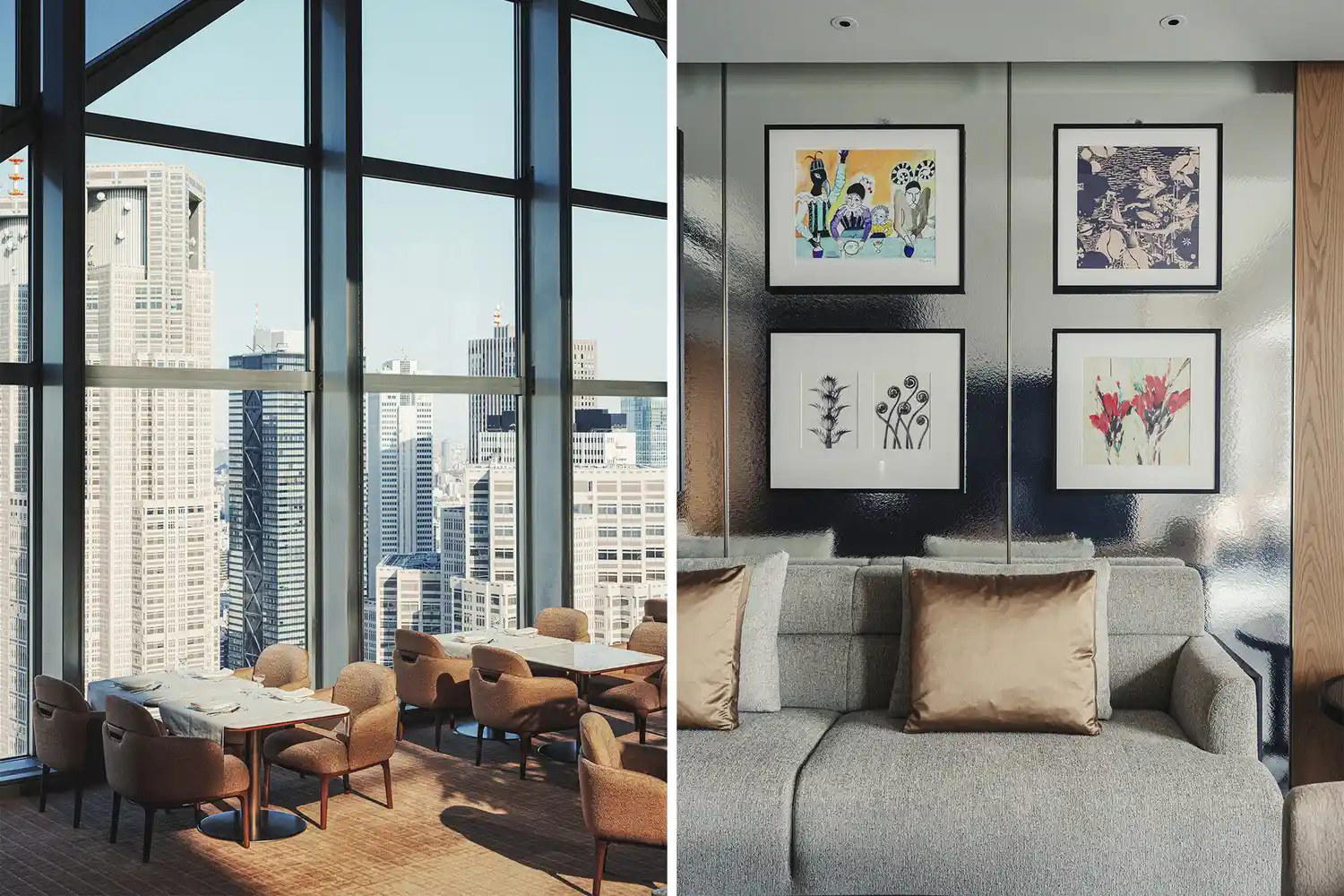
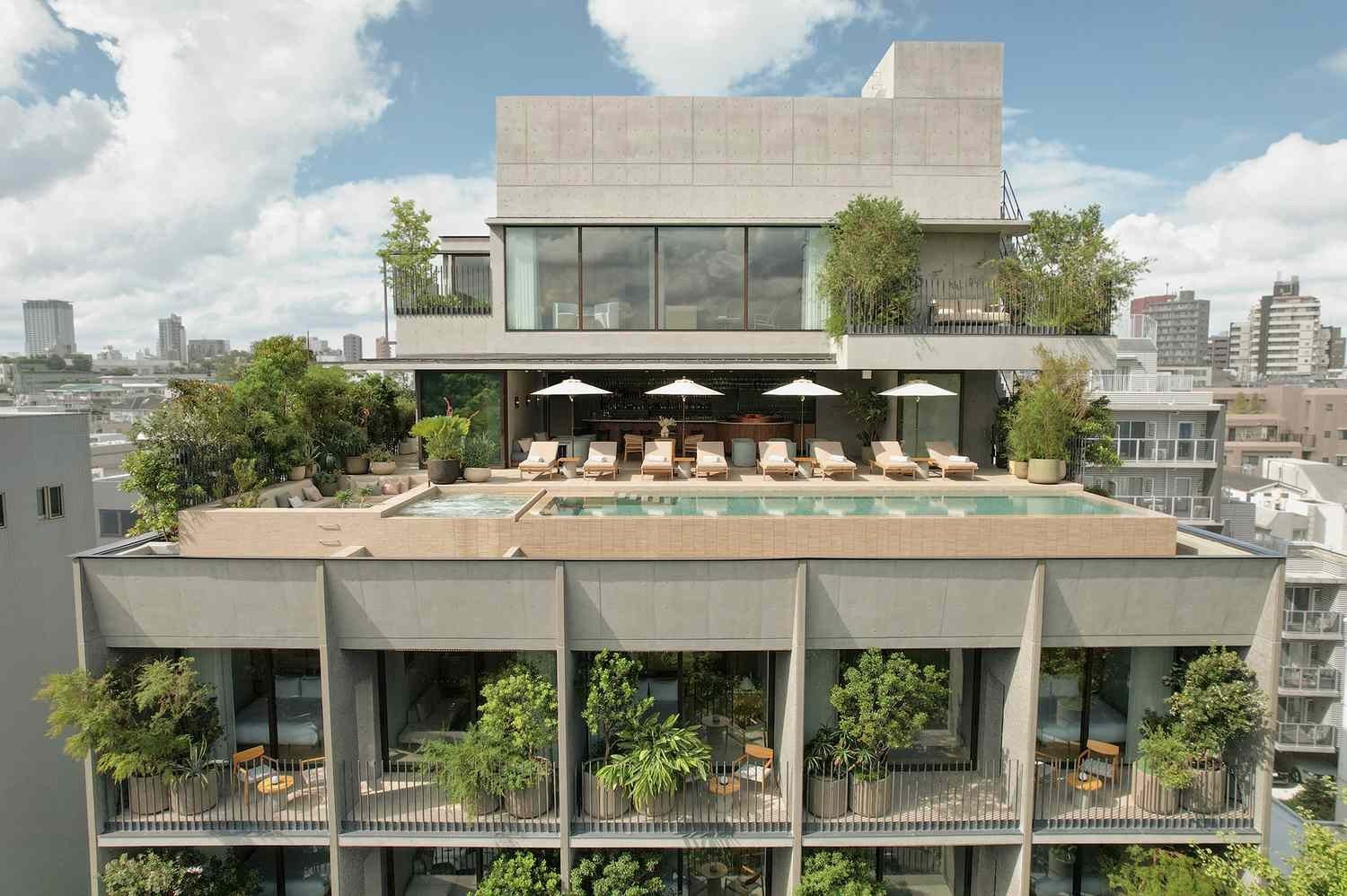



Wineries in Tokyo
Browse all →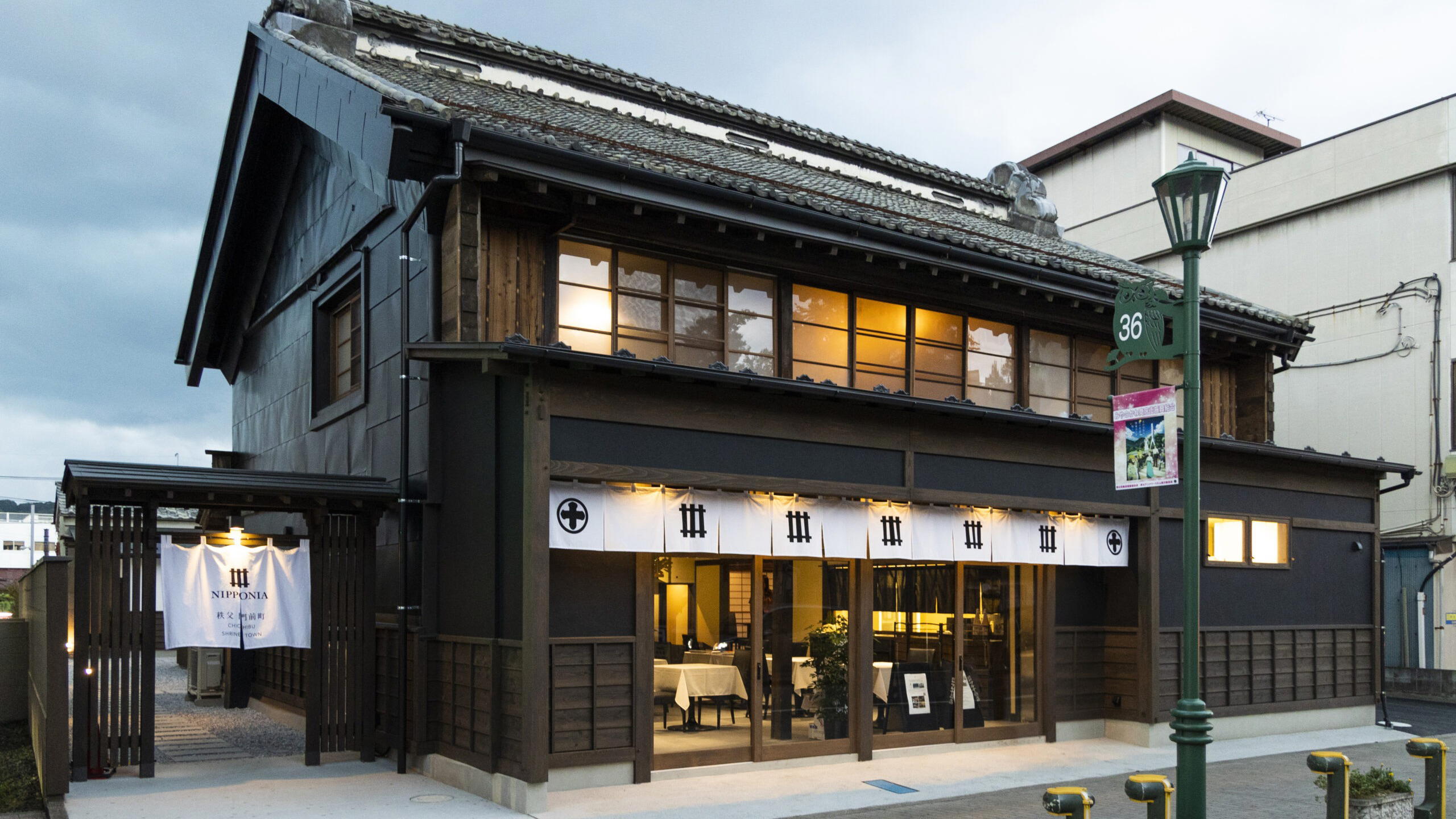
Details
- Solo
- Casual Hangout
- After Work
- Standalone
- A La Carte
- Counter Dining
Current opening hours
- Monday
- Closed
- Tuesday
- Closed
- Wednesday
- Closed
- Thursday
- Closed
- Friday
- Closed
- Saturday
- 12–6 PM
- Sunday
- 12–6 PM
Hours can change for holidays and private events. Hours as of .
A small, takeout-only cake shop with a quiet, low-key atmosphere, functioning more like a specialty patisserie counter than a sit-down café.