Our verdict
In Zekeriyaköy, on the forested northern fringe of Istanbul, whole-roasted lamb cooked over open coals is the entire point. Kuzubeyi Kuzu Çevirme occupies the kind of address where the smoke reaches the road before the sign does, drawing Istanbul families and meat-focused pilgrims who understand that spit-roasted kuzu çevirme at this level requires both the right animal and the right fire.

Pearl is the En Primeur Club membership app, where members save venues, book tables and use the concierge.
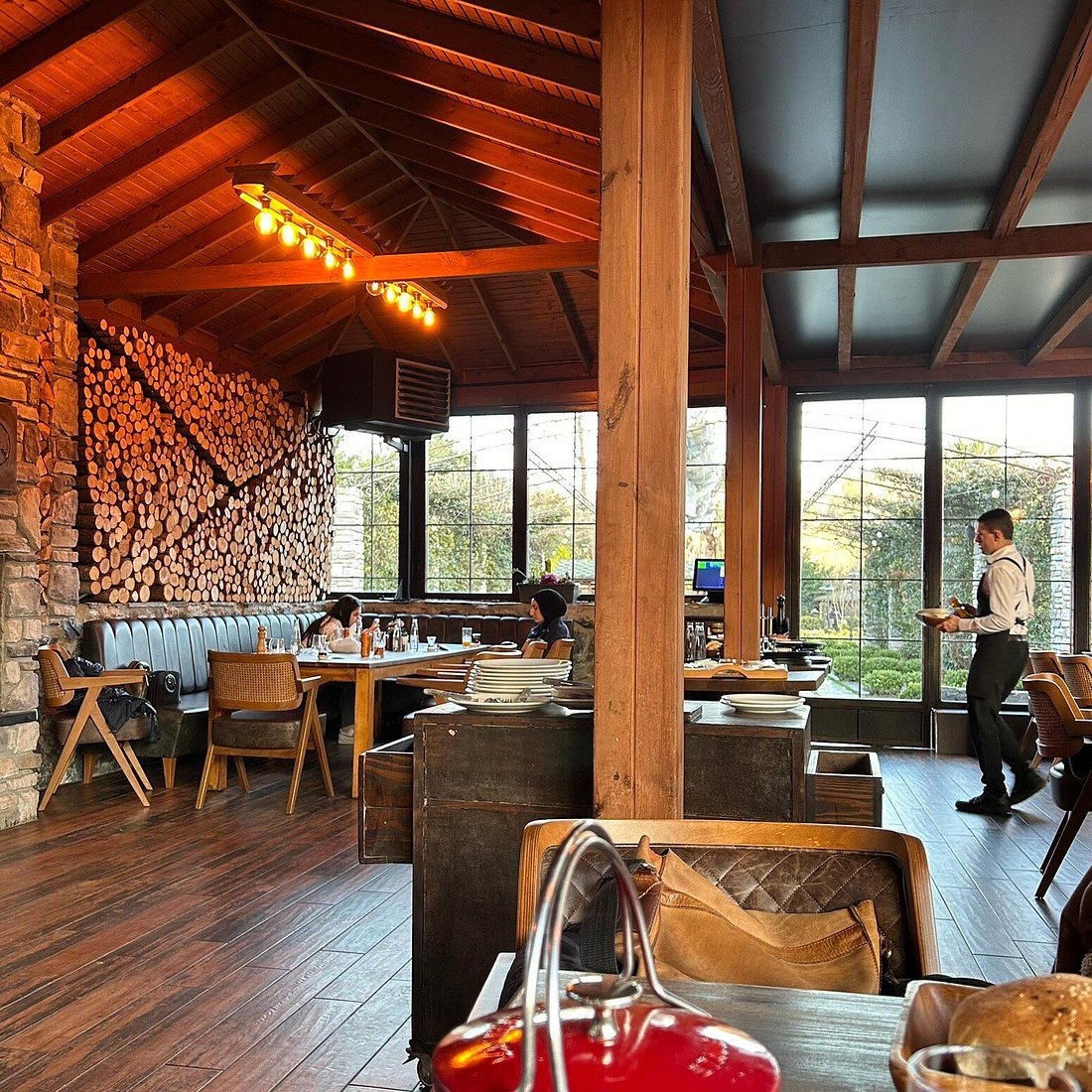
Where the Smoke Comes First
Approach Zekeriyaköy from the Belgrade Forest side and the air changes before the address does. Wood smoke carrying rendered lamb fat signals you are close. This is not a neighbourhood built around restaurant density; it sits on the northernmost arc of the Sarıyer district, where Istanbul's urban sprawl runs out against forest reserve and the occasional working farm. That geography is not incidental to what Kuzubeyi Kuzu Çevirme serves. The distance from the city centre is, in part, the point: spit-roasted whole lamb is a format that demands space, open fire, and a particular relationship with suppliers who still raise animals at small enough scale to matter to the quality of the end result.
Within the broader Sarıyer dining scene, where venues like Begonia Garden Boutique Restaurant, Erdal Chef, and Scalini Istanbul serve European-influenced or fusion menus for the district's affluent residential base, Kuzubeyi occupies a firmly different register: it is a single-format specialist, the kind of place that earns its reputation by doing one thing at a scale and consistency that generalist restaurants cannot match. See the full Sarıyer restaurants guide for the wider neighbourhood picture.
The Sourcing Logic Behind Whole-Roasted Lamb
Kuzu çevirme, Turkey's tradition of slow-turning whole lamb on a spit over wood coals, is a format where ingredient sourcing is not a marketing flourish, it is the technical foundation of the dish. The fat distribution in the animal determines how the skin crisps and how the meat bastes itself during a cook that typically runs several hours. Younger lambs, raised on pasture rather than feedlot grain, produce the cleaner fat and more delicate flesh that the technique requires to work correctly. In Anatolia, this means sourcing from specific regions where breed, terrain, and feed align: the highlands of eastern Turkey, parts of the Aegean interior, and select producers in the Marmara hinterland have historically supplied the animals most associated with quality kuzu çevirme traditions.
Zekeriyaköy's position at Istanbul's rural edge makes it a logical home for this format. The surrounding area retains connections to agricultural supply chains that central Istanbul neighbourhoods severed decades ago, and the physical infrastructure, open-air cooking areas, enough space to manage live fire at scale, suits the format in ways that a Beyoğlu or Karaköy address simply cannot replicate. For context on how specialist Turkish regional cooking operates at the other end of the country's geography, Hiç Lokanta in Urla and Narımor in Izmir demonstrate how ingredient provenance shapes identity in Aegean cooking, while Maçakızı in Bodrum applies similar sourcing rigour to a seaside luxury context.
The Format and What It Demands of the Diner
Kuzu çevirme is not a menu with options. The lamb is the meal. Side dishes, bread, and accompaniments exist in a supporting role, and the experience is structured around the rhythm of the fire rather than à la carte convenience. Venues operating in this tradition across Turkey, from roadside specialists outside Konya to rural establishments in the Aegean hills, share this characteristic: the kitchen's schedule governs the dining room's, not the reverse. Arriving at the right time matters more than almost any other logistical consideration. The lamb finishes when it finishes, and the prime cuts, shoulder, leg, the crackling skin, move quickly once service begins.
This is a format with deep roots in Turkish communal eating culture. Whole-roasted lamb has historically anchored celebrations, religious holidays, and large family gatherings; the restaurant format, which packages this tradition for regular weekly service, emerged most visibly in the mid-to-late twentieth century as urban Turks sought ways to access rural cooking traditions without leaving the city. Establishments like Asitane in Fatih, which reconstructs Ottoman palace recipes, and Kısmet Etliekmek ve Lahmacun Salonu in Karaman represent different nodes in that long project of preserving and presenting Anatolian food culture in a restaurant context.
Compared to the structured tasting-menu formats gaining traction at Istanbul's high-end addresses, Turk Fatih Tutak being the most internationally recognised example, Kuzubeyi operates on entirely different terms. There is no tasting progression, no wine pairing architecture, no tableside narration. The authority comes from the fire, the animal, and the accumulated craft of managing both. That is a different kind of expertise, and it addresses a different kind of hunger.
Getting There and Planning the Visit
Zekeriyaköy sits at the far northern end of the Sarıyer district, roughly 35 kilometres from central Istanbul by road. The most practical approach from the European side of the city is via the coastal road through Sarıyer town continuing north, or via the TEM motorway exit toward the Belgrade Forest fringe. Public transport connections to Zekeriyaköy are limited; most visitors arrive by car or taxi. Because kuzu çevirme service is time-dependent and often sells out by early afternoon on weekends, arriving close to opening is advisable. Weekend lunch is the traditional service window for this format across Turkey, though individual venues set their own schedules.
For reference points on how meat-focused specialist restaurants operate elsewhere across Turkey, Bayramoğlu Döner in Beykoz on the Asian side and Ciğerci Mahmut in Adana show the same single-format discipline applied to different proteins and regional traditions. Dürümzade in Beyoğlu is another Istanbul reference point for the city's appetite for focused, no-compromise street-rooted formats. Outside Turkey entirely, the gap between this kind of live-fire specialist and the tasting-counter world of Le Bernardin or Atomix in New York City is a useful reminder of how many valid ways there are to build a restaurant around a single ingredient treated with absolute seriousness.
Further seasonal context: kuzu çevirme specialists across Turkey tend to draw the heaviest traffic in spring and early summer, when younger spring lambs are available and outdoor dining conditions align with the open-fire format. Autumn visits offer cooler temperatures and, in many cases, slightly shorter queues. Kritikos Meyhane in Mudanya and Casa Lavanda in Sile offer a sense of how the broader Istanbul-adjacent coastal dining scene operates in the same seasonal rhythms, for those building a longer trip around the region. Kocak Baklava in Gaziantep provides a useful point of comparison for how single-product dedication plays out in Turkey's other great food city.
Frequently asked questions
How do I find Kuzubeyi Kuzu Çevirme Zekeriyaköy?
Kuzubeyi Kuzu Çevirme Zekeriyaköy is located at Zekeriyaköy, 1. Cd. No, Sar Yer.
How far is Kuzubeyi Kuzu Çevirme Zekeriyaköy from central Istanbul, and how do you get there?
Zekeriyaköy sits at the far northern end of the Sarıyer district, roughly 35 kilometres from central Istanbul by road. The most practical route is by car, as the neighbourhood is beyond the reach of most metro and tram lines. The drive from Beşiktaş or Taksim typically takes 45 to 60 minutes depending on traffic.
What's the must-try dish at Kuzubeyi Kuzu Çevirme Zekeriyaköy?
Kuzu çevirme is the only dish that matters here. The venue is built entirely around whole lamb slow-turned on a spit over wood coals, a format that leaves no room for alternatives, the lamb is the meal, with bread and side dishes playing a secondary role.
Do they take walk-ins at Kuzubeyi Kuzu Çevirme Zekeriyaköy?
Kuzu çevirme operations are structured around whole animals prepared in advance, which means availability depends on how many lambs have been prepared for the day. Arriving without a prior arrangement, especially on weekends, risks finding the meat already sold out.
What do critics highlight about Kuzubeyi Kuzu Çevirme Zekeriyaköy?
What draws attention to the Zekeriyaköy location more broadly is the setting itself: the northern Sarıyer district, close to Belgrade Forest, gives wood-fire operations like this one a different character from their urban Istanbul counterparts.
A Quick Peer Check
Comparable venues nearby, for context on price, style, and recognition.
| Venue | Cuisine | Price | Notes |
|---|---|---|---|
| Kuzubeyi Kuzu Çevirme ZekeriyaköyThis venue (the venue you are viewing) | Turkish Grilled Lamb Specialist | $30–50 | Not listed |
| Erdal Chef | Turkish | Not listed | Sar Yer |
| Scalini Istanbul | Traditional Italian | Not listed | Sarıyer |
| Onur Kebap, Sheraton Grand Adana | Turkish Kebap Grill | $20–30 | Yuregir |
| Asitane | Ottoman Palace Cuisine | $30–50 | Edirnekapi |
Continue exploring
More in Sar Yer
Restaurants in Sar Yer
All restaurants in Sar Yer →
Details
- Scenic
- Cozy
- Elegant
- Rustic
- Date Night
- Group Dining
- Family
- Business Dinner
- Casual Hangout
- Garden
- Terrace
- Standalone
- Garden
- A La Carte
- Family Style
- Tea
- Traditional Beverages
- Halal
Current opening hours
- Monday
- 9 AM–11 PM
- Tuesday
- 9 AM–11 PM
- Wednesday
- 9 AM–11 PM
- Thursday
- 9 AM–11 PM
- Friday
- 9 AM–11 PM
- Saturday
- 9 AM–11 PM
- Sunday
- 9 AM–11 PM
Hours can change for holidays and private events. Hours as of .
Bright, sunny, and welcoming with an American steakhouse interior aesthetic transitioning to an unbelievably beautiful garden; described as cozy and attentive to detail including music selection.