Our verdict
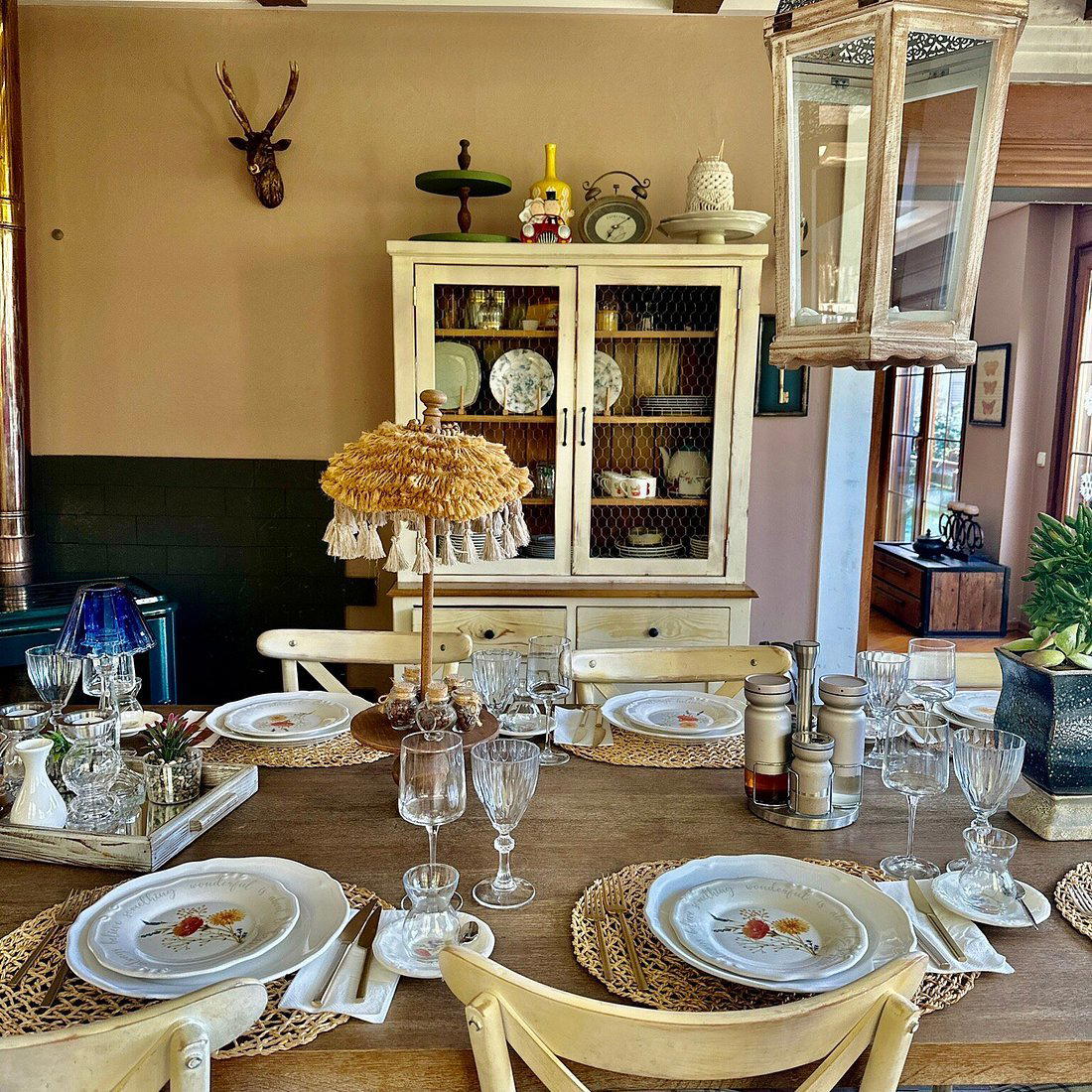
Set along Tarakçı Caddesi in Zekeriyaköy, one of Istanbul's northern villages where the city gives way to the Belgrade Forest, Begonia Garden Boutique Restaurant occupies the quieter, garden-dining tier of Sarıyer's eating scene. The address places it well outside the tourist circuits of the Bosphorus waterfront, drawing a neighbourhood crowd that prizes a slower meal over spectacle.

Pearl is the En Primeur Club membership app, where members save venues, book tables and use the concierge.
Where Istanbul's Northern Edge Slows Down
The Zekeriyaköy neighbourhood sits at the point where Sarıyer's residential streets thin out and the Belgrade Forest begins to press in from the north. For most visitors, this stretch of Istanbul's European fringe remains off the standard circuit: the Bosphorus villages of Bebek and Arnavutköy pull the attention southward, and the restaurant density here is low enough that each address carries more individual weight. Begonia Garden Boutique Restaurant occupies Tarakçı Caddesi within that context, a street-level garden setting in a district where the scale of hospitality is deliberately kept small.
Garden dining in Istanbul's outer northern villages follows a logic different from the waterfront terraces closer to the centre. Here, the appeal is proximity to green space rather than water views, and the restaurants that succeed in this format tend to position themselves as retreats from the city's pace rather than participants in its competitive dining scene. The format has particular relevance in the warmer months, when the forest edge makes this part of Sarıyer noticeably cooler than the urban districts further south.
The Ingredient Logic of a Village Setting
Restaurants operating at the village periphery of a major city occupy an interesting position in the sourcing chain. In theory, the distance from central wholesale markets creates a constraint; in practice, the proximity to smaller producers, allotment holders, and regional suppliers who bypass Istanbul's central distribution can work in the opposite direction. Villages like Zekeriyaköy historically maintained their own supply lines for dairy, eggs, and garden produce, and some of the casual restaurants here reflect that local provisioning even where it is not explicitly marketed.
This sourcing dynamic matters in a country where the gap between industrial supply chains and small-scale regional production is wide and consequential. Turkish cuisine at its most compelling draws on hyper-local ingredient traditions: the specific milk used for a cheese, the provenance of a lamb, the strain of pepper that defines a regional meze. Restaurants in village-adjacent settings, particularly those operating under a boutique format, are better positioned to work with that granularity than high-volume operations in the centre. Whether Begonia Garden takes explicit advantage of that position is something a visit would need to confirm, but the structural opportunity is there by geography alone.
For comparison, the sourcing argument appears more explicitly in restaurants like Narımor in Izmir and Aravan Evi in Ürgüp, both of which have built editorial identities around regional ingredient specificity. At the other end of the spectrum, globally referenced precision cooking at places like Turk Fatih Tutak in Istanbul or, internationally, Le Bernardin in New York City and Lazy Bear in San Francisco demonstrates what the sourcing-forward approach can produce at higher price points. The village boutique format sits at a different point on that axis, where the value proposition is atmosphere and locality rather than technique.
The Sarıyer Dining Context
Sarıyer as a district contains several distinct dining registers. The Bosphorus-facing villages offer fish restaurants and meyhanes with water views priced for the occasion. Further inland, the neighbourhood restaurants serve a local population that eats out regularly and has consistent expectations around value. Zekeriyaköy leans toward the latter category, with an additional overlay of weekender traffic from Istanbul residents who drive north for the forest and the relative quiet.
Within walking or short driving distance, Kuzubeyi Kuzu Çevirme Zekeriyaköy anchors the neighbourhood's fire-cooked meat tradition, a format that draws on village-scale celebration cooking. Erdal Chef represents a different register in the same district. Scalini Istanbul adds an Italian-inflected option to the area's mix. Begonia Garden's boutique framing suggests a positioning slightly apart from the high-volume lamb rotation that defines Kuzubeyi, oriented instead toward the kind of garden meal where the setting does meaningful work alongside the plate.
Broader Turkish restaurant comparisons are useful for calibrating expectations. The coastal registers of Maçakızı in Bodrum, the Cappadocian context of Nahita Cappadocia or Happena in Nevşehir, and the Aegean inflection of places like Mezegi in Fethiye or Ahãma in Göcek each show how strongly Turkish restaurant identity is shaped by geography and ingredient access. Istanbul's northern village fringe sits in its own category: less defined by sea or rock than by forest and the particular rhythms of a neighbourhood that has absorbed city commuters without becoming fully urban.
Practical Considerations for Visiting
Zekeriyaköy is most comfortably reached by car from central Istanbul; the drive from Taksim or Beşiktaş runs roughly 30 to 40 minutes depending on traffic, with the E80 and TEM motorways providing the main approach from the west. Public transport options exist but involve multiple transfers and are less practical for an evening meal. Parking in the village is generally not a constraint in the way it is closer to the Bosphorus waterfront. Restaurants in this part of Sarıyer tend to operate with more flexibility than the high-demand city-centre addresses covered in our full Sarıyer restaurants guide, but the boutique scale implied by the name suggests that capacity is limited. Contacting the restaurant directly before visiting on weekends, particularly during the warmer months when garden dining demand spikes across the northern villages, is the practical approach.
For those building a wider Istanbul itinerary, the northern Sarıyer addresses pair well with a visit to the Belgrade Forest or the Rumeli Feneri lighthouse at the mouth of the Bosphorus. The meal functions as an anchor for a day that is already oriented away from the central tourist circuit rather than a standalone destination requiring a dedicated trip across the city. Comparable neighbourhood-scale logic applies at addresses like Poyraz Sahil Balık Restaurant in Beykoz on the Asian shore, or Agora Pansiyon in Milas, where the meal is embedded in a broader sense of place rather than operating as a self-contained event. The same is true of Divia by Maksut Aşkar in Marmaris and Kokorecci Asim Usta in Bornova, both of which earn their visits through context as much as plate.
Frequently asked questions
Where is Begonia Garden Boutique Restaurant in Sar Yer?
Begonia Garden Boutique Restaurant is located at Zekeriyaköy, Tarakçı Cd. No, Sar Yer.
How far is Begonia Garden Boutique Restaurant from central Istanbul, and how do I get there?
The restaurant is located on Tarakçı Caddesi in Zekeriyaköy, a neighbourhood within the Sarıyer district at Istanbul's northern edge. From Taksim or Beşiktaş, the drive runs roughly 30 to 40 minutes depending on traffic, making a private car or taxi the most practical option, public transport connections to Zekeriyaköy are limited compared to the more central Sarıyer waterfront.
What dish is Begonia Garden Boutique Restaurant famous for?
No specific signature dish has been documented for Begonia Garden at this time. What defines the kitchen's position, however, is its village-periphery location in Zekeriyaköy, Sarıyer, a setting that historically supports proximity sourcing from producers operating between Istanbul's northern residential fringe and the Belgrade Forest corridor.
Do I need a reservation for Begonia Garden Boutique Restaurant?
Reservation policy has not been confirmed publicly for Begonia Garden. Given the boutique scale implied by the venue name and its Zekeriyaköy address on Tarakçı Caddesi, a quieter village street rather than a high-footfall strip, contacting the restaurant directly before visiting is advisable, particularly on weekends when northern Istanbul draws day-trip traffic from the city centre.
What makes Begonia Garden Boutique Restaurant worth seeking out?
The case for the detour is primarily geographic: Zekeriyaköy sits where Sarıyer's residential fabric dissolves into the Belgrade Forest, giving the restaurant a setting that no venue closer to Taksim or the Bosphorus waterfront can replicate. Boutique restaurants in this zone serve a different function than the fish-and-meyhane register of the Bosphorus villages, they draw visitors willing to trade water views for quieter surroundings and a more contained format.
Quick Comparison
| Venue | Cuisine | Price |
|---|---|---|
| Begonia Garden Boutique RestaurantThis venue (the venue you are viewing) | Not listed | Not listed |
| Erdal Chef | Turkish | Not listed |
| Kuzubeyi Kuzu Çevirme Zekeriyaköy | Turkish Grilled Lamb Specialist | $30–50 |
| Scalini Istanbul | Traditional Italian | Not listed |
Continue exploring
More in Sar Yer
Restaurants in Sar Yer
All restaurants in Sar Yer →
Bars in Sar Yer
Browse all →
Details
Current opening hours
- Monday
- Closed
- Tuesday
- 9 AM–6 PM
- Wednesday
- 9 AM–6 PM
- Thursday
- 9 AM–6 PM
- Friday
- 9 AM–6 PM
- Saturday
- 9 AM–6 PM
- Sunday
- 9 AM–6 PM
Hours can change for holidays and private events. Hours as of .