
Michelin Selected
A MICHELIN Selected property set within a historic Estonian manor, Maidla Nature Resort occupies a quiet corner of western Estonia where forest and farmland frame a restored estate. The setting positions it within a small category of Baltic properties where landscape immersion and architectural heritage define the guest experience rather than urban amenity or resort scale.

Pearl is the En Primeur Club membership app — saves, bookings, and concierge access live there. Same editors, same standards.
- Address
- Maidla mõis 1, Maidla, Rapla, 79408, Estonia
- Phone
- +372 5648 8132
- Website
- maidlaresort.com
- Directions
- Get directions
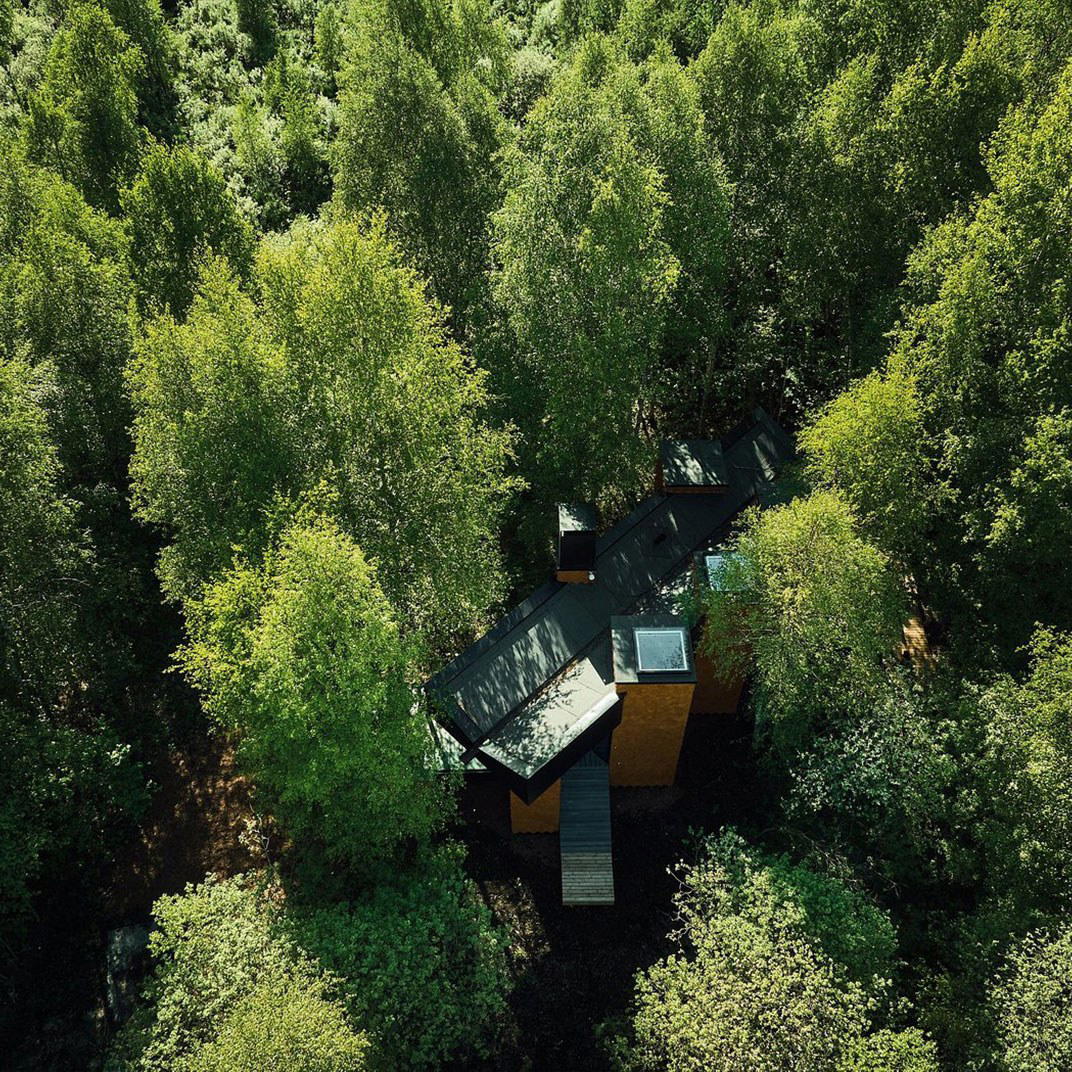
Manor Architecture in the Estonian Countryside
Western Estonia's interior is not where most international travellers look first. The coastal islands draw attention, Tallinn holds the city-break market, and Tartu anchors the cultural and university crowd. What sits between these poles is a quieter layer of the country: agricultural parishes, forest roads, and the remnants of Baltic German estate culture expressed in manor houses that dot the region at irregular intervals. Maidla is one such address. The resort occupies a historic mõis, the Estonian term for manor estate, and the physical fabric of that building is the defining fact of the experience before any amenity comes into consideration.
Manor architecture of this type in Estonia follows a recognisable pattern: neoclassical or late-baroque facades, symmetrical layouts, outbuildings arranged around a yard, and grounds that were once designed for agricultural function rather than ornament. Many of these estates fell into disrepair through the Soviet period and have since been restored to varying degrees of ambition. For architectural context across the broader Baltic and Nordic region, comparable estate-conversion properties include places like LaSpa in Laulasmaa on the Estonian coast, though the specific character of each manor reflects its own construction era and restoration decisions.
What MICHELIN Selection Signals in This Category
The property holds MICHELIN Selected status from the 2025 hotels list, which is the guide's entry-level recognition tier rather than a star distinction. Within the MICHELIN Hotels framework, Selected status indicates that the property meets a baseline of quality and character that the guide's inspectors consider worth directing travellers toward, without the additional criteria around exceptional service consistency and design coherence that the Key distinctions require. In practical terms, it functions as a quality filter: the property has been reviewed and passed, which in a category as varied as Estonian rural accommodation carries more weight than it might in a saturated urban market.
Baltic properties with MICHELIN recognition remain a short list. Estonia's hotel infrastructure has developed considerably since the early 2000s, with Tallinn in particular adding international-standard properties that now compete with northern European peers. Rural recognition is rarer and generally reflects something the inspectors considered distinctive about the offer rather than standard amenity delivery. For comparison, the Tallinn market includes properties like Oru Hub Hotel Tallinn - Handwritten Collection in the capital, and Lydia Hotel in Tartu represents the kind of design-led urban boutique that has anchored recognition in Estonia's secondary cities. Maidla occupies a different register entirely: rural, heritage-defined, and with a guest proposition built around landscape and the estate itself rather than proximity to cultural programming.
The Estate Setting and Its Physical Character
The address, Maidla mõis 1, signals the manor's position as the primary structure of a named estate rather than a property within a town centre. Maidla village is small enough that the resort effectively defines the settlement's identity for visitors. This is a common condition in Estonian manor hospitality: the property is not in a destination but is itself the reason to travel to that particular location.
Estate-conversion properties of this scale across Europe tend to split into two approaches. The first treats the historic structure as a backdrop, installing contemporary interiors that contrast deliberately with the period shell. The second works with the existing character of the building, using materials and finishes that speak to the original construction rather than against it. The most considered examples in each approach occupy very different price positions and attract different guest profiles. Properties like Castello di Reschio in Lisciano Niccone in Umbria represent the high end of the heritage-led approach at a different scale and price tier, as do Aman Venice and Cipriani, A Belmond Hotel, Venice in palace-conversion form. Maidla operates in a different market, but the same architectural question applies: how much of the original fabric has the restoration preserved, and how legible is the estate's history in the current experience.
For travellers accustomed to wilderness retreats where landscape is the principal amenity, the Estonian forest context is worth understanding. Western Estonia's interior sits within a low, flat terrain of mixed forest, wetland, and farmland that produces a specific quality of quiet and seasonal light. Summer brings extended northern dusk; winter compresses daylight into a narrow window. Properties in this landscape that succeed as retreats tend to design their offer around these seasonal rhythms rather than against them. The comparison set internationally includes properties like Amangiri in Canyon Point, which similarly makes landscape the primary architectural argument, though at a considerably different scale and price point.
Planning Your Visit
Maidla is most practically reached by car from Tallinn, which sits roughly two hours to the northeast, or from Pärnu, the coastal resort city that serves as the region's closest urban hub. Frost Boutique Hotel in Parnu represents the kind of base some travellers use when splitting time between the coast and the interior. Direct booking through the resort is the standard approach for Estonian manor properties of this type, and given the limited room count typical of converted estates, advance planning is advisable, particularly for summer months when northern European rural properties see their highest demand.
Travellers who have previously stayed at design-led boutique properties across the Baltic or Scandinavia, including urban properties like Oru Hub Hotel Tallinn or coastal addresses like LaSpa in Laulasmaa, will find the operational format familiar even if the setting is considerably more remote. For broader context on what the Estonian hospitality market offers at various price tiers, see our full Maidla restaurants guide.
The property sits in a category that has grown across northern Europe over the past decade, as travellers looking for an alternative to urban luxury or large-resort formats have pushed demand toward smaller, landscape-anchored estates. This is a different orientation from the grand-palace category represented by properties like Le Bristol Paris, Hôtel de Paris Monte-Carlo, or Badrutt's Palace Hotel in St. Moritz, and a different register from contemporary luxury flagships like Bvlgari Hotel Tokyo or Mandarin Oriental Ritz, Madrid. Maidla competes in a niche where the scarcity of the setting, the authenticity of the structure, and the absence of urban infrastructure are features rather than limitations.
At-a-Glance Comparison
Comparable venues nearby, for context on price, style, and recognition.
| Venue | Cuisine | Price | Awards | Notes |
|---|---|---|---|---|
| Maidla Nature ResortThis venue — the venue you are viewing | Historic 16th-century manor estate with modern treehouse-inspired nature villas | $300–500 | Michelin Selected | Not listed |
| Pädaste Manor | Hotel | Not listed | Small Luxury Hotels of the World Member | Muhu Island |
| LaSpa | Nordic beach resort blending classic and luxurious beach house styles | $100–200 | Michelin Selected | Laulasmaa |
| Frost Boutique Hotel | Historic building modernized with contemporary Nordic design, positioned as an upscale boutique retreat for informed travelers seeking heritage charm with luxury amenities. | $100–200 | Michelin Selected | Old Town |
| Iglupark | Wooden iglu cabins blending minimalistic Estonian design with biophilic elements on revitalized waterfront. | $100–200 | Michelin Selected | Noblessner |
| Oru Hub Hotel Tallinn - Handwritten Collection | hybrid coworking and leisure hotel | Not listed | Michelin Selected | Kesklinna linnaosa |
Recognition history
Dated appearances from independent guides and award organizations, with the underlying list record or original source where available.
Michelin Selected
Michelin
Continue exploring
More in Maidla
Hotels in Maidla
Browse all →
Bars in Maidla
Browse all →
Restaurants in Maidla
Browse all →
Details
- Scenic
- Rustic
- Quiet
- Romantic
- Cozy
- Romantic Getaway
- Honeymoon
- Weekend Escape
- Panoramic View
- Private Villa
- Terrace
- Wi Fi
- Sauna
- Spa
- Garden
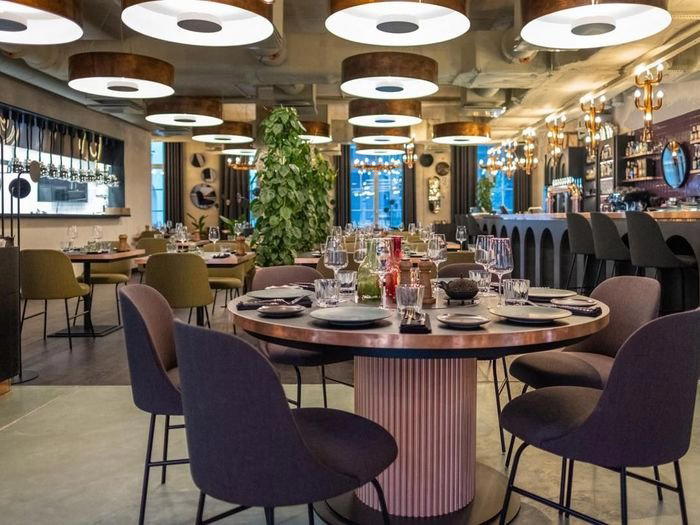
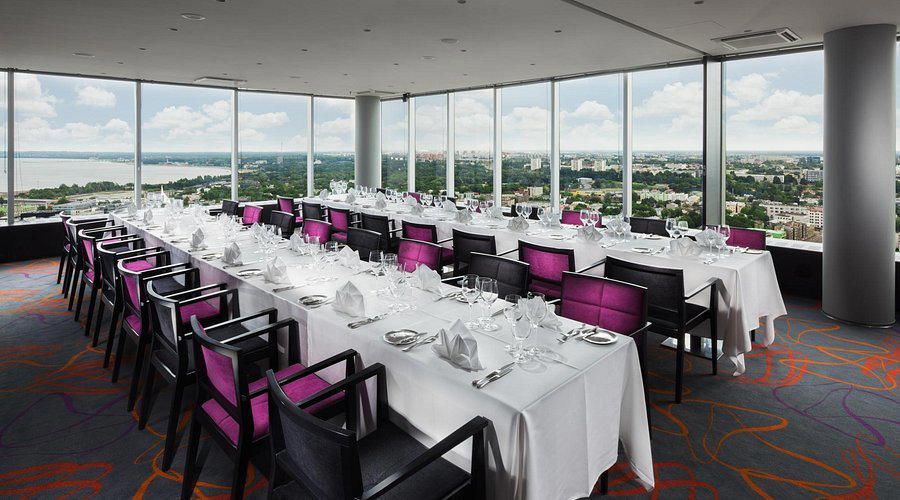
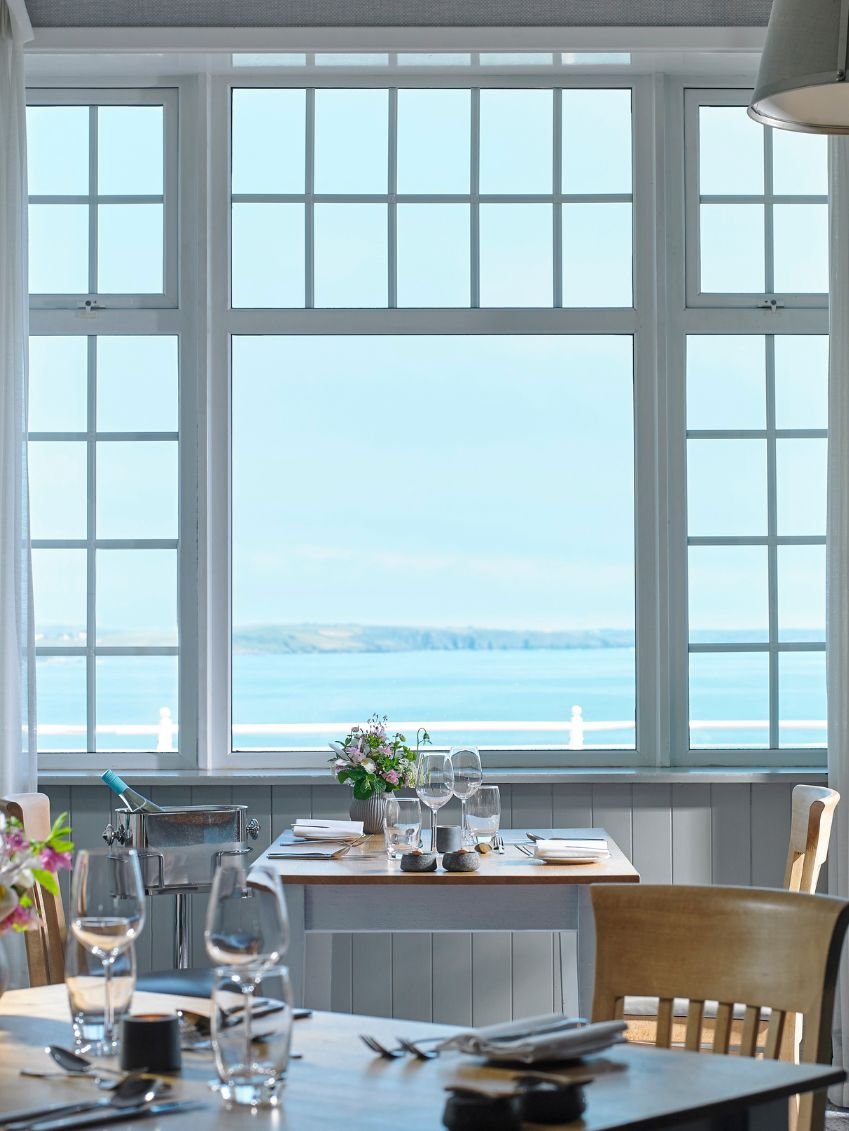
Intimate and peaceful atmosphere immersed in lush forest and wetlands, with bold Scandinavian styling and natural light from floor-to-ceiling windows.