Kushi Kawa

Kushi Kawa brings the Japanese kushiage tradition to Gangnam, threading skewered and deep-fried precision through a Seoul dining context where the format remains genuinely rare. Back-to-back Michelin Plate recognition in 2024 and 2025 confirms its standing in a city more associated with tasting menus and modernist Korean cooking. At the ₩₩ price tier, it represents one of the more accessible entry points into Michelin-acknowledged dining in the district.
Pearl is the En Primeur Club membership app — saves, bookings, and concierge access live there. Same editors, same standards.
- Address
- 37 Nonhyeon-ro 24-gil, Gangnam District, Seoul, South Korea
- Phone
- +82 2-579-0538
- Directions
- Get directions
 Saves & bookings on Pearl
Where a Japanese Frying Tradition Meets the Gangnam Table
Walk the side streets off Nonhyeon-ro in Gangnam and the dominant language of the restaurants around you is either high-concept Korean or the sort of European-inflected tasting menu format that has defined the district's fine-dining ambitions for a decade. Kushi Kawa is a Japanese omakase kushikatsu restaurant at 37 Nonhyeon-ro 24-gil in Gangnam District, Seoul, with a Michelin Plate in 2024 and 2025 and a price tier of ₩₩₩. That context makes Kushi Kawa's choice of format pointed. Kushiage, the Osaka-rooted discipline of skewering ingredients, coating them in fine breadcrumb, and frying them in sequence at a counter, is a format that Seoul's dining scene has adopted slowly and selectively. Finding it on a residential lane in Gangnam, acknowledged by the Michelin Guide in both 2024 and 2025, signals something about how the city is now absorbing Japanese craft traditions beyond the familiar categories of ramen and omakase sushi.
The Kushiage Format and Why Seoul Is Ready for It
Kushiage as a discipline originated in Osaka's Shinsekai district in the early twentieth century as working-class street food, and it has since split into at least two distinct tiers. The casual end, kushikatsu counters with communal dipping sauce and paper menus, remains a mass-market staple in Japan. The refined end, where each skewer is treated as a composed course, the oil temperature is calibrated per ingredient, and the sequence follows an internal logic comparable to an omakase progression, has found an international audience more slowly.
The editorial angle that matters here is technique meeting local product. In Japan, the default kushiage pantry draws on domestic proteins, wagyu, domestic pork, seasonal vegetables from well-documented regional suppliers. When that technique migrates to Seoul, the sourcing question becomes interesting: which Korean ingredients respond well to the breadcrumb-and-fry method, and which local seasonal produce is worth introducing into a format built around Japanese sequencing logic? That intersection of imported method and Korean ingredient is where Kushi Kawa operates, and it is the reason the format lands differently here than it would at a straight replication of an Osaka counter.
Gangnam's Michelin Tier and Where Kushi Kawa Sits
Gangnam holds a disproportionate share of Seoul's Michelin-recognized addresses, and the Guide's recognitions there now span a wide price range. At the starred level, the district includes Korean contemporary operators like Kwonsooksoo and the broader modernist Korean category that also encompasses Mingles. The Michelin Plate, awarded to the restaurant in both 2024 and 2025, sits below the star tier but carries a defined meaning in the Guide's framework: high-quality cooking that the inspectors consider worth noting, without yet awarding a star. In Seoul's current Michelin edition, that Plate designation places a restaurant in notable company across categories including French, Korean-French fusion, and contemporary formats, where operators like L'Amitié and Zero Complex hold star-level recognition at higher price points.
At ₩₩₩ pricing, the restaurant occupies a different bracket from the ₩₩₩₩ tasting-menu addresses that dominate Gangnam's fine-dining conversation. That price positioning matters: the kushiage counter format, even at its refined end, tends to run leaner on front-of-house overhead than a multi-course contemporary kitchen, and the relative accessibility of the price point is part of the format's structural character. Seoul diners who have graduated from entry-level Japanese imports and are looking for something with craft credentials and Michelin acknowledgment at a mid-range price point have a genuine reason to seek this out.
Seoul's Broader Dining Context
Seoul's restaurant scene has spent the last decade building a global fine-dining reputation primarily through modernist Korean and Korean-European hybrid formats. Jungsik, Soigné, and alla prima represent different points along that spectrum, each applying European structural logic to Korean ingredients or sensibilities. Gaon and operators like Kwon Sook Soo in Gangnam-gu work from the opposite direction, rooting the proposition firmly in Korean culinary heritage. What remains comparatively thin in Seoul's recognized dining tier is the absorbed-and-transformed Japanese specialist format, where a Japanese discipline is practiced not as nostalgia import but as a genuine creative act in a Korean urban context.
The restaurant's consecutive Michelin Plate recognitions suggest it has earned standing in that thinner category. For readers exploring beyond Seoul, Mori in Busan and Baegyangsa Temple in Jangseong-gun demonstrate the range of Korean dining traditions operating well outside the Gangnam frame, and the contrast is useful for understanding what makes Gangnam's absorption of Japanese craft formats its own distinct phenomenon.
Planning a Visit
The restaurant sits at 37 Nonhyeon-ro 24-gil in Gangnam District, on a residential side street that removes it from the main commercial flow of the area. The Nonhyeon station area is walkable, and the address is consistent with the low-footprint, counter-format character of the kushiage tradition. At the ₩₩ price tier, a meal here is accessible relative to the neighborhood's tasting-menu addresses, though kushiage counters at the refined end do tend to structure the experience as a sequenced sitting rather than a drop-in format. Checking directly on reservation practice before visiting is advisable.
Know Before You Go
- Address: 37 Nonhyeon-ro 24-gil, Gangnam District, Seoul, South Korea
- Cuisine: Kushiage (skewered, breaded, and fried, counter format)
- Price tier: ₩₩ (mid-range; accessible relative to Gangnam fine dining)
- Awards: Michelin Plate 2024; Michelin Plate 2025 3 from 88 reviews
- Booking: Reservations are essential, and the restaurant is open Monday to Friday from 12 to 2 PM and 6 to 10 PM, Saturday from 6 to 10 PM, and closed on Sunday.
- Nearest area: Nonhyeon-ro corridor, Gangnam District
Comparable Spots
Comparable venues nearby, for context on price, style, and recognition.
| Venue | Cuisine | Price | Notes |
|---|---|---|---|
| Kushi KawaThis venue — the venue you are viewing | Japanese Omakase Kushikatsu | $$$ | Not listed |
| Kirameki | Seasonal Japanese Kaiseki | $$$$ | 압구정동 |
| Mimi Myeonga | Traditional Japanese Soba Noodles | $$ | 잠원동 |
| Ichiryu | Sapporo-Style Grilled Lamb | $$$ | Seongsan-dong |
| L'OIGNON | French Pescatarian | $$$ | 압구정동 |
| L'Espoir du Hibou | Traditional French Bistro | $$$ | 압구정동 |
Recognition history
Dated appearances from independent guides and award organizations, with the underlying list record or original source where available.
Michelin Plate
Michelin
Michelin Plate
Michelin
Michelin Plate
Michelin

At a Glance
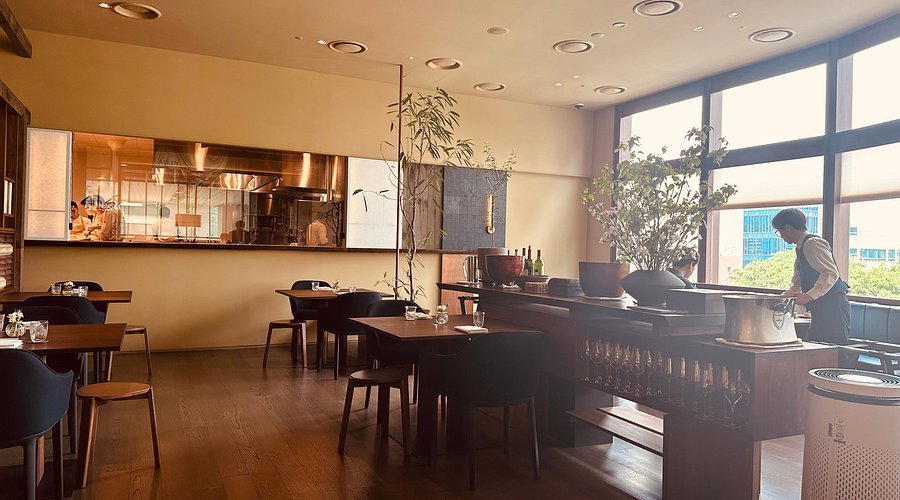
- Intimate
- Elegant
- Sophisticated
- Date Night
- Special Occasion
- Solo
- Chefs Counter
- Open Kitchen
Current opening hours
- Monday
- 12–2 PM, 6–10 PM
- Tuesday
- 12–2 PM, 6–10 PM
- Wednesday
- 12–2 PM, 6–10 PM
- Thursday
- 12–2 PM, 6–10 PM
- Friday
- 12–2 PM, 6–10 PM
- Saturday
- 6–10 PM
- Sunday
- Closed
Hours can change for holidays and private events. Last verified .
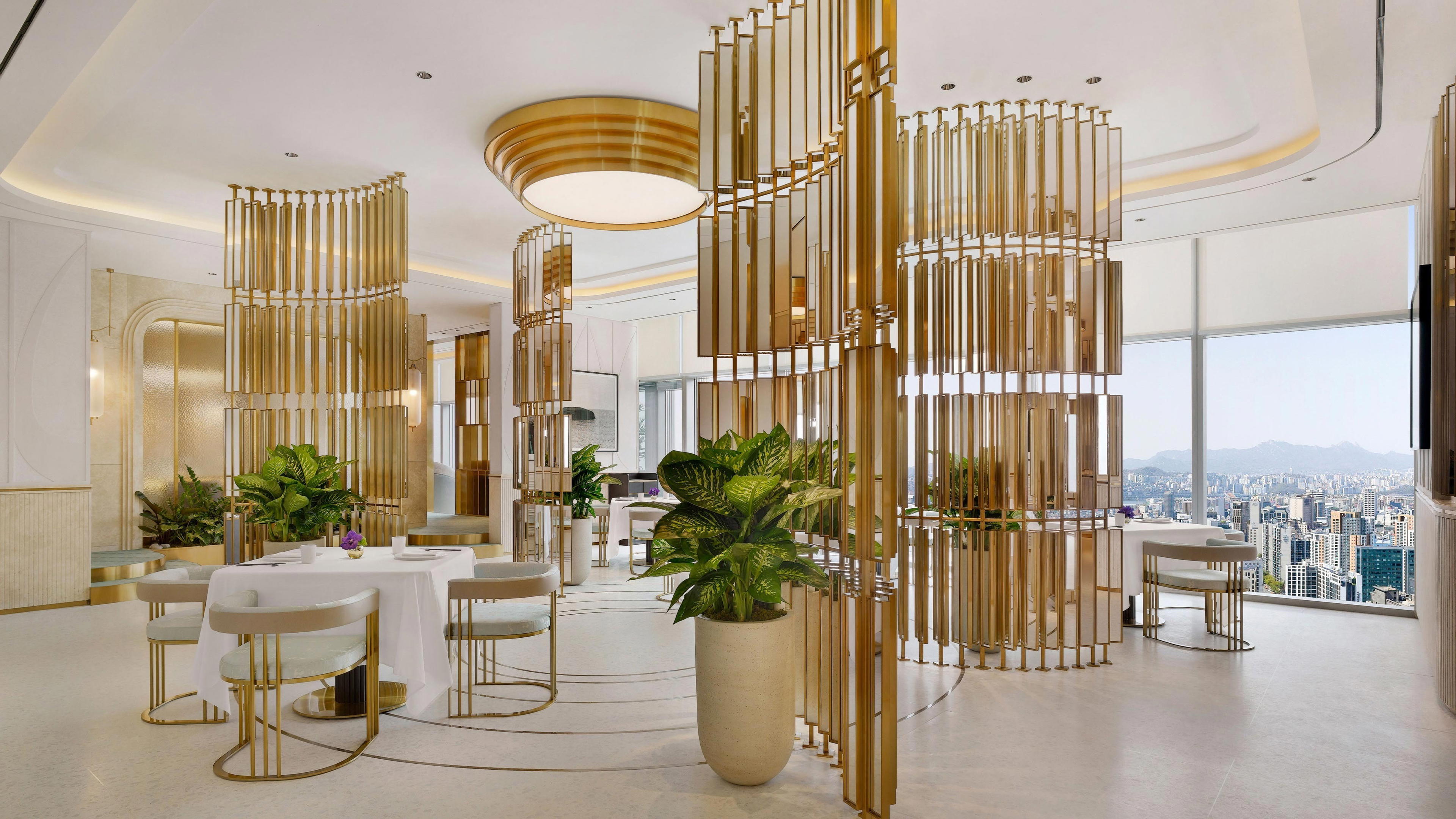
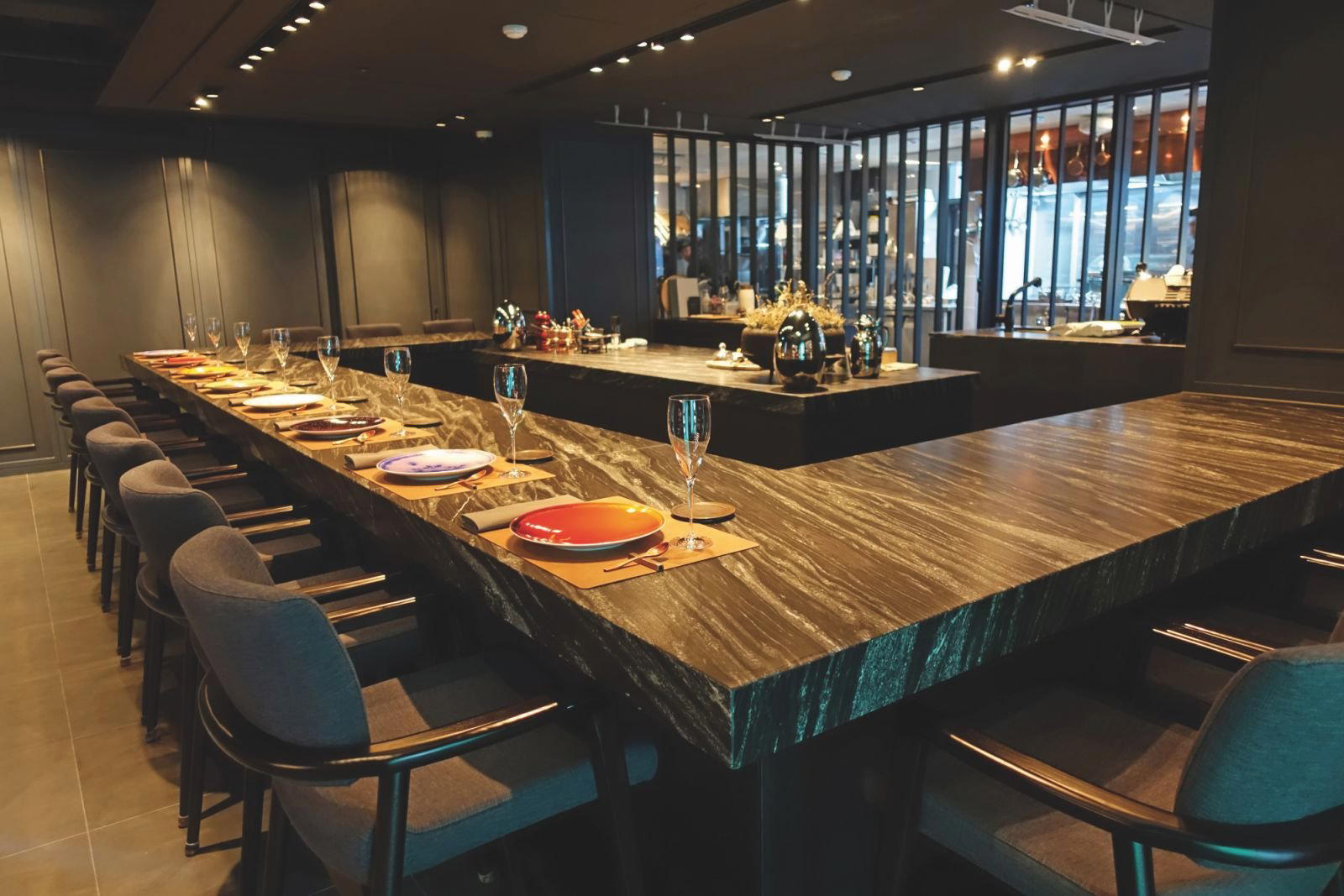
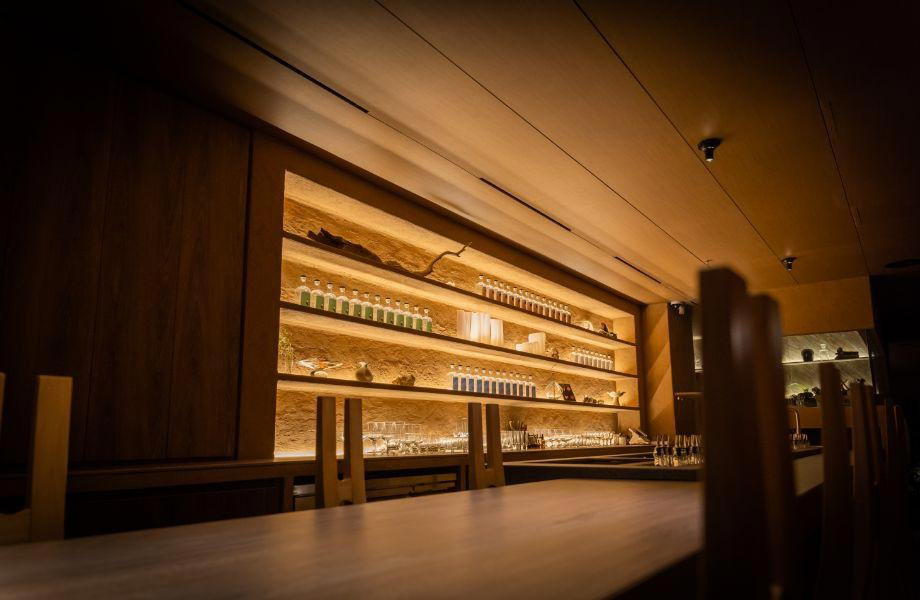
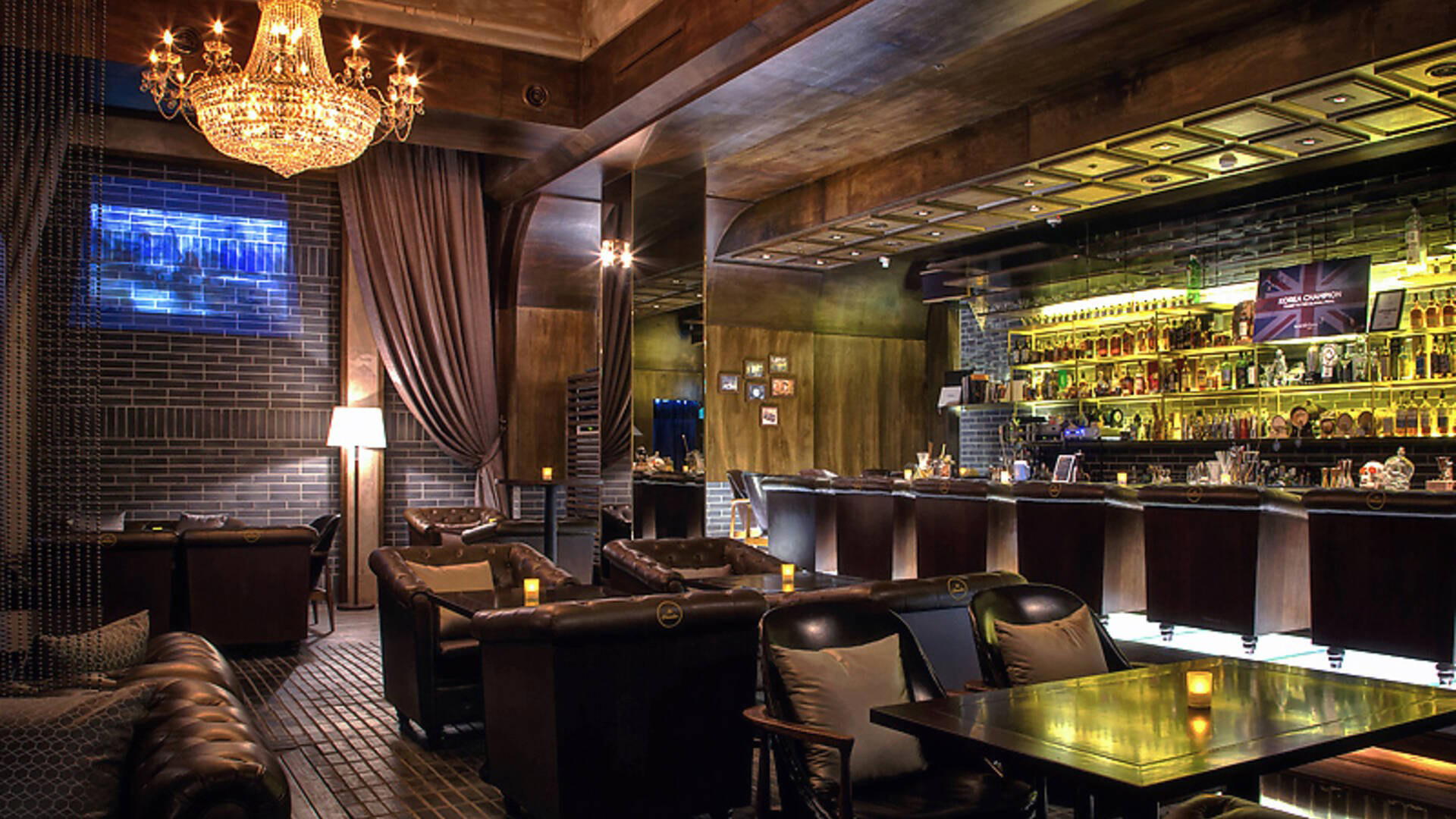
Hushed and theatrical with gentle hiss of oil, gleaming lacquered skewers, and fragrant toasted panko; flattering lighting and unhurried service create an air of quiet assurance and care.