Kuşhane sits in the Hafiziye quarter of Ipekyolu, a district of Van where the sourcing traditions of eastern Anatolia still shape what arrives on the table. The restaurant occupies a part of Turkey's dining map that rarely features in Istanbul-centric food coverage, placing it inside a broader conversation about what regional cooking looks like when it stays rooted in its geography rather than performing for an outside audience.
Pearl is the En Primeur Club membership app — saves, bookings, and concierge access live there. Same editors, same standards.
- Address
- Hafiziye, Gölbaşı Sk., 65300 İpekyolu/Van, Türkiye
- Phone
- +905373020065
- Website
- kushane.com.tr
- Directions
- Get directions
 Saves & bookings on Pearl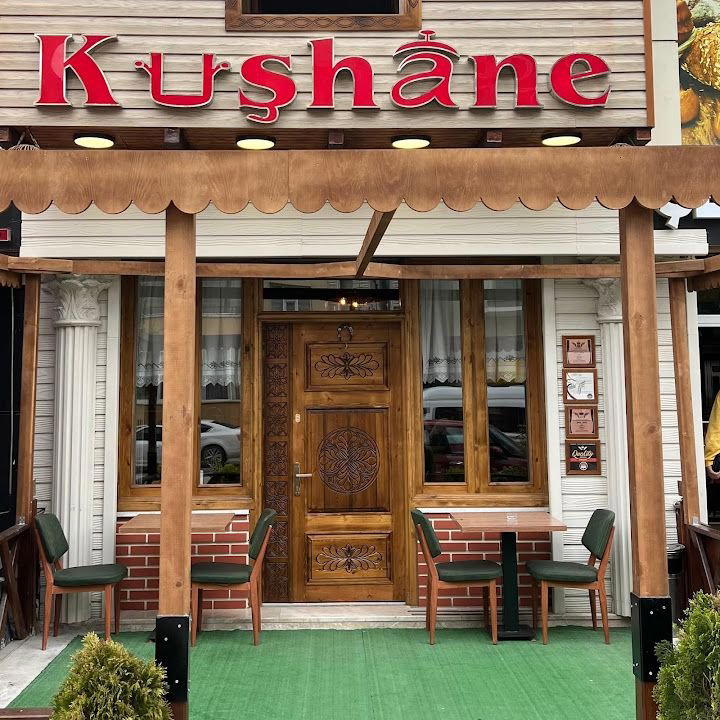
Where Eastern Anatolia Sets the Terms
Van sits at roughly 1,650 metres above sea level on the western shore of Lake Van, Turkey's largest lake and one of the world's largest soda lakes. That altitude and the alkaline water system around it produce growing conditions unlike anywhere else in the country. The herbs, dairy, and grain that come out of this region carry specific mineral and climatic signatures that kitchens in Istanbul or Ankara cannot replicate through sourcing alone. Restaurants in Ipekyolu, the district that wraps around Van's central urban core, operate within that geographic constraint, and for kitchens that understand the local supply, it is less a constraint than a competitive advantage.
Kuşhane occupies an address on Gölbaşı Sokak in the Hafiziye neighbourhood, a residential quarter that places it away from Van's more tourist-facing centre. Arriving here, you are in a part of the city shaped by everyday local commerce rather than heritage tourism infrastructure. The physical approachability of the streetscape signals what kind of place this is: a neighbourhood address with a local clientele, not a destination constructed for visiting food media. That distinction matters when reading what the kitchen produces, because the sourcing decisions are made for that local audience, not as a curation exercise for outsiders.
The Sourcing Logic of the Van Basin
The ingredient story in Van is more specific than the general eastern Anatolian narrative. The region produces a breakfast culture so codified that Van kahvaltısı, the Van breakfast spread, is recognised across Turkey as a category of its own, built around locally produced white cheese, herb-inflected butter, honey from mountain flowers, and varieties of çökelek that do not travel well and are effectively unavailable outside the region. These are not heritage talking points; they are the result of a dairy and apiculture tradition tied to specific elevation bands and seasonal grazing patterns around the Vanadolu plateau.
For kitchens in Ipekyolu's restaurant scene, this creates a sourcing baseline that is structurally different from what urban restaurants on Turkey's western coast manage. Operations like Narımor in Izmir or Hiç Lokanta in Urla work with Aegean produce systems that are well-documented and internationally legible. The Van basin operates on a different logic, one where the supply chain is shorter, the ingredients are less mediated by commercial agriculture, and the regional specificity is sharper precisely because it has not been scaled.
Kuşhane's position on Gölbaşı Sokak places it within this supply ecosystem. The Hafiziye neighbourhood's proximity to local market infrastructure means the kitchen draws from the same sourcing channels that have supplied Van households for generations. This is not a romanticised claim about artisan production; it is a structural observation about how restaurants at this address access their ingredients compared to kitchens in cities further west.
Regional Cooking in a City Outside the Critical Mainstream
Turkey's most-covered dining destinations concentrate in Istanbul, with secondary attention going to Bodrum and Izmir. The Istanbul tier at the summit of the market, where venues like Turk Fatih Tutak or Asitane in Fatih operate, receives consistent international critical attention. Maçakızı in Bodrum captures a seasonal resort-dining audience. These are all legitimate operations doing serious work. But they represent a coastal and metropolitan axis that systematically undercounts what is happening in eastern Turkey's city-based restaurant culture.
Ipekyolu does not appear on the standard critical itinerary for Turkish dining. That absence is a product of access and media geography rather than quality. Van requires a domestic flight from Istanbul or a long overland journey, and the food media circuit rarely commits that travel time to destinations without a prior hook, an award, a celebrity chef, a luxury hotel tie-in. Kuşhane has none of those external validators in the available record. What it has is a specific address in a neighbourhood with genuine local use, which matters if you are trying to understand how Anatolian cooking actually functions at street level.
Readers building an itinerary around Turkey's regional food traditions would do well to cross-reference this against the broader eastern Anatolian pattern. Kısmet Etliekmek ve Lahmacun Salonu in Karaman represents a similar dynamic: a regional city restaurant operating within a specific local food tradition that does not require Istanbul's validation to be coherent. The same logic applies at Ciğerci Mahmut in Adana, where the cuisine is tied to a regional supply and technique chain that functions independently of western Turkish fine-dining conventions. Van's restaurant scene sits in that same category of regional specificity.
What the Neighbourhood Context Tells You
Hafiziye is a residential quarter, and restaurants in residential quarters operate under different commercial pressures than venues in tourist-facing districts. The regular clientele is local, the pricing responds to local purchasing norms, and the menu reflects what the neighbourhood expects rather than what a visiting audience imagines eastern Turkish cooking to be. This is a more honest context for understanding the cooking than the reverse would be. Kitchens performing regional cuisine for outside audiences inevitably make editorial decisions about which elements to foreground, and those decisions distort the picture. A kitchen cooking for its own neighbourhood has no such editorial incentive.
Van's food culture is also seasonal in ways that matter practically. The city's altitude means winters are severe, and the produce calendar compresses around a shorter growing season. Mountain herbs, fresh dairy, and certain legumes are available in concentrated windows. Restaurants in Ipekyolu that source locally will reflect that calendar on the plate in ways that a visit in summer versus autumn would make apparent. If you are planning a trip specifically around the food of the Van region, late spring through early autumn represents the period of greatest ingredient diversity.
Planning a Visit
Van Ferit Melen Airport connects the city to Istanbul and Ankara through regular domestic services, making Van accessible as a short flight from Turkey's main hubs. Ipekyolu's Hafiziye neighbourhood is a short drive from the airport and sits within the broader Van urban area. For readers building a more complete picture of Turkey's regional restaurant geography, our full Ipekyolu restaurants guide maps the district's options across multiple cuisine and price tiers. Additional reference points across Turkey's regional dining spectrum include Kocak Baklava in Gaziantep, Konya Kebap Evi in Selcuklu, and Kritikos Meyhane in Mudanya, each representing a distinct regional food tradition that operates outside the Istanbul critical centre.
Comparable Venues
Comparable venues nearby, for context on price, style, and recognition.
| Venue | Cuisine | Price | Notes |
|---|---|---|---|
| KuşhaneThis venue — the venue you are viewing | Authentic Wood-Fired Turkish (Van Region) | $$ | Not listed |
| Kocak Baklava | Authentic Gaziantep Baklava | $$ | Şehitkamil |
| The House Of Memories | Traditional Turkish Testi Kebab | $$ | Uchisar |
| Bayramoğlu Döner | Traditional Turkish Döner | $$ | Kavacık |
| Dürümzade | Traditional Turkish Adana Kebab Wraps | $ | Beyoglu |
| Tarihi Sultanahmet Köftecisi | Traditional Turkish Köfte | $ | Sultanahmet |
At a Glance
- Cozy
- Rustic
- Family
- Casual Hangout
- Open Kitchen
- Local Sourcing
Current opening hours
- Monday
- 11:30 AM–7 PM
- Tuesday
- 11:30 AM–7 PM
- Wednesday
- 11:30 AM–7 PM
- Thursday
- 11:30 AM–7 PM
- Friday
- 11:30 AM–7 PM
- Saturday
- 11:30 AM–7 PM
- Sunday
- Closed
Hours can change for holidays and private events. Last verified .
Comfortable homely atmosphere with panoramic lake views and welcoming Turkish hospitality.