Kush Modern Mediterranean
Kush Modern Mediterranean brings za'atar-forward cooking and herb-driven plates to Somerville's increasingly confident dining scene. Operating under the Kush by Saba name, the restaurant draws on eastern Mediterranean tradition while sitting comfortably in the neighborhood's mid-tier of serious, ingredient-focused kitchens. For diners moving between Somerville's broader restaurant circuit, it reads as a counterpoint to the area's Northern European and New American options.
Pearl is the En Primeur Club membership app — saves, bookings, and concierge access live there. Same editors, same standards.
- Address
- 5 Sanborn Ct, Somerville, MA 02143
- Phone
- (774) 623-4131
- Website
- kushbysaba.com
- Directions
- Get directions
 Saves & bookings on Pearl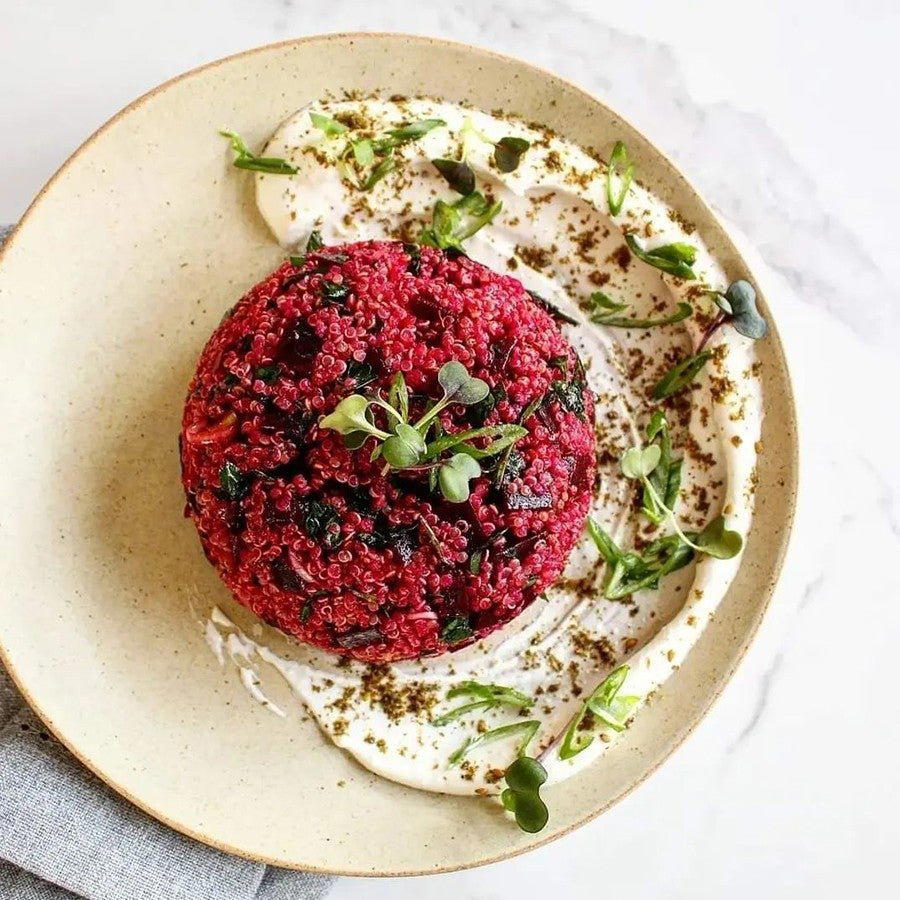
Where Herb-Driven Cooking Finds Its Footing in Somerville
Kush Modern Mediterranean is a restaurant in Somerville, MA, serving modern Mediterranean cooking at about $25 per person. At one end sit the neighborhood anchors: places like Bronwyn and Dali, which trade in European tradition with enough consistency to build real followings. At the other end, the more casual daytime circuit around spots like Diesel Cafe holds the neighborhood's coffee-and-conversation infrastructure together. In between, a smaller cohort of ingredient-focused dinner restaurants has emerged, and that is where Kush Modern Mediterranean, operating as Kush by Saba, fits.
The cuisine category here, modern Mediterranean, carries specific implications in the American context. It is not the pan-European blur of olive oil and pasta that the label sometimes signals. The eastern Mediterranean tradition the kitchen draws from is more particular: fresh herbs used as a primary flavor architecture rather than a garnish, za'atar and oregano carrying structural weight, and dishes built around the logic of a region where thyme grows wild on hillsides and basil is measured by the bunch rather than the leaf. That cooking philosophy places Kush in a different comparable set than the Italian-adjacent Mediterranean restaurants that cluster in most American cities.
The Herb as Architecture, Not Decoration
The shift from treating fresh herbs as garnish to treating them as foundational flavor is one of the more meaningful divisions in how Mediterranean cooking gets interpreted outside its home region. In the Levant and the eastern Aegean, oregano, thyme, sumac, and za'atar function as load-bearing elements: they define a dish's character before any sauce or protein enters the equation. Za'atar, the spice blend built on dried thyme, sesame, sumac, and salt, is a useful index for how seriously a kitchen takes this tradition. A restaurant that uses it as table decoration is doing something different from one that builds plates around its acidic, herbal bite.
Modern Mediterranean kitchens operating at a serious level, whether in New York, Los Angeles, or the smaller but growing Boston-area circuit, tend to use this herb logic to create dishes that read as both familiar and structurally unfamiliar to diners trained on French or Italian flavor frameworks. The brightness of fresh basil against warm ceramic, the way dried oregano behaves differently than fresh in a long-cooked preparation, the particular resinous quality of thyme on grilled proteins: these are the sensory details that separate a kitchen with genuine eastern Mediterranean literacy from one that borrows its vocabulary without understanding the grammar.
Kush by Saba operates within that tradition, positioning itself in Somerville's dining circuit as a place where the herb-forward logic of the Levant and the eastern Mediterranean gets applied with intention. Against the comparison set available in the neighborhood, which includes Celeste and Cocolee among others, the Mediterranean register is distinctive. The broader Boston-area market for this style of cooking remains underdeveloped relative to cities like New York or Los Angeles, which means the competitive pressure that sharpens kitchens is lower but so is the depth of the diner base that can benchmark the food accurately.
Somerville as a Setting for This Kind of Kitchen
The geography matters. Somerville sits close enough to Cambridge and Boston to draw from a well-traveled dining population, but far enough outside the urban core that rents and expectations run at a different register than in the South End or the Back Bay. That dynamic has historically made it a place where independent restaurants with a specific point of view can survive without the volume pressure that kills nuance. The neighborhood has supported everything from a serious German-American kitchen at Bronwyn to the Spanish wine-bar logic of Dali, which suggests real appetite for European food traditions beyond the default Italian-French axis.
For comparison, the kind of cooking Kush represents, at a national level, often surfaces in cities with larger Middle Eastern and Mediterranean diaspora communities that provide both a culinary vocabulary and an informed diner base. The Levantine end of modern Mediterranean cooking has had notable moments at restaurants affiliated with the broader American fine dining conversation, though the names that anchor that conversation, places like Le Bernardin in New York City or Providence in Los Angeles, operate in a different price tier and with different structural ambitions. What matters for a neighborhood-level restaurant in Somerville is whether the cooking has internal consistency and whether it holds up against the modest but real competition the local market provides.
Where It Sits in the Broader American Scene
American fine dining at its most ambitious, represented by restaurants like Alinea in Chicago, The French Laundry in Napa, Blue Hill at Stone Barns in Tarrytown, or Atomix in New York City, has increasingly moved toward sourcing specificity and technique-driven differentiation. The restaurants that have earned sustained recognition, from Lazy Bear in San Francisco to Single Thread Farm in Healdsburg, Addison in San Diego, and The Inn at Little Washington, tend to share a commitment to a coherent flavor logic rather than a broad menu that covers many traditions superficially. That standard, applied at the neighborhood level, is a useful benchmark for what makes any modern Mediterranean kitchen worth the attention of a serious diner.
Kush by Saba is not operating at that tier of ambition or scale. What it offers is a more accessible version of the same underlying argument: that a cuisine with a specific herb and spice grammar, applied consistently, produces food that is recognizable and distinct in a way that more eclectic menus are not. For diners already familiar with the Somerville circuit and the restaurants covered in our full Somerville restaurants guide, Kush reads as a useful addition to a neighborhood where eastern Mediterranean cooking has had limited representation. For those traveling from further, it sits in the context of a regional dining scene that also includes the reference point of Emeril's in New Orleans and 8 1/2 Otto e Mezzo Bombana in Hong Kong as examples of what sustained kitchen identity can produce across different contexts.
Planning a Visit
Kush Modern Mediterranean is walk-in friendly and open Tue to Thu from 5 to 9 PM, Fri to Sat from 5 to 10 PM, and closed Mon and Sun.
The Short List
Comparable venues nearby, for context on price, style, and recognition.
| Venue | Cuisine | Price | Notes |
|---|---|---|---|
| Kush Modern MediterraneanThis venue — the venue you are viewing | Union Square, Modern Mediterranean | $$ | Not listed |
| Josephine | Not listed | $$ | Somerville, Wood-Fired Italian Pizza & Classics |
| Vinny's at Night | East Somerville, Sicilian Italian | $$ | Not listed |
| Redbones | Davis Square, Southern Barbecue | $$ | Not listed |
| Field & Vine | Union Square, New American Small Plates | $$$ | Not listed |
| Celeste | Union Square, Peruvian Ceviche & Stews | $$ | Not listed |
Continue exploring
More in Somerville
Restaurants in Somerville
Browse all →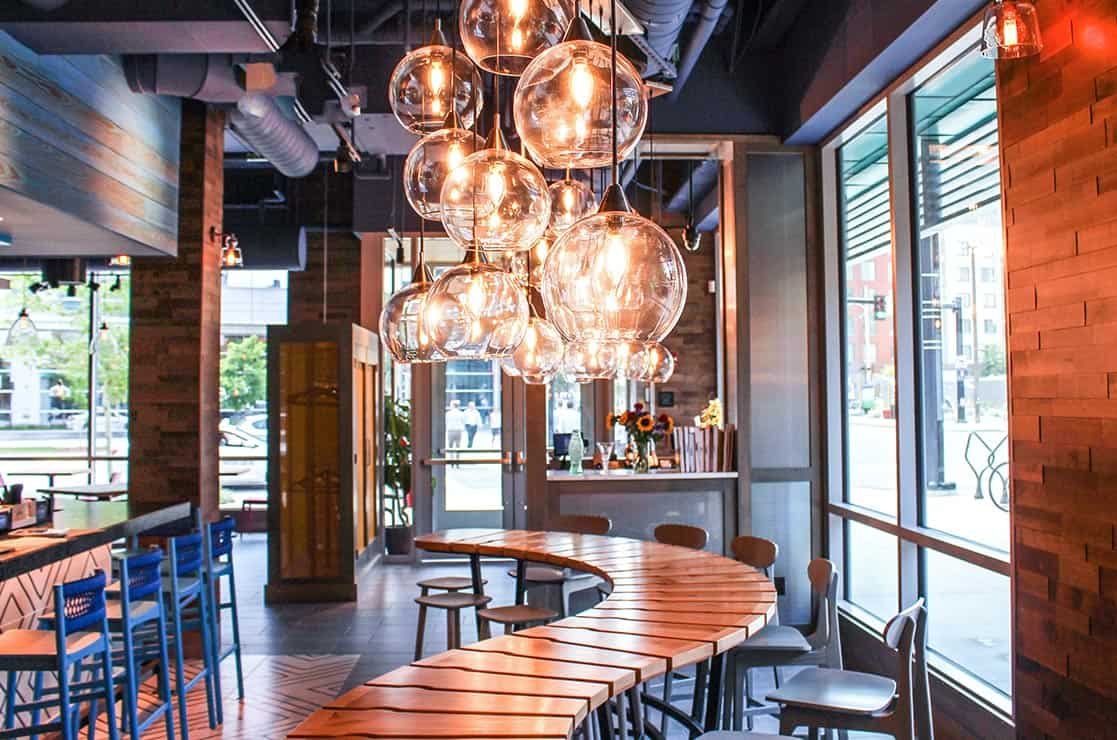
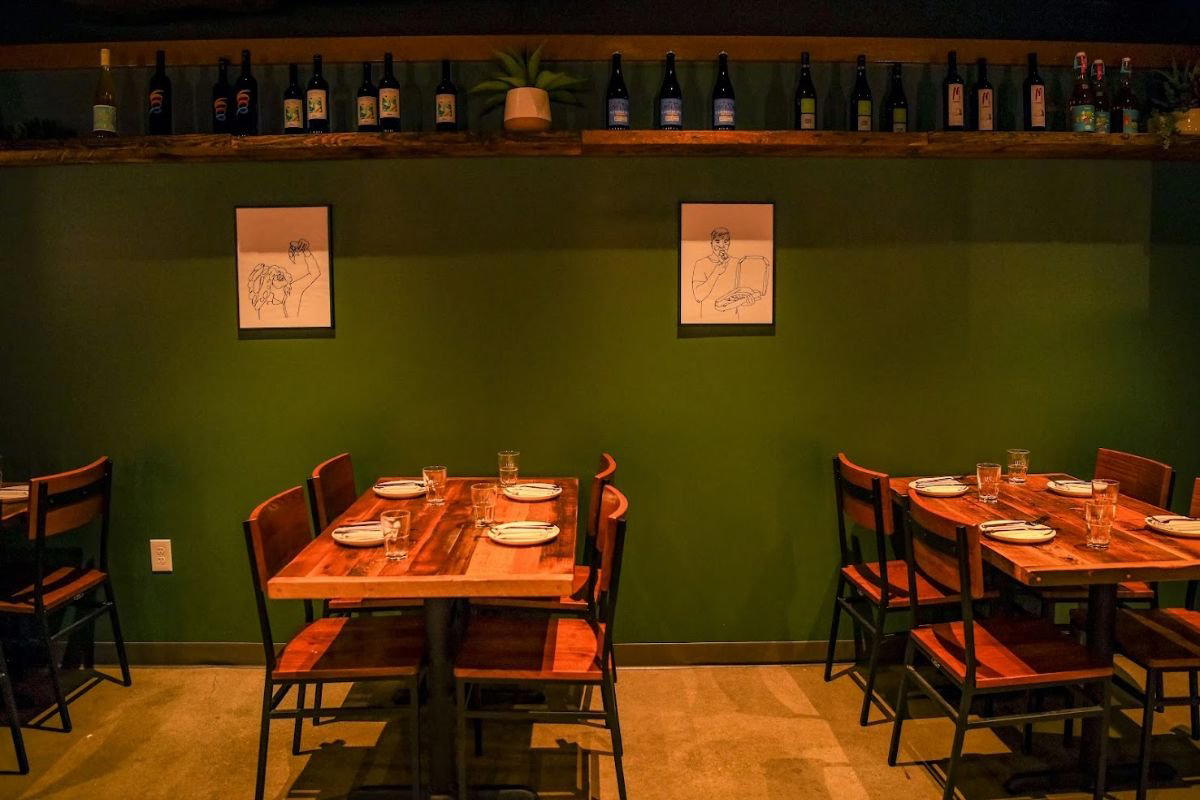
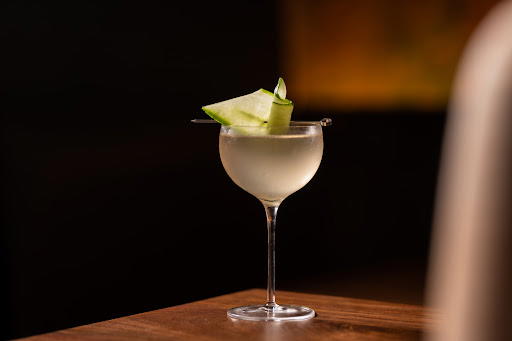
Bars in Somerville
Browse all →
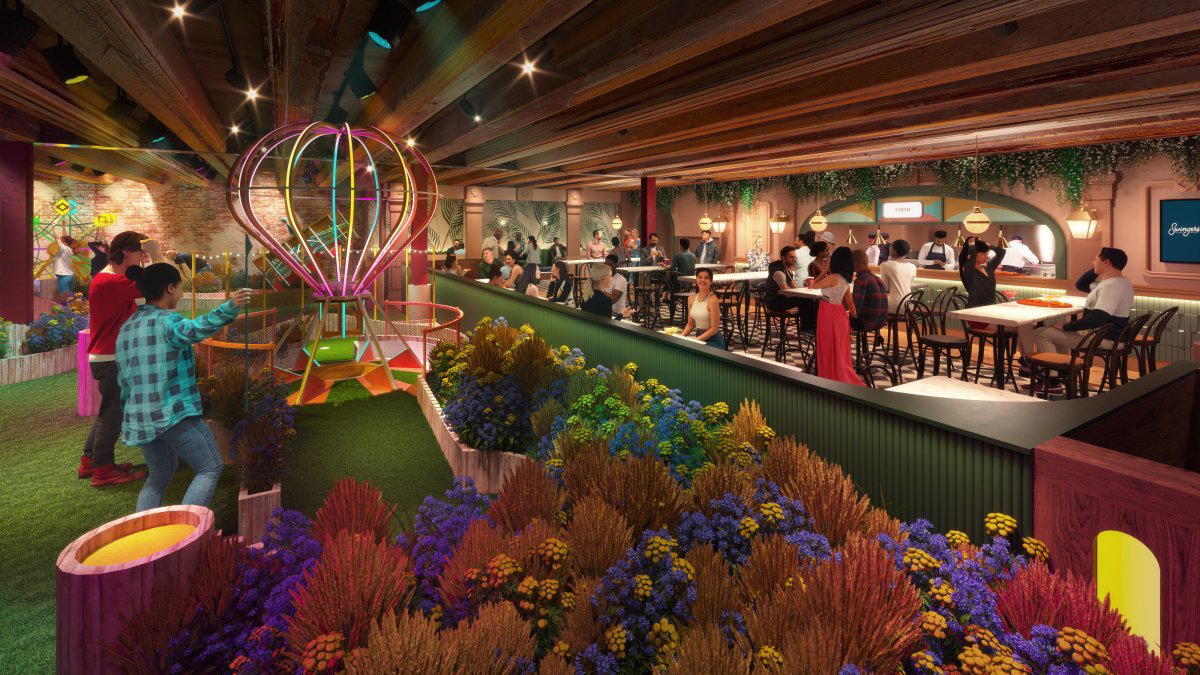
Hotels in Somerville
Browse all →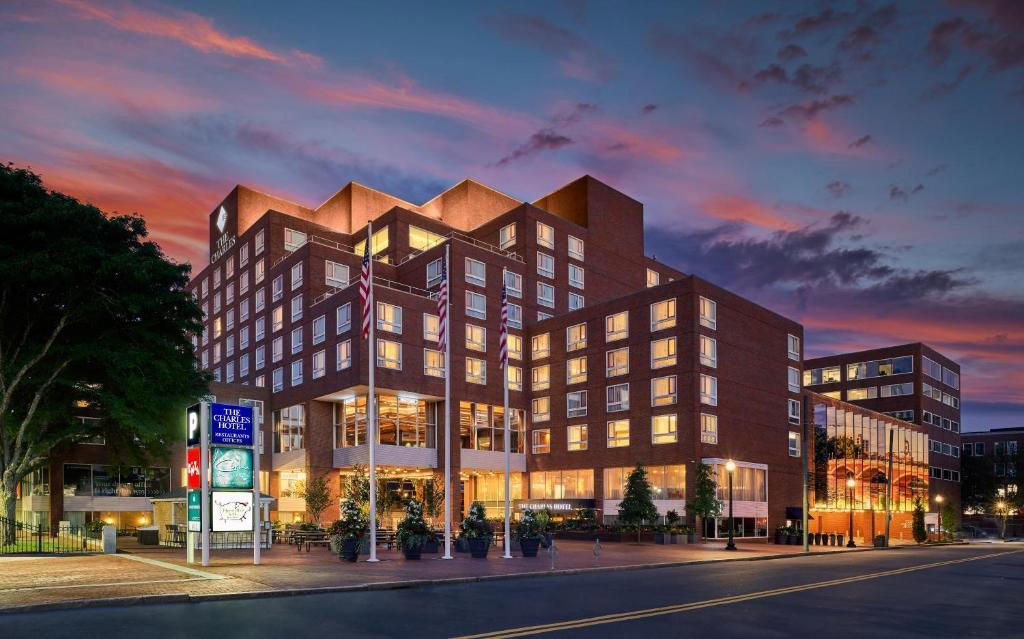
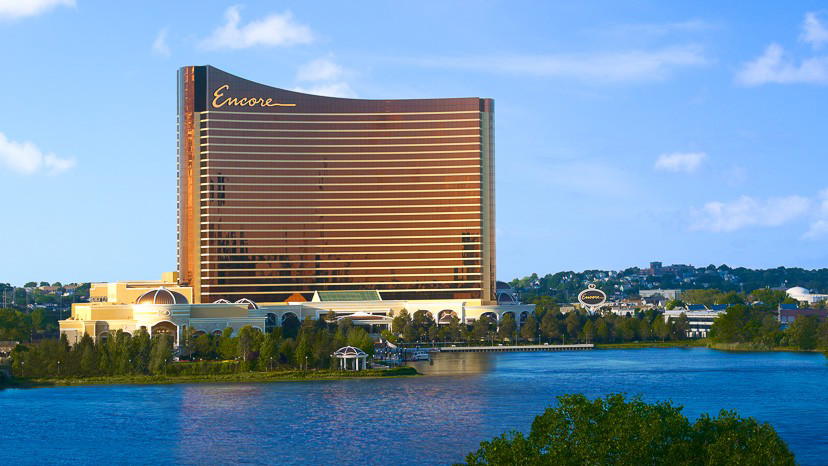
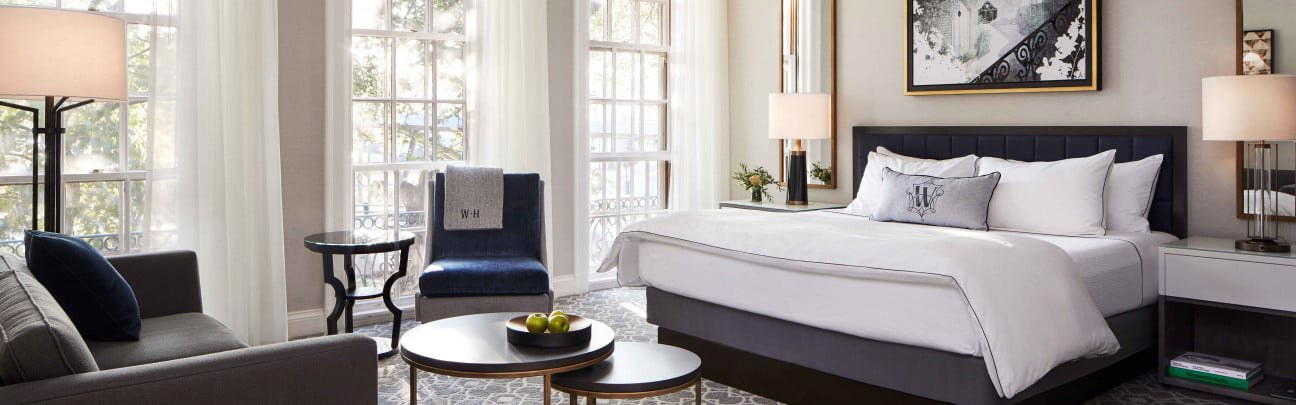
Wineries in Somerville
Browse all →
At a Glance
- Modern
- Trendy
- Casual Hangout
- Open Kitchen
Current opening hours
- Monday
- Closed
- Tuesday
- 5–9 PM
- Wednesday
- 5–9 PM
- Thursday
- 5–9 PM
- Friday
- 5–10 PM
- Saturday
- 5–10 PM
- Sunday
- Closed
Hours can change for holidays and private events. Last verified .
Casual and welcoming atmosphere from its food truck origins, now with dine-in space.