Little Donkey

On Central Square's busiest stretch of Massachusetts Avenue, Little Donkey runs a global small-plates format that draws from multiple culinary traditions in a single sitting. Under chef Darrell Boles, the kitchen earns an Opinionated About Dining Casual ranking,000 reviews. Open Tuesday through Saturday evenings, it occupies the more accessible end of Cambridge's serious dining scene.
Pearl is the En Primeur Club membership app — saves, bookings, and concierge access live there. Same editors, same standards.
- Address
- 505 Massachusetts Ave, Cambridge, MA 02139
- Phone
- (617) 752-6762
- Website
- littledonkeybos.com
- Directions
- Get directions
 Saves & bookings on Pearl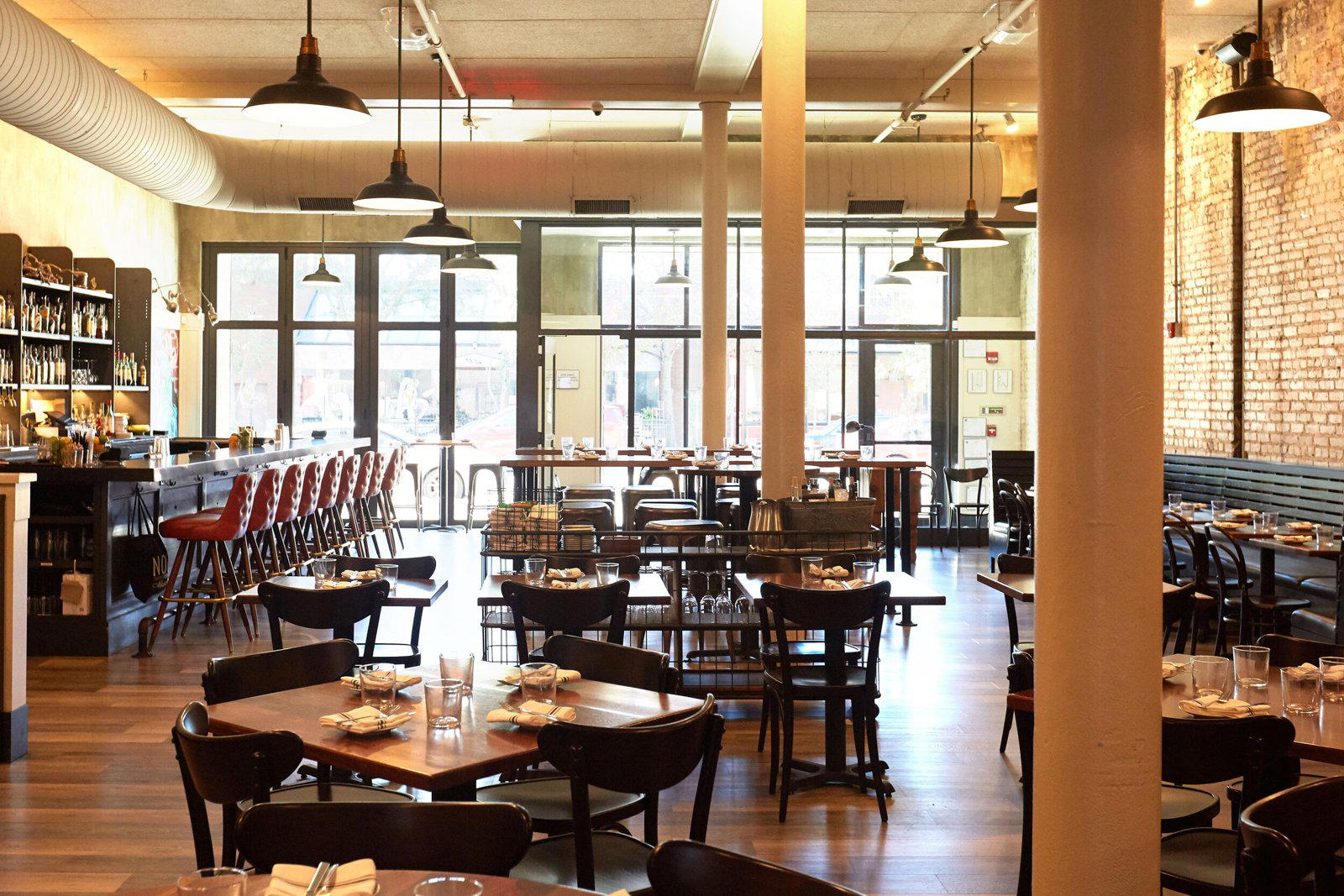
Central Square's Global Plates Format
Massachusetts Avenue through Central Square has long operated as Cambridge's counterweight to the more polished dining room culture of Harvard Square and Kendall. The stretch is denser, louder, and more willing to take format risks. Little Donkey sits at 505 Massachusetts Ave inside that tradition, running an evening small-plates program that draws from cooking traditions across multiple continents in a single menu. In a city where the dominant restaurant modes tend toward careful New American restraint, see Alden & Harlow for a well-executed version of that register, Little Donkey operates with a different kind of ambition: geographic range rather than depth in a single tradition.
The format places it in a growing category of restaurants that treat ingredient sourcing as an explicitly global act. Rather than anchoring to one regional larder, kitchens working in this mode pull from Latin American chiles, East Asian ferments, Middle Eastern spice compounds, and European technique within the same service. When it works, the result is less a fusion exercise than a demonstration of how widely dispersed the world's good ingredients now are, and how a kitchen that knows how to use them can compress those distances into a tasting experience that covers more culinary ground than a conventionally focused menu ever could.
What Opinionated About Dining's Ranking Tells You
Little Donkey holds a 2024 Opinionated About Dining Casual ranking for North America at position 799. OAD's casual list is assembled from a reviewer base of frequent, experienced diners rather than professional critics alone, which means a ranking there reflects sustained quality under real-world conditions rather than performance on a single high-stakes visit.
Within Cambridge's dining scene, that positions the restaurant clearly. The city's formal upper tier, restaurants like Midsummer House and Restaurant Twenty-Two, operates in tasting-menu territory with prices and ceremony to match. The restaurant occupies the serious-casual register below that: recognized by a credentialed audience, but structured for a night out rather than a set-piece occasion. For visitors building a Cambridge itinerary across multiple evenings, that distinction matters. The two registers complement rather than compete with each other.
The Sourcing Logic Behind Global Small Plates
The editorial angle on a kitchen like this one is the procurement logic that sits behind the menu. A global small-plates format only holds together when the ingredients themselves are treated seriously, when the Peruvian aji amarillo paste is the real thing rather than a supermarket approximation, when the fermented black bean in an East Asian-inflected dish has actual depth rather than the flat salinity of a shelf-stable substitute. Chef Darrell Boles runs the kitchen at the restaurant, and the sustained recognition the restaurant has accumulated suggests that sourcing discipline is present.
This matters more in the small-plates format than in a conventional three-course structure because each plate is, in effect, its own argument. There is no overarching narrative to carry a weak component through. A disappointing dish is simply a disappointing dish, sitting on the table for thirty seconds of consideration before you move to the next one. Kitchens that succeed in this format do so by maintaining ingredient quality across every component, proteins, condiments, aromatics, acids, rather than concentrating investment in one showpiece element.
The comparison to what sourcing looks like at the opposite end of the formality spectrum is instructive. Restaurants like L'Enclume in Cartmel or Moor Hall in Aughton anchor their entire identity in hyperlocal sourcing from a tightly defined geographic radius. The global small-plates model inverts that logic entirely, treating the world's supply chains as the larder. Neither approach is inherently superior, but they represent genuinely different philosophies about what a kitchen owes its ingredients, and its diners.
Cambridge in the Wider American Dining Conversation
Cambridge sits within a metropolitan dining scene that includes particularly technically demanding restaurants in the United States. The comparison set for a globally inflected casual format at this level would include operations in New York, where restaurants like Atomix push the cultural-translation model into fine-dining territory, and where the depth of ingredient sourcing networks available to city kitchens gives them structural advantages over smaller markets. That restaurant earns OAD recognition from within a mid-size university city, competing against that national field, says something about the consistency of what the kitchen is doing.
For visitors arriving from the UK's own serious dining tier, the world of The Fat Duck, The Ledbury, or Hand and Flowers in Marlow, the restaurant represents a different register of ambition altogether: less about technical spectacle, more about the accumulated pleasures of a table covered in well-executed small plates from kitchens that know their ingredients. Those are not comparable experiences, but they are both worth seeking out, for different reasons on different evenings.
Cambridge's broader hospitality offering, covered in our hotels guide, bars guide, and experiences guide, supports an itinerary that uses the restaurant as the informal anchor to a multi-day visit. For those wanting to compare notes on what else the city's casual-to-mid tier looks like, Darling and Fallow Kin occupy adjacent positions in the Cambridge ecosystem. The wineries guide covers what to drink across the region.
Planning Your Visit
The restaurant is open Monday through Thursday from 5 to 9 pm, Friday and Saturday from 5 to 10 pm, and closed on Sunday. The evening-only format means it functions as a dinner destination rather than an all-day option, and the 11 pm close gives the kitchen a late-night window that is less common in Cambridge's more formal establishments. Reservations are recommended.
What to Order at Little Donkey
What the format reliably rewards, across global small-plates kitchens of this caliber, is a broad sweep: ordering widely across the menu rather than anchoring to a single protein or cuisine strand gives the kitchen room to show its range.
Comparable Options
Comparable venues nearby, for context on price, style, and recognition.
| Venue | Cuisine | Price | Notes |
|---|---|---|---|
| Little DonkeyThis venue — the venue you are viewing | Global Small Plates | $$$ | Not listed |
| Eastern Edge | Globally Inspired Food Hall | $$ | Area 2/MIT |
| Catalyst | Contemporary French-American | $$$ | The Port |
| Monteverdi | Modern Italian | $$$ | East Cambridge |
| Geppetto | Northern Italian | $$$ | East Cambridge |
| Lanikai at Love Art Sushi | Fresh Sushi & Poke Bowls | $$ | Cambridge |
Recognition history
Dated appearances from independent guides and award organizations, with the underlying list record or original source where available.
Diners, Drive-Ins and Dives Featured Bar
Diners, Drive-Ins and Dives
Opinionated About Dining Casual in North America Ranked #799
Opinionated About Dining
Continue exploring
More in Cambridge
Restaurants in Cambridge
Browse all →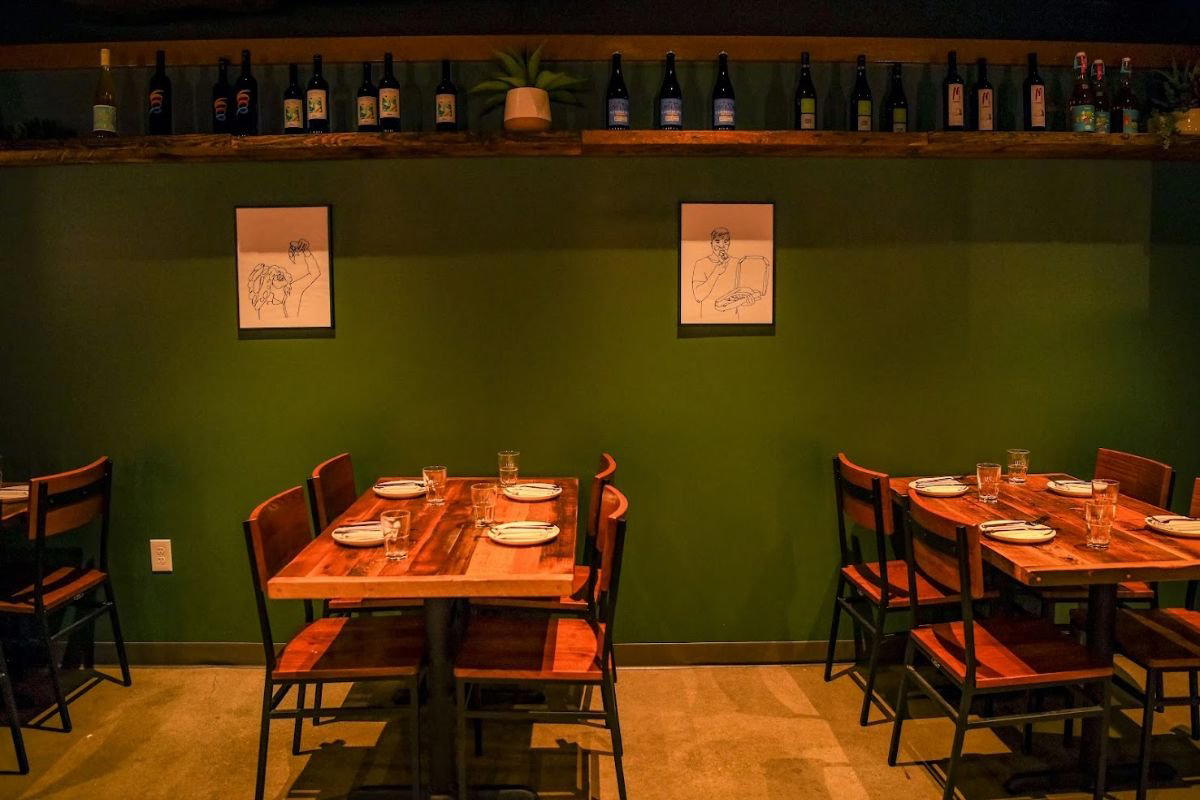
Bars in Cambridge
Browse all →

At a Glance
- Lively
- Trendy
- Energetic
- Group Dining
- Casual Hangout
- Date Night
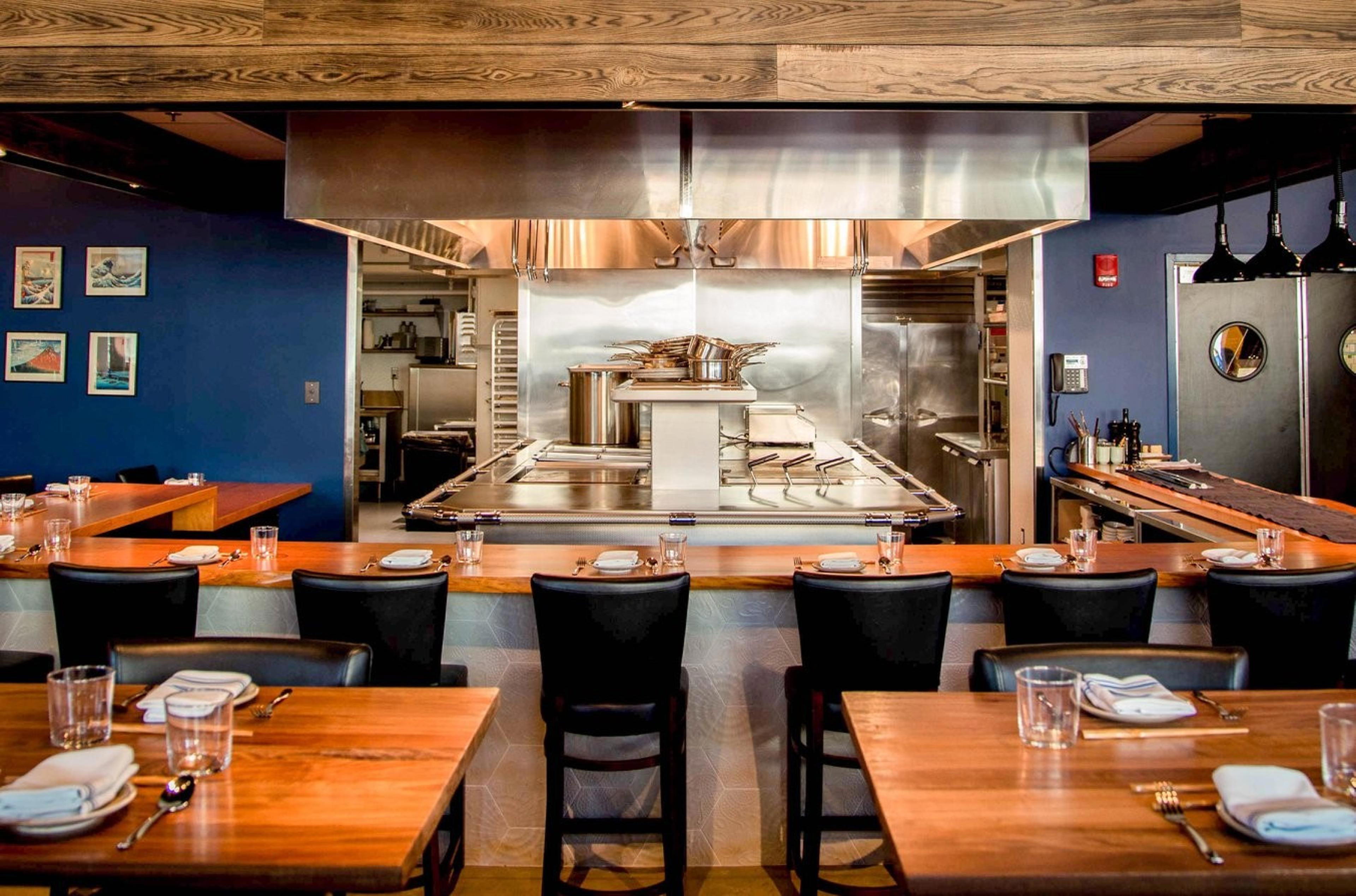
- Open Kitchen
- Craft Cocktails
- Local Sourcing
Current opening hours
- Monday
- 5–9 PM
- Tuesday
- 5–9 PM
- Wednesday
- 5–9 PM
- Thursday
- 5–9 PM
- Friday
- 5–10 PM
- Saturday
- 5–10 PM
- Sunday
- Closed
Hours can change for holidays and private events. Last verified .
Energetic and neighborhood-friendly atmosphere with chaotic service on busy nights, lively soundtrack, and inviting approachability.