Josephine
Josephine sits on Somerville Avenue in a stretch of the city where independent restaurants have steadily displaced the ordinary. The kitchen works within a sourcing-focused framework that positions it alongside Somerville's more considered dining options rather than its casual neighbourhood staples.
Pearl is the En Primeur Club membership app — saves, bookings, and concierge access live there. Same editors, same standards.
- Address
- 515 Somerville Ave, Somerville, MA 02143
- Phone
- +16177643035
- Website
- josephinepizza.com
- Directions
- Get directions
 Saves & bookings on Pearl
Somerville Avenue and the Restaurants That Defined a Shift
Somerville Avenue runs through a part of greater Boston's dining geography that has changed more in the past decade than almost any comparable corridor. What was once a utilitarian strip has accumulated a density of independent restaurants serious enough to draw diners from Cambridge and Boston proper. Josephine, at 515 Somerville Ave, is a restaurant serving Wood-Fired Italian Pizza & Classics at about $35 per person.
On one side sit the restaurants that use farm relationships as marketing language, naming suppliers on menus without those relationships meaningfully shaping what arrives on the plate. On the other sit kitchens where the supply chain is genuinely structural, where what grows locally in a given week determines the menu rather than the other way around. Somerville, as a dining district, has attracted more of the latter than you might expect from a city of its size, and Josephine occupies that tier of the local conversation.
The Sourcing Framework That Shapes the Menu
New England's ingredient calendar is unforgiving. The growing season runs short, the winters are hard, and the seafood supply, while strong from the Gulf of Maine, demands relationships with suppliers who are often small-scale and variable. Kitchens that commit to working within those constraints rather than around them end up with menus that look quite different from restaurants sourcing nationally from consolidated distributors. The discipline required is real: menus shift more often, prep requirements change week to week, and the kitchen has to be technically versatile enough to make whatever arrived that morning compelling.
Across the United States, a cohort of ingredient-led restaurants has developed its own critical grammar, from Blue Hill at Stone Barns in Tarrytown at the highest-investment end of that spectrum to Single Thread Farm in Healdsburg, where the farm-to-table relationship is literal and the kitchen operates in near-daily dialogue with what is growing on the property. Josephine operates at a different scale and price point than either of those references, but it draws from the same philosophy: that the ingredient is the argument, and the cooking is the means of making that argument legible.
Compare that orientation to the approach at some of the country's more formally composed tasting-menu restaurants, where the ingredient is in service of a culinary concept rather than the other way around. At Alinea in Chicago or Atomix in New York City, technique and narrative structure sit above ingredient provenance in the hierarchy of intent. Neither approach is superior; they are simply different arguments about what a restaurant is for. Josephine makes the sourcing argument, which means guests should come with an expectation of seasonality rather than a fixed mental image of what they will eat.
Somerville's Dining comparable set
Understanding where Josephine sits requires a brief map of the neighbourhood it operates in. Somerville has developed a dining identity distinct from Cambridge's more academic restaurant culture and Boston's financial-district formality. The restaurants that have defined this area tend toward independent ownership, specific culinary commitments, and a price point that is accessible without being casual. Bronwyn has established the northern European and German beer-hall tradition on this corridor. Celeste works within a Peruvian framework that has earned consistent local attention. Dali holds a long-standing position in the neighbourhood's Spanish-influenced dining. Cocolee represents the area's appetite for approachable Asian-influenced cooking. Even Diesel Cafe, a few blocks away, signals the kind of community-anchored independent operation that characterises the area's commercial identity.
Josephine joins this peer group at a moment when sourcing-focused restaurants have moved from niche to mainstream in American dining, but when execution quality varies widely. The category is crowded at the aspirational level; the field thins considerably when you ask which kitchens actually adjust their menus in response to supply rather than simply listing suppliers.
How This Compares to Nationally Recognised Sourcing Programs
The national conversation around ingredient provenance in fine dining is anchored by a handful of restaurants that have made the supply chain a public-facing part of their identity. The French Laundry in Napa maintains its own gardens and has long built menus around what those gardens produce on a given day. Providence in Los Angeles has built its reputation on sustainable seafood sourcing at a level rigorous enough to earn sustained critical recognition. Le Bernardin in New York City treats fish sourcing as a competitive differentiator, with supplier relationships that extend to specific vessels and fishing methods. Addison in San Diego and The Inn at Little Washington in Washington each operate within regional sourcing frameworks that inform their menus structurally rather than decoratively. Even in New Orleans, Emeril's helped establish the template for chef-driven sourcing from regional producers at scale. Lazy Bear in San Francisco applies the sourcing ethic to a communal tasting-menu format that has influenced how the conversation plays out on the West Coast. 8 1/2 Otto e Mezzo Bombana in Hong Kong demonstrates that the ingredient-provenance argument travels across culinary traditions and geographies.
These references establish the range of the category. Josephine operates within that same ideological framework at a neighbourhood scale in Somerville, which is precisely what makes it relevant to a diner who wants sourcing-serious cooking without the booking lead times or price points of the nationally recognised tier.
Planning Your Visit
Josephine is located at 515 Somerville Ave, Somerville, MA 02143, accessible via the MBTA Green Line's Union Square branch or by the 86 bus along Somerville Avenue. Josephine is recommended for reservations and is open Monday through Thursday from 11 AM to 11 PM, Friday from 11 AM to 1 AM, Saturday from 10:30 AM to 1 AM, and Sunday from 10:30 AM to 11 PM. Guests with dietary restrictions or allergen concerns should contact the kitchen directly, as a menu that responds to weekly ingredient availability requires that kind of direct conversation rather than a static allergen list.
A Quick Peer Check
Comparable venues nearby, for context on price, style, and recognition.
| Venue | Cuisine | Price | Notes |
|---|---|---|---|
| JosephineThis venue — the venue you are viewing | Wood-Fired Italian Pizza & Classics | $$ | Not listed |
| Premiere on Broadway | Italian-American with Live Music | $$ | Magoun Square |
| Vinny's at Night | Sicilian Italian | $$ | East Somerville |
| Five Horses Tavern | Modern American Gastropub | $$ | Davis Square |
| Celeste | Peruvian Ceviche & Stews | $$ | Union Square |
| Olivia’s Kitchen | Modern Italian Fine Dining | $$$ | Ball Square |
Continue exploring
More in Somerville
Restaurants in Somerville
Browse all →
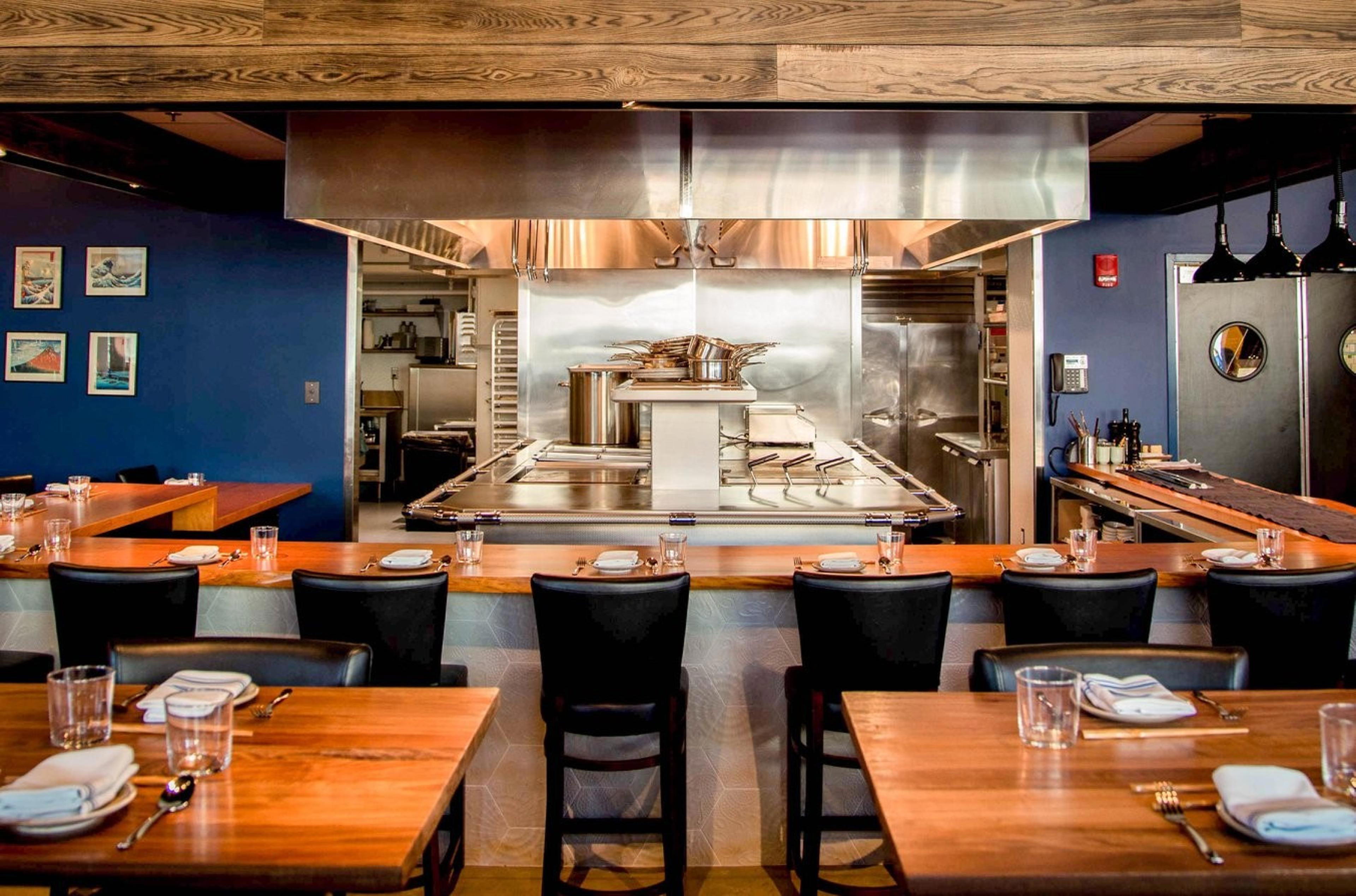
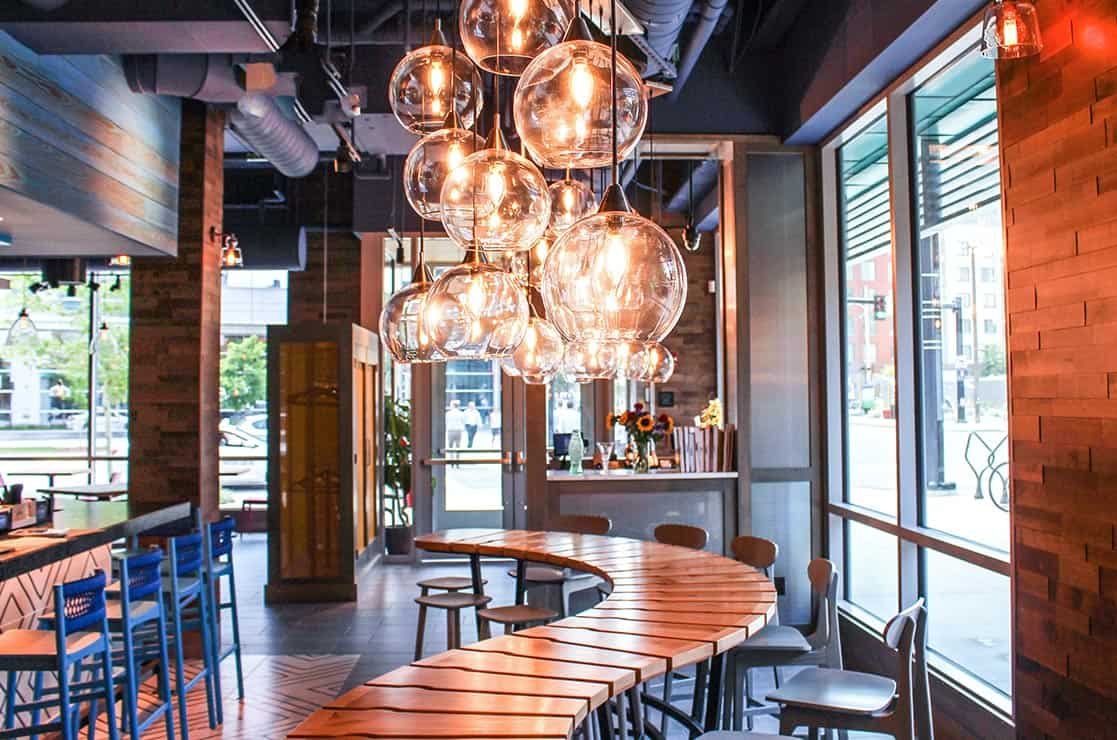
Bars in Somerville
Browse all →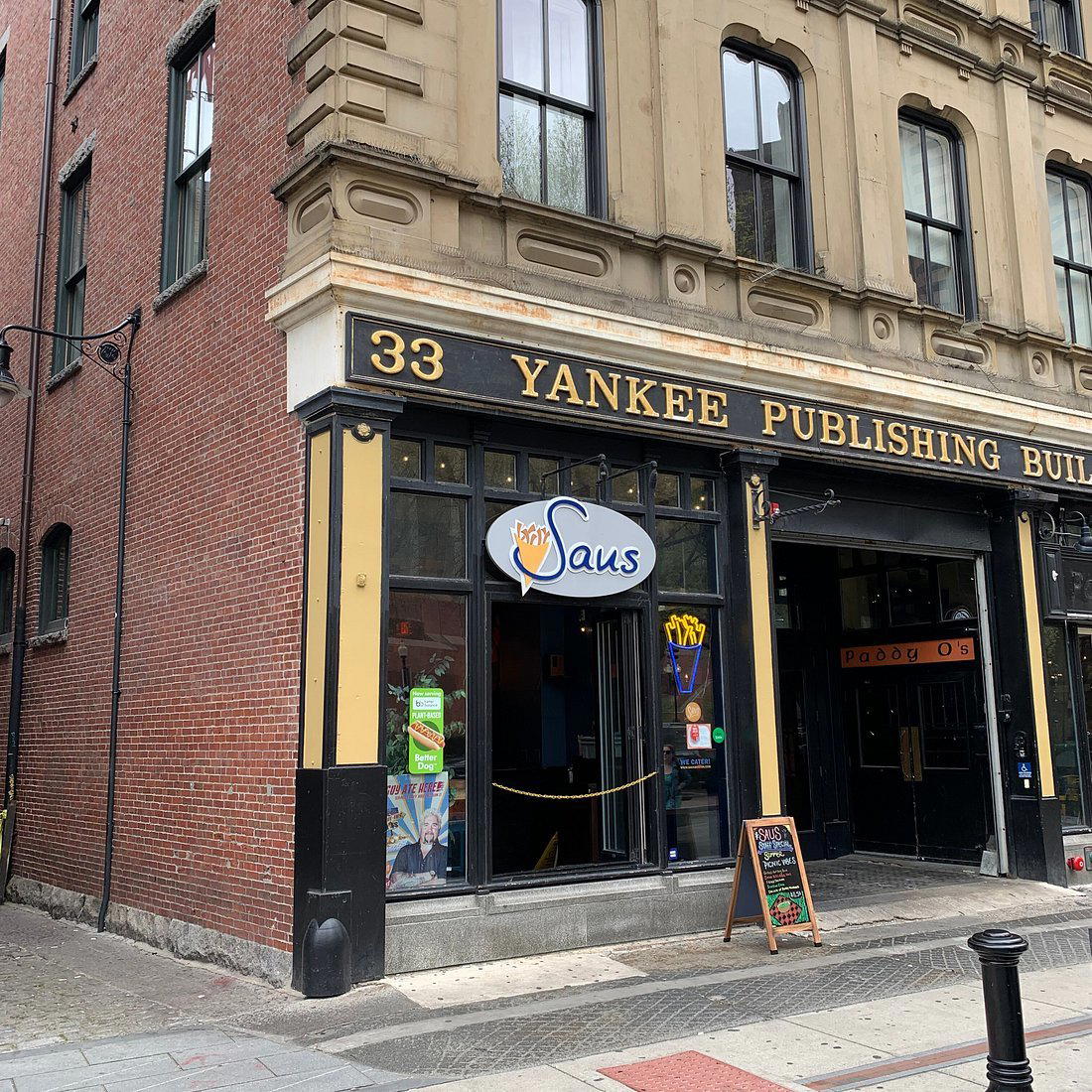
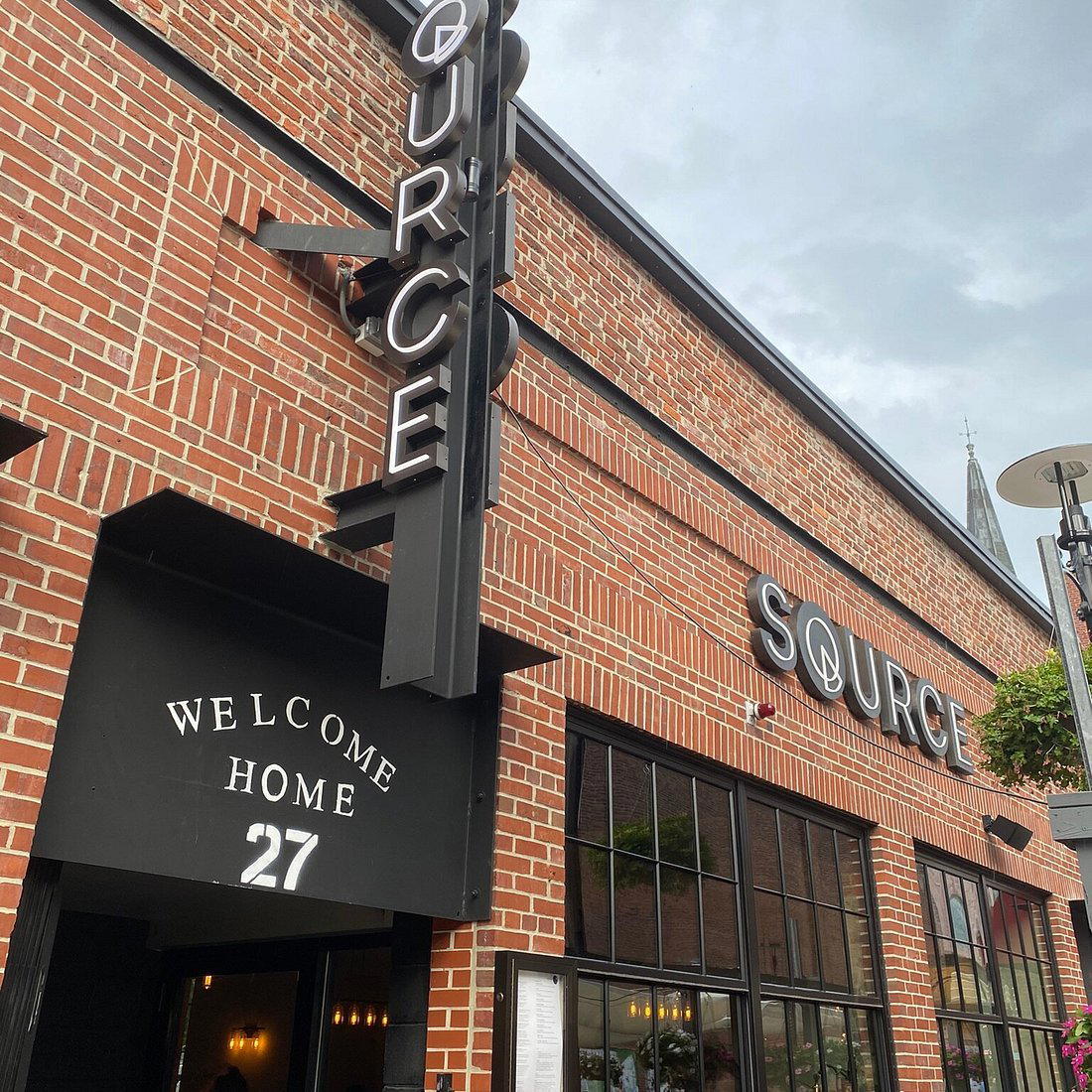
Hotels in Somerville
Browse all →
Wineries in Somerville
Browse all →
At a Glance
- Lively
- Whimsical
- Elegant
- Family
- Group Dining
- Celebration
- Casual Hangout
- Brunch
- Date Night
- Open Kitchen
- Private Dining
- Terrace
- Hotel Restaurant
- Craft Cocktails
- Beer Program
- Local Sourcing
Current opening hours
- Monday
- 11 AM–11 PM
- Tuesday
- 11 AM–11 PM
- Wednesday
- 11 AM–11 PM
- Thursday
- 11 AM–11 PM
- Friday
- 11 AM–1 AM
- Saturday
- 10:30 AM–1 AM
- Sunday
- 10:30 AM–11 PM
Hours can change for holidays and private events. Last verified .
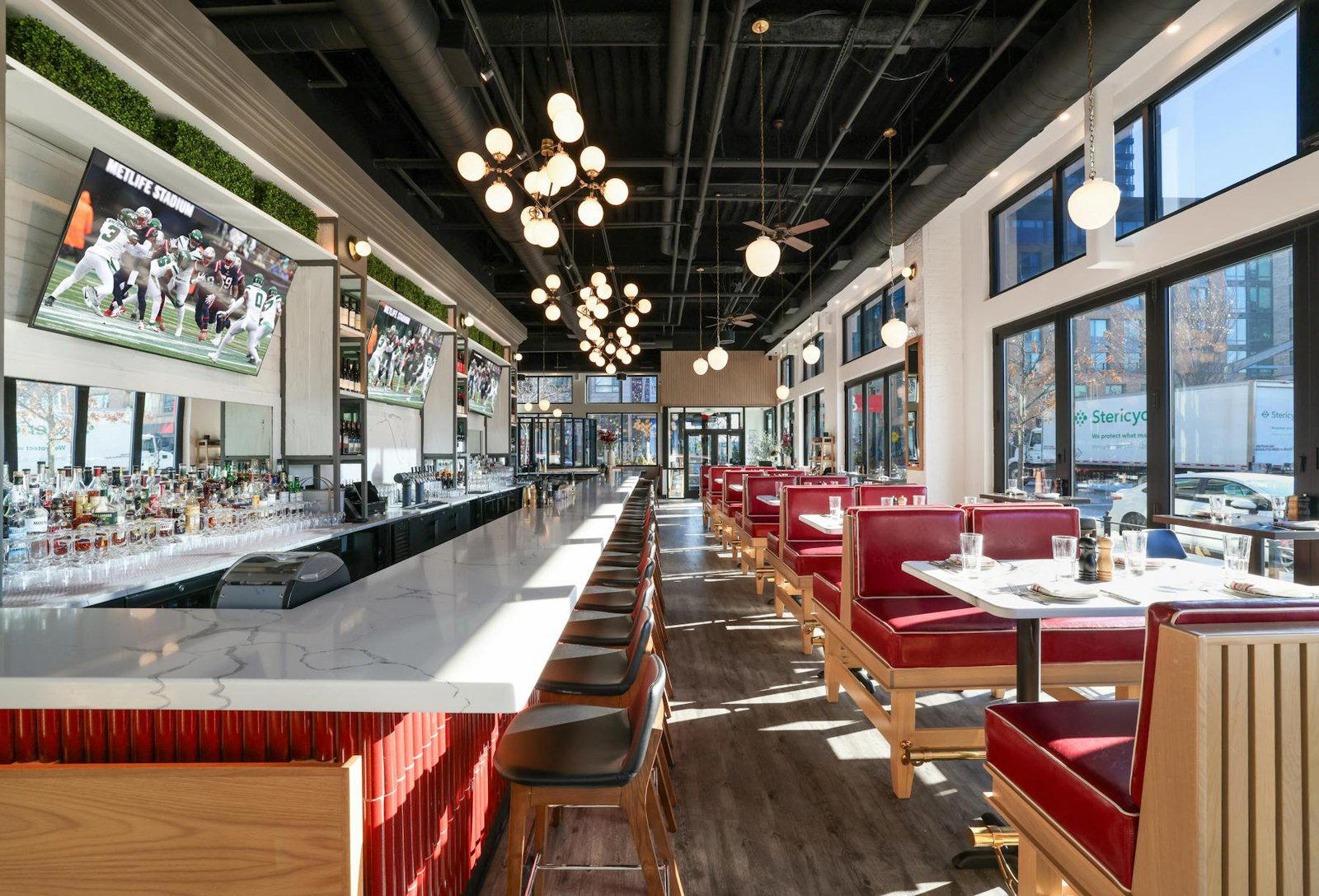
Towering ceilings, expansive outdoor dining patio with fire pit, massive marble bar, lively and welcoming atmosphere designed for family gatherings.