Celeste
Celeste occupies a deliberate position in Somerville's dining scene at 21 Bow Street, drawing on cultural culinary traditions to distinguish itself from the neighborhood's broader restaurant mix.
Pearl is the En Primeur Club membership app — saves, bookings, and concierge access live there. Same editors, same standards.
- Address
- 21 Bow St, Somerville, MA 02143
- Phone
- +16176165319
- Website
- celesteunionsquare.com
- Directions
- Get directions
 Saves & bookings on Pearl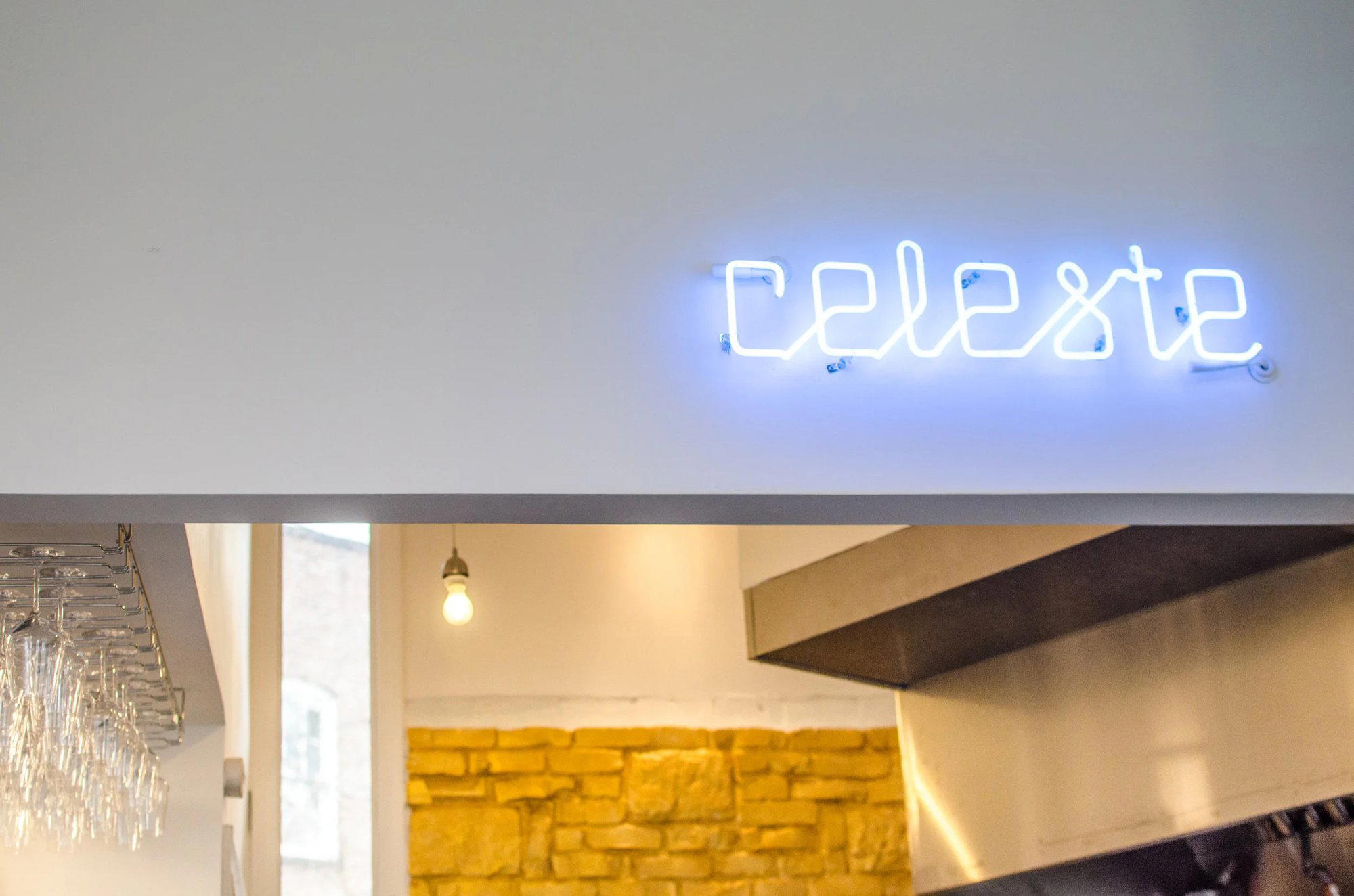
Bow Street and the Shape of Somerville Dining
Union Square and the streets fanning out from it have spent the better part of a decade becoming one of Greater Boston's more interesting dining corridors. The pattern is familiar to anyone tracking American urban food culture: a working-class neighborhood absorbs an influx of serious restaurant operators, and the resulting mix tends toward range rather than homogeneity. Somerville's version of this story runs from Bronwyn's German-leaning program through the Latin-influenced plates at Dali, the community pull of Diesel Cafe, and the neighborhood-rooted cooking at Fat Hen. Celeste, at 21 Bow Street, enters that context and sits within it rather than apart from it.
Bow Street itself is a short, quiet run between two busier arteries, which gives venues along it a slightly different character from the full-noise corners of the square. Approaching from the sidewalk, the scale feels residential rather than commercial, the kind of street where a restaurant has to earn its audience through reputation and return visits rather than foot traffic alone. That dynamic shapes what works in a room like this: a program with clear cultural roots travels better by word of mouth than a generalist menu does.
Cultural Roots as a Culinary Frame
Across American dining, the restaurants that hold their ground in competitive mid-density neighborhoods tend to be the ones with a distinct cultural frame. Generalist comfort cooking fades; cuisine with traceable tradition and technique accumulates a specific audience. This is the model that has sustained places like Cocolee in Somerville's ecosystem, and it is the model that positions Celeste within its immediate comparable set on Bow Street.
The broader American fine dining conversation has moved steadily toward sourced specificity, whether that is the farm-system rigor of Blue Hill at Stone Barns in Tarrytown, the Korean-rooted precision of Atomix in New York City, or the California-Mediterranean discipline at Single Thread Farm in Healdsburg. Those venues operate at a different price tier and booking cadence from a Somerville neighborhood restaurant, but the directional logic is the same: diners are increasingly willing to seek out a room that knows exactly what it is doing and why.
Celeste positions itself within that current without reaching for the institutional weight of a French Laundry in Napa or the event-dining format of Lazy Bear in San Francisco. Its scale and address suggest a more accessible register, which is its own kind of editorial statement about who the restaurant is for and how often it expects to see them.
What the Address Signals
Location within Somerville carries real information. The Union Square corridor draws a crowd that is younger, more food-literate, and more likely to have eaten their way through a range of regional cuisines before arriving at a dinner reservation. This is a neighborhood where Bronwyn can run a credible German beer hall program and where the audience will follow a less obvious culinary lineage if the cooking earns the trust. Celeste at 21 Bow Street inherits that audience dynamic.
The contrast with higher-profile American dining rooms is instructive. Venues like Le Bernardin in New York City, Providence in Los Angeles, or Addison in San Diego operate in markets where the dining identity of the surrounding neighborhood has itself become a destination signal. Somerville is earlier in that process, which means a venue like Celeste benefits from the energy of an audience discovering the area while also bearing the weight of building its own reputation without institutional support from a broader hospitality ecosystem.
That combination, a curious and returning local audience in a neighborhood whose dining identity is still crystallizing, tends to produce restaurants with sharper points of view than their postcode might suggest. It also produces loyalty. Diners who find a room with genuine cultural grounding in a neighborhood like this return more consistently than they would in a market saturated with competitors at the same tier.
Somerville in the Broader New England Context
Boston's restaurant identity has long been defined by its seafood traditions and its proximity to New England's agricultural output, but the more interesting recent development is the density of serious cooking in the inner suburbs. Cambridge, Somerville, and Brookline have collectively shifted the center of gravity away from a purely downtown model. Celeste is one data point in that shift.
The national comparison set for serious neighborhood cooking now includes venues like Smyth in Chicago, Emeril's in New Orleans, and The Inn at Little Washington in Washington, each of which anchors a dining identity that is rooted in place and tradition rather than in the mechanics of the tasting-menu economy. Celeste operates at a different scale but within the same logic: cultural specificity as a competitive advantage. See our full Somerville restaurants guide for broader context on how the neighborhood's dining scene maps out across cuisines and price points.
For a European frame of reference, the model of cuisine deeply embedded in regional cultural identity, where the food's meaning is inseparable from its origin, finds one of its most rigorous expressions at Atelier Moessmer Norbert Niederkofler in Brunico. That level of institutional articulation is not what a Somerville neighborhood restaurant is reaching for, but the underlying logic, that cuisine should answer to a tradition rather than to a trend, carries across scales.
Planning a Visit
Celeste is at 21 Bow Street, Somerville, MA 02143, reachable from the MBTA Green Line extension at Union Square station, which puts the walk at a few minutes from the platform. Current booking details, hours, and pricing are best confirmed directly with the restaurant. It is open Mon: 5–10 PM; Tue: 5–10 PM; Wed: 5–10 PM; Thu: 5–10 PM; Fri: 5–11 PM; Sat: 5–11 PM; Sun: 4–9 PM, and reservations are essential. Given the size and character of venues in this corridor, advance planning is worth the effort: the smaller the room, the shorter the window between a table becoming available and it being claimed by someone already paying attention. Diners with dietary restrictions should contact Celeste directly before arrival, as accommodation policies at this tier of neighborhood dining vary considerably and are leading addressed in conversation rather than assumed from a menu.
Price and Positioning
Comparable venues nearby, for context on price, style, and recognition.
| Venue | Cuisine | Price | Notes |
|---|---|---|---|
| CelesteThis venue — the venue you are viewing | Union Square, Peruvian Ceviche & Stews | $$ | Not listed |
| Machu Picchu | Union Square, Authentic Peruvian | $$ | Not listed |
| Vinny's at Night | East Somerville, Sicilian Italian | $$ | Not listed |
| Cocolee | Assembly Row, Modern Pan-Asian Tiki Bar | $$ | Not listed |
| Josephine | Not listed | $$ | Somerville, Wood-Fired Italian Pizza & Classics |
| Oliveira's Steak House | Not listed | $$$ | East Somerville, Brazilian Steakhouse Rodízio |
Continue exploring
More in Somerville
Restaurants in Somerville
Browse all →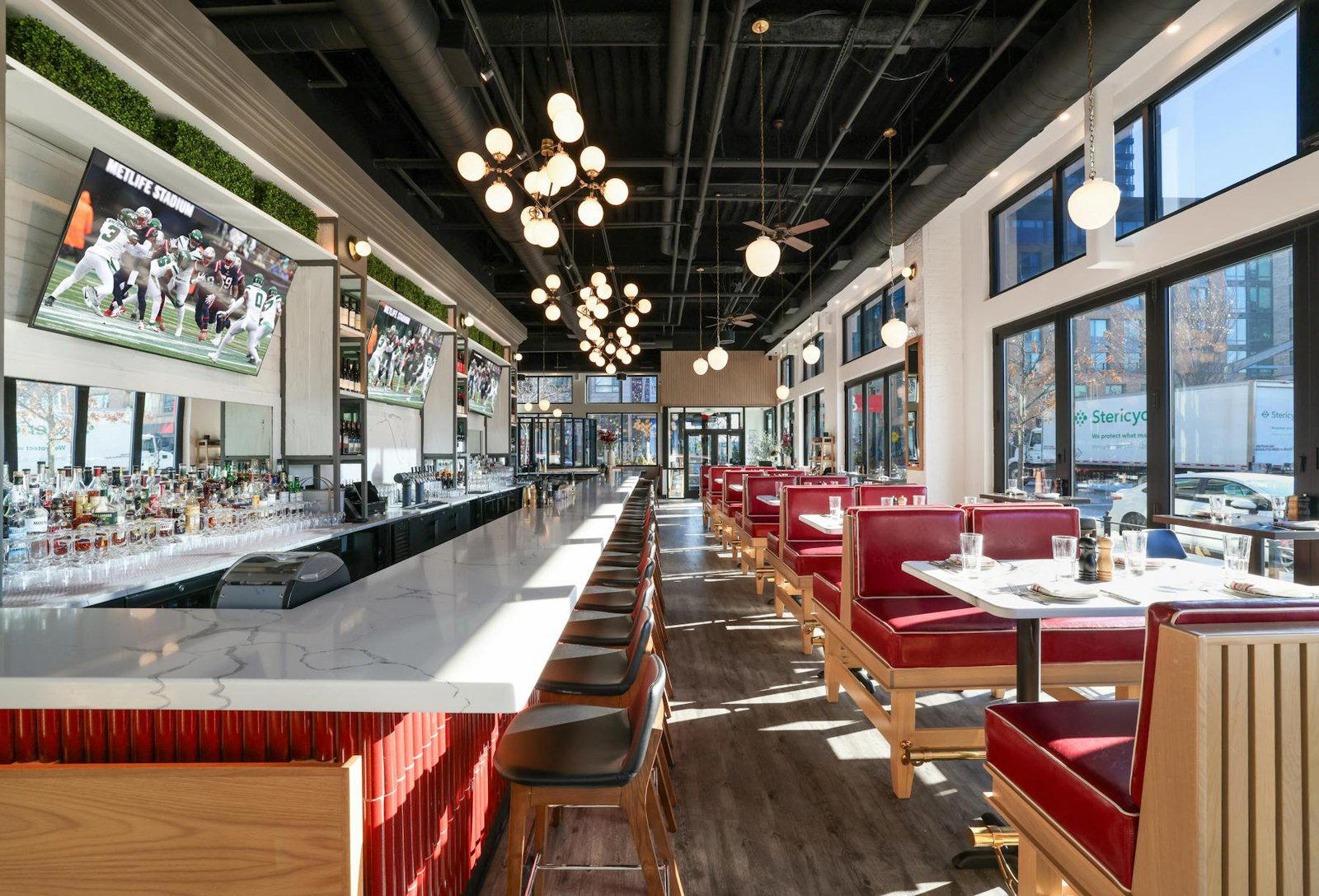
Bars in Somerville
Browse all →
Hotels in Somerville
Browse all →
Wineries in Somerville
Browse all →
At a Glance
- Trendy
- Intimate
- Lively
- Modern
- Date Night
- Special Occasion
- Group Dining
- Open Kitchen
- Craft Cocktails
Current opening hours
- Monday
- 5–10 PM
- Tuesday
- 5–10 PM
- Wednesday
- 5–10 PM
- Thursday
- 5–10 PM
- Friday
- 5–11 PM
- Saturday
- 5–11 PM
- Sunday
- 4–9 PM
Hours can change for holidays and private events. Last verified .
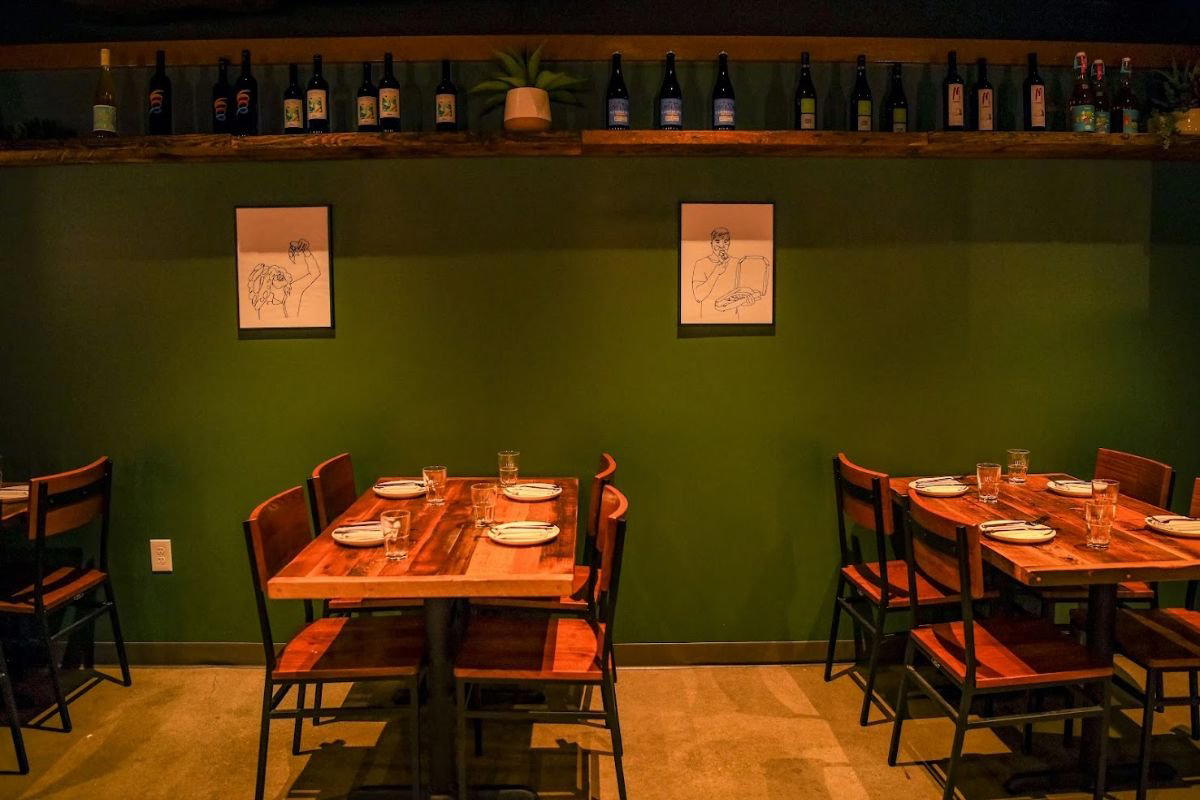
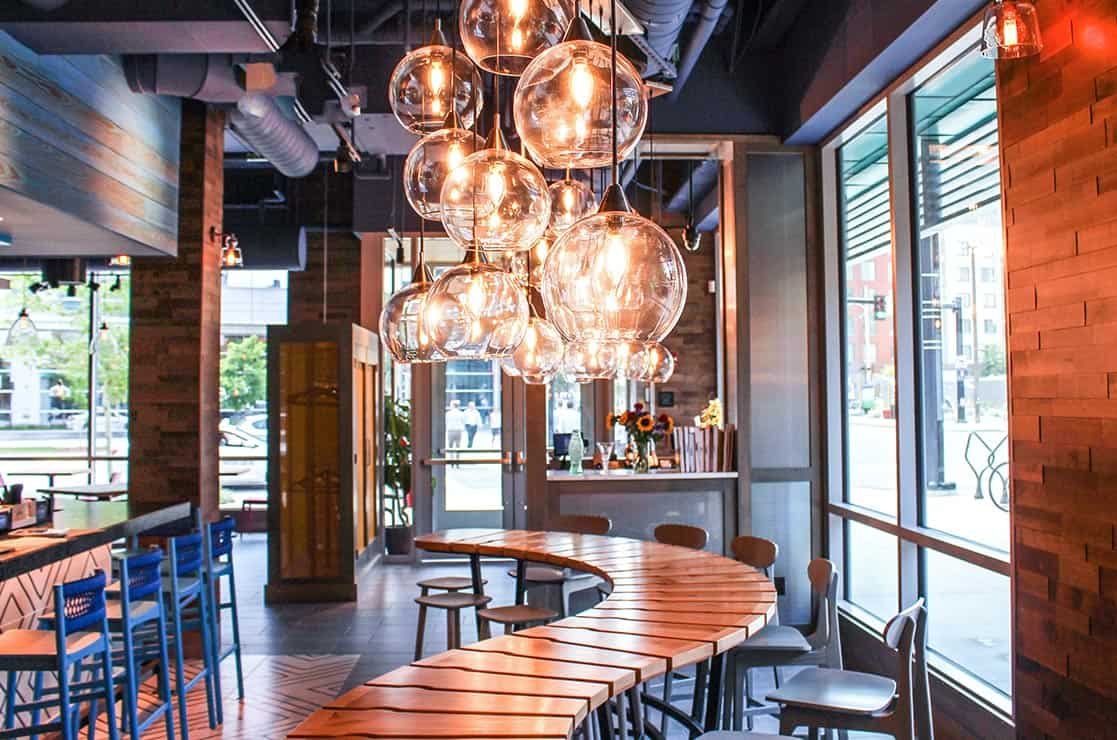
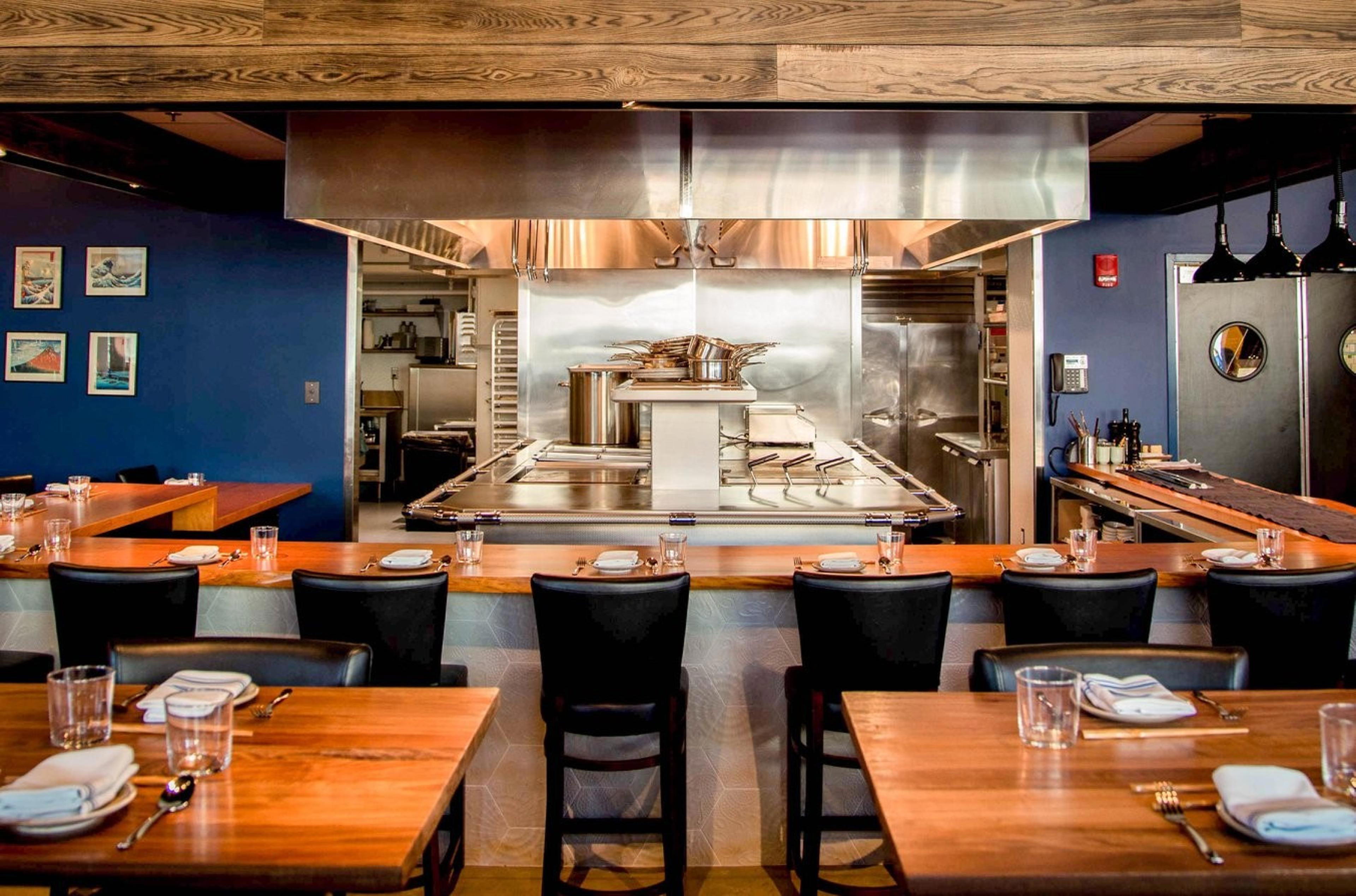
Upbeat, bright, and frenetic atmosphere with psychedelic cumbia music, artsy decor, and an open kitchen creating an intimate yet energetic party-like vibe.