Kurvenwirt Hochburg-Ach
Kurvenwirt Hochburg-Ach occupies a corner of the Inn Valley borderlands where Austrian Gasthof tradition runs deep. The kitchen draws on the agricultural rhythms of the Innviertel region, placing it in a category of rural dining houses that prioritise proximity to source over metropolitan polish. For travellers exploring upper Austria's quieter eating circuit, it anchors a broader regional picture worth understanding.
Pearl is the En Primeur Club membership app — saves, bookings, and concierge access live there. Same editors, same standards.
- Address
- Oberkriebach 23, 5122 Oberkriebach, Austria
- Phone
- +4368110879764
- Website
- bestellen-kurvenwirt.at
- Directions
- Get directions
 Saves & bookings on Pearl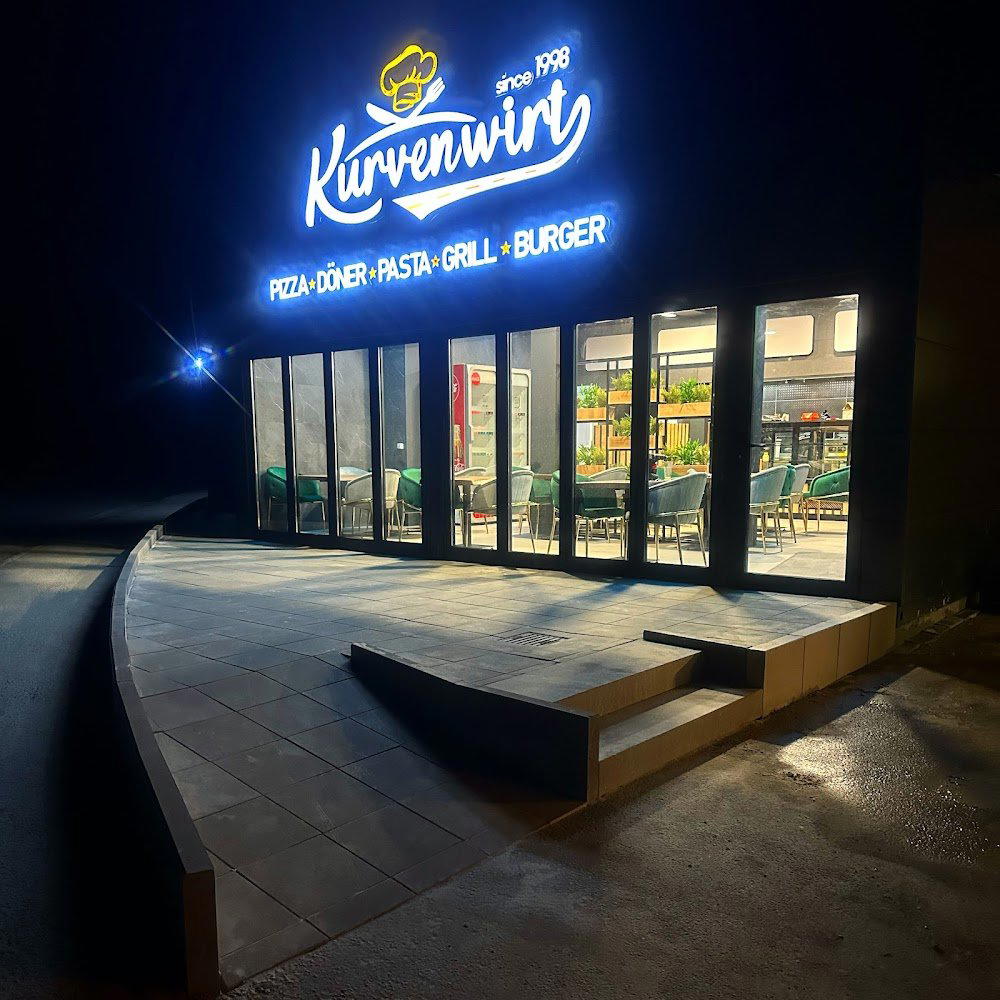
Where the Innviertel Table Begins
The road into Oberkriebach does not announce itself with ceremony. The villages of the Innviertel, the northwestern corner of Upper Austria pressed against the Bavarian border, are agricultural in character: working farms, rolling pasture, and the kind of low-horizon light that defines the region from late autumn through spring. In this context, the local Gasthof is not a destination in the promotional sense but a structural institution, the place where the food produced nearby finds its most direct expression. Kurvenwirt Hochburg-Ach, at Oberkriebach 23 in the municipality of Hochburg-Ach, sits inside that tradition. The address itself is instructive: this is not a restaurant that relocated to be convenient; it occupies the place it has always occupied, and the dining around it is shaped by that rootedness.
The Innviertel as Ingredient Geography
The editorial case for paying attention to rural Upper Austrian kitchens begins with the land. The Innviertel sits between the Inn and Salzach rivers, on terrain that has supported grain farming, cattle, and freshwater fishing for centuries. That geography produces a specific pantry: freshwater fish from the rivers, dairy from highland farms, pork from smallholders, and grain that still feeds local bakeries and brewery operations. Where kitchens in this region work well, they work because the supply chain is short and the product is handled with familiarity rather than novelty. This is a different proposition from the creative tasting-menu format that defines Austria's decorated restaurants. Places like Steirereck im Stadtpark in Vienna or Döllerer in Golling an der Salzach operate at the apex of Austrian dining, where ingredient sourcing is one component of a technically sophisticated kitchen project. In a Gasthof setting, sourcing is the kitchen project, the cooking exists to transmit the ingredient, not to transform it beyond recognition.
That distinction matters when deciding how to evaluate a place like Kurvenwirt. The relevant comparison set is not Ikarus in Salzburg or Gourmetrestaurant Tannenhof in Sankt Anton am Arlberg, those kitchens operate in an entirely different register. The more useful frame is what rural Austrian hospitality does at its grounded leading: honest preparation, regional produce, and a dining room calibrated to the agricultural community it feeds.
The Gasthof Format and Why It Persists
Austria retains one of Europe's most coherent networks of rural Gasthöfe, and understanding why requires looking at function before sentiment. The Gasthof combines lodging, eating, and community gathering under one roof, and in smaller municipalities it often anchors the social calendar in a way that urban restaurants cannot replicate. The format has survived not because of nostalgia but because it continues to serve a practical purpose, and because, at its leading, the kitchen benefits from relationships with local suppliers that a city restaurant would have to engineer expensively. In regions like the Innviertel, where the distance between farm and kitchen can be measured in minutes rather than logistics chains, that advantage is real. Compare this with the more resort-oriented Tyrolean model seen at venues like Griggeler Stuba in Lech or Stüva in Ischgl, where altitude and tourism economics shape the offer in a different direction. The Innviertel Gasthof answers to different pressures: local regulars, seasonal agricultural cycles, and a pricing structure that reflects community use rather than destination tourism.
Placing Kurvenwirt in the Regional Eating Circuit
Upper Austria's dining scene receives less international coverage than Salzburg or Vienna, but the region has its own internal logic. Travellers who have worked through the more documented destinations, Obauer in Werfen, Landhaus Bacher in Mautern an der Donau, or Taubenkobel in Schützen am Gebirge, and who are building a picture of Austrian hospitality beyond its decorated tier will find that rural houses like Kurvenwirt provide necessary counterpoint. The decorated kitchens show what Austrian ingredients can become in technically ambitious hands; the Gasthof tradition shows what those same ingredients look like when the priority is familiarity and directness. Both are worth understanding, and neither explains the other. For more context on how regional kitchens across Austria approach ingredient sourcing, the approach at Kräuterreich by Vitus Winkler in Sankt Veit im Pongau or Ois in Neufelden provides useful comparison, as both sit closer to the farm-to-table emphasis that characterises the better end of Upper Austrian regional cooking.
The broader Austrian pattern of grounding serious cooking in local produce also appears at Atelier Fischer in Sankt Gilgen and Schwarzer Adler in Hall in Tirol, each operating in distinct regional registers but sharing the same underlying logic: proximity to source as a starting condition rather than a marketing point. That thread runs through Austrian hospitality in a way that differs structurally from the technique-first approach more familiar to diners who arrive via Le Bernardin in New York City or Atomix in New York City, where the ingredient's origin is one layer of a more architecturally complex experience. Similarly, Restaurant 141 by Joachim Jaud in Mieming and Artis in Graz each demonstrate how Austrian kitchens navigate between regional identity and contemporary technique, providing useful orientation for anyone building a broader itinerary.
Planning a Visit
Hochburg-Ach is most practically reached by car from Salzburg, approximately 30 kilometres to the southeast, or from Braunau am Inn to the north. Public transport connections to Oberkriebach are limited, which reinforces the venue's character as a local institution rather than a touring stop. The current opening hours are Wednesday through Sunday from 10:30 AM to 9 PM, with the house closed on Monday and Tuesday. The address, Oberkriebach 23, 5122 Oberkriebach, is precise enough for navigation applications to locate without difficulty.
- Pizza
- Kebab
- Döner
- Lahmacun
- Pide
- Bosna
Comparison Snapshot
Comparable venues nearby, for context on price, style, and recognition.
| Venue | Cuisine | Price | Notes |
|---|---|---|---|
| Kurvenwirt Hochburg-AchThis venue — the venue you are viewing | Austrian-Turkish Fusion Fast Casual | $ | Not listed |
| Furō | Levantine Fusion Vegetarian | $$ | Elisabeth Vorstadt |
| Lachinger's Kitchen & Wine | Austrian Fusion Steakhouse | $$ | Silberzeile |
| my Indigo Staatsbrücke | Super Natural Fusion Bowls & Salads | $$ | Rechte Altstadt |
| Donna´s Thaiküche | Authentic Thai Street Food | $ | Neustadt |
| my Indigo Kongresshaus | Asian Fusion Bowls | $$ | Neustadt |
Continue exploring
More in Hochburg Ach
Restaurants in Hochburg Ach
Browse all →
Bars in Hochburg Ach
Browse all →

At a Glance
- Casual
- Rustic
- Casual Hangout
- Group Dining
- Family
- Standalone
Current opening hours
- Monday
- Closed
- Tuesday
- Closed
- Wednesday
- 10:30 AM–9 PM
- Thursday
- 10:30 AM–9 PM
- Friday
- 10:30 AM–9 PM
- Saturday
- 10:30 AM–9 PM
- Sunday
- 10:30 AM–9 PM
Hours can change for holidays and private events. Last verified .
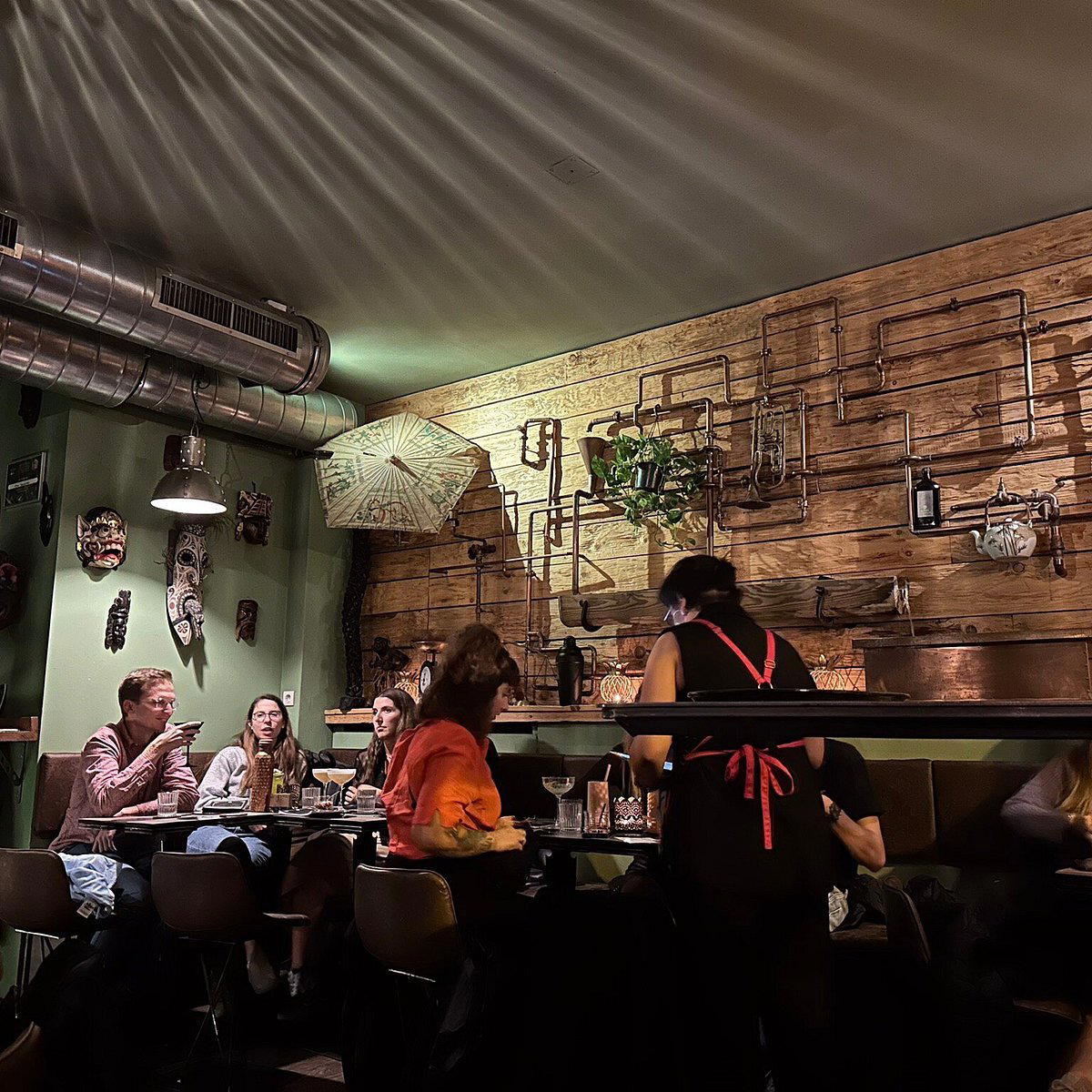
Casual, energetic fast-casual dining environment with hearty, unpretentious atmosphere.