Landhaus Tanner

Michelin Bib Gourmand
Our verdict
A Michelin Bib Gourmand-awarded country kitchen in the Bavarian lake district, Landhaus Tanner has held consecutive recognition in 2024 and 2025 for chef Franz Tanner's grounded, regional cooking. At the €€€ price point, it sits above casual Gasthof territory while staying well clear of the tasting-menu formalism that defines Germany's starred tier. For the Chiemgau region, that balance is harder to find than it sounds.

Pearl is the En Primeur Club membership app, where members save venues, book tables and use the concierge.
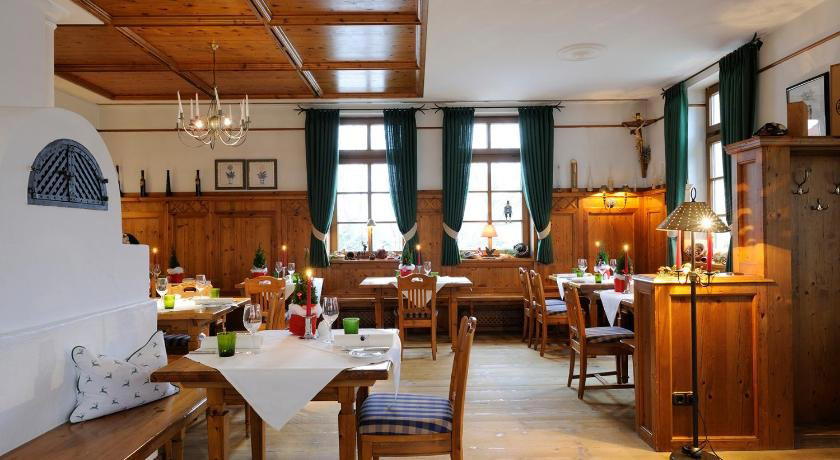
A Farmhouse Counter in Chiemgau Country
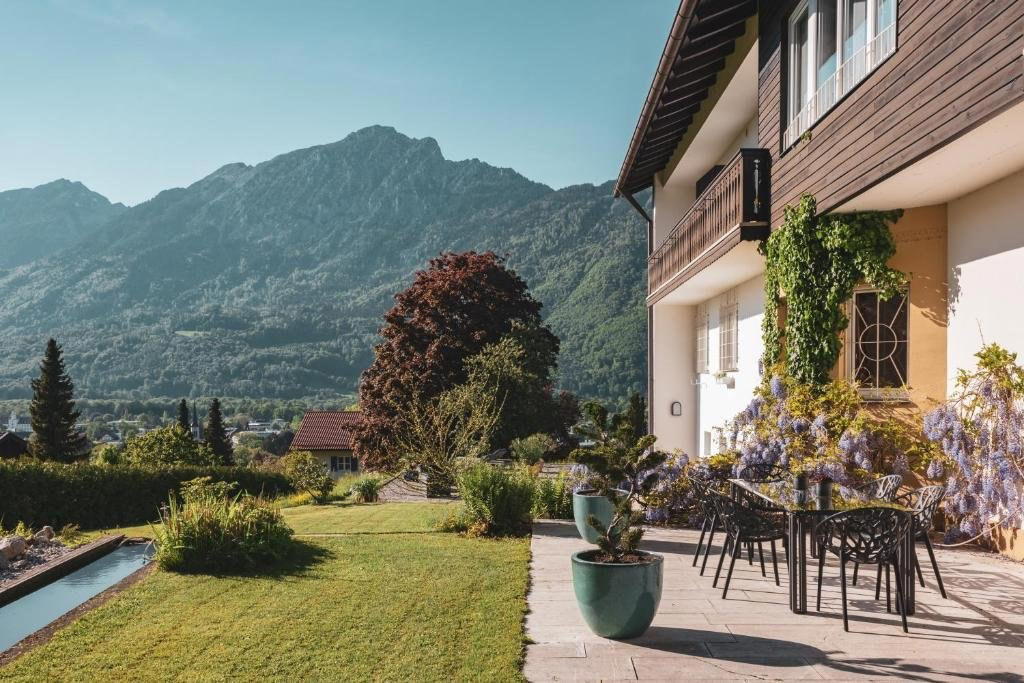
The Bavarian lake district does not lack for dining rooms with wooden beams and checked tablecloths. What it lacks, at least at any consistent level, is cooking that takes the rural-inn format seriously as a culinary proposition rather than a heritage backdrop. The physical approach, farmhouse architecture, the scale of a family property rather than a hotel, signals the category before you reach the door. This is country cooking at a specific address, not a rustic aesthetic applied to a contemporary menu.
Chef Franz Tanner's kitchen has earned back-to-back Michelin Bib Gourmand recognition in 2024 and 2025, which within the Michelin framework denotes good cooking at a moderate price rather than the technical ambition that drives starred restaurants. In the Chiemgau region, that recognition carries weight because the Bib Gourmand category specifically rewards cooking that does not attempt to escape its context.
Where Country Cooking Sits in the German Restaurant Tier
Germany's restaurant tier has a pronounced gap between the Gasthof at the bottom and the Michelin-starred fine-dining room at the leading. Regional kitchens that cook with genuine craft but without tasting-menu architecture occupy an awkward middle position, often overlooked by critics who default to the starred tier when writing about German dining. The Bib Gourmand category was designed for exactly this bracket, and it remains one of the more useful Michelin signals for travellers who want serious food without the full formalism of a starred house.
For reference, the starred kitchens operating at the upper end of the German spectrum include Schwarzwaldstube in Baiersbronn, Aqua in Wolfsburg, and Vendôme in Bergisch Gladbach, all operating at €€€€ with multi-course tasting formats. At the other end, creative urban restaurants like CODA Dessert Dining in Berlin reframe the dining format entirely. Landhaus Tanner at €€€ does neither: it occupies the honest middle ground where the regional product and the cooking technique are the point, and the format is built around the food rather than around an experience concept.
Within Bavaria specifically, the nearest stylistic comparison in the broader southeast Germany corridor is ES:SENZ in Grassau, also in the Chiemgau area, though operating at a different level of formality. The fact that two kitchens of genuine quality can coexist within the same regional geography says something about the culinary density that the Chiemgau lake district quietly supports, despite its low profile in national restaurant conversations.
The Cooking: Regional Grounding as a Programme
Country cooking as a category demands definition before it can be evaluated. In the German context, it typically means seasonal ingredients sourced from the surrounding agricultural region, techniques rooted in the local tradition rather than imported from French haute cuisine or contemporary Scandinavian minimalism, and portion logic oriented toward satisfaction rather than architectural presentation. The Bib Gourmand assessment confirms that Tanner's kitchen meets the standard within that category at a level Michelin considers worth signalling to its readers.
The €€€ pricing at Landhaus Tanner positions it above the Gasthof tier where cooking ambition is low and menus rarely change, but well below the per-head spend required at starred rooms like JAN in Munich or Restaurant Haerlin in Hamburg. That price band is where value judgements about country cooking become interesting: the question is not whether the kitchen can match a tasting menu's technique, but whether it delivers cooking that justifies the step above a basic inn. Two consecutive Bib Gourmand awards suggest Michelin's answer is yes.
Internationally, country cooking formats that have earned similar Michelin recognition include 21.9 in Piobesi d'Alba and Andrea Monesi at Locanda di Orta in Orta San Giulio, both northern Italian kitchens where regional-product discipline and format simplicity serve as the organising principle. The parallel is instructive: in culinary cultures with strong regional traditions, the Bib Gourmand often rewards kitchens that resist the pull toward generic European fine dining and maintain a local culinary logic instead.
Planning a Visit: Logistics for the Chiemgau Region
Waging am See sits in the far southeast of Bavaria, between Munich and Salzburg, and is reachable by road in roughly an hour from Munich or forty minutes from Salzburg. The town itself is a modest lake-district settlement rather than a tourist hub, which means Landhaus Tanner draws from a local and regional audience as much as from destination visitors.
For those building a longer itinerary in the region, the Chiemgau offers enough culinary and landscape depth to warrant two or three nights. Our full Waging am See restaurants guide covers the broader dining picture, while our Waging am See hotels guide maps the accommodation options from lakeside properties to working-farm stays. Complementary resources include our Waging am See bars guide, our Waging am See wineries guide, and our Waging am See experiences guide for regional activities beyond the table. Those travelling further west in the state should note Schanz in Piesport, Waldhotel Sonnora in Dreis, Victor's Fine Dining by Christian Bau in Perl, and Bagatelle in Trier as the reference points for fine dining in Germany's western wine country.
Frequently asked questions
What price level is Landhaus Tanner?
Pricing at Landhaus Tanner is listed as €€€.
Comparison Snapshot
| Venue | Cuisine | Price | Awards | Notes |
|---|---|---|---|---|
| Landhaus TannerThis venue (the venue you are viewing) | Modern Bavarian | $50–100 | Michelin Bib Gourmand | Not listed |
| Schwarzwaldstube | Modern French Fine Dining | $150–200 | 3 Michelin Stars · World's 50 Best #47 | French, Classic French |
| Aqua | Contemporary German, Italian/Japanese, Creative | Not listed | Michelin 3 Star | Not listed |
| CODA Dessert Dining | Dessert-Inspired Fine Dining | $200–300 | 2 Michelin Stars · World's 50 Best #79 | Creative |
| Tantris | Modern French, French Contemporary | Not listed | Michelin 2 Star | Not listed |
| Vendôme | Modern German Haute Cuisine | $200–300 | 2 Michelin Stars · World's 50 Best #47 | Modern European, Creative |
Recognition history
Dated appearances from independent guides and award organizations, with the underlying list record or original source where available.
Michelin Bib Gourmand
Michelin
Full recognition history (3 entries)
Michelin Bib Gourmand
Michelin
Michelin Bib Gourmand
Michelin
Continue exploring
More in Waging am See
Restaurants in Waging am See
All restaurants in Waging am See →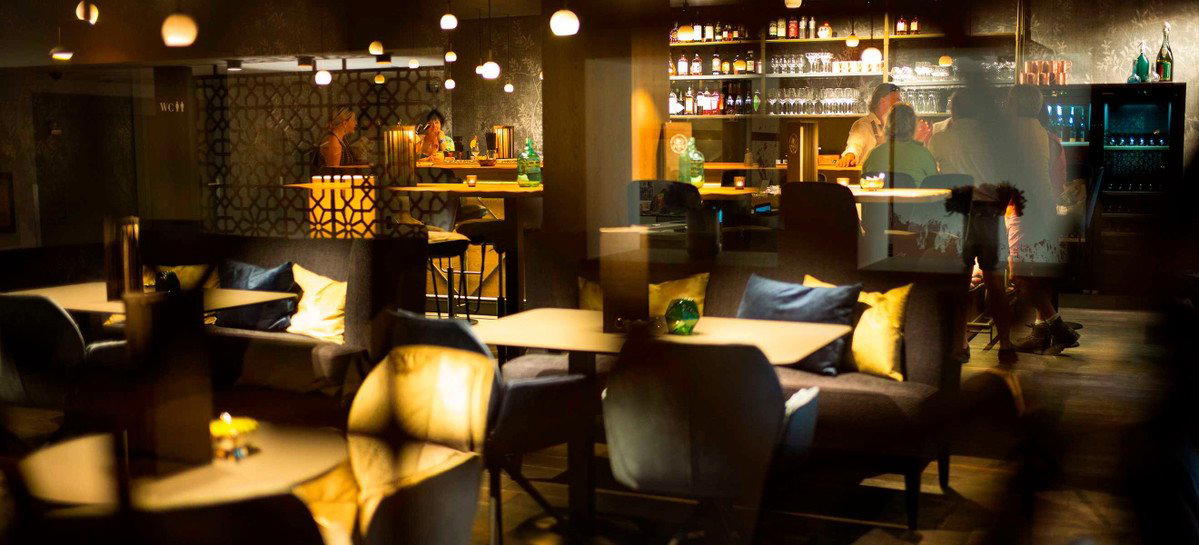

Details
- Cozy
- Rustic
- Elegant
- Scenic
- Date Night
- Family
- Special Occasion
- Terrace
- Garden
- Extensive Wine List
- Local Sourcing
- Garden
- A La Carte
- Vegetarian Friendly
- Gluten Free Options
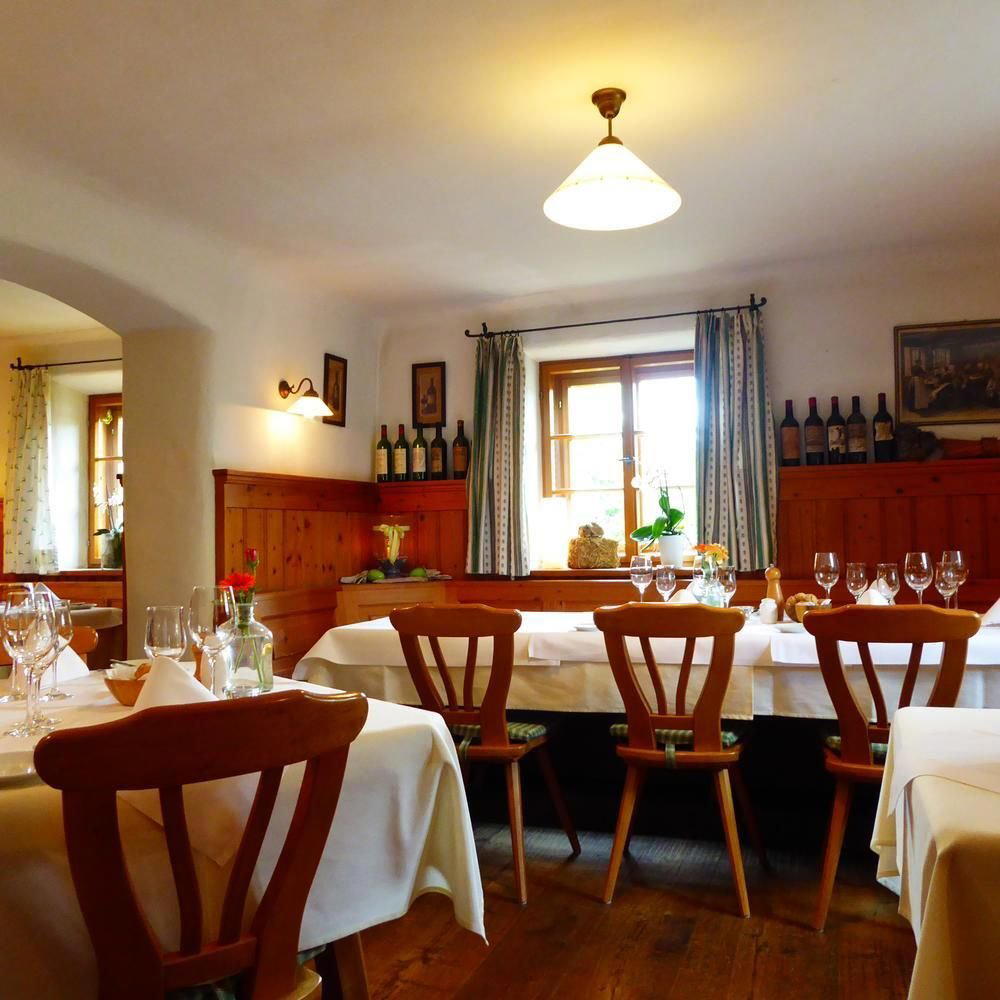
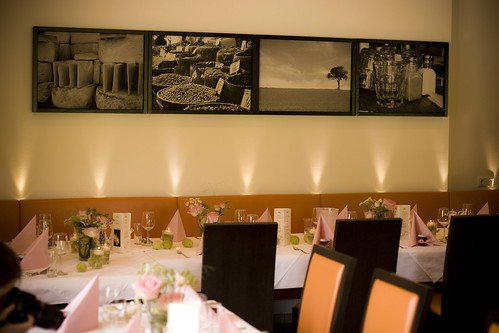
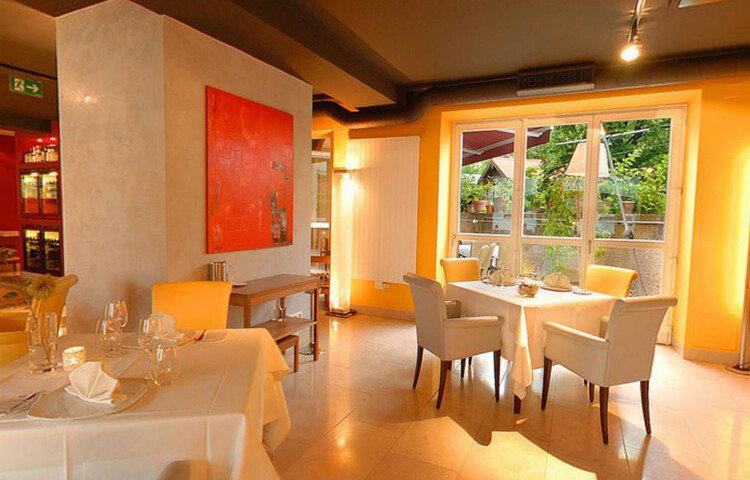
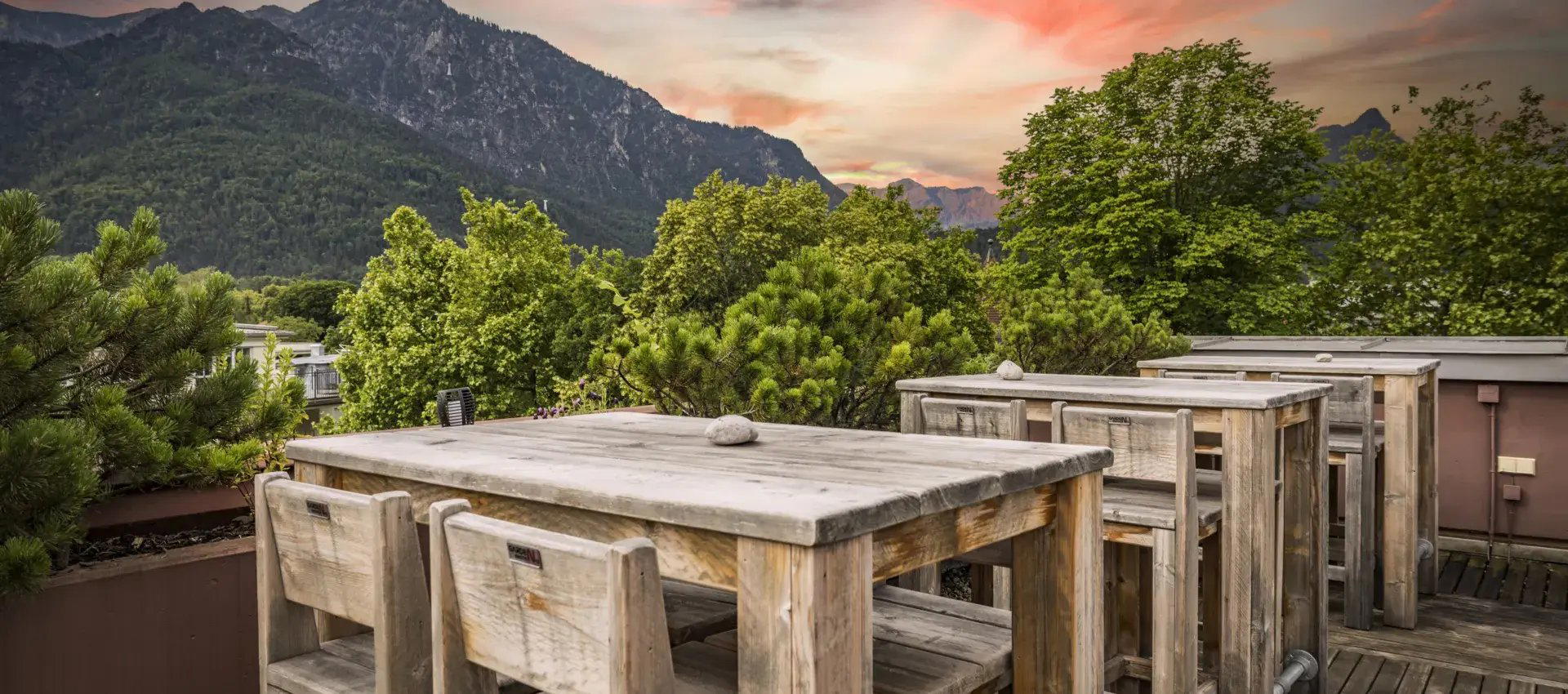
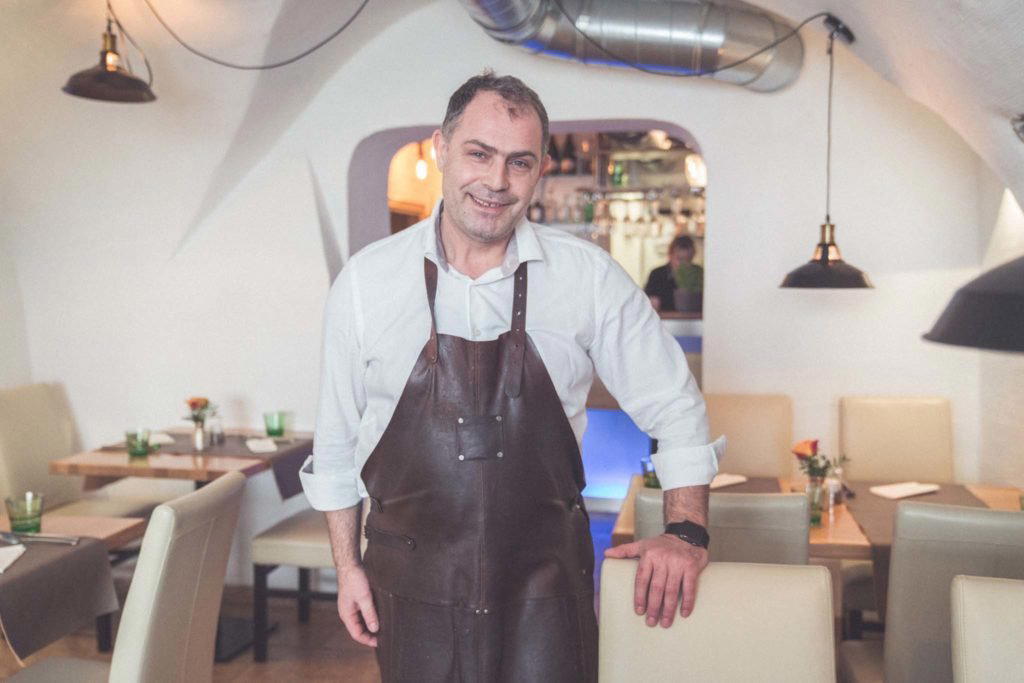
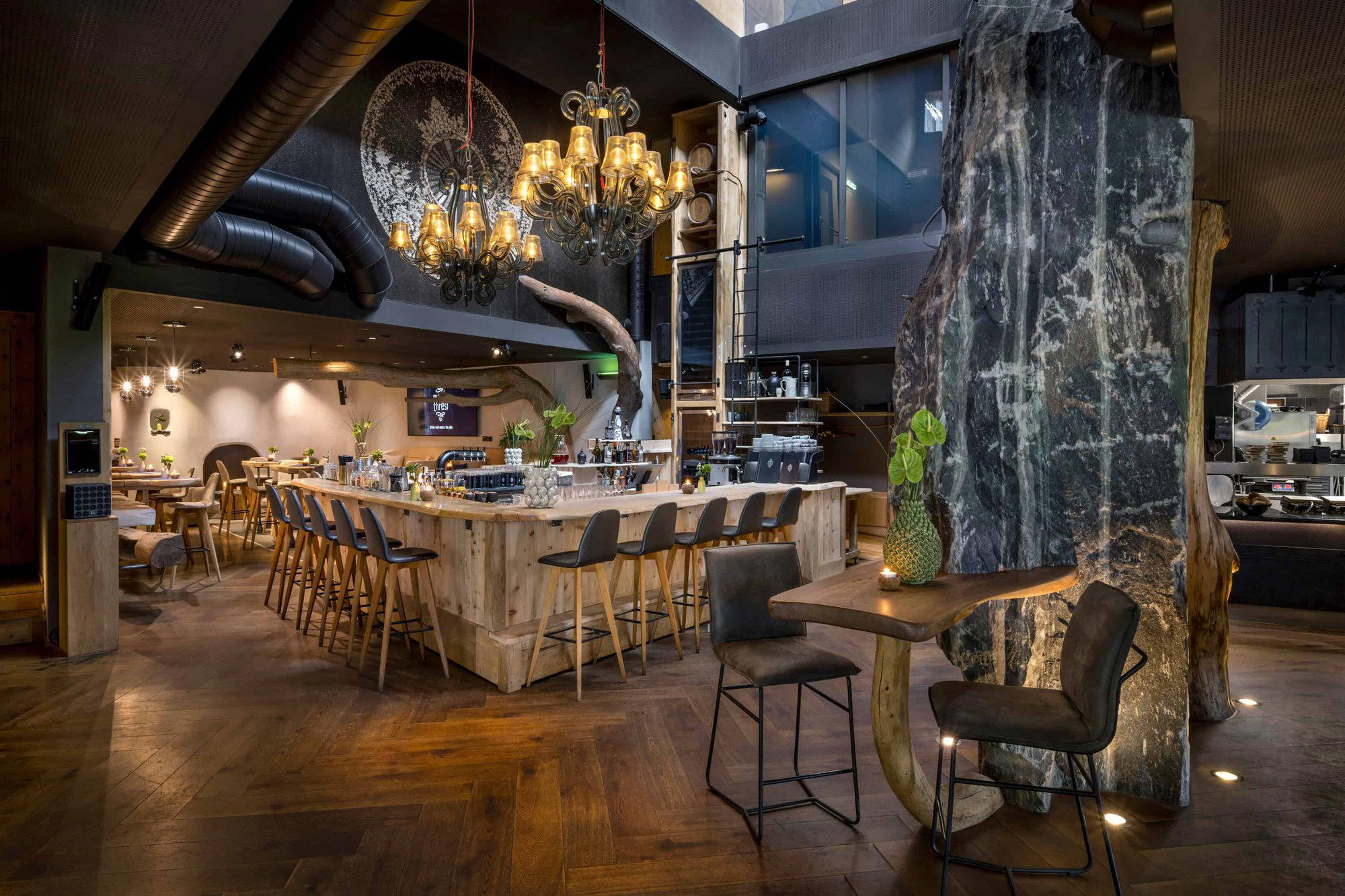
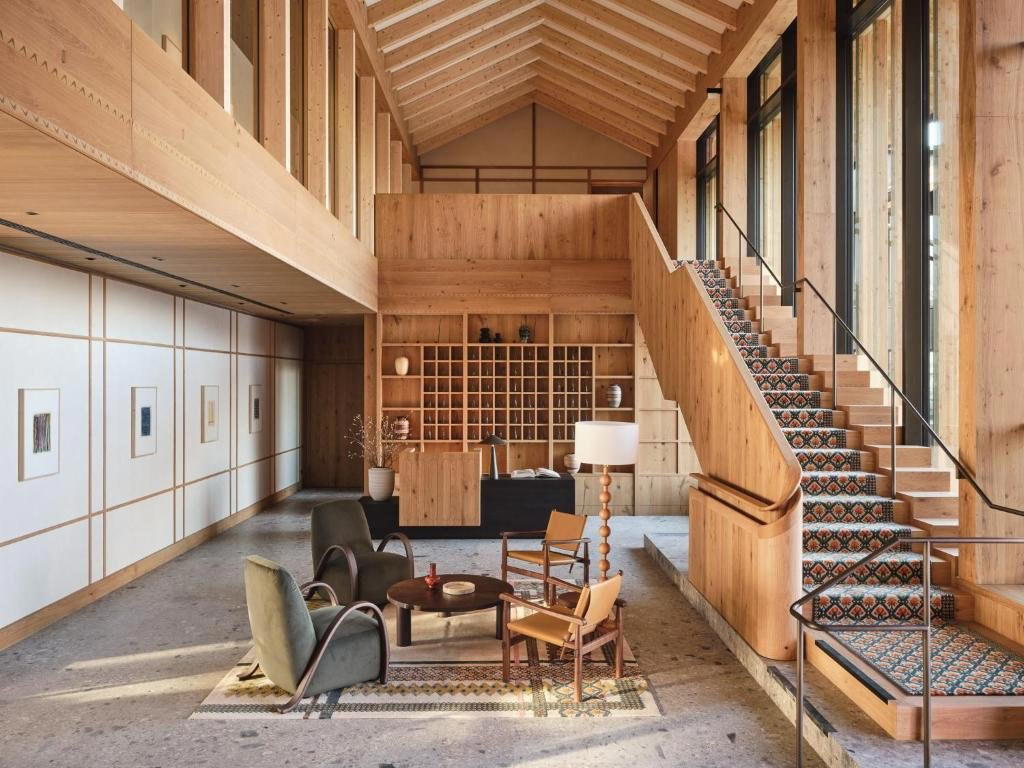
Cosy and tastefully designed with warm hospitality, pleasant lighting, and a modern Alpine style.