Huberwirt

Michelin Plate
Our verdict
Huberwirt holds a Michelin star in Pleiskirchen, a small Bavarian market town that rarely registers on Germany's fine dining circuit. The kitchen works within a modern cuisine framework, drawing on the agricultural richness of the Inn Valley and surrounding countryside.

Pearl is the En Primeur Club membership app, where members save venues, book tables and use the concierge.
The menu
What to order
- Ox and pork neck ravioli
- Veal lights with curd cheese bread dumplings
Where Bavaria's Farmland Meets the Plate
Germany's Michelin-starred restaurants cluster predictably: Munich, Hamburg, Berlin, the Rhine and Moselle corridors. The outliers, the single stars awarded to kitchens operating in small towns with no culinary reputation to lean on, tell a different story about how ingredient-led cooking can anchor itself to place rather than to prestige address. Huberwirt, on Hofmark 3 in Pleiskirchen, sits squarely in that category. The town itself, a compact Bavarian market settlement in the Inn-Salzach region, offers no dining district, no hotel scene built around gastronomy, and no pre-existing reason for a serious kitchen to appear here. The Michelin star awarded in 2024 says something about the cooking first, the location second.
Approaching Pleiskirchen from Munich, roughly 70 kilometres to the northwest, the landscape flattens into arable farmland interrupted by small rivers and woodland. This is agricultural Bavaria rather than Alpine Bavaria: dairy cattle, root vegetables, river fish, and the seasonal produce rhythms of a region that feeds itself before it exports. That agricultural character is not incidental to what Huberwirt does. The Inn Valley and its surrounding districts supply some of Bavaria's most consistent raw material, the kind of provenance story that kitchens in Munich pay logistics overhead to simulate, and that a kitchen in Pleiskirchen can access structurally, as a function of being here.
The Ingredient Argument in Rural German Fine Dining
Modern cuisine as a Michelin category covers a wide range of cooking philosophies, but the thread running through its most credible expressions in Germany tends to be sourcing precision. The country's top-tier kitchens, Aqua in Wolfsburg at three stars, Schwarzwaldstube in Baiersbronn at three stars, have built their reputations partly on the specificity with which they treat primary ingredients. That same logic operates differently at the one-star level in rural settings. Without the infrastructure of a major city, rural one-star kitchens often develop tighter, more place-specific sourcing relationships out of necessity. The result is a different kind of cooking: less globally referential, more dependent on what the surrounding region actually produces in a given season.
For Huberwirt, operating in the Inn-Salzach agricultural zone means access to the kind of short-supply-chain ingredients that urban kitchens pursue as a point of difference. River fish from the Inn, dairy from local farms, seasonal game from Bavarian forests, these are not marketing categories here but operational realities. That proximity to raw material shapes the character of the menu more directly than any stated philosophy would. Kitchens rooted in their geography in this way sit in a distinct tier from those that source globally and assemble brilliantly; both approaches earn stars, but they produce fundamentally different dining experiences.
Germany's one-star tier has expanded meaningfully in recent cycles, with Michelin identifying credible kitchens further outside traditional dining hubs. ES:SENZ in Grassau represents a similar dynamic in the Chiemgau region, serious cooking in a town most travellers would pass through without stopping. Schanz in Piesport does comparable work in the Moselle. These are kitchens that earn recognition on the strength of their cooking rather than on foot traffic or neighbourhood reputation. Huberwirt belongs to this cohort.
Reading the Room
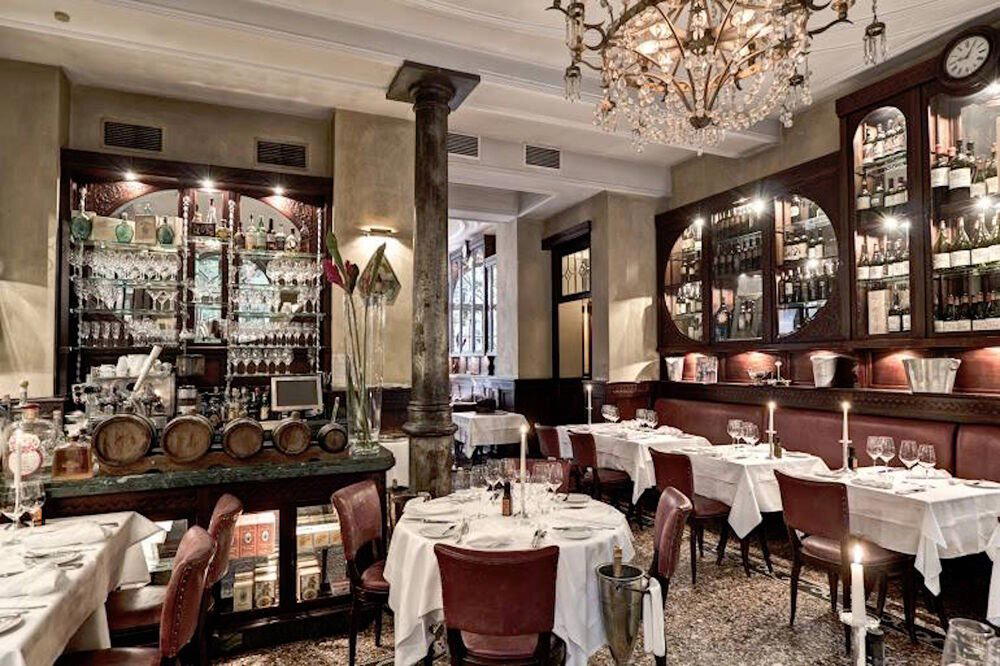
The physical setting at Hofmark 3 situates the restaurant within what feels, from the outside, like a traditional Bavarian inn format, the Wirtshaus scale rather than the formal dining room scale. This matters because it shapes guest expectations before a single plate arrives. Germany's rural fine dining tradition has long operated through upgraded inn formats: the Gasthof that quietly outperforms its category, the country house kitchen that earns a star without replacing its tablecloths. Huberwirt appears to operate within that tradition rather than against it. The inn format, when it works, creates a particular kind of ease, the sense that serious cooking can coexist with a degree of informality that pure fine dining venues sometimes sacrifice in pursuit of ceremony.
For a restaurant of this price tier (€€€) in a town this size, that volume of responses represents meaningful local and regional reach, not just destination dining traffic. The consistency implied by that score across a significant review sample suggests a kitchen that performs reliably rather than occasionally. In Germany's fine dining tier, the gap between Michelin recognition and consistent guest experience is sometimes wider than it should be; the review data here suggests that gap is not a problem at Huberwirt.
For practical planning: Pleiskirchen sits in the Inn-Salzach district, accessible by car from Munich in under an hour. The restaurant's price tier (€€€) positions it below the €€€€ bracket occupied by Germany's multi-star restaurants, Vendôme in Bergisch Gladbach, Restaurant Haerlin in Hamburg, Victor's Fine Dining by Christian Bau in Perl, and represents a more accessible entry point to Michelin-level cooking in Bavaria. Booking ahead is advisable for any starred kitchen in a small town; the seat count is limited by the building's scale, and local demand competes with destination traffic from Munich. Contact details are best confirmed through current listings; see our full Pleiskirchen restaurants guide for current booking information.
Context Within the Regional Scene
The Inn-Salzach region sits at an interesting intersection: close enough to Munich to draw city visitors, close enough to Austria and Salzburg to carry a cross-border culinary influence, and rooted in an agricultural tradition that predates both fine dining and tourism as industries. That geography produces a specific kind of kitchen, one that can draw on Bavarian and Austrian culinary traditions while operating within a modern cuisine framework. Restaurant Alexander Huber in Pleiskirchen represents another expression of this regional dynamic, offering a reference point for how serious cooking has established itself in this small town specifically.
Broader European comparisons in the modern cuisine category, Frantzén in Stockholm, FZN by Björn Frantzén in Dubai, JAN in Munich, operate at very different scales and urban densities. The comparison is useful not to suggest equivalence but to frame what modern cuisine means across different contexts. At the one-star rural level, the format tends toward intimacy and regionality rather than toward the technical maximalism of higher-tier city kitchens. Huberwirt, by all available indicators, occupies that more rooted register.
For visitors building a broader Bavaria itinerary, Pleiskirchen now functions as a legitimate dining destination rather than a transit point. The town's proximity to the Chiemsee, Salzburg, and the Inn Valley wine country makes it a viable anchor for a day or overnight trip. Accommodation options in the region are catalogued in our full Pleiskirchen hotels guide, and additional local listings, bars, wineries, and curated experiences, appear in the bars, wineries, and experiences guides for the area.
Huberwirt also draws a useful contrast with Germany's more theatrical end of creative cooking, CODA Dessert Dining in Berlin and Waldhotel Sonnora in Dreis represent different formal registers entirely. The point is not hierarchy but plurality: Germany's starred tier is wide enough to accommodate both conceptual maximalism and the kind of grounded, place-specific cooking that a starred Bavarian inn in a small market town represents. Both have a legitimate claim on serious attention.
Frequently asked questions
What part of town is Huberwirt in?
Huberwirt is located at Hofmark 3, 84568 Pleiskirchen, Germany, Pleiskirchen.
In Context: Similar Options
| Venue | Cuisine | Price | Awards | Notes |
|---|---|---|---|---|
| HuberwirtThis venue (the venue you are viewing) | Modern Bavarian Country Cooking | $50–100 | Michelin Plate | Not listed |
| Schwarzwaldstube | Modern French Fine Dining | $150–200 | 3 Michelin Stars · World's 50 Best #47 | French, Classic French |
| Aqua | Contemporary German, Italian/Japanese, Creative | Not listed | Michelin 3 Star | Not listed |
| CODA Dessert Dining | Dessert-Inspired Fine Dining | $200–300 | 2 Michelin Stars · World's 50 Best #79 | Creative |
| Tantris | Modern French, French Contemporary | Not listed | Michelin 2 Star | Not listed |
| Vendôme | Modern German Haute Cuisine | $200–300 | 2 Michelin Stars · World's 50 Best #47 | Modern European, Creative |
Recognition history
Dated appearances from independent guides and award organizations, with the underlying list record or original source where available.
Michelin Plate
Michelin
Full recognition history (2 entries)
Michelin 1 Star
Michelin
Continue exploring
More in Pleiskirchen
Restaurants in Pleiskirchen
All restaurants in Pleiskirchen →
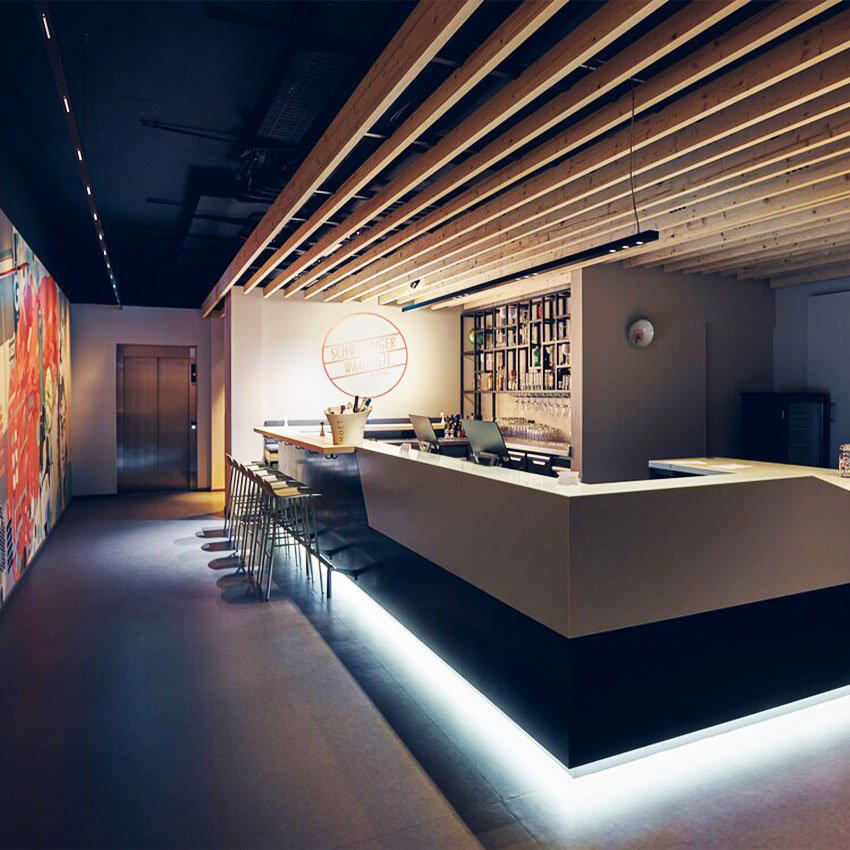
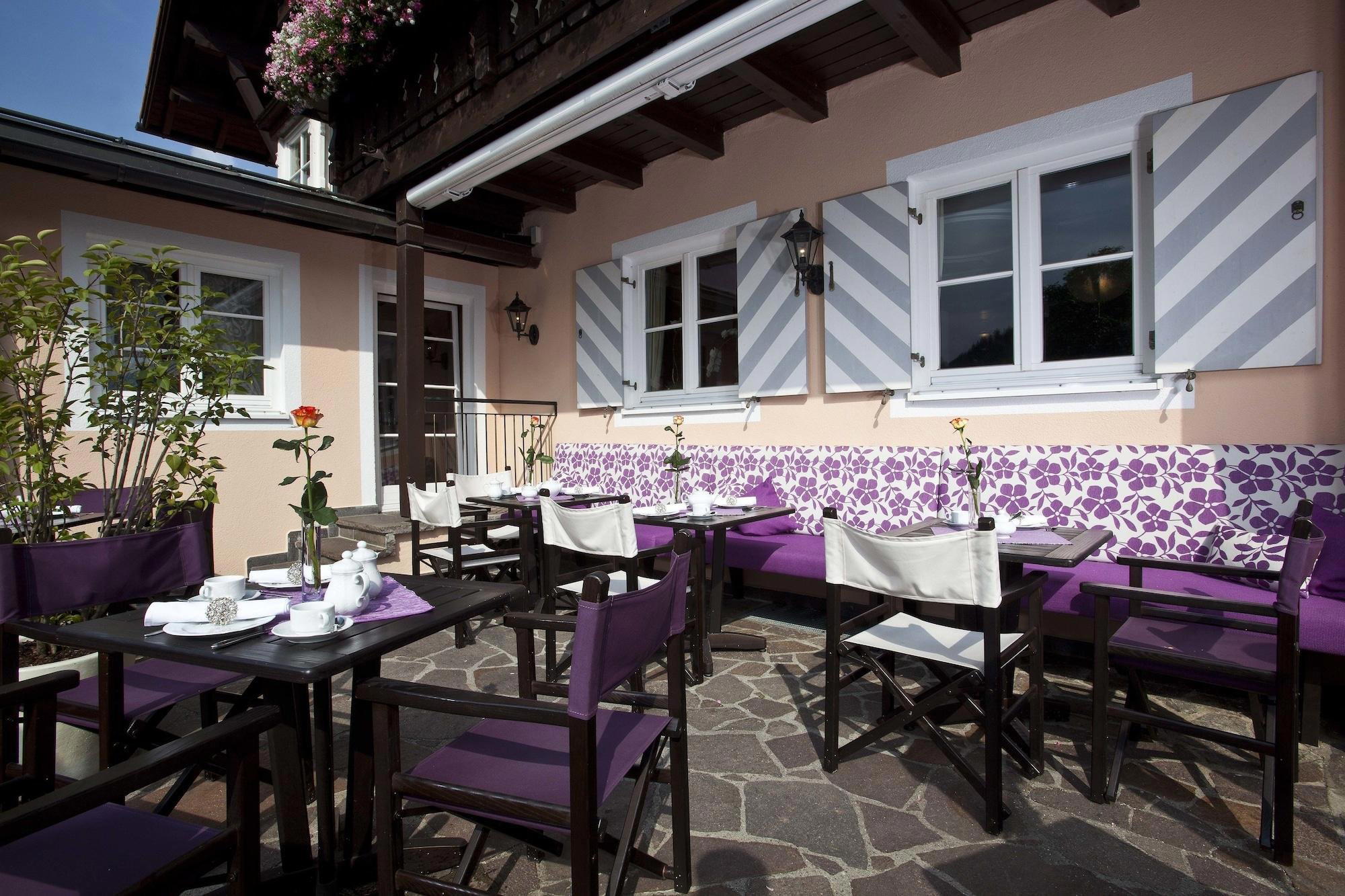
Bars in Pleiskirchen
Browse all →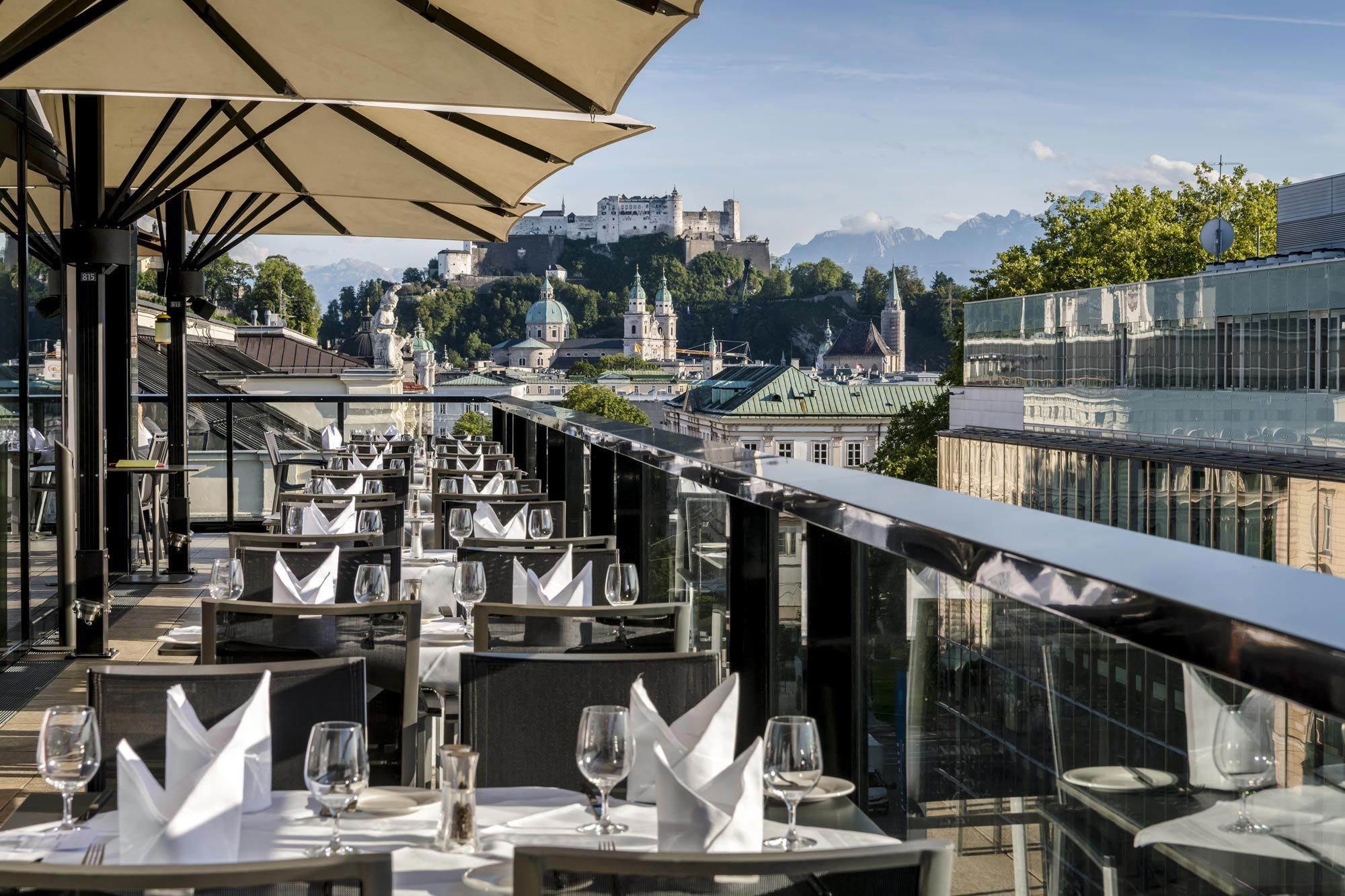
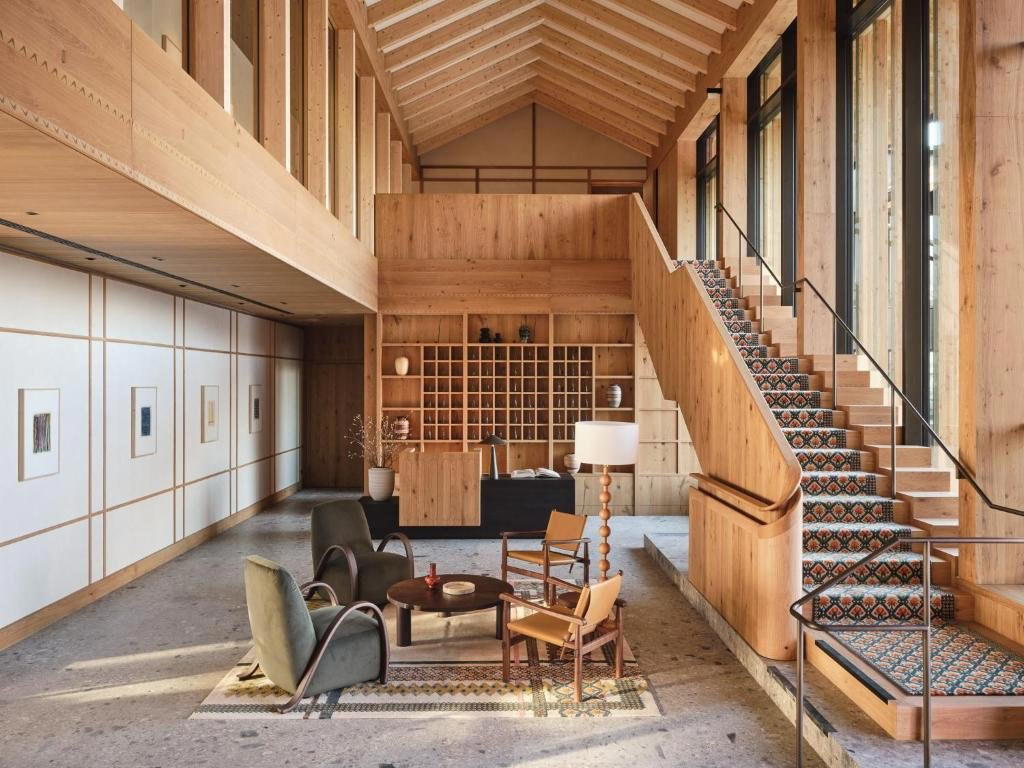

Details
- Rustic
- Cozy
- Classic
- Special Occasion
- Date Night
- Business Dinner
- Historic Building
- Terrace
- Extensive Wine List
- A La Carte
- Set Menu
- Vegetarian Friendly
- Vegan Options
Current opening hours
- Monday
- Closed
- Tuesday
- 6–11 PM
- Wednesday
- 6–11 PM
- Thursday
- 6–11 PM
- Friday
- 12–3 PM, 6–11 PM
- Saturday
- 12–3 PM, 6–11 PM
- Sunday
- Closed
Hours can change for holidays and private events. Last verified .
Cozy dining area with great atmosphere, warm and pleasant service, beautiful terrace.