
Our verdict
Kurogi Shanghai brings the kaiseki-adjacent precision of Tokyo's high-end washoku tradition to Hongkou District, where chef Masanobu Yoshimizu operates within a format that prizes seasonal restraint over spectacle. Ranked #250 on the 2025 Opinionated About Dining Top Restaurants in Asia list, it occupies a specific niche in Shanghai's Japanese dining tier, one that rewards repeat visits over single-occasion dining.

Pearl is the En Primeur Club membership app, where members save venues, book tables and use the concierge.
The menu
What to order
- Sesame tofu with foie gras
- Caviar sushi
- Sukiyaki with Australian wagyu
- Sashimi with maple leaf gazebo
- Warm mochi dessert
Where Tokyo's Washoku Discipline Meets Shanghai
Japanese fine dining in mainland China has followed a recognisable arc over the past two decades. The first wave brought sushi bars calibrated for Chinese corporate entertaining, omakase counters with imported Hokkaido uni and price points designed for expense accounts. The second, more interesting wave has been subtler: smaller rooms, quieter formats, and chefs drawing on the slower, more contemplative washoku tradition associated with Kyoto and refined further through Tokyo's counter-dining culture. Kurogi Shanghai belongs to that second wave.
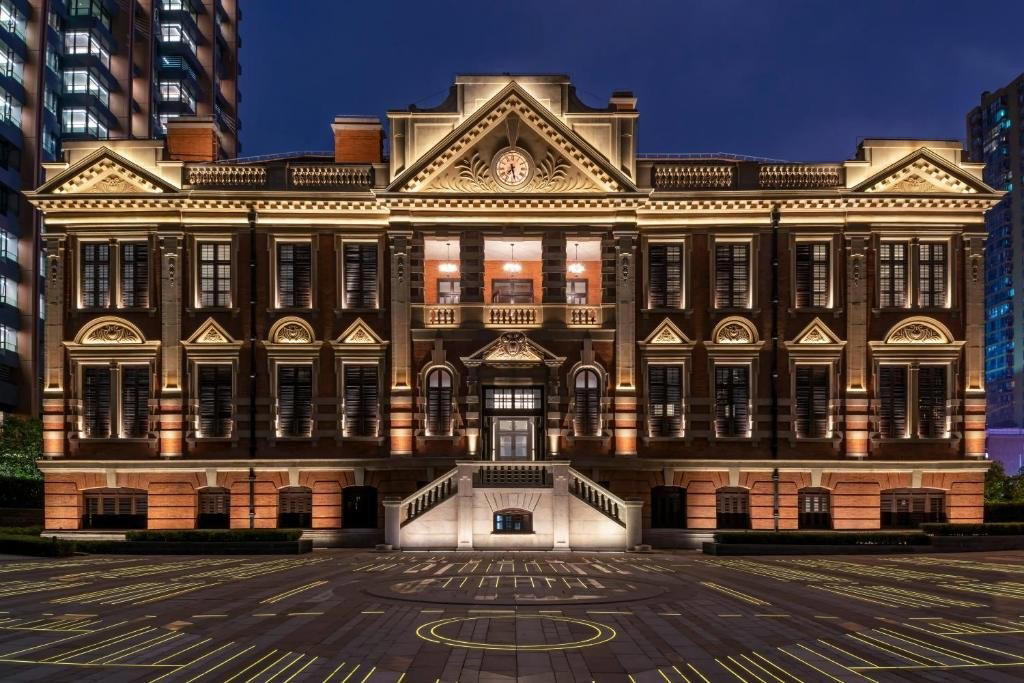
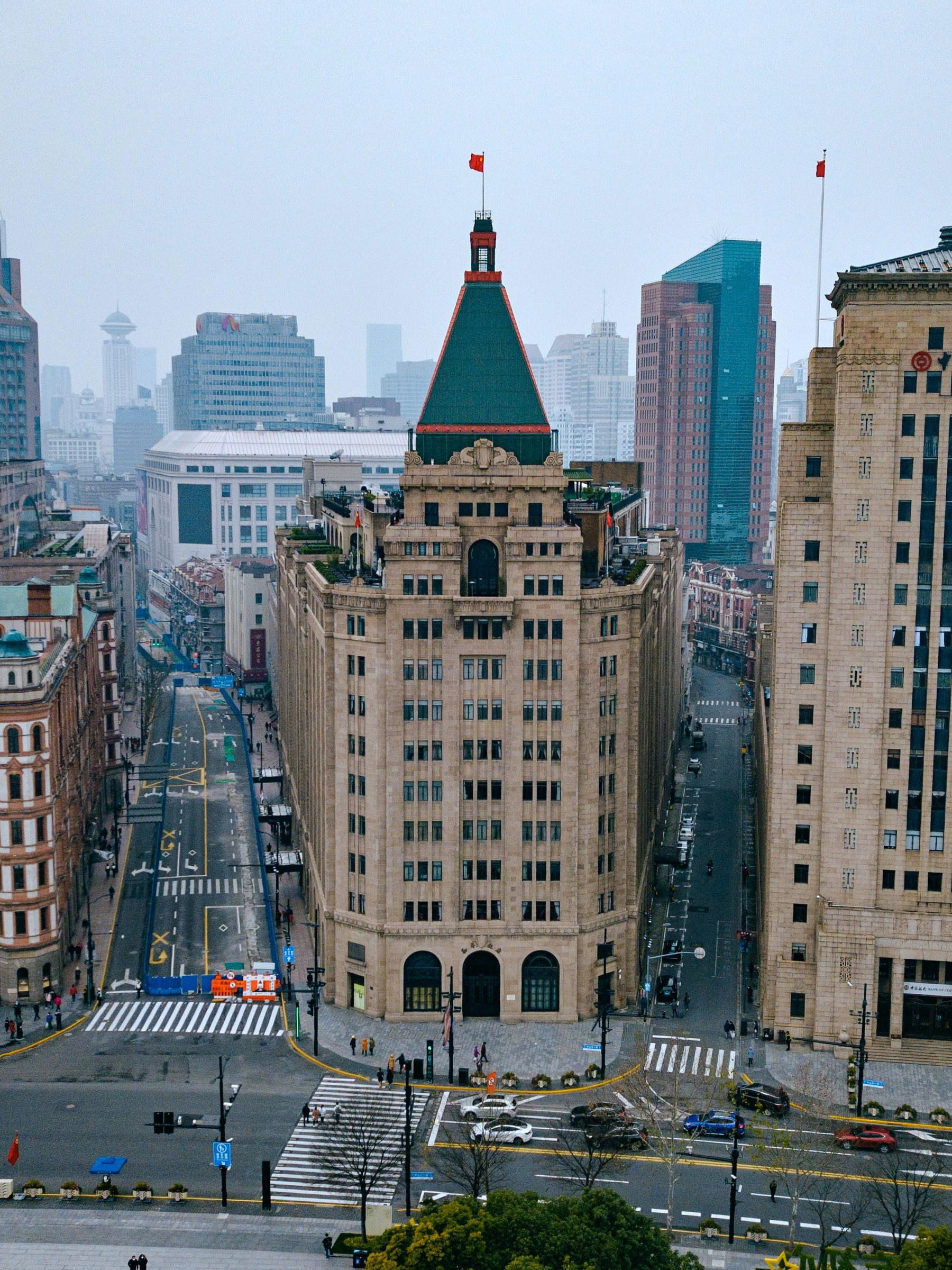
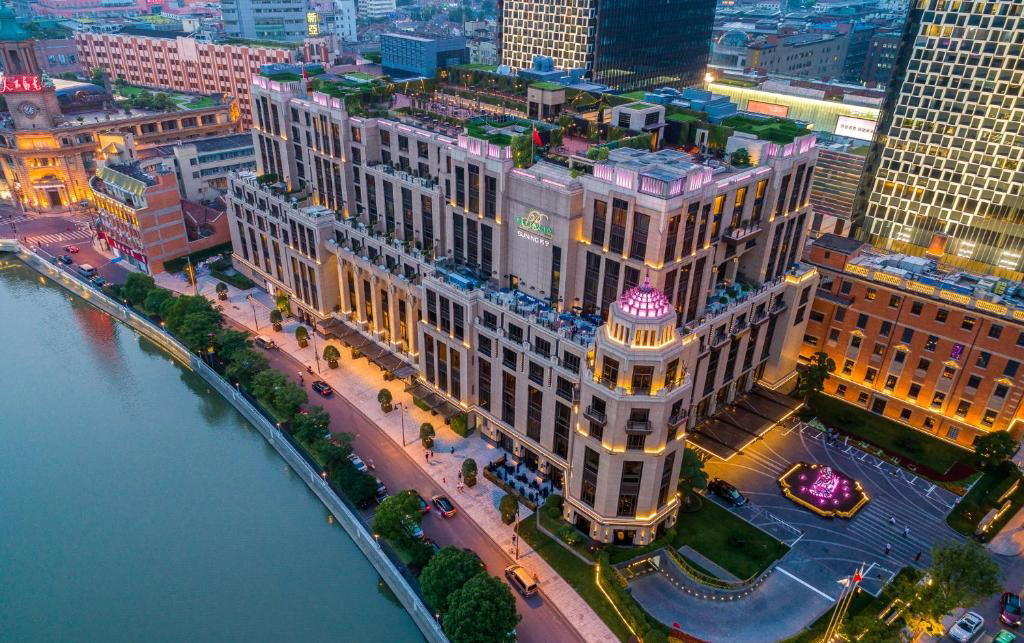
The address, North Suzhou Road in Hongkou District, inside the Suning Boli 1 Hotel, places the restaurant in a part of Shanghai that sits slightly outside the conventional luxury dining corridors of the Bund and Xintiandi. Hongkou has its own character: historically layered, less polished than Jing'an or the French Concession, and increasingly home to dining rooms that prioritise seriousness over spectacle. The hotel setting adds a degree of insulation from the street-level noise of the city.
Tokyo Speed, Kyoto Depth: The Tension That Defines This Format
To understand what Kurogi Shanghai is attempting, it helps to understand the divide that runs through Japanese haute cuisine. Tokyo's kaiseki and washoku rooms tend toward precision and pace: the service is choreographed, the seasonal logic is clear, and the counter format rewards guests who engage actively. Kyoto, by contrast, prioritises depth over rhythm, longer pauses, older techniques, and a relationship to ingredient provenance that can feel almost scholarly. Kurogi, as a name and format, sits closer to the Tokyo end of that continuum, but the philosophical debt to Kyoto's seasonal rigour is present in how the menu is structured.
Chef Masanobu Yoshimizu operates within this tradition, working through the washoku framework in a city where most diners encounter Japanese cuisine through a very different register, sushi, robatayaki, ramen. Presenting formal washoku in Shanghai is itself a positioning decision. It assumes a guest who already knows what they are committing to, or who is willing to learn. That assumption narrows the audience considerably, which partly explains why Kurogi Shanghai occupies a specific, rather than broad, position in the city's dining ecosystem.
The 2025 OAD Ranking and What It Signals
Kurogi Shanghai's appearance at #250 on the 2025 Opinionated About Dining Leading Restaurants in Asia list is a meaningful trust signal in the context of Japanese cuisine in mainland China. OAD rankings are compiled from the votes of experienced diners and food professionals rather than anonymous inspectors, which means the list captures a particular kind of peer recognition: the restaurant is known to, and approved by, the community of serious eaters who move through Asian dining cities regularly.
For a Japanese restaurant operating in Shanghai rather than Tokyo, Osaka, or Kyoto, a placement on this list carries a specific implication: the kitchen is producing results that read credibly against the source tradition, not just within the more forgiving local market. In a city where Fu He Hui holds two Michelin stars for its vegetarian kaiseki-adjacent format, and where Taian Table has built a reputation for technically precise modern European cooking, the standard for recognition is not low. The OAD placement places Kurogi Shanghai inside that tier of seriousness.
Shanghai's Japanese Dining Tier: Where Kurogi Sits
Shanghai's upper tier of Japanese dining is smaller than the city's overall Japanese restaurant count would suggest. The volume of Japanese restaurants in the city is substantial, running from casual ramen shops in Jing'an to premium omakase counters aimed at Japanese expatriates and high-spending Chinese guests. Within that larger population, the subset operating in a formal washoku or kaiseki register is narrow. Kurogi Shanghai competes within that narrow subset, alongside Tokyo-sourced concepts and a small number of domestically developed Japanese fine-dining rooms.
102 House represents the Cantonese fine-dining alternative for guests at a similar level of commitment, while Xin Rong Ji (West Nanjing Road) anchors the Taizhou end of the Chinese fine-dining spectrum. 8 1/2 Otto e Mezzo Bombana covers the Italian position. Kurogi holds the Japanese washoku position in that same tier, a distinct role with a distinct guest profile. For Tokyo reference points, Myojaku and Azabu Kadowaki represent the source-city equivalents in the washoku tradition.
Planning a Visit
Kurogi Shanghai is located at 188 North Suzhou Road, Hongkou District, within the Suning Boli 1 Hotel. The neighbourhood is accessible from central Shanghai but requires deliberate travel rather than a casual walk from most visitor hotel clusters. Given the formal washoku format, a booking made in advance is advisable, this is not a room that accommodates walk-ins comfortably, and the format itself requires a time commitment that improves with advance planning.
For broader context on the city's dining scene, the EP Club Shanghai restaurants guide maps the full premium tier, including recommendations in Cantonese, modern European, and Chinese regional categories. The Shanghai hotels guide covers accommodation across relevant neighbourhoods, and the Shanghai bars guide provides options for pre- or post-dinner drinking. Those planning a broader China itinerary may also find the EP Club guides to Hangzhou, Beijing, Chengdu, Guangzhou, Nanjing, and Macau useful for regional planning. For Shanghai-specific experiences and wineries beyond restaurants, the experiences guide and wineries guide complete the picture.
Frequently asked questions
Is Kurogi Shanghai suitable for children?
Formal washoku dining, the tradition Kurogi Shanghai works within, is structured around extended, multi-course formats that require patience and familiarity with unfamiliar ingredients and presentations. In that respect, it is better suited to adults or older teenagers with an existing interest in Japanese cuisine. The hotel setting and price tier further suggest an adult-oriented experience rather than a family dining occasion. Shanghai offers more accommodating options for mixed-age groups across other cuisine categories.
What is the atmosphere like at Kurogi Shanghai?
Based on the format and the OAD recognition it has received, Kurogi Shanghai operates in the register common to serious Japanese washoku rooms: composed, relatively quiet, and paced for extended engagement rather than quick turnover. The Hongkou District address and hotel setting reinforce a sense of remove from the louder energy of Shanghai's more tourist-facing dining corridors. Guests arriving expecting the kind of social atmosphere associated with the city's larger modern Chinese or European restaurants will find a different register here.
What dish is Kurogi Shanghai famous for?
Within the washoku tradition that chef Masanobu Yoshimizu works in, the menu is typically seasonal and built around the logic of the format rather than fixed signature items, meaning the menu shifts to reflect availability and the kitchen's seasonal priorities rather than anchoring to a single identifiable dish. The OAD recognition signals that the overall execution is consistent enough to earn peer-community approval, which in a washoku context is usually a function of the whole sequence rather than any single course.
Comparison Snapshot
Comparable venues nearby, for context on price, style, and recognition.
| Venue | Cuisine | Price | Awards | Notes |
|---|---|---|---|---|
| Kurogi ShanghaiThis venue (the venue you are viewing) | Modern Japanese Kaiseki Omakase | $300–500 | Not listed | Not listed |
| Horita | Traditional Japanese Kaiseki | $300–500 | Black Pearl 1 Diamond | Xujiahui |
| Torikaze | Tokyo-Style Yakitori | $100–150 | Michelin Plate · Star Wine List | Da Pu Qiao |
| Kanpai Classic (Huangpu) | Premium Yakiniku Wagyu | $100–150 | Michelin Plate | Lan Ni Du |
| Ruth's Chris Steak House Shanghai | Classic American Steakhouse | $100–150 | Black Pearl 1 Diamond | Huangpu |
| ZIFUHUI | High-End Cantonese Private Dining | Not listed | Black Pearl 1 Diamond | Zhoujiaqiaq |
Recognition history
Dated appearances from independent guides and award organizations, with the underlying list record or original source where available.
Opinionated About Dining Top Restaurants in Asia Recommended
Opinionated About Dining
Full recognition history (2 entries)
Opinionated About Dining Top Restaurants in Asia Ranked #250
Opinionated About Dining
Continue exploring
More in Shanghai
Restaurants in Shanghai
All restaurants in Shanghai →
Bars in Shanghai
All bars in Shanghai →
Details
- Elegant
- Sophisticated
- Ornate
- Modern
- Special Occasion
- Celebration
- Business Dinner
- Group Dining
- Chefs Counter
- Open Kitchen
- Design Destination
- Hotel Restaurant
- Sake Program
- Sommelier Led
- Local Sourcing
- Tasting Menu
- Omakase
- Sake Pairing
- Wine Pairing
- Champagne
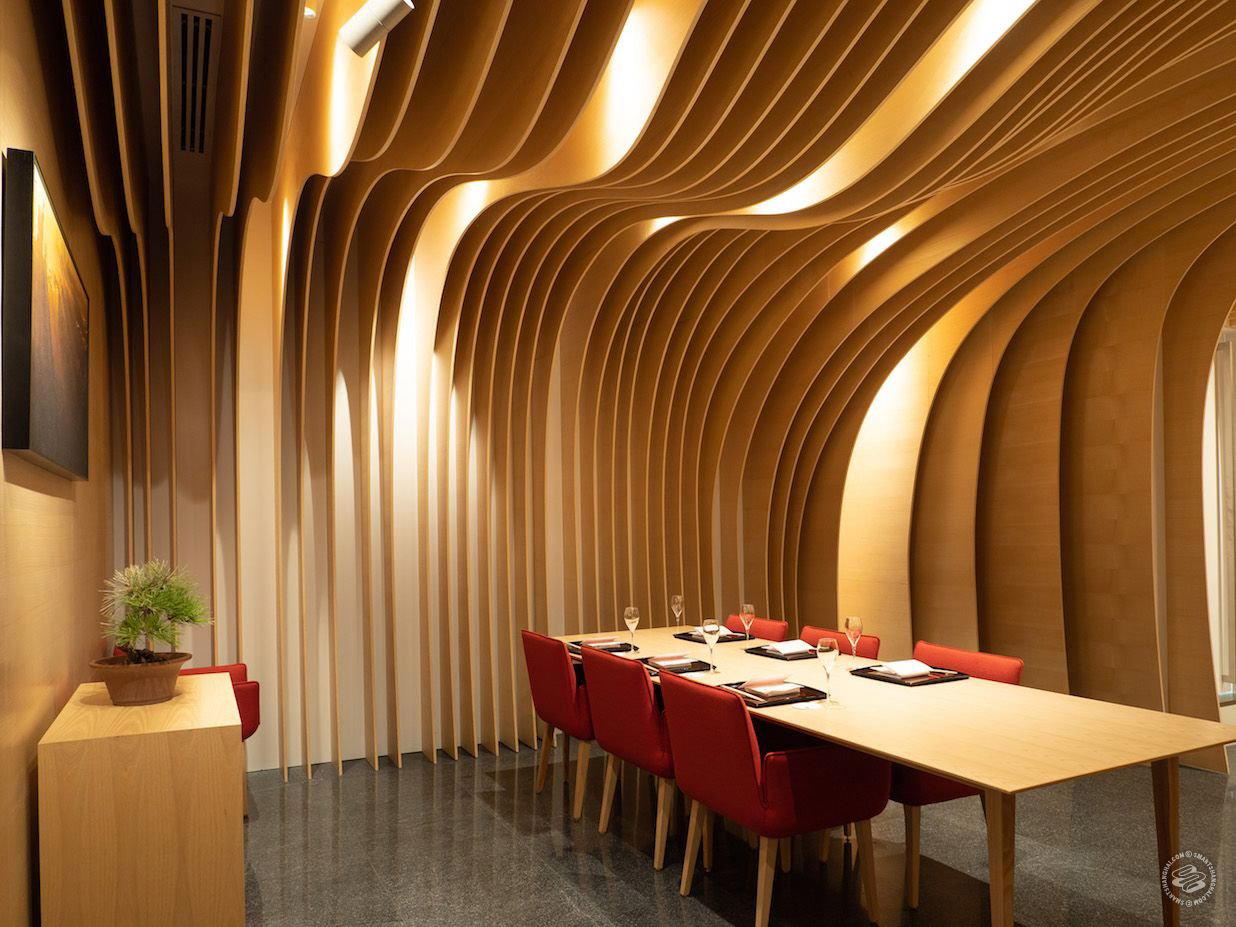
Exquisitely designed interior blending Japanese tradition with modernity, featuring dramatic seasonal presentations and meticulous attention to detail in every element from tableware to lighting.