Our verdict
The format places it inside a small, serious tier of omakase operations trading on precision and intimacy rather than scale. For Sydney diners tracking the city's premium Japanese trajectory, this address warrants close attention.

Pearl is the En Primeur Club membership app, where members save venues, book tables and use the concierge.
The menu
What to order
- Bluefin tuna sashimi
- Tempura uni
- Osetra caviar with sea urchin
- Toro tartare
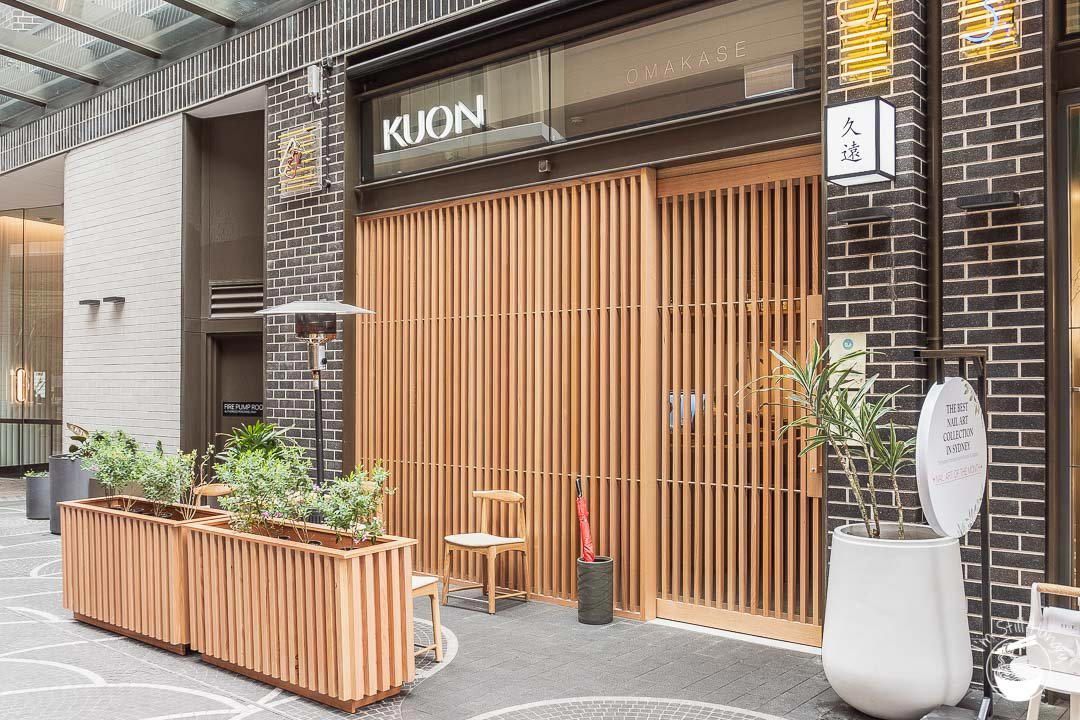
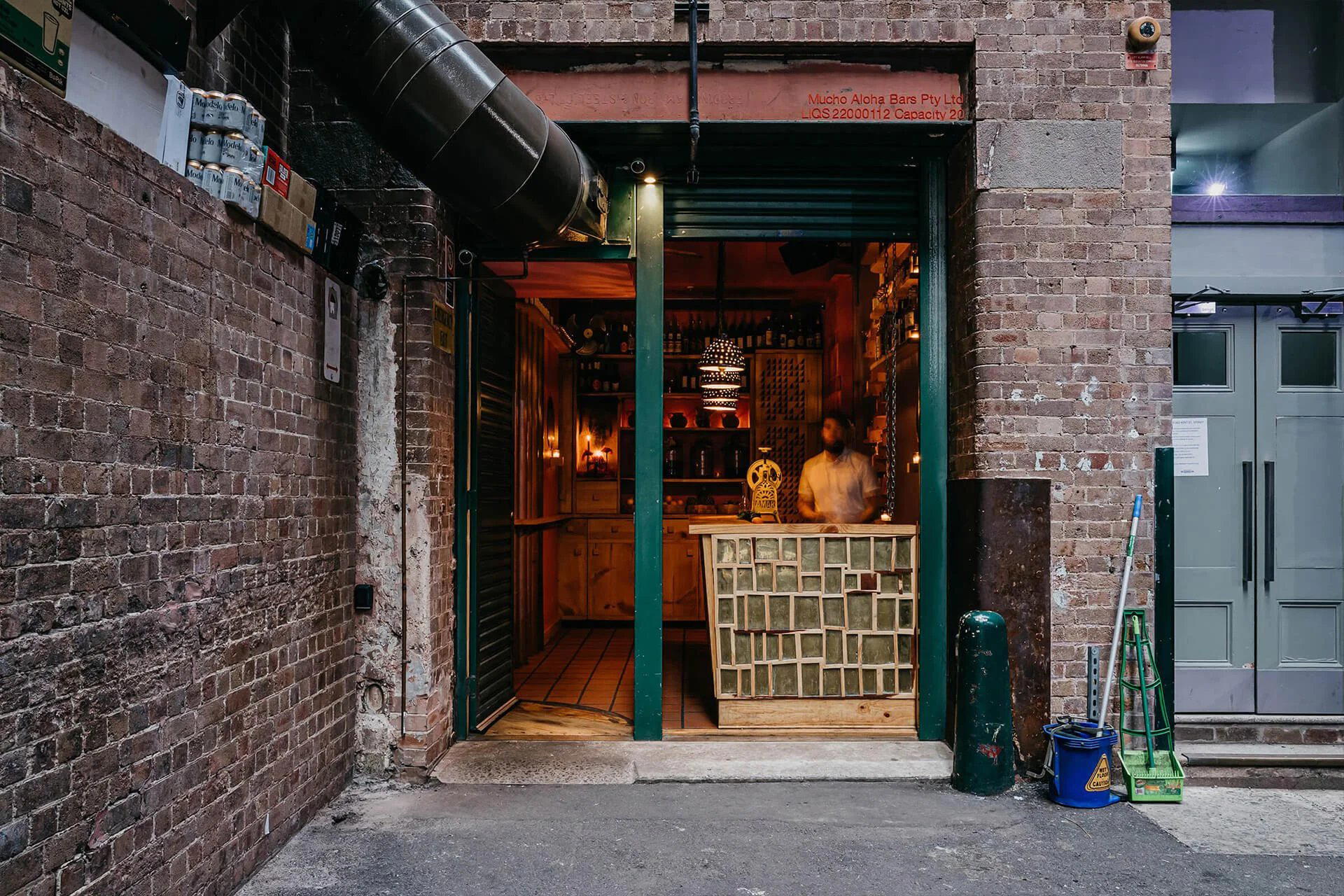
That quality of deliberate arrival matters in omakase dining more than in almost any other format. The counter meal depends on a particular compression of space and attention, and the approach to the room begins shaping that compression before the first course lands. Sydney's better omakase operations have understood this for some years now, moving away from restaurant-row visibility toward the kind of contained, appointment-only quietness that the format originally implied in Japan.
The Physical Container and What It Demands
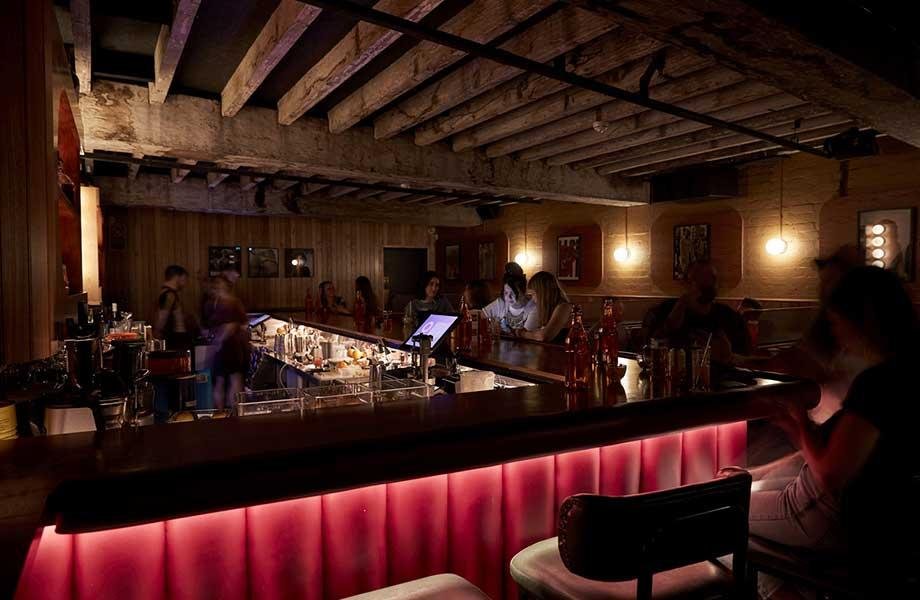
Omakase dining is, structurally, an argument about space. The counter is the design, not decoration applied to a room, but the room's entire functional and social logic. At its most reduced, you have a length of檜 (hinoki) cypress or pale timber, a chef's station behind it, and a fixed number of seats that determines everything else: the pace, the noise level, the degree of attention each diner receives, and the economic model the kitchen runs on. Sydney's counter dining scene has moved steadily in this direction, with the most credible operations trimming seat counts and extending booking lead times as a result. The lane context suggests an interiors approach that leans inward rather than outward, no panoramic views to compete with, no street energy bleeding through glass. That containment is not a limitation; it is the condition the format requires. The leading omakase rooms in Tokyo, Osaka, and increasingly in cities like Sydney and Melbourne read as intentional voids: minimal surface distraction, materials that warm over an evening of use, and lighting calibrated to make the plate the brightest thing in the room.
Compare this spatial logic to other Sydney dining formats. At Rockpool, the room is the statement, high ceilings, banking chamber grandeur, a dining room that performs its own history. At Saint Peter, the design is deliberately utilitarian, putting all emphasis on the seafood sourcing and cookery. Omakase counters occupy a third position: the design is intimate and precisely scaled, not because of budget constraints but because the format breaks if the room gets too large or too loud. Ten seats changes the conversation; twenty changes it again, almost never for the better.
Where Kuon Sits in the Sydney Japanese Scene
Sydney's omakase tier has expanded considerably since the mid-2010s, moving from a handful of operations serving Japanese expatriates and a narrow slice of adventurous local diners to a recognisable category that now draws interstate visitors and occupies its own slot in how food media covers the city. That expansion has created stratification: entry-level omakase at accessible price points, a mid-tier running ten to fifteen courses with reasonable sake lists, and a upper tier where seat counts drop, bookings extend months out, and the kitchen's sourcing reach extends to Japanese produce suppliers and specialist domestic fishmongers.enprimeurclub.com/restaurants/10-william-st-sydney-restaurant">10 William St, which occupies a different lane context in nearby Paddington with its own compression of space and precision, and broader Sydney fine dining operations tracked in our full Sydney restaurants guide. Internationally, the format connects to the Korean tasting counter model being refined at places like Atomix in New York City, where the counter-as-theatre logic has been applied with similar discipline. The seafood precision that drives omakase at its most serious also links to what Le Bernardin in New York City has argued for decades in a Western idiom: that the quality of sourcing and the restraint of technique, not the elaborateness of garnish, is what justifies a premium seat.
Australian fine dining's broader trajectory runs through reference points like Attica in Melbourne and Brae in Birregurra, both of which have built reputations on produce sourcing and format discipline rather than culinary spectacle. Sydney's Japanese counter scene is making a comparable argument through a different tradition. Given the omakase format and the seat-count economics that typically govern it, securing a booking in advance is the operative requirement: walk-in availability at credible Sydney omakase counters is rare by design, and Kuon is no exception. Diners visiting Sydney from interstate or internationally should treat this as a reservation to confirm before arrival, not a contingency option.
For those building a wider Sydney itinerary around serious dining, the city's restaurant spread extends well beyond the inner suburbs. bills in Bondi Beach anchors the eastern beaches end, while Bayly's Bistro in Kirribilli and Johnny Bird in Crows Nest represent the north shore's quieter but increasingly serious dining push. Further afield, Kulcha Restaurant Wollongong and Hungry Wolfs Italian Restaurant in Newcastle indicate how far Sydney's culinary influence now extends up and down the coast.
Frequently asked questions
What's Kuon Omakase's location?
Kuon Omakase is located at 1 Fracks Ln, Surry Hills NSW 2010, Australia, Sydney.
How does Kuon Omakase compare to other Sydney Japanese counters in Surry Hills?
Surry Hills has become one of Sydney's most concentrated precincts for serious Japanese dining, with omakase rooms drawing from both local produce and imported Japanese technique. Kuon's Fracks Lane address places it within easy reach of Central Station, distinguishing it geographically from operations anchored further east or north. Within Sydney's expanding omakase tier, counter-format rooms like Kuon sit in a category where the seat count and sequential format set the standard of comparison, not cuisine breadth.
What do regulars order at Kuon Omakase?
Kuon operates on a fixed omakase format, meaning the kitchen sets the sequence for every guest, there is no à la carte ordering. Regulars return for the progression itself, trusting the counter to dictate what arrives and when. The format, standard across serious omakase operations, is the point: choice is deliberately removed.
Can I walk in to Kuon Omakase?
Walk-ins are not a realistic option for a counter-format omakase in a lane address like Fracks Lane, Surry Hills. Seats are finite by design and the format requires exact covers to function. Reservations should be secured well in advance, particularly for weekend sittings.
What's the signature at Kuon Omakase?
The format is the signature. Omakase counters in Sydney's current tier are defined by the chef's control over sequence, pacing, and product selection rather than any single dish. At a lane-address room in Surry Hills, the proximity of the counter to the kitchen is itself the defining element, every course lands in the context of that direct exchange.
Is Kuon Omakase good for vegetarians?
Omakase menus are built around the chef's market selection, which in Japanese counter dining typically centres on seafood and aged proteins. Strict vegetarian accommodation is not standard to the format and should be discussed directly with the venue before booking. Fracks Lane, Surry Hills is the address to contact for dietary enquiries.
The Quick Read
Comparable venues nearby, for context on price, style, and recognition.
| Venue | Cuisine | Price | Notes |
|---|---|---|---|
| Kuon OmakaseThis venue (the venue you are viewing) | Japanese Omakase | $200–300 | Not listed |
| Tsuzumi | Modern Japanese Omakase | $200–300 | Barangaroo, Modern Japanese Omakase |
| Izy. Aki | Kappo Yakiniku Omakase | $150–200 | Paddington, Kappo Yakiniku Omakase |
| Wagyuto | Modern Japanese | Not listed | Clovelly, Modern Japanese |
| Busshari | Authentic Japanese Sushi and Sashimi | $50–100 | Potts Point, Authentic Japanese Sushi and Sashimi |
| Kyo yakiniku | Japanese Yakiniku BBQ | $50–100 | Glebe, Japanese Yakiniku BBQ |
Continue exploring
More in Sydney
Restaurants in Sydney
All restaurants in Sydney →
Bars in Sydney
All bars in Sydney →

Details
- Minimalist
- Intimate
- Elegant
- Sophisticated
- Special Occasion
- Date Night
- Chefs Counter
- Open Kitchen
- Sake Program
- Sustainable Seafood
- Omakase
- Counter Dining
- Tasting Menu
- Sake Program
Current opening hours
- Monday
- Closed
- Tuesday
- 5:30–10 PM
- Wednesday
- 5:30–10 PM
- Thursday
- 5:30–10 PM
- Friday
- 5:30–10 PM
- Saturday
- 5:30–10 PM
- Sunday
- 5:30–10 PM
Hours can change for holidays and private events. Hours as of .
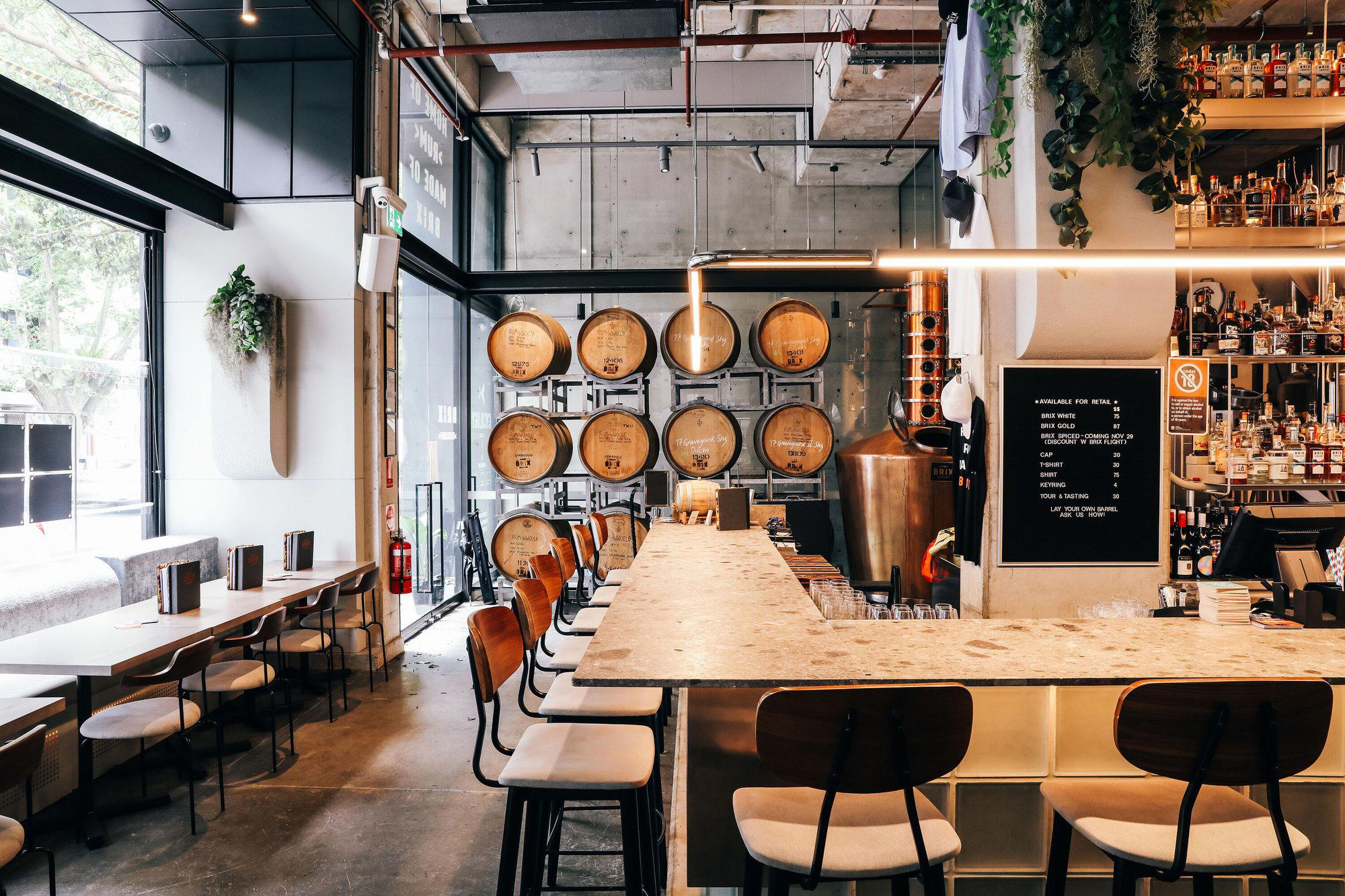
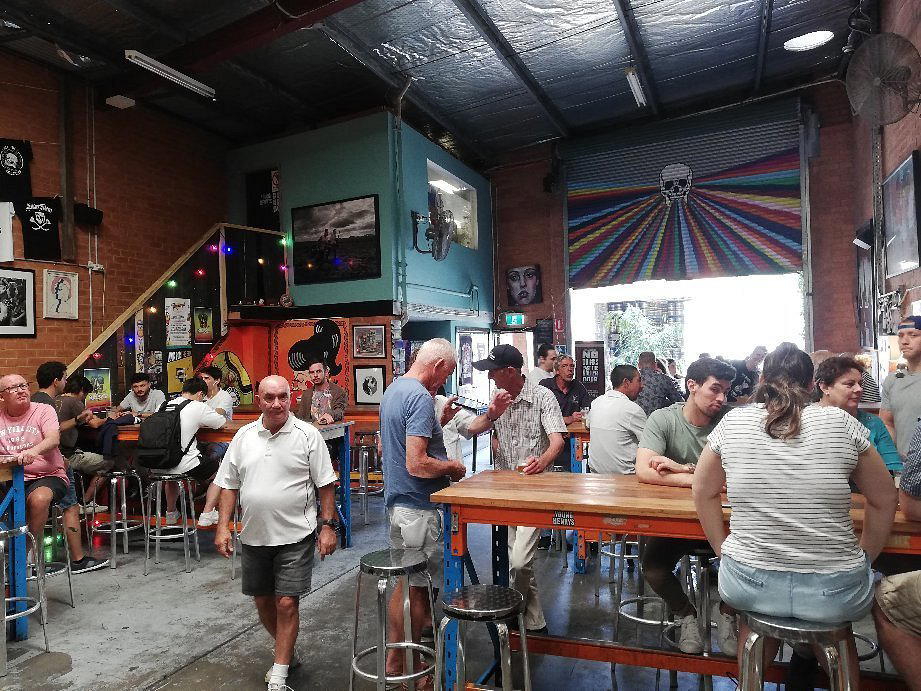
Minimalist timber-clad interior with traditional Japanese decor, creating an understated yet expertly crafted intimate atmosphere.