Kumo Sushi
Our verdict
Kumo Sushi serves authentic Japanese sushi in Windham, with the Yankee Roll, Red Dragon Roll, and Spicy Maki Combo on a casual quick-bite menu.

Pearl is the En Primeur Club membership app — saves, bookings, and concierge access live there. Same editors, same standards.
- Address
- 25 Indian Rock Rd, Windham, NH 03087
- Phone
- (603) 965-4390
- Hours
- Mon ClosedTue–Thu 11 AM–9 PMFri–Sat 11 AM–10 PMSun 11:45 AM–9 PM
- Website
- kumosushiwindham.com
- Directions
- Get directions
- Booking
- Book on the venue's website
The menu
What to order
- Yankee Roll
- Red Dragon Roll
- Spicy Maki Combo
Sushi in Small-Town New York: What Windham Signals About Regional Japanese Dining
The Catskills have spent the better part of a decade repositioning from weekend ski refuge to year-round destination for New York City residents who want rural escape without sacrificing the quality of food and drink they expect at home. That shift has pulled serious culinary operations into towns that once ran on pizza counters and pub fare. Kumo Sushi, at 25 Indian Rock Road in Windham, New York, is part of that pattern. It operates in a region where the dining conversation is no longer purely about altitude and après-ski, but increasingly about whether a mountain town restaurant can hold its own against the urban venues that supply its clientele.
For context on where that clientele comes from, and the expectations they carry, see our full Windham restaurants guide, which maps the broader dining picture across the area.
The Ingredient Question: Where the Fish Comes From, and Why It Matters Here
Sourcing is the central editorial problem for any serious sushi operation outside a major metropolitan market. The gap between Tokyo's Tsukiji-successor Toyosu, New York City's Fulton Fish Market, and a rural Catskills supplier chain is not theoretical; it shapes everything from the texture of the fish to the temperature at which it arrives at the kitchen. The sushi counters that have earned sustained recognition in secondary American markets, including venues like ITAMAE in Miami, have typically solved this problem through direct supplier relationships rather than relying on regional distributors who serve a broad and undifferentiated client base.
Kumo Sushi's position in Windham places it in that sourcing challenge. The restaurant operates in a region where the most serious dining operations have built reputations on provenance-led menus, most visibly in the farm-to-table tradition that Blue Hill at Stone Barns in Tarrytown has set as the regional benchmark for ingredient accountability. Japanese cuisine brings a different framework, one where the fish supply chain, not the farm, is the transparency story. For a sushi restaurant operating at altitude, two hours from the coast, the honest answer to the question of sourcing quality is also the most useful editorial signal about where the kitchen sits relative to its peers.
Operations with verifiable access to prime fish, whether through distributors who supply urban omakase counters or through direct relationships with Northeast fishermen, occupy a meaningfully different tier from those working with whatever arrives through a generalist supplier. Venues like Le Bernardin in New York City and Providence in Los Angeles have built their seafood reputations on exactly this kind of supply chain discipline, though both operate in large coastal markets where premium fish access is a function of relationships rather than geography. In Windham, geography adds a layer that the kitchen must actively solve.
Reading the Room: Atmosphere and Format in a Mountain Setting
Approaching a sushi restaurant in a small Catskills town sets a specific set of expectations. The format in most regional Japanese operations outside major cities tends toward casual: accessible menus, table service rather than counter omakase, and a price point calibrated for repeat local custom rather than destination dining. This is not a criticism; it reflects an honest read of the market. The high-ceremony omakase format, with its fixed seat counts and multi-month booking queues, is a product of urban density and a dining culture conditioned by venues like Atomix in New York City and the broader kaiseki-influenced American fine dining represented by places such as Alinea in Chicago or Lazy Bear in San Francisco. These are not the peer comparisons for a Windham sushi restaurant; they are the context that helps clarify what a regional venue is and is not trying to do.
What small-market sushi operations have consistently done well, when they work, is create an environment that translates the ritual calm of Japanese dining into a format comfortable for mixed tables: couples, small groups, the occasional family. The atmosphere tends to prioritize warmth over ceremony, and that calibration, when executed correctly, produces something genuinely useful for the Catskills visitor who wants quality without the performance anxiety of a chef's-counter format.
The Regional Context: How Windham Fits the Broader American Sushi Conversation
American sushi has split into two increasingly distinct tiers. On one side, the omakase-forward counter culture that now commands prices comparable to The French Laundry in Napa or Single Thread Farm in Healdsburg. On the other, a much larger category of neighborhood and regional Japanese restaurants that serve a fundamentally different social function: reliable quality for a community that lacks alternatives, and a legible menu that works for a Tuesday dinner as readily as a weekend celebration. The most interesting operations in this second tier, from Frasca Food and Wine in Boulder's approach to regional identity in a mountain market to the ingredient discipline at Bacchanalia in Atlanta, demonstrate that secondary markets can sustain genuine quality when the kitchen makes ingredient sourcing a priority rather than an afterthought.
Windham's position as a weekend and ski-season destination also means the restaurant operates in a market where the customer base is unusually well-traveled and food-literate compared to a similarly sized permanent-population town. That demographic creates both pressure and opportunity: pressure because the clientele carries urban reference points, and opportunity because a kitchen that meets that bar earns genuine loyalty from repeat visitors. The venues that have succeeded in comparable resort-adjacent markets, including operations in New England and the mid-Atlantic mountains, have typically done so by leaning into the things a smaller operation can do better than a city restaurant: consistency, familiarity, and a pace that matches the slower rhythm of a weekend away from New York.
For reference points on how other American restaurants address sourcing and regional identity at different price and ambition levels, the work being done at Causa in Washington, D.C., Brutø in Denver, Addison in San Diego, The Inn at Little Washington, and Emeril's in New Orleans each illustrates how regional restaurants build credibility through specific, verifiable choices rather than general aspiration. Even at the international level, the sourcing discipline visible at 8 1/2 Otto e Mezzo Bombana in Hong Kong underscores that ingredient provenance is the axis on which serious restaurants are judged across markets.
Planning Your Visit
Kumo Sushi is located at 25 Indian Rock Road in Windham, New York, which places it within the town center and accessible without significant navigation from the main mountain corridor. Windham is most heavily trafficked during ski season and summer weekends, which is the practical window when a reservation call is most useful. For a full picture of where Kumo Sushi sits among Windham's broader dining options, the Windham restaurants guide provides comparative context across cuisines and price points.
Frequently asked questions
Does Kumo Sushi work for a family meal?
Kumo Sushi's location at 25 Indian Rock Road in Windham puts it squarely in town-center territory, accessible without complicated logistics, which generally works in favor of casual family visits. Regional sushi restaurants in small Catskills towns tend to run broader menus than urban omakase counters, often including cooked options alongside raw preparations.
What is the atmosphere like at Kumo Sushi?
Kumo Sushi sits in Windham, a Catskills town that has shifted over the past decade from a pure ski-weekend stop toward a year-round destination drawing New York City residents. That context shapes the room: expect a pace and setting closer to a relaxed mountain-town restaurant than an urban sushi bar.
Is Kumo Sushi a good dining option after a day on the Windham Mountain slopes?
Kumo Sushi's address at 25 Indian Rock Road places it within Windham's town center, making it a practical stop for visitors coming off Windham Mountain without a long drive. The Catskills have increasingly developed a year-round restaurant culture that goes beyond aprés-ski staples, and a Japanese restaurant in this market fills a distinct gap. Confirming hours directly with the restaurant is advisable during ski season, when demand in Windham spikes on weekends.
What's the best thing to order at Kumo Sushi?
For any sushi operation in a regional market like Windham, the practical question is always sourcing: asking staff which fish arrived most recently or what the kitchen is running as a daily special tends to produce the most accurate answer. Checking the restaurant directly before your visit will give you a clearer picture of what's on offer.
Where is Kumo Sushi in Windham?
Kumo Sushi is located at 25 Indian Rock Rd, Windham, NH 03087, Windham.
Quick Comparison
Comparable venues nearby, for context on price, style, and recognition.
| Venue | Cuisine | Price | Awards | Notes |
|---|---|---|---|---|
| Kumo SushiThis venue — the venue you are viewing | Authentic Japanese Sushi | $20–30 | Not listed | Not listed |
| Street | International Street Food Fusion | $20–30 | Diners, Drive-Ins and Dives Featured Bar | West End |
| Cotton | Farm-to-Table American Comfort Food | $30–50 | Not listed | Historic Millyard District |
| Industry East | Modern American Small Plates | $20–30 | Not listed | Downtown |
| Bedford Village Inn Restaurant | Contemporary New England Farm-to-Table | $50–100 | Wine Spectator Best of Award of Excellence | Bedford |
| Jumpin' Jay's Fish Café | Fresh Seafood and Raw Bar | $30–50 | Not listed | downtown |
Continue exploring
More in Windham
Restaurants in Windham
Browse all →
Bars in Windham
Browse all →

Hotels in Windham
Browse all →

Wineries in Windham
Browse all →
Details
- Casual
- Cozy
- Casual Hangout
- Group Dining
- Family
- Standalone
- A La Carte
- Counter Dining
- Vegetarian Friendly
- Vegan Options
Current opening hours
- Monday
- Closed
- Tuesday
- 11 AM–9 PM
- Wednesday
- 11 AM–9 PM
- Thursday
- 11 AM–9 PM
- Friday
- 11 AM–10 PM
- Saturday
- 11 AM–10 PM
- Sunday
- 11:45 AM–9 PM
Hours can change for holidays and private events. Last verified .
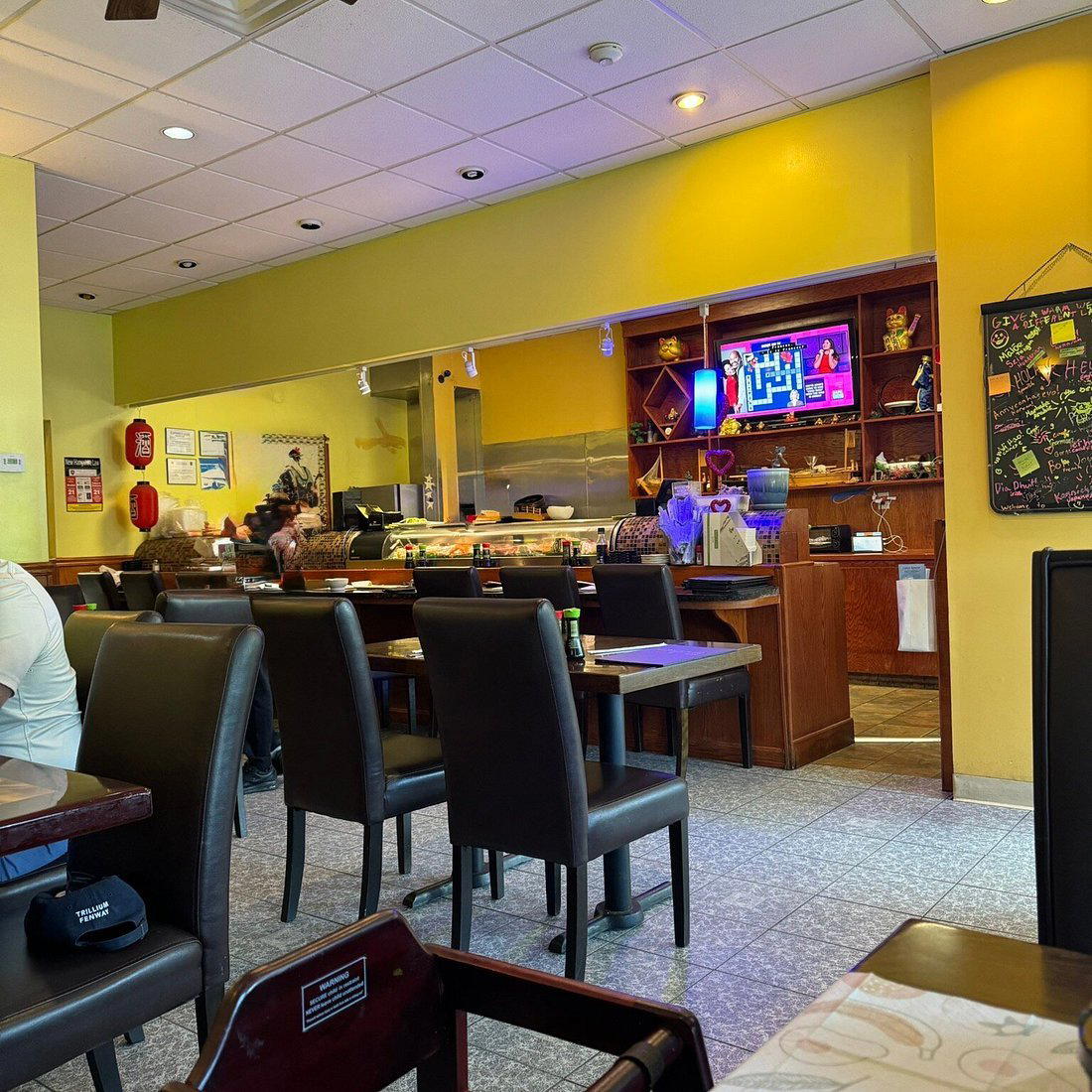
Basic, casual setup with a small intimate space; clean and tidy with friendly, attentive service that creates a welcoming neighborhood atmosphere.