900 Degrees Neapolitan Pizzeria
900 Degrees Neapolitan Pizzeria on Dow Street brings wood-fired Neapolitan tradition to Manchester, New Hampshire, with a format built around high-heat pies and a drinks programme designed to hold its own alongside them. The wood-fired oven is the kitchen's centrepiece, and the pairing logic between the food and bar menu gives the place its clearest identity.

Pearl is the En Primeur Club membership app, where members save venues, book tables and use the concierge.
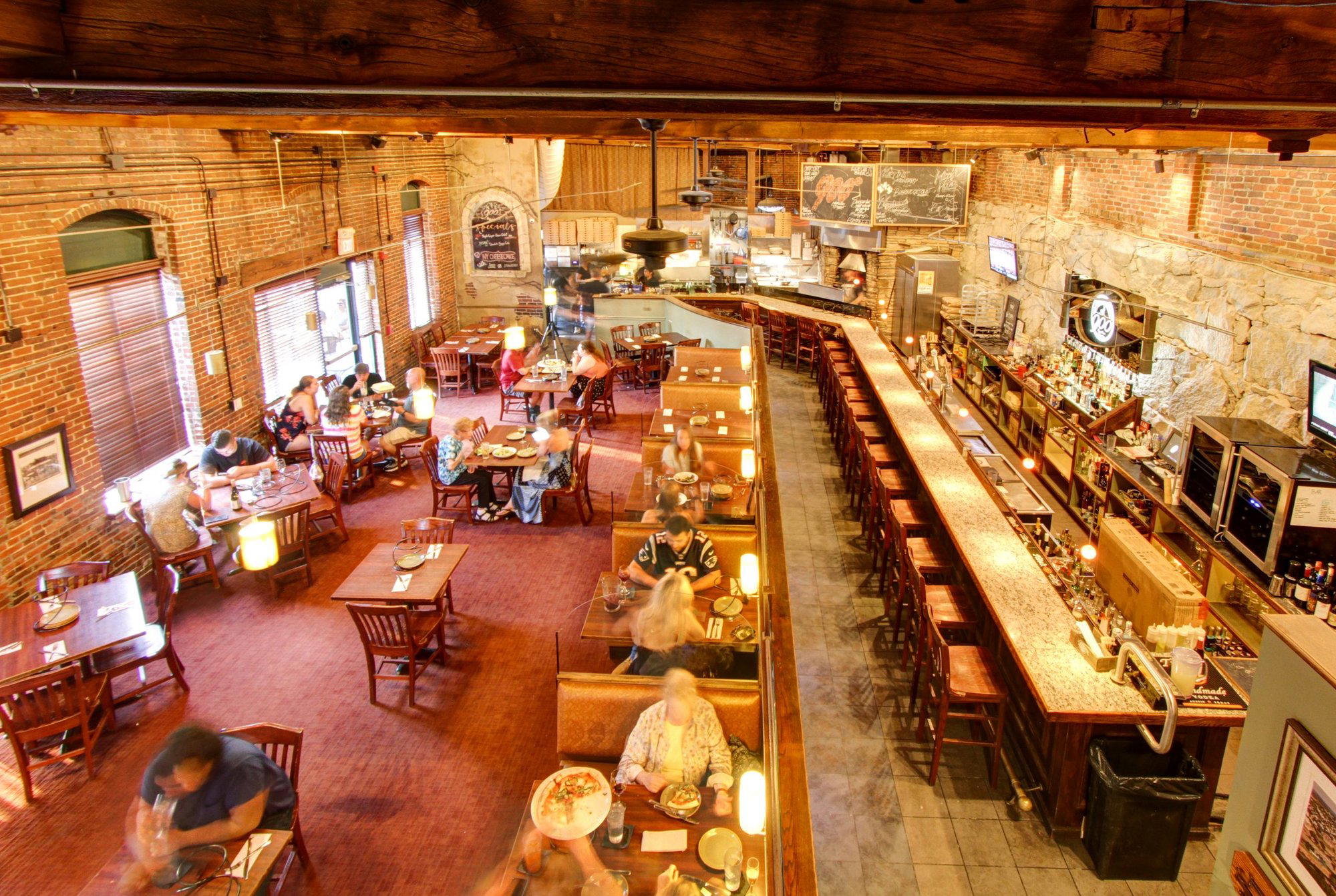
Wood-Fired Pies and the Case for Drinking Well Alongside Them
Manchester, New Hampshire sits in an interesting position for American pizza culture. The city is close enough to Boston's Italian-American pizza tradition to have absorbed some of it, yet distant enough from New York's slice shops and New Haven's coal-fired apothecaries to carve its own path. In that gap, the wood-fired Neapolitan format has found a foothold, and 900 Degrees Neapolitan Pizzeria on Dow Street is the most direct expression of it in the city. The name references the oven temperature that defines the style: a Neapolitan pie needs extreme, sustained heat to blister the cornicione and char the base in under two minutes, a standard that most conventional ovens cannot reach. That constraint is also the style's credential.
Neapolitan pizza as a category has split in the United States between two delivery modes: the stripped-down, purist approach that keeps toppings minimal and sourcing orthodox, and a more Americanised hybrid that borrows the oven but applies it to broader ingredient sets. 900 Degrees operates on the Dow Street end of Manchester's downtown, a neighbourhood that has seen gradual reinvestment over the past decade, and the pizzeria format here lands somewhere between approachable neighbourhood anchor and a genuinely considered food-and-drink operation.
The Bar Programme as a Structural Argument
The editorial angle worth spending time on is the relationship between what comes out of the oven and what arrives in the glass. In the better American pizzerias that have taken the Neapolitan format seriously, the bar programme is not an afterthought bolted onto the ticket. It functions as a second half of the same conversation. The logic is direct in structural terms: high-acid tomato, charred dough, and fresh mozzarella are already assertive flavours. The drinks that work alongside them need either enough acidity to cut through the fat, or enough body to bridge the smokiness of the crust.
For bar programmes at wood-fired pizza operations nationally, the template that works well tends to be Italian-leaning wine lists paired with a concise cocktail selection that skews citrus-forward. Italian reds, particularly those built on Sangiovese, Montepulciano, or Aglianico, carry the natural acidity to handle tomato-heavy pies without competing against them. On the spirits side, Negroni riffs, Aperol-based builds, and vermouth-forward drinks align with the Italian reference point of the food. Whether 900 Degrees leans explicitly in that direction, the logic of the format points there.
This food-and-drink pairing framework is now a differentiating factor across the American casual-dining sector. Operations that take it seriously, from Boards & Brews to the bar-food integration seen at venues like ABV in San Francisco and Kumiko in Chicago, demonstrate that casual formats can carry genuine programme depth. The question for any wood-fired pizza operation is whether the drinks list has been thought through with the same attention as the oven calibration.
Manchester, NH: A City Rebuilding Its Food Identity
New Hampshire's largest city is not a dining destination in the way that Portsmouth, forty minutes to the southeast, has become. Portsmouth has the waterfront, the tourism infrastructure, and the concentration of chef-driven restaurants that put it on broader regional radar. Manchester's food scene is more local in its orientation, with a customer base that is predominantly residential and professional rather than tourist-facing. That distinction matters for how a venue like 900 Degrees positions itself: it serves a community that returns regularly, which means consistency carries more weight than novelty, and the regulars will notice if the drinks list stagnates season to season.
The Dow Street address places the restaurant within walking distance of Manchester's downtown core, in an area that has seen incremental development without the full gentrification pressure that reshapes dining scenes in larger markets. That context sets reasonable expectations: this is not a destination operation competing with Schofield's or the bar programmes at more intensively curated American venues like Jewel of the South in New Orleans or Julep in Houston. It is a neighbourhood anchor with a format that has real culinary rigour built in, whether or not the full potential of that rigour is consistently deployed.
The Neapolitan Standard and What It Demands
The Neapolitan pizza tradition, codified by the Associazione Verace Pizza Napoletana, is one of the more formally defined food categories in Italian culinary heritage. Certified Neapolitan pizza requires specific flour types, San Marzano tomatoes, Fior di Latte or buffalo mozzarella, hand-stretching rather than rolling, and an oven temperature that produces a cooked time measured in seconds rather than minutes. American operators who invoke the Neapolitan reference are implicitly making a claim about their production standards, even when they do not pursue formal AVPN certification.
That implicit claim creates the context against which 900 Degrees should be read. The 900-degree name is itself a direct citation of the technical standard. It signals to anyone familiar with the format that the kitchen is organised around high-heat production. Among New Hampshire operations doing wood-fired work, that clarity of identity is itself notable.
For comparison, the bar programmes at operations like Bar Shrimp in Manchester or Asian Yummy illustrate different food-and-drink pairing frameworks in the same city, each calibrated to a different kitchen output. The food-first logic at a Neapolitan operation creates a specific brief for the drinks side: support the oven's work rather than distract from it.
Planning Your Visit
900 Degrees Neapolitan Pizzeria is located at 50 Dow Street in downtown Manchester, New Hampshire. As a wood-fired operation, timing within the service can affect quality: pies are at their leading eaten immediately, so a table rather than a takeaway arrangement is the way to experience the format as intended. For those building a broader evening, Manchester's downtown is compact enough to combine dinner here with drinks elsewhere; the bar scene has its own developing character, with options ranging from Bar Leather Apron in Honolulu-style precision programmes to more casual setups. Internationally, the food-and-drink pairing format done at its most serious can be tracked at venues like Superbueno in New York City or The Parlour in Frankfurt on the Main, which offer a useful benchmark for what that integration looks like when fully realised. For a broader map of Manchester's dining options, the EP Club Manchester guide covers the city's full range.
Same-City Peers
Comparable venues nearby, for context on price, style, and recognition.
| Venue | Cuisine | Price | Notes |
|---|---|---|---|
| 900 Degrees Neapolitan PizzeriaThis venue (the venue you are viewing) | pub | $20–30 | Not listed |
| Firefly Bistro & Bar | lounge | $30–50 | downtown |
| Luigi's Pizza Bar & Grill | sports_bar | $20–30 | West Side |
| Great North Aleworks | beer_bar | $20–30 | Manchester |
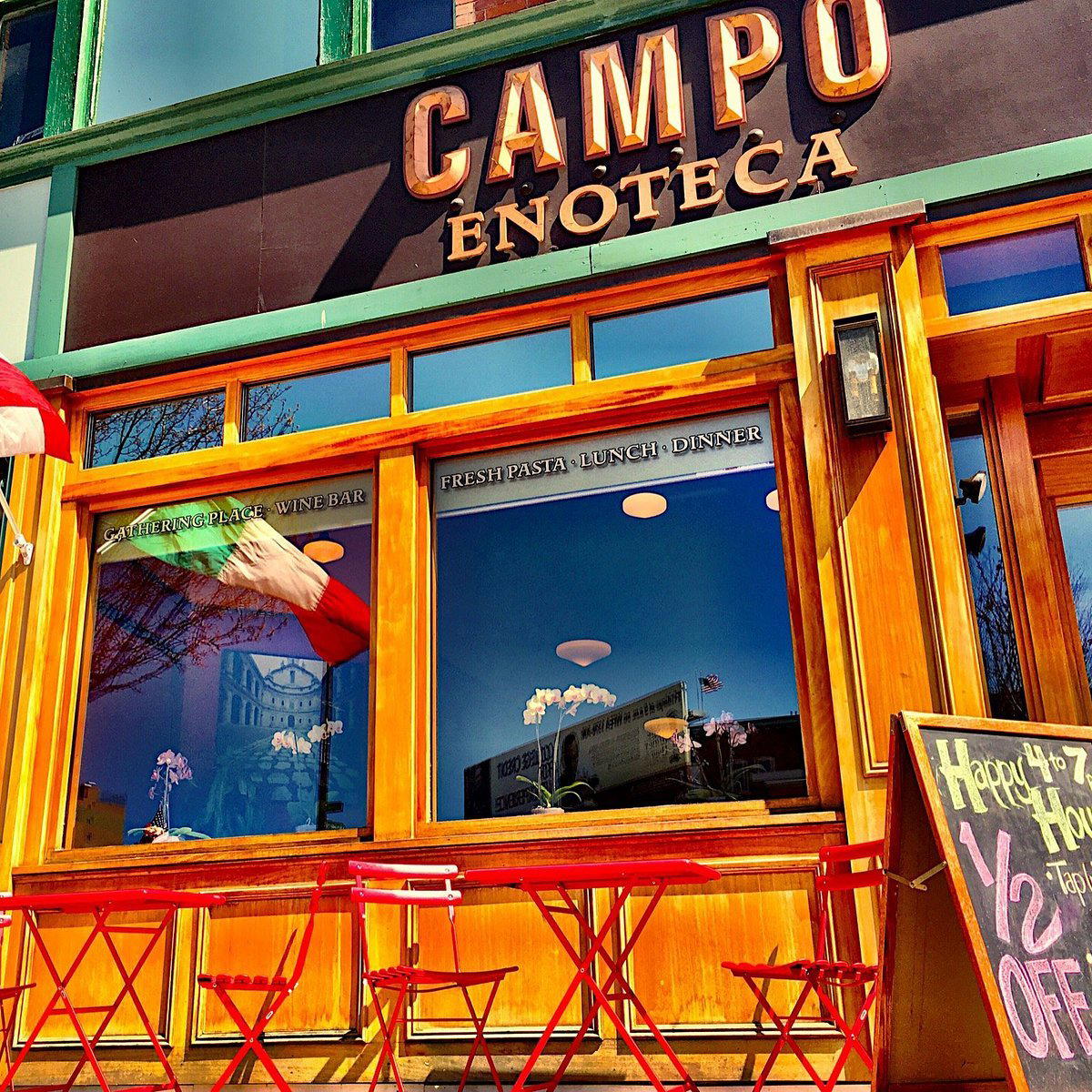
| Campo Enoteca | wine_bar | $30–50 | downtown |
| Café Momo | Bar | Not listed | Manchester |
Continue exploring
More in Manchester
Bars in Manchester
All bars in Manchester →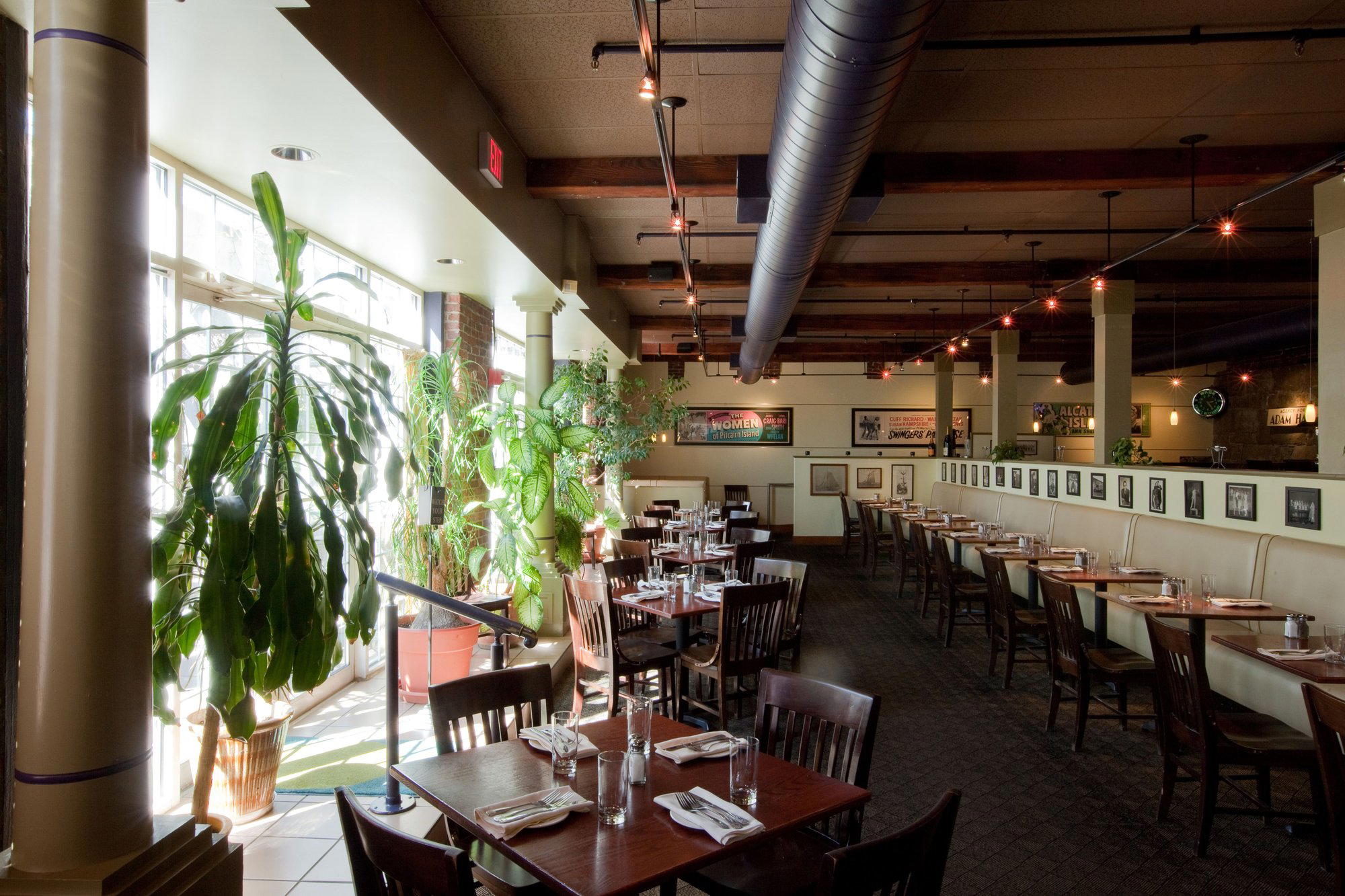
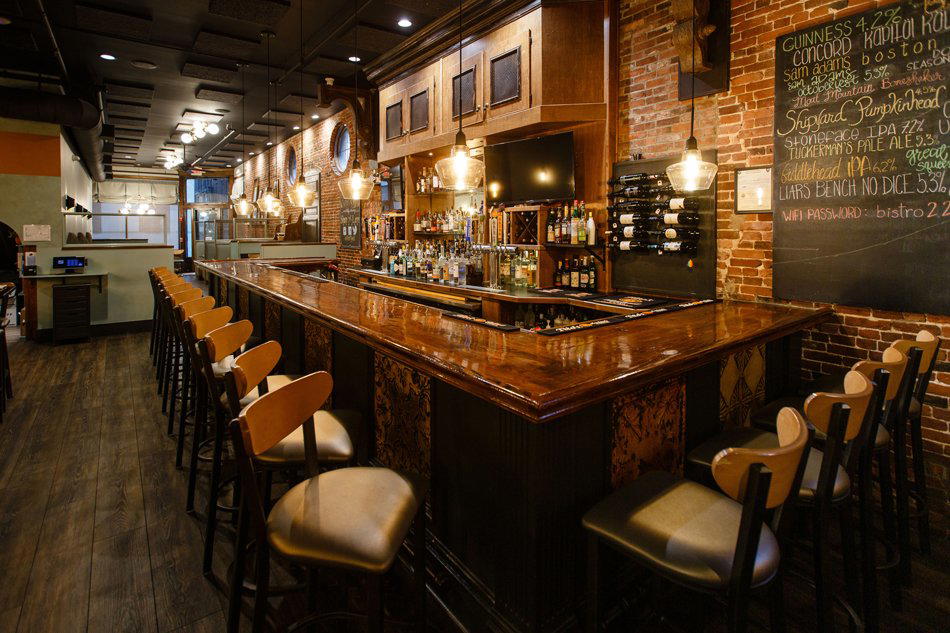
Restaurants in Manchester
All restaurants in Manchester →
Hotels in Manchester
Browse all →
Details
- Cozy
- Rustic
- Lively
- Casual Hangout
- Group Outing
- After Work
- Standalone
- Seated Bar
- Lounge Seating
- Outdoor Terrace
- Classic Cocktails
Current opening hours
- Monday
- 11:30 AM–9 PM
- Tuesday
- 11:30 AM–9 PM
- Wednesday
- 11:30 AM–9 PM
- Thursday
- 11:30 AM–9 PM
- Friday
- 11:30 AM–10 PM
- Saturday
- 11:30 AM–10 PM
- Sunday
- 11:30 AM–9 PM
Hours can change for holidays and private events. Hours as of .
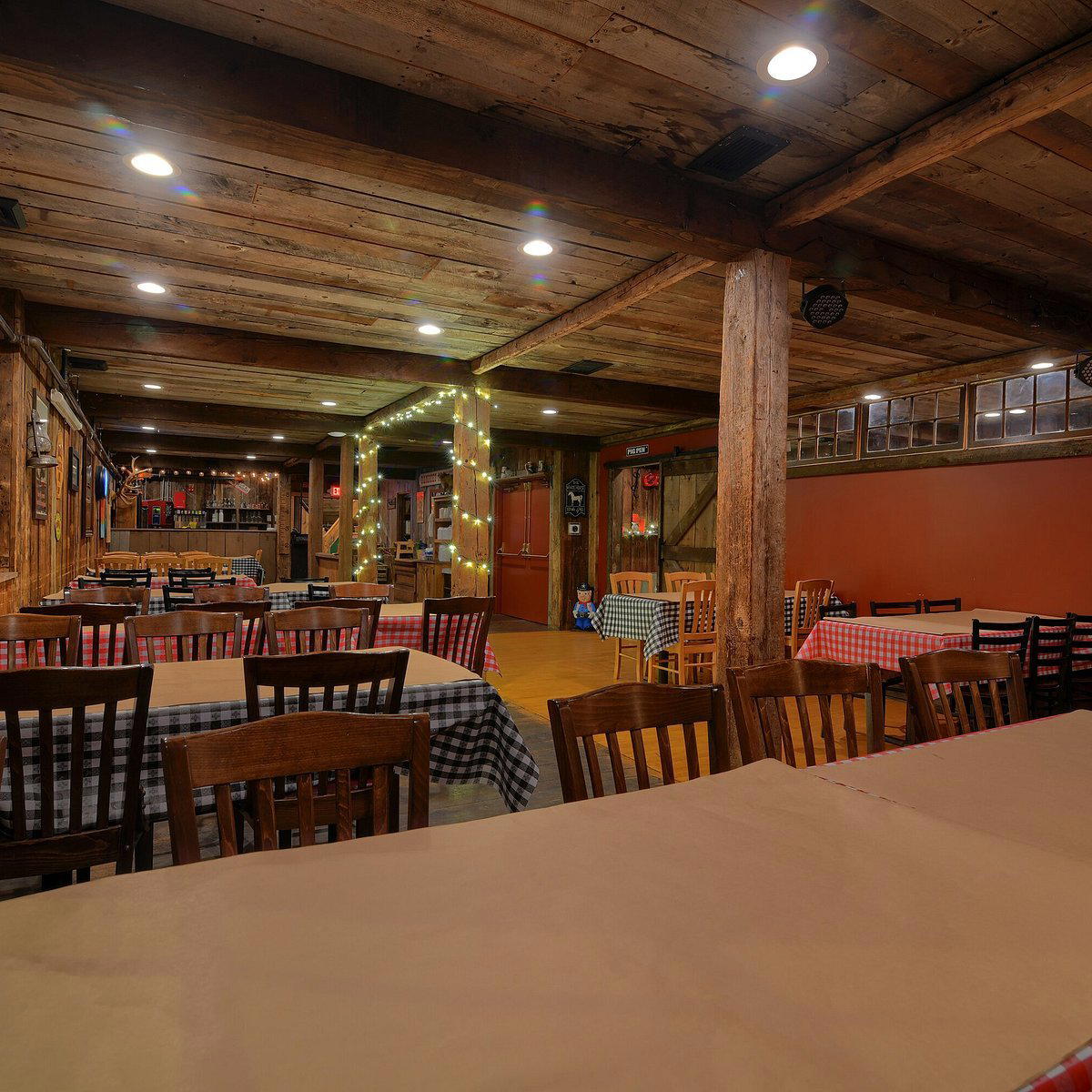
Exposed-brick industrial setting in an old mill building with cool, comfy decor and great atmosphere.