1981 Ramen Bar
A ramen bar on Merrimack Street that positions itself within Lowell's expanding pan-Asian dining corridor, where Vietnamese, Chinese, and Japanese formats have coexisted for decades. The name references 1981, signaling a founding-era connection to the neighborhood's culinary history. Located at 129 Merrimack St, it draws from a city whose food culture runs deeper than most visitors expect.

Pearl is the En Primeur Club membership app — saves, bookings, and concierge access live there. Same editors, same standards.
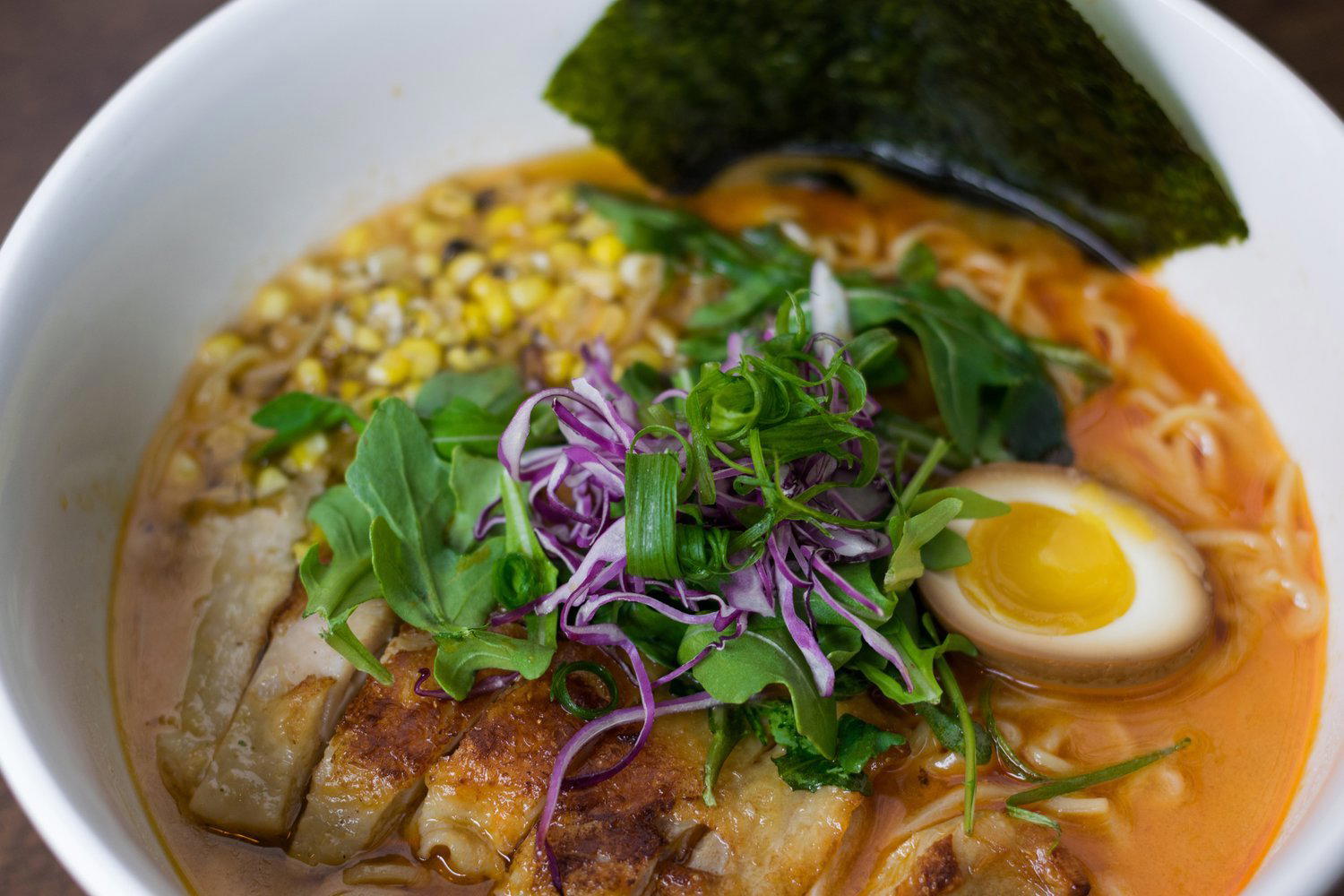
Merrimack Street and the Shape of Lowell's Asian Dining Scene
Lowell's Merrimack Street corridor has functioned as one of Massachusetts' more consequential stretches of pan-Asian dining for several decades, a product of the city's large Southeast Asian communities and the restaurants that grew around them. Vietnamese pho houses, Chinese banquet rooms, and Cambodian family kitchens have coexisted here in a way that reflects migration patterns more than culinary trend cycles. Into this context, 1981 Ramen Bar at 129 Merrimack St introduces a Japanese-adjacent format to a street that has historically leaned Vietnamese and Chinese. That positioning matters: ramen in this neighborhood isn't arriving into a vacuum, it's arriving into a citywide tradition of noodle culture with deep roots and a knowledgeable local audience.
The name itself carries a reference point. 1981 anchors the bar to a specific era, suggesting either a founding year or a nod to a formative moment in the city's food history. Either way, it frames the operation as something with a longer story behind it rather than a concept built for the current ramen wave that has swept smaller American cities in the wake of coastal enthusiasm for the format. In Lowell, where Hong Cuc Grand Eatery and Jade Lowell Restaurant represent the longer-established Asian dining presence, a ramen bar that plants a historical flag is making a deliberate argument about its place in the neighborhood.
Ramen as a Format, and What It Demands in 2024
The American ramen bar category has evolved considerably since its first coastal surge. Early operations competed on novelty; current ones compete on broth depth, noodle specification, and the quality of accompanying small plates and drinks. Cities like Chicago, New York, and San Francisco have produced programs that treat ramen with the same sourcing discipline applied to fine dining, and that bar has migrated outward. In a city like Lowell, where diners have long had access to genuinely good pho and other broth-based noodle traditions through venues like Mandarin Asian Bistro, a ramen bar has to earn its place against existing expertise in the category. The audience here has calibrated expectations around what a serious bowl of noodles should deliver.
That competitive context works in favor of operators willing to take the format seriously. Lowell's dining culture has historically rewarded authenticity over trend-following, a trait visible in the longevity of its Vietnamese restaurants and the community loyalty they command. A ramen bar that commits to broth quality and a considered menu structure has a genuine audience here, particularly as younger residents who grew up eating across multiple Asian traditions now look for Japanese formats with similar depth.
The Drinks Question at a Ramen Bar
Ramen bars increasingly occupy a hybrid space between restaurant and bar, and the drinks program is where that tension either resolves or collapses. The better operations in this format, comparable to what Kumiko in Chicago does with Japanese spirits alongside food, treat the back bar as a substantive component rather than an afterthought. Japanese whisky, shochu, sake, and craft beer have become standard reference points for the category, with more focused operations building curated collections that reflect regional Japanese production rather than generic shelf presence.
At the national level, bars that have committed to spirits curation as a defining element, from Bar Leather Apron in Honolulu to ABV in San Francisco, demonstrate that depth of selection builds a distinct identity that food alone cannot. For a ramen bar on Merrimack Street, the opportunity exists to position drinks as a second pillar alongside the bowl program. A focused Japanese whisky selection, a small sake list organized by style, or a shochu program built around regional varieties would each represent a meaningful editorial statement about the kind of operation 1981 aims to be. Whether that ambition is present in practice is a question the venue's current program must answer.
The broader shift in cocktail-forward venues, visible in operations like Jewel of the South in New Orleans, Julep in Houston, and Superbueno in New York City, has established that a drinks program with genuine curation depth can anchor a venue's identity as firmly as the kitchen. For ramen bars specifically, Japanese spirits represent the most coherent extension of the format's cultural logic, and the ones that have built recognizable collections have found a loyalty that menu-only operations rarely achieve.
Lowell's Broader Dining Moment
Lowell is not a secondary dining city anymore, at least not in the sense that its food options lack seriousness. The density of Asian restaurants along Merrimack Street and the surrounding blocks represents genuine culinary diversity, and the city's newer openings reflect an awareness that the existing audience has sophisticated expectations. Blue Taleh signals one direction the local scene is moving; 1981 Ramen Bar represents another. Together they suggest a city whose restaurant culture is diversifying in format even as it builds on existing community food traditions. For visitors who have historically bypassed Lowell in favor of Boston or Cambridge, the current moment is worth attention. Our full Lowell restaurants guide covers the broader picture across neighborhoods and price points.
Within the ramen category specifically, Lowell is a city where the format can develop without being swallowed by hype. The local audience has the palate for it, the surrounding restaurant culture provides genuine competitive pressure, and the neighborhood on Merrimack Street offers a location with foot traffic and food-oriented visitors already in the habit of eating along the strip. For 1981 Ramen Bar, that context is an asset. The international comparison set, from The Parlour in Frankfurt to the better ramen operations in New York and Chicago, establishes what the format can achieve when treated with ambition. The question Lowell diners will ask is how closely 1981 tracks to that standard.
Planning Your Visit
1981 Ramen Bar is located at 129 Merrimack St in Lowell, MA 01852, within walking distance of the city's main concentration of Asian restaurants and accessible from the Lowell MBTA commuter rail station. Current hours, booking availability, and pricing are best confirmed directly, as specific operational details are subject to change. Given the bar-restaurant hybrid nature of the format, arriving earlier in the evening typically provides the leading combination of selection availability and seating options. For context on what else is within reach on the same corridor, the Lowell city guide covers adjacent venues across cuisine types.
Cost and Credentials
Comparable venues nearby, for context on price, style, and recognition.
| Venue | Cuisine | Price | Notes |
|---|---|---|---|
| 1981 Ramen BarThis venue — the venue you are viewing | Downtown Lowell, Bar | $20–30 | Not listed |
| Blue Taleh | Downtown, lounge | Not listed | Not listed |
| Mandarin Asian Bistro | downtown, lounge | $20–30 | Not listed |
| Hong Cuc Grand Eatery | Downtown, Bar | $10–20 | Not listed |
| Jade Lowell Restaurant | Not listed | $20–30 | Thorndike Exchange, cocktail_bar |
| Milkweed | Not listed | $30–50 | Mission Hill, cocktail_bar |
Continue exploring
More in Lowell
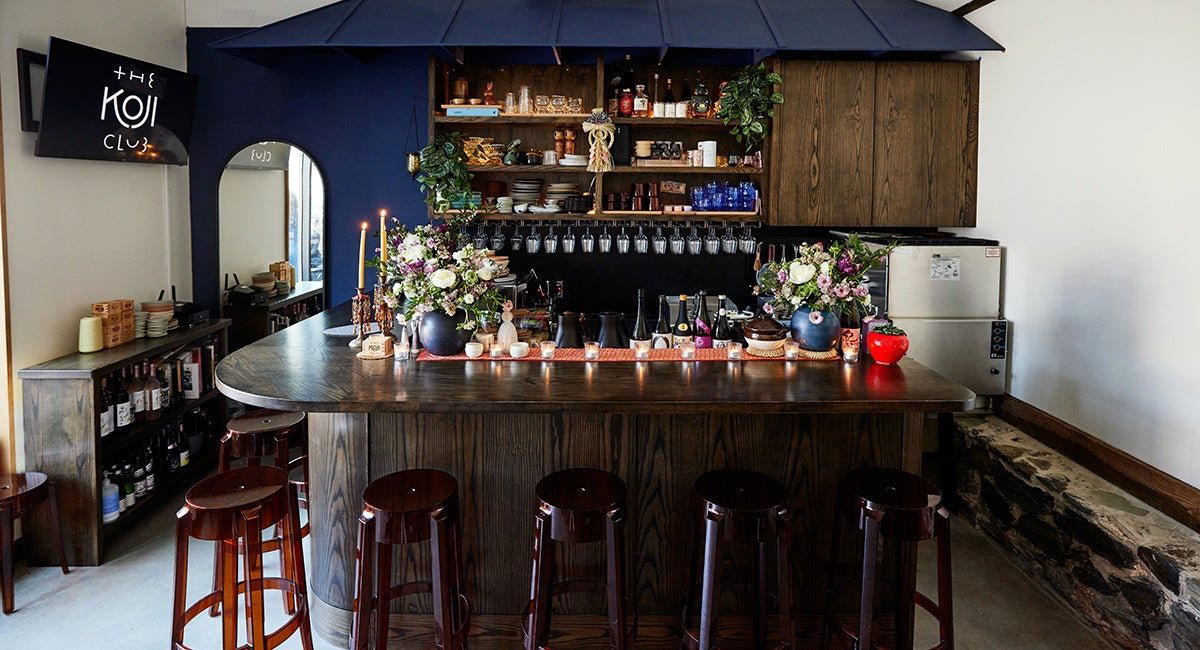
Bars in Lowell
All bars in Lowell →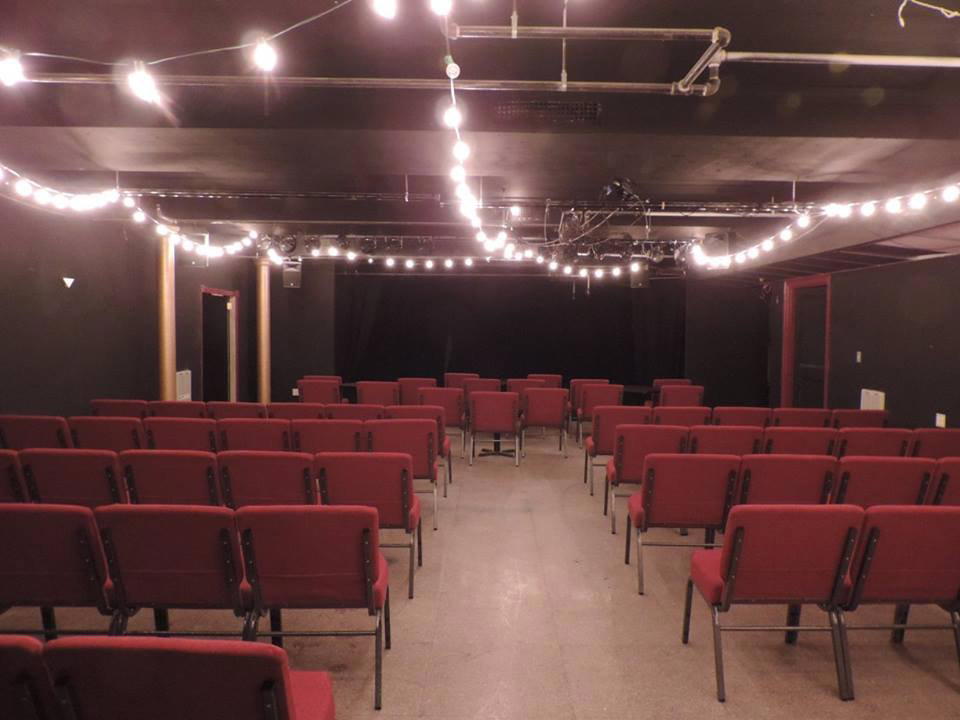
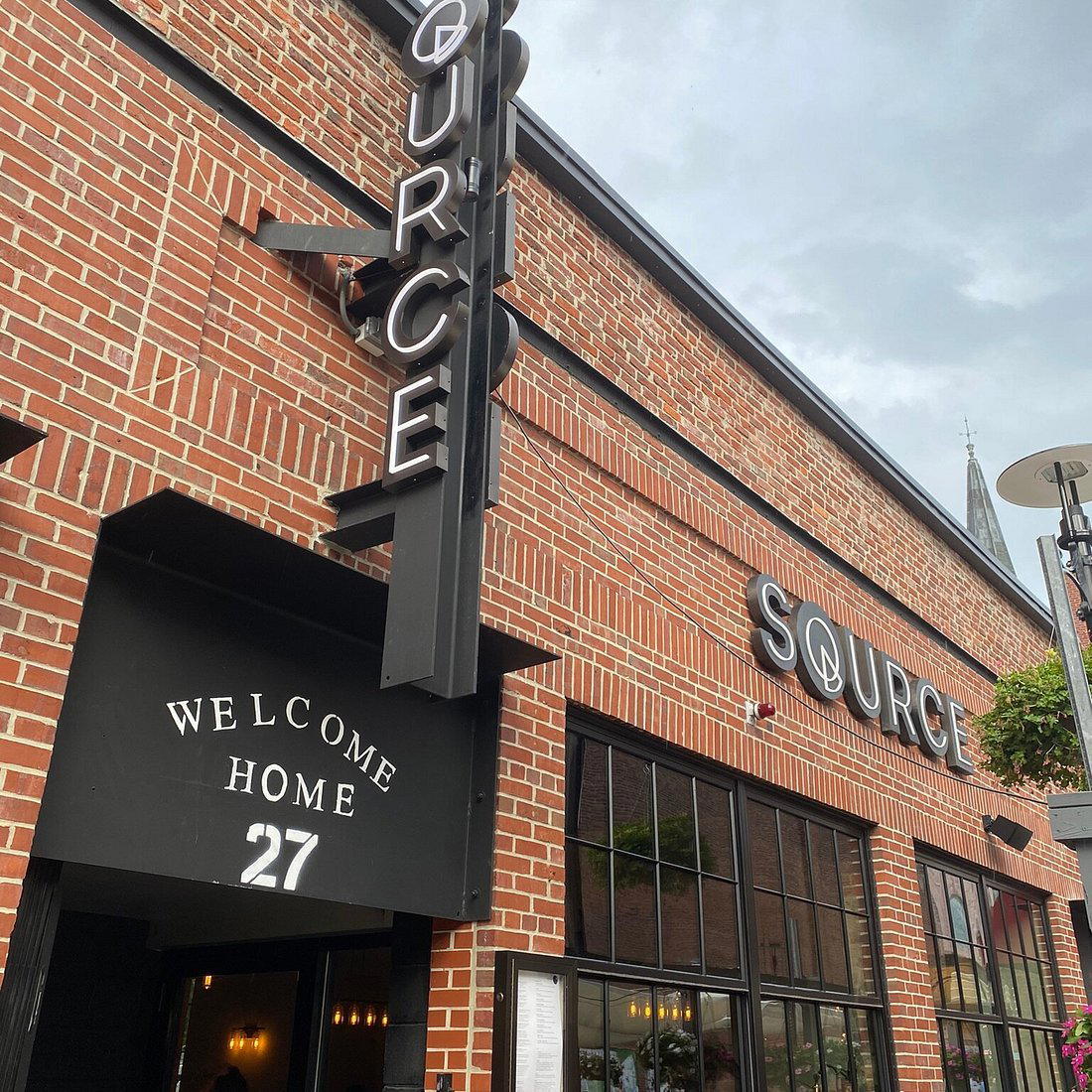
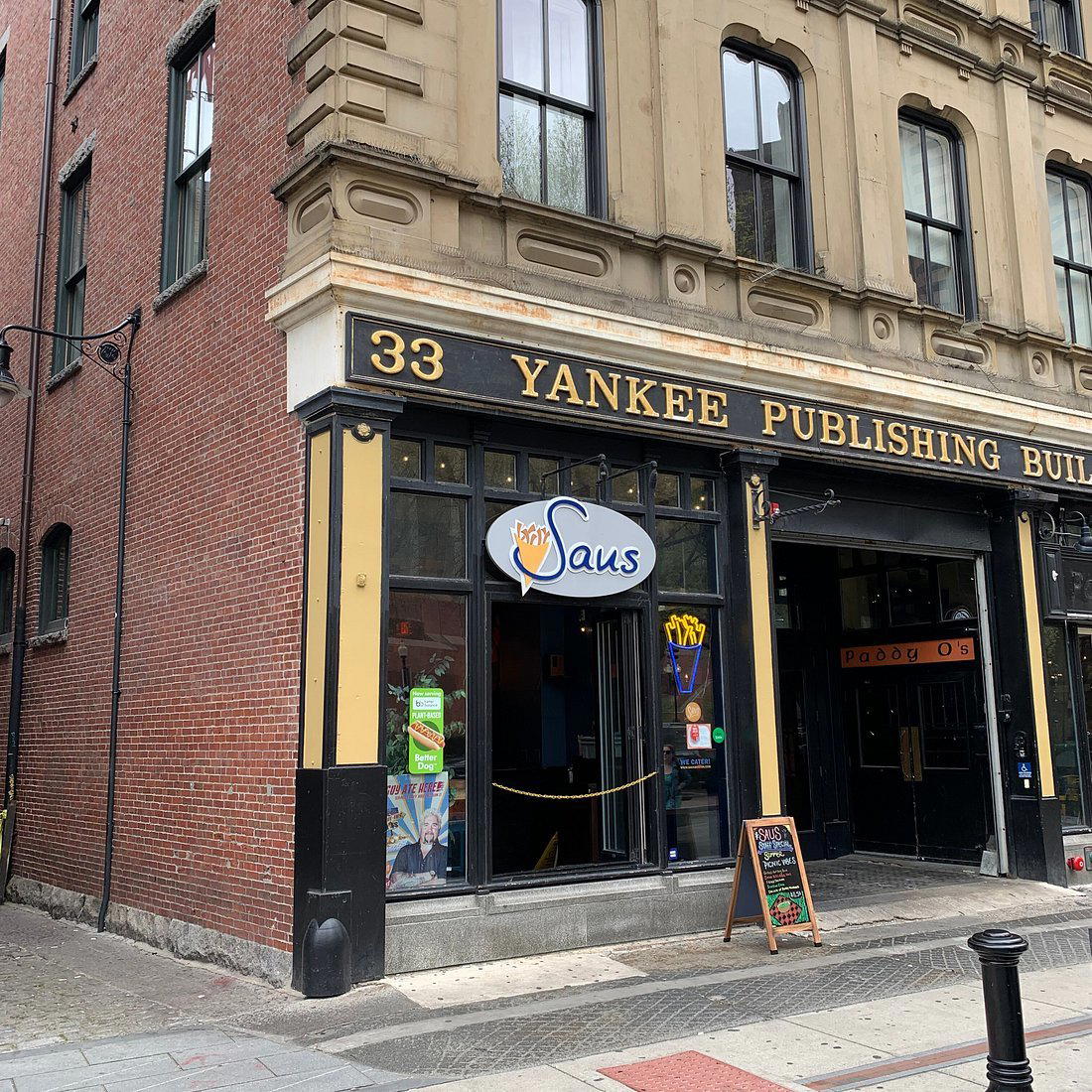
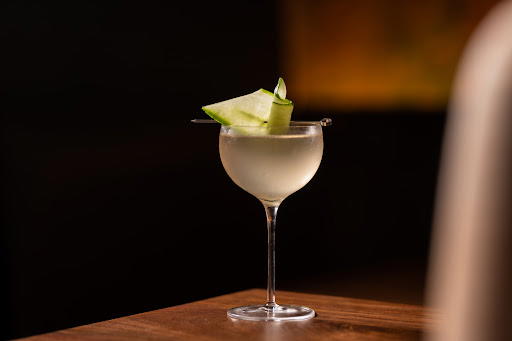
Restaurants in Lowell
Browse all →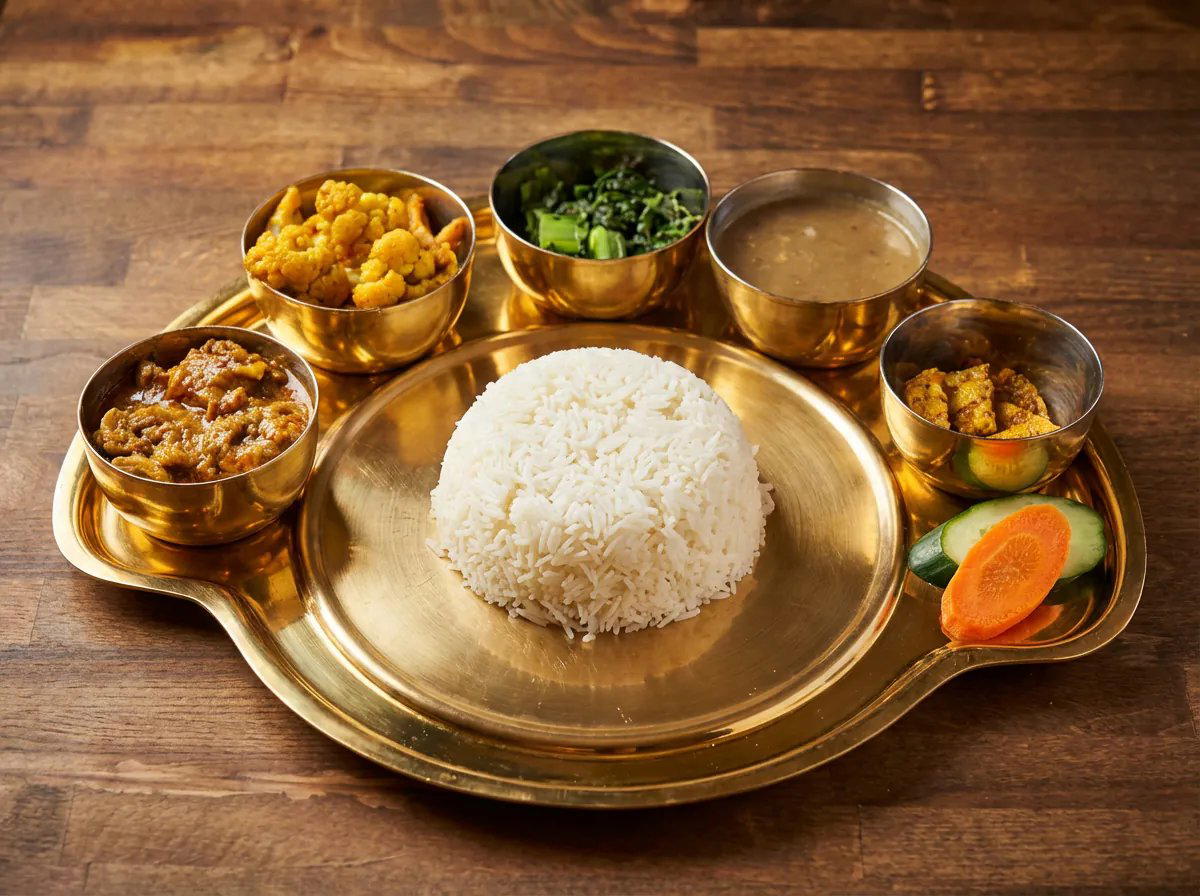
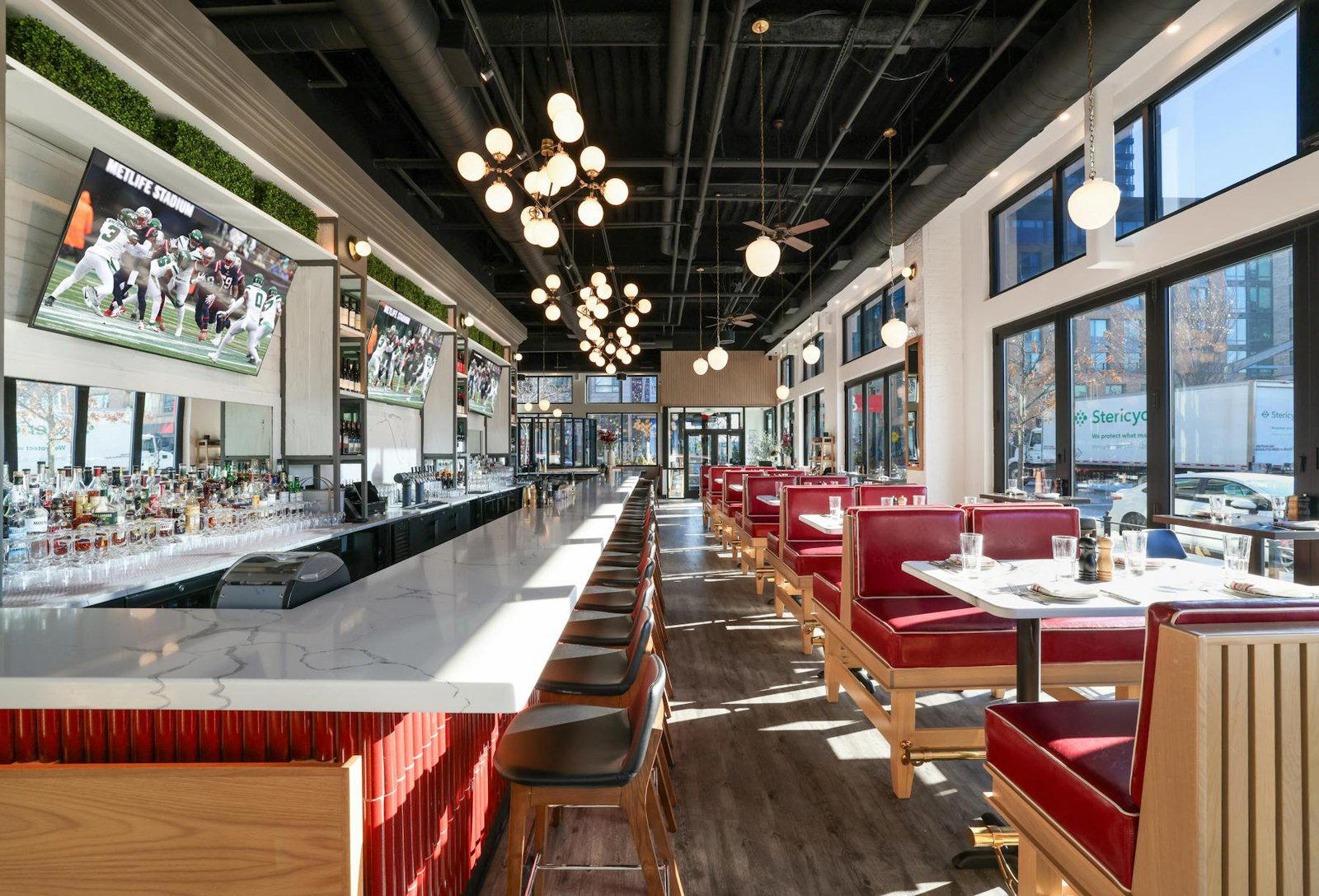
Hotels in Lowell
Browse all →
Wineries in Lowell
Browse all →
1981 Ramen Bar
The drinks
Signature drinks: lychee_martini, lychee_bellini.
Details
- Trendy
- Cozy
- Industrial
- Casual Hangout
- After Work
- Standalone
- Seated Bar
- Sake
Current opening hours
- Monday
- Closed
- Tuesday
- 5–8:45 PM
- Wednesday
- 5–8:45 PM
- Thursday
- 5–8:45 PM
- Friday
- 5–8:45 PM
- Saturday
- 5–8:45 PM
- Sunday
- Closed
Hours can change for holidays and private events. Last verified .
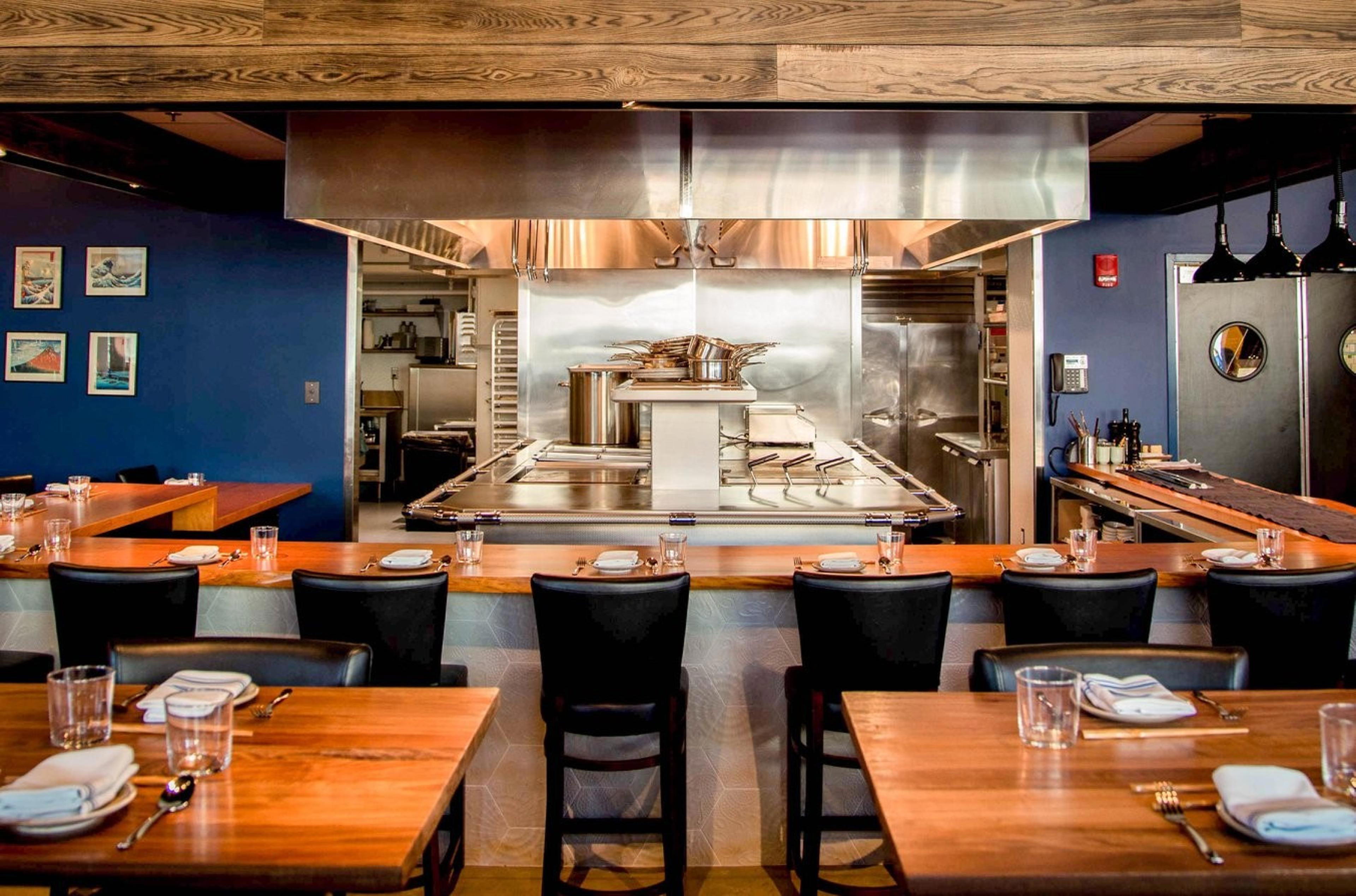
Industrial chic with open kitchen, quiet atmosphere, and great soundtrack per guest reviews.