
Osaka yakitori at this level is less about casual skewers than choreographed counter dining: fixed starts, shared pacing, and grill work treated as a full meal. Kuma no Yakitori 106 sits in that serious bracket, with Tabelog Yakitori WEST 100 recognition in 2025 and a compact room that keeps the ritual close to the fire.
Pearl is the En Primeur Club membership app — saves, bookings, and concierge access live there. Same editors, same standards.
- Address
- 6 Chome-3-26 Tenjinbashi, Kita Ward, Osaka, 530-0041, Japan
- Phone
- +81 6-6353-6330
- Website
- youtu.be
 Saves & bookings on Pearl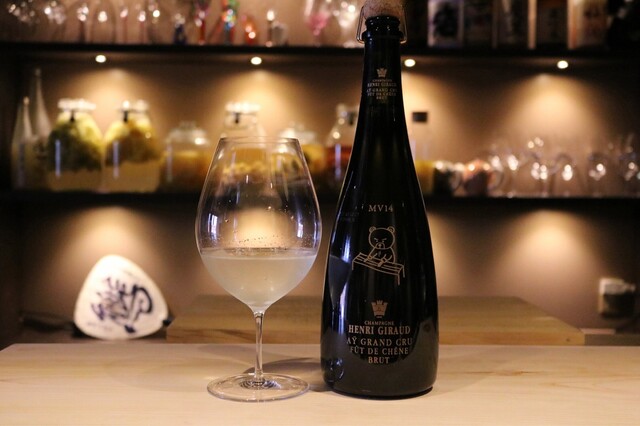
Brick Street near Tenjinbashisuji Rokuchome has the right scale for serious yakitori: narrow approaches, low signage, and dinner led by house rhythm rather than customer drift. In Osaka, where eating can be fast, loud, and democratic, higher-end yakitori asks for different attention. The meal is a timed sequence of heat, smoke, rest, and shared room pace, not a snack parade.
Kuma no Yakitori 106 belongs to that disciplined category. Recognition in Tabelog Yakitori WEST 100 for 2025 places it in a competitive western Japan field where yakitori is judged not only by ingredients, but by control: how the grill handles fat, skin, lean meat, and offal; how the kitchen sequences richer cuts against lighter ones; how drinks support char without overpowering it. The format matters because yakitori loses authority as random ordering. Here, course structure and simultaneous start times make the point: the restaurant is built around ritual, not grazing.
Yakitori as a timed Osaka counter ritual
Osaka’s dining culture often rewards informality, but its serious counters are exacting. Sushi, kappo, tempura, and yakitori share an unspoken contract: arrive ready to eat at the house cadence, watch the work, and let the sequence make its case. Yakitori’s version is especially physical. The grill is not background equipment; it organizes the meal. Heat decides pace, portion size, and when a skewer moves from fire to plate.
That is why a small room changes dinner. A 14-seat setup, including counter seating and a small table section, keeps the meal within the kitchen’s reach. This is not a sprawling izakaya where skewers arrive whenever the pass allows. The appeal is contained service in which the room moves together and timing becomes part of the cuisine. For travelers used to yakitori as a casual post-drinks stop, this format quickly recalibrates expectations.
The venue’s Tabelog score of 3.74 is not the whole story, but in Japan’s user-review ecosystem it signals a restaurant above the casual neighborhood tier. Repeated Tabelog 100 selections across recent years add a stronger trust marker than one burst of attention. In a category where many counters are locally beloved but barely legible to visitors, that recognition helps separate a serious reservation from a convenient dinner near the station.
The chicken-first argument, and why it matters
Yakitori at this level is a conversation about chicken as much as charcoal. The restaurant identifies itself around grilled chicken skewers and makes provenance central, including the claim that it raises its own chicken. That matters because premium yakitori has become more like sushi in its attention to sourcing. The bird is no longer neutral protein; breed, rearing, butchery, and handling affect texture, fat, and how each part behaves over heat.
The broader shift is easy to miss from outside Japan. Casual yakitori often leans on sauce, salt, and smoke’s easy pleasure. Serious yakitori asks a narrower question: how many expressions can one bird carry through a meal? Breast, thigh, skin, cartilage, liver, and other cuts each demand different timing. The craft is not only charring, but deciding when resistance, softness, fat, and bitterness should appear.
Kuma no Yakitori 106’s drink language also places it in contemporary premium yakitori. Sake, shochu, and wine are part of the program, and BYO is listed as a service. That combination reflects where the category has moved: yakitori no longer belongs only to beer and highballs. Wine can work with smoke and fat when pacing is controlled, while sake and shochu keep the meal connected to older drinking customs. The point is flexibility around grilled poultry, tare, salt, and repeated charcoal.
Compared with other Osaka meals, the positioning is clear. Sushi Marumine speaks to the city’s sushi appetite, while Katsuya charcoal grill steakhouse sits closer to premium grilled beef. Gunjo, Hachi, and DIVA occupy different parts of Osaka’s dining map. Kuma no Yakitori 106 is narrower, and that narrowness is the advantage: it asks diners to give a full evening to chicken, fire, and pacing rather than treating yakitori as prelude.
How to place it in an Osaka itinerary
This is a dinner for travelers who want Osaka beyond obvious street-food shorthand. The city’s quick-service canon still matters, and 551 Horai (551蓬莱) remains a useful reference for how mass affection and consistency shape local eating. But serious dining here is more varied than takoyaki clichés suggest. A bakery such as 52CHO-ME BAKERY, a cafe stop like .cafe, Neapolitan cooking at 99 Pizza Napoletana Gourmet, and Italian dining at a canto (Italian) show a city moving between vernacular comfort and imported precision.
The smarter use of a yakitori reservation here is to protect the evening around it. The meal’s value depends on rhythm, and the room is not designed for late indecision or a loose drinking crawl. Treat it as the night’s anchor, then build lighter meals around it. For planning, Our full Osaka restaurants guide gives the dining context, while Our full Osaka hotels guide, Our full Osaka bars guide, Our full Osaka wineries guide, and Our full Osaka experiences guide help map the rest of the trip.
Readers comparing Japanese dining formats beyond Osaka can see how regional specificity changes the meal: -Grilled beef Sukiyaki- KAMAKURA TANUKIAN 鎌倉 たぬき庵 in Kamakura sits in a different beef tradition, 鮪と炭火焼き うお炭 秋葉原店 in Tokyo brings charcoal into another urban register, and [ki:] in Kyoto points toward Kyoto’s quieter dining grammar. Further afield.know in Kumamoto, (Shoku) Vietnam in Kawasaki, [Curry Senmon Ten] Maruyama Kyoju. in Sapporo, Jōdo Saké Bar in Los Angeles, and Onigiri Time in Pasadena show how Japanese formats travel, adapt, or stay rooted depending on city and audience.
The editorial call is simple: this is not the Osaka meal for diners seeking variety across a dozen addresses in one night. It is for those who understand that yakitori becomes compelling when repetition is disciplined. The reward lies in submitting to the sequence and noticing how small changes in cut, heat, seasoning, and timing carry the evening.
The Minimal Set
Side-by-side context: comparable cuisine and price.
| Venue | Cuisine | Price | Notes |
|---|---|---|---|
| Kuma no Yakitori 106This venue — the venue you are viewing | Kita, Members-only Yakitori Omakase | $$$ | Not listed |
| Unagiya Unagi | Not listed | $$$ | Yodogawa, Traditional Kansai-style unagi (eel) counter |
| Tonkatsu Koshirou | Chūō, Omakase Tonkatsu Counter | $$$ | Not listed |
| Noro | Not listed | $$$ | Chūō, Classic Yoshoku (Japanese Western-style) |
| Sumibi Yakitori Nakao | Not listed | $$$ | Chūō, Traditional Charcoal-Grilled Yakitori |
| Yoshoku Matsushita | Not listed | $$$ | Chūō, Yoshoku (Japanese-style Western) |
Recognition history
Dated appearances from independent guides and award organizations, with the underlying list record or original source where available.
Tabelog 100 #39 · No. 39
Tabelog · Tabelog 100 - Yakitori - WEST - 2025
Continue exploring
More in Osaka
Restaurants in Osaka
Browse all →




Bars in Osaka
Browse all →




Hotels in Osaka
Browse all →




Wineries in Osaka
Browse all →
At a Glance
- Intimate
- Cozy
- Elegant
- Date Night
- Special Occasion
- After Work
- Solo
- Chefs Counter
- Standalone
- Design Destination
- Sake Program
- Local Sourcing
Current opening hours
- Monday
- 4 PM–12 AM
- Tuesday
- 4 PM–12 AM
- Wednesday
- 4 PM–12 AM
- Thursday
- 4 PM–12 AM
- Friday
- 4 PM–12 AM
- Saturday
- 4 PM–12 AM
- Sunday
- 4 PM–12 AM
Hours can change for holidays and private events. Last verified .
An intimate 12-seat counter on a narrow brick alley off Tenjinbashi, with a close chef–guest interaction and a calm, focused atmosphere suited to a course-style yakitori experience.